


Search results
Search for "FTIR" in Full Text gives 342 result(s) in Beilstein Journal of Nanotechnology. Showing first 200.
Scavenging of reactive oxygen species by phenolic compound-modified maghemite nanoparticles
Beilstein J. Nanotechnol. 2019, 10, 1073–1088, doi:10.3762/bjnano.10.108
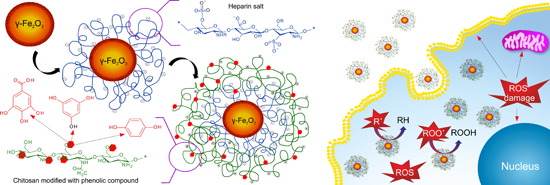
- phenolic compounds Physicochemical characterization The effect of the AA/H2O2 redox system and the phenolic compounds on the molecular structure of chitosan was investigated using ATR-FTIR and 1H NMR spectroscopy. The ATR-FTIR spectra of CS and of chitosans modified with phenolic compounds differed from
- stretching, respectively. In the ATR-FTIR spectra of chitosans modified with phenolic compounds, the peak at 1728 cm−1 was slightly shifted to 1734 cm−1, indicating binding of phenolic compounds to the carbonyl groups of CS. Similar to ATR-FTIR spectra, the 1H NMR spectra of CS and chitosans modified with
- formed, the AA/H2O2 redox system is convenient for chitosan degradation [19][20]. Hydroxyl radicals attack the polysaccharide, forming macroradicals, which are then prone to covalently bind phenolic compounds. According to the ATR-FTIR and 1H NMR spectroscopy results, the structural similarity between CS





Tailoring the stability/aggregation of one-dimensional TiO2(B)/titanate nanowires using surfactants
Beilstein J. Nanotechnol. 2019, 10, 1024–1037, doi:10.3762/bjnano.10.103
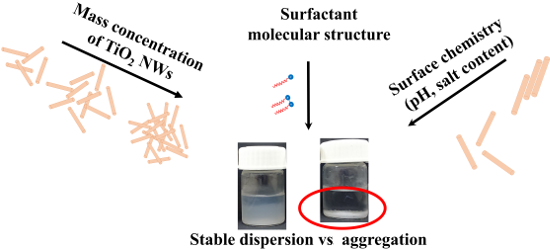
- mixed phase, TiO2(B) and trititanate layered TNW structure was confirmed by powder X-ray diffraction (PXRD) as well as Fourier-transform infrared spectroscopy (FTIR) and Raman spectroscopy. The details can be found in Supporting Information File 1. High-resolution scanning electron microscopy (HR-SEM
- -Brentano geometry mode using Cu Kα radiation (λ = 0.154056 nm) at room temperature. PXRD patterns were scanned in the range 2θ = 5–70° with a step size of 0.08° and 10 s per step. The PANalytical High Score Plus software suite was used for data treatment. Infrared (FTIR) spectra were recorded on a Perkin
- Elmer FT-IR C89391 instrument at room temperature in the wavenumber range 4000–400 cm−1. The resolution of the FTIR spectrophotometer was 2 cm−1. Raman spectra were recorded on an EQUINOX 55 device equipped with an Nd:YAG laser (λ = 1064 nm) at room temperature applying a laser power of 100 mW. The


Nanoscale optical and structural characterisation of silk
Beilstein J. Nanotechnol. 2019, 10, 922–929, doi:10.3762/bjnano.10.93
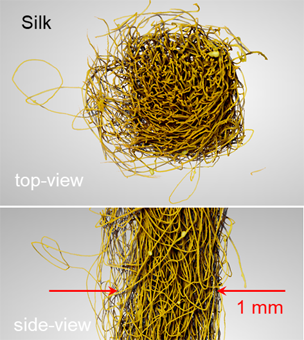
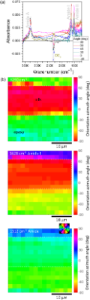
- different methods, i.e., (i) a table-top Fourier-transform infrared (FTIR) transmission spectrometer, (ii) a synchrotron-based attenuated total reflection (ATR) FTIR spectrometer, and (iii) an atomic force microscopy (AFM) tip responding to the absorbed IR light (nano-IR [9]), produced comparable spectral
- shapes of the characteristic silk bands are related to the different sensitivity of R and A to the real and imaginary parts of . The absorbance measured from the far-field transmission directly reflects the imaginary part of the index κ, while the absorbance obtained in the ATR-FTIR mode is affected by
- tip size independent of the laser wavelength [12]. The nano-FTIR spectra were recorded at a rate of ca. 100 s/spectrum with a spectral resolution of 10 cm−1. Removal of the instrumental response function from the nano-FTIR spectra was done by normalization of the measured spectra to a reference Si


Synthesis of novel C-doped g-C3N4 nanosheets coupled with CdIn2S4 for enhanced photocatalytic hydrogen evolution
Beilstein J. Nanotechnol. 2019, 10, 912–921, doi:10.3762/bjnano.10.92
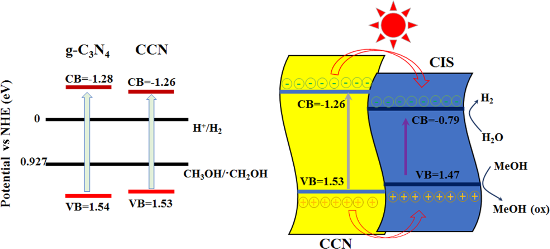
- ) crystallographic planes of the cubic CdIn2S4 (JCPDS no. 27-0060), revealing the presence of CdIn2S4 in the composites. Figure 3 presents the Fourier transform infrared (FTIR) spectra of CCN and the CISCCN photocatalyts. In the case of CCN nanosheets, a series of peaks at 1240, 1320, 1410, 1530 and 1640 cm−1
- between 1700 cm−1 and 1200 cm−1 are related to the typical stretching vibration of C–N and C=N in the CN heterocycles [38]. The characteristic peak of 812 cm−1 is due to the particular breathing mode for s-triazine (C3N3) units of g-C3N4 [7]. The FTIR absorption band at the region of >3200 cm−1 is
- ascribed to O–H of absorbed water and the stretching modes of uncondensed amine groups [4]. Obviously, after the combination of CdIn2S4 and CCN, the resulting CISCCN nanocomposites possess similar FTIR spectra as that of the CCN sample. The microstructure and morphology of the as-fabricated CCN and CISCCN3


The systemic effect of PEG-nGO-induced oxidative stress in vivo in a rodent model
Beilstein J. Nanotechnol. 2019, 10, 901–911, doi:10.3762/bjnano.10.91
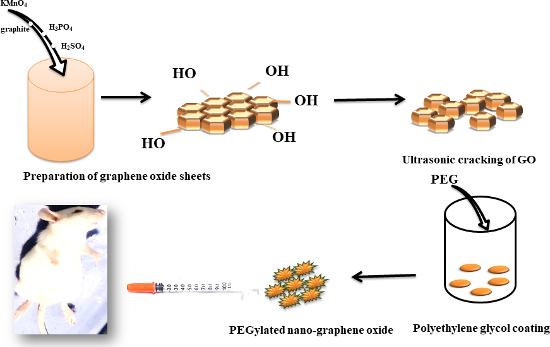
- polyethylene glycol (PEG). PEGylation of nGO was confirmed by Fourier-transform infrared spectroscopy (FTIR), UV spectroscopy and TEM. The average size distribution of nGO and PEG-nGO was determined by using dynamic light scattering (DLS). Subsequently, an in vivo study measuring a marker for oxidative stress
- ° according to a d-spacing of 2.13 Å, confirming the successful GO synthesis [42]. Fourier-transform infrared spectroscopy The surface functional groups of nGO and PEG-nGO were investigated by Fourier-transform infrared spectroscopy (FTIR). The infrared spectra of nGO and PEG-nGO were processed using Origin
- Excel, and the values (P* < 0.05) were considered statistically significant. X-ray diffraction (XRD) spectra of pure graphite and synthesized graphene oxide. Deviation of XRD peak at 2θ = 26.5° to 9.9° confirmed the successful oxidation of graphite sheets. FTIR spectra of nGO and PEG-nGO. Additional


Rapid, ultraviolet-induced, reversibly switchable wettability of superhydrophobic/superhydrophilic surfaces
Beilstein J. Nanotechnol. 2019, 10, 866–873, doi:10.3762/bjnano.10.87
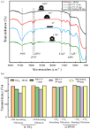
- nanoparticles were subjected to chemical bonding as Si–O–Ti with hydrolysing PFOS. The chemical bonding is verified by the Fourier transfer infrared (FTIR) spectra of TiO2 and TiO2–PFOS coated glass surfaces, as shown in Figure 2. The asymmetric stretching vibration of the Si–O–Ti species was displayed at the
- –CF2− and –CF3 groups appeared in the FTIR spectra of Al2O3–PFOS but without the peak at 1065 cm−1, which indicates that there was probably no chemical bonding between Al2O3 and PFOS, suggesting the physical adhesion between Al2O3 nanoparticles and PFOS. Wettability switching by UV illumination and
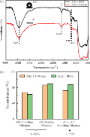
- superhydrophobic to superhydrophilic is much faster than in previous works [22][23][24][25][26][27]. The samples in the process of wettability switching were observed by FTIR, as shown in Figure 3a. For the TiO2–PFOS surface, as the UV exposure time increases, the peak intensity at 1629 cm−1 and 3436 cm−1



Tungsten disulfide-based nanocomposites for photothermal therapy
Beilstein J. Nanotechnol. 2019, 10, 811–822, doi:10.3762/bjnano.10.81
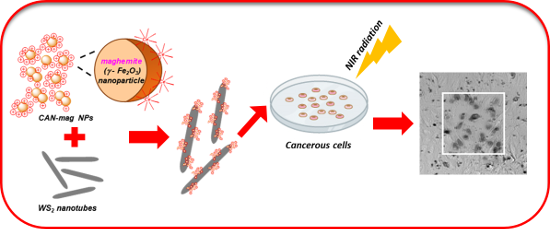
- shaken at 10 °C for 72 h. Characterizations ATR-FTIR spectra were obtained on a Nicolet iS5 FT-IR spectrometer (Thermo Scientific, Waltham, MA, US) equipped with an iD5 ATR accessory featuring a laminated diamond crystal. Samples were analyzed without further preparation. The data processing was
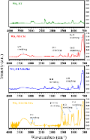
- attachment of polymers to the composite. Figure 3 shows the FTIR absorbance spectra of WS2-NT and its composites. The absorption of the WS2-NTs was so weak that we are not sure that anything can be learned from such absorption. In the spectrum of WS2-NT-CM (and of its two composites), the strong peak at 570
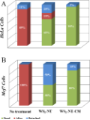
- nanoparticles. The preparation procedures are facile and make use of readily available reagents and equipment. Electron microscopy, FTIR, zeta potential, TGA, and ICP analyses demonstrated the attachment of CAN-mag nanoparticles to the nanotubes. CAN-mag attachment around the nanotubes was not conformal, and in






On the transformation of “zincone”-like into porous ZnO thin films from sub-saturated plasma enhanced atomic layer deposition
Beilstein J. Nanotechnol. 2019, 10, 746–759, doi:10.3762/bjnano.10.74
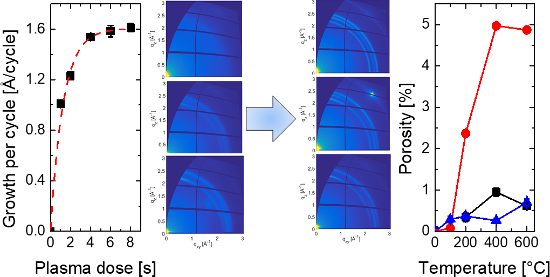
- reported using the same color scales [55]. For chemical analysis of the obtained thin films, Fourier-transform infrared (FTIR) and X-ray photoelectron spectroscopy (XPS) were performed. For the FTIR analysis, a Bruker IFS 66v/S was adopted. For each spectrum, 1000 scans were recorded in transmission mode
- gather information about the chemical composition and bonding of the Zn-alkoxide layers, FTIR and XPS measurements were performed. The oxidative environment of the oxygen plasma during the deposition causes the formation of CO2 and water eventually leading to the removal of all the carbon functionalities
- and formation of pure ZnO. Before saturation, though, the active oxygen species are not sufficient in number to cause the total reaction of the ethyl groups into CO2, leaving in the layer (partially) oxidized organic groups and chain terminating Zn–OH groups. In Figure 1b, the FTIR spectra are


Outstanding chain-extension effect and high UV resistance of polybutylene succinate containing amino-acid-modified layered double hydroxides
Beilstein J. Nanotechnol. 2019, 10, 684–695, doi:10.3762/bjnano.10.68
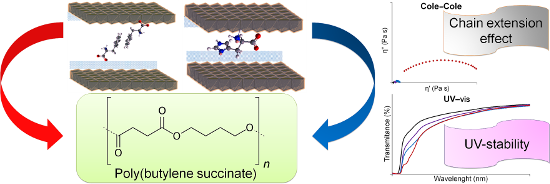
- spectroscopy (FTIR) and thermogravimetric analysis (TGA). As expected, the UV–vis spectra showed absorbance in the UVC and UVB regions and the potential role as UV stabilizers. In a second part, PBS composites were prepared with 5 wt % of LDH filler by melt blending and once again fully characterized (XRD, TGA
- . Characterization methods FTIR spectra of the LDH fillers were recorded using a Nicolet 380 FTIR spectrometer (DTGS detector) equipped with an attenuated total reflection single reflection diamond from Specac, and 32 scans and at a resolution of 4 cm−1 were collected. LDH fillers and PBS–LDH nanocomposites were
- evidenced by FTIR analysis (see below), can be explained by either the small excess of the organic anion used during the synthesis or the large excess of nitrate anions in the reaction medium introduced by the reactants in the form of nitrate salts. The diffraction pattern obtained for LDH/HIS is poorly


Commercial polycarbonate track-etched membranes as substrates for low-cost optical sensors
Beilstein J. Nanotechnol. 2019, 10, 677–683, doi:10.3762/bjnano.10.67
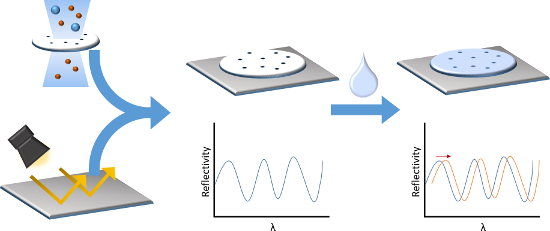
- interferometer and might be useful for sensing purposes as well. Firstly, we checked if PCTE membranes exhibit an interference fringe pattern when exposed to light. For that aim, we performed vertical reflectivity measurements with an FTIR microscope (30 scans were taken for each measurement with a resolution of
- sensing applications. To this end, we placed a 10 µL drop of pure ethanol on the area of the PCTE membrane illuminated by the light beam of the FTIR microscope and let it evaporate at room temperature. We recorded the spectrum of the sample before the deposition of the drop and during the evaporation
- process every minute (i.e., the time required by the FTIR to perform a measurement with the configuration previously described). In this way, we can follow the shift experienced by the spectrum at a given point of the PCTE membrane in real time. When the air present in the porous structure is replaced by


Ultrathin hydrophobic films based on the metal organic framework UiO-66-COOH(Zr)
Beilstein J. Nanotechnol. 2019, 10, 654–665, doi:10.3762/bjnano.10.65
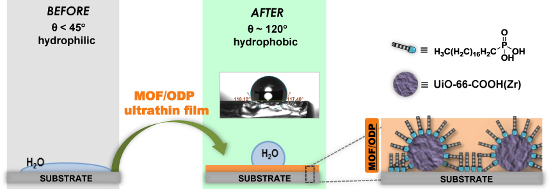
- OPD/MOF ultrathin films have been fabricated onto glass, calcium fluoride, quartz crystal microbalance (QCM), Si(100) substrates and mica and characterized using scanning electron microscopy (SEM), Fourier transform infrared spectroscopy (FTIR), X-ray diffraction (XRD), atomic force microscopy (AFM
- film fabrication. FTIR was also used to confirm ODP incorporation in the LB films (Supporting Information File 1, Figure S8). C–H stretch bands from ODP (2920 and 2851 cm−1) are observed in the MOF/ODP LB films. This demonstrates that this methodology is useful for modifying the surface of the
- hydrophilic substrates such as glass and mica and the coverage with just one mixed MOF/ODP layer increases the water contact angle up to 120°. The structure of these highly hydrophobic films has been characterized by GIXRD, FTIR, AFM and SEM, revealing that ODP forms a continuous film, with ODP molecules in


Topochemical engineering of composite hybrid fibers using layered double hydroxides and abietic acid
Beilstein J. Nanotechnol. 2019, 10, 589–605, doi:10.3762/bjnano.10.60
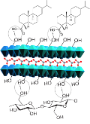
- (λ = 0.15415 nm). Patterns were recorded in the 2θ range of 5–70° in steps of 0.04° with a counting time per step of 8 s. The modified fibers were analyzed by pressing them gently onto a copper sample holder. ATR-FTIR analysis: Attenuated total reflectance Fourier transform infrared (ATR-FTIR
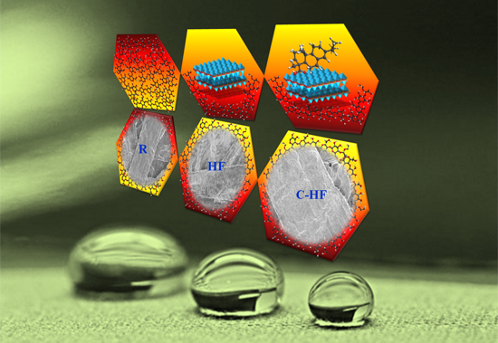
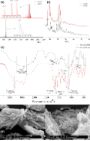
- : abietic acid). FTIR spectra of pulp fibers (filled circles: fibers, asterisks: LDH, filled diamonds: abietic acid). SEM images showing the hybridization of LDH particles on the fiber surfaces of (a) BKP, (b) BKPR, (c) UBKP and (d) UBKPR. SEM images of the BKP fibers: (a) REF (b) C-F (c) HF (d) C-HF (0.15




Polymorphic self-assembly of pyrazine-based tectons at the solution–solid interface
Beilstein J. Nanotechnol. 2019, 10, 494–499, doi:10.3762/bjnano.10.50
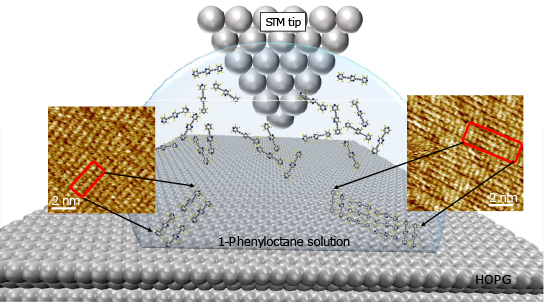
- pyrazine ring at the para-positions, making an angle of 180° between the two binding sites, giving it a linear shape (Figure 1). Details of the synthesis of the molecule, and its characterization by means of FTIR, 1H and 13C NMR, mass spectrometry, and single crystal X-ray diffraction are provided in


Reduced graphene oxide supported C3N4 nanoflakes and quantum dots as metal-free catalysts for visible light assisted CO2 reduction
Beilstein J. Nanotechnol. 2019, 10, 448–458, doi:10.3762/bjnano.10.44
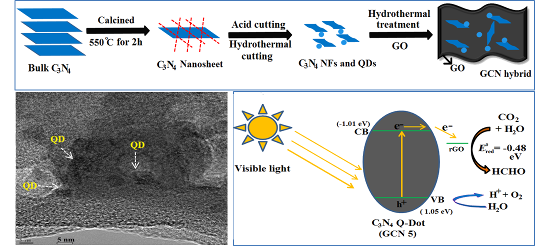
- existence of an interaction between rGO and g-C3N4 inside the composite. FTIR spectra further confirm (Figure 4) the formation of C3N4 NFs and QDs, as well as the structural changes of C3N4 nanosheets. The peaks at around 3000–3110 cm−1, 1200–1650 cm−1 and 810 cm−1 are due to the N–H stretching vibration
- a small span of time (5 h). During the acid treatment process, some C–N bonds of the s-triazine units of the g-C3N4 sheet are oxidized and oxygen-containing carboxylate functional groups are generated at the edge and on the basal plane [19] as indicated by FTIR spectra (Figure 4). This results in
- °. XPS was conducted using a Thermo Kα XPS (Thermo Fisher Scientific). FESEM was carried out using an S-4800, Hitachi Ltd. instrument (acceleration voltage, 5 kV), and TEM was conducted with a Tecnai G2 F20 S-TWIN microscope. FTIR spectra were recorded with a Perkin Elmer Spectrum 100 spectrometer, and





Nanocomposite–parylene C thin films with high dielectric constant and low losses for future organic electronic devices
Beilstein J. Nanotechnol. 2019, 10, 428–441, doi:10.3762/bjnano.10.42
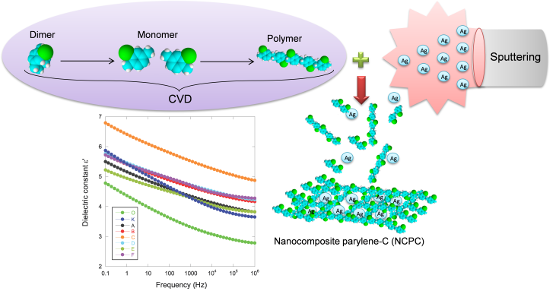
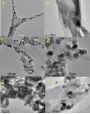
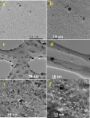
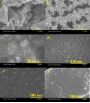
- greater roughness than sample D maybe due to a larger nanoparticle size. To summarize, film thickness, AgOx nanoparticle size and, to a lesser extent, Ag content concur to affect the roughness of the NCPC samples. FTIR analysis According to the FTIR analysis (Figure 5), the main spectral features of
- transform infrared spectrometer (FTIR, Nicolet 380) in reflectance mode at a resolution of 4 cm−1 in a wave number range from 400 to 3200 cm−1. The spectra were obtained after a previous background subtraction with 32 scans for each sample to remove the contribution of H2O and CO2 molecules. Dielectric
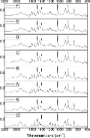
- shown. Asterisks indicate the peaks of Ag oxides. Si peaks coming from the substrate are also highlighted. Roughness (Ra) as a function of the thickness. The red curve is the trend for pure parylene C films obtained in [65]. FTIR spectra of pure parylene C (samples O and K) and NCPCs (samples A to F). a




Biocompatible organic–inorganic hybrid materials based on nucleobases and titanium developed by molecular layer deposition
Beilstein J. Nanotechnol. 2019, 10, 399–411, doi:10.3762/bjnano.10.39
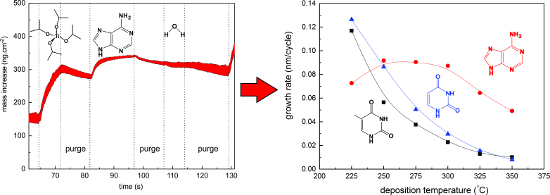
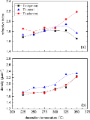
- support that the as-deposited films mainly consist of titanium and their respective bases, while these bases are more or less fully leached out during immersion in water leaving a TiO2 surface. The FTIR analysis of the hybrid films provides information about the presence of the organic moieties and also
- the resulting bonding modes between metal and organic molecules. Determining the bonding modes for nucleobases with FTIR is not as straight forwards as for amino acids (as can be seen in [22]); however, comparing characteristic bands of nucleobases before and after coordination with the metal atom can
- provide information about binding sites in the organic moieties. For thymine, two very strong bands at 1741 and 1676 cm−1 are observed in the FTIR spectra of Figure 15a. The lower wavenumber has been assigned to both the stretching vibration of C=C and C4=O, and the vibrational band at 1741 cm−1




One-step nonhydrolytic sol–gel synthesis of mesoporous TiO2 phosphonate hybrid materials
Beilstein J. Nanotechnol. 2019, 10, 356–362, doi:10.3762/bjnano.10.35
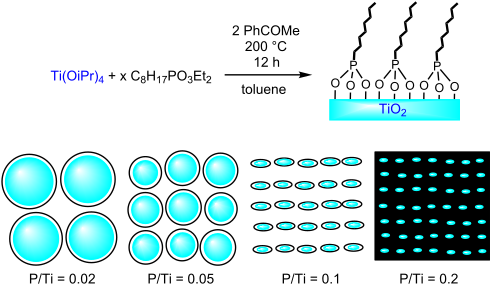
- a small amount of noncondensed diethyl octylphosphonate precursor, possibly molecules trapped in the network of this nonporous sample (see below). The attenuated total reflection (ATR)-Fourier transform infrared (FTIR) spectra of the TiO2–octylphosphonate hybrid materials (Figure 2) showed a single
- reaction, the resulting monoliths were thoroughly washed with acetone (5 times, 30 mL). Then, they were dried under reduced pressure (5.10−2 mbar) at room temperature and ground into a fine powder. Characterization FTIR spectra were collected in ATR mode on a Spectrum II spectrometer (Perkin-Elmer). The
- )4 and acetophenone (TiO2-octylphosphonate hybrids). ATR-FTIR spectra of the TiO2–octylphosphonate hybrid materials. Powder XRD patterns of the TiO2–octylphosphonate hybrid materials. Raman spectra of TiO2–octylphosphonate hybrid materials and TiO2. SEM images of TiO2–octylphosphonate hybrid


Removal of toxic heavy metals from river water samples using a porous silica surface modified with a new β-ketoenolic host
Beilstein J. Nanotechnol. 2019, 10, 262–273, doi:10.3762/bjnano.10.25
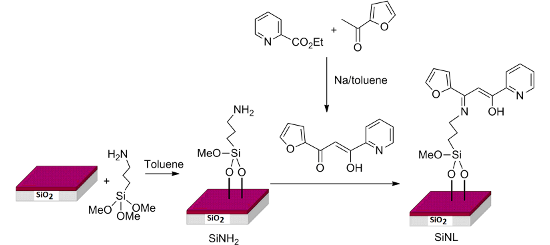
- characterized by elemental analysis, Fourier transform infrared spectroscopy (FTIR), scanning electron microscopy (SEM) images, thermogravimetric analysis (TGA) and nitrogen adsorption–desorption isotherms. Physical methods. Atomic adsorption measurements were performed on a Varian A.A. 400 spectrophotometer
- . pH determinations were carried out with a pH 2006, J. P. Selecta s. a. pH meter. Microanalysis was performed at the Microanalysis Centre Service (CNRS). FTIR spectra were recorded on a Perkin Elmer System 2000 device. SEM imaging was run on a FEI-Quanta 200 microscope. TG/DTA were performed on a
- -3-(pyridin-2-yl)prop-2-en-1-one was successful. FTIR spectra of original silica gel (SiG), SiNH2 and SiNL are shown in Figure 1. The characteristics of the precursor materials (SiG, SiNH2) are consistent with literature [44][45][46][47][48]. In the SiNL spectrum, the stretching vibration of O–H band


New micro/mesoporous nanocomposite material from low-cost sources for the efficient removal of aromatic and pathogenic pollutants from water
Beilstein J. Nanotechnol. 2019, 10, 119–131, doi:10.3762/bjnano.10.11
- FTIR, 4000–400 cm−1, 40 Scans) using KBr pellets prepared with a Shimadzu MHP-1 mini hand press. The background correction was performed with a pure KBr pellet, and the samples were measured at 10% in 90% KBr. UV–vis spectroscopy was performed on a Shimadzu 1650pc UV–vis spectrophotometer for analysis
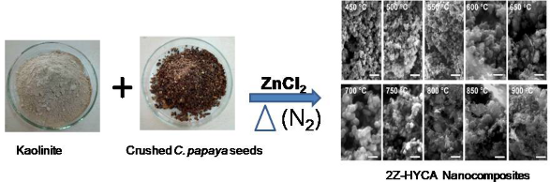
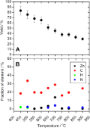
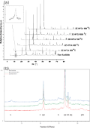
- ZnCl2 (732 °C) due to the evaporation of ZnCl2 [30]. Analysis of chemical functionalities Figure 3 shows selected FTIR spectra of 2Z-HYCA prepared at different temperatures. The signals are indicative of surface octahedral –OH groups at 3697, 3670, and 3649 cm−1, which are observed in the spectra of the
- of 31.25, 36.82°, 55.62°, 59.32° and 65.19°), which can be assigned to a new Al2ZnO4-phase (ghn, gahnite-type JCPDF 98-007-5098). Interestingly, the new materials prepared in this study exhibit no ZnO phase, as seen from the FTIR or XRD spectra, unlike in our previous studies [21]. This behavior is




A novel polyhedral oligomeric silsesquioxane-modified layered double hydroxide: preparation, characterization and properties
Beilstein J. Nanotechnol. 2018, 9, 3053–3068, doi:10.3762/bjnano.9.284
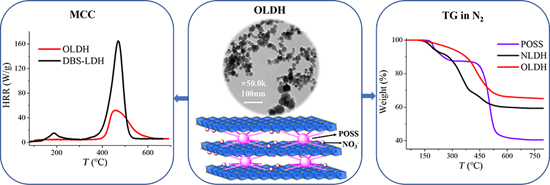
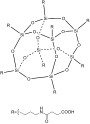
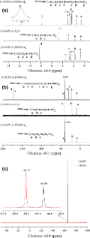
- ]. Thereafter, the acylation reaction of OCPS with succinic anhydride was carried out to afford OCPS. The 1H NMR, 13C NMR and 29Si NMR spectra of OAPS and OCPS presented in Figure 2 and the MALDI-TOF-MS spectra, XRD patterns and FTIR spectra of OAPS and OCPS in Figure 3a–c reveal the well-defined structures
- ), 0.70 (m, SiCH2, 16H); 13C NMR (DMSO-d6) δ 41.03 (s, CH2N), 20.64 (s, SiCH2CH2), 8.46 (s, SiCH2); 13C NMR (D2O) δ 41.63 (d, CH2N), 20.55 (d, SiCH2CH2), 8.76 (m, SiCH2); 29Si NMR (DMSO-d6) δ −66.50 (s); MALDI-TOF-MS (DHB matrix, m/z): [M + H − 8HCl]+ calcd 881.29; found, 881.39 (100%); FTIR (KBr): υ(–NH3
- , m/z): [M + H]+ calcd 1681.42, found 1681.72; [M + Na]+ calcd 1703.70; found, 1704.70; [M + K]+ calcd 1719.37; found, 1719.67; FTIR (KBr): υ(-COOH) 3300 cm−1, δ(–COOH) 1432 cm−1, υ(–COOH) 1701 cm−1, υ(–NHC=O) 1645 cm−1, υ(Si–O–Si) 1150–1110 cm−1, υ(Si–C) 800 cm−1; XRD: 2θ 7.23°, 9.41°, 9.75°, 10.25







Co-intercalated layered double hydroxides as thermal and photo-oxidation stabilizers for polypropylene
Beilstein J. Nanotechnol. 2018, 9, 2980–2988, doi:10.3762/bjnano.9.277
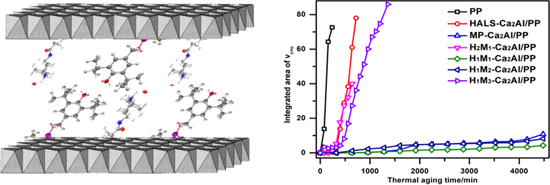
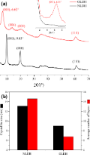
- to the co-intercalation. The results show that co-precipitation yields Ca2Al-LDHs free of CaCO3 by-product [23]. Figure 3 shows FTIR spectra of all the HnMn′-Ca2Al-LDHs. One can observe characteristic stretching-vibration bands of LDHs, for example, the broad band at ca. 3445 cm−1 associated to the
- in the composite. Figure 7a depicts the FTIR spectra of HnMn′-Ca2Al/PP composites in absorbance mode. Here, all composites present the characteristic bands of PP: 2950, 2915, 2868, 2837, 1454, and 1375 cm−1. Some additional bands assigned to LDHs and guest anions are also observed after addition of
- of HnMn′-Ca2Al/PP composites is obviously improved. Figure 8b shows the thermal degradation of HnMn′-Ca2Al/PP composite films at 150 °C as a function of aging time, recorded by FTIR. With increasing thermal-aging time, the intensity of the carbonyl peak of the PP film (without filler) significantly


Hybrid Au@alendronate nanoparticles as dual chemo-photothermal agent for combined cancer treatment
Beilstein J. Nanotechnol. 2018, 9, 2947–2952, doi:10.3762/bjnano.9.273
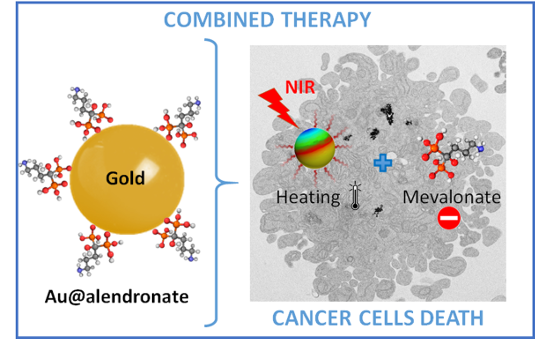
- spectroscopy (FTIR) comparing the coated gold NPs (red curve) with free alendronate (black curve). Large modifications were observed within the PO region (900–1200 cm−1). The free alendronate spectrum exhibits two sharp peaks at 1211 and 957 cm−1, assigned to P=O and P–OH, respectively [31]. The broad band at
- special attention to alendronate release under photothermal activation. Au@alendronate NPs characterization: (a) transmission electron microscopy (TEM) image (left) and size distribution (right), (b) UV–vis spectrum, (c) FTIR spectra of Au@alendronate NPs (red curve) versus alendronate (black) curve, (d


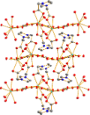
Magnetic and luminescent coordination networks based on imidazolium salts and lanthanides for sensitive ratiometric thermometry
Beilstein J. Nanotechnol. 2018, 9, 2775–2787, doi:10.3762/bjnano.9.259
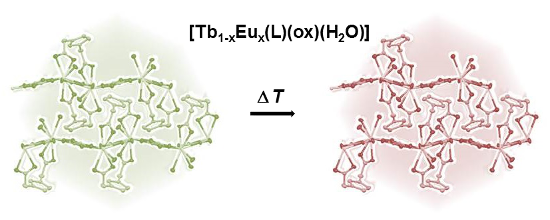
- a JEOL 6700F (scanning electron microscope (SEM) equipped with a field-emission gun (FEG), operating at 3 kV in the SEI mode instrument. FTIR spectra were collected on a Perkin Elmer Spectrum Two UATR-FTIR spectrometer. TGA-TDA experiments were performed using a TA instrument SDT Q600 (heating rates



Low cost tips for tip-enhanced Raman spectroscopy fabricated by two-step electrochemical etching of 125 µm diameter gold wires
Beilstein J. Nanotechnol. 2018, 9, 2718–2729, doi:10.3762/bjnano.9.254
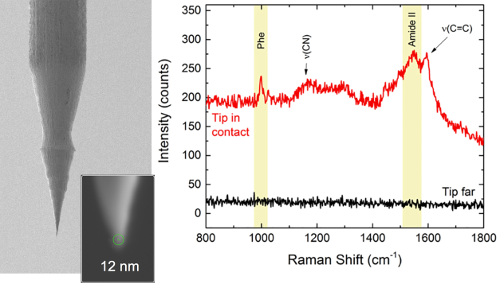
- atomic-level resolution. The presence of commercial setups on the market has further increased the application of TERS outside of the traditional chemistry and physics laboratories, suggesting TERS could be used as a future routine characterization tool like AFM, UV–vis, Raman or FTIR spectroscopies. The


Nanoantenna structures for the detection of phonons in nanocrystals
Beilstein J. Nanotechnol. 2018, 9, 2646–2656, doi:10.3762/bjnano.9.246
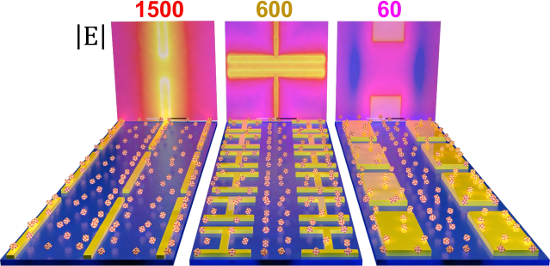
- controlled by optical microscopy. The diameter of the CdS and PbS NCs determined from SEM measurements was found to be 4.5 ± 1.5 nm and 7 ± 3 nm, respectively [23], while the diameter of the colloidal CdSe NCs purchased from Lumidot was 5.0 ± 0.3 nm. FTIR transmission measurements of Au nano- and





