


Search results
Search for "REACH" in Full Text gives 726 result(s) in Beilstein Journal of Nanotechnology. Showing first 200.
Frequency-dependent nanomechanical profiling for medical diagnosis
Beilstein J. Nanotechnol. 2022, 13, 1483–1489, doi:10.3762/bjnano.13.122
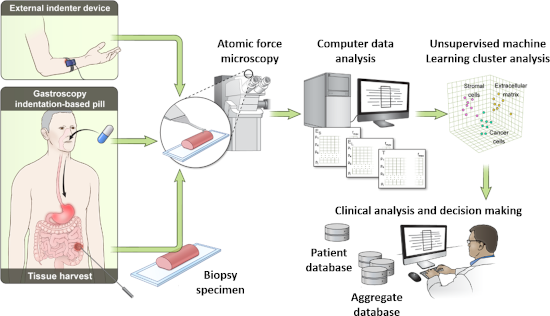
- necessary to establish a strict standard procedure for biopsy analysis or for the device to reach the affected tissue inside the body (for example, by means of a catheter inserted into a vein, or through the collection of a biopsy from arthritic tissue). In all cases, such an integrated approach would


Coherent amplification of radiation from two phase-locked Josephson junction arrays
Beilstein J. Nanotechnol. 2022, 13, 1445–1457, doi:10.3762/bjnano.13.119
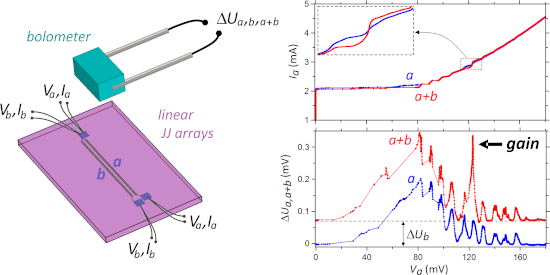
- voltage. Therefore, fJ can be up to about 1 THz for low-Tc JJs [1] and can reach tens of terahertz for high-Tc JJs [2][3]. Thus, a JJ has the potential to be the basis of compact, continuous-wave and tunable terahertz generators, which would facilitate solving the problem of so-called “THz gap” [4]. A
- effects become dominant for synchronization. To reach the radiation power maximum, JJs should be synchronized with the EM mode excited within the resonator. Such large JJ arrays become similar to a laser where the junctions play the role of atoms in an active medium. The advantage of large JJ arrays


Orally administered docetaxel-loaded chitosan-decorated cationic PLGA nanoparticles for intestinal tumors: formulation, comprehensive in vitro characterization, and release kinetics
Beilstein J. Nanotechnol. 2022, 13, 1393–1407, doi:10.3762/bjnano.13.115
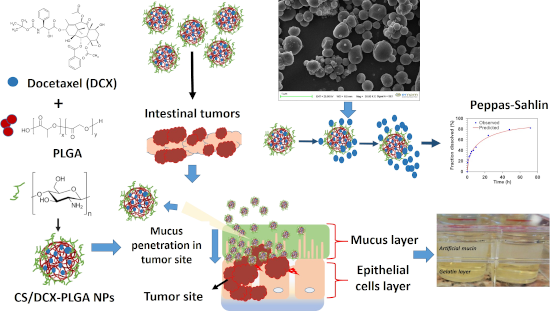
- , enzymatic destructive environment, and transit time through the gastrointestinal tract, the ability of an orally administered formulation to reach colon carcinomas stably and effectively necessitates a serious pharmaceutical formulation study and a comprehensive evaluation. It is possible to overcome the
- obstacles for successful treatment [15]. The low permeability of nanoformulations through the mucus layer prevents sufficient absorption of the drug and causes clearance of molecules which do not reach adequate retention time in the GIT [53]. Thus, increasing the retention time of the NPs on the mucus layer
- supernatant. Thus, the ability of NPs to penetrate first through the mucus layer and then reach the gelatin layer was assessed by measurement of the amount of DCX transported into the gelatin layer. Release kinetics study In vitro release profiles of DCX from DCX-PLGA NPs and CS/DCX-PLGA NPs formulations were


Recent trends in Bi-based nanomaterials: challenges, fabrication, enhancement techniques, and environmental applications
Beilstein J. Nanotechnol. 2022, 13, 1316–1336, doi:10.3762/bjnano.13.109
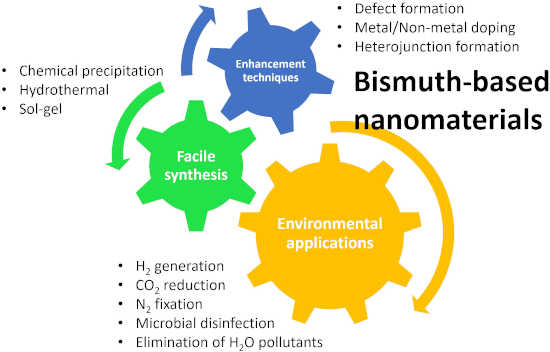
- = r2/π2D, where r is the grain radius and D is the carrier’s diffusion coefficient. Consequently, as the particle radius decreases, a higher number of photogenerated carriers can reach the surface, where they might participate in a photocatalytic process [76]. Bismuth is often used as a nanoscale




Growing up in a rough world: scaling of frictional adhesion and morphology of the Tokay gecko (Gekko gecko)
Beilstein J. Nanotechnol. 2022, 13, 1292–1302, doi:10.3762/bjnano.13.107
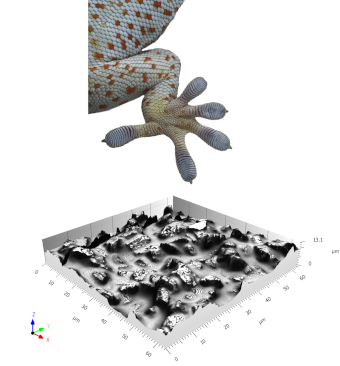
- whole-organism experimental studies. In order to fully understand how performance is influenced by roughness, incorporating variation in body size is important. Tokay geckos are ideal for investigating the role of body size variation given that they reach very large body sizes and they live in


Laser-processed antiadhesive bionic combs for handling nanofibers inspired by nanostructures on the legs of cribellate spiders
Beilstein J. Nanotechnol. 2022, 13, 1268–1283, doi:10.3762/bjnano.13.105
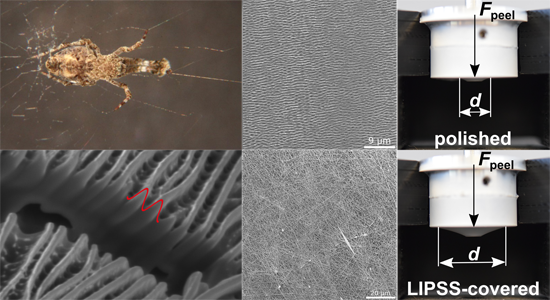
- reduced by approximately 40% (P240 grit size) and 65% (80 grit size), respectively. The investigated randomly rough surfaces did not reach the low peel-off forces for the LIPSS-covered samples. To prove the statistical significance of the measurement results, a statistical analysis was performed using
- of the LIPSS, is only 170 nm and, therefore, too low to reach the antiadhesive state according to the above theory (2a > 250 nm). This explains why the peel-off force measurement did not show a significant difference for the polished control and the LIPSS-covered Al alloy sample. Instead, the mean
- samples, the presence of LIPSS had no significant influence on the peel-off force. This is due to the fact that the LIPSS on the aluminium alloy samples are rather flat and, therefore, do not have the required amplitude to reach the antiadhesive state. Furthermore, the measurements showed that a very






A super-oscillatory step-zoom metalens for visible light
Beilstein J. Nanotechnol. 2022, 13, 1220–1227, doi:10.3762/bjnano.13.101
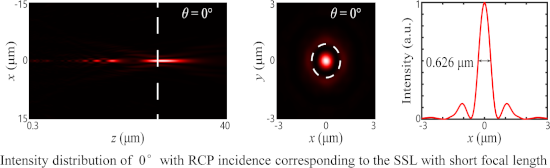
- plasmons can reach a spatial resolution of 22 nm, but the imaging range is limited to the sample surface, causing difficulties in biomedical imaging. Although negative refractive superlenses and hyperbolic metamaterials [6][7] have been experimentally verified for super-resolution imaging, they exhibit
- light. As we used a double-layer metasurface based on the geometric phase principle, there are two polarization conversions. For the ideal case, the incident LCP will be converted to RCP, and then converted to LCP again. However, the polarization conversion efficiency cannot reach 100%, which would


Application of nanoarchitectonics in moist-electric generation
Beilstein J. Nanotechnol. 2022, 13, 1185–1200, doi:10.3762/bjnano.13.99
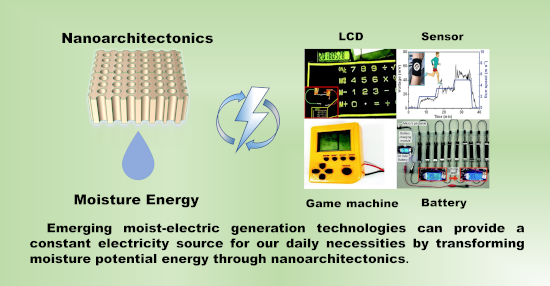
- Table 1, the existing MEG research roughly has two power output modes, instantaneous output and constant output. Currently, instantaneous-output devices can provide up a maximum electrical output of 0.69 V and 7.55 mA. Devices with constant output can reach an electrical output of 0.5 V and 8 μA
- . Instantaneous-output devices provide high open-circuit voltage, which can reach 4 V or more, but because of the low frequency, the total energy that can be provided is limited. In constant-output devices, the open-circuit voltages of most devices are less than 1 V, and most short-circuit currents do not exceed


Microneedle-based ocular drug delivery systems – recent advances and challenges
Beilstein J. Nanotechnol. 2022, 13, 1167–1184, doi:10.3762/bjnano.13.98
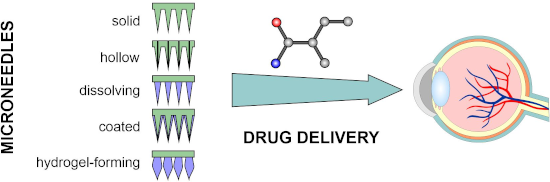
- epidermis layer and to form channels allowing for better drug permeation to deeper skin layers. In this way, the active ingredient may act locally or reach the capillary vessels in the dermis and enter systemic circulation [117]. A study performed by Wei-Ze et al. [140] revealed that microneedle geometry
- , the obtained material revealed an appropriate mechanical strength to reach penetration depth up to 200 µm. The degree of drug penetration across human excised cornea after 24 h was assessed for the traditional suspension used for 5 min or 24 h and after 5 min of contact with the microneedles. The


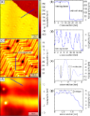
A cantilever-based, ultrahigh-vacuum, low-temperature scanning probe instrument for multidimensional scanning force microscopy
Beilstein J. Nanotechnol. 2022, 13, 1120–1140, doi:10.3762/bjnano.13.95
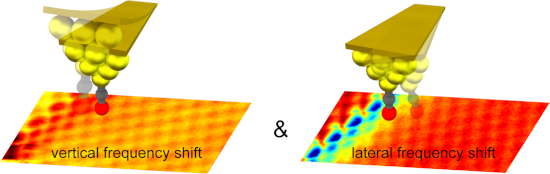
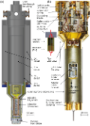
- suspension springs that reach through cylindrical tubes running through the LHe tank and are mounted on top of the tank. Together with the Eddy current damping system mounted at the bottom of the cryostat, this provides excellent vibration isolation such that a tip–sample gap stability better than 1 pm can
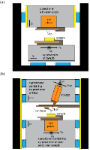
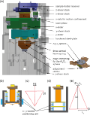
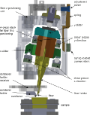
- (by the shaker piezo on the cantilever holder) or optically (using a DC and AC current for the 635 nm laser diode to oscillate its light intensity), respectively. Note that the additional color filter placed in front of the photodiode prevents the backreflected 635 nm light to reach the photodiode
- again limited by detector noise for bandwidths above 50 Hz. The noise of the deflection sensor employed here is clearly relevant for measurements performed at higher bandwidths at low temperatures for all types of cantilevers. The best interferometer optical sensors have been reported to reach





Spindle-like MIL101(Fe) decorated with Bi2O3 nanoparticles for enhanced degradation of chlortetracycline under visible-light irradiation
Beilstein J. Nanotechnol. 2022, 13, 1038–1050, doi:10.3762/bjnano.13.91
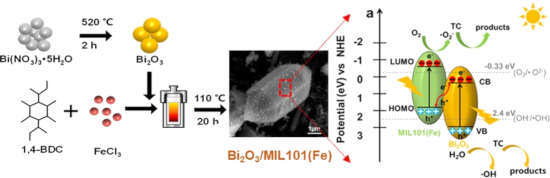
- of a CTC solution with an initial concentration of 20 mg/L and stirred in the dark for 30 min to reach adsorption–desorption equilibrium. Then, the photocatalytic reaction was initiated by a 300 W xenon lamp with a 420 nm cut-off filter. At 20 min intervals, 4 mL of the sample was taken out and
- ) shows strong adsorption capacity in the dark and a poorer photocatalytic activity. With the photocatalysis of MIL101(Fe), the photodegradation efficiency of CTC only could reach 64.5% after irradiation for 120 min. Compared with MIL101(Fe), Bi2O3/MIL101(Fe) composites exhibit a slightly weakened


Numerical study on all-optical modulation characteristics of quantum cascade lasers
Beilstein J. Nanotechnol. 2022, 13, 1011–1019, doi:10.3762/bjnano.13.88
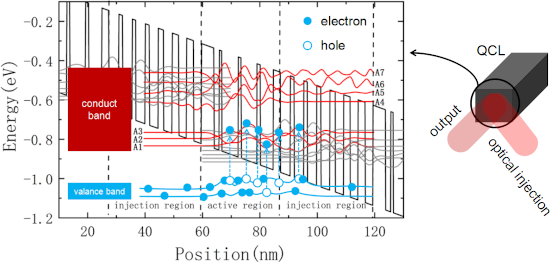
- , and the modulation frequency can reach 60 GHz [13]. Moreover, all-optical modulation can directly alter the carrier distribution and is highly efficient. However, the mechanism of all-optical modulation is very complex. If we could effectively describe all-optical modulation of QCLs by numerical
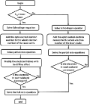


Influence of water contamination on the sputtering of silicon with low-energy argon ions investigated by molecular dynamics simulations
Beilstein J. Nanotechnol. 2022, 13, 986–1003, doi:10.3762/bjnano.13.86
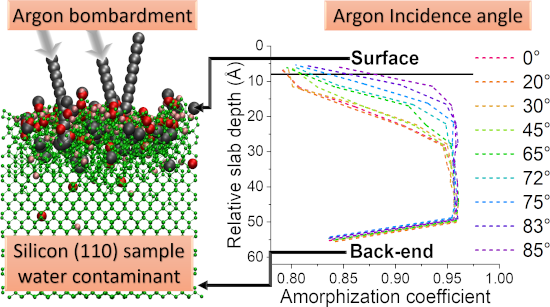
- . Furthermore, as ReaxFF tends to reach a better stability at a shorter time step, a variable time step was defined between 0.05 and 0.1 fs, with a maximal allowed energy variation per atom between each step of 5 eV. This process allowed to limit the maximum displacement of atoms per time step while the damage
- . For the clean sample, the amorphization depth linearly evolves until the implanted argon atoms reach a saturation concentration due to the diffusion and desorption of excess atoms. In the contaminated sample, the observations are similar for argon and for the contaminants, and hydrogen is implanted
- normal. In the amorphous region, contaminants and argon atoms reach a saturation concentration. Once the argon saturation is reached, the thickness of the amorphous layer reaches a maximum, which is defined by the range of the argon atoms. At the same time, material is removed by sputtering from the




Interaction between honeybee mandibles and propolis
Beilstein J. Nanotechnol. 2022, 13, 958–974, doi:10.3762/bjnano.13.84
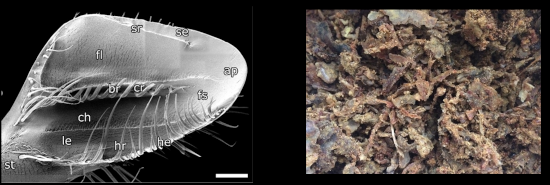
- several ridges and ledges on the medial surface of the mandible forming a channel between them. A hairless and sharp edge on one side could be used to cut materials as it has been suggested for the mandible of stingless bees [19]. Long flexible hairs grow on one edge and reach over half of the mandible


Efficiency of electron cooling in cold-electron bolometers with traps
Beilstein J. Nanotechnol. 2022, 13, 896–901, doi:10.3762/bjnano.13.80
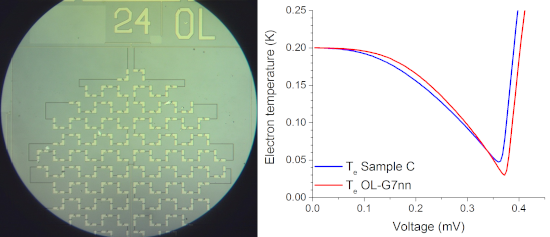
- are able to show electron self-cooling by a factor of five or even more [7], thus improving sensitivity, so they might be a prospective type of detectors [6]. Although we could not reach a new minimum of electron cooling at 300 mK phonon temperature, we achieved electron cooling from 200 to 33 mK and


Hierachical epicuticular wax coverage on leaves of Deschampsia antarctica as a possible adaptation to severe environmental conditions
Beilstein J. Nanotechnol. 2022, 13, 807–816, doi:10.3762/bjnano.13.71
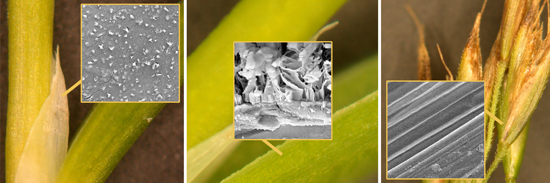
- addition, during the growing season between December and February, the day length is about 20 h in the Antarctic Peninsula [26] and the maximum photosynthetic photon flux density under the full midday sun in January can reach up to 2000 μmol·m−2·s−1 in the Maritime Antarctica [27][37]. Protection against




Optimizing PMMA solutions to suppress contamination in the transfer of CVD graphene for batch production
Beilstein J. Nanotechnol. 2022, 13, 796–806, doi:10.3762/bjnano.13.70
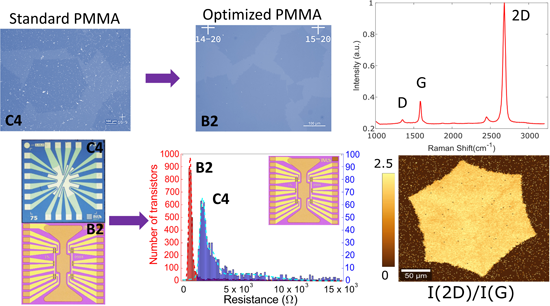
- mechanical strength. The strength appears to reach a proper level for A3 PMMA, which allowed for up to six complete cycles. C3 and C4 PMMA provided the highest mechanical support, allowing for up to ten cycles. To evaluate the process cleanness, the residues were quantified by counting the white spots
- transistor to reach an output voltage of 1 mV. Histogram distributions for the graphene channel resistances were plotted (using MATLAB scripts) to compare the effects of B2 and C4 PMMA-assisted graphene transfer on device performance. Based on our observations of the device performance, a threshold




Efficient liquid exfoliation of KP15 nanowires aided by Hansen's empirical theory
Beilstein J. Nanotechnol. 2022, 13, 788–795, doi:10.3762/bjnano.13.69
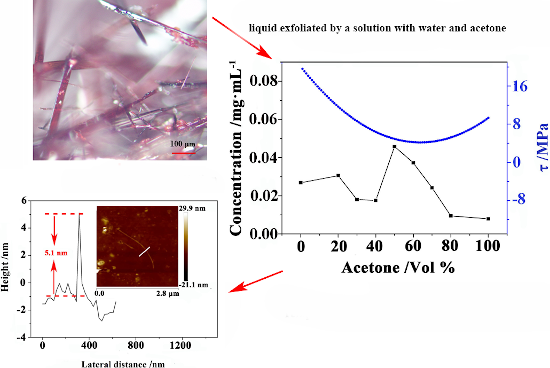
- shown in Figure 7d, Figure 7e, and Figure 8, the thinnest KP15 nanowires obtained by liquid exfoliation could reach 5.1 nm and had smooth boundaries. The thicknesses of 79% of the liquid-exfoliated KP15 nanowires were below 50 nm; the widths of 60.9% of the KP15 nanowires were below 100 nm. The sizes of


Recent advances in nanoarchitectures of monocrystalline coordination polymers through confined assembly
Beilstein J. Nanotechnol. 2022, 13, 763–777, doi:10.3762/bjnano.13.67
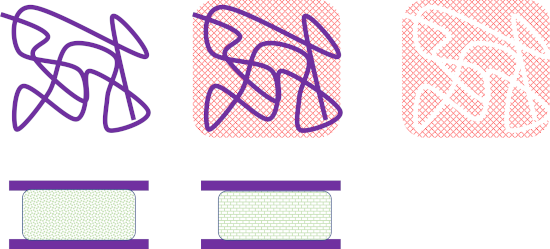
- adhesion strength could reach about 50 N·cm−2 for different kinds of substrates. The stacking nanoflakes formed multiple domains. Most of the domains were quasi-parallel to the substrates, suggesting a correlation between the alignment of nanoflakes and the anisotropic adhesion strength. The adhesion




Direct measurement of surface photovoltage by AC bias Kelvin probe force microscopy
Beilstein J. Nanotechnol. 2022, 13, 712–720, doi:10.3762/bjnano.13.63
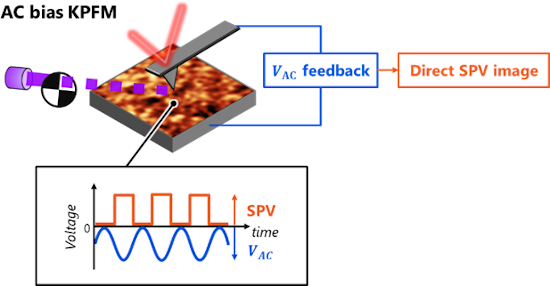
- energy resolutions and the image acquisition time of AC-KPFM in the AM mode are comparable to those of the classical KPFM in the AM mode, because both methods detect the electrostatic force, and the response time of the bias feedback τ limits the image acquisition time. To reach sufficient sensitivity
- time [31]. To reach sufficient sensitivity, the value should typically be larger than 1 V. Experimental The experiments were performed by customized ultrahigh-vacuum (UHV) noncontact atomic force microscopy (NC-AFM, UNISOKU) at a temperature T of 78 K with a base pressure below 5 × 10⁻¹¹ Torr. The NC


Design and selection of peptides to block the SARS-CoV-2 receptor binding domain by molecular docking
Beilstein J. Nanotechnol. 2022, 13, 699–711, doi:10.3762/bjnano.13.62
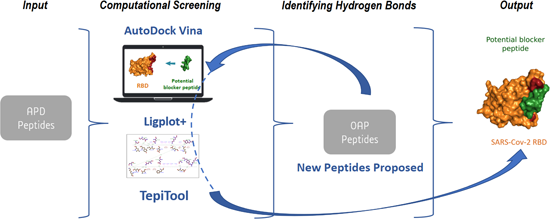
- , nucleic acids, and even drugs) do not reach their target since they are eliminated by cells of the immune system, which limits their activity. Therefore, proposed peptides with antiviral activity must be evaluated from the immunological point of view. In this context, an immunogenicity prediction of the
- them to reach and efficiently bind to the RBD active region. After the immunogenicity analysis with MHC I, 22 peptides (15 theoretical peptides) were chosen because of their potential capability to inhibit the RBD of SARS-CoV-2. Since they interact with F486, Y489, Q493, G496, T500, and N501 residues



Reliable fabrication of transparent conducting films by cascade centrifugation and Langmuir–Blodgett deposition of electrochemically exfoliated graphene
Beilstein J. Nanotechnol. 2022, 13, 666–674, doi:10.3762/bjnano.13.58
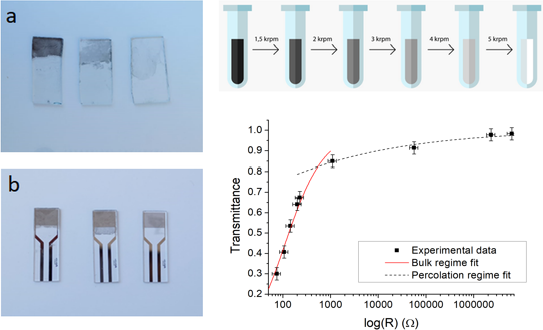
- resistance of the deposited films, we find a tradeoff between transparency and electrical performance for applications in transparent conductors. We demonstrate that, below a certain critical thickness, graphene films deposited with LB reach a percolation limit, which imposes a minimum achievable film


Antibacterial activity of a berberine nanoformulation
Beilstein J. Nanotechnol. 2022, 13, 641–652, doi:10.3762/bjnano.13.56
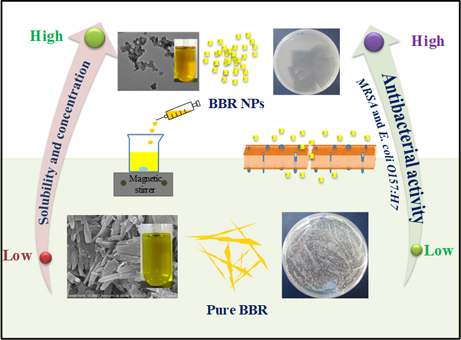
- 156 nm at a concentration of 2.0 mg/mL, measured by dynamic light scattering. After nanoformulation, the concentration of BBR NPs could reach up to 5.0 mg/mL, which is much higher than the saturation concentration without treatment. Results show a strongly enhanced antibacterial activity of BBR NPs
- BBR NPs was significantly enhanced. Thus, the concentration of BBR NPs could reach up to 5.0 mg/mL, which was much higher than the saturation concentration of pure BBR. The diameter of the BBR NPs measured with dynamic light scattering was 156 nm at a concentration of 2.0 mg/mL. BBR NPs at a



Approaching microwave photon sensitivity with Al Josephson junctions
Beilstein J. Nanotechnol. 2022, 13, 582–589, doi:10.3762/bjnano.13.50
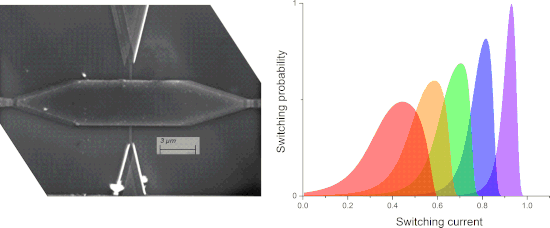
- lifetime at 50 mK. This may indicate that we do not reach the true quantum regime, and the lifetime stops changing with decreasing temperature due to either residual low-frequency interference or overheating. Additional experiments are planned to determine this issue. The absorption of a photon increases


Revealing local structural properties of an atomically thin MoSe2 surface using optical microscopy
Beilstein J. Nanotechnol. 2022, 13, 572–581, doi:10.3762/bjnano.13.49
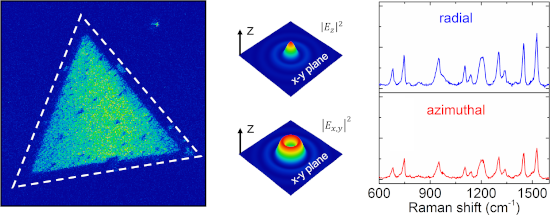
- , pulse duration: 89.8 fs) is used for the optical excitation. To reach a diffraction-limited focus, we use a parabolic mirror with a numerical aperture up to 0.998 in air for light focusing and emission signal collection. The SHG signals are selected using a 10 nm band pass filter and detected by micro





