Search results
Search for "annealing" in Full Text gives 502 result(s) in Beilstein Journal of Nanotechnology. Showing first 200.
Features and advantages of flexible silicon nanowires for SERS applications
Beilstein J. Nanotechnol. 2019, 10, 725–734, doi:10.3762/bjnano.10.72

- ]. In short, Si wafers (<100> orientation, 5–10 Ω·cm resistivity, p-type) were cleaned following the standard RCA (Radio Corporation of America) cleaning processes [24], followed by Au sputtering in a Polaron E5000 sputter coater at ca. 5·10−4 mbar work pressure. Prior to VLS synthesis, annealing in
- vacuum for one hour at temperatures from 480–560 °C was performed. In the VLS process, 26% SiH4 diluted in Ar with 270 sccm flow rate was deposited for 1 h. In each experiment, the annealing temperature was the same as the VLS process temperature. The Ag nanoparticle decoration of the horizontal SiNWs
- signal significantly increases after washing with water. The first observation can be clearly explained as follows: The temperature during annealing prior to VLS synthesis influences the size and distribution of the Au seeds on the Si wafer, while the VLS process temperature determines growth rate and


Enhancement in thermoelectric properties due to Ag nanoparticles incorporated in Bi2Te3 matrix
Beilstein J. Nanotechnol. 2019, 10, 634–643, doi:10.3762/bjnano.10.63
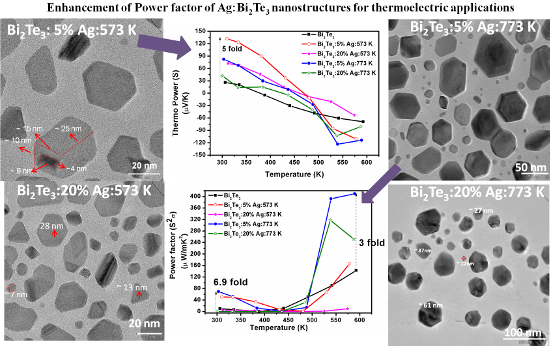
- how different annealing temperatures lead to the different sizes and shapes of nanoparticles with different influence on thermoelectric properties. We have used different amounts of Ag microparticles (0, 2. 5, 10, 15 and 20 wt %) uniformly mixed with commercially purchased Bi2Te3, which was annealed
- powder mixtures were well grinded and pressed to pellets. These pellets were then annealed at 573 or 773 K for 1 h under Ar atmosphere. Annealing temperatures were chosen to be below the melting point of Bi2Te3 (586 °C) and above the melting points of Bi (271 °C) and Te (449 °C). These samples were
- ) planes, respectively (JCPDS 38-0420). At Ag concentrations of 5% and 20% in Bi2Te3 after 773 K annealing, all peaks are at the same positions. In samples with 5 and 20% Ag, annealed at 573 K, two peaks at 2θ = 37.98° and 44.58° matching the (1 1 1) and (2 0 0) planes of cubic with Ag (JCPDS-04-0783



Widening of the electroactivity potential range by composite formation – capacitive properties of TiO2/BiVO4/PEDOT:PSS electrodes in contact with an aqueous electrolyte
Beilstein J. Nanotechnol. 2019, 10, 483–493, doi:10.3762/bjnano.10.49
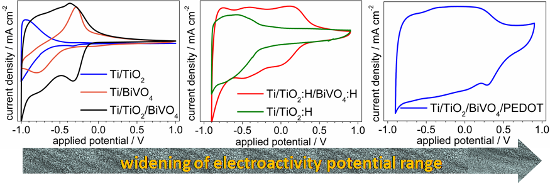
- annealing) or titanium foil. The bismuth vanadate films were deposited for 20 min and the PLD process was carried out using a Nd:YAG laser equipped with a fourth harmonic generation (FHG) module, generating 266 nm 6 ns pulses with 4 Hz repetition. Assuming that the obtained layer is flat and continuous, its




Temperature-dependent Raman spectroscopy and sensor applications of PtSe2 nanosheets synthesized by wet chemistry
Beilstein J. Nanotechnol. 2019, 10, 467–474, doi:10.3762/bjnano.10.46
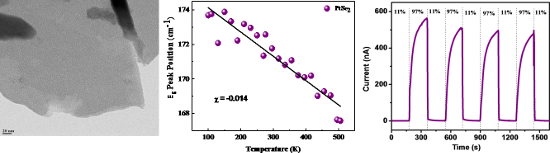
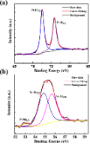
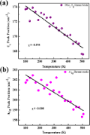
- method used to grow PtSe2 nanosheets followed by thermal annealing. The SEM and TEM analysis confirms the formation of PtSe2 nanosheets. Furthermore, XRD, Raman, XPS and SAED patterns were used to analyze the crystal structure and to confirm the formation of the PtSe2 phase. The temperature-dependent
- chemical method [25] at 90 °C using chloroplatinic acid (H2PtCl6) and Se powder as precursors followed by thermal annealing at 500 °C. Temperature-dependent Raman spectroscopic characterization was carried out on the materials. Materials and Methods All the chemicals such as chloroplatinic acid, Se powder
- , hexamethylenetetramine, and NaBH4 were purchased from Sigma-Aldrich for the synthesis of PtSe2 nanosheets. Synthesis method The PtSe2 nanosheets were synthesized using a solvothermal method followed by annealing at 500 °C using a previously described method for PtSe2 synthesis [25]. The PtSe2 material was prepared in



Improving control of carbide-derived carbon microstructure by immobilization of a transition-metal catalyst within the shell of carbide/carbon core–shell structures
Beilstein J. Nanotechnol. 2019, 10, 419–427, doi:10.3762/bjnano.10.41
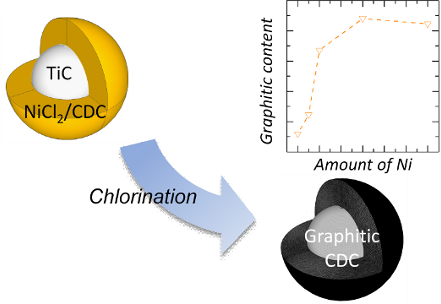
- carbide (chlorination) and subsequent carbon surface annealing. Nickel chloride hexahydrate (99.95% purity, Alfa Aesar) was used as precursor of the Ni catalyst. Synthesis of carbon shell/carbide core starting material The synthesis of hybrid particles where carbide cores are covered with a porous carbon
- , 1 mol·m−3 chlorine and 3 h reaction time. To remove residual chlorine, an annealing treatment using hydrogen (0.5 mol·m−3) again was carried out after the extractive reaction. The nomenclature of the final carbon material obtained is “CDC” followed by “Ni” and catalyst loading. For instance, CDC


Integration of LaMnO3+δ films on platinized silicon substrates for resistive switching applications by PI-MOCVD
Beilstein J. Nanotechnol. 2019, 10, 389–398, doi:10.3762/bjnano.10.38
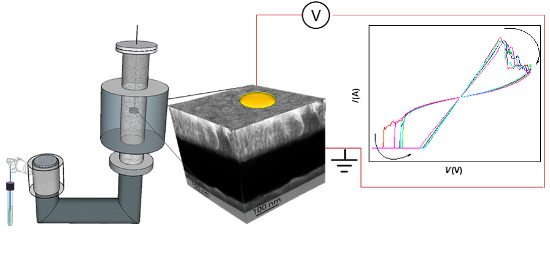
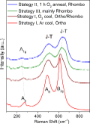
- deposition time (controlled number of pulses). Several deposition temperatures in the range of 650–700 °C were tested. (II) Single-step strategy with annealing: The heating and deposition procedure was the same as described in strategy I, but adjusting the deposition temperature between 660 and 680 °C. Once
- the injection was completed, an additional thermal treatment at 500 °C was performed. The samples were let to cool down to the post-deposition annealing temperature at a rate of 10 °C/min. At this temperature the environment was modified (i.e., annealing in oxygen) and the temperature was held for 1 h
- higher δ values in the LMO film by adding a post-deposition annealing step. LMO films were grown following strategy II (represented in Figure 2 by blue triangles) respecting the same critical limits established from strategy I. It was proved that despite the addition of a thermal annealing at 500 °C for




Effects of post-lithography cleaning on the yield and performance of CVD graphene-based devices
Beilstein J. Nanotechnol. 2019, 10, 349–355, doi:10.3762/bjnano.10.34
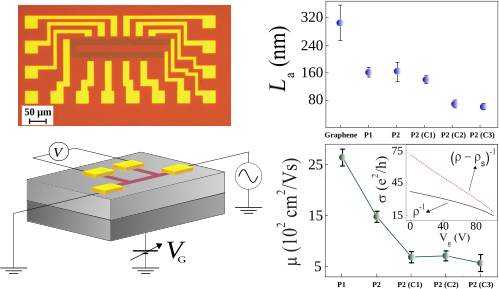
- a NMP bath. In the second cleaning method (C2), we used N,N-dimethylformamide (DMF) to clean the graphene devices. Finally, a third method (C3) consisted of graphene cleaning by H2/Ar (1:1) annealing at 300 °C for 2 h [17][18]. Nonetheless, we have observed that both cleaning methods C1 and C2
- and cleaned with NMP (Figure 3d) and DMF (Figure 3e) present the same features associated to the PMGI polymer. Regarding the H2/Ar annealing, Figure 3f shows that this process did not remove the residual PMGI polymer completely from the graphene surface, because some Raman bands associated with the
- mobility of the C1 graphene devices. Finally, Raman characterization shows that DMF (Figure 4e) and H2/Ar annealing (Figure 4f) are not efficient in removing PMGI molecules from the graphene surface. Otherwise, these cleaning methods introduce lattice defects in graphene, which increase the value of nd


Intuitive human interface to a scanning tunnelling microscope: observation of parity oscillations for a single atomic chain
Beilstein J. Nanotechnol. 2019, 10, 337–348, doi:10.3762/bjnano.10.33
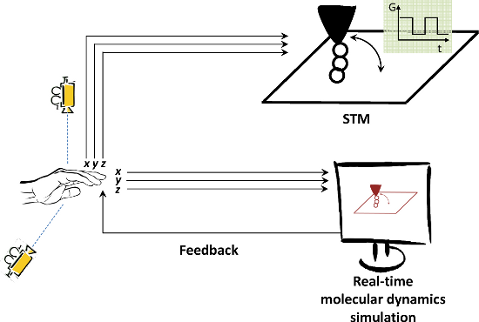
- refer to as point contact pushing (PCP) technique. Keywords: adatom imaging; mechanical annealing; scanning tunnelling microscopy (STM); STM tip; tip apex; Introduction It is of fundamental interest both for chemists and physicists to study the electronic transport through single atoms and molecules
- annealing cycles to obtain an atomically flat Au(111) facet showing herringbone surface reconstruction. We further prepare the surface at low temperature by creating a localized stress pattern [11][12][13][14] on the surface using gentle indentation of the STM tip at a spot on the surface remote from the
- preparing a crystalline tip apex up to the second atomic layer from the apex atom. In this method mechanical annealing cycles are used to achieve a more regular atomic packing. Furthermore, by imaging an adatom placed above a smooth Au surface the structure of the tip apex is imaged, and a smooth and




Development of an anti-pollution coating process technology for the application of an on-site PV module
Beilstein J. Nanotechnol. 2019, 10, 332–336, doi:10.3762/bjnano.10.32
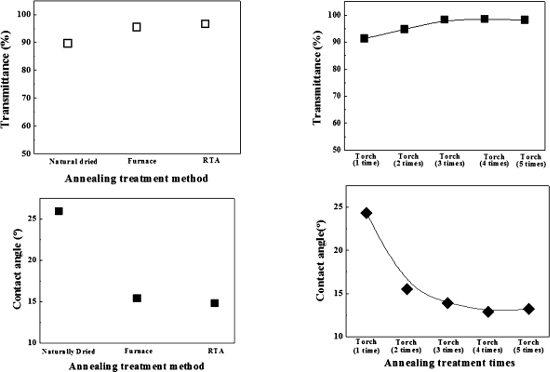
- Engineering and Biotechnology, Hanbat National University, Daejeon 34158, Republic of Korea 10.3762/bjnano.10.32 Abstract This study aimed to apply annealing processes during the coating of photovoltaic (PV) module glasses to PV modules already installed through an easy and simple procedure. Three types of
- annealing treatments were applied to PV module glasses, i.e., furnace, rapid thermal annealing (RTA) and torch. Among these, torch annealing, which can be easily carried out at PV module installation sites, was applied to PV module glasses using different numbers of repetition. Light transmittance, contact
- angle, anti-pollution characteristics, adhesion and hardness of the functional coating films after using different annealing treatment times and methods were measured, and it was confirmed that these characteristics varied depending on the annealing treatment times and methods. Through this, it was


Geometrical optimisation of core–shell nanowire arrays for enhanced absorption in thin crystalline silicon heterojunction solar cells
Beilstein J. Nanotechnol. 2019, 10, 322–331, doi:10.3762/bjnano.10.31
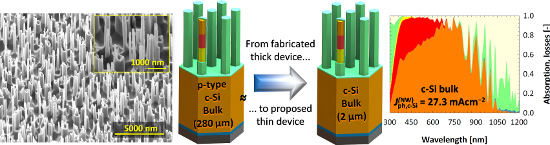
- 20 keV. Oxidation and annealing were carried out in dry ambient at 850 °C for 90 min, resulting in a sheet resistance RSH of 60 Ω/square. Before depositing the coating layers, the silicon wafer with nanowires on top was treated with diluted hydrofluoric acid, to remove the thin native oxide layer


Nitrous oxide as an effective AFM tip functionalization: a comparative study
Beilstein J. Nanotechnol. 2019, 10, 315–321, doi:10.3762/bjnano.10.30
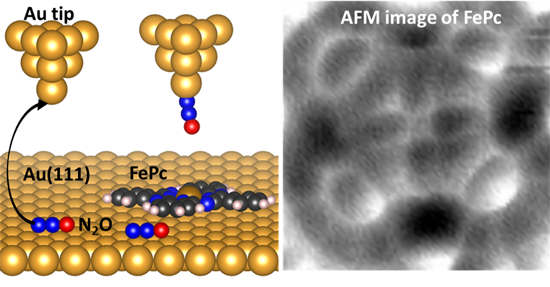
- ) was cleaned by repeated cycles of sputtering (1 keV) and subsequent annealing to 600 °C. FePc molecules (Sigma Aldrich, evaporation temperature ca. 250 °C) were directly evaporated onto a clean Au(111) surface at room temperature. N2O was adsorbed onto the Au(111) surface at temperatures below 12 K


Raman study of flash-lamp annealed aqueous Cu2ZnSnS4 nanocrystals
Beilstein J. Nanotechnol. 2019, 10, 222–227, doi:10.3762/bjnano.10.20
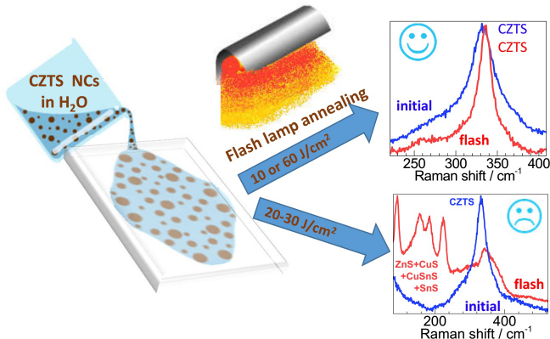
- University of Technology, 09107 Chemnitz, Germany L. V. Pysarzhevsky Institute of Physical Chemistry, National Academy of Sciences of Ukraine, Kyiv, 03028, Ukraine 10.3762/bjnano.10.20 Abstract The effect of flash-lamp annealing (FLA) on the re-crystallization of thin films made of colloidal Cu2ZnSnS4
- importance. The technologies of rapid annealing by thermal heating or intensive pulsed light radiation turned out to be very promising [14][15][16]. The effectiveness of the method of flash-lamp annealing (FLA) was demonstrated for various compounds, including quaternary metal chalcogenides [17][18]. The
- size of 35 nm. The effect of annealing was investigated only up to an energy density of 11.6 J/cm2 and possible influences of NC film thickness and ambient atmosphere were not considered. In this work, we investigated the effect of FLA on CZTS NCs synthesized under mild conditions, namely at 80 °C in


Uniform Sb2S3 optical coatings by chemical spray method
Beilstein J. Nanotechnol. 2019, 10, 198–210, doi:10.3762/bjnano.10.18
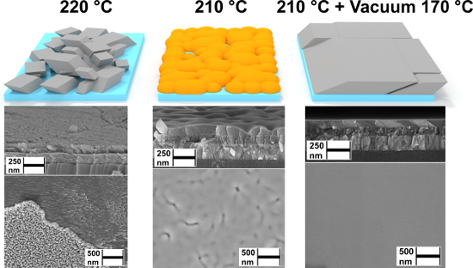
- pyrolysis in air by tuning of the deposition temperature, the Sb/S precursor molar ratio in the spray solution, and the post-deposition treatment temperature. Keywords: antimony sulfide; thin films; ultrasonic spray; vacuum annealing; Volmer–Weber growth; Introduction Antimony sulfide (Sb2S3) is an
- /S 1:3 Sb2S3 layers, as the crystallite size increases after vacuum annealing at 170 °C from 19 ± 8 nm to 100 ± 23 nm by raising TD from 200 to 220 °C. The crystallite size in Sb/S 1:6 Sb2S3 layers (42 ± 15 nm) does not change significantly with TD or vacuum treatment. Furthermore, vacuum treatment




Zn/F-doped tin oxide nanoparticles synthesized by laser pyrolysis: structural and optical properties
Beilstein J. Nanotechnol. 2019, 10, 9–21, doi:10.3762/bjnano.10.2
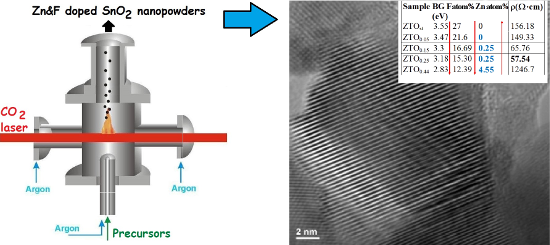
- .) antimony by spray pyrolysis [9] or by sol–gel methods followed by spin-coating and annealing in different environments [10], ii.) manganese by long-time annealing of Mn/SnO2 bilayers in air at 200 °C [11] or by co-precipitation [12], iii.) aluminum, copper or indium all by spray pyrolysis from ethanolic
- solutions [13] and iv.) iron by laser pyrolysis [14][15] or by electron beam evaporation [16]. Cobalt-doped tin oxide has also been reported, and the resulting polycrystalline films were prepared by spin-coating and annealing from chloride ethanolic solutions resulted in lower bandgap values than pure SnO2
- bandgap values were shown to increase with the vacuum annealing treatment temperature (from 3.41 eV at 300 °C to 3.60 eV at 600 °C), where the amorphous to crystalline conversion was observed only at 600 °C, accompanied by an almost complete fluorine loss [33]. Results and Discussion Structural properties



Characterization and influence of hydroxyapatite nanopowders on living cells
Beilstein J. Nanotechnol. 2018, 9, 3079–3094, doi:10.3762/bjnano.9.286
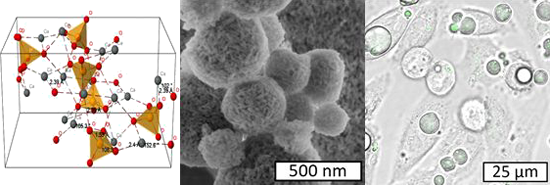
- ; the particle size associated with the controlled reaction time and the annealing of the material at 375 °C slightly negatively influenced the interaction with cells, but no toxic effect was observed. Most of the materials induced cell growth at low concentration levels. The overdose effect is best

![[Graphic 1]](/bjnano/content/inline/2190-4286-9-286-i2.svg?max-width=637&scale=1.18182) .
.



Femtosecond laser-assisted fabrication of chalcopyrite micro-concentrator photovoltaics
Beilstein J. Nanotechnol. 2018, 9, 3025–3038, doi:10.3762/bjnano.9.281
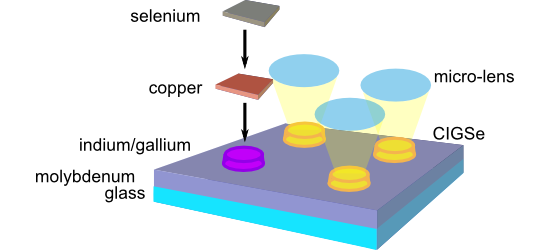
- pressure for CISe samples from the nucleation approach and all samples from the LIFT approach, or in an ultrahigh-vacuum chamber with a directed selenium beam for CIGSe samples from the nucleation approach. In both cases, the temperature protocol comprised an annealing step at around 200–250 °C followed by


Hydrogen-induced plasticity in nanoporous palladium
Beilstein J. Nanotechnol. 2018, 9, 3013–3024, doi:10.3762/bjnano.9.280
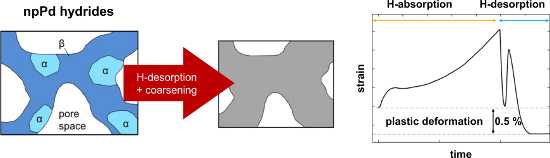
- consequently a homogeneous single-phase alloy. The produced alloy drop was thinned to a platelet (4–5 mm in height) using a screw press. Homogeneity of the alloy was confirmed by XRD-measurements. Further processing consisted of several consecutive rolling and annealing steps until a thickness of 270 μm was
- reached. The annealing steps were conducted in a vacuum furnace at 700 °C and 10−5 mbar for 1 h. The resulting foil was cut into squares of 5 × 5 mm2. Dealloying The setup used for in situ dilatometry during electrochemical characterisation was similar to that described in an earlier work of our group [17


Size limits of magnetic-domain engineering in continuous in-plane exchange-bias prototype films
Beilstein J. Nanotechnol. 2018, 9, 2968–2979, doi:10.3762/bjnano.9.276
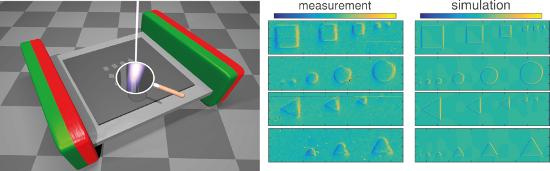
- ][20][21], laser annealing [22][23][24], thermally assisted scanning probe lithography [25], or a combination of spatially broad laser- or ion-beams and shadow masks [26][27][28][29][30]. Especially in magnonic [14] and sensor applications [4] in-plane magnetic domain patterns play a key role and are
- assisted scanning probe lithography [25] or 250 nm wide dots fabricated by direct interferometric laser annealing [34]. Local annealing, however, results in three-dimensional temperature gradients within the magnetic film causing thermal diffusion and material intermixing over several hundreds of
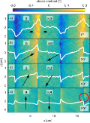


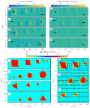


![[Graphic 63]](/bjnano/content/inline/2190-4286-9-276-i63.svg?max-width=637&scale=1.18182) .
. ![[Graphic 64]](/bjnano/content/inline/2190-4286-9-276-i64.svg?max-width=637&scale=1.18182) is the angle between the domain wall (DW) normal vector
is the angle between the domain wall (DW) normal vector ![[Graphic 65]](/bjnano/content/inline/2190-4286-9-276-i65.svg?max-width=637&scale=1.18182) and the local unidirectio...
and the local unidirectio...
Site-controlled formation of single Si nanocrystals in a buried SiO2 matrix using ion beam mixing
Beilstein J. Nanotechnol. 2018, 9, 2883–2892, doi:10.3762/bjnano.9.267
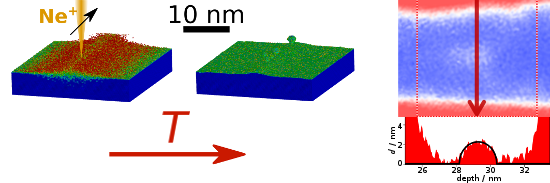
- of NCs can form near the Si/SiO2 interface after a post-annealing process [18]. Si NC layer formation via ion beam mixing, which is studied both theoretically and experimentally [19], has capacitated the manufacturing of Si NC-based non-volatile memory devices [20]. A possible route to fabricate a Si
- is supported by computer simulations of the ion beam mixing and phase separation process. Second, a systematic study of Si+ NC formation is reported, to define optimized irradiation and annealing parameters. Third, these parameters are adapted to the FIB approach using the HIM. For this scenario
- the simulated annealing. The simulations show that after ion beam mixing with 100 Si+ nm−2 at 50 keV only a small change in stoichiometry is expected for the center of the thick oxide layer. A high Si excess due to ion beam mixing is only observed close to the Si/SiO2 interface. As a result, two


Nanostructure-induced performance degradation of WO3·nH2O for energy conversion and storage devices
Beilstein J. Nanotechnol. 2018, 9, 2845–2854, doi:10.3762/bjnano.9.265
- deionized water to a total volume of 12.5 mL accompanied by another 15 min of stirring. The prepared seed solution was spin-coated onto FTO/glass at 3000 rpm for four times with each step consisting of 40 s spin-coating at room temperature followed by annealing at 350 °C for 20 min. The as-prepared FTO


Graphene-enhanced metal oxide gas sensors at room temperature: a review
Beilstein J. Nanotechnol. 2018, 9, 2832–2844, doi:10.3762/bjnano.9.264
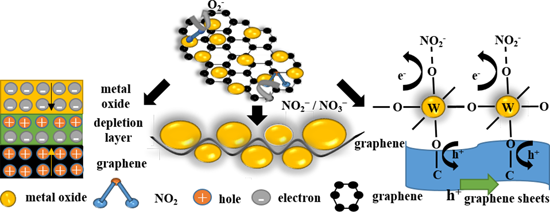
- active sites. Meng and co-workers [81] published an inspiring study, where they develop a microwave-assisted hydrothermal technique to grow CuO rods in GO suspension using cetyltrimethylammonium bromide (CTAB) as a soft template. The Cu2O nanorods–rGO hybrids obtained after annealing showed a porous



Oriented zinc oxide nanorods: A novel saturable absorber for lasers in the near-infrared
Beilstein J. Nanotechnol. 2018, 9, 2730–2740, doi:10.3762/bjnano.9.255
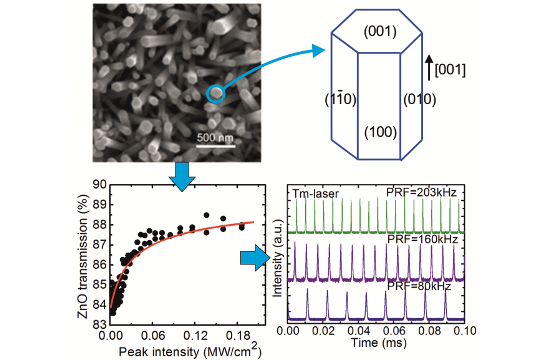
- -level pulse energy. The output characteristics of these lasers were limited by the scattering losses in ZnO NRs, which can be optimized by the synthesis method, for example, by additional annealing. Further improvement of the ZnO NR SA properties can follow two routes. First, the ZnO nanostructures can



Low cost tips for tip-enhanced Raman spectroscopy fabricated by two-step electrochemical etching of 125 µm diameter gold wires
Beilstein J. Nanotechnol. 2018, 9, 2718–2729, doi:10.3762/bjnano.9.254
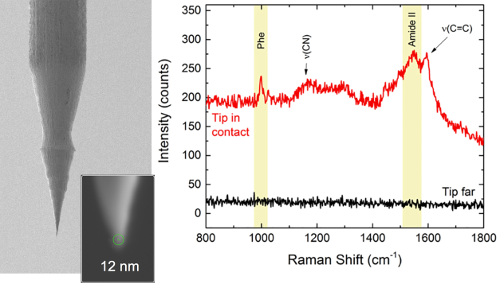
- are prepared in deionized water. Target molecules are absorbed on Au(111) flat films that have undergone standard flame annealing in order to obtain crystalline terraces of about 100 nm in size. The gold film substrates are immersed for 2 h and 30 min and subsequently rinsed in deionized water in


Impact of the anodization time on the photocatalytic activity of TiO2 nanotubes
Beilstein J. Nanotechnol. 2018, 9, 2628–2643, doi:10.3762/bjnano.9.244
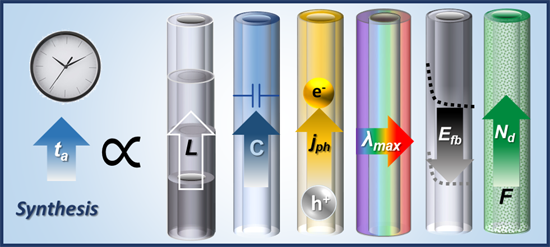
- ] observed that a water-based electrolyte containing NH4F induced a co-doping with F and N in the TNTs. Their study suggested that a combination of applied potential and annealing temperature were responsible for the high photocatalytic activity (PCA) of their materials in the oxidation of methyl orange. In
- measurements were performed and the results are shown for Ti 2p, O 1s, F 1s and N 1s in Figure 2 and Table 1. All measurements were obtained after thermal annealing, for which the discussion of composition in terms of carbon is not considered. At first glance, the presence of fluorine can be observed which
- and optical properties and this is further discussed in the following sections. Raman spectroscopy Raman spectra obtained after annealing at 450 °C in air are shown in Figure 4. Anatase is the stable phase with bands at 193.1 (Eg), 393.7 (B1g), 514.2 (A1g), and 634.7 cm−1 (Eg), as well as a sharp and


Au–Si plasmonic platforms: synthesis, structure and FDTD simulations
Beilstein J. Nanotechnol. 2018, 9, 2599–2608, doi:10.3762/bjnano.9.241
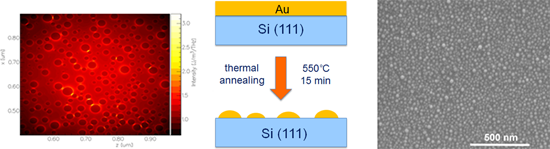
- eutectic from Au and the substrate. In order to determine homogeneous shape and space distribution, the influence of annealing conditions and the initial thickness of the Au film on the nanostructures was analyzed. For the surface morphology studies, SEM and AFM measurements were performed. The structure
- thin films are most often metastable and can dewet or agglomerate with increase of temperature. During annealing of thin films, small fluctuations of the film thickness appear leading to the creation of voids in the film and their subsequent growth. This can happen well below melting temperature of the
- requirement for very small time steps. Results and Discussion Structure and UV–vis absorption The formation of nanostructures from 2.8 nm thick Au thin films, at different annealing temperatures is shown in Figure 2b–g. All films presented in these pictures were annealed for 15 min. For comparison, an SEM