


Search results
Search for "aqueous solution" in Full Text gives 455 result(s) in Beilstein Journal of Nanotechnology. Showing first 200.
Warped graphitic layers generated by oxidation of fullerene extraction residue and its oxygen reduction catalytic activity
Beilstein J. Nanotechnol. 2019, 10, 1391–1400, doi:10.3762/bjnano.10.137
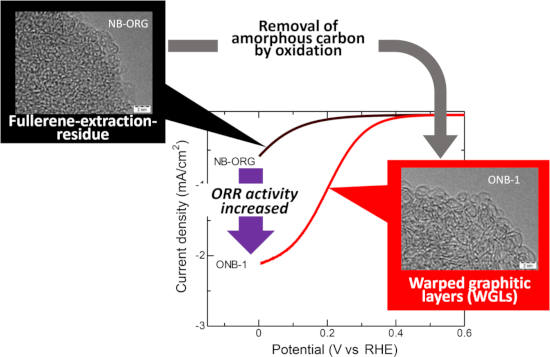
- the amount of surface functional groups. The details of this technique are described elsewhere [45][46]. Electrochemical techniques Cyclic voltammetry was used to evaluate the heterogeneous electron transfer rate of the carbons in an aqueous solution consisting of 6 × 10⁻³ mol/L K3[Fe(CN)6] and 1 mol
- perfluorinated resin solution, Aldrich) solution on a 4 mm glass-like carbon disk electrode (0.2 mg [carbon]/cm2, 0.1 mg [binder]/cm2). The reference electrode was a reversible hydrogen electrode (RHE). The electrolyte was a 0.5 mol/L H2SO4 aqueous solution. A voltammogram obtained in a N2-saturated electrolyte



Construction of a 0D/1D composite based on Au nanoparticles/CuBi2O4 microrods for efficient visible-light-driven photocatalytic activity
Beilstein J. Nanotechnol. 2019, 10, 1360–1367, doi:10.3762/bjnano.10.134
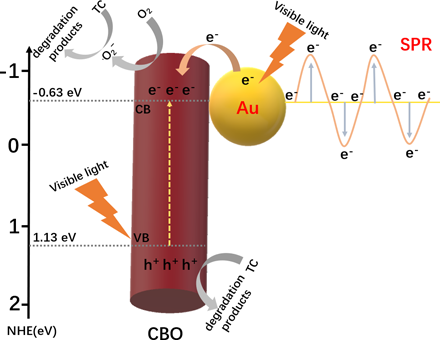
- onto the surface of CBO by a facile simple thermal reduction–precipitation method. A certain amount of prepared CBO microrods was added to an aqueous solution of HAuCl4·4H2O. Afterward, the mixed solution was heated to boiling under continuous stirring for 10 min. The as-prepared product was washed and
- method and dispersed in aqueous solution of HAuCl4. After vigorous stirring, Au3+ was adsorbed on the surface CBO microrods. Then, the precursor mixture was boiled to reduce Au3+ to Au NPs precipitating on the CBO microrods yielding the Au/CBO hybrid photocatalyst. The crystalline phases of CBO and Au


The effect of magneto-crystalline anisotropy on the properties of hard and soft magnetic ferrite nanoparticles
Beilstein J. Nanotechnol. 2019, 10, 1348–1359, doi:10.3762/bjnano.10.133
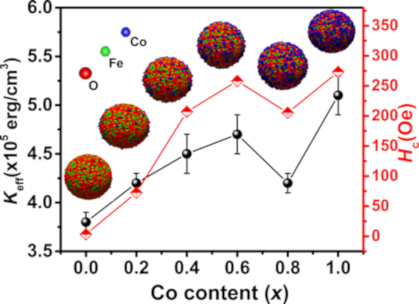
- deionized water to a concentration of 8.0 M. In the second step, the temperature of the metal-salt solution was raised 80 °C under stirring. Then, the aqueous solution of NaOH was added quickly to the solution at 80 °C. The obtained black slurry was constantly stirred at 80 °C for 30 min. The prepared


Multicomponent bionanocomposites based on clay nanoarchitectures for electrochemical devices
Beilstein J. Nanotechnol. 2019, 10, 1303–1315, doi:10.3762/bjnano.10.129
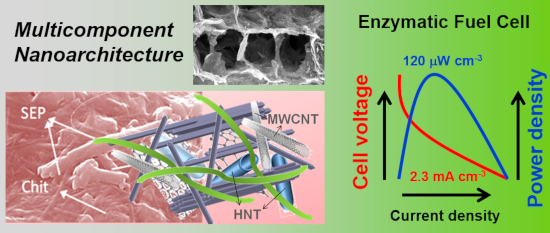
- (VC750 Sonics Vibra-Cell, operating at 20 kHz) using a 13 mm standard probe. Separately, chitosan was slowly dissolved in an aqueous solution of 1% v/v acetic acid at 70 °C and added to the SEP/HNTs/GNPs/MWCNTs dispersion under magnetic stirring. The bionanocomposite films were processed by solvent



A silver-nanoparticle/cellulose-nanofiber composite as a highly effective substrate for surface-enhanced Raman spectroscopy
Beilstein J. Nanotechnol. 2019, 10, 1270–1279, doi:10.3762/bjnano.10.126
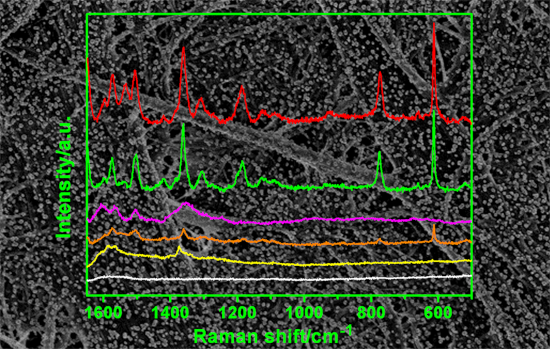
- points on the paper substrate with an integration time of 5 s for each spectrum. To monitor the molecular recognition between adenosine and thymidine, 10 μL aqueous solution (10 µM) of each nucleoside was dripped separately onto two pieces of the paper substrates; after the evaporation of the solvent, 10
- μL aqueous solution of the complementary nucleoside was dripped onto the corresponding paper substrate, and then the SERS spectra were measured after drying under the same experimental conditions as noted above. The finite element method (FEM) modeling of the plasmonic properties of the silver


A highly efficient porous rod-like Ce-doped ZnO photocatalyst for the degradation of dye contaminants in water
Beilstein J. Nanotechnol. 2019, 10, 1157–1165, doi:10.3762/bjnano.10.115
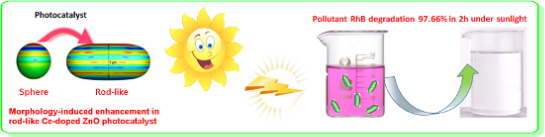
- ratio of 0.5%, 1%, 2%, 3%, and 4% were named as CZO-1, CZO-2, CZO-3, CZO-4, and CZO-5, respectively. Photocatalytic activity measurements The photocatalytic activity was evaluated based on the degradation of RhB using a sunlight stimulator. First, 4 mg of the photocatalyst was added to the RhB aqueous
- solution (8 mL) with a concentration of 10 mg/L in numbered test tubes. The suspension was stirred for 30 min to reach the adsorption/desorption equilibration in darkness. Following this, the photocatalytic reaction was started by turning on the solar simulator. 1 mL of the suspension was sampled and


Photoactive nanoarchitectures based on clays incorporating TiO2 and ZnO nanoparticles
Beilstein J. Nanotechnol. 2019, 10, 1140–1156, doi:10.3762/bjnano.10.114
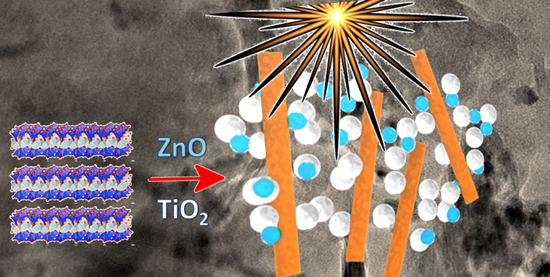
- pharmaceutical drugs, organic dyes, and phenols in aqueous solution. The single-step synthesis yields W–TiO2, Zr–TiO2 and Ce–TiO2 immobilized on the surface of delaminated layered clay derived from montmorillonite. The resulting doped TiO2@clay materials showed high specific surface area values and a slight
- shows good catalytic activity (ca. 85%) in the photodegradation of the antibiotic flumequine in aqueous solution. Interestingly, the sepiolite nanoarchitecture shows better degradation efficiency than the semiconducting components alone according to the following sequence [160]: TiO2–ZnO@sepiolite



Scavenging of reactive oxygen species by phenolic compound-modified maghemite nanoparticles
Beilstein J. Nanotechnol. 2019, 10, 1073–1088, doi:10.3762/bjnano.10.108
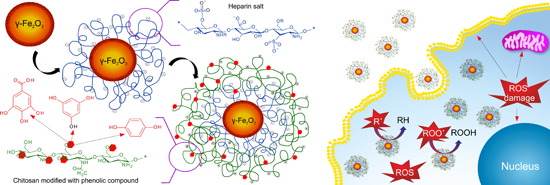
- compound-modified chitosan, was introduced immediately after the first coating with heparin. An aqueous solution (5 mL) of modified chitosan (8.1 mg) was magnetically stirred at 50 °C for 20 min and cooled to RT, while the γ-Fe2O3@Hep nanoparticle dispersion was sonicated for 5 min. After 2 min of
- , precursor chitosan (0.5 g) was dissolved in 2 wt % acetic acid (50 mL) at 70 °C for 24 h with magnetic stirring, the solution was cooled to room temperature (RT), and a mixture of ascorbic acid (AA) (54 mg), water (0.9 mL), and 25% H2O2 (0.1 mL) was added to yield chitosan (CS). After 30 min, an aqueous
- solution (20 mL) of phenolic compound (0.35 mmol) was added dropwise, and the reaction vessel was wrapped with aluminum foil to protect the reactants from light. The mixture was magnetically stirred at RT for 24 h and dialyzed against water, which was changed at least eight times, for 48 h using a membrane


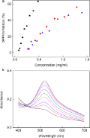

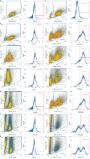


Tailoring the stability/aggregation of one-dimensional TiO2(B)/titanate nanowires using surfactants
Beilstein J. Nanotechnol. 2019, 10, 1024–1037, doi:10.3762/bjnano.10.103
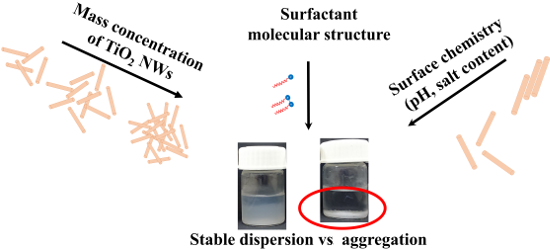
- TNW surface and 12-2-12 due to the two positively charged polar heads of 12-2-12. Micrographs of synthesized TNWs taken by a) high-resolution scanning electron microscopy and b) atomic force microscopy. Variation of zeta potential (ζ) with pH of TNWs in 10−3 mol dm−3 NaBr aqueous solution. γ(TNW) = 1


Correlation of surface-enhanced Raman scattering (SERS) with the surface density of gold nanoparticles: evaluation of the critical number of SERS tags for a detectable signal
Beilstein J. Nanotechnol. 2019, 10, 1016–1023, doi:10.3762/bjnano.10.102
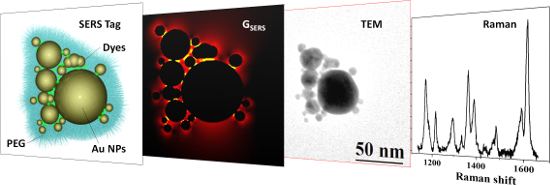
- AuNP solution at a 1:100 volume ratio. After 30 min under mild stirring, an aqueous solution of thiolated polyethylene glycol (PEG, MW 5000, Sigma-Aldrich) was added to the AuNPs with a final concentration of 30 µM. After stirring for 14 h at room temperature, the mixtures were washed with deionized
- samples for TEM analysis were obtained by mixing the AuNT solution (0.2 mg/mL in Au) 1:5 with a 10 mg/mL aqueous solution of polyvinyl alcohol (PVA, 200,000 Mw, on average, from Fluka) and depositing one drop on a copper grid coated with a holey carbon film, according to a well-established procedure which
- for the same AuNT but with light polarized along the x-axis. (A) Sketch of sample preparation for combined Raman and TEM analysis: 20 µL of an aqueous dispersion of AuNTs (0.2 mg/mL in Au) is mixed with 100 µL of an aqueous solution of PVA (10 mg/mL); after homogenization by ultrasonication, one drop


Serum type and concentration both affect the protein-corona composition of PLGA nanoparticles
Beilstein J. Nanotechnol. 2019, 10, 1002–1015, doi:10.3762/bjnano.10.101
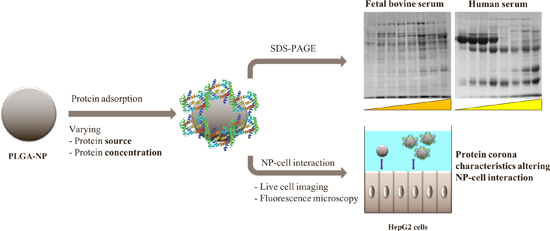
- delivered in the highest grade available. Nanoparticle preparation The NPs were prepared by an previously described emulsification–diffusion method [19]. Briefly, 100 mg PLGA was dissolved in 2 mL ethyl acetate and subsequently added to 4 mL of an aqueous solution containing PVA (2%, w/w). The mixture was



Structural and optical properties of penicillamine-protected gold nanocluster fractions separated by sequential size-selective fractionation
Beilstein J. Nanotechnol. 2019, 10, 955–966, doi:10.3762/bjnano.10.96
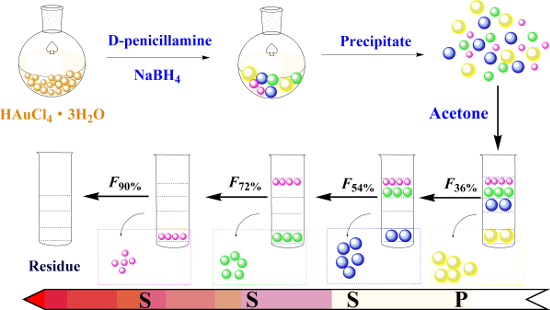
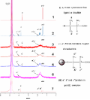
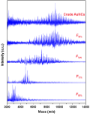
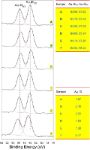
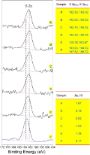
- fractionation and purification of the monolayer-protected AuNCs. Through continuously adding acetone to a crude AuNC aqueous solution and controlling the volume percentage of acetone, we successfully separated the polydisperse AuNCs with diameters ranging from 0.5 to 5.4 nm into four different fractions
- size distribution in order to obtain their representative photophysical properties. As shown in Figure 1, SSSP was used to fractionation the crude AuNCs into four AuNCs fractions with different sizes. Briefly, organic solvent (acetone) was gradually added in an aqueous solution of AuNCs, whereby the
- centrifugation, and the smaller clusters are still dispersed in the solvent. Herein, we performed SSSP for the polydisperse penicillamine-coated water-soluble AuNCs from aqueous medium using acetone as a nonsolvent. When acetone was gradually added to the aqueous solution of AuNCs to achieve supersaturation of



Synthesis of novel C-doped g-C3N4 nanosheets coupled with CdIn2S4 for enhanced photocatalytic hydrogen evolution
Beilstein J. Nanotechnol. 2019, 10, 912–921, doi:10.3762/bjnano.10.92
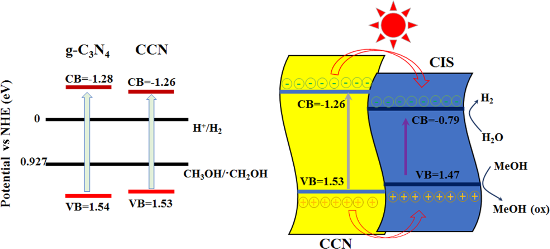
- as precursors. Subsequently, the CCN was dispersed in an aqueous solution containing thiourea, Cd(NO3)2·4H2O and In(NO3)3·4.5H2O. As a result of the electrostatic attraction between cations and negatively charged CCN [34], Cd2+ and In3+ could easily load on to the surface of the CCN nanosheets
- and a Pt wire was used as the counter electrode, respectively. The electrolyte was a 1 M Na2SO4 aqueous solution. A glassy carbon electrode containing the as-prepared sample served as the working electrode. Photocatalytic H2 production reaction In this work, the activity of the photocatalyst was


The systemic effect of PEG-nGO-induced oxidative stress in vivo in a rodent model
Beilstein J. Nanotechnol. 2019, 10, 901–911, doi:10.3762/bjnano.10.91
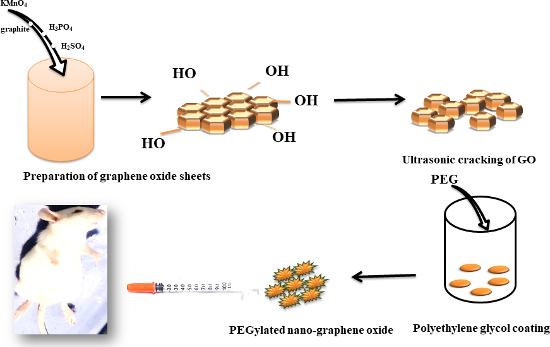
- PEG has gained considerable attention and interest due to its unique physiochemical properties [46]. The functionalization of GO with PEG has been reported to improve the stability in aqueous solution and the biocompatibility, making it an ideal drug-delivery vehicle [47][48]. Rapid progress has been


Tungsten disulfide-based nanocomposites for photothermal therapy
Beilstein J. Nanotechnol. 2019, 10, 811–822, doi:10.3762/bjnano.10.81
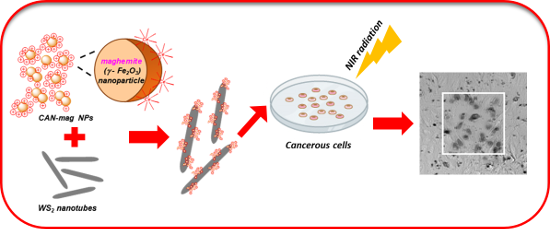
- preparation procedures. Preparation of CAN-mag nanoparticles A solution of FeCl3·H2O (240.0 mg, 0.9 mmol) in degassed, ddH2O water (4.5 mL) was mixed with an aqueous solution of FeCl2·4H2O (97.5 mg, 0.45 mmol, 4.5 mL H2O). The mixture was kept under nitrogen and ultra-sonicated for 1 min at room temperature




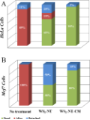


Polydopamine-coated Au nanorods for targeted fluorescent cell imaging and photothermal therapy
Beilstein J. Nanotechnol. 2019, 10, 794–803, doi:10.3762/bjnano.10.79
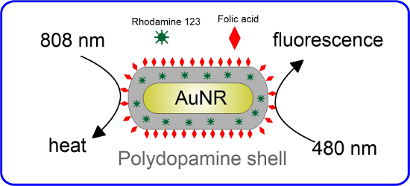
- nanocomposites have uniform size distributions, are stable in aqueous solution, nontoxic, demonstrate plasmonic extinction under NIR excitation, strong fluorescence under UV–vis excitation and the ability to selectively accumulate in folate-positive cancer cells. By using fluorescent microscopy we demonstrated


Commercial polycarbonate track-etched membranes as substrates for low-cost optical sensors
Beilstein J. Nanotechnol. 2019, 10, 677–683, doi:10.3762/bjnano.10.67
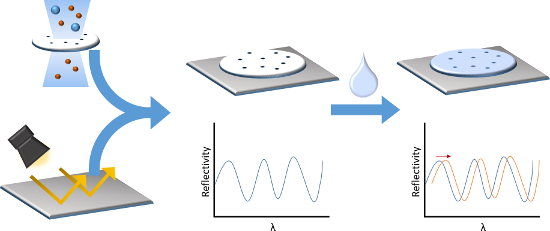
- firstly activated by oxygen plasma in a plasma asher (PVA TEPLA 200, PVA TePla AG, Wettenberg, Germany) for 1 min (50 W, 1.5 mbar). Immediately after, it was immersed in an aqueous solution of APTES at 80 °C for 20 min. Then, the membrane was removed from the solution and dried out on a cleanroom wipe


Topochemical engineering of composite hybrid fibers using layered double hydroxides and abietic acid
Beilstein J. Nanotechnol. 2019, 10, 589–605, doi:10.3762/bjnano.10.60
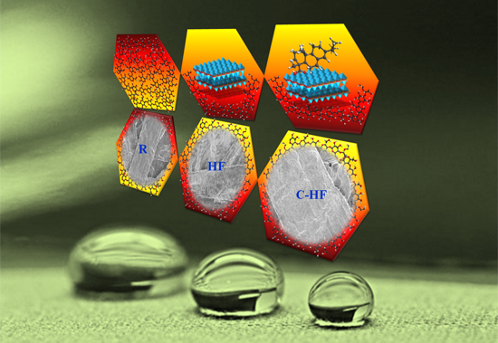
- slurry was obtained. Aqueous solution of sodium carbonate was added dropwise to the reaction flask under constant magnetic stirring to ensure homogeneity of the reaction medium. The reaction was performed at room temperature and air atmosphere. The pH value of the co-precipitation medium was kept
- visually analyze the fibrillation level of the fibers. Fiber length distribution: The average fiber length and the length distribution were determined in diluted aqueous solution by using a Kajaani Fiber Lab fiber analyzer (Valmet Automation). The fiber length measurements were performed in duplicates. The




Biomimetic synthesis of Ag-coated glasswing butterfly arrays as ultra-sensitive SERS substrates for efficient trace detection of pesticides
Beilstein J. Nanotechnol. 2019, 10, 578–588, doi:10.3762/bjnano.10.59
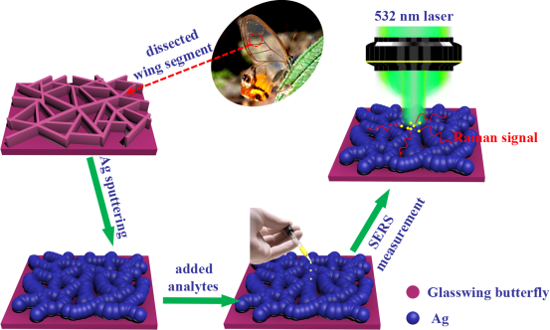
- −6 M, aqueous solution) adsorbed on the optimal Ag-G.b.-20 SERS substrates were measured to demonstrate the sensitivity. From Figure 3c, the Raman spectral intensities decreased as the concentration of CV decreased. The characteristic peaks of CV could be evidently identified even at the ultra-low


Ceria/polymer nanocontainers for high-performance encapsulation of fluorophores
Beilstein J. Nanotechnol. 2019, 10, 522–530, doi:10.3762/bjnano.10.53
- , ≥99.0%) acrylic acid (AA, Sigma-Aldrich, 99%), hexadecane (Sigma-Aldrich, 99.0%), tetrahydrofuran (THF, Sigma-Aldrich, ≥99.9%), cerium(III) nitrate hexahydrate (Sigma-Aldrich, 99.99%), sodium hydroxide (Sigma-Aldrich, ≥97.0%), ammonia solution (28% aqueous solution, VWR), sodium dodecyl sulfate (SDS


Widening of the electroactivity potential range by composite formation – capacitive properties of TiO2/BiVO4/PEDOT:PSS electrodes in contact with an aqueous electrolyte
Beilstein J. Nanotechnol. 2019, 10, 483–493, doi:10.3762/bjnano.10.49
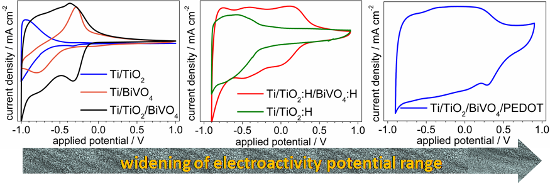
- immersed for 12 h in 0.5 wt % aqueous solution of oxalic acid to remove the inhomogeneous layer of nanotubular TiO2. Then, the anodization procedure was repeated under the same conditions. Such a two-step procedure allows for a uniform nanotube layer to be obtained. Finally, samples were annealed at a




A Ni(OH)2 nanopetals network for high-performance supercapacitors synthesized by immersing Ni nanofoam in water
Beilstein J. Nanotechnol. 2019, 10, 281–293, doi:10.3762/bjnano.10.27
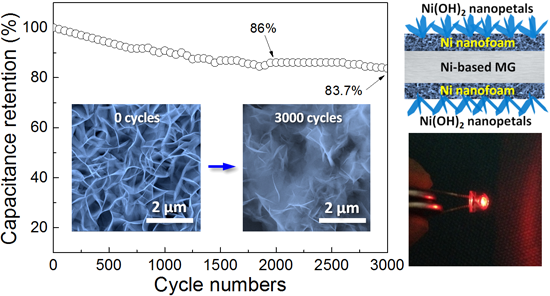
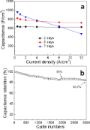
- , China) in 1 M KOH aqueous solution at 298 K. The CV curves were examined in the voltage window of 0 to 0.5 V (vs Ag/AgCl) at scan rates of 2.5, 5, 10, 20, 50, 100 mV/s, and the GCD curves were collected at current densities of 0.5, 1, 2, 4, 8,12 A/cm3. The volumetric capacitance, based on the whole
- -electrode cell in 1 M KOH aqueous solution at 298 K (Figure 5). The CV curves of the Ni(OH)2/Ni-NF/MG-2, Ni(OH)2/Ni-NF/MG-5, and Ni(OH)2/Ni-NF/MG-7 electrodes at the scan rate of 2.5 mV/s with the potential window from 0 to 0.5 V are shown in Figure 5a. A set of strong redox peaks can be clearly detected




Removal of toxic heavy metals from river water samples using a porous silica surface modified with a new β-ketoenolic host
Beilstein J. Nanotechnol. 2019, 10, 262–273, doi:10.3762/bjnano.10.25
- the adsorbent. The aqueous solution volume, the weight of the adsorbent, the initial concentration of metal ion, the equilibrium metal ion concentration and the atomic weight for metals are designated by: V (L), W (g), C0 (mmol·L−1), Ce (mmol·L−1) and M (g·mol−1), respectively. The average data from


Thermal control of the defunctionalization of supported Au25(glutathione)18 catalysts for benzyl alcohol oxidation
Beilstein J. Nanotechnol. 2019, 10, 228–237, doi:10.3762/bjnano.10.21
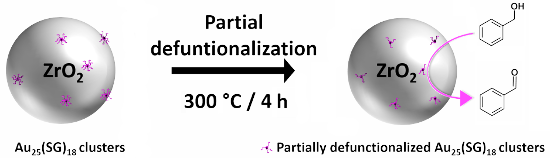
- nanoparticles or bulk gold. Impregnation of the clusters on ZrO2 nanoparticles was done by adding ZrO2 powder to an aqueous solution of Au25(SG)18, stirred for 15 min and then centrifuged to collect the powder without further washing. The composite material Au25(SG)18@ZrO2 comprised of 0.7% Au was calcined at
- air, with a rate of 2 °C/min. Synthesis of AuNP@ZrO2 by deposition-precipitation The synthesis of AuNP@ZrO2 was done according to a reported protocol [40]. An aqueous solution of tetrachloroauric acid trihydrate (1.5% by mass, in 10 mL H2O) was added dropwise to ZrO2 (1 g) dispersed in 30 mL H2O while




Raman study of flash-lamp annealed aqueous Cu2ZnSnS4 nanocrystals
Beilstein J. Nanotechnol. 2019, 10, 222–227, doi:10.3762/bjnano.10.20
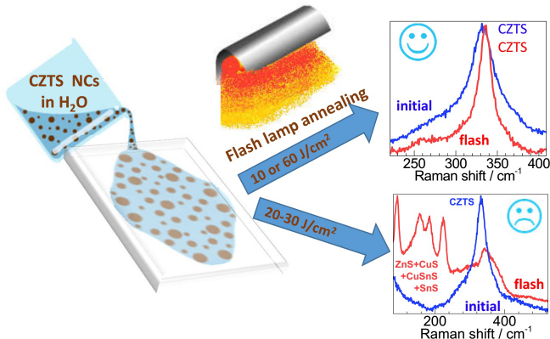
- nanocrystals (NCs) is investigated by Raman spectroscopy. Unlike similar previous studies of NCs synthesized at high temperatures in organic solvents, NCs in this work, which have diameters as small as 2–6 nm, were synthesized under environmentally friendly conditions in aqueous solution using small molecules
- aqueous solution using thioglycolic (mercaptoacetic) acid as a stabilizer. The NCs have a size of 2–6 nm [21], which is much smaller than in [19]. Therefore, the effect of the FLA on these significantly different NCs can be very distinct. We investigated the effect of various doses of irradiation energy
- carbon bands are observed both in spectra with only CZTS peaks as well as in those in which only secondary phases are detected. Conclusion We investigated the effect of flash-lamp annealing on small CZTS NCs synthesized under mild conditions in aqueous solution, using small molecules as stabilizers. We





