


Search results
Search for "electronics" in Full Text gives 547 result(s) in Beilstein Journal of Nanotechnology. Showing first 200.
ZnO and MXenes as electrode materials for supercapacitor devices
Beilstein J. Nanotechnol. 2021, 12, 49–57, doi:10.3762/bjnano.12.4
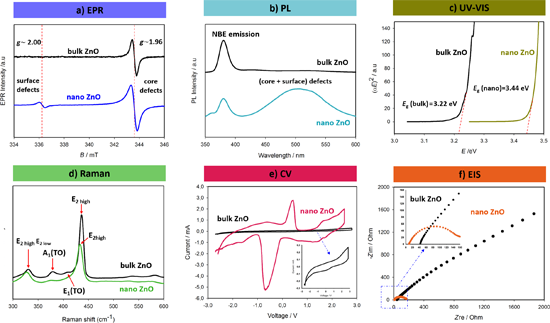
- Supercapacitor devices are interesting owing to their broad range of applicability from wearable electronics to energy storage in electric vehicles. One of the key parameters that affect the efficiency of supercapacitor devices is selecting the ideal electrode material for a specific application. Regarding this
- systems are not only required for renewable energy sources but also for portable or wearable electronics and electric vehicles [16][20][21]. To tackle these challenges supercapacitors are amongst the numerous candidates, due to unique properties such as high power density, fast charge/discharge capability
Effect of different silica coatings on the toxicity of upconversion nanoparticles on RAW 264.7 macrophage cells
Beilstein J. Nanotechnol. 2021, 12, 35–48, doi:10.3762/bjnano.12.3

- min, in the dark and at room temperature. Cell cycle distribution data was assessed by using a Beckman Coulter EPICS XL flow cytometer (Coulter Electronics, Hialeah, Florida, USA), and the percentage of cells in sub-G1, G0/G1, S, and G2 phases was determined by using the FlowJo software (FlowJo LLC


Atomic layer deposited films of Al2O3 on fluorine-doped tin oxide electrodes: stability and barrier properties
Beilstein J. Nanotechnol. 2021, 12, 24–34, doi:10.3762/bjnano.12.2
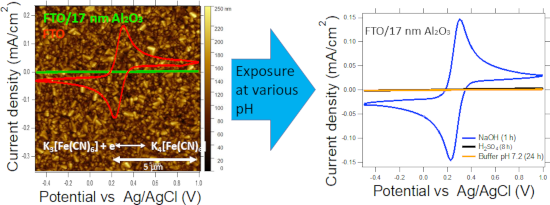
- [12], or to solutions consisting of 6% NH4OH and 5% H2O2 at 80 °C or 1% HF at 21 °C, employed in the manufacturing of electronics [13]. ALD Al2O3 treated at approx. 900 °C exhibits a significant improvement regarding chemical stability, which is explained by the densification and transition of


Free and partially encapsulated manganese ferrite nanoparticles in multiwall carbon nanotubes
Beilstein J. Nanotechnol. 2020, 11, 1891–1904, doi:10.3762/bjnano.11.170
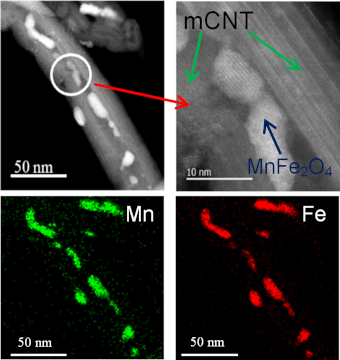
- Saja Al-Khabouri Salim Al-Harthi Toru Maekawa Mohamed E. Elzain Ashraf Al-Hinai Ahmed D. Al-Rawas Abbsher M. Gismelseed Ali A. Yousif Myo Tay Zar Myint Department of Physics, Sultan Qaboos University, Muscat PC 123, Sultanate of Oman Bio-Nano Electronics Research Center, Toyo University, 2100
- Electronics Research Center, at Toyo University, for conducting TEM measurements. Funding This research did not receive any specific grant from funding agencies in the public, commercial, or not-for-profit sectors. Author Contribution Saja Al Khabouri conducted the experiment and prepared the manuscript


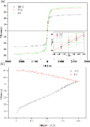


Kondo effects in small-bandgap carbon nanotube quantum dots
Beilstein J. Nanotechnol. 2020, 11, 1873–1890, doi:10.3762/bjnano.11.169
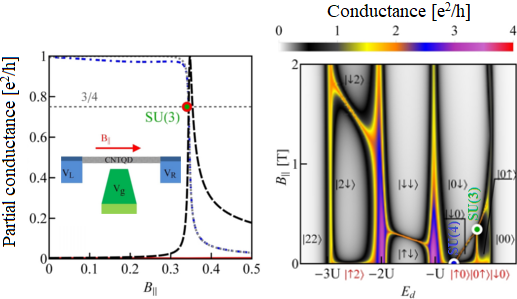
- , mechanical, and magnetic properties carbon nanotubes (CNTs) are of great interest in molecular electronics and spintronics with potential applications, for example, as field-effect transistors, nanoelectromechanical devices, logic gates, spin valves, spin diodes, and spin batteries [1][2][3][4][5][6][7][8][9

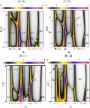
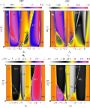


![[Graphic 37]](/bjnano/content/inline/2190-4286-11-169-i52.svg?max-width=637&scale=1.18182) as a functio...
as a functio...


Nanomechanics of few-layer materials: do individual layers slide upon folding?
Beilstein J. Nanotechnol. 2020, 11, 1801–1808, doi:10.3762/bjnano.11.162
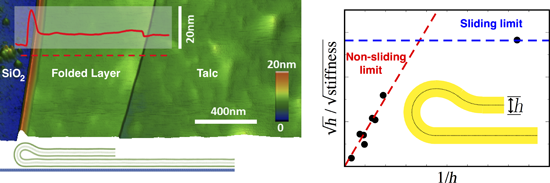
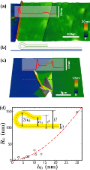
- understanding of the structural/dynamic response of multilayered 2D materials upon bending is also an essential issue regarding technological applications, such as deformable electronics, flexible reinforcements for brittle biomedical implants [15], and ultralight resonators suited as transducers of extremely
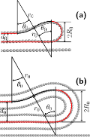

![[Graphic 5]](/bjnano/content/inline/2190-4286-11-162-i8.svg?max-width=637&scale=1.18182) =
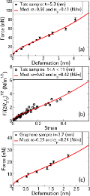
= ![[Graphic 6]](/bjnano/content/inline/2190-4286-11-162-i9.svg?max-width=637&scale=1.18182) as a function of 1/h for the nine measured talc samples. h is a directly measured ...
as a function of 1/h for the nine measured talc samples. h is a directly measured ...
Molecular dynamics modeling of the influence forming process parameters on the structure and morphology of a superconducting spin valve
Beilstein J. Nanotechnol. 2020, 11, 1776–1788, doi:10.3762/bjnano.11.160
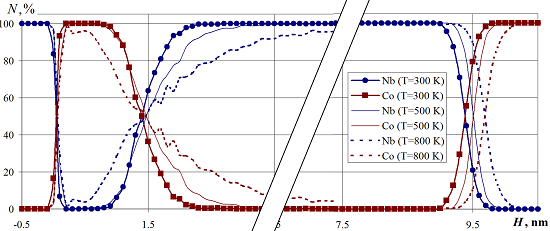
- nanostructures are a new type of quantum electronics elements based on electron spin transport. Unlike conventional electronics, spintronics uses not only charge transfer, but also the electron spin in solids, solving the problem of transport and recording of information [1][2][3][4][5][6][7]. Based on the basic


Mapping of integrated PIN diodes with a 3D architecture by scanning microwave impedance microscopy and dynamic spectroscopy
Beilstein J. Nanotechnol. 2020, 11, 1764–1775, doi:10.3762/bjnano.11.159
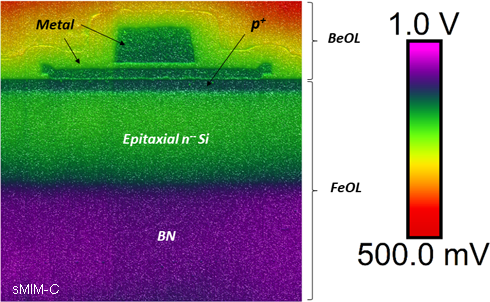
- intrinsic layer allows one to meet the required electrical specifications for switches in power electronics. In order to analyse the profiles extracted from the sMIM measurements, the majority carrier concentration calculated by numerical simulations [31] for an abrupt PIN doping profile is compared with


Direct observation of the Si(110)-(16×2) surface reconstruction by atomic force microscopy
Beilstein J. Nanotechnol. 2020, 11, 1750–1756, doi:10.3762/bjnano.11.157
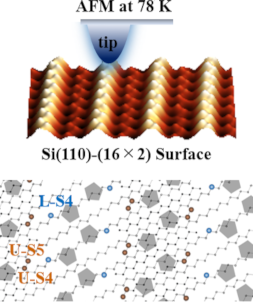
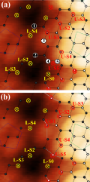
- cantilever was used, which was cleaned by Ar+ sputtering to remove the oxide and contamination on the tip. The deflection of the cantilever was measured by the optical beam deflection method. The topography of the surface was imaged while feedback electronics were used to adjust the tip–sample distance to



Functional nanostructures for electronics, spintronics and sensors
Beilstein J. Nanotechnol. 2020, 11, 1704–1706, doi:10.3762/bjnano.11.152

- computer memory and the potential use as quantum computer building blocks. Keeping in mind the trends with regard to “post-Moore’s” electronics, this thematic issue aimed to cover theoretical, experimental and conceptual development towards superconducting supercomputer elements. Theoretical works on
- , high-performance superconducting electronics elements for fast computing. This issue also contains progress towards various technological processes for fabrication and characterization of the base elements of a superconducting computer. For example, Arutyunov et al. [11] presented an advanced
- ” electronics for a superconducting computer where a low-noise cryogenic microwave amplifier as a read-out circuit of superconducting X-mon qubits is demonstrated. Also, in addition to the progress towards theoretical and experimental developments of a superconducting computer, this thematic issues also
Out-of-plane surface patterning by subsurface processing of polymer substrates with focused ion beams
Beilstein J. Nanotechnol. 2020, 11, 1693–1703, doi:10.3762/bjnano.11.151
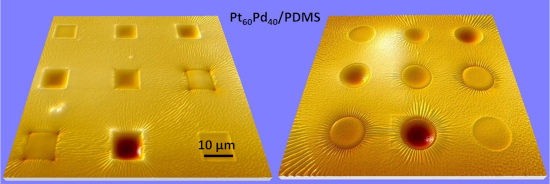
- Serguei Chiriaev Luciana Tavares Vadzim Adashkevich Arkadiusz J. Goszczak Horst-Gunter Rubahn NanoSYD, Mads Clausen Institute, University of Southern Denmark, Alsion 2, Sønderborg, 6400, Denmark Centre for Industrial Electronics, Department of mechanical and electronic engineering, University of


A self-powered, flexible ultra-thin Si/ZnO nanowire photodetector as full-spectrum optical sensor and pyroelectric nanogenerator
Beilstein J. Nanotechnol. 2020, 11, 1623–1630, doi:10.3762/bjnano.11.145
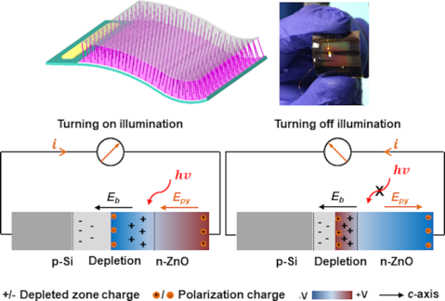
- limits their application in the field of flexible electronics. Recently, the design of flexible devices with Si membranes as building blocks has been explored. These devices have become promising candidates for the use as flexible PDs due to many advantages, such as good compatibility, working in a harsh
- energy. This is achieved by utilizing the temperature dependence of electric displacement of polar materials, which are already applied in solar cells, photodetectors, temperature sensors, and stretchable electronics [15][16][17][18]. It means that the PENGs could serve as a power source to power PDs by


Walking energy harvesting and self-powered tracking system based on triboelectric nanogenerators
Beilstein J. Nanotechnol. 2020, 11, 1590–1595, doi:10.3762/bjnano.11.141
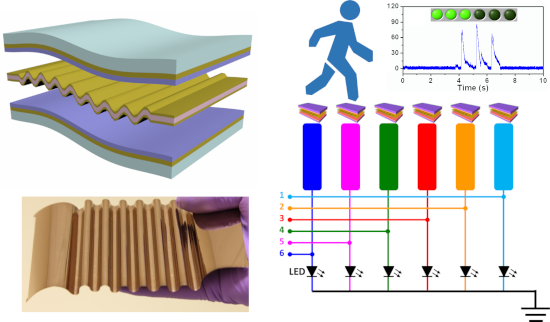
- electronics [1][2][3][4][5] and wireless sensor networks is in high demand. Mechanical energy, which is widely distributed in the environment, is one of the most general power sources. The human body is a rich source of mechanical energy [6]. Muscle stretching, for example, converts biochemical energy into




Optically and electrically driven nanoantennas
Beilstein J. Nanotechnol. 2020, 11, 1542–1545, doi:10.3762/bjnano.11.136
- subject. Energy-level engineering in the gap by introducing molecules into the tunnel junction provides an additional handle to modulate photon emission from an electrically controlled optical antenna. Light emission by tunneling through a single molecule opens the door to combine electronics and quantum
A wideband cryogenic microwave low-noise amplifier
Beilstein J. Nanotechnol. 2020, 11, 1484–1491, doi:10.3762/bjnano.11.131
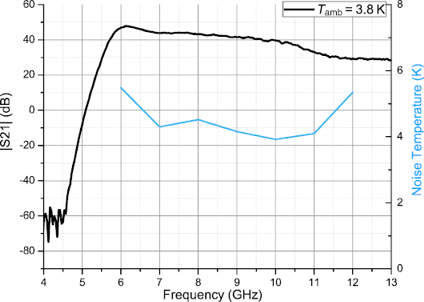
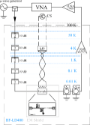
- aimed to be used as elements for quantum processors. The experimental study of the abovementioned quantum devices requires precise low-noise readout electronics including low-noise amplifiers [10]. Two main low-noise amplifiers parameters are small equivalent noise temperature (Tn) and relatively high




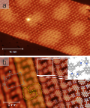
Self-assembly and spectroscopic fingerprints of photoactive pyrenyl tectons on hBN/Cu(111)
Beilstein J. Nanotechnol. 2020, 11, 1470–1483, doi:10.3762/bjnano.11.130
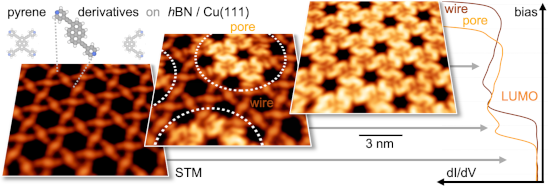
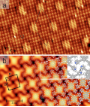
- ][48][49][50][51][52][53][54]. With prominent fluorescence properties, pyrene is often considered the "fruitfly of photochemists", and several materials have been prepared for applications in optoelectronic devices and organic electronics [47]. On metal surfaces under ultrahigh vacuum (UHV





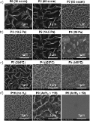
One-step synthesis of carbon-supported electrocatalysts
Beilstein J. Nanotechnol. 2020, 11, 1419–1431, doi:10.3762/bjnano.11.126

- excited by 13.56 MHz radio frequency (RF). The system was constructed according to the guidelines of the gaseous electronics conference reference cell reactor [37] with a specially modified planar plasma antenna to increase plasma densities at low particle energies [38] and a slightly modified chamber




Triboelectric nanogenerator based on Teflon/vitamin B1 powder for self-powered humidity sensing
Beilstein J. Nanotechnol. 2020, 11, 1394–1401, doi:10.3762/bjnano.11.123
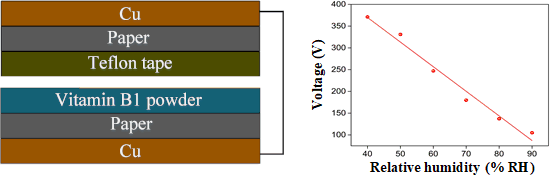
- , food safety, wearable electronics, and wireless sensor networks [1][2][3][4]. However, conventional power generation is needed to supply energy to these sensor networks, which leads to increased energy usage and adverse impacts on the environment. More specifically, the degradation of the urban
- development of methods for harvesting energy from the surrounding environment and converting it into electrical power. Through the design of portable electronics and wireless sensor systems [13][14][15][16], which harvest energy from the environment, the adverse environmental effects caused by battery-powered
- significant impact on the advancement of wearable electronics, intelligent robots, and the IoT [22][23][24][25][26][27][28]. Presently, TENGs are used to harvest various forms of mechanical energy from the surrounding environment, such as acoustic energy, wind, vibrations and human motion [29][30][31][32][33


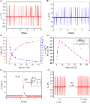


Controlling the proximity effect in a Co/Nb multilayer: the properties of electronic transport
Beilstein J. Nanotechnol. 2020, 11, 1336–1345, doi:10.3762/bjnano.11.118
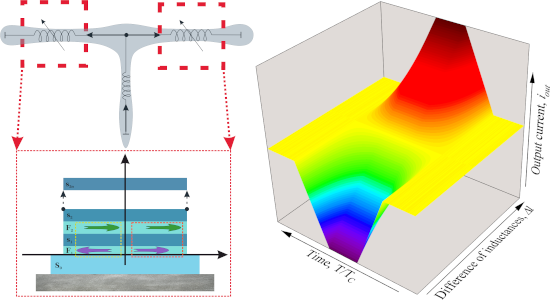
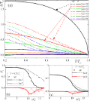
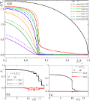
- elements, including synapses. This new type of application will be discussed in more detail. The creation of artificial neural networks is one of the current trends in the development of superconductor electronics [10][11][12][13][14][15]. Such an artificial neural network contains layers of elements that



Effect of localized helium ion irradiation on the performance of synthetic monolayer MoS2 field-effect transistors
Beilstein J. Nanotechnol. 2020, 11, 1329–1335, doi:10.3762/bjnano.11.117
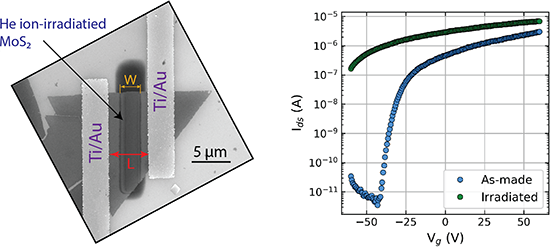
- materials; Introduction Layered two-dimensional (2D) semiconductors have come to the fore in recent years as promising candidates for the implementation of flexible, transparent, and low-power electronics. In particular, transition metal dichalcogenides (TMDs), such as molybdenum disulfide (MoS2), have


Cryogenic low-noise amplifiers for measurements with superconducting detectors
Beilstein J. Nanotechnol. 2020, 11, 1316–1320, doi:10.3762/bjnano.11.115
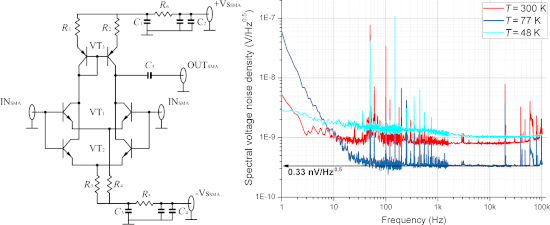
- ; Introduction Currently, superconducting detectors are the most sensitive devices in the electromagnetic field and find wide application in radioastronomy and quantum electronics. Sensors based on superconductors can detect microwaves close to the single-photon limit [1]. Most of such sensors are based on
- Josephson junctions and superconducting thin films. Experimental studies of such sensors require the design of low-noise cryogenic readout electronics with a direct coupling to the sample. For example, investigations of noise sources in low-temperature tunnel Josephson junctions are still ongoing for high
- mobility transistor (HEMT) technology and SiGe bipolar heterojunction technology (HBT). Low-frequency amplifiers are usually applied as first stage of SQUID readout electronics [11][12] or as the readout of cryogenic bolometers [13]. In both cases the amplifiers have a working temperature of 300 K. Modern


Ultrasensitive detection of cadmium ions using a microcantilever-based piezoresistive sensor for groundwater
Beilstein J. Nanotechnol. 2020, 11, 1242–1253, doi:10.3762/bjnano.11.108
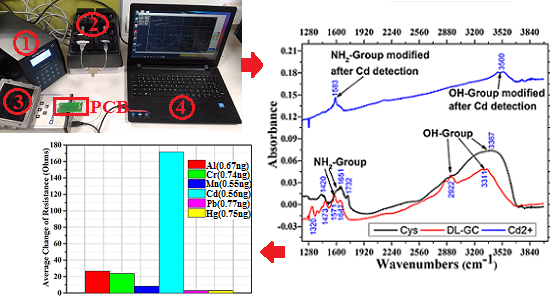
- Dinesh Rotake Anand Darji Nitin Kale Department of Electronics Engineering, Sardar Vallabhbhai National Institute of Technology, Surat, Gujarat, India The Chief Technology Officer, NanoSniff Technologies Pvt. Ltd., F-14, 1st Floor, IITB Research Park, Old CSE Building, IIT Bombay, Powai, Mumbai
- . Comparison of different methods for cadmium detection. Funding The authors would like to thank Director of Indian Institute of Technology, Bombay for the support of atomic force microscopy under “Indian Nanoelectronics Users Program” and “Visvesvaraya Ph.D. Scheme for Electronics and IT” funded by the MeitY





3D superconducting hollow nanowires with tailored diameters grown by focused He+ beam direct writing
Beilstein J. Nanotechnol. 2020, 11, 1198–1206, doi:10.3762/bjnano.11.104
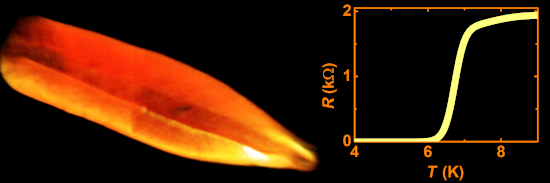
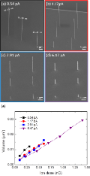
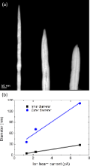
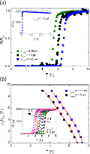
- is present along the whole nanowire length. Moreover, these nanowires become superconducting at 6.8 K and show high values of critical magnetic field and critical current density. Consequently, these 3D nano-objects could be implemented as components in the next generation of electronics, such as
- studied in detail. Nowadays, research on manufacturing highly energy-efficient three-dimensional (3D) structures [13] is critical for the development of future electronics. However, when approaching the nanometer-scale, the number of works on real 3D nano-superconductors [14][15][16][17][18][19] decreases



Hybridization vs decoupling: influence of an h-BN interlayer on the physical properties of a lander-type molecule on Ni(111)
Beilstein J. Nanotechnol. 2020, 11, 1168–1177, doi:10.3762/bjnano.11.101
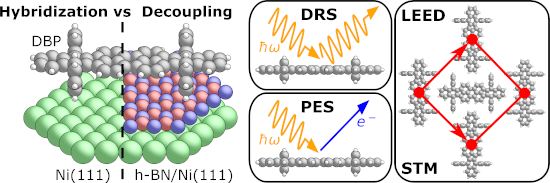
- -BN on Ni(111) exhibits an atomically flat morphology [18][19]. DBP is a promising molecule in the field of organic electronics, for example, as an electron donor [20][21][22][23] or acceptor [24] in organic photovoltaic applications, and as a dopant in organic light emitting diodes [25]. For our
- a promising n-type contact for molecular electronics. Core level spectroscopy Finally, we investigated the chemical structure by means of X-ray photoelectron spectroscopy (XPS) at normal emission. In Figure 5 the N 1s, the C 1s and the B 1s spectra for DBP on bare Ni(111) as well as on h-BN/Ni(111


Thermophoretic tweezers for single nanoparticle manipulation
Beilstein J. Nanotechnol. 2020, 11, 1126–1133, doi:10.3762/bjnano.11.97
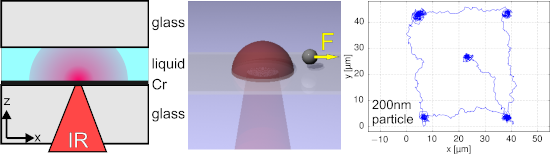
- position so that the thermal gradient at the location of the particle is the highest). The position is then sent to the beam steering electronics, which then repositions the heating laser focus accordingly. The most straightforward path to thermophoretic tweezing is to employ laser tweezers, which are





