


Search results
Search for "low temperature" in Full Text gives 389 result(s) in Beilstein Journal of Nanotechnology. Showing first 200.
Thermal control of the defunctionalization of supported Au25(glutathione)18 catalysts for benzyl alcohol oxidation
Beilstein J. Nanotechnol. 2019, 10, 228–237, doi:10.3762/bjnano.10.21
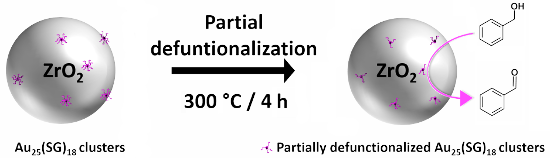
- to completely remove the glutathione molecules from the gold surface. For the TGA of the ZrO2 support, 2.4% weight loss was observed at low temperature that corresponds to trace water (Figure 2). After the deposition of 1 wt % Au using Au25(SG)18 on ZrO2, a first weight loss of 2.4% is observed and a




Raman study of flash-lamp annealed aqueous Cu2ZnSnS4 nanocrystals
Beilstein J. Nanotechnol. 2019, 10, 222–227, doi:10.3762/bjnano.10.20
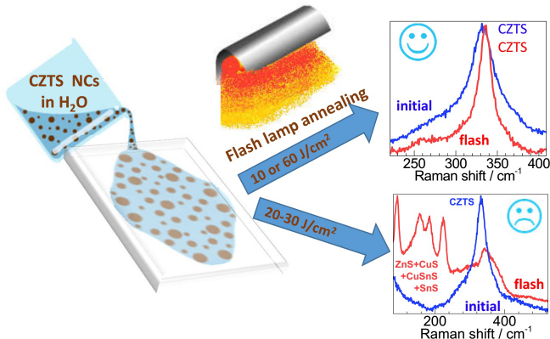
- that the laser power does not affect the samples are our recently reported low-temperature measurements (77 K) [34], which revealed no qualitative changes in the spectra except for an expected temperature-induced shift and narrowing of the phonon peaks. The Raman spectra of the ink1-derived films


pH-mediated control over the mesostructure of ordered mesoporous materials templated by polyion complex micelles
Beilstein J. Nanotechnol. 2019, 10, 144–156, doi:10.3762/bjnano.10.14
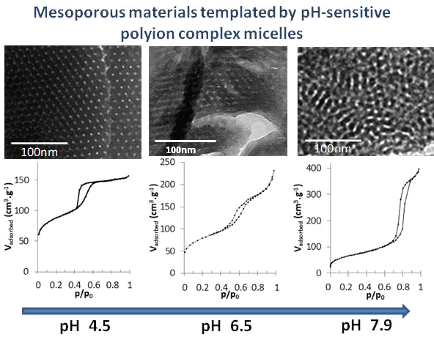
- mesopores to be obtained up to pH 6.5. Interestingly, this relatively inexpensive silica precursor and the rather environmentally friendly synthesis route employed (neutral pH conditions, low temperature, short synthesis and aging times) open up new opportunities for batch and continuous mode large-scale


New micro/mesoporous nanocomposite material from low-cost sources for the efficient removal of aromatic and pathogenic pollutants from water
Beilstein J. Nanotechnol. 2019, 10, 119–131, doi:10.3762/bjnano.10.11
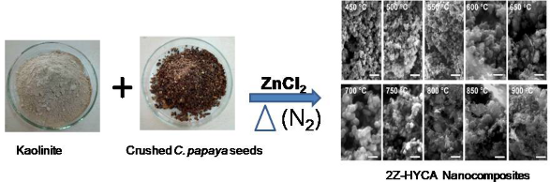
- interesting both from stability and surface area aspects. Pollutant removal from aqueous solutions Removal of 4-nitrophenol We have previously reported that a first-generation HYCA material prepared via a low-temperature calcination process in air very efficiently adsorbs cationic pollutants such as Pb2+, Cd2




Zn/F-doped tin oxide nanoparticles synthesized by laser pyrolysis: structural and optical properties
Beilstein J. Nanotechnol. 2019, 10, 9–21, doi:10.3762/bjnano.10.2
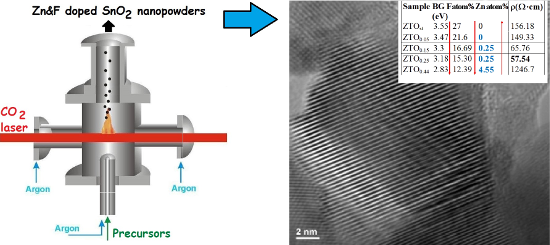
- states and VB/CB” (valence band/conduction band) “by adjusting the position of bandgap to obtain an optimized narrow value” [23]. Thus, using a solution-based single-source precursor (Er-doped KSnF3), oxygen-vacancy-rich nanocrystals of co-doped Er and F SnO2 were obtained at low temperature with an



Investigation of CVD graphene as-grown on Cu foil using simultaneous scanning tunneling/atomic force microscopy
Beilstein J. Nanotechnol. 2018, 9, 2953–2959, doi:10.3762/bjnano.9.274
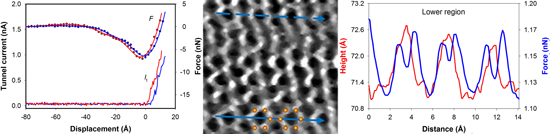
- the three missing atoms at low temperature (4.89 K) with AFM using an STM/AFM setup they developed [7]. However, not all of the six carbon atoms could be observed with STM in that study. In this work, using a simultaneous STM/AFM working with sub-angstrom oscillation amplitudes we intended to gain
- topography corresponds to the middle of the two C atoms. The observation of STM topography maxima between a-type and b-type carbon atoms in HOPG is predicted to be possible in the work by Teobaldi and co-workers [38]. Upon obtaining remarkable contrast variations with the bias voltage in low-temperature STM


Ternary nanocomposites of reduced graphene oxide, polyaniline and hexaniobate: hierarchical architecture and high polaron formation
Beilstein J. Nanotechnol. 2018, 9, 2936–2946, doi:10.3762/bjnano.9.272
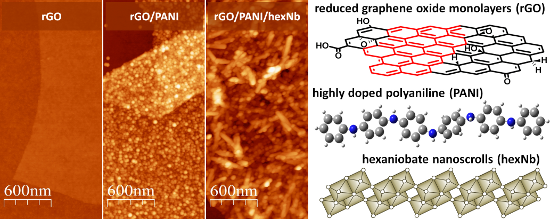
- between them, graphene oxide reduction was performed at diluted conditions with hydrazine at low temperature (see Experimental section). The resulting dispersions of rGO-25 and rGO/PANI nanocomposites are remarkably stable (see Supporting Information File 1), more so than sample rGO-80. This indicates


Controlling surface morphology and sensitivity of granular and porous silver films for surface-enhanced Raman scattering, SERS
Beilstein J. Nanotechnol. 2018, 9, 2813–2831, doi:10.3762/bjnano.9.263
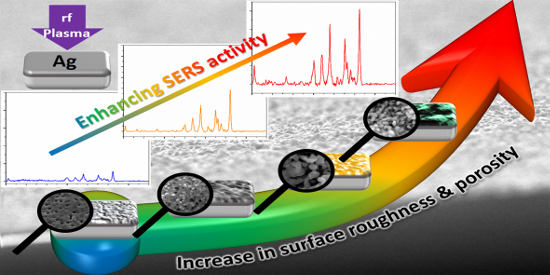
- at low temperature in the gas phase, which can strongly interact with the exposed surface leading to distinct physical and chemical changes [63][76]. Therefore, it is interesting to investigate the influence of different kinds of rf plasmas on the surface of thin silver films, which are important





Oriented zinc oxide nanorods: A novel saturable absorber for lasers in the near-infrared
Beilstein J. Nanotechnol. 2018, 9, 2730–2740, doi:10.3762/bjnano.9.255
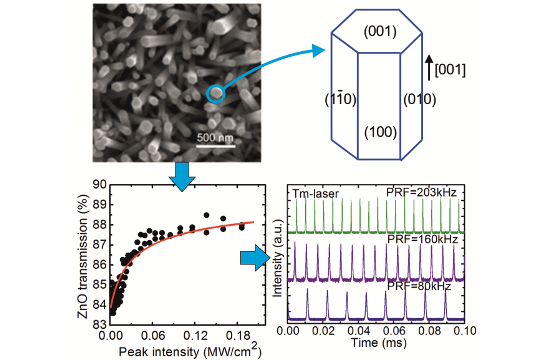
- epitaxy, metal-organic chemical vapor deposition, pulsed laser deposition), or by wet-chemical processes (e.g., the hydrothermal method, electrochemical deposition) [4]. The hydrothermal growth of ZnO NRs is a relatively simple, versatile and low temperature process [5]. ZnO NRs are used in gas sensors



Improved catalytic combustion of methane using CuO nanobelts with predominantly (001) surfaces
Beilstein J. Nanotechnol. 2018, 9, 2526–2532, doi:10.3762/bjnano.9.235
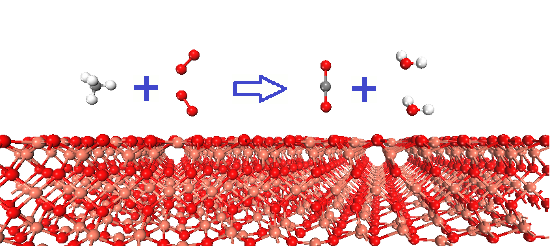
- underlines the need to develop high-performance catalysts for CH4 oxidation at low temperature. Except as fuel in natural gas, much of the CH4 that is released is from industrial applications, such as ventilation air methane (VAM) from underground coal mining. This is a serious issue because CH4 has severe
- global warming effects, around 25 times greater than that of carbon dioxide (CO2). For a more efficient use of natural gas and to minimize the direct emission of CH4, the catalytic oxidation of CH4 at low temperature has been investigated extensively over the last decades [5][6][7][8]. Noble metals have


High-temperature magnetism and microstructure of a semiconducting ferromagnetic (GaSb)1−x(MnSb)x alloy
Beilstein J. Nanotechnol. 2018, 9, 2457–2465, doi:10.3762/bjnano.9.230
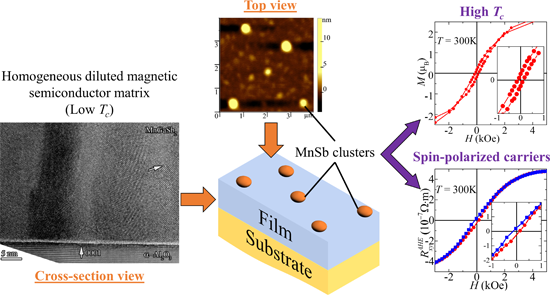
- of conducting holes [1][3]. To reach high values of the Curie temperature, Tc, materials with high Mn concentration are required, which can be achieved by using non-equilibrium growth methods, such as low-temperature molecular-beam epitaxy. Thus, the solubility limit of Mn in Ga1−xMnxAs can be



Pinning of a ferroelectric Bloch wall at a paraelectric layer
Beilstein J. Nanotechnol. 2018, 9, 2356–2360, doi:10.3762/bjnano.9.220
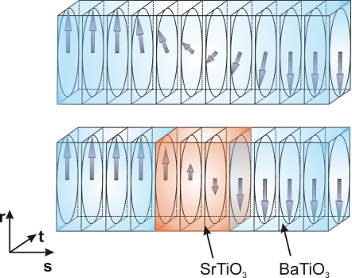
- its the edges along the principal pseudocubic crystallograpic axes (see Figure 8). The BaTiO3 and SrTiO3 Ginzburg–Landau–Devonshire model potential parameters used in the present calculations are those of [12], except for the temperature parameter, which was set to 118 K here (low temperature is

![[Graphic 2]](/bjnano/content/inline/2190-4286-9-220-i2.svg?max-width=637&scale=1.18182) -oriented 180-degree domain walls in a) pure BaTiO3, b) BaTiO3–SrTiO3 superla...
-oriented 180-degree domain walls in a) pure BaTiO3, b) BaTiO3–SrTiO3 superla...


Lead-free hybrid perovskites for photovoltaics
Beilstein J. Nanotechnol. 2018, 9, 2209–2235, doi:10.3762/bjnano.9.207
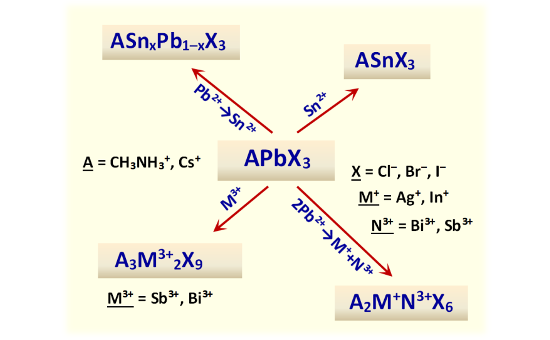
- [71]. The cells with such modified MASnI3 absorbers showed a PCE of 6.63% (Table 1) with a relatively high FF of ≈64% (Figure 4a). High-quality MASnI3 films yielding a PCE of 1.86% were prepared using a low-temperature vapor-assisted deposition [115]. The stability of MASnI3- and CsSnI3-based solar


Influence of the thickness of an antiferromagnetic IrMn layer on the static and dynamic magnetization of weakly coupled CoFeB/IrMn/CoFeB trilayers
Beilstein J. Nanotechnol. 2018, 9, 2198–2208, doi:10.3762/bjnano.9.206
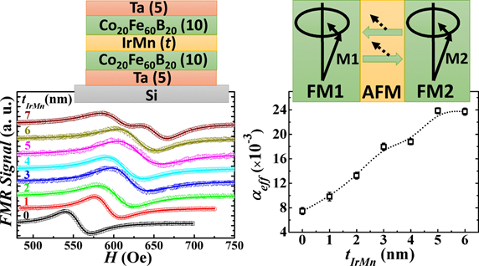
- -magnon scattering is also discussed. The AF-induced interfacial damping parameter is derived by studying the evolution of damping with inverse CoFeB thickness. The static magnetic measurements also reveal the interlayer exchange coupling across the IrMn layer both at room temperature and low temperature
- . The asymmetric hysteresis loop and training effect observed at low temperature is related to the presence of a metastable AF domain state. We show that both the static and dynamic magnetic properties of trilayer films can be adjusted over a wide range by changing the thickness of the IrMn spacer layer
- the similar trend for Hk since both coercivity and anisotropy are correlated with each other as suggested by Hoffmann [55]. At a low temperature of 10 K reached after both zero-field cooling (ZFC) and field cooling (FC) procedures from RT, the top and bottom CoFeB layers are still magnetically coupled


Electrospun one-dimensional nanostructures: a new horizon for gas sensing materials
Beilstein J. Nanotechnol. 2018, 9, 2128–2170, doi:10.3762/bjnano.9.202
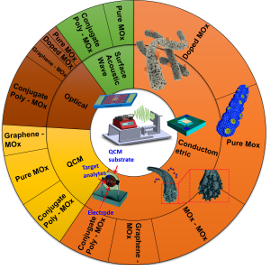
- . Yb-doped In2O3 NTs show a response of 2.4 toward 100 ppb of formaldehyde [213]. Mg-doped In2O3 NTs exhibit a high response at low temperature (150 °C). Pure and Mg-doped In2O3 NTs have an average diameter of 80 nm. The smooth surface of In2O3 NTs becomes coarser with doping of Mg. Mg doping
- and recovery time of 2 mol % W-doped NiO NTs is 178 s and 152 s, respectively. Thus, W-doped NiO NTs can successfully detect low concentrations (15 ppm) of xylene with a response of 2.17 [220]. Pd-doped TiO2 NFs (average diameter 250 nm) show high sensitivity to NO2 at a relatively low temperature of
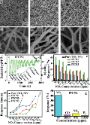
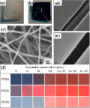
- /SnO2 mixed NFs show response time/recovery times of 1/305 s [224]. In2O3-CeO2 NTs synthesized by electrospinning exhibit an excellent response toward H2S at low temperature (25–110 °C) and to acetone at relatively high temperature (300 °C) [225]. The outer diameter and wall thickness are tuned in the






Synthesis of carbon nanowalls from a single-source metal-organic precursor
Beilstein J. Nanotechnol. 2018, 9, 1895–1905, doi:10.3762/bjnano.9.181
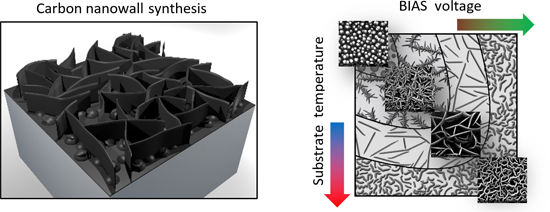
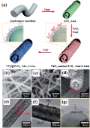
- different morphologies were deposited. Four main morphological types were identified by SEM analysis and Raman spectroscopy. It was shown how the combination of substrate temperature and bias voltage determines the resulting morphology. Low temperature and low bias voltage lead to carbon rods. Successively


Cryochemical synthesis of ultrasmall, highly crystalline, nanostructured metal oxides and salts
Beilstein J. Nanotechnol. 2018, 9, 1755–1763, doi:10.3762/bjnano.9.166
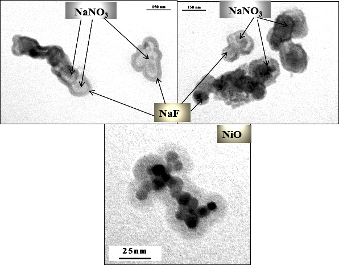
- and structural materials. In a 1962 publication, theoretical justification was given for the use of low (negative) temperatures for studying the mechanisms behind chemical processes and the peculiarities of reaction kinetics in the low-temperature region in order to improve the synthesis of ultra
- possible for compact states [5][6][7]. Most often, aqueous solutions are used; however, solutions in organic solvents (e.g., acetic acid, benzene, tert-butanol, and toluene) can also be used when reasonable equilibrium pressure is applied in the solid state at low temperature. The low solubility of many


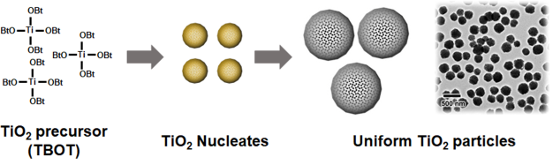
Controllable one-pot synthesis of uniform colloidal TiO2 particles in a mixed solvent solution for photocatalysis
Beilstein J. Nanotechnol. 2018, 9, 1715–1727, doi:10.3762/bjnano.9.163
- (TiO2-400) calcined at a relatively low temperature (400 °C) had a large adsorption capacity in the range of monolayer adsorption (0.1 < P/P0 < 0.25), which indicated highly porous structures with a large BET surface area. However, the amount of monolayer adsorption of the TiO2 samples continuously
- approximately −40, −23.8 and −24.9 mV nm for TiO2-350, TiO2-500, and TiO2-800, respectively. It means that the TiO2 sample calcined at low temperature (350 °C) should have a relatively large amount of surface OH groups. Once the calcination temperature is higher than a certain point (e.g., 500 °C), the zeta




A zero-dimensional topologically nontrivial state in a superconducting quantum dot
Beilstein J. Nanotechnol. 2018, 9, 1705–1714, doi:10.3762/bjnano.9.162
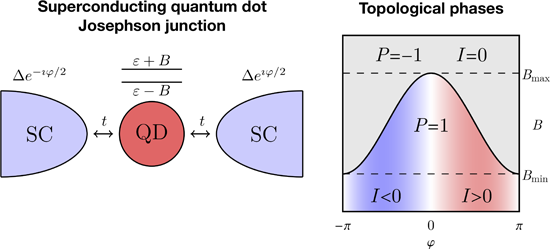
- coincides with the magnitude of the discontinuous drop Ic = |ΔI| (dots in the figures). Hence, a measure of the critical current at low temperature can be used to indirectly probe the magnitude of the discontinuous drop and the existence of topological phase transitions and zero-energy modes even when a


Sulfur-, nitrogen- and platinum-doped titania thin films with high catalytic efficiency under visible-light illumination
Beilstein J. Nanotechnol. 2018, 9, 1629–1640, doi:10.3762/bjnano.9.155
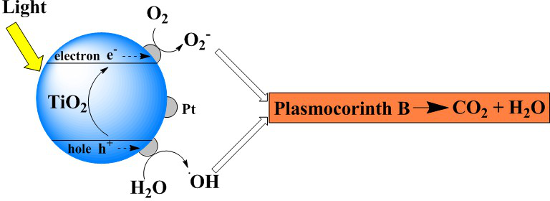
- versatile, due to its simplicity, cost-effectiveness and low-temperature synthesis. The resulting product is a material with high homogeneity and controllable morphology [8][41][42]. During the sol–gel process, initial hydrolysis of the precursor (e.g., titanium tetrachloride, titanium alkoxides) is


Sheet-on-belt branched TiO2(B)/rGO powders with enhanced photocatalytic activity
Beilstein J. Nanotechnol. 2018, 9, 1550–1557, doi:10.3762/bjnano.9.146
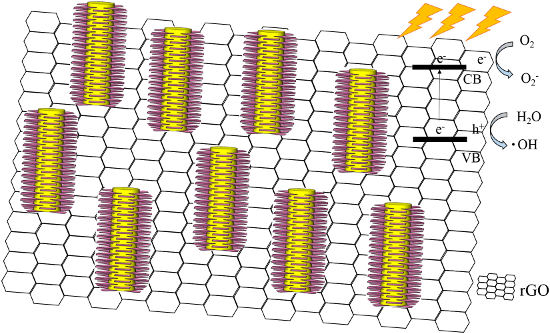
- Kandiel et al. [25]. This band gap value is smaller than that of 3.2 eV for bulk anatase TiO2 [27]. Chakraborty et al. also reported that the absorption band edge of the pure TiO2(B) is located at a relatively longer wavelength compared to that of the pure anatase TiO2 [21]. The low temperature nitrogen
- spectra were examined using a UV–vis near-infrared spectrometer (UV-3150, Shimadzu). The low temperature nitrogen sorption measurement was conducted at 77 K using a Nova 3000e (Quantachrome Instruments, USA) with Quantachrome V11.0 software. The Brunauer–Emmett–Teller (BET) approach using adsorption data
- Information Supporting Information File 100: Additional FESEM images, low-temperature N2 adsorption isotherms and photodegradation results to support the discussion. Acknowledgements We are grateful for financial support from the National Natural Science Foundation of China (No. 51502065) and State Key


Absence of free carriers in silicon nanocrystals grown from phosphorus- and boron-doped silicon-rich oxide and oxynitride
Beilstein J. Nanotechnol. 2018, 9, 1501–1511, doi:10.3762/bjnano.9.141
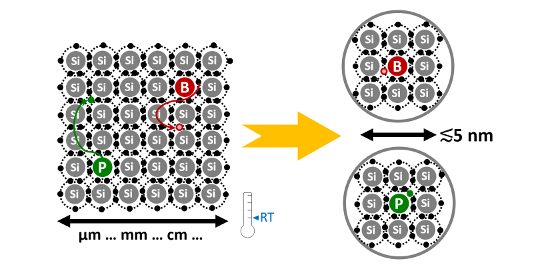
- , which allows for completely N-free silicon oxide. In this work, we investigate the properties of B- and P-incorporating Si NCs embedded in pure silicon oxide compared to silicon oxynitride by atom probe tomography (APT), low-temperature photoluminescence (PL), transient transmission (TT), and current
- electron microscope. PL was measured using a LN2-cooled CCD camera attached to a single grating monochromator with excitation of a HeCd laser (325 nm line). Low-temperature PL spectra were measured from 5 to 300 K using a single-window continuous-flow liquid-He cryostat. TT-dynamics were measured in a
- low-temperature PL measurements of successfully, electronically doped Si NCs: (i) an increase in the PL-intensity as soon as free carriers are frozen out, accompanied by (ii) a spectral redshift due to the circumstance that within the NC-size ensemble the largest NCs are more easily doped than the


Artifacts in time-resolved Kelvin probe force microscopy
Beilstein J. Nanotechnol. 2018, 9, 1272–1281, doi:10.3762/bjnano.9.119
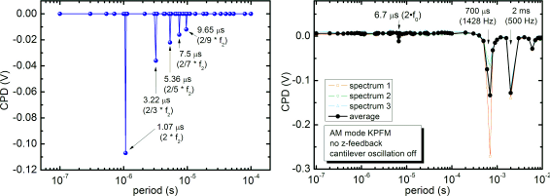
- approach (pp-KPFM) was used to measure the charge-carrier dynamics with a time resolution of 2 μs in pentacene-based OFETs [28][29]. Similarly, light-based pp-KPFM was used to measure a charge carrier lifetime in low-temperature grown GaAs of ≈1 ps, currently the best time-resolution that has been


Atomistic modeling of tribological properties of Pd and Al nanoparticles on a graphene surface
Beilstein J. Nanotechnol. 2018, 9, 1239–1246, doi:10.3762/bjnano.9.115
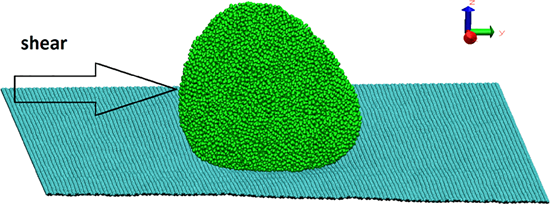
- experience during sliding. These are usually denoted as thermally activated, stress-aided, processes. At low temperature the friction force may decrease with decreasing temperature. This is due to the fact that thermal excitations (thermally excited fluctuations) are necessary in order for the particle to
- “find” configurations of large binding energy along the sliding path. As a result, at low temperature the interface will become more incommensurate, resulting in an interaction potential that exhibits a smaller energy corrugation along the sliding path and lower friction. Thus, we expect the friction


Heterostuctures of 4-(chloromethyl)phenyltrichlorosilane and 5,10,15,20-tetra(4-pyridyl)-21H,23H-porphine prepared on Si(111) using particle lithography: Nanoscale characterization of the main steps of nanopatterning
Beilstein J. Nanotechnol. 2018, 9, 1211–1219, doi:10.3762/bjnano.9.112
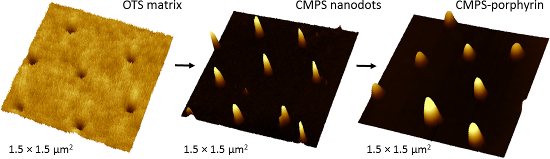
- with a surface orientation defined by the substituents [20]. The self-assembly of manganese meso-tetra(4-pyridyl)porphyrin on Cu(111) was studied using low temperature scanning tunneling microscopy (STM) and atomic force microscopy (AFM) to resolve molecular structures by Chen et al. [21]. A





