


Search results
Search for "membrane" in Full Text gives 563 result(s) in Beilstein Journal of Nanotechnology. Showing first 200.
Frequency-dependent nanomechanical profiling for medical diagnosis
Beilstein J. Nanotechnol. 2022, 13, 1483–1489, doi:10.3762/bjnano.13.122
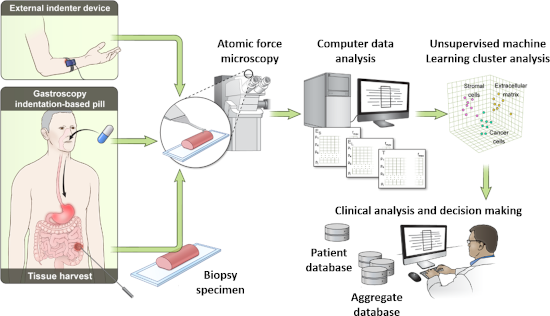
- optical imaging, the device could be equipped with one or more piezoelectrically excited membranes coupled with a sensing mechanism, such as an AFM cantilever or other type of mechanical sensor (similar stand-alone developments already exist [31][32]). The mechanical response of the membrane could be
- piezoelectrically actuated membrane equipped with a mechanical response sensing mechanism [31][32]. Illustration of a 2D adherent cell indented by a micrometer-sized spherical AFM probe, as well as storage and loss modulus calculated from the parameterized Generalized Maxwell model for 2D adherent normal and


Facile preparation of Au- and BODIPY-grafted lipid nanoparticles for synergized photothermal therapy
Beilstein J. Nanotechnol. 2022, 13, 1432–1444, doi:10.3762/bjnano.13.118
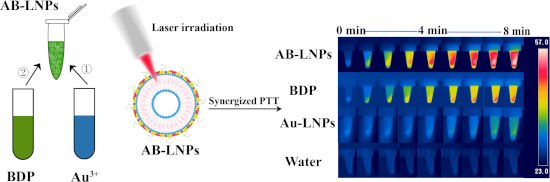
- irradiation could increase membrane fluidity, which could, in turn, promote the cellular uptake efficiency. The good photothermal effects and photothermal stability, the light response release properties, and the efficient cellular uptake of AB-LNPs are all beneficial to the synergistic PTT effects. Regarding




Orally administered docetaxel-loaded chitosan-decorated cationic PLGA nanoparticles for intestinal tumors: formulation, comprehensive in vitro characterization, and release kinetics
Beilstein J. Nanotechnol. 2022, 13, 1393–1407, doi:10.3762/bjnano.13.115
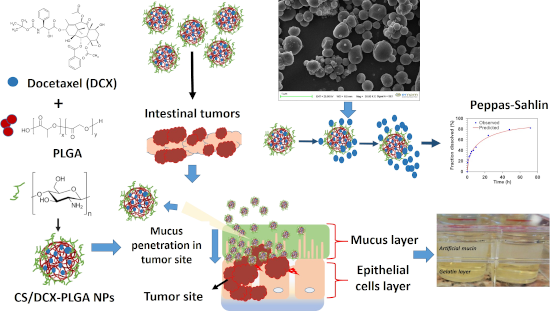
- literature, there are various studies showing consistency with our results. Varan et al. reported that cationic nanoparticles have a higher tendency to interact with the negatively charged cell membrane [67]. Accordingly, Verma et al. stated that the surface properties and charges of nanoparticles play an
- essential role in the interaction between nanoparticles and cell membrane and the subsequent intracellular fate of the nanoparticles [68]. Similarly, Chen et al. revealed that PLGA NPs coated with CS had higher anticancer activity then unmodified formulations [69]. When DCX-loaded PLGA NPs were compared to
- acetate, dialysis cellulose tubing membrane (average flat width 25 mm, MWCO 14,000 Da), gelatin type B from bovine skin, mucine from porcine stomach (type II), diethylenetriaminepentaacetic acid (DTPA; min 99%, titration), and egg yolk emulsion were purchased from Sigma-Aldrich, USA. All other chemicals


Supramolecular assembly of pentamidine and polymeric cyclodextrin bimetallic core–shell nanoarchitectures
Beilstein J. Nanotechnol. 2022, 13, 1361–1369, doi:10.3762/bjnano.13.112
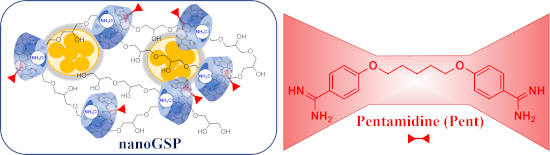
- the temperature in the range of 70–80 °C leading to the reduction of gold ions, visible by a pink colored solution. Before use, the PolyCD was purified by dialysis (membrane cutoff of 3.5 kDa) and lyophilized. The LSPR Au NPs peak at λmax = 531 nm is detected in the UV–vis spectra of the pink solution


Straight roads into nowhere – obvious and not-so-obvious biological models for ferrophobic surfaces
Beilstein J. Nanotechnol. 2022, 13, 1345–1360, doi:10.3762/bjnano.13.111
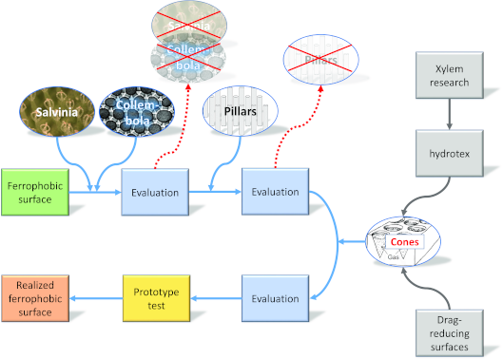
- segmentation of the water conduit network into compartments. Each pit pore connects two conduits, and this joint pore space is separated by a special nanoporous membrane, the pit membrane (Figure 4). When a conduit becomes dysfunctional due to embolism, the nanopores within the pit membranes prevent the
- isolating the pit membrane from water (see appendix C). Various research was dedicated to this putative mechanism. Studies contributed by Konrad and Roth-Nebelsick [44][45], who considered the interfacial physics of the proposed mechanism, provided evidence that such an interface may be possible within pits
- open longitudinally. Panel (b) shows a scanning electron microscope image of two adjacent conduits (denoted “1” and “2”). The conduits are connected by pits (some are highlighted by the green area) containing the pit membrane, which is a special nanoporous membrane. (c) Detailed image showing a pit


Recent trends in Bi-based nanomaterials: challenges, fabrication, enhancement techniques, and environmental applications
Beilstein J. Nanotechnol. 2022, 13, 1316–1336, doi:10.3762/bjnano.13.109




Studies of probe tip materials by atomic force microscopy: a review
Beilstein J. Nanotechnol. 2022, 13, 1256–1267, doi:10.3762/bjnano.13.104
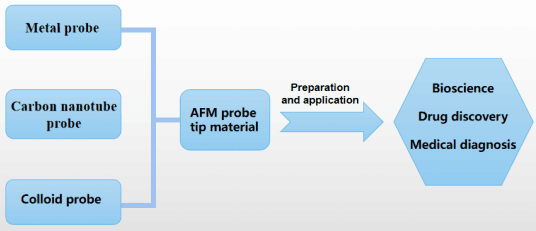
- vesicle probes have a strong signal amplification ability. More quantum dots can be labeled within the double phosphorus lipid membrane. The detection process is straightforward and does not require pretreatment. The fluorescence signal can be easily switched from "off" to "on" after the target is added
Role of titanium and organic precursors in molecular layer deposition of “titanicone” hybrid materials
Beilstein J. Nanotechnol. 2022, 13, 1240–1255, doi:10.3762/bjnano.13.103
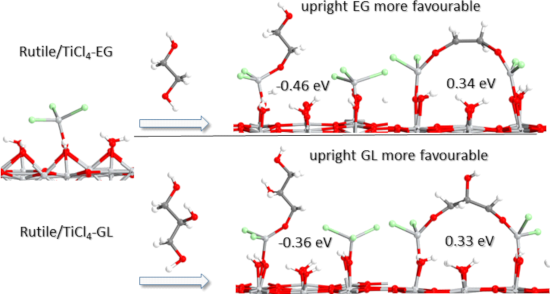
- SiO2 membrane [27] and ≈4.6 Å/cycle at 90 °C in Si(100) wafers [30]. We note the relatively low temperature of the titanicone deposition in refs. [27][30] which may prevent the double reaction with EG. For the TiCl3–GL model, the distance between Ti and O in the Ti–O–CH2CH2OHCH2–O fragment (GL in the


Design of surface nanostructures for chirality sensing based on quartz crystal microbalance
Beilstein J. Nanotechnol. 2022, 13, 1201–1219, doi:10.3762/bjnano.13.100
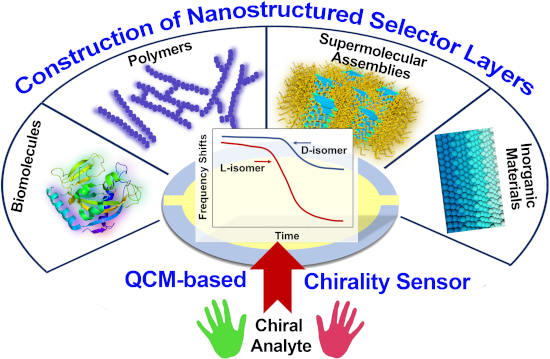
- recognition modes could enable sensing even in a complex environment with harsh conditions, such as high temperature, acidity, or alkalinity [44]. Haupt and Kutner et al. embedded the β-blocker S-propranolol within a poly(trimethylolpropane trimethacrylate-co-methacrylic acid) membrane on the surface of QCM


Application of nanoarchitectonics in moist-electric generation
Beilstein J. Nanotechnol. 2022, 13, 1185–1200, doi:10.3762/bjnano.13.99
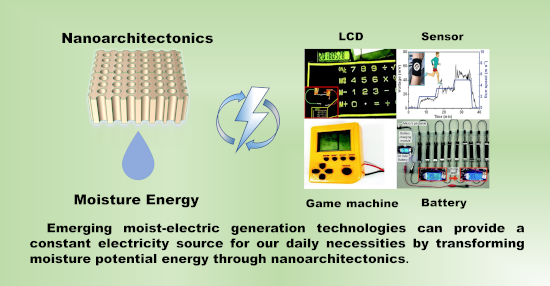
- both sides of the ionic liquid layer a humidity difference was constructed. Ions are driven by the ion concentration difference and then pass through the membrane by selective ion diffusion. The ion-selective membrane is designed to hinder specific ions from passing through the membrane such that a
- potential difference between the two sides of the membrane can be created The thickness and the size of the nanochannels of this membrane will influence the effect of asymmetric ion diffusion. This asymmetric ion diffusion can produce a maximum electrical output of 0.3 V and 0.1 μA. The selections of ionic
- liquids, the selection of ion-permeable membranes, and the effects of surface functional groups are discussed in detail in the paper and will not be repeated here. By adding an ion-selective membrane, ion concentration diffusion can take place in the fluid, not just in the bulk material. This innovation


Microneedle-based ocular drug delivery systems – recent advances and challenges
Beilstein J. Nanotechnol. 2022, 13, 1167–1184, doi:10.3762/bjnano.13.98
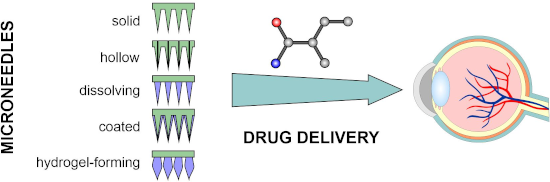
- closely packed cells equipped with tight junctions. Its thickness is approximately 50 μm [40], and it plays an important protective role. The posterior segment of the eye contains sclera, choroid, Bruch’s membrane, and blood–retinal barrier, which further prevent drug permeation. The thickness of the
- sclera, a membrane composed of randomly scattered collagen fibers, ranges from 0.5 to 1 mm, depending on the region of occurrence [41]. While the sclera is another barrier preventing drug permeation, the choroid is responsible for drug elimination. The blood–retinal barrier is connected to the retinal
- retinal inflammation is the most commonly described. In order to minimize tissue damage, reduce the disruption of the membrane continuity, eliminate the risk of pathogens infections, ensure faster regeneration and improve the overall safety, the tendency to minimize the size of the needles became a


Green synthesis of zinc oxide nanoparticles toward highly efficient photocatalysis and antibacterial application
Beilstein J. Nanotechnol. 2022, 13, 1108–1119, doi:10.3762/bjnano.13.94
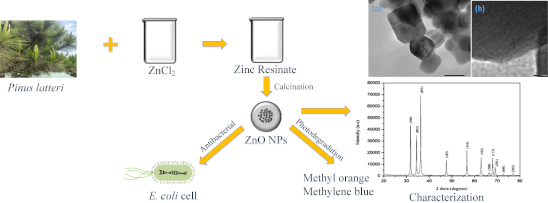
- technologies have been proposed to remove organic pollutants from water, including coagulation coupled with sedimentation, biological processes, membrane filtration, adsorption, advanced oxidation, catalysis, and photocatalysis [1][2][3]. Using semiconductors as photocatalysts has been a widely studied




Biomimetic chitosan with biocomposite nanomaterials for bone tissue repair and regeneration
Beilstein J. Nanotechnol. 2022, 13, 1051–1067, doi:10.3762/bjnano.13.92
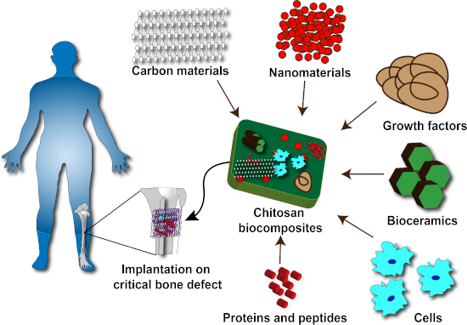
- , osteoblasts generate a membrane that includes alkaline phosphatase, which cleaves phosphatase groups and causes calcium and phosphate precipitation, resulting in the formation of natural bone minerals with a ratio of 1.67 [27]. Osteoblasts have been predominantly derived from mesenchymal stem cells, which
- nanofibrous structures imitating the native extracellular matrix. The potential use of this membrane for tissue engineering applications was demonstrated by using rat bone marrow mesenchymal stem cells. The cell viability of the chitosan scaffolds with 0, 0.5, 1, 1.5, and 2% of graphene oxide content was
Design of a biomimetic, small-scale artificial leaf surface for the study of environmental interactions
Beilstein J. Nanotechnol. 2022, 13, 944–957, doi:10.3762/bjnano.13.83
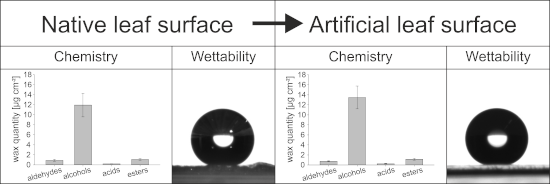
- [1]. The plant cuticle is a thin extracellular membrane superimposed on the epidermal cells of all higher, non-woody, aboveground plant surfaces. It is basically composed of an insoluble polymeric matrix, cutin, and soluble hydrophobic waxes. The plant cuticle is known to have a variety of vital
Bioselectivity of silk protein-based materials and their bio-inspired applications
Beilstein J. Nanotechnol. 2022, 13, 902–921, doi:10.3762/bjnano.13.81
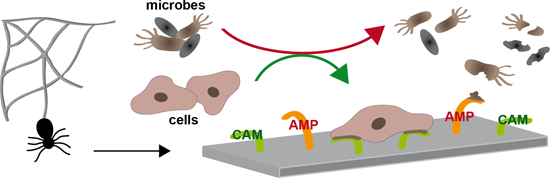
- biological functions, including embryogenesis, maintenance of tissue integrity, immune response, and inflammation. Integrins consist of two subunits, α- and β- chains, spanning the cell membrane and forming the receptor in the plasma membrane, characterized by noncovalent interactions [10]. Integrins bind to
- cells utilize a variety of extracellular structures such as flagella, pili, fimbriae, and curli fibres, as well as outer membrane proteins to attach to almost every surface [50][76]. During the reversible attachment phase of bacterial biofilm formation, surface pre-conditioning occurs due to soluble
- and promotes their attachment to the bacterial surface/membrane residues [85]. HDPs have properties of cell-penetrating peptides and can translocate across membranes of prokaryotic, but also eukaryotic, cells [90]. The main mode of action of these peptides is promotion of adhesion through the cationic


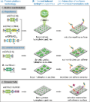
DNA aptamer selection and construction of an aptasensor based on graphene FETs for Zika virus NS1 protein detection
Beilstein J. Nanotechnol. 2022, 13, 873–881, doi:10.3762/bjnano.13.78
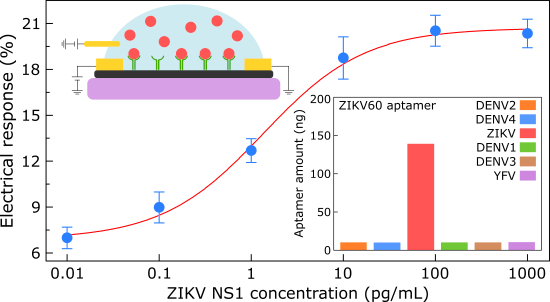
- in a sentinel monkey [3]. As with other Flaviviridae members, ZIKV has a single-stranded RNA genome and three structural proteins, namely capsid, pre-membrane, and envelope, building the capsid, and seven non-structural (NS) proteins, NS1, NS2A, NS2B, NS3, NS4A, NS4B, and NS5, involved in virus



Micro-structures, nanomechanical properties and flight performance of three beetles with different folding ratios
Beilstein J. Nanotechnol. 2022, 13, 845–856, doi:10.3762/bjnano.13.75
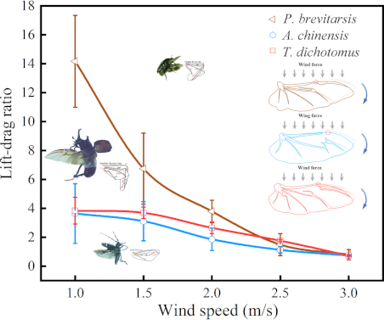
- for testing. Six test positions were selected, namely the anterior of the costal (I), the end of the costal (II), media posterior (III), cubitus anterior (IV), anal posterior (V), and wing membrane (VI) (see below Figure 3). A force of 100 μN was applied to the veins and the loading rate and holding
- of the costal) and were 6.530, 7.652, and 6.645 GPa for P. brevitarsis, A. chinensis, and T. dichotomus, respectively. The higher Er helps the beetle to resist external forces and prevents wing damage [43]. The values of Er and hardness H of cubitus anterior, anal posterior, and wing membrane were
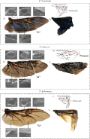
- ) and (B2), and (C1) and C2 show the extended and folded hind wings of P. brevitarsis, A. chinensis, and T. dichotomus, respectively. (A3–A7), (B3–B7), and (C3–C7) show cross-sectional morphologies of costal “C”, media posterior “MP”, the posterior end of “C”, wing membrane, and anal posterior “AP” of




Hierachical epicuticular wax coverage on leaves of Deschampsia antarctica as a possible adaptation to severe environmental conditions
Beilstein J. Nanotechnol. 2022, 13, 807–816, doi:10.3762/bjnano.13.71
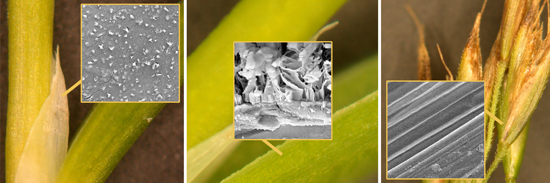
- abaxial side of the ligule (a membrane on the adaxial side of the junction of the leaf sheath and leaf blade); and (ii) generative organs, namely the pedicel (a stalk of a single spikelet (collection of flowers (florets) in a grass inflorescence)) and the abaxial surface of the outer, lower glume (a bract




Gelatin nanoparticles with tunable mechanical properties: effect of crosslinking time and loading
Beilstein J. Nanotechnol. 2022, 13, 778–787, doi:10.3762/bjnano.13.68
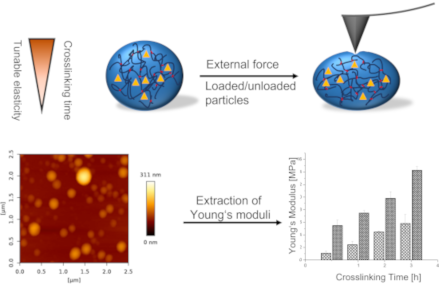
- stiffer particles is explained by a lower energy needed to engulf them as demonstrated by coarse grain simulations [6]. The simulations showed a faster receptor binding for more deformable particles due to the larger surface area upon deformation. However, when it comes to membrane wrapping and
- ]. Contrarily, nanoparticles composed of a lipid bilayer with cores of different crosslinking extent showed higher uptake of softer particles in MCF-7 cells, which was thought to be due to a melting process of particles with the cell membrane that consumed less energy than endocytosis [8]. Regarding the in vivo


A nonenzymatic reduced graphene oxide-based nanosensor for parathion
Beilstein J. Nanotechnol. 2022, 13, 730–744, doi:10.3762/bjnano.13.65
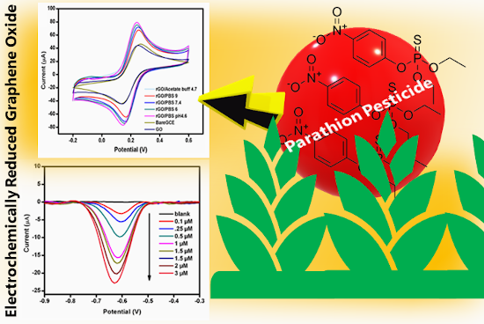
- activities at the electrode surface, potentially leading to the fabrication of nonenzymatic electrochemical nanosensors for detecting specific OPs on the electroactive surface [2][11][17][18][19]. For example, electrochemical sensing platforms modified with zirconia-embedded PEDOT membrane, graphene


Nanoarchitectonics of the cathode to improve the reversibility of Li–O2 batteries
Beilstein J. Nanotechnol. 2022, 13, 689–698, doi:10.3762/bjnano.13.61
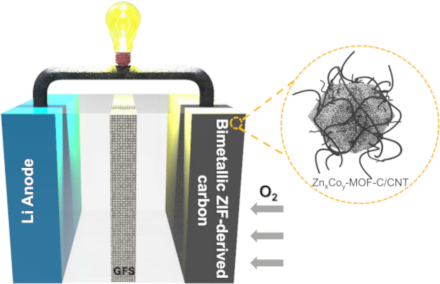
- deionized water by horn sonication for 1 h. The suspension was filtered through a glass-fiber membrane (pore diameter of 1.2 μm) without any polymeric binder and conductive agent. The active area and mass loading of the cathode were 0.785 cm2 and 1.0 mg·cm−2, respectively. Porous Ni foam was placed on the


Antibacterial activity of a berberine nanoformulation
Beilstein J. Nanotechnol. 2022, 13, 641–652, doi:10.3762/bjnano.13.56
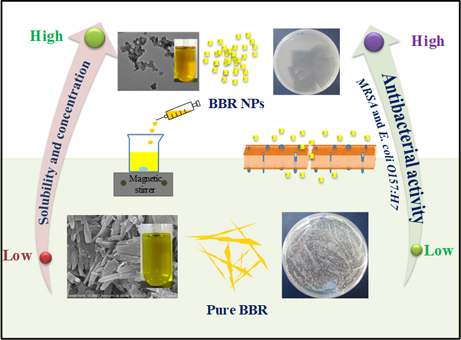
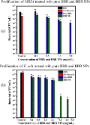
- bacterial cell membrane and inhibiting the synthesis of proteins and DNA [15]. Chu et al. [16] reported that BBR showed no antibacterial activity against methicillin-resistant Staphylococcus aureus (MRSA) in the range of concentrations from 1 to 64 µg/mL. However, inhibition of MRSA biofilm formation was
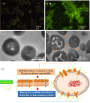
- ratio facilitate interaction and absorption onto the bacterial cell membrane given the benefit of nanoscale size. According to previous studies, BBR can penetrate the phospholipid bilayers and then accumulate in the MRSA cell membrane, in which unsaturated fatty acids are the target of BBR-induced



A new method for obtaining the magnetic shape anisotropy directly from electron tomography images
Beilstein J. Nanotechnol. 2022, 13, 590–598, doi:10.3762/bjnano.13.51
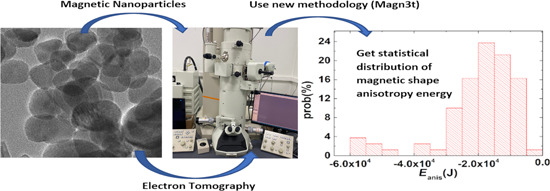
- Figure 5g and points out that, on average, the nanoparticles are in the natural orientation, that is, the c-axis is close to the c-membrane plane. Starting from the c/a and b/a axis distributions provided by Magn3t, the demagnetization factors and the shape anisotropy energy [33][34] have been evaluated


Effects of substrate stiffness on the viscoelasticity and migration of prostate cancer cells examined by atomic force microscopy
Beilstein J. Nanotechnol. 2022, 13, 560–569, doi:10.3762/bjnano.13.47
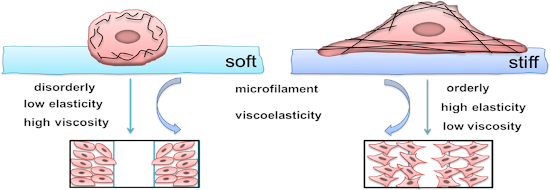
- exhibit greater flexibility [26]. The morphological imaging on the micro-/nanoscale of the cell membrane in extracellular environments with different stiffness values is shown in Figure 3c. The leading edge of the PC-3 cell membrane on stiff substrates is prominent, with a more pronounced ridge-like
- imaging of the cell membrane. We observed that prostate cancer cells exhibit a strong migration ability by sensing changes in the extracellular environment through actin polymerization and filamentous pseudopods. This is because the role of actin polymerisation in cell adhesion structure formation
- lower compartment of the transwell chamber had culture medium supplemented with serum. After incubation for 24 h, cells in the upper wells that did not invade were gently removed with cotton swabs. Cells that had passed through the membrane to the lower surface were fixed with 4% paraformaldehyde for 15



Detection and imaging of Hg(II) in vivo using glutathione-functionalized gold nanoparticles
Beilstein J. Nanotechnol. 2022, 13, 549–559, doi:10.3762/bjnano.13.46
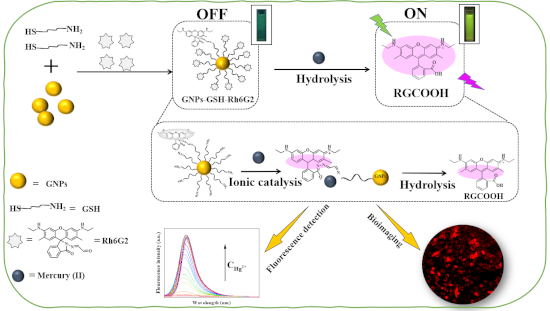
- (–NH2), and carboxyl (–COOH) groups [11][12][13][14]. The surface of GNPs can be easily modified with good stability. Thus, they can penetrate the cell membrane and selectively interact with target biomolecules in cells [15][16][17][18]. So far, a variety of functionalized GNPs, whose properties were





