Search results
Search for "mesoporous" in Full Text gives 209 result(s) in Beilstein Journal of Nanotechnology. Showing first 200.
In situ formation of reduced graphene oxide structures in ceria by combined sol–gel and solvothermal processing
Beilstein J. Nanotechnol. 2016, 7, 1815–1821, doi:10.3762/bjnano.7.174
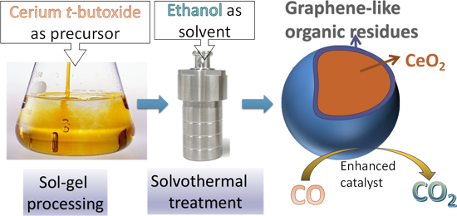
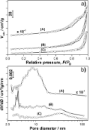
- Figure 5, left. Only rGO(0.2)–CeO2 is mesoporous, according to the IUPAC classification, while the others contain mainly micropores and a small portion of mesopores. This can also be seen from the pore size distribution (Figure 5, right). rGO(0.2)–CeO2 has an average pore size of 4.8 nm, while the other





Nanostructured TiO2-based gas sensors with enhanced sensitivity to reducing gases
Beilstein J. Nanotechnol. 2016, 7, 1718–1726, doi:10.3762/bjnano.7.164
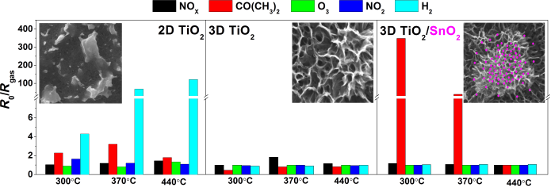
- ], there are several possible explanations for this phenomenon. The first is related to formation of titanium vacancies, VTi, in the flower-like structure during synthesis. Upon Ti foil oxidation by H2O2, a mesoporous hierarchical structure is formed. The three-step process includes, inter alia
- composition on the sensitivity should be considered. Firstly, morphological differences between the thin layer and flower-like structures affects the surface-to-volume ratio and thus number of active sites where gaseous molecules can be adsorbed. It is obvious that a mesoporous network system exhibits a large
- time down to several seconds. Due to the complex mesoporous structure, gas desorption was difficult, which influenced recovery time of the flower-like 3D samples. This work suggests that SnO2-decorated flower-like TiO2 3D nanostructures are a promising material for application as a CO(CH3)2 sensor


Sb2S3 grown by ultrasonic spray pyrolysis and its application in a hybrid solar cell
Beilstein J. Nanotechnol. 2016, 7, 1662–1673, doi:10.3762/bjnano.7.158
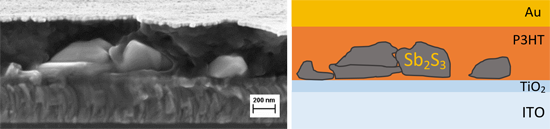
- hole conductor coupled with inorganic materials leads to the notation of a hybrid solar cell [13]. Based on dense TiO2 covered by mesoporous TiO2 and then impregnated with a light harvester, the resulting solar cells are commonly referred to as mesoscopic solar cells [14] the first of which, based on
- efficiencies of up to 2.3% when based on planar TiO2 [12] and 6.4% [20] when based on mesoporous TiO2. Spin coating is a simple technique and seems attractive for the deposition of oxide-free Sb2S3 absorber. However, an annealing stage at 300 °C in inert gas atmosphere is involved. Chemical spray pyrolysis
- comparable to that obtained in a similar planar device that uses Sb2S3 prepared by spin coating [12] and lower than that obtained in a cell that uses mesoporous TiO2 and P3HT [3]. The current density of 6 mA·cm−2 is on the low side when compared to values above 10 mA·cm−2 obtained in devices that rely on the




Polystyrene-block-poly(ethylene oxide) copolymers as templates for stacked, spherical large-mesopore silica coatings: dependence of silica pore size on the PS/PEO ratio
Beilstein J. Nanotechnol. 2016, 7, 1454–1460, doi:10.3762/bjnano.7.137
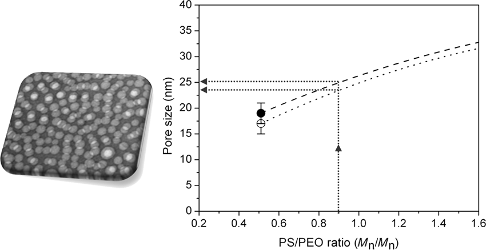
- ; mesoporous silica; soft templating; sol–gel; Introduction Mesoporous materials with large, tunable porosity are currently being investigated as selective molecular sieves, finding potential applications in many fields such as catalysis, encapsulation of proteins, filtration and separation of large molecules
- -coating deposition, is the easiest and the most versatile way for preparing well-organized, mesoporous, thin films. Among all the different templating approaches, the most widely used for the synthesis of nanostructured porous and high surface area oxides are soft templating (endotemplating) and hard
- -b-PEO) [23], are among the most widely used soft templating agents to produce mesoporous silica. The templating process is based on the well-known attractive interaction between the silanol groups at the silica surface and PEO moieties [24]. In addition to Pluronics, other PEO containing amphiphilic


Mesoporous hollow carbon spheres for lithium–sulfur batteries: distribution of sulfur and electrochemical performance
Beilstein J. Nanotechnol. 2016, 7, 1229–1240, doi:10.3762/bjnano.7.114
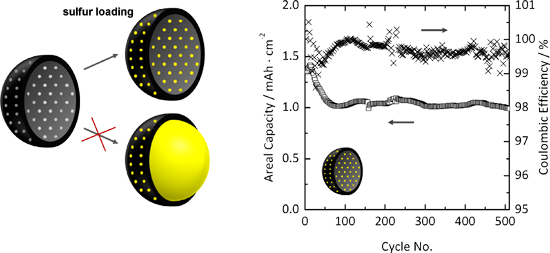
- been carried out on nanostructured carbon hosts for sulfur storage including carbon fibers [13][14], carbon nanotubes [15][16], graphene/graphene oxide [17][18][19] as well as micro-/mesoporous carbons [20][21][22]. Among the porous carbons, especially hollow carbon spheres (HCS) have attracted
- analysis of sulfur distribution in hollow carbon spheres with a mesoporous shell by combining the results from non-vacuum methods, namely X-ray diffraction (XRD) and Raman spectroscopy, with those from vacuum-based ones (SEM and nitrogen physisorption). Moreover, we examined the influence of the pressure
- mg·cm−2 was investigated. Results and Discussion Silica template and hollow carbon spheres Hollow carbon spheres with a mesoporous shell were obtained by impregnation of silica spheres with a core–shell structure with phenol and formaldehyde (first step in Figure 1). Carbonization under inert atmosphere


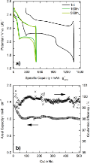
Fast diffusion of silver in TiO2 nanotube arrays
Beilstein J. Nanotechnol. 2016, 7, 1129–1140, doi:10.3762/bjnano.7.105
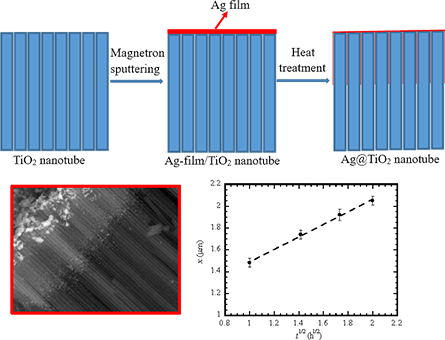
- structures, including nanotubes, nanoparticles, nanorods, mesoporous spheres, nanosheets, nanowires have been synthesized via anodic oxidation, template, and hydrothermal processing to increase the ratio of surface area to volume for the maximization of effective surface area [17]. Among the low-dimensional


Cantilever bending based on humidity-actuated mesoporous silica/silicon bilayers
Beilstein J. Nanotechnol. 2016, 7, 637–644, doi:10.3762/bjnano.7.56
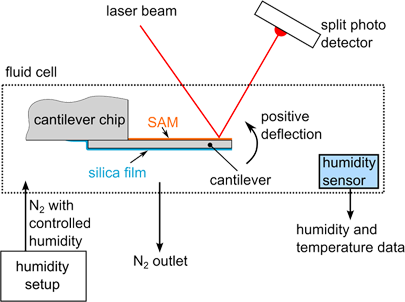
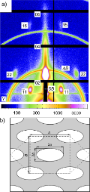
- Institute of Inorganic Chemistry, Graz University of Technology, Austria Chair of Chemistry of Polymeric Materials, Montanuniversitaet Leoben, Austria 10.3762/bjnano.7.56 Abstract We use a soft templating approach in combination with evaporation induced self-assembly to prepare mesoporous films containing
- humidity. We also investigate a similar film on bulk silicon substrate using grazing-incidence small-angle X-ray scattering (GISAXS), in order to determine nanostructural parameters of the film as well as the water-sorption-induced deformation of the ordered mesopore lattice. The strain of the mesoporous
- bending; grazing incidence small-angle X-ray scattering (GISAXS); mesoporous film; sorption-induced deformation; Introduction Because the bending of a microcantilever can be measured with extremely high accuracy, sensors utilizing this principle are in focus of recent research. Such sensors are able, for


Influence of wide band gap oxide substrates on the photoelectrochemical properties and structural disorder of CdS nanoparticles grown by the successive ionic layer adsorption and reaction (SILAR) method
Beilstein J. Nanotechnol. 2015, 6, 2252–2262, doi:10.3762/bjnano.6.231
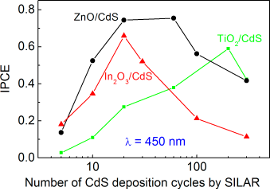
- titanium, respectively. Mesoporous In2O3 films were prepared by spin coating of an indium hydroxide colloidal solution with subsequent heat treatment [36]. A stable indium hydroxide sol was prepared by hydrolysis of a 0.25 mol/L In(NO3)3 solution with aqueous ammonia (12%) under vigorous stirring at 0 °C
- water, air-dried and heat-treated at 450 °C for 1 h in air. Mesoporous zinc oxide films were prepared by the electrochemical cathodic deposition from water–ethanol (1:1 by volume) electrolyte containing 0.1 mol/L Zn(NO3)2, 0.1 mol/L KCl and 4 g/L poly(vinylpyrrolidone) at 50 °C [18][38]. Deposition was
- detected using a thermostated CCD matrix with a signal acquisition time typically equal to 120 s. Calibration was performed by means of a built-in gas discharge lamp to an accuracy of ≈1 cm−1. SEM images of In2O3 mesoporous films (a,d), ZnO platelet crystallites (b,e) and anodic TiO2 nanotubes (c,f


Selective porous gates made from colloidal silica nanoparticles
Beilstein J. Nanotechnol. 2015, 6, 2105–2112, doi:10.3762/bjnano.6.215
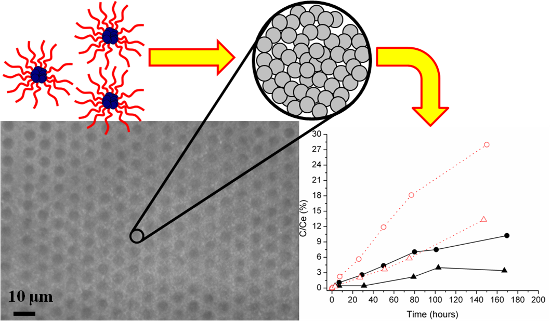
- hexagonally ordered pores were also employed as substrate for MCM-48 silica films, giving promising results [4][23][24]. The sol–gel polymerization process is a key procedure for the bottom-up synthesis of nano- and mesoporous silica films and in the literature there are several reviews focusing on this field
- [25][26]. Conventional procedures for the synthesis of mesoporous silica involve the use of amphiphilic templates [27][28][29][30]. Either low molecular weight surfactants or polymers have been used as structure-directing agents in the preparation of organic–inorganic hybrid solutions and they have
- dye methylene blue (MB, molecular weight (MW) = 320 Da) and the cationic protein ribonuclease A (RNAse, MW = 13700 Da). Results and Discussion Synthesis, preparation and physicochemical characterization of the colloidal silica nanoparticles and mesoporous coatings Amphiphilic block copolymers in


Peptide-equipped tobacco mosaic virus templates for selective and controllable biomineral deposition
Beilstein J. Nanotechnol. 2015, 6, 1399–1412, doi:10.3762/bjnano.6.145
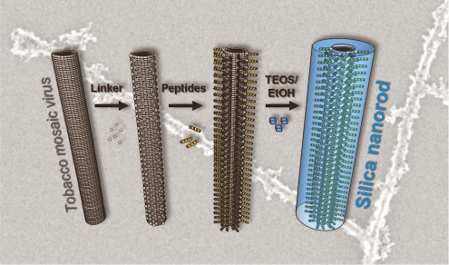
- example, as a structural modifier or filler in rubber [1], food [2][3] or healthcare products [4], bioceramics for medical purposes [5], mesoporous nanoparticulate or tubular drug delivery systems as reviewed in [6], sensor surfaces [7], or biocatalytic formulations as reviewed in [8]. An important focus


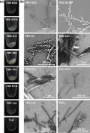


Self-assembly of nanostructures and nanomaterials
Beilstein J. Nanotechnol. 2015, 6, 1397–1398, doi:10.3762/bjnano.6.144

- , quantum properties and applications of nanoscale assemblies to advanced devices. The main topics of interest involve 2D nanomaterials such as nanomembranes, graphene, silicene and ordered mesoporous oxides, 1D nanomaterials such as nanowires and nanotubes, and 0D nanomaterials such as quantum dots
Heterometal nanoparticles from Ru-based molecular clusters covalently anchored onto functionalized carbon nanotubes and nanofibers
Beilstein J. Nanotechnol. 2015, 6, 1287–1297, doi:10.3762/bjnano.6.133
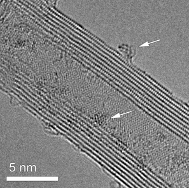
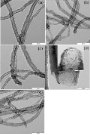
- the presence of additives, binders, etc. Results and Discussion Cluster anchoring Phosphine-functionalized carbon nanofibers and nanotubes were prepared in several steps, as previously reported [38] and shown in Figure 1. We have also successfully applied this methodology to ordered mesoporous carbon
- described in the Experimental section and are identified by their infrared νCO bands (Table S1 in Supporting Information File 1). In our previous related publications [38][51], these clusters were reacted with the functionalized ordered mesoporous carbon but not nanotubes and nanofibers. In order to prove




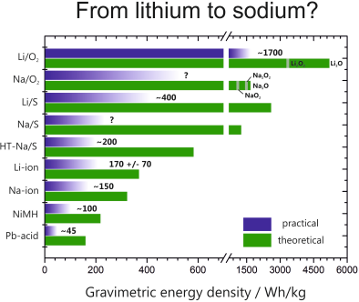
From lithium to sodium: cell chemistry of room temperature sodium–air and sodium–sulfur batteries
Beilstein J. Nanotechnol. 2015, 6, 1016–1055, doi:10.3762/bjnano.6.105


Experimental determination of the light-trapping-induced absorption enhancement factor in DSSC photoanodes
Beilstein J. Nanotechnol. 2015, 6, 886–892, doi:10.3762/bjnano.6.91
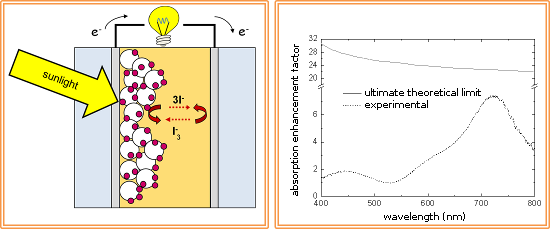
- produced by the concurrent phenomena of light absorption by dye molecules and light trapping in the mesoporous, titania photoanode structure. The decoupling of these two phenomena is important for device characterization and the design of novel photoelectrode geometries with increased optical performance
- photoanode with the light absorbed by the dye without the mesoporous titania structure. In order to gain more insight from this result, the fraction of light absorbed in the photoanode (on the basis of the dye loading capacity of the titania nanospheres) was also calculated by an optical model for the two
- point to determine one of the key photovoltaic parameters of a device. In DSSCs, light harvesting occurs at the photoanode, which is comprised of a monolayer of dye adsorbed onto a mesoporous titania film deposited onto a transparent conductive oxide (TCO) layer. The absorption spectrum of the dye


Silica micro/nanospheres for theranostics: from bimodal MRI and fluorescent imaging probes to cancer therapy
Beilstein J. Nanotechnol. 2015, 6, 546–558, doi:10.3762/bjnano.6.57

- of dopant ions in a nanoparticle environment. Thus these new classes of materials can be used as potential fluorescent probes for biomedical imaging. Singh et al. [16] reported the synthesis of luminescent YVO4:Eu3+ NPs incorporated inside mesoporous silica NPs through a sol–gel process. The
- synthesis was enhanced by using Y(NO3)3·6H2O and Eu2O3 as reactants, CTAB as surfactant and TEOS as alkyl silicate. Finally, the anticancer drug doxyrubicin (DOX) was loaded into the prepared NPs. Characterization of mesoporous silica NPs (MSN), YVO4:Eu3+ NPs and YVO4-MSNs were done by XRD, FTIR, TEM and
- fluorescence spectroscopy, XRD, FTIR and SQUID magnetometry. The in vitro studies on bone-marrow-derived polymorphonuclear neutrophils (BM-PMNs) suggested that these nanoparticles exert toxic effects only at high concentrations. In a similar way, Chen et al. [25] synthesized FITC-conjugated mesoporous


Palladium nanoparticles anchored to anatase TiO2 for enhanced surface plasmon resonance-stimulated, visible-light-driven photocatalytic activity
Beilstein J. Nanotechnol. 2015, 6, 428–437, doi:10.3762/bjnano.6.43
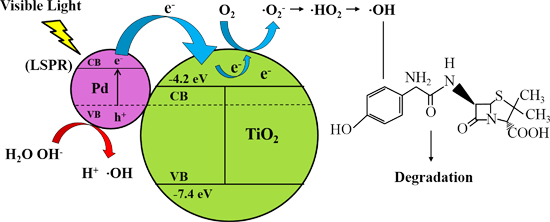
- Figure 5 and Figure S2 (Supporting Information File 1). As can be seen, all the samples possess a stepwise adsorption and desorption hysteresis, represented by type-IV isotherms, with the characteristics of a mesoporous material [53]. The variations in BET surface area, average pore size and pore volume


Comparative evaluation of the impact on endothelial cells induced by different nanoparticle structures and functionalization
Beilstein J. Nanotechnol. 2015, 6, 300–312, doi:10.3762/bjnano.6.28
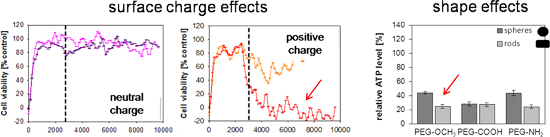
- probably led to a higher uptake rate. Interestingly, Chen et al. observed a charge-dependent localization of mesoporous silica nanoparticles with positively charged particles in the cytosol and negatively charged ones in acidic endosomes [54]. Not only the surface coating but also the nanoparticle material





Tunable light filtering by a Bragg mirror/heavily doped semiconducting nanocrystal composite
Beilstein J. Nanotechnol. 2015, 6, 193–200, doi:10.3762/bjnano.6.18
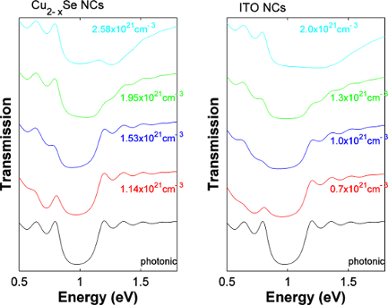
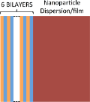
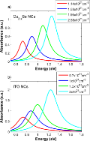
- , the use of tunable filters would be a great advantage. A very efficient class of filters are Bragg mirrors, also called one-dimensional photonic crystals [4][5][6]. Bragg mirrors can be made of dense materials [7], but also with mesoporous materials or nanoparticles [8][9][10]. Their use has been


Caveolin-1 and CDC42 mediated endocytosis of silica-coated iron oxide nanoparticles in HeLa cells
Beilstein J. Nanotechnol. 2015, 6, 167–176, doi:10.3762/bjnano.6.16
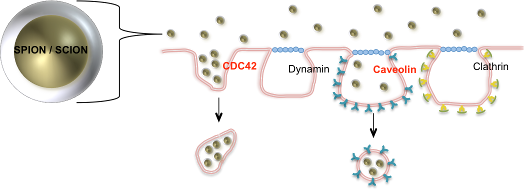
- [37] and mesoporous silica particles [40] exclusively through Clathrin mediated endocytosis and/or macropinocytosis. This discrepancy can be explained by the different physicochemical properties of the particles used. Especially in the field of iron-oxide nanoparticles more studies concerning the


Synthesis of boron nitride nanotubes and their applications
Beilstein J. Nanotechnol. 2015, 6, 84–102, doi:10.3762/bjnano.6.9
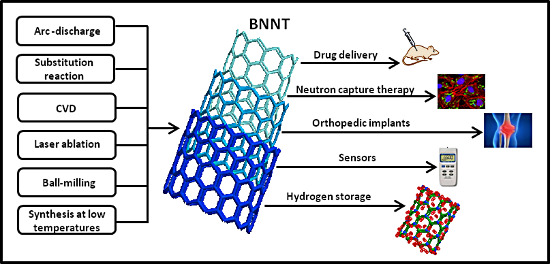
- ]. The BNNT–mesoporous silica (BNNT–MS) hybrids were reported for their use in drug delivery [85]. In this study, a negatively and positively charged BNNT–mesoporous silica, BNNT–MS and BNNT–MS–NH2, respectively, were produced. These structures were loaded with dox. The loading efficiency was found to be




Manganese oxide phases and morphologies: A study on calcination temperature and atmospheric dependence
Beilstein J. Nanotechnol. 2015, 6, 47–59, doi:10.3762/bjnano.6.6
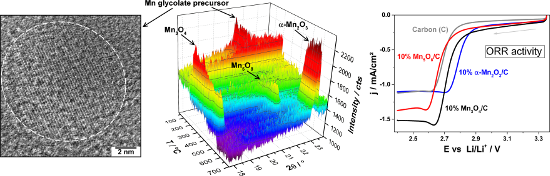
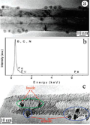
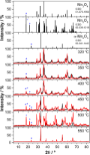
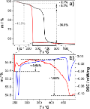
- such as particle size, surface area and Mnx+ oxidation state is required. Here, Mn3O4 and Mn5O8 nanoparticles as well as mesoporous α-Mn2O3 particles were synthesized by calcination of Mn(II) glycolate nanoparticles obtained through an economical route based on a polyol synthesis. The preparation of
- performance for the mesoporous α-Mn2O3 species. Keywords: electrocatalytic activity; in situ X-ray diffraction; manganese glycolate; manganese oxide nanoparticles; mesoporous α-Mn2O3; Introduction Manganese oxides are a class of inexpensive compounds with a high potential for nanostructuring, which makes
- oxides can be enhanced by nanostructuring of the different species, which was recently shown by Zhang et al. [17]. In their report, better cyclability of Li-ion cells was obtained with anodes consisting of mesoporous Mn2O3 particles compared to Mn2O3 bulk powder electrodes [17]. Several nanoscale





Low-cost plasmonic solar cells prepared by chemical spray pyrolysis
Beilstein J. Nanotechnol. 2014, 5, 2398–2402, doi:10.3762/bjnano.5.249
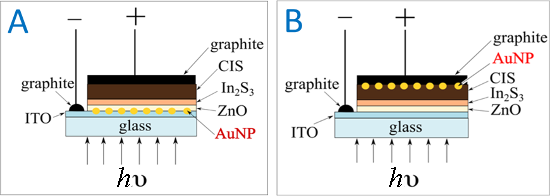
- the smaller absorbing volume. The use of mesoporous TiO2 or ZnO nanorods provides increased surface area of the absorber, while the introduction of metal nanoparticles allows photons to be captured via plasmonic effects [1][2][3][4]. This work attempts to utilize the advantages of the plasmon effect


The surface properties of nanoparticles determine the agglomeration state and the size of the particles under physiological conditions
Beilstein J. Nanotechnol. 2014, 5, 1774–1786, doi:10.3762/bjnano.5.188
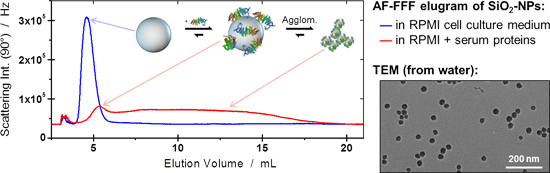
- -labelled particles, or of particles with defined surface functionalities [61][62][63][64]. Furthermore, the reaction principle of the Stöber synthesis is also applied for the preparation of mesoporous silica nanoparticles (MSN) [65]. With respect to particle size distributions, silica sols and Stöber


Nanoporous composites prepared by a combination of SBA-15 with Mg–Al mixed oxides. Water vapor sorption properties
Beilstein J. Nanotechnol. 2014, 5, 1226–1234, doi:10.3762/bjnano.5.136

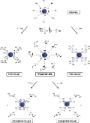
- nanostructured mesoporous composites by interconnecting and combining SBA-15 with mixed oxides derived from a calcined Mg–Al hydrotalcite. Two different Mg–Al hydrotalcite addition procedures were implemented, either after or during the SBA-15 synthesis (in situ method). The first procedure, i.e., the post
- porous composite, which displays a cauliflower morphology. This is an important microporosity contribution and micro and mesoporous surfaces coexist in almost the same proportion. Furthermore, the nanostructured mesoporous composites present an extraordinary water vapor sorption capacity. Such composites
- distributions. Still, it is necessary to improve the preparation methods to obtain micro and mesoporous nanostructured composites more easily, with short preparation times, lower overall costs, better textural properties, and highly dispersed active metals. Anionic clays, or simply hydrotalcites, are good




Template-directed synthesis and characterization of microstructured ceramic Ce/ZrO2@SiO2 composite tubes
Beilstein J. Nanotechnol. 2014, 5, 1152–1159, doi:10.3762/bjnano.5.126
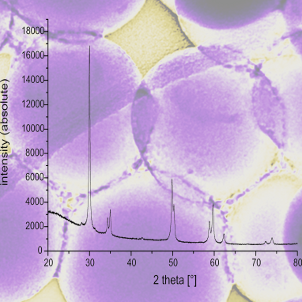
- well as redox properties [5][6][7][8]. The transformation into ordered crystalline mesoporous structures of composition CexZr1−xO2 (x = 0.4–0.8) has also been shown [9]. In these solid solutions ultrafine zirconia allows for a better mechanical behavior, which facilitates enhanced fracture toughness