


Search results
Search for "nitrate" in Full Text gives 225 result(s) in Beilstein Journal of Nanotechnology. Showing first 200.
Study of the surface properties of ZnO nanocolumns used for thin-film solar cells
Beilstein J. Nanotechnol. 2017, 8, 446–451, doi:10.3762/bjnano.8.48
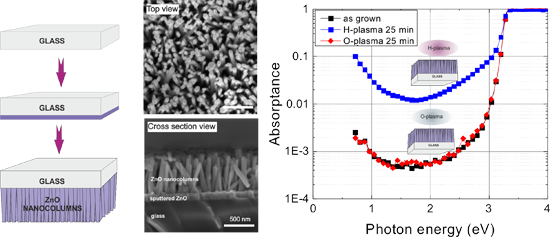
- flow. The hydrothermal growth of ZnO nanocolumns was performed from an equimolar aqueous solution of 25 mmol zinc nitrate hexahydrate (Zn(NO3)2·6H2O) and hexamethylenetetramine ((CH2)6N4) in an aqueous bath at 90 °C for 3 h [15][23]. During the nanocolumns growth, the substrate was mounted upside-down



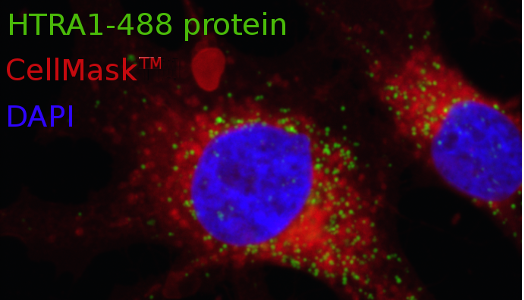
Uptake of the proteins HTRA1 and HTRA2 by cells mediated by calcium phosphate nanoparticles
Beilstein J. Nanotechnol. 2017, 8, 381–393, doi:10.3762/bjnano.8.40
- described in the following, according to synthetic procedures described previously [7][46]. Aqueous solutions of calcium nitrate (6.25 mM; Merck p.a.) and diammonium hydrogen phosphate (3.74 mM; Merck p.a.) were rapidly mixed by pumping them into a glass vessel with a peristaltic pump. The pH of both


Comparison of four methods for the biofunctionalization of gold nanorods by the introduction of sulfhydryl groups to antibodies
Beilstein J. Nanotechnol. 2017, 8, 372–380, doi:10.3762/bjnano.8.39
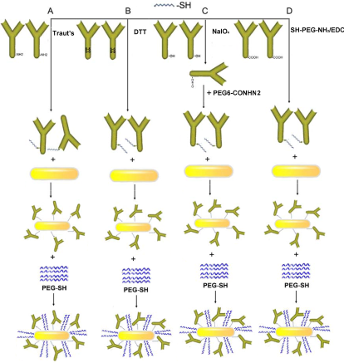
- trihydrate (HAuCl4·3H2O; 99%), cetyltrimethylammonium bromide (CTAB), sodium borohydride (NaBH4; 99%), silver nitrate (AgNO3; 99%), L-ascorbic acid (AA), 1-ethyl-3-(3-dimethylaminopropyl)carbodiimidehydrochloride (EDC), sodium oleate (NaOL; >97%), hydrochloric acid (HCl, 37%), (3-mercaptopropyl


Performance of natural-dye-sensitized solar cells by ZnO nanorod and nanowall enhanced photoelectrodes
Beilstein J. Nanotechnol. 2017, 8, 287–295, doi:10.3762/bjnano.8.31
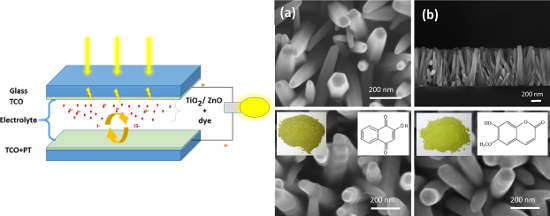
- the CBD bath [8][22] by mixing two solutions: a 100 mL solution of variable hexamethylenetetramine (HMTA) concentration in deionized (DI) water was well stirred and preheated at 90 °C. Then, it was added to a 100 mL solution of zinc nitrate hexahydrate in DI water. The zinc nitrate concentration in


Nanocrystalline ZrO2 and Pt-doped ZrO2 catalysts for low-temperature CO oxidation
Beilstein J. Nanotechnol. 2017, 8, 264–271, doi:10.3762/bjnano.8.29
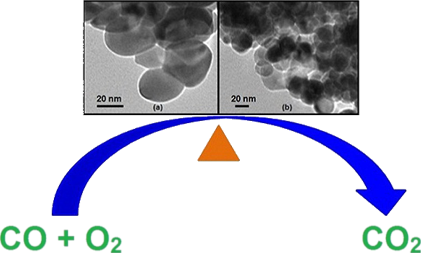
- industrial applications. The above method involves combustion of an aqueous solution of metal nitrates and a fuel (glycine [32], citric acid [33], sucrose [4] and hexamethylenetetramine [34]). The combustion reaction is an exothermic redox reaction that takes place between metal nitrate and the fuel
- the used chemicals for the synthesis purpose were used as such with no further purification. Zirconyl nitrate hexahydrate (Fischer Scientific), hexachloroplatinic acid hexahydrate (Alfa Aesar), and urea (Merck) were used as Zr, Pt precursors and fuel. The ZrO2 nanoparticles were prepared by solution
- combustion. For the synthesis of ZrO2 nanoparticles, a small amount of deionized water (10–15 mL) was added to a mixture zirconyl nitrate and urea. The ratio of zirconyl nitrate and urea was maintained at 5:1. The mixture of zirconyl nitrate, urea and deionized water was stirred vigorously which resulted


Microfluidic setup for on-line SERS monitoring using laser induced nanoparticle spots as SERS active substrate
Beilstein J. Nanotechnol. 2017, 8, 237–243, doi:10.3762/bjnano.8.26
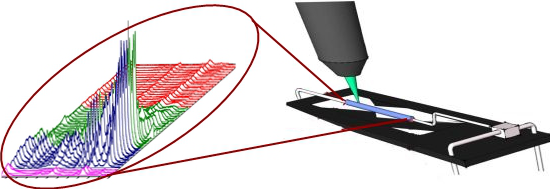
- continuous flow of a mixture of silver nitrate or gold chloride and sodium citrate. The described microfluidic setup enables within a few minutes the monitoring of several processes: the synthesis of the SERS active spot, MG adsorption to the metal surface, detection of the analyte when saturation of the
- detection of the analyte, as shown schematically in Figure 1a. SERS monitoring of MG adsorbed on silver nanoparticle spots The synthesis of the SERS active silver nanoparticles spot was carried out by laser-induced spot synthesis [24] inside the glass capillary. The silver nitrate and sodium citrate
- beam (λ = 514.7 nm) on 5 μL of silver/citrate mixture for 60 s. The scanning electron microscopy (SEM) image was obtained with a FEI NovaNanoSEM 200 scanning electron microscope with a working distance of 5.9 mm. The following chemical reagents were used: silver nitrate (Alfa Aesar), hydrogen


Intercalation and structural aspects of macroRAFT agents into MgAl layered double hydroxides
Beilstein J. Nanotechnol. 2016, 7, 2000–2012, doi:10.3762/bjnano.7.191
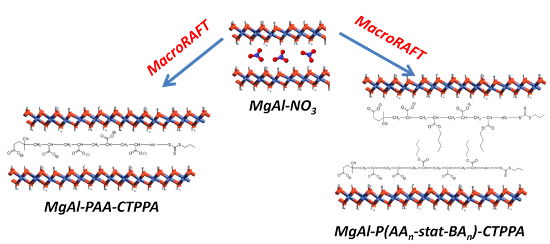
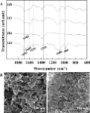
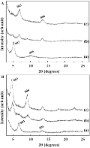
- a basal spacing of 0.85 nm, a net shift of the 00l harmonic reflections to lower values of 2θ below 20° was observed for the LDH-macroRAFT compounds, which is consistent with the replacement of nitrate ions by larger anionic species ensuring the layer surface charge neutralization. For PAA49-CTPPA
- intensity decrease of the nitrate vibration band at 1350 cm−1 (Figure 4), and the increasing intensities of new vibrations in both the 2961–2877 cm−1 region (νCH3, νCH2, νCH) and the 1750–1150 cm−1 region (νC–O, νC=O). For the PAA49-CTPPA-intercalated LDH, the shift of the OH vibration band at 3346 cm−1 in
- comparison with the precursor phase could traduce a modification of the hydrogen bond network in the interlayer domain due to macroRAFT polymer intercalation evidenced by the presence of the typical vibration of the carboxylate (νas and νs). In the case of P(AA-stat-BA)-CTPPA copolymers, the nitrate


Controlled supramolecular structure of guanosine monophosphate in the interlayer space of layered double hydroxide
Beilstein J. Nanotechnol. 2016, 7, 1928–1935, doi:10.3762/bjnano.7.184
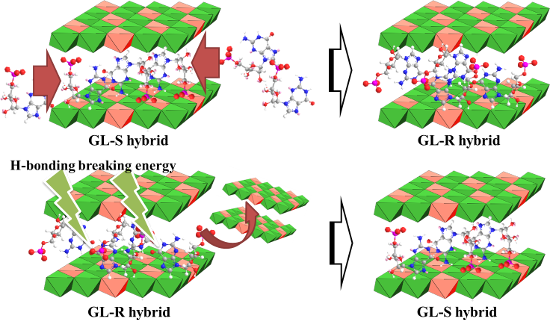
- . Experimental Materials Magnesium nitrate hexahydrate (Mg(NO3)2·6H2O) and aluminum nitrate nonahydrate (Al(NO3)3·9H2O) were purchased from Sigma-Aldrich (St. Louis, USA). Guanosine 5'-monophosphate disodium salt hydrate (C10H12N5Na2O8P·xH2O) was purchased from Tokyo Chemical Industry Co., Ltd. (Tokyo, Japan


In situ formation of reduced graphene oxide structures in ceria by combined sol–gel and solvothermal processing
Beilstein J. Nanotechnol. 2016, 7, 1815–1821, doi:10.3762/bjnano.7.174
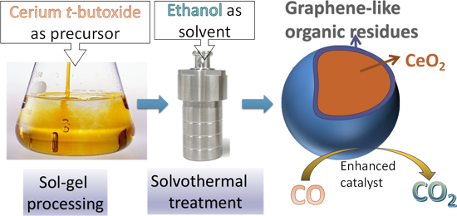
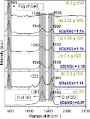
- observed in the Raman spectra (Supporting Information File 1, Figure S1) when (1) H2O was used instead of EtOH for solvothermal treatment or (2) cerium ammonium nitrate (NH4)2[Ce(NO3)6] was used as precursor instead of cerium tert-butoxide (identical preparation conditions in all cases). We did not check




Role of RGO support and irradiation source on the photocatalytic activity of CdS–ZnO semiconductor nanostructures
Beilstein J. Nanotechnol. 2016, 7, 1684–1697, doi:10.3762/bjnano.7.161
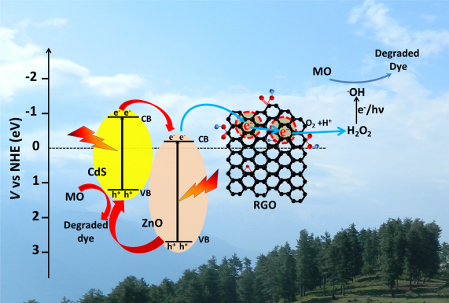
- support and irradiation source on the photocatalytic activity of CdS–ZnO nanostructures has been elucidated. Experimental Materials For the synthesis of GO graphite powder (crystalline, −300 mesh, 99%) was purchased from Alfa Aesar, whereas sodium nitrate (NaNO3), sulfuric acid (H2SO4), potassium




Hydrophilic silver nanoparticles with tunable optical properties: application for the detection of heavy metals in water
Beilstein J. Nanotechnol. 2016, 7, 1654–1661, doi:10.3762/bjnano.7.157
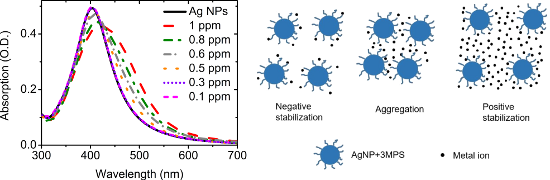
- nitrate as precursor molecules, hydrophilic thiol (3-mercapto-1-propanesulfonic acid sodium salt, 3MPS) and sodium borohydride as capping and reducing agents, respectively. The AgNPs were characterized using techniques such as surface plasmon resonance (SPR) spectroscopy, dynamic light scattering (DLS
- procedure (synthesis b) for the synthesis of the AgNPs. In this case, the molar ratio between silver nitrate, sodium borohydride and 3-MPS was varied. The reaction was conducted at 3 °C and the final purification was avoided in order to prevent possible aggregation with a consequent broadening of the SPR
- the development of an analytical sensor system based on optical methods to detect metal ions in actual water samples. Experimental Materials and sample preparation Silver nitrate (AgNO3, Sigma-Aldrich, 99.5%), sodium borohydride (NaBH4, Sigma-Aldrich, 98%) and 3-mercapto-1-propanesulfonic acid sodium


An efficient recyclable magnetic material for the selective removal of organic pollutants
Beilstein J. Nanotechnol. 2016, 7, 1447–1453, doi:10.3762/bjnano.7.136
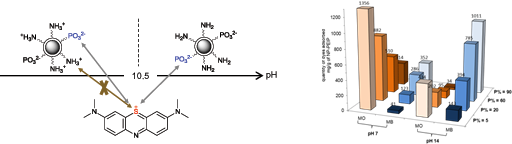
- of 1:2, in the presence of ammonium hydroxide solution (28%), at room temperature and under mechanical stirring. Then, a solution of iron(III) nitrate in concentrated nitric acid was added at 80 °C under stirring. After the removal of the supernatant, nanoparticles were washed with acetone and


Ammonia gas sensors based on In2O3/PANI hetero-nanofibers operating at room temperature
Beilstein J. Nanotechnol. 2016, 7, 1312–1321, doi:10.3762/bjnano.7.122
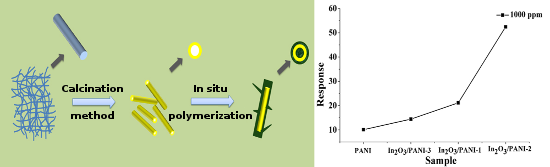
- Qingxin Nie Zengyuan Pang Hangyi Lu Yibing Cai Qufu Wei Key Laboratory of Eco-Textiles, Ministry of Education, Jiangnan University, 214122 Wuxi, Jiangsu, China 10.3762/bjnano.7.122 Abstract Indium nitrate/polyvinyl pyrrolidone (In(NO3)3/PVP) composite nanofibers were synthesized via
- Industrial Co. Ltd of Tianjin. Indium nitrate hydrate, N,N-dimethylformamide (DMF), ethyl alcohol, aniline monomer (An), ammonium persulfate (APS), hydrochloric acid (HCl, 37%), ammonium hydroxide (NH4OH) and m-cresol were obtained from Sinopharm Chemical Reagent Co., Ltd. (Shanghai, China). All chemicals


Mesoporous hollow carbon spheres for lithium–sulfur batteries: distribution of sulfur and electrochemical performance
Beilstein J. Nanotechnol. 2016, 7, 1229–1240, doi:10.3762/bjnano.7.114
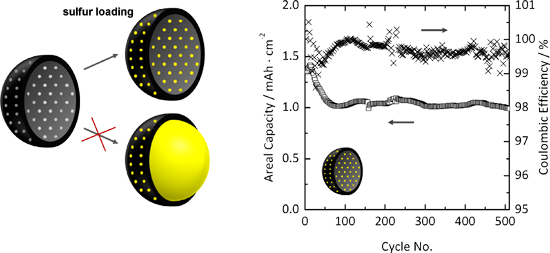
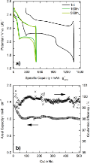
- cycle at C/50 rate can be ascribed to lithium nitrate decomposition at the cathode side [44]. The charge curve shows two plateaus at about 2.2 V and 2.4 V, indicating the reoxidation of lithium polysulfides to sulfur. Figure 8b presents data on the long term performance at C/5. As can be seen, the
- inside an argon-filled glovebox from MBraun. The electrolyte used was a solution of lithium bis(trifluoromethanesulfonyl)imide (Aldrich, 99.95%, 8 wt %), lithium nitrate (Merck, 99.995%, 4 wt %), 1,2-dimethoxyethane (Alfa Aesar, >99%, 44 wt %), and 1,3-dioxolane (Acros, 99.8%, 44 wt %). The volume of


Preparation of alginate–chitosan–cyclodextrin micro- and nanoparticles loaded with anti-tuberculosis compounds
Beilstein J. Nanotechnol. 2016, 7, 1208–1218, doi:10.3762/bjnano.7.112
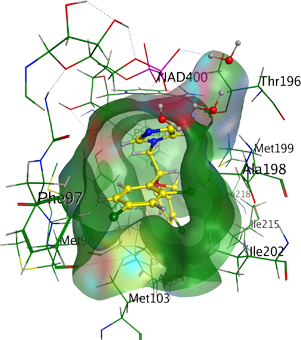
- , 41400, Turkey 10.3762/bjnano.7.112 Abstract This paper describes the synthesis and application of alginate–chitosan–cyclodextrin micro- and nanoparticulate systems loaded with isoniazid (INH) and isoconazole nitrate (ISN) as antimycobacterial compounds. Preparation and morphology of the obtained
- cell walls [17], disorganizing their double lipid layer and increasing their penetrability for active compounds [18]. We propose the preparation of chitosane–alginate–cyclodextrin particles containing the antimycobacterial compounds isoniazid (INH) and isoconazole nitrate (ISN). INH (4



Voltammetric determination of polyphenolic content in pomegranate juice using a poly(gallic acid)/multiwalled carbon nanotube modified electrode
Beilstein J. Nanotechnol. 2016, 7, 1104–1112, doi:10.3762/bjnano.7.103
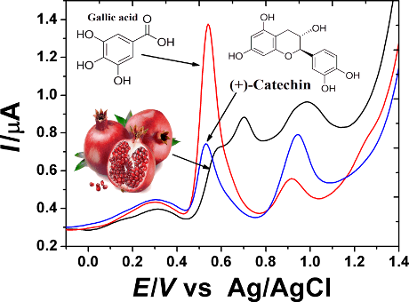
- pomegranate juice without interference of ascorbic acid, fructose, potassium nitrate and barbituric acid. The obtained data were compared with the standard Folin–Ciocalteu spectrophotometric results. Keywords: electrochemical sensor; gallic acid; multiwalled carbon nanotubes; pomegranate juice; total
- amount of GA was taken with different amounts of AA. On increasing the concentration of AA to a 1000-fold excess, no influence on the GA response was observed. Moreover, interference from fructose, potassium nitrate and barbituric acid was studied. It was revealed that the response of GA exhibits no


Development of highly faceted reduced graphene oxide-coated copper oxide and copper nanoparticles on a copper foil surface
Beilstein J. Nanotechnol. 2016, 7, 1010–1017, doi:10.3762/bjnano.7.93
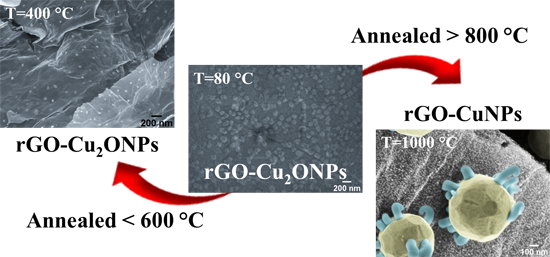
- . Their morphology and the inorganic predominant phase strongly depended on the annealing temperature. Experimental Materials Graphite flakes (+100 mesh), sodium nitrate (≥99%), potassium permanganate (≥99%) and hexane (≥99%) were purchased from Sigma-Aldrich. Sulfuric acid (95–98%) was obtained from


Templated green synthesis of plasmonic silver nanoparticles in onion epidermal cells suitable for surface-enhanced Raman and hyper-Raman scattering
Beilstein J. Nanotechnol. 2016, 7, 834–840, doi:10.3762/bjnano.7.75
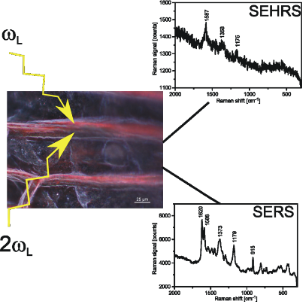
- silver nitrate solution (10−3 M concentration from 99.9% pure AgNO3, Sigma-Aldrich Denmark A/S). After 20 h of incubation at room temperature and in darkness, the pieces were removed, rinsed with tap water and placed on a glass slide to dry for several hours, also in darkness. After drying, the samples


Selective photocatalytic reduction of CO2 to methanol in CuO-loaded NaTaO3 nanocubes in isopropanol
Beilstein J. Nanotechnol. 2016, 7, 776–783, doi:10.3762/bjnano.7.69
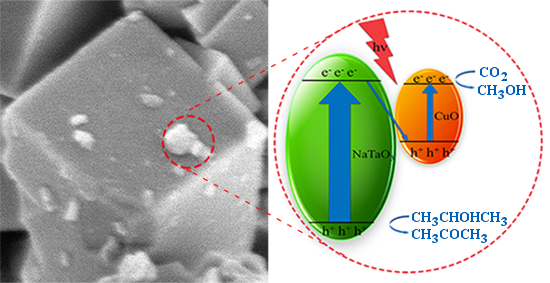
- oxide (Ta2O5, 99.99%), sodium hydroxide (NaOH, 96%) and isopropanol (iPrOH, 99.9%) were purchased from Aladdin Industrial Corporation. Copper nitrate (Cu(NO3)2·3H2O, AR) was purchased from Tianjin Guangfu Chemical Reagent Company. All reagents were used as received without any further purification. The


Bacteriorhodopsin–ZnO hybrid as a potential sensing element for low-temperature detection of ethanol vapour
Beilstein J. Nanotechnol. 2016, 7, 501–510, doi:10.3762/bjnano.7.44
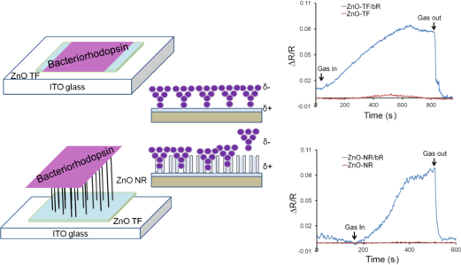
- solution consisting of zinc nitrate and hexamine. This inverted growth scheme was preferred in order to avoid contamination effects due to sedimentation and to achieve a uniform growth pattern [35][36]. Further, the suspension of wild-type, photoactive bR was prepared with aqueous amphipol (A8-35) in a 1:5
- coating (Millman, single-stage coating unit) was performed at 3000 rpm for 20 s to obtain a thin film of ZnO nanoparticles. ZnO nanorod (ZnO-NR) synthesis ZnO-NRs were grown on the ZnO-TF substrate by the hydrothermal method [36][83]. Zinc nitrate hexahydrate (0.2 M) was used as a precursor salt and was
- dissolved in aqueous ethanol (30%). A separate equimolar solution of hexamethylenetetramine (HMT) was also prepared in aqueous ethanol (30%). These solutions were stirred for 30 min at 60 °C. The growth solution was obtained by slow titration of HMT solution against zinc nitrate solution [34]. The ZnO


Time-dependent growth of crystalline Au0-nanoparticles in cyanobacteria as self-reproducing bioreactors: 2. Anabaena cylindrica
Beilstein J. Nanotechnol. 2016, 7, 312–327, doi:10.3762/bjnano.7.30
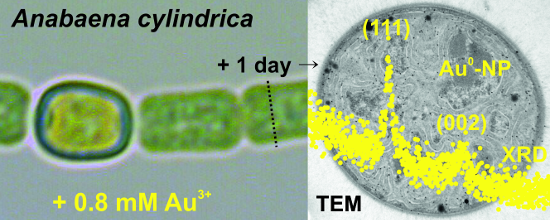
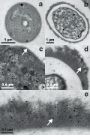
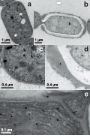
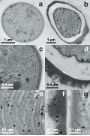
- used throughout this study were grown in 250 mL Erlenmeyer flasks containing 150 mL modified Bold's Basal Medium (BBM, pH 6.8) with 50% less nitrate and without vitamins [43][44][45]. The cultures were shaken continuously horizontally (Labworld Orbital Shaker 20) and placed in a temperature-controlled



Characterisation of thin films of graphene–surfactant composites produced through a novel semi-automated method
Beilstein J. Nanotechnol. 2016, 7, 209–219, doi:10.3762/bjnano.7.19
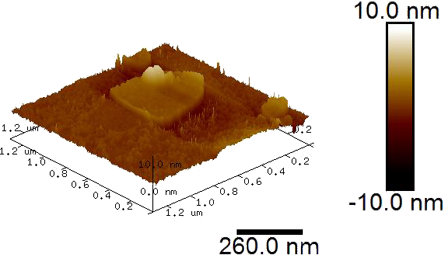
- first reported by Notley et al. [4]. This method was chosen for a number of reasons; firstly, it does not require the use of hazardous chemicals such as sodium nitrate, sulfuric acid, potassium permanganate and hydrazine hydrate, which are used in the oxidation of graphite to graphite oxide and the




Synthesis and applications of carbon nanomaterials for energy generation and storage
Beilstein J. Nanotechnol. 2016, 7, 149–196, doi:10.3762/bjnano.7.17
- acid (H2SO4), sodium nitrate (NaNO3), and potassium permanganate (KMnO4) [106]. Recently, Hummers-modified methods have been proposed in order to produce a higher fraction of well-oxidized hydrophilic carbon material with a more regular structure where the basal plane of the graphite is less disrupted















Controlled graphene oxide assembly on silver nanocube monolayers for SERS detection: dependence on nanocube packing procedure
Beilstein J. Nanotechnol. 2016, 7, 9–21, doi:10.3762/bjnano.7.2
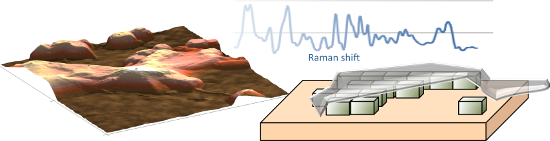
- produces a large fraction of particle clusters with small interparticle distance, which generates an efficient hot spot distribution. Experimental Materials. Ethylene Glycol (EG, ≥99%) was obtained from Scharlab. Sodium sulfide nonahydrate, PVP (Mw = 55000), silver nitrate and GO solution (4 mg mL−1) were
- . Then, 0.175 mL of a 0.72 mg mL−1 sodium sulfide solution and 3.75 mL of a 20 mg mL−1 PVP solution in EG were subsequently added to the flask. The flask was thermostated for additional 10 min, until a temperature of 150 °C was again established. A silver nitrate solution (1.25 mL) in EG with a


Blue and white light emission from zinc oxide nanoforests
Beilstein J. Nanotechnol. 2015, 6, 2463–2469, doi:10.3762/bjnano.6.255
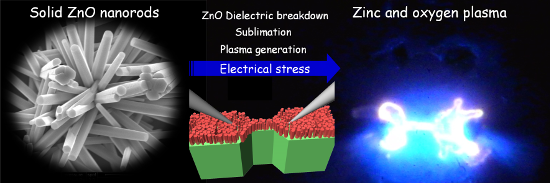
- sonication in ethanol, dried with nitrogen and spin-coated with a seed solution that was prepared by dissolving 0.0457 mg of zinc acetate dihydrate in 50 mL of ethanol. The samples were then baked at 350 °C for 30 min and then submersed in a water-based precursor solution containing 25 mM of zinc nitrate





