Search results
Search for "potential" in Full Text gives 1959 result(s) in Beilstein Journal of Nanotechnology. Showing first 200.
Synchrotron X-ray photoelectron spectroscopy study of sodium adsorption on vertically arranged MoS2 layers coated with pyrolytic carbon
Beilstein J. Nanotechnol. 2025, 16, 847–859, doi:10.3762/bjnano.16.64
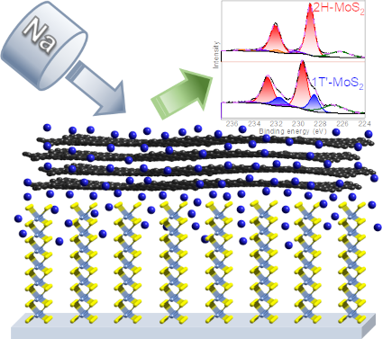
- Berlin, Germany Helmholtz-Zentrum Berlin für Materialien und Energie, 14109 Berlin, Germany 10.3762/bjnano.16.64 Abstract Hybrid materials consisting of molybdenum disulfide (MoS2) and graphitic-like carbon have great potential for practical application as anodes in high-performance sodium-ion batteries
- spacing of 0.62 nm and weak van der Waals interactions between them. At a sodium ion intercalation potential of about 1.4 V vs Na/Na+, the thermodynamically preferred 2H-MoS2 phase transforms into the metastable 1T-MoS2 phase [3][4]. With further increase in the intercalated sodium concentration


Facile one-step radio frequency magnetron sputtering of Ni/NiO on stainless steel for an efficient electrode for hydrogen evolution reaction
Beilstein J. Nanotechnol. 2025, 16, 837–846, doi:10.3762/bjnano.16.63
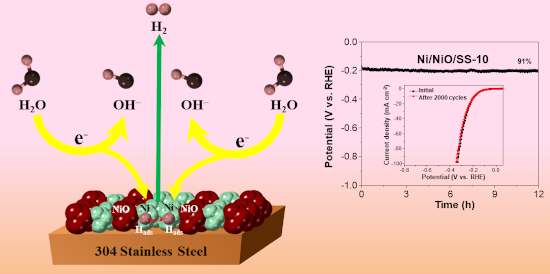
- electrocatalysts have been well accepted as potential candidates to replace Pt-based electrocatalysts for HER because of their suitable Gibbs free hydrogen adsorption energy, good intrinsic catalytic properties, and high stability. However, solution-based synthetic approaches can be highly harmful to human beings
- , such as MoS2, WS2, CoSe2, and NiSe2, which displayed potential performance in acidic media [14][15][16]. However, their HER efficacy is poor in alkaline environments because of the lack of available protons, resulting in a high required voltage to cleave H–OH bonds. To resolve this problem, many groups
- potential regarding industrial application. Results and Discussion Crystal structure and phase of the as-synthesized electrodes were verified by X-ray diffraction (XRD) measurements with 2θ ranging from 20° to 80°. Figure 1 displays the XRD patterns of SS, Ni/NiO/SS-5, Ni/NiO/SS-10, Ni/NiO/SS-15, and Ni/NiO


Synthesis and magnetic transitions of rare-earth-free Fe–Mn–Ni–Si-based compositionally complex alloys at bulk and nanoscale
Beilstein J. Nanotechnol. 2025, 16, 823–836, doi:10.3762/bjnano.16.62
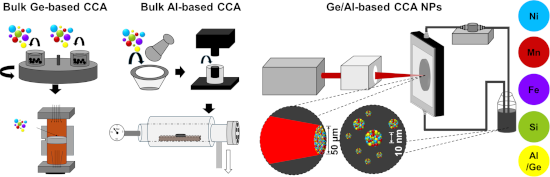
- potential to replace rare earth elements in magnetic materials [18]. The development of rare-earth-free or rare-earth-lean magnets is critical because of the economic, environmental, and supply chain challenges associated with rare earth elements [19][20]. For instance, mining and processing of rare earths
- and the intrinsic difficulties associated with the synthesis of CCA NPs. Beyond the elemental composition of the bulk target, the PLAL NP composition depends on the volatility and ionization potential of each element. Hence, the laser ablation of multicomponent targets has an impact on NP
- synthesized via PLAL, where separate Mn-rich clusters formed due to elemental evaporation during synthesis. Additionally, the ionization potential influences the ablation plume dynamics. Notably, the Ge variation from the expected composition is lower than for Mn, contrasting with the bulk alloy’s surface


Morphology and properties of pyrite nanoparticles obtained by pulsed laser ablation in liquid and thin films for photodetection
Beilstein J. Nanotechnol. 2025, 16, 785–805, doi:10.3762/bjnano.16.60
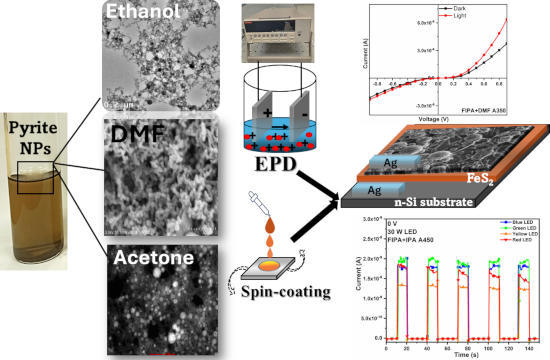
- a narrow bandgap (0.95 eV), high light absorption coefficient (≈105 cm−1), excellent properties in photoelectric conversion, and has enormous potential as an efficient photodetector system and in lithium batteries [1][2]. The prevalent forms of FeS2 are cubic-system pyrite and the orthorhombic
- Earth, including toxic heavy metals and metalloids, radionuclides, and organic pollutants [5]. In addition to the aforementioned advantages as a semiconductor, it has the potential to be used in various applications through its nanostructures created via pulsed laser ablation in liquid (PLAL) and thin
- is that the productivity and morphology/size of the NPs generated can be regulated by carefully managing the input parameters [16]. Due to the challenges in obtaining phase-pure FeS2 by PLAL, this is a much less explored material despite its high potential. A strong reducible ferric ion and an






Changes of structural, magnetic and spectroscopic properties of microencapsulated iron sucrose nanoparticles in saline
Beilstein J. Nanotechnol. 2025, 16, 762–784, doi:10.3762/bjnano.16.59
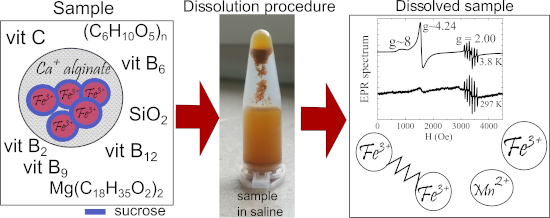
- suggests potential conformational alterations or molecular reorganization of the vitamin structure due to forming metal (calcium/sodium/iron) complexes. The changes in the vitamin structure observed here are consistent with the XRD results, in which the peaks related to ascorbic acid are observed in the





Thickness dependent oxidation in CrCl3: a scanning X-ray photoemission and Kelvin probe microscopies study
Beilstein J. Nanotechnol. 2025, 16, 749–761, doi:10.3762/bjnano.16.58
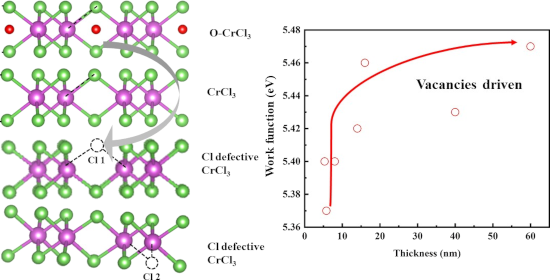
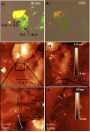
- evaluated the surface modification reaction and the surface potential. Our results established the correlations of the two latter properties with the thickness of flakes, observing a natural tendency to preserve their characteristic when the flakes have significantly less thickness. This is in contrast to
- of CrCl3 [2], which can be easily exfoliated and exhibits a slower degradation rate compared to CrI3 or CrBr3[3]. To fully exploit the potential of any material, a detailed understanding of its electronic and structural changes arising from intrinsic and extrinsic defects is crucial [4]. Despite this
- correlation between the microscopic results and the surface potential of CrCl3 flakes at the nanoscale level using Kelvin probe force microscopy (KPFM) [28]. KPFM is mainly employed to measure the local contact potential difference between the conductive AFM tip and the sample, allowing for high-resolution





Serum heat inactivation diminishes ApoE-mediated uptake of D-Lin-MC3-DMA lipid nanoparticles
Beilstein J. Nanotechnol. 2025, 16, 740–748, doi:10.3762/bjnano.16.57
- Analytical, UK). The zeta potential of LNPs was measured using a Zetasizer Nano Z (Malvern Panalytical). Before analysis, LNP stocks were diluted 1:20 in ultrapure water. LNP uptake Cells were seeded in 48-well plates the day prior to the uptake experiment at 2 × 10⁴ cells/well. The plates were pre-coated


Synthesis of a multicomponent cellulose-based adsorbent for tetracycline removal from aquaculture water
Beilstein J. Nanotechnol. 2025, 16, 728–739, doi:10.3762/bjnano.16.56
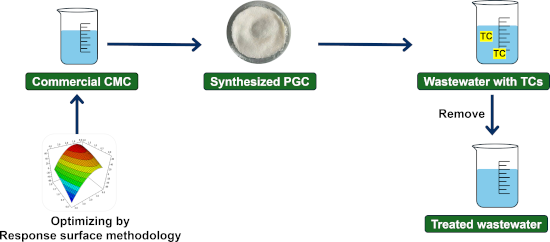
- adsorption process followed second-order kinetics and the Langmuir adsorption isotherm model. Under optimal experimental conditions, a maximum adsorption capacity (qm) of 123.2 mg·g−1 was estimated using the Langmuir isotherm model. These findings indicate that PGC demonstrates strong potential as an
- Conventional production and modification methods typically involve the manipulation of a single independent variable while holding all other variables constant [19]. However, chemical processes frequently involve a multitude of interacting factors, necessitating the simultaneous evaluation of potential
- . Additionally, the detection of sulfur in PGC indicates the potential presence of residual ZnSO4 precursor. Figure 3c–l present significant changes in the elemental distribution of O, S, Zn, and Ca in PGC compared to pristine CMC. These elements display a higher density on the surface of PGC. Brunauer–Emmett


Efficiency of single-pulse laser fragmentation of organic nutraceutical dispersions in a circular jet flow-through reactor
Beilstein J. Nanotechnol. 2025, 16, 711–727, doi:10.3762/bjnano.16.55
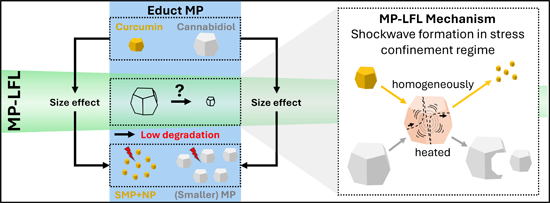
- the melting temperature range, which is why the melting temperature roughly corresponds to the degradation temperature [53][54][55][56]. Another potential mechanism would be photochemical degradation. It has been reported that upon irradiation the curcumin molecule dissociates primarily at its central
- 2–4 higher compared even to the highest degradation value (<2%) found in the present study on nutraceutical comminution by a picosecond-pulsed laser. LFL studies for organic drugs such as fenofibrate and naproxen have shown that LFL offers a high potential for particle size reduction of organic
- antioxidant properties of laser-fragmented curcumin As LFL of curcumin was more efficient than that of CBD, curcumin was tested for its cytotoxic and antioxidant potential in an in vitro cell culture model. The hepatocellular carcinoma cell line HepG2 was chosen for analyzing the antioxidant capacity of LP1


Nanostructured materials characterized by scanning photoelectron spectromicroscopy
Beilstein J. Nanotechnol. 2025, 16, 700–710, doi:10.3762/bjnano.16.54
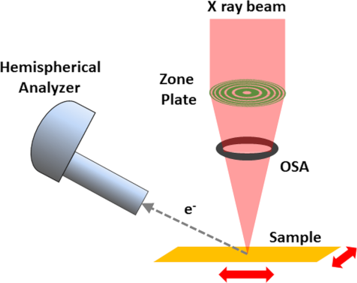
- composition and the surface potential across InP nanowire p–n junctions for individual nanowire devices. InP nanowires were grown on InP(111) substrates by vapor–liquid–solid growth using nanoimprint lithography for generating catalytic Au nanoparticles in a metal–organic vapor phase epitaxy (MOVPE) reactor
- the local binding energy position of the core level directly follows the energy of the valence and conduction band and thus the band-bending at the interface between the p- and n-doped segments, the observed shift in binding energy directly reflects the in-built potential of the p–n junction at the
- junction nanowires have been reported to show an open circuit voltage between 0.6 and 0.9 eV in photovoltaic measurements [31][32]. While those open circuit voltages can be considered as the built-in potential in the nanowire bulk, the values measured by XPS result from the nanowire surface, demonstrating


High-temperature epitaxial growth of tantalum nitride thin films on MgO: structural evolution and potential for SQUID applications
Beilstein J. Nanotechnol. 2025, 16, 690–699, doi:10.3762/bjnano.16.53
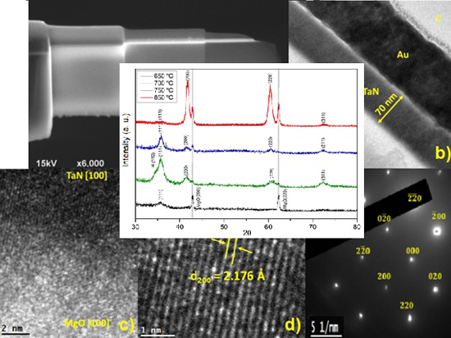
- diffusion barrier with potential application for microelectronics were fabricated [10][11]. In contrast, the stoichiometric mononitride TaN phase with face-centered cubic (FCC) structure exhibits superconductivity with a Tc of 8.15 K [12]; when the thin films were grown epitaxially on an FCC substrate, Tc
- that oxygen can occupy the N sites of the crystal without structural modifications [15]. These findings reinforce the potential of PLD as a viable method for fabricating high-quality TaN superconducting films with controlled stoichiometry and phase purity. The optimal combination of N2 pressure and
- structure, as reported by Hagiwara and collaborators [21]. This overlap of reflections complicates the precise deconvolution of the minor phases in the XRD diffractograms, underscoring the need to carefully consider potential peak coincidences when analyzing multiphase systems containing these tantalum


The impact of tris(pentafluorophenyl)borane hole transport layer doping on interfacial charge extraction and recombination
Beilstein J. Nanotechnol. 2025, 16, 678–689, doi:10.3762/bjnano.16.52
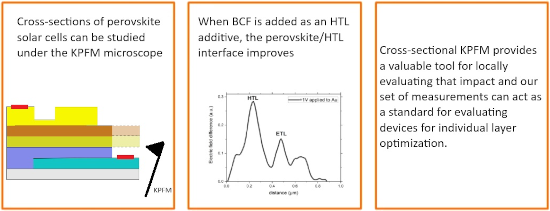
- devices are the small molecule 2,2',7,7'-tetrakis[N,N-di(4-methoxyphenyl)amino]-9,9'-spirobifluorene (spiro-OMeTAD) and the polymer poly[bis(4-phenyl)(2,4,6-trimethylphenyl)amine] (PTAA). In this work, we investigate the impact of hole transport layer doping on the performance and potential distribution
- in solar cells based on these materials. To do so on operating solar cells, we created samples with exposed cross-sections and examined their potential profile distributions with Kelvin probe force microscopy (KPFM), implementing our comprehensive measurement protocol. Using the Lewis acid tris
- force microscopy (KPFM) is an important tool for conducting such studies, enabling the measurement of the perovskite’s surface potential by monitoring the electrostatic force between the surface and a conductive probe (See Supporting Information File 1, Section 1). This measurement can provide insights


Colloidal few layered graphene–tannic acid preserves the biocompatibility of periodontal ligament cells
Beilstein J. Nanotechnol. 2025, 16, 664–677, doi:10.3762/bjnano.16.51
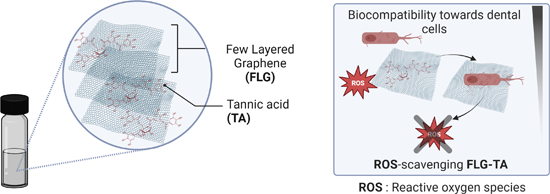
- out for their potential in dentistry due to their high specific surface area, mechanical strength and adaptability for biological and chemical modifications [4][5]. For instance, a previous study demonstrated that incorporating 2% (w/w) graphene oxide into a resin-modified glass ionomer cement
- , the clinical use of GBMs in dental practice remains limited. Concerns about their biocompatibility and potential cytotoxic effects continue to hinder their adoption [3][4]. In numerous studies, GO has frequently been the focus of research concerning its incorporation into dental biomaterials. However
- ]. Recent studies point to a potential synergistic effect between TA and GBMs [15][16][17]. TA not only stabilizes graphene sheets in aqueous solutions, preventing their aggregation by interacting with carbon layers at a molecular level [14], but also could impart additional bioactive properties




Aprepitant-loaded solid lipid nanoparticles: a novel approach to enhance oral bioavailability
Beilstein J. Nanotechnol. 2025, 16, 652–663, doi:10.3762/bjnano.16.50
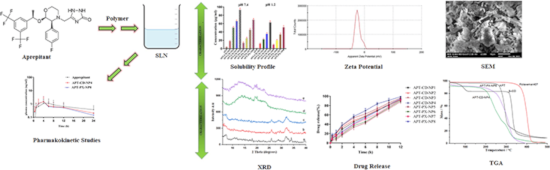
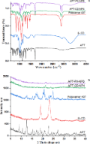
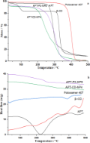
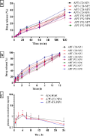
- analysis. APT-loaded SLNs were prepared by the precipitation method and characterized by physicochemical studies including particle size and zeta potential measurements, drug content, encapsulation efficiency and solubility studies, Fourier-transform infrared spectroscopy (FTIR), scanning electron
- concentration of β-CD showed the highest drug solubility (93.50% ± 3.73%) in PBS (pH 7.4) and drug content (96.75% ± 0.24%); particle size, zeta potential, and polydispersity index of APT-CD-NP4 were 121.1 ± 0.72 nm, −18.8 ± 0.94 mV, and 0.15 ± 0.35, respectively. SEM analysis showed that APT was converted from
- solid lipids in the mixture, which leads to precipitation of SLNs [12]. The precipitation method has the advantage of simple, rapid, reproducible, cost-effective, and easy handling for producing SLNs with good scale-up potential [13]. In the present study, we prepared SLNs containing APT with better



Nanoscale capacitance spectroscopy based on multifrequency electrostatic force microscopy
Beilstein J. Nanotechnol. 2025, 16, 637–651, doi:10.3762/bjnano.16.49

- study materials such as perovskite solar cells [18][19][20] and Li-ion batteries [21][22][23]. AFM enables simultaneous acquisition of topographic and electronic data by applying AC or DC voltages across the tip–sample gap, allowing for the detection of capacitive forces [24][25] or contact potential




A formulation containing Cymbopogon flexuosus essential oil: improvement of biochemical parameters and oxidative stress in diabetic rats
Beilstein J. Nanotechnol. 2025, 16, 617–636, doi:10.3762/bjnano.16.48
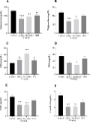
- significantly lower antioxidant activity (58.95% ± 5.95%) than M7-EOCF (91.12% ± 0.57%) and EOCF (84.73% ± 2.41%). Regarding antioxidant activity using the ABTS method (Figure 3B), M7-EOCF, EOCF and S. Mix also showed significant differences when compared to the control (p < 0.0001). The antioxidant potential
- compared to the control. It is also important to highlight the antioxidant and Fe2+ chelating potential of EOCF, as observed in a previous study by our research group [12]. Considering the results obtained, M7-EOCF showed the best antioxidant activity. It should also be noted that there was a statistical
- 14). The results suggest a significant potential for tissue preservation, as evidenced by the absence of severe necrosis and inflammation. Histological analysis revealed relevant characteristics: In region (E), there was an attempt at cell regeneration, with proliferating and organized cells. Region




Focused ion and electron beams for synthesis and characterization of nanomaterials
Beilstein J. Nanotechnol. 2025, 16, 613–616, doi:10.3762/bjnano.16.47

- intelligence and automation, the potential for real-time process control and modeling-informed precision fabrication is immense. Rapid data analysis and automated software development could pave the way for a bottom-up approach, akin to how nature constructs complex biological systems. On behalf of all editors

Polyurethane/silk fibroin-based electrospun membranes for wound healing and skin substitute applications
Beilstein J. Nanotechnol. 2025, 16, 591–612, doi:10.3762/bjnano.16.46
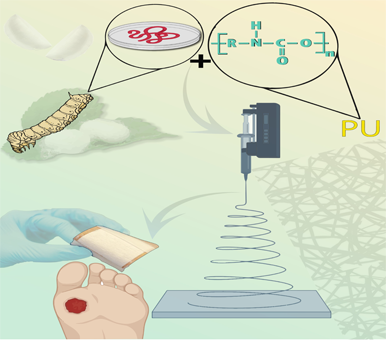
- response, is extensively investigated by addressing its molecular structure, composition, and medical uses. PU is a candidate for potential biomedical applications because of its strength, flexibility, biocompatibility, cell-adhesive properties, and high resistance to biodegradation. PU combined with silk
- offers a number of enhanced properties. The study offers a comprehensive overview of the advanced developments and applications of PU/SF composites, highlighting their significant potential in wound healing. These composite membranes present promising advancements in wound healing and skin regeneration
- scaffold were compared with Matriderm® (dermal substitute). Results showed that the 3D SF scaffold demonstrated similar dermal regeneration, but degraded more efficiently without causing wound contracture, indicating its potential for treating full-thickness wounds [69]. Effective electrospun scaffolds



Feasibility analysis of carbon nanofiber synthesis and morphology control using a LPG premixed flame
Beilstein J. Nanotechnol. 2025, 16, 581–590, doi:10.3762/bjnano.16.45
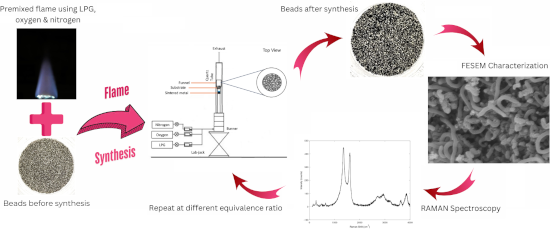
- desirable to improve the component performance. The work has proven that flame synthesis of CNFs using commercial LPG is feasible, paving the way for further exploration into cost-efficient CNF production with potential industrial applications. Keywords: carbon nanofiber (CNF); equivalence ratio; flame



Nanomaterials in targeting amyloid-β oligomers: current advances and future directions for Alzheimer's disease diagnosis and therapy
Beilstein J. Nanotechnol. 2025, 16, 561–580, doi:10.3762/bjnano.16.44
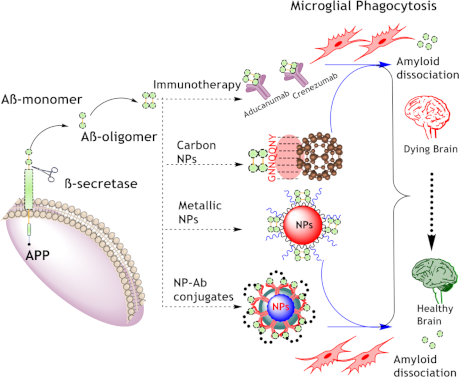
- emphasized the importance of accurately identifying AβOs in patient samples, enhancing the potential for timely intervention. In recent years, nanomaterials (NMs) have emerged as promising agents for addressing AβOs regarding their multivalent interactions, which can more effectively detect and inhibit AβO
- formation. This review provides an in-depth analysis of various nanochaperones developed to target AβOs, detailing their mechanisms of action and therapeutic potential via focusing on two main strategies, namely, disruption of AβOs through direct interaction and the inhibition of AβO nucleation by binding
- into their potential for clinical application. This comprehensive overview highlights the current advancements in NM-based therapies for AD and outlines future research directions aimed at optimizing these innovative treatments. Keywords: Alzheimer’s disease; amyloid; amyloid-β oligomers; detection


Retrieval of B1 phase from high-pressure B2 phase for CdO nanoparticles by electronic excitations in CdxZn1−xO composite thin films
Beilstein J. Nanotechnol. 2025, 16, 551–560, doi:10.3762/bjnano.16.43

- diverse characterization techniques, demonstrating the potential reversibility of the B1 to B2 phase transformation induced by ion irradiation. Keywords: irradiation; phase transformation; thermal spike; track diameter; X-ray absorption near edge spectroscopy; X-ray photoelectron spectroscopy
- electron mobility (>100 cm2/V/s) and high electrical conductivity (>1014 S/cm), demonstrating its potential for optoelectronic applications [2][3][4]. The incorporation of cadmium into ZnO effectively reduces the bandgap, rendering the thin films suitable for applications in the visible region of the
- distinguish them. For the CZ900_Pris thin film, the O(iii) component can be confidently assigned to the Zn2SiO4 phase, given that this film was annealed in a flowing oxygen atmosphere, which minimizes the potential for VO defects at the surface. In contrast, the area corresponding to the VO peak has increased


Functionalized gold nanoflowers on carbon screen-printed electrodes: an electrochemical platform for biosensing hemagglutinin protein of influenza A H1N1 virus
Beilstein J. Nanotechnol. 2025, 16, 540–550, doi:10.3762/bjnano.16.42
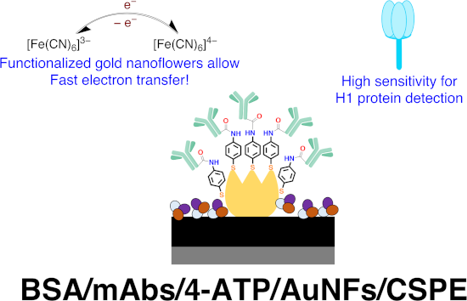
- antigen load because a good signal-to-noise ratio response was observed, making this detection a rapid and accurate process. Under the optimal parameters (pulse amplitude = 86 mV, potential increment = 4 mV, and scan rate = 100 mV/s), the negative control and four different concentrations (10, 100, 1,000
- assembled, sealed, and attached to the microfluidics system. The compatibility of biosensing devices with microfluidics systems is desired as this combination has the potential to miniaturize and shorten the acquisition time required to process a large number of biological samples, for example, in clinical
- required [54]. Furthermore, because of the potential advantage of changing specific monoclonal antibodies in the system, it can easily be adjusted for any and multiple seasonal influenza strains, similar to the case of annual influenza vaccines, which are updated every year to match the currently


Electron beam-based direct writing of nanostructures using a palladium β-ketoesterate complex
Beilstein J. Nanotechnol. 2025, 16, 530–539, doi:10.3762/bjnano.16.41
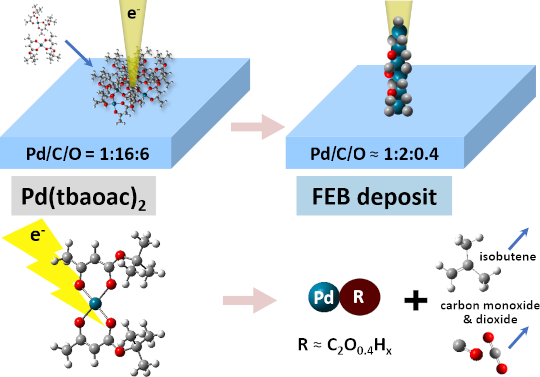
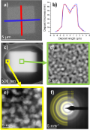
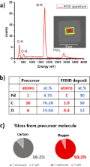
- the deposition regimes involved. We also investigate the potential volatile products produced under electron impact on adsorbed [Pd(tbaoac)2] that could be responsible for the composition of the FEBID deposit and provide a comparison with previous results using other Pd precursors [37] and [Cu(tbaoac
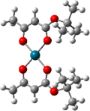
- )2] [40][41]. The potential of growing 3D nanostructures with this precursor was also explored. The insights gained from this research could be valuable in the development of precursors tailored for FEBID. Experimental The structure of [Pd(tbaoac)2] is shown in Figure 1. The precursor was synthesized
- Devi et al. [40], which generally have lower desorption rates. The volume deposition rate reported for [Cu(tbaoac)2] was 0.026 µm3·nA−1·min−1 [41], while for [Pd(tbaoac)2], it is 0.045 µm3·nA−1·min−1. The higher deposition rate for [Pd(tbaoac)2] implies that this precursor has potential for growing


Zeolite materials with Ni and Co: synthesis and catalytic potential in the selective hydrogenation of citral
Beilstein J. Nanotechnol. 2025, 16, 520–529, doi:10.3762/bjnano.16.40
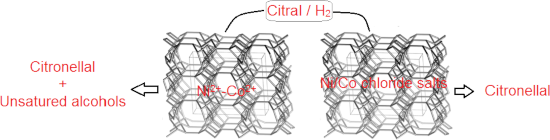
- with Ni2+ and Co2+ chloride solutions through traditional ion exchange (IE) and impregnation (Imp) processes. Special attention was given to analyzing the cationic and anionic composition of the resulting materials. The catalytic potential was evaluated in the selective hydrogenation of citral, focused
- exhibited a higher surface area and pore volume, which can positively influence its potential application as a material to reduce greenhouse gas emissions. While most studies focus on monocationic exchange, multicationic exchange has raised significant interest. The synergy of properties in multicationic
- the selective hydrogenation of citral to unsaturated alcohols remains low, the ability of this material to produce such alcohols indicates its potential. Future work will focus on optimizing the reduction temperature as lower reduction temperatures are expected to enhance performance. These findings


Water in nanoporous hexagonal boron nitride nanosheets: a first-principles study
Beilstein J. Nanotechnol. 2025, 16, 510–519, doi:10.3762/bjnano.16.39
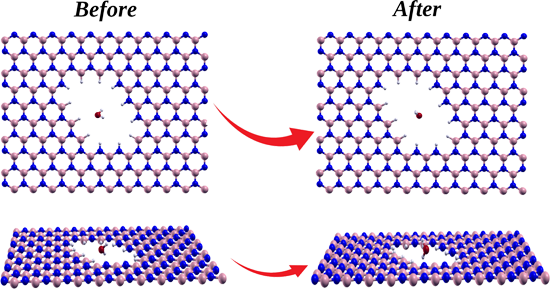
- atomic chemical potentials are obtained as follows: where μα and nα represent the chemical potential and the number of atoms of type α (α = N, B, H, O). The chemical potential of is derived from the total energy of the H2 molecule, while μsource denotes the total energy of the systems comprising the
- chemical potentials for B and N atoms are interrelated, that is, μB + μN = μBN, where μBN signifies the chemical potential of the h-BN monolayer. Under this constraint, the formation energies of h-BN nanopores with stoichiometric ratios of boron and nitrogen atoms are independent of the individual choices
- environment) or μN (i.e., a N-rich environment). To determine the chemical potential of nitrogen in N-rich environments, we utilize either the N2 molecule (whereby and μB = μBN − μN) or the NH3 molecule (in this case, and μB = μBN − μN). In boron-rich environments, the BH3 molecule is employed to determine