


Search results
Search for "surface" in Full Text gives 2438 result(s) in Beilstein Journal of Nanotechnology. Showing first 200.
Nanostructured materials characterized by scanning photoelectron spectromicroscopy
Beilstein J. Nanotechnol. 2025, 16, 700–710, doi:10.3762/bjnano.16.54
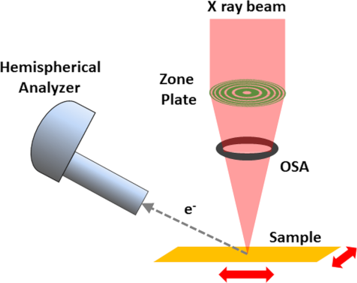
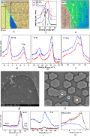
- the Se 3d core level lines. One of the components was found to correspond to Se in TiSe2; the second component, which had no known analogues, was attributed to structural fragments of CrSe2. This confirmation was obtained directly by SPEM [13]. In the cleaved surface of the Cr0.78Ti0.36Se2 single
- promising, their performance is often limited by surface properties of the III–V semiconductor material, which furthermore can vary for individual nanowires. This includes native oxides on semiconductor surfaces and their possible removal, surface passivation, and interface defects [27]. Therefore, in-depth
- surface characterization of individual nanowires is urgently needed. This task is difficult for many conventional surface characterization techniques due to the nanowire geometry, and it becomes even more challenging in the case of nanowire heterostructure devices, where operando characterization of a


High-temperature epitaxial growth of tantalum nitride thin films on MgO: structural evolution and potential for SQUID applications
Beilstein J. Nanotechnol. 2025, 16, 690–699, doi:10.3762/bjnano.16.53
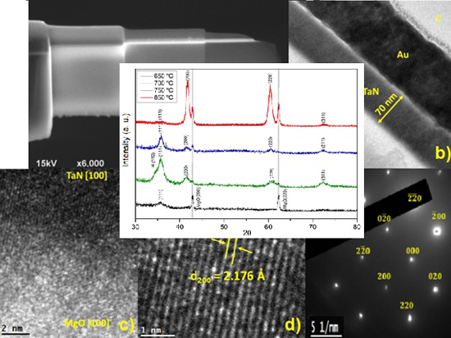
- , atomic force microscopy, and transmission electron microscopy analyses revealed that the TaN films exhibit excellent crystallinity and smooth surface morphology, when deposited at optimal temperatures of 750 and 850 °C. The films exhibit superconducting transition temperatures (Tc) ranging from 5.0 to
- . Atomic force microscopy (AFM, XE-70 Park Systems) in contact mode was used to study the surface morphology of the films. The synthesis protocol used in this study was modified from the work reported by Quintanar-Zamora et al. [15] by varying the substrate temperature and the nitrogen pressure. Results
- -vacuum conditions, a small residual oxygen concentration inevitably remains within the deposition chamber. At elevated temperatures, the reactivity of these residual oxygen molecules increases, facilitating their adsorption onto the growing film surface. However, an increase in N2 pressure can lead to


The impact of tris(pentafluorophenyl)borane hole transport layer doping on interfacial charge extraction and recombination
Beilstein J. Nanotechnol. 2025, 16, 678–689, doi:10.3762/bjnano.16.52
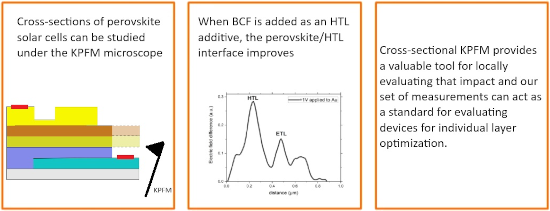
- force microscopy (KPFM) is an important tool for conducting such studies, enabling the measurement of the perovskite’s surface potential by monitoring the electrostatic force between the surface and a conductive probe (See Supporting Information File 1, Section 1). This measurement can provide insights
- open circuit, to accumulate, leading to forward biasing of the solar cell. Therefore, the surface potential profile of a forward biased device can be correlated with the potential distribution under illumination and open circuit [43][44][45] (See Supporting Information File 1, Section 2). By forward
- 1), with voltage drops and rises being apparent because of the band bending introduced by mobile ions or surface defect states caused by the cleaving. Furthermore, the CPD decrease (black curves) on the HTL side relative to the perovskite when BCF is included in both cases reveals the p-doping of


Colloidal few layered graphene–tannic acid preserves the biocompatibility of periodontal ligament cells
Beilstein J. Nanotechnol. 2025, 16, 664–677, doi:10.3762/bjnano.16.51
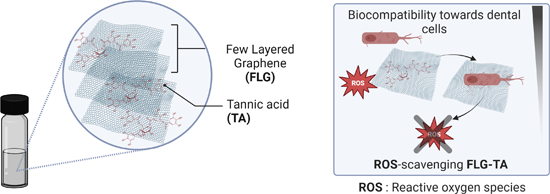
- synthesized through a straightforward, bio-based methodology. Physicochemical characterizations elucidated the structural and morphological attributes of the biocomposite. By incorporating antioxidant TA molecules onto the FLG surface, the biocomposite dynamically mitigated reactive oxygen species
- out for their potential in dentistry due to their high specific surface area, mechanical strength and adaptability for biological and chemical modifications [4][5]. For instance, a previous study demonstrated that incorporating 2% (w/w) graphene oxide into a resin-modified glass ionomer cement
- significantly enhanced the flexural strength of the material, thereby improving its overall mechanical properties [6]. Additionally, another study investigated the effects of adding graphene oxide nanoplatelets (GONPs) to Portland cement. It was shown that the addition of 1 wt % GONPs improved surface




Aprepitant-loaded solid lipid nanoparticles: a novel approach to enhance oral bioavailability
Beilstein J. Nanotechnol. 2025, 16, 652–663, doi:10.3762/bjnano.16.50
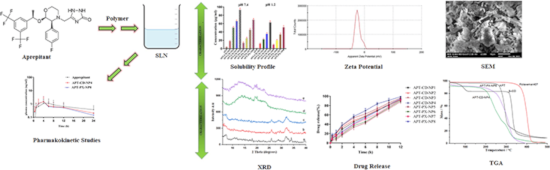
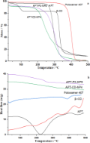
- β-CD concentration converted crystalline entrapped APT into an amorphous state, decreasing surface tension and promoting the solubility profile [14]. A similar behavior was observed for the poloxamer 407 samples with solubilities in the order of APT-PX-NP5 > APT-PX-NP6 > APT-PX-NP7 > APT-PX-NP8 due
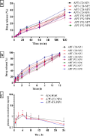
- , 141.3 ± 0.62, 121.1 ± 0.72, 257.6 ± 0.37, 229.5 ± 0.94, 207.2 ± 0.63, and 191.0 ± 0.57 nm, respectively (Table 1). An exemplary measurement for APT-CD-NP4 is given in Figure 2. The SLNs with lower particle size provide a large surface area, which increases drug release and enhances drug absorption by
- dispersion. SEM studies Scanning electron micrographs of APT-CD-NP4 and APT-PX-NP8 shown in Figure 3 illustrate that polymeric content was deposited on the SLN surface because of organic solvents. After evaporation of the organic solvent, colloidal particles are closely packed. Dispersions in organic



Nanoscale capacitance spectroscopy based on multifrequency electrostatic force microscopy
Beilstein J. Nanotechnol. 2025, 16, 637–651, doi:10.3762/bjnano.16.49

- ][56][57][58][59][60][61][62][63][64][65][66][67][68][69][70][71][72][73]. Compared to optical ellipsometry or reflectance spectroscopy, SCM and SCFM can map surface properties such as film thickness [35][39] and dielectric constants [35][74], with superior spatial resolution. However, in particular
- , lever, and some additional stray capacitance caused by the signal cables in the AFM head (Figure 3). In the case of a dielectric sample, the tip-, apex- and lever-surface capacitors are connected in series with capacitors formed by the sample dielectric layer. The exact configuration for these
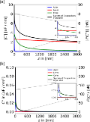
- locations on the microcapacitor sample. The first spectrum was recorded on one of the microcapacitors (C3, see Figure 2). Then, we measured in one of the FIB-etched trenches around the capacitors. Here, we assume that the bare silicon surface is covered by a thin native oxide layer (Si). Last, we measured




Focused ion and electron beams for synthesis and characterization of nanomaterials
Beilstein J. Nanotechnol. 2025, 16, 613–616, doi:10.3762/bjnano.16.47

- -phase investigations of molecular fragmentation by electron beams may not fully predict the behavior of molecules when adsorbed on a surface. This highlights the importance of comparing gas-phase fragmentation results with FEBIP processes. In this issue, the novel iron precursor (i.e., iron

Polyurethane/silk fibroin-based electrospun membranes for wound healing and skin substitute applications
Beilstein J. Nanotechnol. 2025, 16, 591–612, doi:10.3762/bjnano.16.46
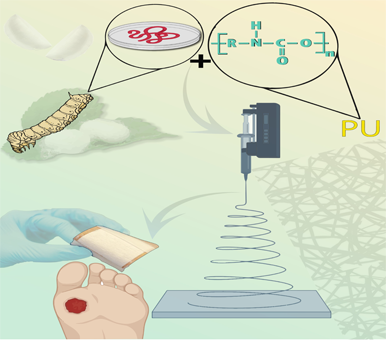
- . The properties of nanofibers such as their high specific surface area, large surface-to-volume ratio, large length-to-diameter ratio, porous membrane structure, and their ability to mimic the extra-cellular matrix (ECM) of natural tissues make them a suitable material for wound dressing and skin
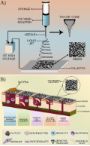
- through a capillary, and a high voltage is applied to charge the solution’s particles, which produces an attractive force [54]. When the solution’s surface tension is overcome at a critical voltage, a jet shoots out of the capillary’s tip toward a grounded collector (Figure 2A) [55]. The morphology of
- , environmental engineering, and green chemistry [59]. This method facilitates the creation of highly porous 3D structures with an extensive surface area and desirable chemical and physical properties, making the resulting nanofibers ideal for applications such as biosensors, antimicrobial surfaces, scaffolds



Feasibility analysis of carbon nanofiber synthesis and morphology control using a LPG premixed flame
Beilstein J. Nanotechnol. 2025, 16, 581–590, doi:10.3762/bjnano.16.45
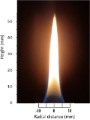
- . discussed several applications of CNFs. Thin CNFs have a large surface area and are used for adsorptive hydrogen storage. Also, CNFs are used as electrode materials in supercapacitors. They can also be used for water purification and carbon capture and storage [20]. LPG gas contains a flammable mixture of
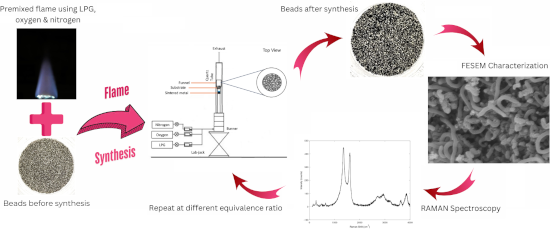
- CNF, and growth is seen on the beads. The growth rate is higher at Φ = 1.8 than at Φ =1.60. Figure 6 shows zirconia beads before and after synthesis. Before synthesis, the impregnated zirconia beads were gray. They turned black after the synthesis because of a layer of CNF deposited on the surface of
- concentrations, the amount of available carbon is higher, which provides more carbon atoms that can interact with the catalyst’s surface, enhancing the ability of the catalyst to decompose the carbon source to grow CNF structures. The histogram in Figure 8b shows the diameter distribution of CNFs in a more



Nanomaterials in targeting amyloid-β oligomers: current advances and future directions for Alzheimer's disease diagnosis and therapy
Beilstein J. Nanotechnol. 2025, 16, 561–580, doi:10.3762/bjnano.16.44
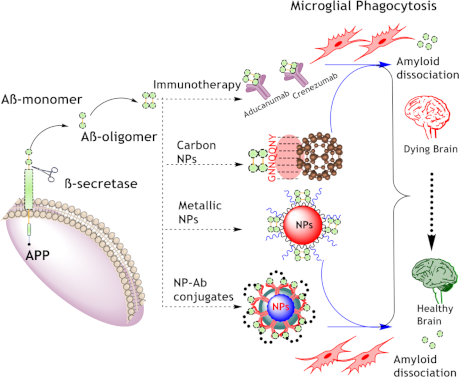
- detection and treatment of AβOs in AD. Because of their nanoscale size, NMs can interact with biological systems in ways that traditional treatments cannot. Their unique properties such as high surface area, quantum effects, and specific physicochemical traits make them ideal for developing advanced
- ) enhance imaging sensitivity because of their distinct electrical or photoluminescent properties. For treatment, NPs can serve as drug carriers, improving delivery across the BBB and reducing side effects. Their large surface area allows for controlled drug release and targeted therapy, enhancing treatment
- effectively recognize all oligomeric forms, complicating the development of broad-spectrum therapies. Unlike larger aggregates, which may present multiple binding sites, AβOs have fewer defined surface characteristics that can be targeted. AβOs can interconvert between different oligomeric states and may also


Retrieval of B1 phase from high-pressure B2 phase for CdO nanoparticles by electronic excitations in CdxZn1−xO composite thin films
Beilstein J. Nanotechnol. 2025, 16, 551–560, doi:10.3762/bjnano.16.43

- Arkaprava Das Marcin Zajac Carla Bittencourt Chimie des Interaction Plasma surface, Research Institute for Materials Science and Engineering, Université of Mons, 7000 Mons, Belgium SOLARIS National Synchrotron Radiation Centre, Jagiellonian University, 30-392 Krakow, Poland 10.3762/bjnano.16.43
- evidence of changes in surface chemical states due to irradiation. In summary, we elucidate the underlying mechanism responsible for the retrieval of the B1 phase from the transformed B2 phase following O ion irradiation using core-level spectroscopy. While the B1 to B2 phase transformation is reported to
- evident; rather, distinct void regions are observed. Given that CdO has a melting temperature of ≈1000 °C, a portion of CdO may have melted during the annealing process at 900 °C, subsequently condensing in energetically favorable sites at the film surface. The whitish regions in the CZ900_Pris thin film


Functionalized gold nanoflowers on carbon screen-printed electrodes: an electrochemical platform for biosensing hemagglutinin protein of influenza A H1N1 virus
Beilstein J. Nanotechnol. 2025, 16, 540–550, doi:10.3762/bjnano.16.42
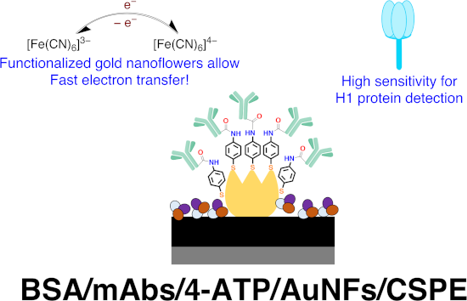
- .16.42 Abstract An electrochemical biosensor based on modified carbon screen-printed electrodes was developed for the detection of hemagglutinin of influenza A H1N1 virus (H1). Gold nanoflowers were electrodeposited on the electrode to increase conductivity and surface area. The electrochemical signal
- was amplified by functionalization of the gold nanoflowers with 4-aminothiophenol, which resulted in a 100-fold decrease of the charge transfer resistance due to a tunneling effect. Subsequently, monoclonal antibodies against H1 were immobilized on the surface via covalent amide bond formation
- into four groups, namely, influenza A, B, C, and D viruses. The antigenic features of the hemagglutinin (HA) and neuraminidase (NA) glycoproteins on the surface of influenza A viruses are used to further classify the virus into subtypes. Influenza A comprises 18 HA subtypes and 11 NA subtypes, of which


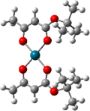
Electron beam-based direct writing of nanostructures using a palladium β-ketoesterate complex
Beilstein J. Nanotechnol. 2025, 16, 530–539, doi:10.3762/bjnano.16.41
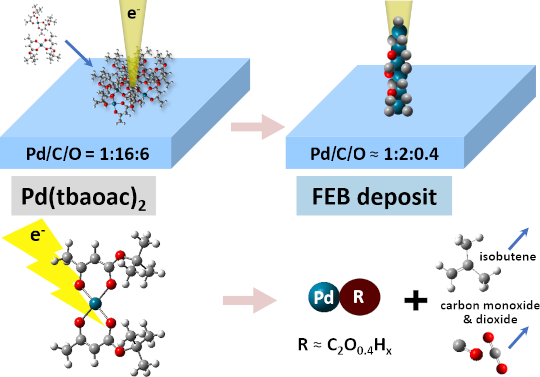
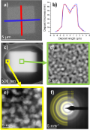
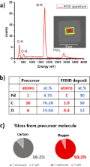
- geometry is primarily due to surface diffusion processes and directional gas flux adsorption [44][45]. No halo region was observed. The volume growth rate was approximately 0.032 µm3·min−1 or 7.62 × 10⁻⁴ µm3·nC−1, with a vertical growth rate of 0.02 nm·s−1. For the STEM analysis, a square deposit was
- with other fragments on the surface to form a nonvolatile matrix, or (iii) become embedded by newly arriving molecules from the gas phase [30]. A key factor for rapid desorption is the neutral charge of the generated fragments, which reduces the desorption energy. This applies to the isobutene
- , acetaldehyde, and carbon oxide fragments, making the tbaoac ligand favorable for FEBID. Neglecting surface diffusion, the deposition rates νdep (in units of inverse time) and R (in units of distance over time) are given by [23] For the derivation of Equation 1 and for the numerical values used in the following


Zeolite materials with Ni and Co: synthesis and catalytic potential in the selective hydrogenation of citral
Beilstein J. Nanotechnol. 2025, 16, 520–529, doi:10.3762/bjnano.16.40
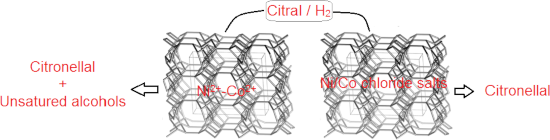
- and temperature-programmed reduction. The materials prepared by IE had negligible chloride content (0.02–0.07%), and their specific surface areas (138–146 m2/g) were greater than those of the materials obtained by Imp (54–67 m2/g). The bimetallic systems exhibited enhanced reducibility of the Co2+ and
- exhibited a higher surface area and pore volume, which can positively influence its potential application as a material to reduce greenhouse gas emissions. While most studies focus on monocationic exchange, multicationic exchange has raised significant interest. The synergy of properties in multicationic
- ° in NiZImp, and at 28.5° in CoNiZImp. These peaks are attributed to impurities, such as mixed metal chloride salts, deposited on the zeolite surface. Specifically, the peaks at 16.1° and 39.3° correspond to both cobalt(II) chloride (CoCl2·2H2O, card 96-900-9874) and cobalt(II) hydroxychloride (Co2Cl


Water in nanoporous hexagonal boron nitride nanosheets: a first-principles study
Beilstein J. Nanotechnol. 2025, 16, 510–519, doi:10.3762/bjnano.16.39
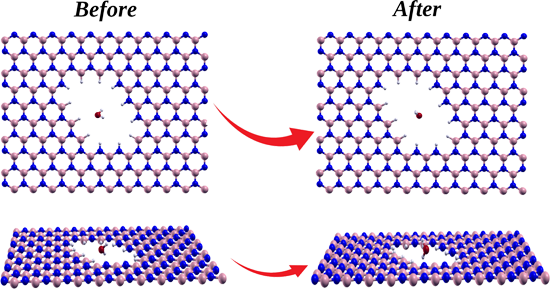
- hydrogen bonds with the N–H-terminated surface in rhombic pores, but not with the B–N-terminated surface, potentially leading to asymmetries in water flow through the pore area. Overall, our study provides valuable insights into the interaction between nanoporous h-BN membranes and water. Keywords: boron
- as a molecular sieve [22][23][24][25]. Theoretical studies using molecular dynamics simulations analyzed the impact of the partial charge on the h-BN membrane surface on water molecules and salt ion transport [26]. They noted that the Coulomb interaction between water molecules/ions and the channels
- type of pore can alter the hydrophobicity of h-BN and influence the flow of water through it. Moreover, the formation of a hydrogen bond with the N–H-terminated surface in rhombic pores, which is absent in interactions with the B–N-terminated surface, may lead to asymmetries in water flow through the




N2+-implantation-induced tailoring of structural, morphological, optical, and electrical characteristics of sputtered molybdenum thin films
Beilstein J. Nanotechnol. 2025, 16, 495–509, doi:10.3762/bjnano.16.38
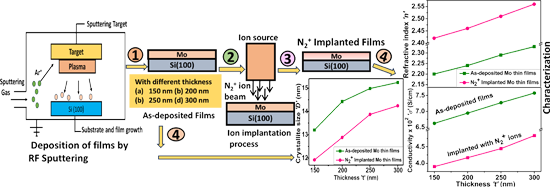
- implanted with 1 × 10¹⁷ N2+·cm−2 at 30 keV using a current density of 4 µA·cm−2. Surface morphology and structural, optical, and electrical properties of the as-deposited and implanted Mo thin films have been systematically investigated. The crystallinity of Mo thin films is enhanced with increasing
- material characteristics. Ion implantation is one of the most attractive techniques because it introduces considerable changes in the surface morphology and composition of the films [13][14]. The uses of implanted Mo thin films cover a broad range of applications including microelectronics and
- accelerating voltage. At grazing incidence, the observed stress is either minimal or slightly tensile and is mostly unaffected by the accelerating voltage. Tripathi et al. [18] examined the temperature-dependent surface alterations in Mo films induced by He+ ion irradiation within the 773–1073 K range as a


Performance optimization of a microwave-coupled plasma-based ultralow-energy ECR ion source for silicon nanostructuring
Beilstein J. Nanotechnol. 2025, 16, 484–494, doi:10.3762/bjnano.16.37

- the transformative impact of nanopatterning through low-energy inert ions. Keywords: optimization of ion current; surface topography; TEM; ultralow-energy ECR-based ion source; UV–vis spectroscopy; Introduction Ion sources serve as fundamental components in numerous scientific and industrial
- applications and play a crucial role in generating charged particles. Various systems harness energetic ions for diverse purposes, spanning material science, high-energy physics, medical applications, and agricultural science [1][2][3][4][5]. Presently, energetic ions find application in various surface
- not suitable for modern-day applications. In material science as well as surface science applications, the ion source should be mobile and adaptable to the vacuum system, having a longer lifetime. Further, the ion source should produce a relatively high beam current (i.e., capable of forming a high


Impact of adsorbate–substrate interaction on nanostructured thin films growth during low-pressure condensation
Beilstein J. Nanotechnol. 2025, 16, 473–483, doi:10.3762/bjnano.16.36

- formation. We simulate deposition on one- and multicomponent substrates with different strengths of adsorbate–substrate interactions. We will show that an increase in the strength of adsorbate–substrate interactions stimulates the formation of stable surface structures during deposition, which leads to an
- increase in its coverage and the formation of a smaller number of adsorbate islands of larger size. At elevated adsorption rates, an increase in adsorbate–substrate interactions results in the transformation of the surface morphology and the formation of percolating adsorbate structures. Deposition onto
- multicomponent substrates leads to the formation of a stationary surface morphology with an elevated number of adsorbate islands of smaller size, compared to one-component substrates. This study provides a deep insight into the peculiarities of nanostructured thin films’ growth in low-pressure systems with


Effect of additives on the synthesis efficiency of nanoparticles by laser-induced reduction
Beilstein J. Nanotechnol. 2025, 16, 464–472, doi:10.3762/bjnano.16.35
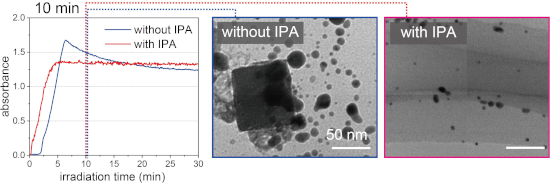
- the change in the absorption peak at 520 nm in the UV–vis absorption spectrum caused by the localized surface plasmon resonance (LSPR) of the Au nanoparticles as a function of the laser irradiation time. The black line shows the change in absorbance for the solution without IPA, and the red line shows


Synthetic-polymer-assisted antisense oligonucleotide delivery: targeted approaches for precision disease treatment
Beilstein J. Nanotechnol. 2025, 16, 435–463, doi:10.3762/bjnano.16.34

- continue to the cellular nucleus. Certain cell surface receptors have demonstrated efficient binding to modified oligonucleotides, including integrins [50], toll-like receptors [51], and scavenger receptors [52]. However, the intracellular delivery to their specific site of action remains the major barrier
- of PLG (DP = 20) in the development of a novel gene delivery system. In this study, surface-modified complexes were designed using PLG as a backbone to which polyethylene glycol (PEG, Mw = 5, 10, and 20 kDa) or epidermal growth factor (EGF) were conjugated [101]. This approach aimed to enhance the
- ][106], architecture [107][108], degree of amine/phosphate complexation [109], and surface charge density of the polymers [110] strongly affect the transfection efficiency and toxicity of these cationic platforms. In this section of the review, we discuss the progress and challenges associated with the


Quantification of lead through rod-shaped silver-doped zinc oxide nanoparticles using an electrochemical approach
Beilstein J. Nanotechnol. 2025, 16, 422–434, doi:10.3762/bjnano.16.33
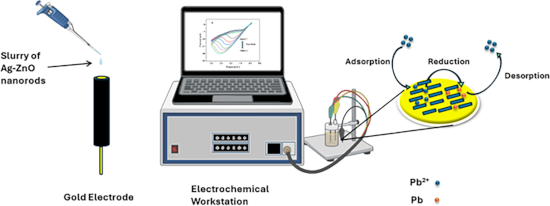
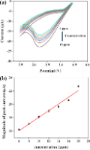
- , India Department of Physics, Punjab Engineering College (Deemed to be University), Chandigarh, 160012, India 10.3762/bjnano.16.33 Abstract Special features of zinc oxide nanoparticles have drawn a lot of interest due to their wide bandgap, high surface area, photocatalytic activity, antimicrobial
- of oxygen on the surface by means of the formation of oxygen vacancies, leading to enhanced catalytic activity. Also, the small doping of Ag introduces more active sites on the catalyst surface, potentially improving the overall catalytic activity [12][13]. This study demonstrates an efficient and
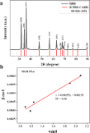
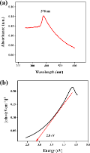
- ZnO frequently causes a reduction in the bandgap, leading to a shift toward longer wavelengths in the absorption spectra. The smaller bandgaps of the samples in optoelectronic devices provide a significant advantage [21]. Zeta potential of Ag@ZnO nanorods Surface properties of the synthesized Ag@ZnO





Biomimetics and bioinspired surfaces: from nature to theory and applications
Beilstein J. Nanotechnol. 2025, 16, 418–421, doi:10.3762/bjnano.16.32
- environmental pressures. Such pressures involve intricate interactions between surface structures and the environment across different scales, including nano-, micro-, and macroscales. Biomimetics aims at making use of understanding how these adaptations and the particular material properties of these surfaces

Size control of nanoparticles synthesized by pulsed laser ablation in liquids using donut-shaped beams
Beilstein J. Nanotechnol. 2025, 16, 407–417, doi:10.3762/bjnano.16.31
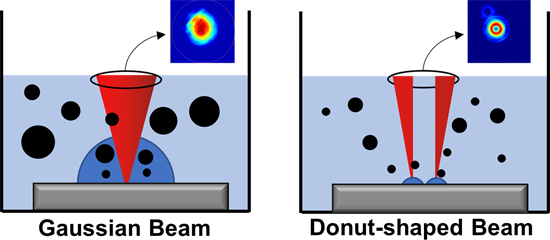
- been recently demonstrated to be very efficient in surface micro- and nanostructuring [33][34][35][36][37] and in laser additive manufacturing [38]. They enable the formation of different structures whose size and shape can be precisely controlled. Furthermore, donut-shaped beams enable a considerable
- that occurs after absorption of the laser radiation and localized heating of the target surface. The plume interacts with the surrounding liquid. This interaction defines the cooling rate of the species present in the plasma and significantly affects NP growth (i.e., plasma quenching forms small NPs
- any possible oxide layer from the surface. PLAL NP generation Figure 1 shows a general scheme of the experimental setup. Each ablated target was positioned in the flow-through PLAL chamber [50] with a liquid volume of ca. 5 mL and laser-irradiated at normal incidence through a glass window. The


ReactorAFM/STM – dynamic reactions on surfaces at elevated temperature and atmospheric pressure
Beilstein J. Nanotechnol. 2025, 16, 397–406, doi:10.3762/bjnano.16.30
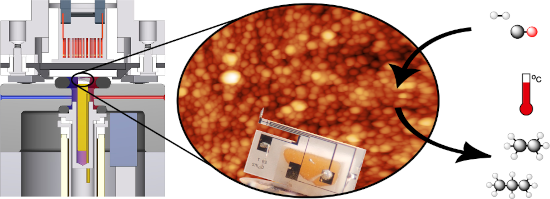
- structure of materials under reaction conditions. We demonstrate this by imaging a Pd(100) single crystal at 450 K with combined AFM/STM. The surface is compared under ultrahigh vacuum and under 0.5 bar O2 pressure showing a notable increase in RMS current, which we attribute to oxidation. Also, we study
- these techniques are photon-based [4][5][6][7][8][9]. Even though they provide valuable insights, the development of surface-sensitive techniques that can image the catalyst at the atomic scale under high-pressure and high-temperature conditions remains crucial. In attempting to close the pressure gap
- the electric tunneling effect, AFM probes the forces of the tip–sample interaction. This makes AFM independent of surface conductivity and therefore a powerful tool to bridge the materials gap. The drawback of this high-pressure AFM setup is that it could not be combined with STM. While STM provides


Engineered PEG–PCL nanoparticles enable sensitive and selective detection of sodium dodecyl sulfate: a qualitative and quantitative analysis
Beilstein J. Nanotechnol. 2025, 16, 385–396, doi:10.3762/bjnano.16.29
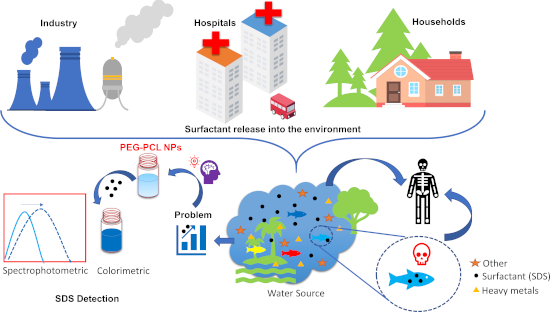
- different applications [11]. The application of nanoparticles depends on the amount of capping agent adsorbed on the surface of the nanoparticles [12]. This suggests that quantifying the amount of surface capping, such as SDS, is necessary for designing nanoparticle-based applications. The food industry has
- . Characterization of PEG–PCL nanoparticles The synthesized PEG–PCL nanoparticles were characterized by their unique physicochemical properties, such as size and surface charge. The average hydrodynamic size, monodispersity, and surface charge of the nanoparticles were measured using the ZetaSizer (Nano ZS, Malvern
- , UK). Dried 10 mg/mL PEG–PCL NPs were dissolved in PBS and sonicated for 30 min. The sonicated sample was taken in a cuvette for measurement. The sample pH was in the range of 7.2–7.4. Separate cuvettes (DTS1072 and DTS0012) were used to measure the surface charge and average size of the nanoparticles





