


Search results
Search for "zeta potential" in Full Text gives 238 result(s) in Beilstein Journal of Nanotechnology. Showing first 200.
Green synthesis of fluorescent carbon dots from spices for in vitro imaging and tumour cell growth inhibition
Beilstein J. Nanotechnol. 2018, 9, 530–544, doi:10.3762/bjnano.9.51
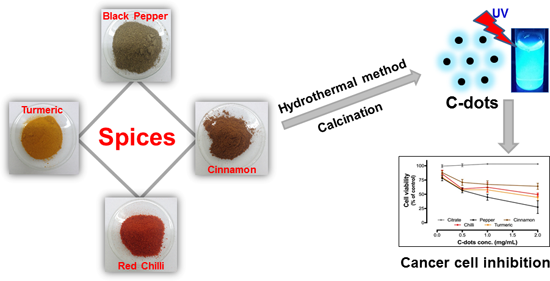
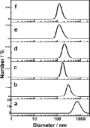
- (inset of Figure 3), which confirms that the obtained C-dots are of crystalline graphitic nature [29][30][31]. Hydrodynamic radii measured by DLS gave rise to values of 11.0, 10.3, 15.0 and 11.2 nm (Figure 4), and zeta potential values of −16.0, −32.9, −16.3 and −24.2 mV for cinnamon, red chilli
- observed between the absolute value of the zeta potential and the cellular uptake observed in both LN-229 and HK-2 cells. XRD patterns of the four synthesized C-dots have been also studied, and the obtained results are given in Figure 5. The cinnamon, red chilli, turmeric and black pepper C-dots
- TEM of 3.37, 3.14, 4.32 and 3.55 nm, respectively. Additionally, the high values of negative zeta potential that all the spice-based C-dots presented ensure a great colloidal stability in biological media. The four different spice-based C-dots have been systematically evaluated to study the in vitro


Photocatalytic and adsorption properties of TiO2-pillared montmorillonite obtained by hydrothermally activated intercalation of titanium polyhydroxo complexes
Beilstein J. Nanotechnol. 2018, 9, 364–378, doi:10.3762/bjnano.9.36
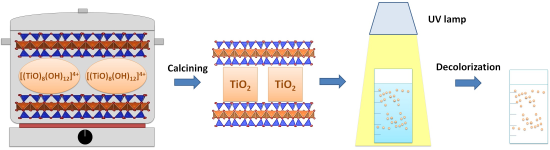
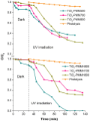
- interaction forces between the particles and provides information on the charge state of the surface of particles in the suspension. It is worth noting that all the samples possess negative values of the zeta potential in water. As is evident from Table 3, the zeta potential values for TiO2-PMMx ranged from
- −26.4 to −31.5 mV. The TiO2-PMMHx samples show a decrease in the magnitude of the zeta potential. This result is probably related to the formation of larger particles of TiO2 on the external surface of MM due to flocculation at high titanium content, which leads to a reduction in their electrophoretic
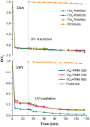
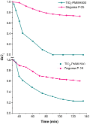
- zeta potential for the samples tested in this work. Elemental analysis of the MM, TiO2-PMM500, and TiO2-PMMН500 samples. Textural characteristics of TiO2-pillared MM samples. Parameters of methyl orange (MO) and rhodamine B (RhB) dye adsorption kinetics for the obtained TiO2-pillared MM samples






Nanoparticle delivery to metastatic breast cancer cells by nanoengineered mesenchymal stem cells
Beilstein J. Nanotechnol. 2018, 9, 321–332, doi:10.3762/bjnano.9.32
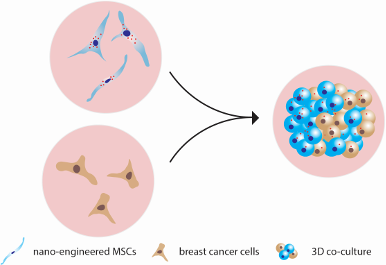
- shell coated with an amphiphilic polymer and functionalised with carboxylate. The QDs have an emission maxima of 655 nm. Xu et al. reported that the hydrodynamic diameter of the nanoparticles is 14.55 ± 4.157 nm and the zeta potential is −35.1 mV [51]. The stock solution was prepared at a concentration



The nanofluidic confinement apparatus: studying confinement-dependent nanoparticle behavior and diffusion
Beilstein J. Nanotechnol. 2018, 9, 301–310, doi:10.3762/bjnano.9.30
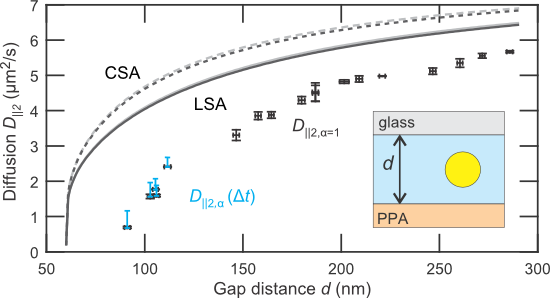
- dispersion was used within a few hours. A pH of 6.8 ± 0.2, a zeta potential of ζ = −58 mV, a specific conductivity of Λ = 11.5 μS cm−1, and hydrodynamic diameter of 2a = 62.1 nm were measured for a 1:150 diluted dispersion using a Malvern Zetasizer. We observed a linear dependency between the conductivity



A comparative study of the nanoscale and macroscale tribological attributes of alumina and stainless steel surfaces immersed in aqueous suspensions of positively or negatively charged nanodiamonds
Beilstein J. Nanotechnol. 2017, 8, 2045–2059, doi:10.3762/bjnano.8.205
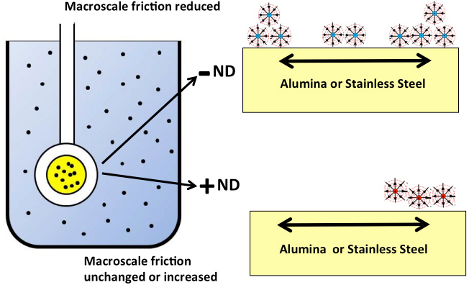
- samples were carboxylated [2][28], (part# ND5nmNH20) and as manufactured have an average particle size of 5 nm and a zeta potential of −50 mV [29]. The +ND samples were hydroxylated in the course of a reduction reaction [28], (part# ND5nmPH20) and, as manufactured, have an average particle size of 5 nm
- and a zeta potential of +45 mV. The suspensions were employed as received from the manufacturer in the form of 1 wt % slurries in DI water, and stored without exposure to light. The suspensions were diluted tenfold by volume in advance of experiments using DI water to yield 0.1 wt % suspensions
- shear. Therefore a custom design of nanolubrication systems by a proper chemical passivation of ND surfaces appears as a promising approach. Hydroxylated NDs bearing a positive zeta potential in aquelus dispersion, produced no significant response in the frequency or resistance behavior of the QCM


Carbon nano-onions as fluorescent on/off modulated nanoprobes for diagnostics
Beilstein J. Nanotechnol. 2017, 8, 1878–1888, doi:10.3762/bjnano.8.188
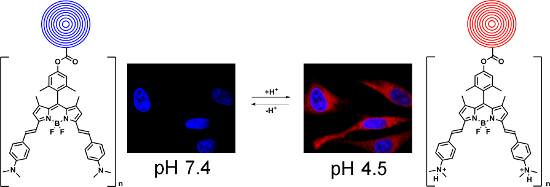
- environment. The oxi-CNOs were found to have an effective hydrodynamic diameter of 274 ± 16 nm, while the fluo-CNOs have an average diameter of 357 ± 32 nm. The zeta potential changed from −45 ± 5 mV for the oxi-CNOs to −35.9 ± 1 mV for the fluo-CNOs, confirming the functionalization of the oxi-CNOs with the
- concentrations of 20, 10 and 5 μg mL−1. Dynamic light scattering and zeta potential measurements DLS measurements were performed on the Malvern Nano-ZS instrument operating in backscattering (173°) mode and analyzed with the Zetasizer software, with automatic selection of the optimal detector position and number
- −1. The CNO samples were sonicated for an additional 20 min and the particle size was measured. Zeta potential measurements were performed on the same apparatus using the disposable zeta potential cuvettes. NMR spectroscopy NMR spectroscopy was performed on a Bruker Avance III 400 MHz system (400.13




Self-assembly of chiral fluorescent nanoparticles based on water-soluble L-tryptophan derivatives of p-tert-butylthiacalix[4]arene
Beilstein J. Nanotechnol. 2017, 8, 1825–1835, doi:10.3762/bjnano.8.184
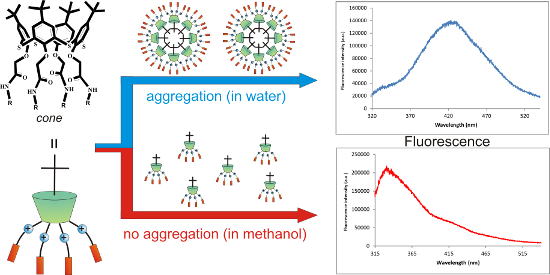
- of the compounds 8–11. The zeta potential is another measure of the stability of colloidal systems. The zeta potential characterizes the degree and nature of the interaction between the particles of the disperse system: the larger the electrokinetic potential, the more stable the colloidal system. A
- low zeta potential determines the tendency of the particles of a colloidal solution to coagulate and flocculate. It has been experimentally established [42] that the critical value of the zeta potential corresponding to the stability threshold of a colloidal system is 30 mV. The zeta potential of the
- thiacalix[4]arene solutions 8–11 was determined at a concentration of 1 × 10⁻⁴ М in water (Table 2, Supporting Information File 1, Figure S21–S24). Large zeta potential values (more than 30 mV) also confirm the high stability of the aggregates of these compounds. For the associates of the compound 11, which



Synthesis and functionalization of NaGdF4:Yb,Er@NaGdF4 core–shell nanoparticles for possible application as multimodal contrast agents
Beilstein J. Nanotechnol. 2017, 8, 1815–1824, doi:10.3762/bjnano.8.183
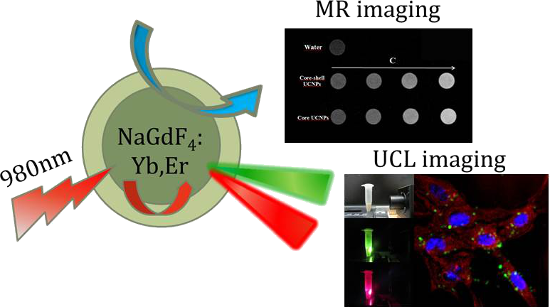
- (Figure 3c), indicating that the Tween 80 was successfully coated onto the UCNPs. Additionally, dynamic light scattering (DLS) was employed to measure the hydrodynamic diameter of Tween-coated UCNPs in the cell culture medium as well as their surface zeta potential. The measured mean hydrodynamic diameter
- of the Tween-coated core NaGdF4:Yb,Er UCNPs was 38 nm and the core–shell NaGdF4:Yb,Er@NaGdF4 particles was 48 nm. The zeta potential of Tween 80-coated core nanoparticles was about 26 mV and for core–shell nanoparticles it was slightly higher at about 33 mV. More detailed information about the DLS
- equations: where ni and Di are the number and diameter of the particle, respectively. Dynamic light scattering (DLS) was used to determine the hydrodynamic particle diameter and zeta potential. These experiments were performed with Brookhaven ZetaPALS zeta potential analyzer (Brookhaven Instruments, USA


Uptake and intracellular accumulation of diamond nanoparticles – a metabolic and cytotoxic study
Beilstein J. Nanotechnol. 2017, 8, 1649–1657, doi:10.3762/bjnano.8.165
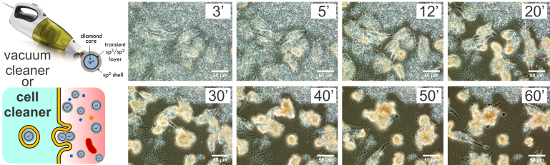
- NDs exhibited rapid penetration into the cells from the beginning of the cultivation period, and also rapid cell congestion and a rapid reduction in viability. These findings are discussed with reference to relevant properties of NDs such as surface chemical bonds, zeta potential and nanoparticle
- influencing the bulk of the NDs (formation of vacancies, and N-V sites supported by high-temperature annealing in vacuum) [39]. This was confirmed by the fact that there was no obvious difference in the FTIR spectra between the MR-18 sample and the AR-40 sample. The zeta potential of MR-type NDs were negative
- , typically in the range of −20 to −40 mV [40][41], comparable with the −37 mV zeta potential value of the AR-40 sample. The stock concentration of AR-40 did not allow us to test the effect of the highest ND concentration (1000 µg/mL, 300 µg/cm2). Next, we compared the influence of surface treatment by


Development of an advanced diagnostic concept for intestinal inflammation: molecular visualisation of nitric oxide in macrophages by functional poly(lactic-co-glycolic acid) microspheres
Beilstein J. Nanotechnol. 2017, 8, 1637–1641, doi:10.3762/bjnano.8.163
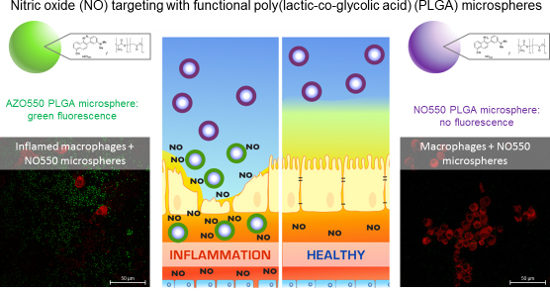
- ) (PLGA). PLGA microspheres loaded with NO550 dye were prepared through a modified solvent-evaporation method. Microparticles were characterized by a mean hydrodynamic diameter of 3000 nm, zeta potential of −26.000 ± 0.351 mV and a PDI of 0.828 ± 0.298. Under abiotic conditions, NO release was triggered
- and reproducible process (for more experimental data please see Section 1 and Section 2 of Supporting Information File 1). The particles showed a mean hydrodynamic diameter of 3000 nm, a zeta potential of −26.000 ± 0.351 mV and a PDI of 0.828 ± 0.298. Furthermore, NO550-loaded microspheres were
- characterised by a slightly more irregular surface with small pores compared to blank microspheres (Figure 1). In contrast, blank microspheres showed a mean hydrodynamic diameter of 3000 nm, a zeta potential of −1.250 ± 0.132 mV and a PDI of 0.253 ± 0.042. The blank microspheres are similarly sized spherical


The effect of the electrical double layer on hydrodynamic lubrication: a non-monotonic trend with increasing zeta potential
Beilstein J. Nanotechnol. 2017, 8, 1515–1522, doi:10.3762/bjnano.8.152
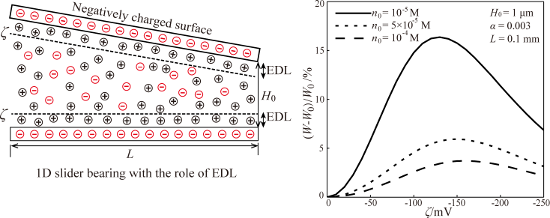
- lubricant under the influence of the EDL shows a non-monotonic trend, changing from enhancement to attenuation with a gradual increase in the absolute value of the zeta potential. This non-monotonic hydrodynamic lubrication is dependent on the non-monotonic electroviscous effect of the lubricant generated
- lubrication; zeta potential; Introduction As one of the oldest techniques in modern engineering, lubrication is widely recognized and has inspired significant scientific interest [1][2][3][4]. The use of a layer of lubricant film, either in solid or fluid state, between frictional pairs can effectively
- the EDL on modifying the conventional Reynolds equation, analyzing the hydrodynamic lubrication. They found that the minimum lubricant film thickness increased with the increasing absolute value of zeta potential (an important parameter of EDL to manifest the surface charge at the solid–liquid


A nanocomplex of C60 fullerene with cisplatin: design, characterization and toxicity
Beilstein J. Nanotechnol. 2017, 8, 1494–1501, doi:10.3762/bjnano.8.149
- wavelength of 633 nm. The measurements were performed at a 173° scattering angle (NIBS technology). The autocorrelation function of the scattered light intensity was analyzed by the Malvern Zetasizer software. The zeta potential was measured with a Zetasizer Nano ZS (Malvern Ins. Ltd) using a universal dip
- cell in disposable cuvettes. The Smoluchowski approximation was used to convert the electrophoretic mobility to the zeta potential. AFM study The surface morphology of the particles was examined using atomic force microscopy (AFM). AFM images were collected using an Integra Spectra microscope (NTMDT
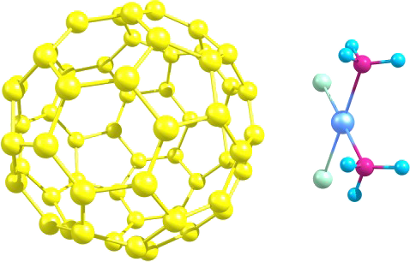
- previous study of C60+Cis complexation [39]. The zeta potential of the C60+Cis mixture measured in this work equals to −16.8 mV at room temperature. It is known from previous studies that C60 fullerene clusters not containing any guest molecules have a zeta potential equal to −23 mV in water solution [41



Development of polycationic amphiphilic cyclodextrin nanoparticles for anticancer drug delivery
Beilstein J. Nanotechnol. 2017, 8, 1457–1468, doi:10.3762/bjnano.8.145
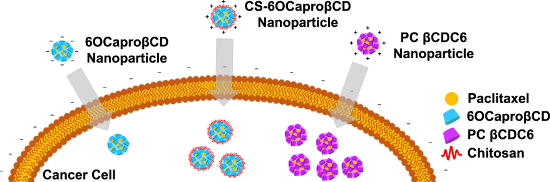
- -formulation studies were used as a basis for selecting the suitable organic solvent and surfactant concentration for the novel polycationic cyclodextrin nanoparticles. The nanoparticles were then extensively characterized with particle size distribution, polydispersity index, zeta potential, drug loading
- PCX not only in the hydrophobic cavity but also between the long cationic aliphatic chains of the cyclodextrin as PCX and CD are co-nanoprecipitated during the preparation method. Table 4 shows the final mean particle size, PDI and zeta potential values of PCX-loaded amphiphilic CD nanoparticles. The
- therapy can be provided with lower drug dose. Zeta potential measurements indicate that 6OCaproβCD has a negative surface charge unlike the other formulations. In this study, PC βCDC6 has a strong positive surface charge owing to polycationic amino groups. This amphiphilic CD derivative was previously


Cationic PEGylated polycaprolactone nanoparticles carrying post-operation docetaxel for glioma treatment
Beilstein J. Nanotechnol. 2017, 8, 1446–1456, doi:10.3762/bjnano.8.144
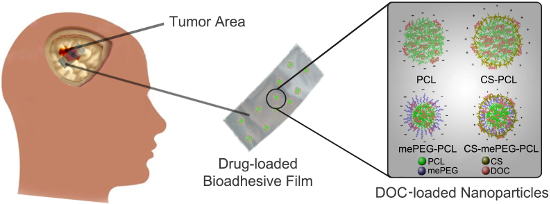
- , the particle size increases in each emulsification step. In addition, double emulsion resulted in a significant difference in the zeta potential of nanoparticles (p < 0.05). The surface charge of blank nanoparticles prepared by double emulsification was closer to neutral charge as compared to those
- formation of an extra surfactant layer and this layer increases the particle size. Besides that, this surfactant layer probably covered the polymer surface and thus the zeta potential of the nanoparticles approached a more neutral value. To render a positive surface charge to blank PCL or mePEG-PCL
- that have a zeta potential value smaller than 30 are more stable and show reduced aggregation [68][69]. In vitro characterization of docetaxel-loaded nanoparticles According to the results of the pre-formulation studies, the final formulation parameters were determined and nanoparticles were prepared




Bright fluorescent silica-nanoparticle probes for high-resolution STED and confocal microscopy
Beilstein J. Nanotechnol. 2017, 8, 1283–1296, doi:10.3762/bjnano.8.130
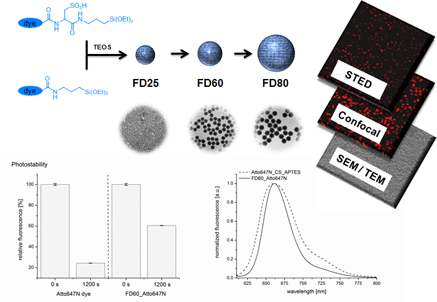
- software ImageJ (Version: 1.45a; http://rsbweb.nih.gov/ij/). In brief, after background subtraction and adjustment of brightness and contrast the SEM or TEM images were converted to 8-bit binary images. Particle size diameter and shape were counted automatically. Zeta-potential measurements: The ζ


Evaluation of quantum dot conjugated antibodies for immunofluorescent labelling of cellular targets
Beilstein J. Nanotechnol. 2017, 8, 1238–1249, doi:10.3762/bjnano.8.125
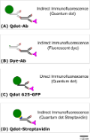
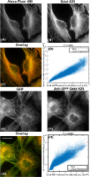
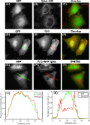
- protein adsorption and thus the formation of a protein corona [38]. Qdots with a zwitterionic surface have a zeta potential of near zero, are resistant to non-specific binding onto cells, and have a high colloidal stability [39]. Commercially available Qdot-Abs evaluated in this report were used in fixed




Nano-engineered skin mesenchymal stem cells: potential vehicles for tumour-targeted quantum-dot delivery
Beilstein J. Nanotechnol. 2017, 8, 1218–1230, doi:10.3762/bjnano.8.123
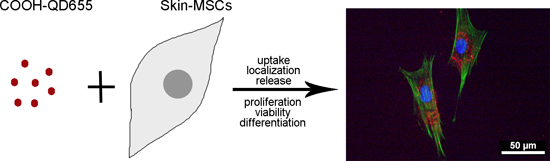
- Thermo Fisher Scientific, USA. QDs are composed of a CdSe core with a ZnS shell that are coated with amphiphilic polymers and functionalized with carboxylate. The QDs have an emission maximum at 655 nm. Xu et al. measured the hydrodynamic diameter of the nanoparticles to be 14.55 ± 4.157 nm and a zeta
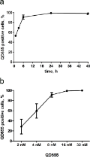
- potential of −35.1 mV [60]. The stock solution is 8 µM in 50 mM borate, pH 9.0. Further preparations of the QD solution are described in each methodological part separately. QD uptake dynamics using flow cytometry To estimate the optimal QD concentration for uptake experiments, MSCs were seeded at a density





ZnO nanoparticles sensitized by CuInZnxS2+x quantum dots as highly efficient solar light driven photocatalysts
Beilstein J. Nanotechnol. 2017, 8, 1080–1093, doi:10.3762/bjnano.8.110
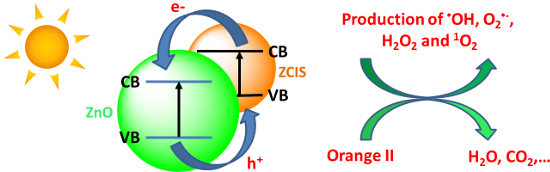
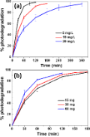
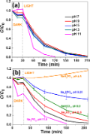
- peak fitting procedures and the areas of each component were modified according to classical Scofield sensitivity factors. The initial and final total organic carbon (TOC) content was determined using a Shimadzu TOC-VCSH analyzer to evaluate the degree of photomineralization. The zeta potential (ζ) of
- -equilibrated and N2-purged aqueous solutions. Supporting Information File 68: Additional figures. Acknowledgements This work is supported by the Agence Nationale pour la Recherche (ANR CD2I 2013, project PRUMOS). The authors thank Dr. Khalid Ferji (LCPM, Université de Lorraine) for the zeta potential




Needs and challenges for assessing the environmental impacts of engineered nanomaterials (ENMs)
Beilstein J. Nanotechnol. 2017, 8, 989–1014, doi:10.3762/bjnano.8.101


Selective detection of Mg2+ ions via enhanced fluorescence emission using Au–DNA nanocomposites
Beilstein J. Nanotechnol. 2017, 8, 762–771, doi:10.3762/bjnano.8.79
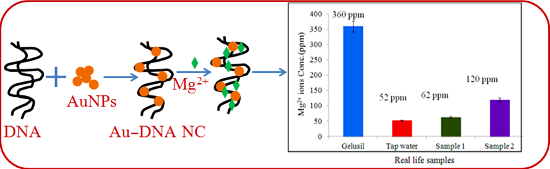
- from the observed changes in the optical absorption, plasmon band, zeta potential, DLS particle size distribution, as well as TEM and AFM surface morphology analysis. Circular dichroism studies also revealed that DNA-functionalized AuNP binding caused a conformational change in the DNA structure. Due
- propionic acid (MPA). The synthesized AuNSs had a CTAB coating and were positively charged in nature. The values obtained for the zeta potential, conductance and mobility are summarized in Supporting Information File 1, Table S2. In Figure 7, the zeta potential is given before binding with DNA for bare
- AuNSs and AuNRs to be +22.8 mV and +26.16 mV, respectively. However, zeta potential of DNA was −16.84 mV and upon binding with AuNSs and AuNRs changed to +16.67 mV and +10.40 mV, respectively. It was observed that after DNA–AuNP binding, the resultant electronic charge of the Au–DNA nanocomposite is




α-((4-Cyanobenzoyl)oxy)-ω-methyl poly(ethylene glycol): a new stabilizer for silver nanoparticles
Beilstein J. Nanotechnol. 2017, 8, 627–635, doi:10.3762/bjnano.8.67
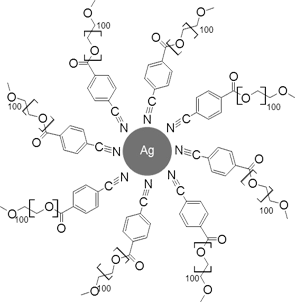
- function of the pH value both for the free stabilizer and for the polymers bound to the surface of the silver nanoparticles using 1H NMR spectroscopy and zeta potential measurements. The polymer shows a high stability between pH 3 and 9. At pH 12 and higher the polymer coating is degraded over time
- removed from the heating bath for DLS and zeta-potential measurements. Analytical methods Gel permeation chromatography. GPC measurements were done on two 300 × 8 mm2 PSS-GRAM (7 µm particles) columns with porosities of 102–103 Å in N-methyl-2-pyrrolidone (NMP + 0.5 wt % LiBr at 70 °C and a flow rate of
- synthesis, that is, no dilution or other sample processing was performed prior to Raman analysis. NMR spectroscopy. 1H NMR spectra were recorded on a Bruker Avance 300 MHz or 500 MHz spectrometer in D2O with TMS as an internal standard. Light scattering and zeta potential. The hydrodynamic diameter Rh and


Uptake of the proteins HTRA1 and HTRA2 by cells mediated by calcium phosphate nanoparticles
Beilstein J. Nanotechnol. 2017, 8, 381–393, doi:10.3762/bjnano.8.40
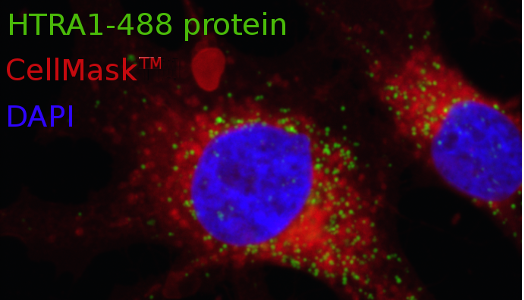
- temperature. Analytical methods Dynamic light scattering (DLS) and zeta potential determinations were performed with a Zetasizer Nano series instrument (Malvern Nano-ZS, laser: λ = 532 nm) using the Smoluchowski approximation and taking the data from the Malvern software without further correction. The
- (Table 2). All nanoparticles had a hydrodynamic diameter between 250 and 350 nm. The zeta potential reflects the corresponding charge of the polyelectrolyte polymer used for the stabilization (CMC: negative charge, PEI: positive charge) that indicates the colloidal stability of the nanoparticles in


Comparison of four methods for the biofunctionalization of gold nanorods by the introduction of sulfhydryl groups to antibodies
Beilstein J. Nanotechnol. 2017, 8, 372–380, doi:10.3762/bjnano.8.39
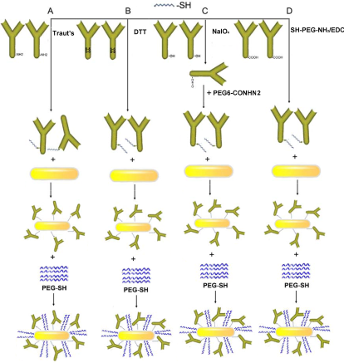
- treatment induced a 5 nm red shift after the binding of anti-IgG. Moreover, the nanorods showed no aggregation as can be deduced from the lack of peak broadening and alteration of the spectra for all samples. Table S1 (Supporting Information File 1) presents a summary of the change in the zeta potential of
- the GNR surfaces after binding of anti-IgG. The four modified anti-IgG all induced a decrease in zeta potential after conjugation. This is consistent with previously reported observations that GNR surface potentials decrease after bioconjugation from highly positive surface charges packed with CTAB, a


Nanoscale isoindigo-carriers: self-assembly and tunable properties
Beilstein J. Nanotechnol. 2017, 8, 313–324, doi:10.3762/bjnano.8.34
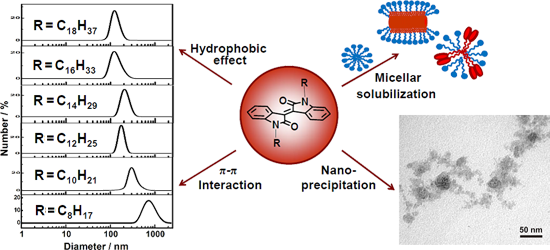
- only little with increasing concentration (Table S2, Supporting Information File 1). The zeta potential of 2h particles is about −30 ± 1 mV (Figure S5, Supporting Information File 1). The increase in temperature up to 50 °С is shown to result in the breaking of the particles of the short-chain
- about 1 and about 200 nm in diameter (Figure 6b). The former most likely correspond to SDS micelles, while the latter represent mixed structures of SDS and the isoindigo derivative. In the SDS–2a system an increase in zeta potential is observed (Figure 6c). According to our results and literature data
- [77][78], the zeta potential of SDS micelles is about −70 mV, while the mixed aggregates of SDS and 2a have a zeta potential of about −110 mV. In the case of compound 3, there is a decrease in the zeta potential of SDS micelles by ca. 20 mV. Most probably, 2a molecules are incorporated and dissolved




Template-controlled piezoactivity of ZnO thin films grown via a bioinspired approach
Beilstein J. Nanotechnol. 2017, 8, 296–303, doi:10.3762/bjnano.8.32
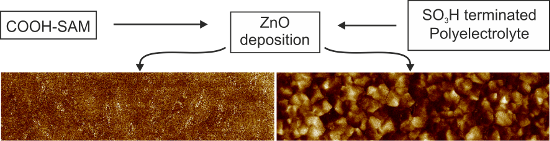
- zeta potential of SAMs with COOH- and SO3H-functional groups in dependence on the pH [40]. They found that the sulfonate SAM is more negatively charged (−115 mV) compared to the carboxylate one (−75 mV) at a pH of 9, which corresponds to the pH of the mineralization solution used in this study. This
- ions as can be seen from the pKa values reported by Rived et al. [43]. Therefore, it is probable that the surface charge of the used templates is lower in methanol than it could be expected from zeta potential measurements in water. Nevertheless, the polarity of the two templates is high enough to





