Search results
Search for "copper" in Full Text gives 577 result(s) in Beilstein Journal of Nanotechnology. Showing first 200.
Gas sorption porosimetry for the evaluation of hard carbons as anodes for Li- and Na-ion batteries
Beilstein J. Nanotechnol. 2020, 11, 1217–1229, doi:10.3762/bjnano.11.106
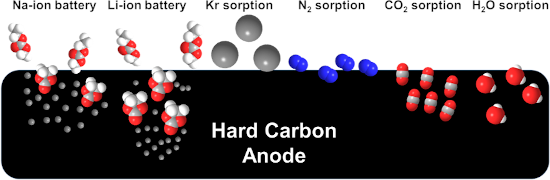
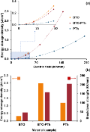
- %) in N-methyl-2-pyrrolidinone (NMP, Sigma-Aldrich, Germany) for 10 min at 2000 rpm using a planetary centrifugal mixer (ARV-310, Thinky, Japan), such that the resulting slurry had a solid content of 0.8 mg mL−1. The viscous slurry was coated on a copper foil current collector with a thickness of 10 μm


High permittivity, breakdown strength, and energy storage density of polythiophene-encapsulated BaTiO3 nanoparticles
Beilstein J. Nanotechnol. 2020, 11, 1190–1197, doi:10.3762/bjnano.11.103
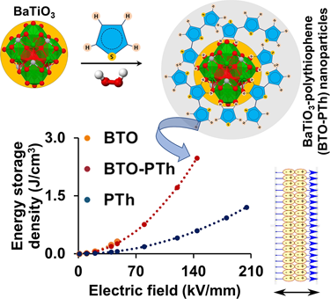
- , hydrogen peroxide (H2O2, solution 30% w/w, Scharlab, S.L.) and copper(II) sulfate pentahydrate (CuSO4·5H2O, reagent grade, ≥98.0%, Honeywell) solution are added to the BTO-Th mixture. The reaction is performed by stirring the mixture for 7 h at 50 °C. The product is washed with double-distilled water and




Revealing the local crystallinity of single silicon core–shell nanowires using tip-enhanced Raman spectroscopy
Beilstein J. Nanotechnol. 2020, 11, 1147–1156, doi:10.3762/bjnano.11.99
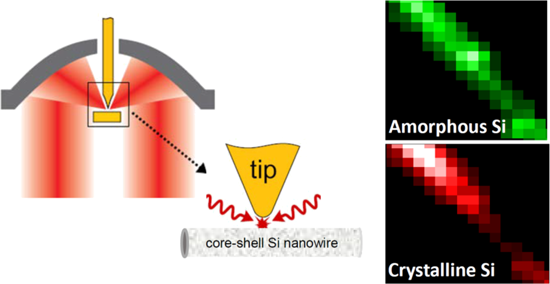
- original growth substrate by ultra-sonicating the growth substrate in purified water. For Raman and TERS investigations, nanowires are deposited on gold-coated silicon wafers as carrier substrates. For transmission electron microscopy (TEM), nanowires are deposited on copper TEM grids with lacey carbon


Photothermally active nanoparticles as a promising tool for eliminating bacteria and biofilms
Beilstein J. Nanotechnol. 2020, 11, 1134–1146, doi:10.3762/bjnano.11.98
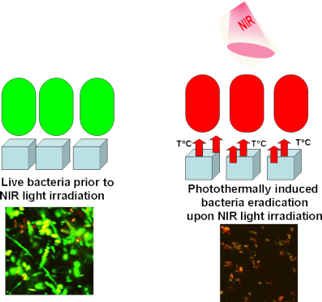
- S. aureus and E. coli. In a recent study, poly(5-(2-ethyl acrylate)-4-methylthiazole-g-butyl)/copper sulfide nanoclusters were prepared to efficiently capture and eliminate levofloxacin-resistant Gram-negative and Gram-positive bacteria upon NIR laser irradiation [83]. The authors demonstrated that
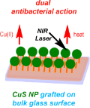
- , published in 2020, involved the synthesis of CuS nanoparticle monolayers on glass [85]. As shown in Figure 6, the antibacterial activity of these monolayers is based on two different mechanisms: (i) slow and sustained copper release from the CuS NP-glass samples, (ii) local temperature increase caused by a
- , such as silver or copper sulfide, they acquire a dual effect as shown for the copper sulfide nanoparticle case. Another example is carbon nanotubes which can damage bacterial membranes without the application of NIR light exposure [109]. However, the nanoparticle stability should always be verified


Gram-scale synthesis of splat-shaped Ag–TiO2 nanocomposites for enhanced antimicrobial properties
Beilstein J. Nanotechnol. 2020, 11, 1119–1125, doi:10.3762/bjnano.11.96
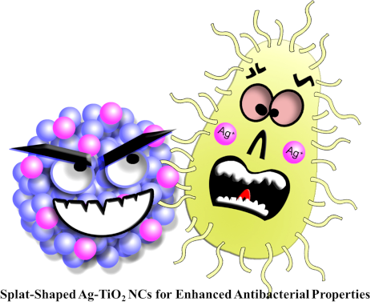
- , silver (Ag), zinc oxide (ZnO), copper oxide (CuO), iron oxide (Fe3O4) and titanium oxide (TiO2) are well recognized options due to their outstanding antibacterial properties. These nanoparticles have antibacterial activity due to the production of reactive oxygen species (ROS) [9][10][11]; more


Straightforward synthesis of gold nanoparticles by adding water to an engineered small dendrimer
Beilstein J. Nanotechnol. 2020, 11, 1110–1118, doi:10.3762/bjnano.11.95
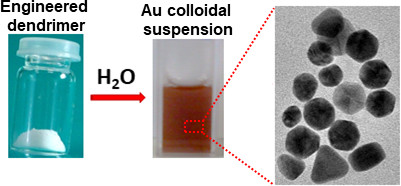
- and e) and 5 nm (d). EDX spectra (a) for the gold nanoparticles and (b) for the background. The copper comes from the grid used during the experiments. Numbering used for the NMR assignment. Comparison of the 31P {1H} NMR data for all the generated compounds. Supporting Information The supporting


Microwave-induced electric discharges on metal particles for the synthesis of inorganic nanomaterials under solvent-free conditions
Beilstein J. Nanotechnol. 2020, 11, 1019–1025, doi:10.3762/bjnano.11.86
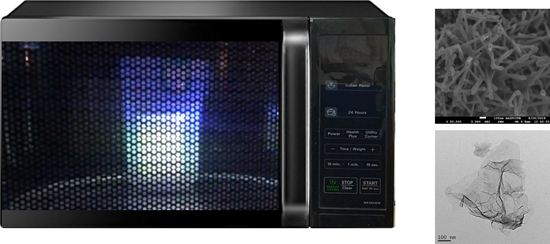
- treatment is essential before using metal particles in further microwave arc experiments. All metal powders were treated with 0.5 M nitric acid under sonication for 10 min to create rough surfaces. In this process, copper partially gets oxidized to Cu2O. The X-ray diffraction (XRD) patterns show reflections
- of Cu2O after acid treatment, while the majority of Cu remains in the metallic form (Figure 1a). Scanning electron microscopy (SEM) images of copper powder before and after acid treatment are shown in Figure 1b and Figure 1c, respectively. The SEM image clearly shows the sharp edges on acid-treated
- copper. Graphitic carbon nitride (g-C3N4) or graphite powder (commercially available) are used as carbon source. g-C3N4 is synthesized and characterized according to [18]. X-ray diffraction (XRD) and X-ray photoelectron spectroscopy (XPS) confirms the formation of g-C3N4 (Figure S1 in Supporting


Gas-sensing features of nanostructured tellurium thin films
Beilstein J. Nanotechnol. 2020, 11, 1010–1018, doi:10.3762/bjnano.11.85
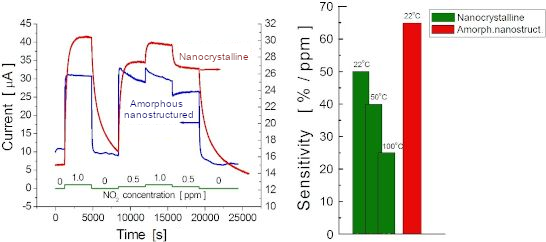
- , identified in our preliminary works as ohmics [25][26], which form electrically transparent contacts with Te. The gold or copper wires were then attached to the electrodes with a silver paste. Figure 1A shows the surface morphology of a Te film grown on a Pyrex glass substrate at a rate of 10 nm/s. As shown


Uniform Fe3O4/Gd2O3-DHCA nanocubes for dual-mode magnetic resonance imaging
Beilstein J. Nanotechnol. 2020, 11, 1000–1009, doi:10.3762/bjnano.11.84
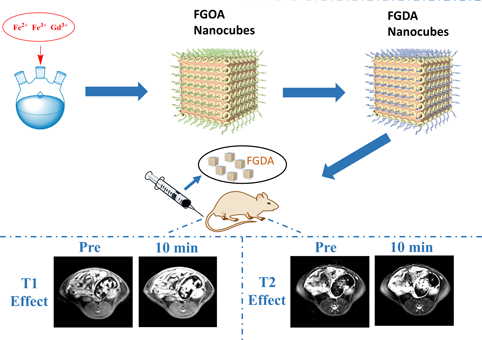
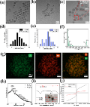
- spectroscopy (EDS) was performed. The EDS spectrum shows that iron, gadolinium and oxygen were the main elements present in the nanocubes. No other impurity elements can be detected except carbon element, which contributes from carbon film on copper mesh used in the EDS experiments. EDS mapping indicates that
- analyze the distribution of the elements within the samples. The samples were ultrasonically homogenized for 30 minutes and an 8 μL aliquot was collected in a copper mesh and kept at 55 °C for 2 h. After drying, the samples were placed in the HRTEM for imaging. X-ray diffraction (XRD, UltimalV, Japan; Cu



Templating effect of single-layer graphene supported by an insulating substrate on the molecular orientation of lead phthalocyanine
Beilstein J. Nanotechnol. 2020, 11, 814–820, doi:10.3762/bjnano.11.66
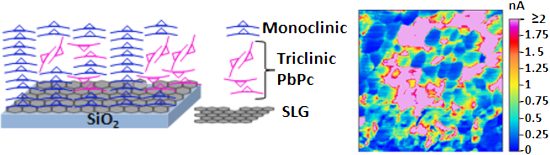
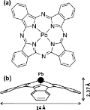
- . Single-layer graphene was synthesized by chemical vapor deposition (CVD) on a copper substrate and transferred by a standard technique using poly(methyl methacrylate) (PMMA) onto a SiO2 (300 nm)/Si substrate as reported elsewhere [30]. This process is optimized with regard to minimal PMMA contamination


Nickel nanoparticles supported on a covalent triazine framework as electrocatalyst for oxygen evolution reaction and oxygen reduction reactions
Beilstein J. Nanotechnol. 2020, 11, 770–781, doi:10.3762/bjnano.11.62
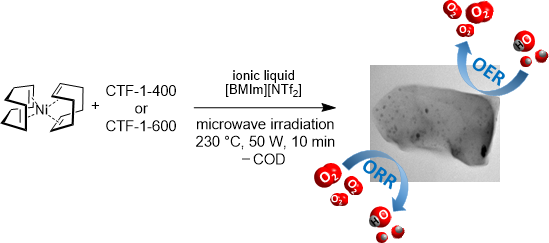
- electron microscope with a LaB6 cathode at 5–20 keV and a Bruker Xflash 410 silicon drift detector for energy-dispersive X-ray spectrometric (EDX) elemental composition analysis. M/CTF-IL suspension samples for transmission electron microscopy (TEM) were dripped on a carbon-coated copper grid and excess IL


Hexagonal boron nitride: a review of the emerging material platform for single-photon sources and the spin–photon interface
Beilstein J. Nanotechnol. 2020, 11, 740–769, doi:10.3762/bjnano.11.61
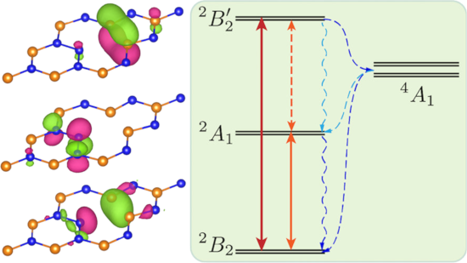
- density of emitters. Such methods based on high-temperature annealing in air and ultraviolet ozone processing are effectively used to improve SP purity (g(2)(0) ≤ 0.1) and the linewidth (FWHM room temperature of ≈3 nm) of the ZPL of CVD-grown h-BN [108]. By control of the boron diffusion through copper
- grown on copper, nickel and iron substrates, with a high density of SPEs of ≈100−200 per 10 × 10 µm2 with more defined ZPLs at (580 ± 10) nm. The most promising approaches seem to be the strain-induced methods and the focused ion beam method, possibly combined with low-pressure CVD for more controlled




Structural optical and electrical properties of a transparent conductive ITO/Al–Ag/ITO multilayer contact
Beilstein J. Nanotechnol. 2020, 11, 695–702, doi:10.3762/bjnano.11.57
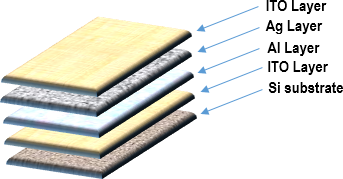
- works of Roh et al. [30] and Ding et al. [39] who used aluminum/palladium and copper interlayers, respectively. Carrier concentration and mobility of the IAAI films are higher than those of the ITO films. The IAAI carrier concentration increased from 6.2 × 10⁻²¹ to 8.9 × 10⁻²¹ cm−3 after annealing


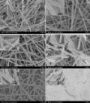
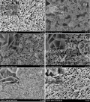
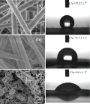
Preparation, characterization and photocatalytic performance of heterostructured CuO–ZnO-loaded composite nanofiber membranes
Beilstein J. Nanotechnol. 2020, 11, 631–650, doi:10.3762/bjnano.11.50
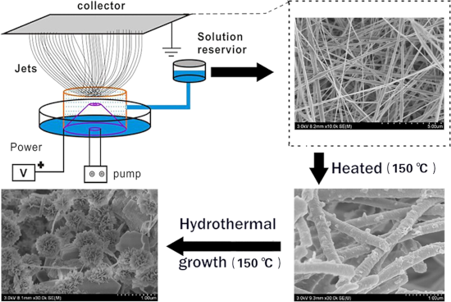
- methyl orange. Experimental Materials Anhydrous copper acetate (Cu(Ac)2, Mw = 199.65 g/mol) and anhydrous zinc acetate (Zn(Ac)2, Mw = 183.48 g/mol) were supplied by Shanghai Macklin Biochemical Co., Ltd. and Aladdin industrial Corporation (Shanghai, China), respectively. Polyacrylonitrile (PAN, Mw
- = 150,000 g/mol) powders were purchased from Beijing Lark Branch Co., Ltd. (Beijing, China). Polyvinylidene fluoride (PVDF, Mw = 400,000 g/mol) and N,N-dimethylformamide (DMF) were provided from Shanghai Chemical Reagent Co., Ltd. (Shanghai, China). Anhydrous copper sulfate (CuSO4, Mw = 159.60 g/mol), zinc
- ammonium ions will be released, and copper ions and zinc ions will form [Cu(NH3)4]2+ and [Zn(NH3)4]2+, respectively. Finally, Cu(OH)2 and Zn(OH)2 are formed under alkaline conditions after the addition of NH3·H2O. At a certain temperature and pressure, the water evaporate, and CuO and ZnO nanocrystals will











Luminescent gold nanoclusters for bioimaging applications
Beilstein J. Nanotechnol. 2020, 11, 533–546, doi:10.3762/bjnano.11.42
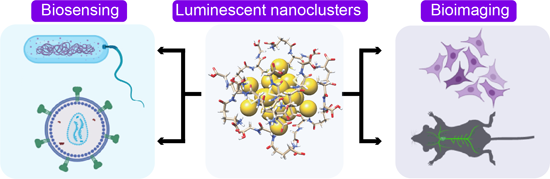
- ], copyright 2010 The Royal Society of Chemistry. Figure panels 7D and 7F–H are reused, and panel 7E is adapted with permission from [99], copyright 2018 The Royal Society of Chemistry. A) Principle of Aβ/copper and ascorbate- or Fe(II)-catalyzed formation of AuNCs. B) Illustration of fluorescence biomarking


Multilayer capsules made of weak polyelectrolytes: a review on the preparation, functionalization and applications in drug delivery
Beilstein J. Nanotechnol. 2020, 11, 508–532, doi:10.3762/bjnano.11.41
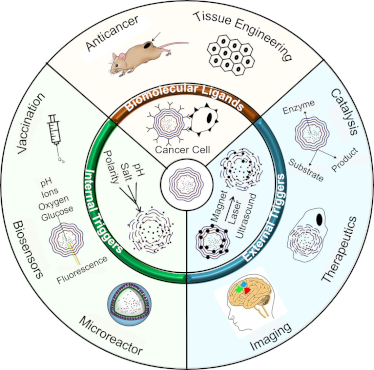
- capsules. The PAA/poly(acrylamide) (PAAm) capsules were chemically cross-linked by water soluble 1-ethyl-3-(3-dimethylaminopropyl) carbodiimide (EDC), rendering them high stability in vitro [52]. In another work, copper ions were used to form a complex with carboxylic groups of PAA, facilitating the
- have excellent physicochemical properties and are highly stable towards hydrolysis, oxidation and reduction. The different types of click reactions are as follows. First, a copper-catalyzed alkyne-azide cycloaddition (CuAAC) reaction of an azide with an alkyne catalyzed by copper is reported to form a
- stable triazole ring between the successive layers of the LbL assembly. Second, a strain-promoted Cu-free alkyne-azide cycloaddition (SPAAC) uses strained alkynes for reaction with azide, thereby ruling out the issues with toxic copper. A third type of click reaction, the Diels–Alder cycloaddition (DAC



Preparation and in vivo evaluation of glyco-gold nanoparticles carrying synthetic mycobacterial hexaarabinofuranoside
Beilstein J. Nanotechnol. 2020, 11, 480–493, doi:10.3762/bjnano.11.39
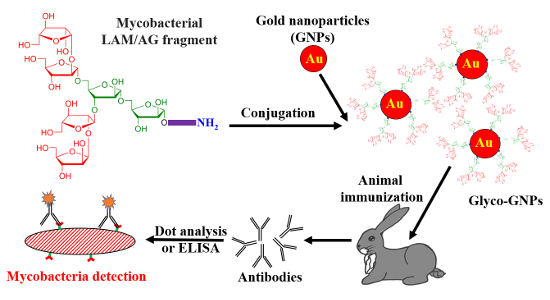
- Institute of Biochemistry and Physiology of Plants and Microorganisms of the Russian Academy of Sciences (IBPPM RAS). Approximately 20 μL of glyco-GNPs suspension was applied to a film (Parafilm, USA) and a formvar-coated copper grid (200 mesh) was placed on the drop for 20 min. Thermal attachment was
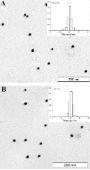


Nanoparticles based on the zwitterionic pillar[5]arene and Ag+: synthesis, self-assembly and cytotoxicity in the human lung cancer cell line A549
Beilstein J. Nanotechnol. 2020, 11, 421–431, doi:10.3762/bjnano.11.33
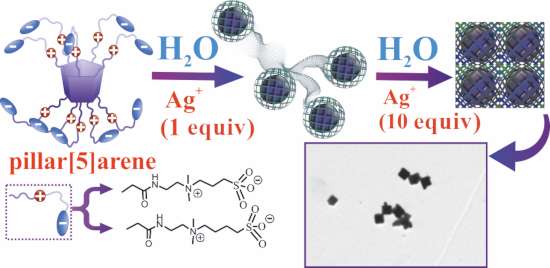
- detector. For the sample preparation, 10 μL of the suspension was placed on the Formvar™/carbon coated 3 mm copper grid, which was then dried at room temperature. After complete drying, the grid was placed into the transmission electron microscope using a special holder for microanalysis. The analysis was





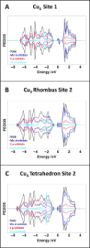
DFT calculations of the structure and stability of copper clusters on MoS2
Beilstein J. Nanotechnol. 2020, 11, 391–406, doi:10.3762/bjnano.11.30
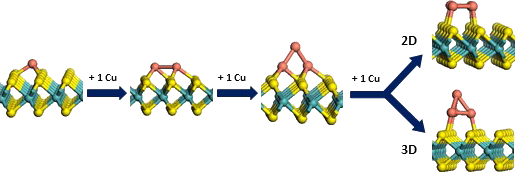
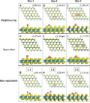
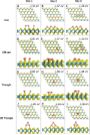
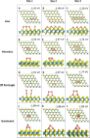
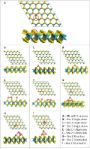
- adsorb atop the S atoms. Stability is driven by the number of Cu–Cu interactions and the distance between adsorption sites, with no obvious preference towards 2D or 3D structures. The introduction of a single S vacancy in the monolayer enhances the copper binding energy, although some Cun nanoclusters
- character of Cu nanoclusters is preserved. Keywords: copper (Cu); density functional theory (DFT); 2D materials; molybdenum disulfide (MoS2); thin film nucleation; Introduction Since the successful exfoliation of monolayers of graphene by Novoselov et al., 2D materials have gained a large interest in a
- variety of research areas [1]. These include catalysis [2][3], photonics [4][5], batteries [6], sensors [7][8] and semiconductors and electronics [9][10][11]. More recently, 2D materials have been explored as copper diffusion barriers in CMOS interconnect structures [12][13][14][15]. Furthermore, to

Brome mosaic virus-like particles as siRNA nanocarriers for biomedical purposes
Beilstein J. Nanotechnol. 2020, 11, 372–382, doi:10.3762/bjnano.11.28
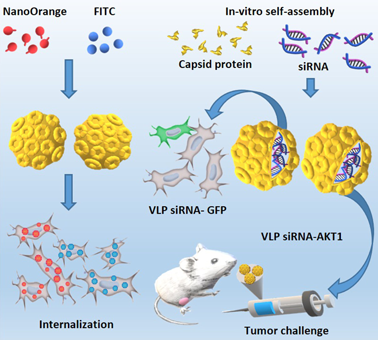
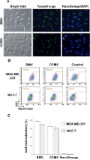
- morphology of the VLP-siRNA was evaluated by transmission electron microscopy. Copper grids (400 mesh, Ted Pella) were used, in which 6 μL of the sample was placed at a concentration of 0.1 μg/μL and after two minutes the liquid excess was removed by using Whatman No. 2 filter paper. Negative contrast was


Poly(1-vinylimidazole) polyplexes as novel therapeutic gene carriers for lung cancer therapy
Beilstein J. Nanotechnol. 2020, 11, 354–369, doi:10.3762/bjnano.11.26
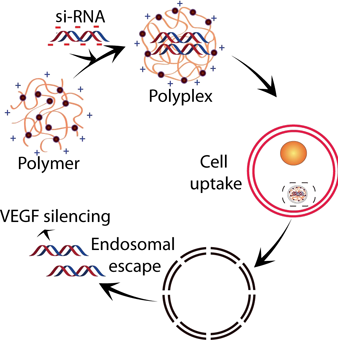
- -emission scanning electron microscope (JSM6701F, JEOL, Japan). For transmission electron microscopy, 1 mL of the polyplex was deposited on 400 mesh copper grids (Canemco-Marivac, Canada) and air-dried for 10 min. The excess sample was removed by blotting using a filter paper. The grids were washed using


An advanced structural characterization of templated meso-macroporous carbon monoliths by small- and wide-angle scattering techniques
Beilstein J. Nanotechnol. 2020, 11, 310–322, doi:10.3762/bjnano.11.23
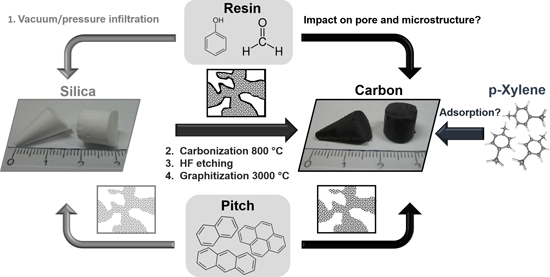
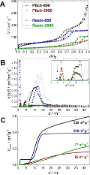
- measurements required for proper data reduction were performed (empty cell, water, Cd aperture). All samples were measured in DEGAS copper cells, exhibiting a sample volume of 0.2545 cm3, at 286 K in vacuum (empty) or filled with deuterated p-xylene (DPX, C8D10) atmosphere (p0 = 5.7 mbar). The obtained raw




Facile biogenic fabrication of hydroxyapatite nanorods using cuttlefish bone and their bactericidal and biocompatibility study
Beilstein J. Nanotechnol. 2020, 11, 285–295, doi:10.3762/bjnano.11.21
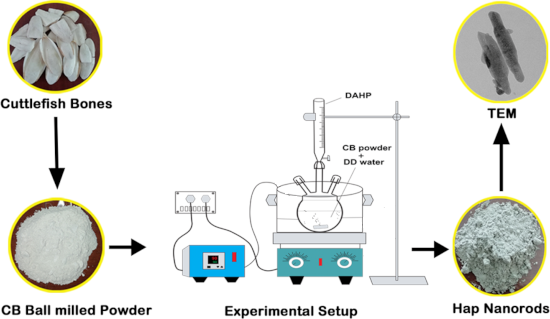
- attenuated total reflectance (ATR) mode. Transmission electron microscopy and energy dispersive X-ray analysis (EDX) TEM micrographs of CB Hap NRs were obtained using TEM (model JEOL, Japan) at an operation voltage of 200 kV. A sufficient quantity of CB-Hap NR powder was placed on the carbon-coated copper


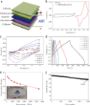
High-performance asymmetric supercapacitor made of NiMoO4 nanorods@Co3O4 on a cellulose-based carbon aerogel
Beilstein J. Nanotechnol. 2020, 11, 240–251, doi:10.3762/bjnano.11.18
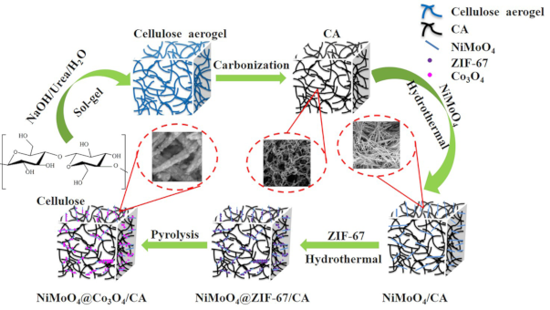
- but also provide 3D pathways for fast electrolyte ion diffusion and electron transport. To date, Ni foam [27], copper grid [28] and titanium mesh [29] have been mostly selected as collectors, whereas the high cost of these materials limited their practical application. Carbon aerogel (CA) has been





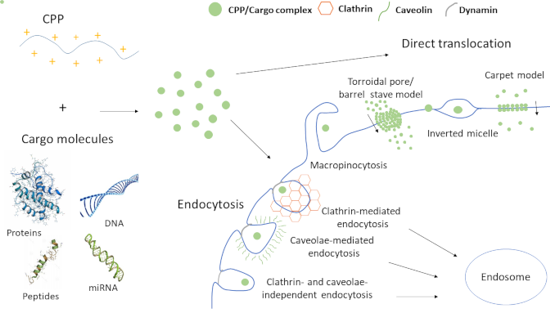
Internalization mechanisms of cell-penetrating peptides
Beilstein J. Nanotechnol. 2020, 11, 101–123, doi:10.3762/bjnano.11.10