


Search results
Search for "morphology" in Full Text gives 1296 result(s) in Beilstein Journal of Nanotechnology. Showing first 200.
Simultaneous electrochemical determination of uric acid and hypoxanthine at a TiO2/graphene quantum dot-modified electrode
Beilstein J. Nanotechnol. 2024, 15, 719–732, doi:10.3762/bjnano.15.60
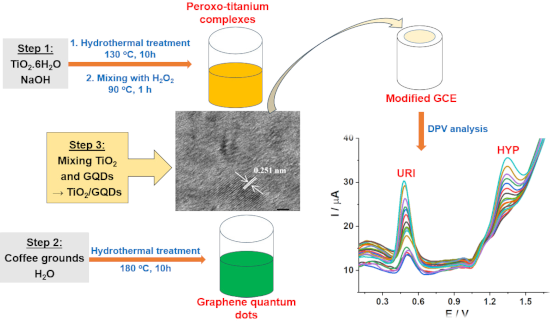
- , titanium alkoxides and halides are extensively used as precursors [20][21]. Because of their high reactivity, a complicate control over the reaction conditions is critical to achieve the desired crystalline structures and morphology [22]. Recently, a synthesis using stable water-soluble titanium complexes
- 1357 and 1593 cm−1, respectively, in the TiO2/GQDs spectrum. The difference in ID/IG ratio, 0.94 for GQDs and 0.71 for TiO2/GQDs, may be due to the interaction between TiO2 and GQDs. Figure 3 presents TEM observations of the obtained materials. The morphology of TiO2 shows agglomerates of around 50–80


Elastic modulus of β-Ga2O3 nanowires measured by resonance and three-point bending techniques
Beilstein J. Nanotechnol. 2024, 15, 704–712, doi:10.3762/bjnano.15.58
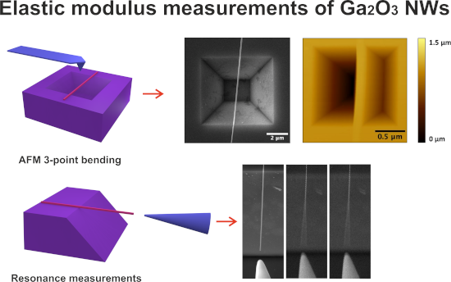
- the length and width of NWs for three-point bending were measured in SEM, the heights were taken from the topography data obtained by AFM in the adhered parts of the NW at each end. In Figure 5a, an SEM image captures the morphology of a Ga2O3 NW positioned over an inverted pyramid structure. Notably
- °C. Characterisation The morphology of as-grown NWs was examined using SEM (Helios 5 UX DualBeam). The measurements were carried out at an acceleration voltage of 5 keV and a beam current of 25 pA. Transmission electron microscopy (Tecnai GF20, FEI) at an accelerating voltage of 200 kV provided


Gold nanomakura: nanoarchitectonics and their photothermal response in association with carrageenan hydrogels
Beilstein J. Nanotechnol. 2024, 15, 678–693, doi:10.3762/bjnano.15.56

- analysis at 670, 650, and 630 nm in CTAB-AuNM, MTAB-AuNM, and DTAB-AuNM, respectively. Furthermore, the impact of morphology and surrounding milieu of the synthesized nanomakuras on photothermal conversion is investigated owing to their retention of plasmonic stability. Interestingly, we found that
- purposes. Also, gold nanoparticles possess an intrinsic capacity to liberate heat upon irradiation of NIR/IR lasers making them a suitable candidate for photothermal therapy (PTT). Previous studies reported morphology-dependent heat liberation in gold nanoparticles where anisotropic particles (gold
- examined the effect of different carbon tail lengths of these surfactants in determining nanoparticle morphology (aspect ratio) and photothermal response. The growth solution used was kept uniform in case of all three surfactants to establish the specific effect of carbon tail length on the respective






Functional fibrillar interfaces: Biological hair as inspiration across scales
Beilstein J. Nanotechnol. 2024, 15, 664–677, doi:10.3762/bjnano.15.55
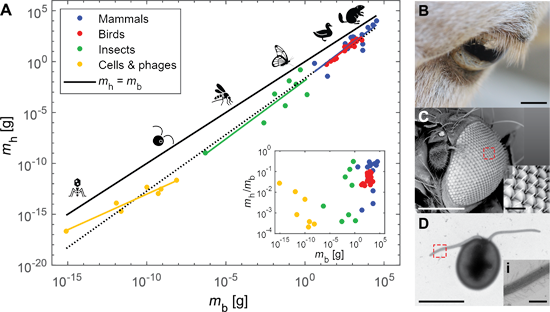
- morphology, including shape and packing density, differ from terrestrial mammals in order to maintain a trapped air layer within the arrays of hair when submerged in water [30]. Hairs of aquatic animals have been found to be flatter, shorter, and packed in higher densities. Additionally, mammals that also
- still made of the protein complex keratin. Plants also make use of fibrillar structures to provide defense against predators. These structures are known as trichomes and vary in morphology and density. While trichomes may also secrete chemicals to warn predators, they can impale insects and their larvae
- when they have a hooked morphology or even sting herbivores [55]. It has been observed that plants with higher densities of trichomes suffer less from insect herbivory. Also, there is a reduced incidence of internal egg laying by insects with ovipositors [55]. Locomotion and feeding While hairs can


Exfoliation of titanium nitride using a non-thermal plasma process
Beilstein J. Nanotechnol. 2024, 15, 631–637, doi:10.3762/bjnano.15.53
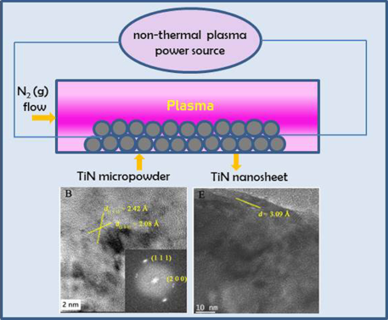
- cellulose acetate membrane with 200 nm pores. The process was concluded by drying to obtain the TiN nanosheets. The flowchart of the synthesis procedure is shown in Figure 1. The morphology of the exfoliated material was investigated by transmission electron microscopy (TEM) with a Jeol JEM-2100 electron
- -thermal plasma exfoliation process starting from micrometer-sized TiN powder. The resulting product exhibited a plate-like thin film morphology with an enlarged d-spacing of the (200) crystallographic planes and a relaxation of the Raman vibrational modes. While the cubic structure and chemical



Comparative analysis of the ultrastructure and adhesive secretion pathways of different smooth attachment pads of the stick insect Medauroidea extradentata (Phasmatodea)
Beilstein J. Nanotechnol. 2024, 15, 612–630, doi:10.3762/bjnano.15.52
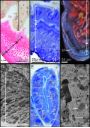
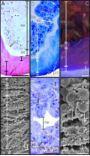
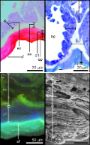
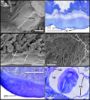
- Julian Thomas Stanislav N. Gorb Thies H. Buscher Functional Morphology and Biomechanics, Institute of Zoology, Kiel University, Am Botanischen Garten 9, 24118 Kiel, Germany 10.3762/bjnano.15.52 Abstract The mechanism by which insects achieve attachment and locomotion across diverse substrates has
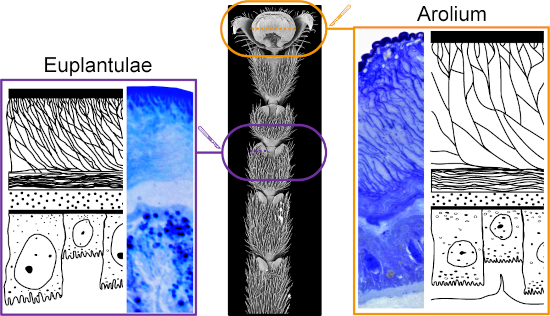
- long intrigued scientists, prompting extensive research on the functional morphology of attachment pads. In stick insects, attachment and locomotion are facilitated by two distinct types of smooth cuticular attachment pads: the primary adhesion force-generating arolium and the friction force-generating
- euplantulae. They are both supported by an adhesive secretion delivered into the interspace between the attachment pads and the substrate. In this study, we analysed and compared internal morphology, material composition and ultrastructure, as well as the transportation pathways in both adhesive organs in the



Radiofrequency enhances drug release from responsive nanoflowers for hepatocellular carcinoma therapy
Beilstein J. Nanotechnol. 2024, 15, 569–579, doi:10.3762/bjnano.15.49
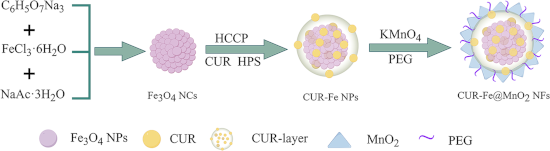
- indicating that RF hyperthermia could significantly enhance the antitumor effect of CUR-Fe@MnO2 NFs. However, there was no difference in cell morphology and viability in the control group. The reasons may be that (1) RF heating increased the degradation and release of CUR-Fe@MnO2 NFs and (2) RF heating
- CUR-Fe@MnO2 NFs were collected by magnetic separation and washed 3 times with deionized water. Characterization of the synthesized nanomaterials The morphology and size of Fe3O4 NCs, CUR-Fe NPs, and CUR-Fe@MnO2 NFs were determined via transmission electron microscopy (Tecnai F20, FEI, USA). The TEM
- sample was added to ethanol and ultrasonically dispersed. Then the dispersed liquid was added dropwise to the copper net. After drying, the US FEI Tecnai F20 TEM was used at an accelerated voltage of 200 kV to capture the morphology in high resolution. Zeta potentials and hydrodynamic diameters were


On the additive artificial intelligence-based discovery of nanoparticle neurodegenerative disease drug delivery systems
Beilstein J. Nanotechnol. 2024, 15, 535–555, doi:10.3762/bjnano.15.47
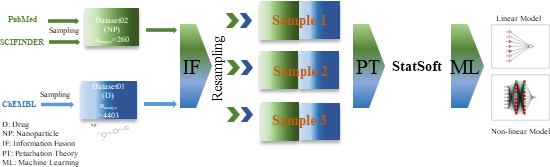
- databases Pubmed and SciFinder [63][64][65]. This dataset included 260 preclinical assays for 31 unique NPs. Therefore, the number of assays for each NP is about 8.39. Moreover, the data covered a huge range of properties of NPs such as morphology, physicochemical properties, coating agents, length, and
- ), cn1 = cell lines, cn2 = NP morphology, and cn3 = NP synthesis conditions. In addition, we acquired two types of IFPTML-LDA model for designing the N2D3Ss. On the one hand, we obtained the IFPTML-LDA by calculating the PTOs ΔDk(cj) as the difference between the average value ⟨Dk(cj)⟩ and the partition
- contains all indispensable variables for defining the NDD structures and the most significant parameters for NPs, such as morphology, size, and assay conditions, among other things. In the IFPTML-LDA with cross system, we included not only all essential variables but also two crossing PTOs. These new PTOs



Cholesterol nanoarchaeosomes for alendronate targeted delivery as an anti-endothelial dysfunction agent
Beilstein J. Nanotechnol. 2024, 15, 517–534, doi:10.3762/bjnano.15.46
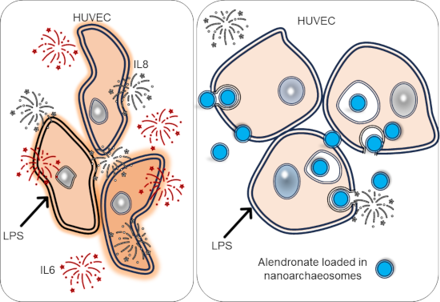
- -inflammatory effects in any of the inflammation models (data not shown). A massive portion of endothelial cells is resistant to LPS challenge, entering a fibrotic program and exhibiting a fibroblast-like morphology through a process known as endothelial-to-mesenchymal transition (EndMT) typical from
- EndMT, that is, a predominance of tapered cells with little internal staining. These changes were not prevented by almost any treatment, except dexamethasone and nanoARC-Chol (ALN), which maintained the endothelial morphology and the intensity of actin filament staining to a higher extent and cell/field
- 30 min at 37 °C. Then, cells were washed with PBS, and the fluorescence intensity of whole cells was measured using a Cytation™ 5 instrument at λex = 490 nm and λem = 520 nm. Confocal microscopy was performed to study the morphology of HUVECs. Briefly, after incubation, cell monolayers were washed





Aero-ZnS prepared by physical vapor transport on three-dimensional networks of sacrificial ZnO microtetrapods
Beilstein J. Nanotechnol. 2024, 15, 490–499, doi:10.3762/bjnano.15.44
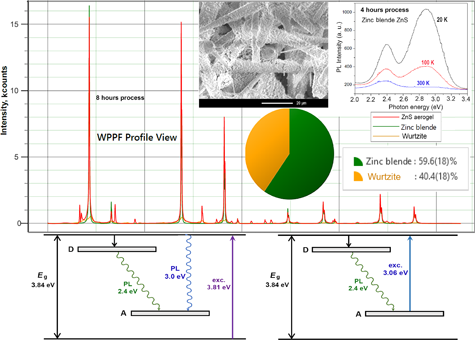
- networks of microtetrapods and has been proposed for microfluidic applications. In this paper, a cost-effective technological approach is proposed for the fabrication of aero-ZnS by using physical vapor transport with Sn2S3 crystals and networks of ZnO microtetrapods as precursors. The morphology of the
- nanomaterials [45]. Because of similarities in the morphology of aero-ZnS materials obtained by physical vapor transport to those produced by HVPE, one can expect that the materials prepared by physical vapor transport will also exhibit hydrophobic/hydrophilic properties suitable for microfluidic applications
- 10 × 10 mm2 to prepare 2 mm thick sample tablets. In order to increase the mechanical stability, the tablets with a density of 0.5 g/cm3 were annealed at 1000 °C for 1 h in air. Morphology analysis was carried out with a VEGA TESCAN 5130 SEM instrument equipped with an EDX detector from Oxford



Photocatalytic degradation of methylene blue under visible light by cobalt ferrite nanoparticles/graphene quantum dots
Beilstein J. Nanotechnol. 2024, 15, 475–489, doi:10.3762/bjnano.15.43
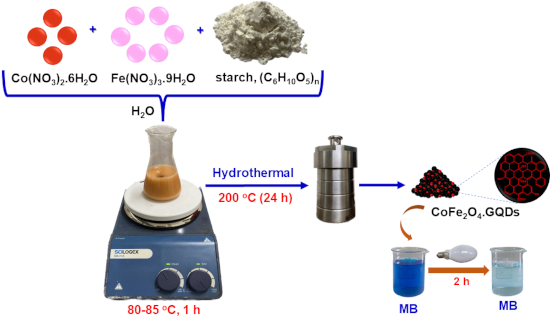
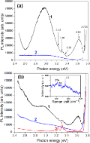
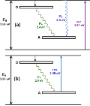
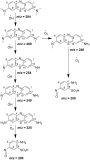
- /GQDs nanoparticles. Magnetic properties, morphology, structure, and fluorescence of the nanocomposites were studied, and the photocatalytic degradation of methylene blue as a dye model and the mechanism of methylene degradation were also addressed. Experimental Materials Cobalt(II) nitrate hexahydrate
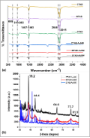
- CF/GQDs synthesized at hydrothermal temperatures of 140, 180 and 200 °C are shown in Figure 4a–c. The morphology reveals that CF/GQDs consist of heavily agglomerated particles, several hundreds of nanometers in diameter, because of their magnetic nature. Figure 4d and Figure 4e present the TEM images




Fabrication of nanocrystal forms of ᴅ-cycloserine and their application for transdermal and enteric drug delivery systems
Beilstein J. Nanotechnol. 2024, 15, 465–474, doi:10.3762/bjnano.15.42
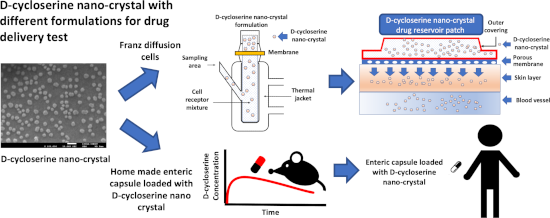
- antisolvent, and the mixing conditions. During precipitation, different solvents can affect the size, the structure, and the stability of polymorphous particles. To confirm the morphology of DCS nanocrystals, SEM and XRPD analyses were applied for the examination of particle size and structure, respectively
- distinct morphology of DCS nanocrystals when compared to that of commercial DCS. In order to confirm whether the crystalline DCS was a new crystal form, the XRPD patterns of the DCS nanocrystals were compared with those of the commercial DCS powder. As shown in Figure 2, the prominent peaks of the DCS
- nanocrystals were at 17.0°, 24.3°, 28.5°, and 34.3° (2θ), distinct from those of commercial DCS. These results indicated that the new crystalline DCS was a novel nanocrystal. The spectra demonstrate that the nanocrystal form of DCS was successfully generated. To exclude crystal polymorphism, the morphology and


Superconducting spin valve effect in Co/Pb/Co heterostructures with insulating interlayers
Beilstein J. Nanotechnol. 2024, 15, 457–464, doi:10.3762/bjnano.15.41
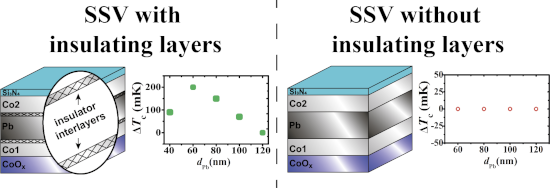
- to the quality of this interface in terms of its morphology, smoothness, and absence of intergrowth, which defines the mainstream approach in this field. At odds with this approach, a significant SSV effect of ΔTc ≈ 0.3 K in an FeNi/In/Ni heterostructure with intentionally oxidized F/S interfaces was



![[Graphic 6]](/bjnano/content/inline/2190-4286-15-41-i6.svg?max-width=637&scale=1.18182)
Heat-induced morphological changes in silver nanowires deposited on a patterned silicon substrate
Beilstein J. Nanotechnol. 2024, 15, 435–446, doi:10.3762/bjnano.15.39
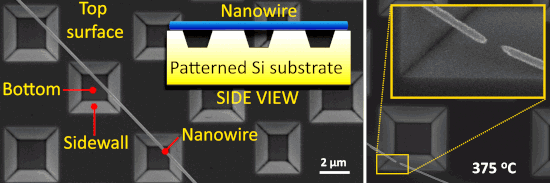
- Tool (OVITO) [42]. The system time step was 10 fs. More technical details can be found in Supporting Information File 1. Results and Discussion Heat treatment First heating scheme No significant changes in the morphology of Ag NWs were detected for heat-treatment temperatures up to 275 °C. Starting
- affect the outcome of the experiment since in any case defects caused by heating/cooling (hence, tensile compression) cycles will result in reduced thermal stability of the suspended part compared to the adhered part. Note that, as mentioned earlier, the morphology evolution in the adhered parts is


Potential of a deep eutectic solvent in silver nanoparticle fabrication for antibiotic residue detection
Beilstein J. Nanotechnol. 2024, 15, 426–434, doi:10.3762/bjnano.15.38
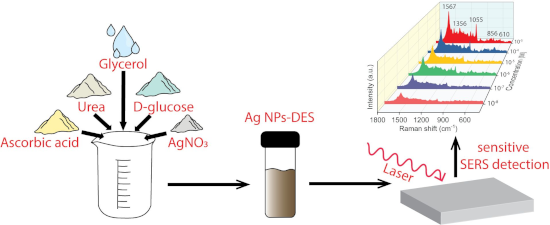
- scholars, the rod-like morphology is better than a spherical one at increasing the extinction coefficient, about 109 to 1011 M−1·cm−1 higher [43][44], which proves the applicability of Ag NPs-DES in SERS biosensors. Furthermore, X-ray fluorescence mapping was used to evaluate the presence of silver in the
- the nanostructure and surface morphology of the nanoparticles, as well as the elemental distribution of silver on the substrate, a S4800 field-emission scanning electron microscope purchased from Hitachi, Japan, and an M4 TORNADOPlus Micro X-ray fluorescence spectrometer with a Rh tube at 30 W micro


Classification and application of metal-based nanoantioxidants in medicine and healthcare
Beilstein J. Nanotechnol. 2024, 15, 396–415, doi:10.3762/bjnano.15.36
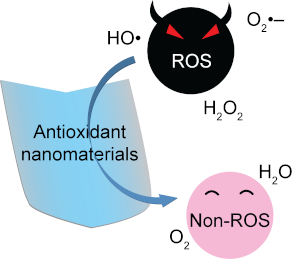
- natural antioxidants because of their high stability, easy storage, time effectiveness, and low cost. Also, progress in nanotechnology enables us to easily control size, morphology, surface coating, and chemical configuration, which are highly related to the antioxidant activities. The integration of
- natural and synthetic nanocarriers. Because of the advantages of synthetic nanocarriers regarding easier customization of size, surface properties, charge, and morphology, we will focus on synthetic nanocarriers. Various types of synthetic nanocarriers have been developed to deliver natural antioxidants
- collaboration between chemistry, biomedical fields, nanomaterials science, and physics is needed to accurately control the shape, size, and morphology of metal-based nanoantioxidants for more specific accumulation. Classification of antioxidant nanomaterials. Multi-antioxidant activities of ceria nanoplates. (a


Insect attachment on waxy plant surfaces: the effect of pad contamination by different waxes
Beilstein J. Nanotechnol. 2024, 15, 385–395, doi:10.3762/bjnano.15.35
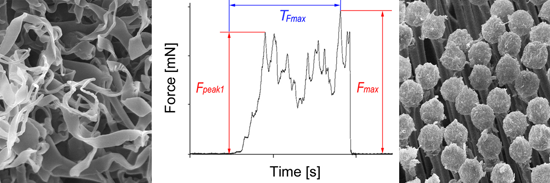
- Elena V. Gorb Stanislav N. Gorb Department of Functional Morphology and Biomechanics, Zoological Institute, Kiel University, Am Botanischen Garten 9, 24118 Kiel, Germany 10.3762/bjnano.15.35 Abstract This study focuses on experimental testing of the contamination hypothesis and examines how the
- projections in other plant species are dispersed rather uniformly and almost completely cover the surfaces. Data on the wax morphology are in line with our previous studies [7][34] for all plant species except B. oleracea, whose projections have been classified as terete rodlets. In later publications [19][36
- branches. Data on the dimension and aspect ratio given here for this plant species are related only to the branches, which are usually exposed to the environment, but not to the whole tubules. Attachment organs of the Chrysolina fastuosa male beetle General morphology The tarsus of C. fastuosa possesses




Investigating ripple pattern formation and damage profiles in Si and Ge induced by 100 keV Ar+ ion beam: a comparative study
Beilstein J. Nanotechnol. 2024, 15, 367–375, doi:10.3762/bjnano.15.33
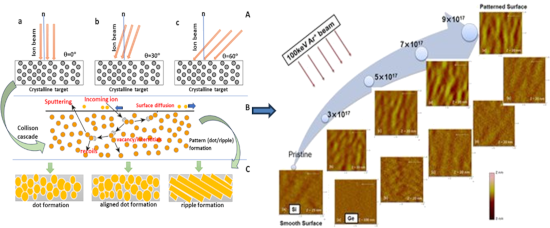
- performed on Si and Ge substrates. A correlation between ripple morphology and ion beam parameters was derived to understand the damage incurred by Ar+ ions inside both materials using RBS-c measurements. Experimental Details Commercially available Si and Ge wafers, procured from Semiconductor wafers Inc


Controllable physicochemical properties of WOx thin films grown under glancing angle
Beilstein J. Nanotechnol. 2024, 15, 350–359, doi:10.3762/bjnano.15.31
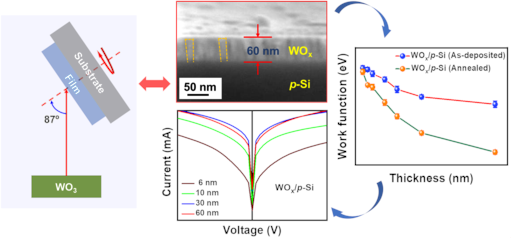
- sputtering for optoelectronic applications. A glancing angle of 87° is employed to grow films of different thicknesses, which are then exposed to post-growth annealing. Detailed local probe analyses in terms of morphology and work function of WOx films are carried out to investigate thickness-dependent
- −7 mbar). The thickness of the films was measured using a surface profilometer (Ambios, XP 200). The surface morphology of the as-deposited and the annealed films was acquired using tapping mode AFM (Asylum Research). AFM images were recorded at different places on each sample to confirm the film


Exploring the relationships between physiochemical properties of nanoparticles and cell damage to combat cancer growth using simple periodic table-based descriptors
Beilstein J. Nanotechnol. 2024, 15, 297–309, doi:10.3762/bjnano.15.27
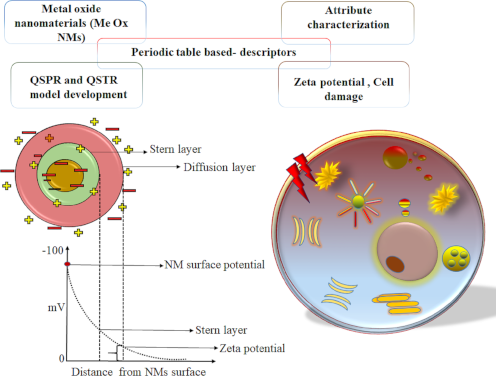
- solution. It is closely related to suspension stability and morphology. In metals, the zeta potential can be altered by altering pH, concentration, and conductivity of the components of NPs [10]. Zeta potential can provide information regarding the fate, behavior, and toxicity of NPs in the environment as


Ultrasensitive and ultrastretchable metal crack strain sensor based on helical polydimethylsiloxane
Beilstein J. Nanotechnol. 2024, 15, 270–278, doi:10.3762/bjnano.15.25
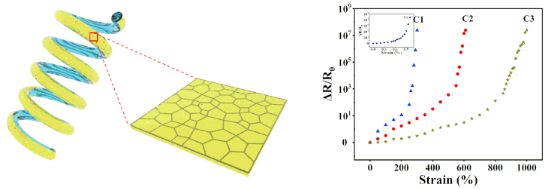
- cracks applied onto a helical elastomer substrate, with a specific focus on evaluating its electromechanical capabilities. Results and Discussion Morphology and structure Initially, the microcracks in the metal film overlap after straightening the helix and pre-stretching at a strain of 10%. Subsequently
- with PDMS. Parts of the experimental procedure are shown in Figure S6 (Supporting Information File 1). Characterization The surface morphology of the samples prepared in this study was examined through the utilization of scanning electron microscopy (SEM) (TESCAN MIRA3, Czech Republic) and an optical


Vinorelbine-loaded multifunctional magnetic nanoparticles as anticancer drug delivery systems: synthesis, characterization, and in vitro release study
Beilstein J. Nanotechnol. 2024, 15, 256–269, doi:10.3762/bjnano.15.24
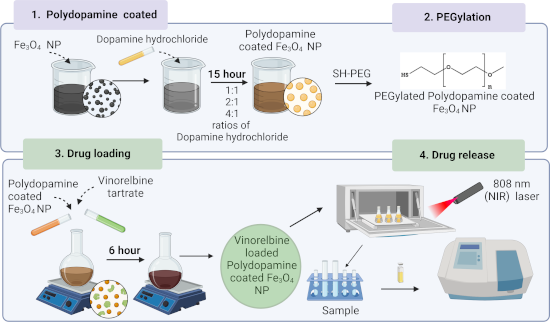
- customizable morphology [23][24]. Additionally, the photothermal conversion efficiency of PDA, PDA concentration, reaction time, and PDA thickness can be adjusted. Importantly, PDA exhibits a 40% photothermal conversion rate with excellent photothermal stability, indicating its significant potential as a NIR
- morphology and a size of 18 nm. After coating with PDA at different ratios, the size reaches up to 28, 61, and 225 nm. Another point is that PEGylation has been applied using SH-PEG polymer to enhance biocompatibility. Notably, our study demonstrates a significantly higher drug loading efficiency of 98
- , 2:1, and 4:1) and the cumulative drug release were determined by calculating according to Equations 2–4 utilizing the absorbance values obtained from UV–vis spectrophotometer and calibration curves. Characterization The morphology of the synthesized nanoparticles was determined with a high


Quantitative wear evaluation of tips based on sharp structures
Beilstein J. Nanotechnol. 2024, 15, 230–241, doi:10.3762/bjnano.15.22
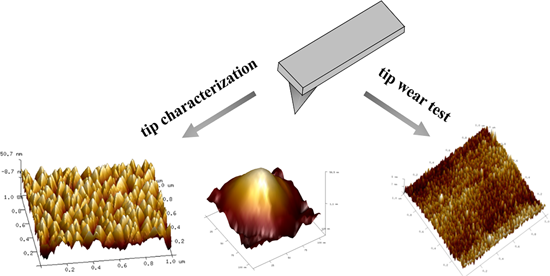
- structures is proposed. This research explored the wear of AFM tips during tapping mode and examined the effects of scanning parameters on estimated tip diameter and surface roughness. The experiment results show that the non-destructive method for measuring tip morphology is highly repeatable. Additionally
- , a set of principles for optimizing scanning parameters has been proposed. These principles consider both scanning precision and tip wear. To achieve these results, an AFM probe was used to scan sharp structures, precisely acquiring the tip morphology. Tip wear was minimized by employing lower
- data generation [10][11]. Although tip wear is inevitable, optimizing scanning parameters and understanding the wear process can effectively reduce the wear rate [12]. It is essential to accurately determine the tip morphology and analyze the impact of the scanning parameters on tip wear [13]. There




Graphene removal by water-assisted focused electron-beam-induced etching – unveiling the dose and dwell time impact on the etch profile and topographical changes in SiO2 substrates
Beilstein J. Nanotechnol. 2024, 15, 190–198, doi:10.3762/bjnano.15.18
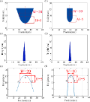
- exposed lines for all used dose values and dwell times (Figure 1C.i–iii), whose origin we discuss further in the subsequent section of the manuscript. The SEM and in situ AFM signals (Figure 1B, Figure 1C) are integrated into CPEM data, which yields additional insight into the substrate morphology. Apart


Nanocarrier systems loaded with IR780, iron oxide nanoparticles and chlorambucil for cancer theragnostics
Beilstein J. Nanotechnol. 2024, 15, 180–189, doi:10.3762/bjnano.15.17
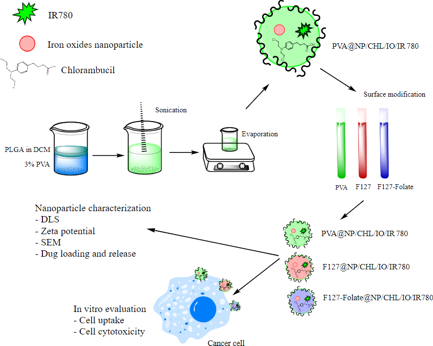
- assay, and the absorbance was read at 562 nm (Biotek ELX800, Agilent, USA). Results The morphology, size, and zeta potential of the particles The hydrodynamic size of the three types of NPs (Figure 1A) ranged from 245 ± 11 nm to 246 ± 2 nm with the polydispersity index (PDI) smaller than 0.12, which





