


Search results
Search for "polymers" in Full Text gives 581 result(s) in Beilstein Journal of Nanotechnology. Showing first 200.
Magnetohydrodynamic stagnation point on a Casson nanofluid flow over a radially stretching sheet
Beilstein J. Nanotechnol. 2020, 11, 1303–1315, doi:10.3762/bjnano.11.114
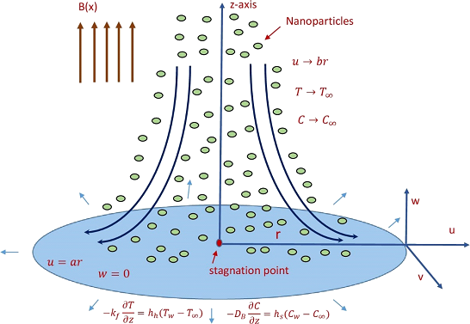
- . In addition, Casson fluids have been implemented in the preparation of printing ink, silicon suspensions and polymers [7]. Over the past few years, a vast range of experiments and investigations have been carried out using Casson fluids due to their broad applicability in the scientific and


Growth of a self-assembled monolayer decoupled from the substrate: nucleation on-command using buffer layers
Beilstein J. Nanotechnol. 2020, 11, 1291–1302, doi:10.3762/bjnano.11.113
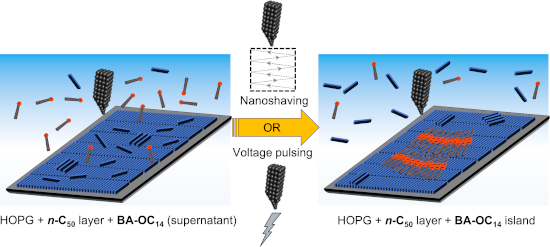
- formation by acting as a physical barrier between the substrate and the assembling moiety, buffer layers are also widely used to study intrinsic electronic properties of functional organic systems such as organic semiconductors [32][33] and films of 1D/2D polymers [34][35][36][37] via electronic decoupling


Structure and electrochemical performance of electrospun-ordered porous carbon/graphene composite nanofibers
Beilstein J. Nanotechnol. 2020, 11, 1280–1290, doi:10.3762/bjnano.11.112
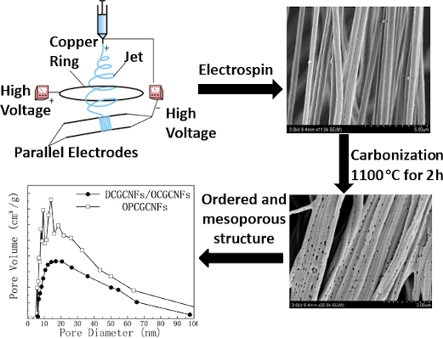
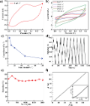
- transport. There are various ways to induce pore formation, including the activation and template methods [17][18][19]. In the context of electrospinning experiments, an effective method to induce porous formation is to change the composition of the electrospinning solution (e.g., by adding polymers that
- are incompatible with PAN, such as polystyrene (PS), poly(ʟ-lactic acid) (PLLA) and poly(methyl methacrylate) (PMMA) [20][21][22][23]. During the carbonization process at a high temperature, PAN and the blended polymers undergo phase separation, forming a large number of pores which increases the


An atomic force microscope integrated with a helium ion microscope for correlative nanoscale characterization
Beilstein J. Nanotechnol. 2020, 11, 1272–1279, doi:10.3762/bjnano.11.111
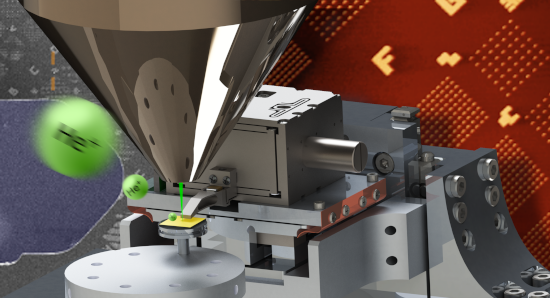
- . With the integrated electron flood gun (FG) of the HIM providing charge neutralization, uncoated polymers and biological samples can be imaged with high resolution while the AFM would bring complementary information such as laterally resolved mechanical properties. These multiparametric measurements


Magnetic-field-assisted synthesis of anisotropic iron oxide particles: Effect of pH
Beilstein J. Nanotechnol. 2020, 11, 1230–1241, doi:10.3762/bjnano.11.107
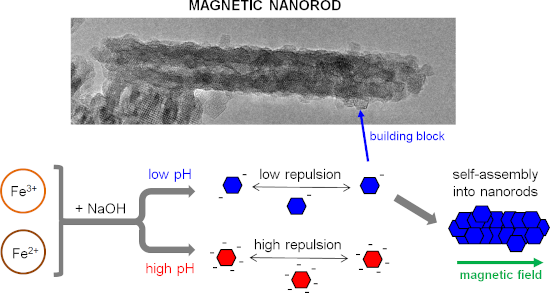
- ] in the presence of shear [40], etc. Almost all of these methods involve either the use of a template or a stabilizing agent to induce a directional one-dimensional growth of rod-like nanoparticles. The most common agents used are surfactants [11][21][23][26][37], polymers [27][36] and other additives






Influence of the magnetic nanoparticle coating on the magnetic relaxation time
Beilstein J. Nanotechnol. 2020, 11, 1207–1216, doi:10.3762/bjnano.11.105
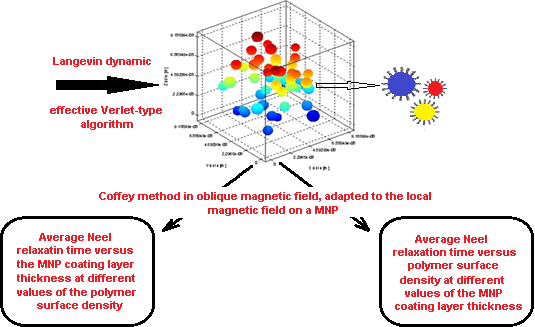
- other hand, organic coating (particularly polymers) has a number of advantages over inorganic coating, such as better particle dispersion, good colloidal stability, biocompatibility, good nanoparticle circulation in the blood, reduced toxicity and low risk of blood capillary obstruction. In the last
- surface potential of the i-th nanoparticle at infinite separation, z is the ion valence, e = 1.6 × 10⁻¹⁹ C and k is the thickness of the screening ionic layer “κ”, estimated by the inverse of Debye constant. Polymers and surfactants are usually used for steric stabilization. The model uses the following


High permittivity, breakdown strength, and energy storage density of polythiophene-encapsulated BaTiO3 nanoparticles
Beilstein J. Nanotechnol. 2020, 11, 1190–1197, doi:10.3762/bjnano.11.103
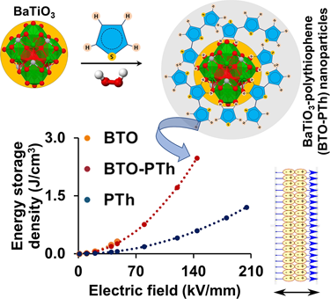
- dielectric capacitors. To overcome these problems, BTO-polymer composite-based dielectric materials have been developed and extensively investigated. Organic polymers offer many advantages including higher breakdown strength, lighter mass, greater flexibility, processability, and cost efficiency [8]. However
- , they are inherently poor dielectrics with very low permittivity (values in the range of 2–10) [2]. Thus, organic polymers are often reinforced with ceramic-based dielectric materials such as BTO. The dielectric properties of BTO–polymer composites are known to improve considerably with the inclusion of




Gram-scale synthesis of splat-shaped Ag–TiO2 nanocomposites for enhanced antimicrobial properties
Beilstein J. Nanotechnol. 2020, 11, 1119–1125, doi:10.3762/bjnano.11.96
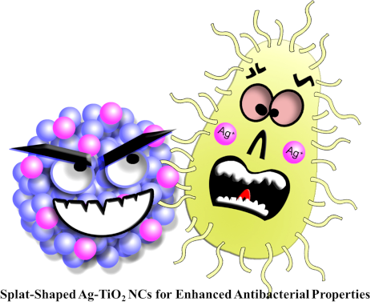
- based on polymers and layer-by-layer coating to prevent pathogenic bacteria. Antibacterial agents, such as antibiotics, quaternary ammonium compounds and metal ions have been widely used. However, the extensive use of antibiotics against some bacteria might increase the bacterial resistance to these


Straightforward synthesis of gold nanoparticles by adding water to an engineered small dendrimer
Beilstein J. Nanotechnol. 2020, 11, 1110–1118, doi:10.3762/bjnano.11.95
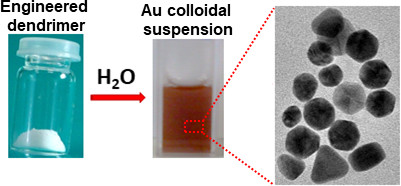
- using larger (but more expensive) dendrimers and polymers to synthesize NPs with different shapes/sizes and degrees of polydispersity. In addition, other metals should also be considered as alternatives to synthesize NPs. Experimental General synthesis and characterization procedures Girard’s T reagent


Applications of superparamagnetic iron oxide nanoparticles in drug and therapeutic delivery, and biotechnological advancements
Beilstein J. Nanotechnol. 2020, 11, 1092–1109, doi:10.3762/bjnano.11.94
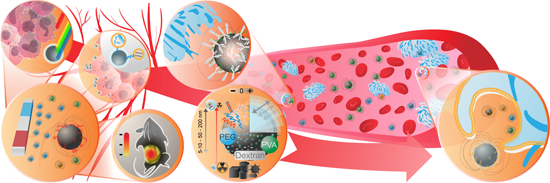
- of iron oxides in the form of magnetite (Fe3O4) or maghemite (Fe2O3) and are easy to produce through a few well-documented synthesis methods yielding different forms and structures (e.g., round, cubic, hexagonal, clusters, core–shell with gold, silica, polymers, or surfactants). A lot of research is
- commonly used for SPION coating, yielding good nanoparticle stability and no cytotoxicity. It is currently the preferred coating for MRI nanoparticles [54][76][84]. Depending on the type of emulsifier used, the coating can be hydrophilic or hydrophobic, but it is common to use hydrophilic polymers, such as
- PVA or PEG, for drug release studies [33][76] because the hydrophobic polymers are rapidly uptaken by macrophages [85]. SPIONs coated with a mixture of PVA and polyvinyl amine were shown to induce very active mitochondrial and endocytic processes in cells and to be highly toxic to cells due to the


Wet-spinning of magneto-responsive helical chitosan microfibers
Beilstein J. Nanotechnol. 2020, 11, 991–999, doi:10.3762/bjnano.11.83
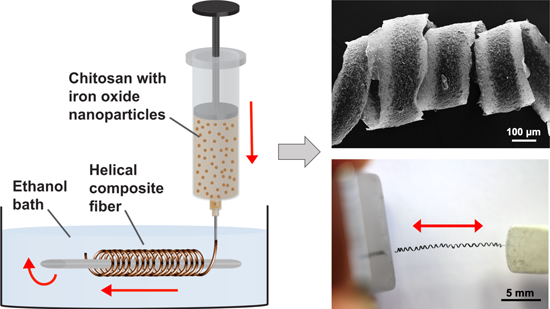
- usual requirements for tissue engineering materials (i.e., full biocompatibility, integration, and stimulation of the respective tissues), motion-activated cell support should also exhibit mechanical compliance with the surrounding tissue environment [13][14][15]. Natural polymers, in particular
- organic templates are examples of alternative ways to synthesize helical nano- or microfibers from various materials like carbon nanotubes (CNTs), ZnO or different polymers [8][48][49]. Here, we present a simple method for synthesizing helical chitosan microfibers with embedded magnetic nanoparticles


A 3D-polyphenylalanine network inside porous alumina: Synthesis and characterization of an inorganic–organic composite membrane
Beilstein J. Nanotechnol. 2020, 11, 938–951, doi:10.3762/bjnano.11.78
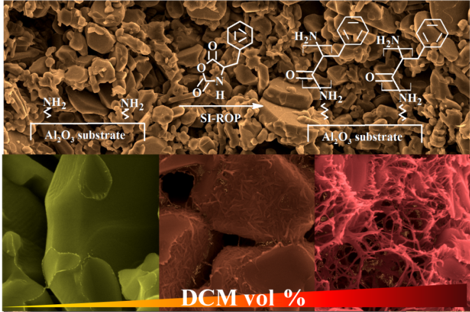
- polymerized and dense layer of amino silanes (see Figure 1) [36]. A "grafting-from" process of the hydrophobic polymers was then achieved by surface-initiated ring-opening polymerization (SI-ROP) of activated NCA-monomers. NCA-monomers were synthesized via a modified Fuchs–Farthing method, employing the
- of THF and DCM. The functionalized ALOX-membranes were subsequently washed with fresh solvent mixtures followed by a treatment with a mixture of chloroform (CHCl3) and dichloroacetic acid (DCA) (80/20 vol %) to remove weakly bonded polymers [13]. Noncovalently bonded polymer chains can result from
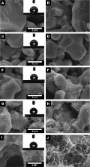
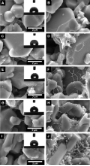
- polymer films at the outer surface. Thermogravimetric measurements were used to determine the amount of strong and weakly bonded polymers inside the ALOX-membrane. Finally, SEM was used to investigate the microstructure and morphology of the grafted polymers at the outer surface as well the inner surface




Key for crossing the BBB with nanoparticles: the rational design
Beilstein J. Nanotechnol. 2020, 11, 866–883, doi:10.3762/bjnano.11.72
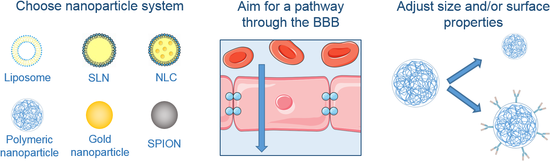
- , nanoparticles are considered as solid colloidal particles with a size between 1 and 1000 nm [23]. They can be produced from a variety of different materials including polymers, lipids or inorganic materials such gold or iron oxide [21]. The first reported nanoparticles able to pass the BBB were poly(butyl
- polymeric nanoparticles prepared with PBCA and polymers from the poly(ethylene) family such as poly(lactic acid) (PLA) and poly(lactic-co-glycolic acid) (PLGA) [25][26]. Liposomes and other lipidic nanoparticles have also been reported as able to pass the BBB [27], as well as protein-based nanoparticles
- particles as it was shown to be able to increase the apolipoprotein–nanoparticle interaction for a wide range of polymers without any toxicity to the BBB. However, alternatives, such as P188, exist. Furthermore, the efficacy of the coating is also influenced by the composition of the nanoparticle core, i.e


Exfoliation in a low boiling point solvent and electrochemical applications of MoO3
Beilstein J. Nanotechnol. 2020, 11, 662–670, doi:10.3762/bjnano.11.52
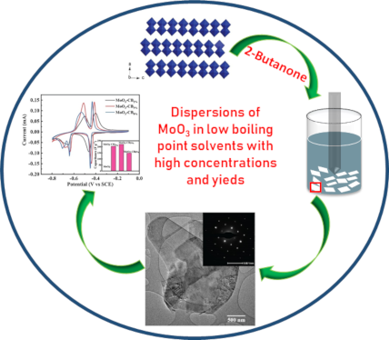
- either by ultrasonic vibrations or shearing in a liquid medium that facilitates the exfoliation. To influence the energies relevant for the exfoliation in aqueous media, additives such as surfactants and polymers are used [8]. However, their removal is quite tedious and the remnants are detrimental for

Preparation, characterization and photocatalytic performance of heterostructured CuO–ZnO-loaded composite nanofiber membranes
Beilstein J. Nanotechnol. 2020, 11, 631–650, doi:10.3762/bjnano.11.50
- . Carbonized PVDF/PAN CNFs have excellent mechanical properties due to the partial melting of PVDF after carbonization leading to point bonding. Therefore, blends of these two polymers were used as precursor for preparing the heterostructured CuO–ZnO-loaded CNF membranes (CNFMs) in our studies. In our previous











Adsorptive removal of bulky dye molecules from water with mesoporous polyaniline-derived carbon
Beilstein J. Nanotechnol. 2020, 11, 597–605, doi:10.3762/bjnano.11.47
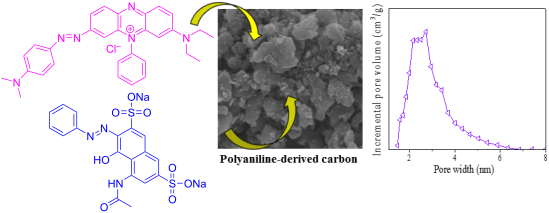
- ]. Moreover, highly porous carbon materials, especially with high nitrogen content, have been produced from various precursors including organic polymers [29][30][31][32][33] and MOFs [34][35][36][37][38]. Polyaniline (PANI), prepared from aniline, is a useful polymer in various fields because of its facile


Luminescent gold nanoclusters for bioimaging applications
Beilstein J. Nanotechnol. 2020, 11, 533–546, doi:10.3762/bjnano.11.42
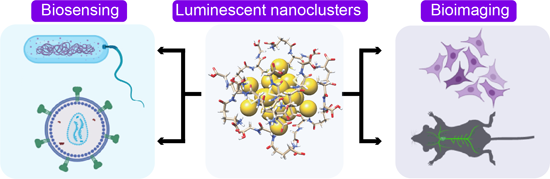
- an exact number of metal atoms and surface ligands (Figure 1A,B). Therefore, NCs are considered as colloidal molecules. Similar to plasmonic nanoparticles, the stability of NCs can be controlled by ligand passivation using small molecules, synthetic polymers or biomacromolecules. A significant
- decay channel resulting in highly emissive aggregates [72]. The AIE phenomenon has been observed in several organic compounds of low molecular weight and in polymers [73]. The aggregation-induced luminescence of NCs has been achieved either using solvent-induced aggregation or addition of additives such
- as ionic polymers, proteins or peptides [74][75][76]. Recently, Dichiarante et al. reported NIR-luminescent AuNCs bearing superfluorinated (SF) ligands with strong emission at 1050 nm with a quantum yield of 12% [77]. An extensive account of the PL of NCs is beyond the scope of this review and has


Multilayer capsules made of weak polyelectrolytes: a review on the preparation, functionalization and applications in drug delivery
Beilstein J. Nanotechnol. 2020, 11, 508–532, doi:10.3762/bjnano.11.41
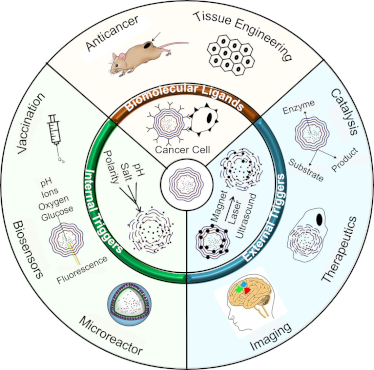
- developed by Iller [2] and Decher et al. [3], but it was brought into the limelight by systematic and extensive research by various research groups. The encapsulation of various macromolecules inside the hollow capsules was carried out by adjusting the physiochemical properties of the polymers in order to
- manipulate the shell permeability [4]. However, most of the work uses strong PEs such as polystyrene sulfonate (PSS) as one of the polymers, and thus, in order to release the payload, a disturbance in the intermolecular forces (e.g., covalent binding, hydrogen bonding and electrostatic interactions) guarding
- to the chemical nature of the polymers used and the assembly conditions [11]. Many studies have shown successful permeability changes for encapsulation and release via changes in pH or ionic strength for weak PE systems. The chemical nature of the polymers used along with the type of the core



Preparation and in vivo evaluation of glyco-gold nanoparticles carrying synthetic mycobacterial hexaarabinofuranoside
Beilstein J. Nanotechnol. 2020, 11, 480–493, doi:10.3762/bjnano.11.39
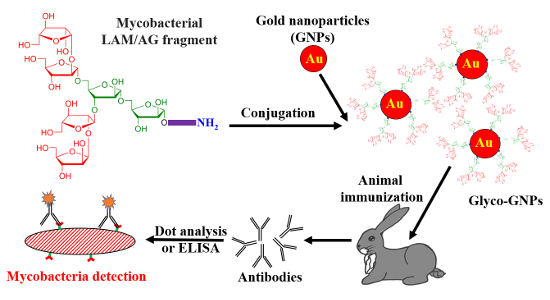
- serological identification of microorganisms and are also widely used as antigenic components of vaccines. The use of gold nanoparticles as carriers for glyco-epitopes is becoming an important alternative to the traditional conjugation with proteins and synthetic polymers. In this study, we aimed to prepare
- ][29][30][31][32][33][34][35][36][37][38][39][40][41][42][43][44][45][46][47][48] to the traditional conjugation with proteins, synthetic polymers and other carriers [15][17][38][49][50][51][52][53][54][55]. Immunological properties of GNPs [25][56][57] and their use in vaccine development [58] have
- typically characterized by a fairly developed structure and include proteins, polysaccharides, and a number of synthetic polymers. A significant part of biologically active substances, including glycosides, has a relatively small molecular mass. Low-molecular-mass antigens belong to the category of so


Current measurements in the intermittent-contact mode of atomic force microscopy using the Fourier method: a feasibility analysis
Beilstein J. Nanotechnol. 2020, 11, 453–465, doi:10.3762/bjnano.11.37
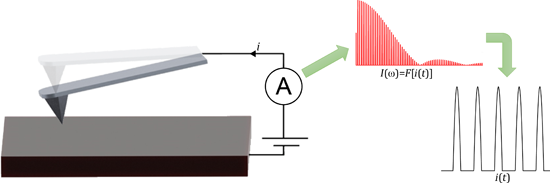
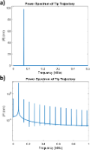
- , regardless of the material). For example, in our experiments with conductive polymers we often observe current magnitudes on the order of tens of picoamperes in C-AFM measurements. Frequency-based, amplified data acquisition systems for measurements involving a large number of harmonics have already been




Brome mosaic virus-like particles as siRNA nanocarriers for biomedical purposes
Beilstein J. Nanotechnol. 2020, 11, 372–382, doi:10.3762/bjnano.11.28
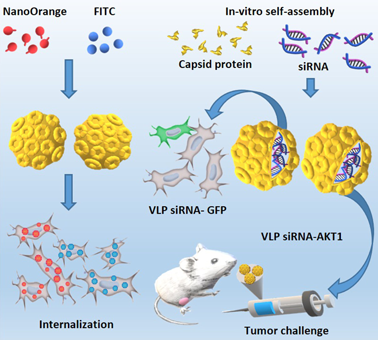
- ]. The accumulation of nanoparticles in tumors, either passively or directed, is extensively documented [14]. Thus, there are multiple efforts to design nanoparticles that function as nanovehicles, mainly composed of liposomes, synthetic polymers, dendrimers, and virus-like particles (VLPs) [13][15
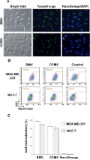
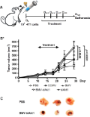
- the capsid [25][27]. Similarly, VLPs from the closely related cowpea chlorotic mottle virus (CCMV) have been loaded with different cargos, including gold nanoparticles, negatively charged chromophores, and polymers [22]. Small interfering RNA (siRNA) is a promising therapeutic solution to address gene


Poly(1-vinylimidazole) polyplexes as novel therapeutic gene carriers for lung cancer therapy
Beilstein J. Nanotechnol. 2020, 11, 354–369, doi:10.3762/bjnano.11.26
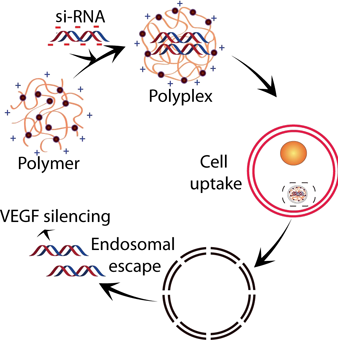
- attempted to investigate the DNA complexation efficiency of poly(4-vinylimidazole) polymers that also possesses low cytotoxicity and good endosomal escape properties [20]. To our knowledge, only few proof-of-concept studies have been carried out to explore the potential of PVI as a cyto-compatible gene


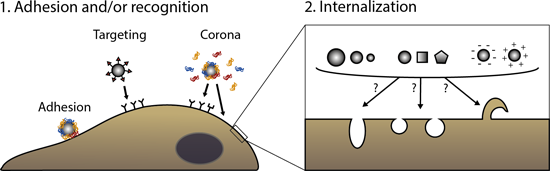
Interactions at the cell membrane and pathways of internalization of nano-sized materials for nanomedicine
Beilstein J. Nanotechnol. 2020, 11, 338–353, doi:10.3762/bjnano.11.25
- to reduce protein adsorption and corona formation. This can be achieved for instance by grafting hydrophilic polymers such as polyethylene glycol (PEG) on the surface of nanomedicines, or by introducing zwitterionic modifications to make nanomaterials almost neutral [42][43][44][45]. These


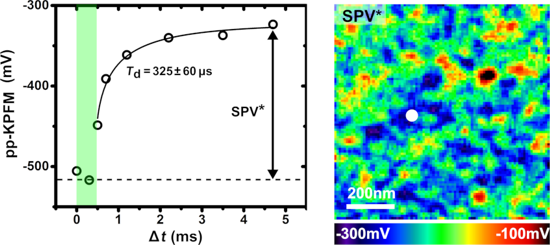
Implementation of data-cube pump–probe KPFM on organic solar cells
Beilstein J. Nanotechnol. 2020, 11, 323–337, doi:10.3762/bjnano.11.24
- presented. For a comprehensive introduction to this field, the reader may refer to [25]. Solution-processed organic solar cells [25] rely on the combination of electron donor (D) and acceptor (A) π-conjugated polymers and/or molecules that display a type-II energy offset between their highest occupied




Understanding nanoparticle flow with a new in vitro experimental and computational approach using hydrogel channels
Beilstein J. Nanotechnol. 2020, 11, 296–309, doi:10.3762/bjnano.11.22
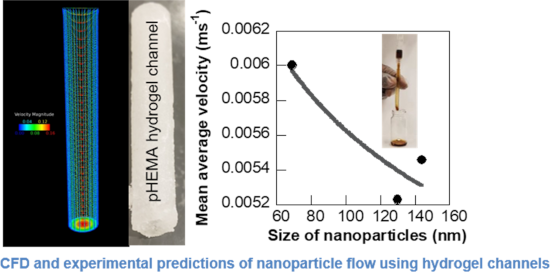
- reliably represent the flow and adhesion during drug delivery, it is essential to construct mimics of human vascular network. Hydrogels are unique three-dimensional (3D) networks of insoluble polymers formed from two or more hydrophilic monomers that can absorb large quantities of water. The hydrogels
- developing the soft, 3D vascular structures. Hydrogels, soft biocompatible polymers with synthetically tunable physical and chemical properties and a chemical structure capable of retaining high volumes of water similar to the extracellular microenvironments, are considered highly promising materials for 3D





