


Search results
Search for "protein" in Full Text gives 402 result(s) in Beilstein Journal of Nanotechnology. Showing first 200.
The different ways to chitosan/hyaluronic acid nanoparticles: templated vs direct complexation. Influence of particle preparation on morphology, cell uptake and silencing efficiency
Beilstein J. Nanotechnol. 2019, 10, 2594–2608, doi:10.3762/bjnano.10.250
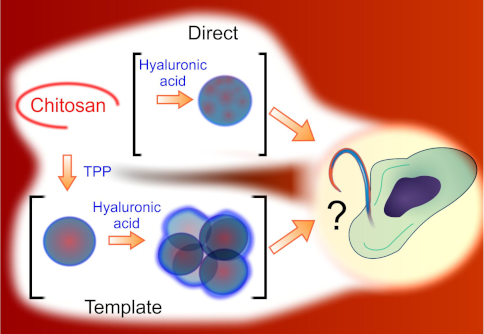
- protein adsorption on chitosan-containing nanoparticles [14] and a receptor-mediated mechanism of internalization [15]. A larger size of the anionic component corresponds to a higher avidity toward chitosan, thus polyelectrolyte complexes are more stable but also difficult to reverse; this irreversibility
- , cells were washed with PBS and incubated for 1 h at 37 °C in medium containing 5% (v/v) of MTS solution. Cell viability was measured by reading the absorbance values at 490 nm (Synergy2 Biotek plate reader using Gen5 software) and normalized against the total protein content in each well (BCA assay
- calibration curve from nanoparticle aqueous suspensions diluted in cell lysates (range 0.12–125 µg/mL). Measurements were obtained by using a Synergy2 Biotek plate reader (Ex 540/25, Em 620/40 nm), Gen5 software; top 50% optical position. Uptake results were normalized against the total protein content per



Long-term stability and scale-up of noncovalently bound gold nanoparticle-siRNA suspensions
Beilstein J. Nanotechnol. 2019, 10, 2568–2578, doi:10.3762/bjnano.10.248
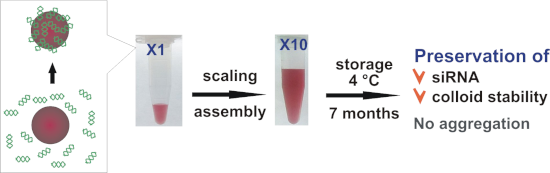
- silencing the protein synthesis to improve abnormal protein production caused by genomic disorders or diseases [6][7][8]. Different variants of AuNP-based nanoconstructions bearing siRNA have been published, and most of them were created by applying the layer-by-layer principle [9]. The core of these
- nucleic acids [18][19][20][21]. Then, we used AuNP-siRNA as a core for nanoconstruction by covering this with a lipid envelope and doping with an amphiphilic peptide. The construction was shown to penetrate cells that consistently expressed the green fluorescent protein (GFP) and effectively suppress the
- synthesis of the target protein. In this work, we have shown the possibility of a ten-fold scaling of synthesis of AuNP-siRNA and demonstrated of their stability in different buffer solutions. The suspensions of AuNP-siRNA could be stored for a long time without losing of their colloidal stability and siRNA


Bombesin receptor-targeted liposomes for enhanced delivery to lung cancer cells
Beilstein J. Nanotechnol. 2019, 10, 2553–2562, doi:10.3762/bjnano.10.246
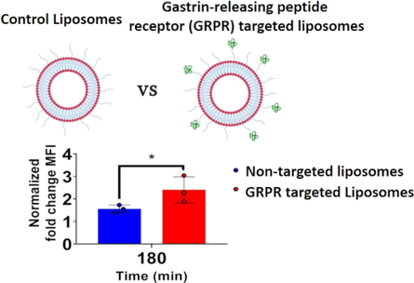
- ]. The GRP receptor, hereafter termed GRPR, is a G-protein-coupled receptor and member of the bombesin (BB) receptor family: BB1 receptor is activated by neuromedin B (NMB); BB2 (also called GRPR) is activated by GRP; the BB3 receptor shares only 50% homology with BB1 and BB2 and is an orphan receptor
- solutions are used in combination [13]. In preclinical studies, improved therapeutic responses have been achieved by adopting an active targeting approach. Typically, this involves the incorporation of a surface-bound moiety that selectively binds to a cognate receptor/protein on the tumour cell surface
- polydisperse proteins of different sizes [27]. Indeed, the surface properties of various nanoparticles have been shown to change dramatically in the presence of plasma or serum [28] with the establishment of an adsorbed protein corona around the nanoparticle. It is now widely accepted that the particle protein

Evaluation of click chemistry microarrays for immunosensing of alpha-fetoprotein (AFP)
Beilstein J. Nanotechnol. 2019, 10, 2505–2515, doi:10.3762/bjnano.10.241
- -fetoprotein (AFP-L3) [10][12][13], des-gamma-carboxyprothrombin (DCP) [9][10][13], glypican-3 (GPC-3) [14][15], cytokeratin 19 (CK19) [15], golgi protein 73 (GP73) [16], microRNA (miRNA) [17][18], osteopontin (OPN) [11][19], annexin A2 [20] and midkine (MDK) [21]. According to the five-phase program adopted
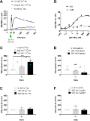
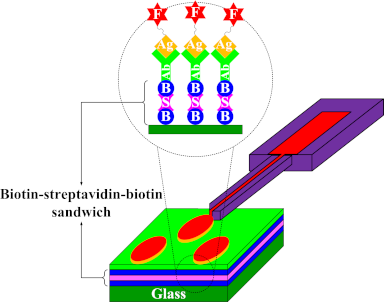
- our setup. Negative control samples (no AFP present) yielded no fluorescence signal (Supporting Information File 1, Figure S2a). Furthermore, unspecific binding of non-target proteins is assumed to be low as revealed by a control experiment with fluorescently labeled streptavidin as model protein
- implementation of a sensitive fluorescent immunosensor for the detection of AFP, which is used as a common cancer-related model protein. We compared the AFP microarray sensors resulting from six different fabrication routes based on different functionalization methods (DBCO-, thiol- and epoxy-termination) and


Small protein sequences can induce cellular uptake of complex nanohybrids
Beilstein J. Nanotechnol. 2019, 10, 2477–2482, doi:10.3762/bjnano.10.238
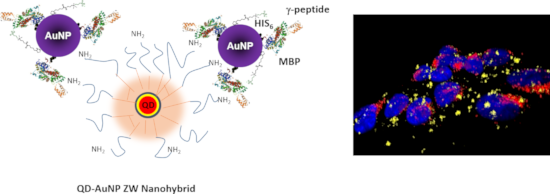
- various proteins, and among them the human transferrin protein was found to induce the highest intracellular uptake following 24 h incubation of these hybrids with cell cultures [5]. In the second, functional colloidal superstructures assembled using DNA linkers elicited a reduction in the response of
- membranes [18][19]. Here, we report on the use of a lytic gamma peptide (γ-peptide) derived from the Nudaurelia Capensis Omega virus (NωV), which was genetically fused onto maltose binding protein appended with 6-histidine tag, (His6-MBP-γ), to promote the intracellular delivery of hybrid QD-AuNP assemblies
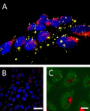
- superposition between the QD and the Cy5 signal, scale bar 10 µm. Supporting Information Expression of the fusion protein His6-MBP-gamma, particle synthesize, hybrid assembly and characterization, DLS characterization and colloidal stability assessment, cellular incubation, amylose column, HeLa cellular

Atomic force acoustic microscopy reveals the influence of substrate stiffness and topography on cell behavior
Beilstein J. Nanotechnol. 2019, 10, 2329–2337, doi:10.3762/bjnano.10.223
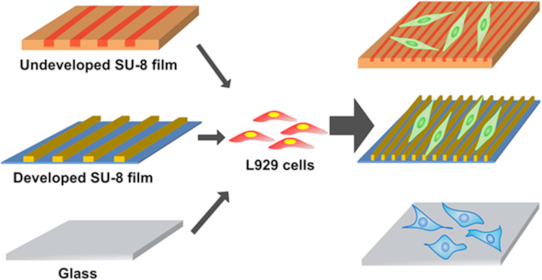
- treatments have been reported to support the cell spreading [36], the small changes observed here may be due to the littleness of the surface modifications. A recent study documents that protein coating or oxygen plasma treatment of substrate surfaces may influence the phenotypic equilibrium of cells [37


Design of a nanostructured mucoadhesive system containing curcumin for buccal application: from physicochemical to biological aspects
Beilstein J. Nanotechnol. 2019, 10, 2304–2328, doi:10.3762/bjnano.10.222
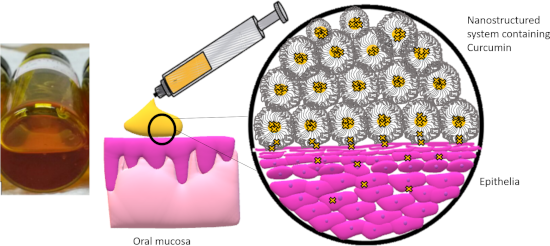
- drug has been evidenced and shown to act on a variety of molecular targets that regulate the proliferation and apoptosis, decrease the expression of NF-κB and increase insulin-like growth factor-binding protein 5 (IGFBP-5) and cytochrome P450, family 1, member A1 (CYP1A1) [32][33][34]. Moreover, CUR


Mannosylated brush copolymers based on poly(ethylene glycol) and poly(ε-caprolactone) as multivalent lectin-binding nanomaterials
Beilstein J. Nanotechnol. 2019, 10, 2192–2206, doi:10.3762/bjnano.10.212
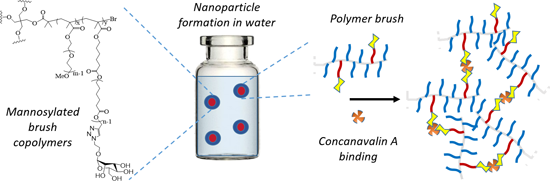
- : atom transfer radical polymerization (ATRP); glycopolymer; lectin; poly(ethylene glycol); poly(ε-caprolactone); ring-opening polymerization (ROP); Introduction Carbohydrate–protein interactions are involved in many biological processes, including cell recognition and cell–cell adhesion. These
- interactions drive pathological events, such as cellular infections by viruses (e.g., HIV and Ebola [1][2]) and toxins (e.g., Shiga and Cholera toxins [3]). Carbohydrate–protein interactions in biological systems are mostly multivalent, which allows one to enhance their strength with respect to the weak single
- saccharide–protein connections. Carbohydrate-binding proteins are known as lectins. A way to interfere with pathological carbohydrate–protein interactions is the use of artificial ligands able to antagonize lectins, possibly with higher affinity than the natural ligands. Multivalent glycoconjugates have been



Use of data processing for rapid detection of the prostate-specific antigen biomarker using immunomagnetic sandwich-type sensors
Beilstein J. Nanotechnol. 2019, 10, 2171–2181, doi:10.3762/bjnano.10.210

- diseases [1]. Protein biomarkers are commonly measured using conventional immunoassays such as enzyme-linked immuno-sorbent assay (ELISA) [1], radioimmunoassay (RIA) [2], fluorescence methods [3], and chemiluminescence [4]. Unfortunately, these standard methodologies have high cost, long analysis times
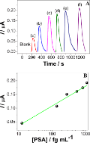
- antigen-enriched calf serum were added to the composite bioconjugate complex mixture. The mixture was then incubated at 37 °C for 30 min, and dilutions were required to decrease the protein concentration. The devices were also evaluated with real samples, including culture medium of cancerous and control
- cells (lineage of LNCap and PNT-2 cells, respectively). The cell lines PNT-2 and LNCap were acquired from the Banco de Células do Rio de Janeiro (BCRJ, Rio de Janeiro, Brazil). The samples were diluted to a 1:30000 ratio. The resulting conjugate, Ab2-MNP-HRP-protein, was magnetically separated and


Nitrogen-vacancy centers in diamond for nanoscale magnetic resonance imaging applications
Beilstein J. Nanotechnol. 2019, 10, 2128–2151, doi:10.3762/bjnano.10.207
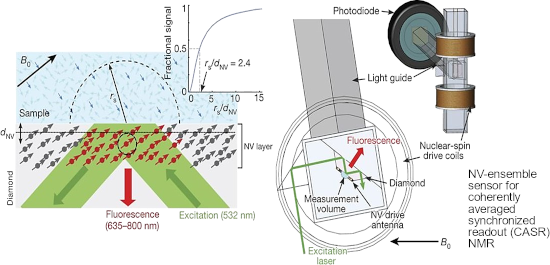
- -geometry discrimination ability to resolve protein structures. Since protonic spin lifetimes are on the scale of seconds, long-range detection is limited by the coupling resolution (on the order of 100 MHz), when long-range (up to five or more bonds away) weaker couplings can be detected by transferring to


Review of advanced sensor devices employing nanoarchitectonics concepts
Beilstein J. Nanotechnol. 2019, 10, 2014–2030, doi:10.3762/bjnano.10.198
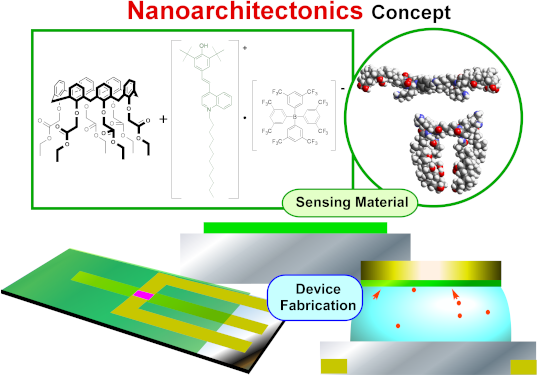
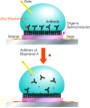
- bio-organic transistor (Figure 3). In this construction, the source and drain patterned substrate was covered with p-type poly[2,5-bis(3-tetradecylthiophen-2-yl)thieno[3,2-b]thiophene], a water droplet and a Au-plate modified with the odorant binding protein as a gate. Enantiomers of odorant carvone
- could be clearly discriminated by this sensing system. The capacitance changes may be caused by the binding of the odorant to the protein accompanied with the derivation of the free-energy and conformational changes. Such capacitance-modulated transistors would be useful for molecular sensing with weak
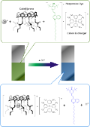
- related to protein metabolism, food products and pharmaceuticals. Such difficult goals can be achieved through a nanoarchitectonics approach, namely molecular imprinting [103][104][105]. Qiu and co-workers developed sensors for chirality detection of amino acid guests using an organic electrochemical





Gold-coated plant virus as computed tomography imaging contrast agent
Beilstein J. Nanotechnol. 2019, 10, 1983–1993, doi:10.3762/bjnano.10.195
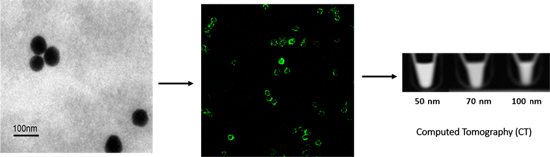
- ; computed tomography (CT); gold; nanotechnology; viruses; targeting; Introduction Numerous types of nanomaterials are currently under investigation in medicine, including dendrimers, polymeric nanoparticles (NPs), liposomes and protein-based NPs. Each system has advantages and disadvantages in terms of its
- toxicity, biocompatibility, immunogenicity, distribution and the payload being carried. Modified protein cages are robust systems that combine imaging capabilities and target selectivity on the same platform. One application is the development of magnetic resonance imaging (MRI) contrast agents. Current
- -hydroxysulfosuccinimide (sulfo-NHS), bicinchoninic acid (BCA) protein assay kit, RPMI, foetal calf serum, and T125 mm tissue culture flasks were purchased from ThermoFisher Scientific; EGM-2 medium was purchased from Lonza. Cell culture medium phenol red-free (high-glucose Dulbecco modified eagle medium (DMEM




Magnetic properties of biofunctionalized iron oxide nanoparticles as magnetic resonance imaging contrast agents
Beilstein J. Nanotechnol. 2019, 10, 1964–1972, doi:10.3762/bjnano.10.193
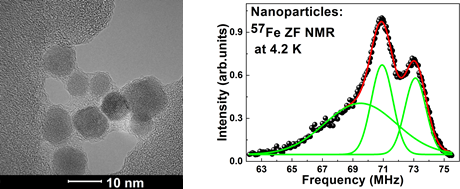
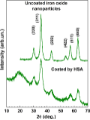
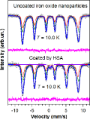
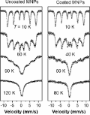
- due to the separation of the MNPs by nonmagnetic HSA protein molecules. In particular, this leads to the transition of coated nanoparticles to the paramagnetic state at a lower temperature. The NMR spectra of uncoated, functionalized nanoparticles revealed no changes in the hyperfine parameters of the




Engineered superparamagnetic iron oxide nanoparticles (SPIONs) for dual-modality imaging of intracranial glioblastoma via EGFRvIII targeting
Beilstein J. Nanotechnol. 2019, 10, 1860–1872, doi:10.3762/bjnano.10.181
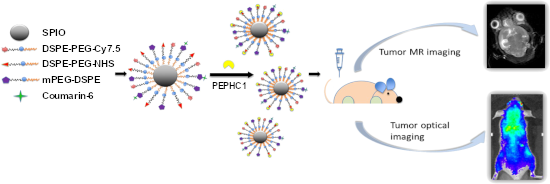
- proteins, resulting in the formation of protein corona [48][49]. To minimize the adverse effects of the presence of the protein corona in vivo, the surface coating using PEG can endow the NPs with so-called “stealth” properties to reduce the adsorption of high molecular weight proteins, allowing them to




Lipid nanostructures for antioxidant delivery: a comparative preformulation study
Beilstein J. Nanotechnol. 2019, 10, 1789–1801, doi:10.3762/bjnano.10.174
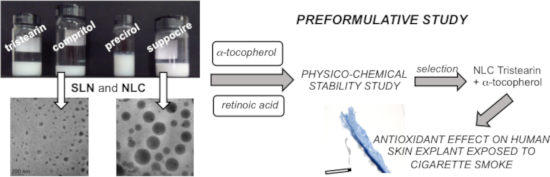
- nanostructured lipid carriers compositions. Human skin explants were treated with α-tocopherol-loaded nanostructured lipid carriers and then exposed to cigarette smoke, and the protein levels of the stress-induced enzyme heme oxygenase were analyzed in skin homogenates. Interestingly, it was found that
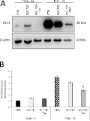
- the physical and chemical stability, particle size analysis and TOC encapsulation efficiency were periodically evaluated by PCS and HPLC, respectively, as above reported. Western blot analysis for HO-1 and HO-2 protein Cytotoxicity determination Experiments were carried out to assess the range of NLC
- media at 37 °C in a humidified 5% CO2 atmosphere for 24 h. Protein extraction Samples for Western blot analysis were washed in PBS and frozen in liquid nitrogen. The biopsies were extracted in ice-cold conditions using a tissue protein extraction reagent (T-PER buffer, Thermo Fisher Scientific, MA, USA

Novel hollow titanium dioxide nanospheres with antimicrobial activity against resistant bacteria
Beilstein J. Nanotechnol. 2019, 10, 1716–1725, doi:10.3762/bjnano.10.167
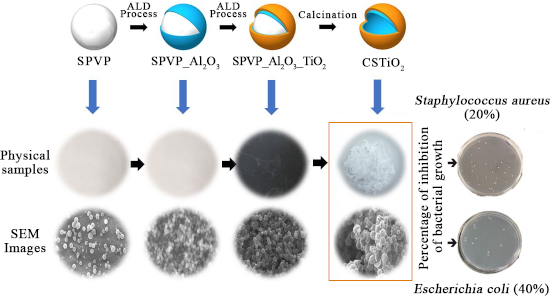
- cells through various processes, such as lipid peroxidation of cell membrane, damaging DNA and/or amino acid- and protein-based cell oxidation [50][51]. This analysis also evidenced that, although an important enhancement of CSTiO2 antimicrobial activity occurred within 60 min of UV irradiation, no


Doxorubicin-loaded human serum albumin nanoparticles overcome transporter-mediated drug resistance in drug-adapted cancer cells
Beilstein J. Nanotechnol. 2019, 10, 1707–1715, doi:10.3762/bjnano.10.166
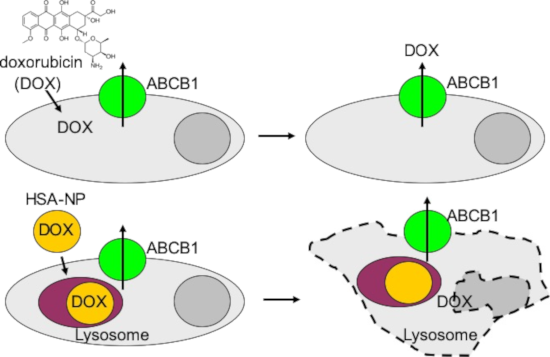
- produce [13][14][15][16][17], and HSA is a well-tolerated material. It is the most abundant protein in human blood plasma and used in many pharmaceutical formulations, in particular as part of critical care treatment [18]. Results Nanoparticle size, polydispersity and drug load HSA nanoparticles were


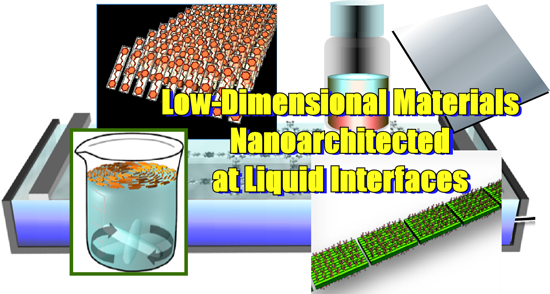
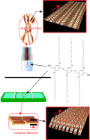
Materials nanoarchitectonics at two-dimensional liquid interfaces
Beilstein J. Nanotechnol. 2019, 10, 1559–1587, doi:10.3762/bjnano.10.153



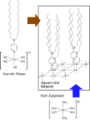

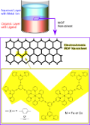

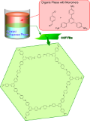


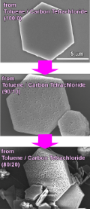






A biomimetic nanofluidic diode based on surface-modified polymeric carbon nitride nanotubes
Beilstein J. Nanotechnol. 2019, 10, 1316–1323, doi:10.3762/bjnano.10.130
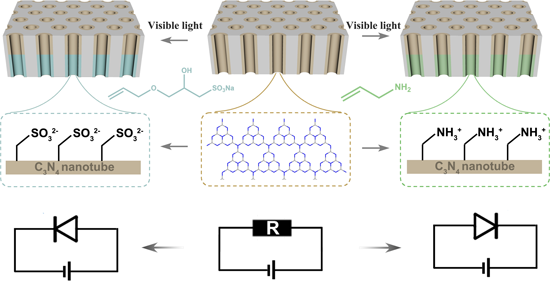
- the process of photosynthesis, light-driven passive ion transport results in a proton gradient across cell membranes, which enables the production of adenosine triphosphate (ATP) via ATP synthase [6]. All these passive and active ion transport processes in vivo occur in biological protein nanopores


Multicomponent bionanocomposites based on clay nanoarchitectures for electrochemical devices
Beilstein J. Nanotechnol. 2019, 10, 1303–1315, doi:10.3762/bjnano.10.129
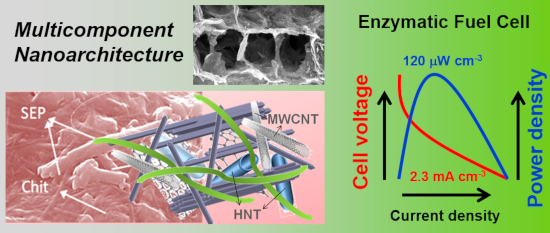
- appropriate isoelectric point (at pH 4.0–4.5) for inclusion and immobilization at the surface of the halloysite lumen. Then, HNTs were exploited as nanocontainers for GOx, avoiding the direct interaction the protein with the sepiolite fibres that may lead to enzymatic inactivity [58][59]. In fact, assays



Enhanced inhibition of influenza virus infection by peptide–noble-metal nanoparticle conjugates
Beilstein J. Nanotechnol. 2019, 10, 1038–1047, doi:10.3762/bjnano.10.104
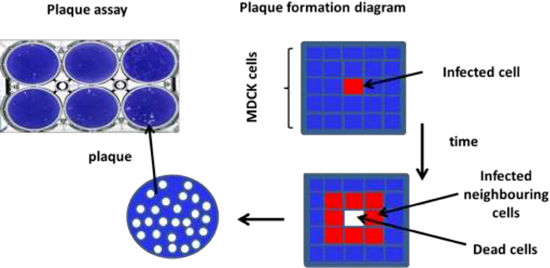
- as a sequence in tyrosine kinase inhibitor peptide (Tkip), thought to act as a mimic of the suppressor of cytokine signalling (SOCS) protein [16]. However, the antiviral activity of FluPep does not depend on blocking cytokine signalling, which is intracellular, but instead this peptide appears to
- virus particle binding, the virion will enter the cell, replicate its genome, translate viral protein components, assemble viral particles and then egress from the infected cell by lysis. The released viral particles will then infect neighbouring cells. By putting an agarose overlay on cultured cells
- purchased from Peptide Protein Research (PPR Ltd, Hampshire, UK). The alkanethiol ethylene glycol ligand, HS(CH2)11(OC2H4)4OH, was purchased from Prochimia (ProChimia Surface Sp. z o.o., Sopot, Poland). Gold nanoparticles of 9 nm diameter stabilized in citrate buffer were purchased from British Biocell




Serum type and concentration both affect the protein-corona composition of PLGA nanoparticles
Beilstein J. Nanotechnol. 2019, 10, 1002–1015, doi:10.3762/bjnano.10.101
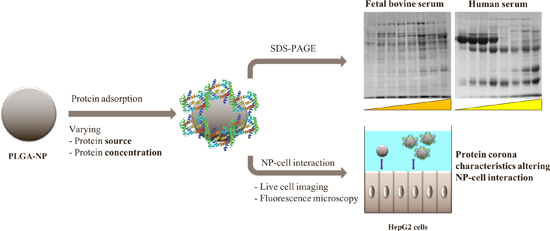
- /bjnano.10.101 Abstract Background: When nanoparticles (NPs) are applied into a biological fluid, such as blood, proteins bind rapidly to their surface forming a so-called “protein corona”. These proteins are strongly attached to the NP surface and confers them a new biological identity that is crucial
- for the biological response in terms of body biodistribution, cellular uptake, and toxicity. The corona is dynamic in nature and it is well known that the composition varies in dependence of the physicochemical properties of the NPs. In the present study we investigated the protein corona that forms
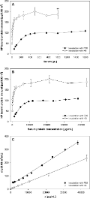
- around poly(lactide-co-glycolide) (PLGA) NPs at different serum concentrations using two substantially different serum types, namely fetal bovine serum (FBS) and human serum. The corona was characterized by means of sodium dodecylsulfate polyacrylamide gel electrophoresis (SDS-PAGE), Bradford protein



Experimental study of an evanescent-field biosensor based on 1D photonic bandgap structures
Beilstein J. Nanotechnol. 2019, 10, 967–974, doi:10.3762/bjnano.10.97
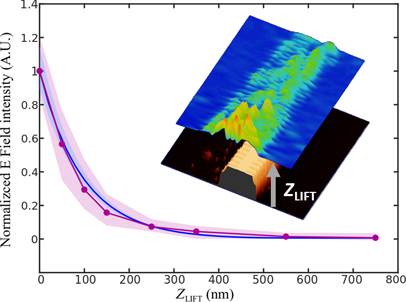
- Mach–Zehnder interferometers or bimodal waveguides, respectively. By using this type of structures, outstanding results have been obtained for the specific detection of a wide range of analytes, reaching detect limits even below the nanogram-per-milliliter range for protein detection [5] and below the


Effects of gold and PCL- or PLLA-coated silica nanoparticles on brain endothelial cells and the blood–brain barrier
Beilstein J. Nanotechnol. 2019, 10, 941–954, doi:10.3762/bjnano.10.95
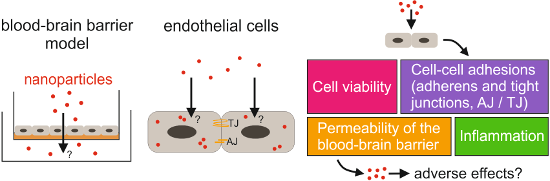
- cytotoxicity in HUVECs. Furthermore, Si-NPs were shown to induce oxidative stress and inflammation mediated by mitogen-activated protein kinase (MAPK) and nuclear factor kappa-light-chain-enhancer of activated B cells (NF-κB) [21] pathways that are related to cell proliferation and differentiation but also to
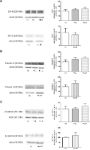
- , proliferation and inflammation in rBCEC4 cells Possible changes in protein expression representing inhibition or activation of several crucial proteins of different signaling pathways involved in regulatory processes including cell survival and proliferation were investigated with western blotting. The active
- , phosphorylated (P-) form of the proteins of interest was compared to their inactive, non-phosphorylated form. Protein kinase B (Akt) could be detected in its inactive and active form but neither exposure to Si- nor to Au-NPs caused significant changes in its expression. However, a trend to an increase in P-Akt



Outstanding chain-extension effect and high UV resistance of polybutylene succinate containing amino-acid-modified layered double hydroxides
Beilstein J. Nanotechnol. 2019, 10, 684–695, doi:10.3762/bjnano.10.68
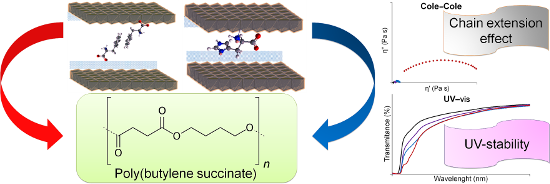
- ]. LDHs are considered to be “green” and low environmental impact fillers [12], biocompatible [13] and food compatible [14]. Indeed the choice of organo-modified LDH using amino acids, and among them the protein-building amino acids, has already been demonstrated [15]. Having in mind that UV stabilization





