Search results
Search for "proteins" in Full Text gives 429 result(s) in Beilstein Journal of Nanotechnology. Showing first 200.
Luminescent gold nanoclusters for bioimaging applications
Beilstein J. Nanotechnol. 2020, 11, 533–546, doi:10.3762/bjnano.11.42
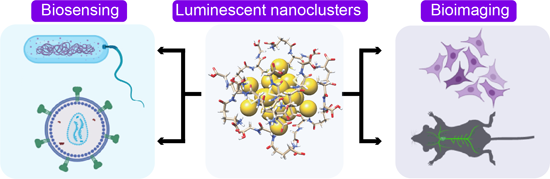
- biochemical processes [14][15][16][17]. The large molecular mass of GFP might affect the folding process of tagged proteins, or a possible aggregation may lead to cytotoxicity. Beyond molecular and biomolecular luminescent materials, colloidal luminescent nanomaterials have gained attention in recent years
- importantly, the Au-BSA NCs are stable under ambient conditions and retain their PL even after drying (Figure 1G,H) allowing for long-term storage [64]. Several other proteins including lysozyme, human serum albumin (HSA) and insulin have been used to prepare inherently luminescent AuNCs [65][66][67][68][69
- as ionic polymers, proteins or peptides [74][75][76]. Recently, Dichiarante et al. reported NIR-luminescent AuNCs bearing superfluorinated (SF) ligands with strong emission at 1050 nm with a quantum yield of 12% [77]. An extensive account of the PL of NCs is beyond the scope of this review and has


Multilayer capsules made of weak polyelectrolytes: a review on the preparation, functionalization and applications in drug delivery
Beilstein J. Nanotechnol. 2020, 11, 508–532, doi:10.3762/bjnano.11.41
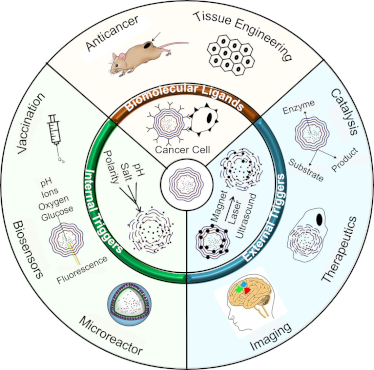
- multilayer capsules as drug delivery vehicles [17]. They are capable of encapsulating all kinds of substances and/or molecules ranging from enzymes, nucleic acid, peptides, proteins, therapeutic drugs, biomolecules, fluorescent molecules and nanoparticles (NPs) in their hollow cavity [18]. This can be
- inorganic particles, NPs, proteins, biological cells, liposomes, DNA, dyes and drugs have served as suitable sacrificial templates [22]. After serving as a support to develop multilayer assembly, the core is dissolved by using suitable solvents. Organic cores such as melamine formaldehyde (MF) and
- easily carried out. Various types of cargo such as proteins, enzymes, dyes, biomolecules, drugs and fluorescent molecules have been successfully encapsulated in hollow PE capsules by different encapsulation methods [64]. One way of encapsulation is active encapsulation, i.e., using the encapsulation



Preparation and in vivo evaluation of glyco-gold nanoparticles carrying synthetic mycobacterial hexaarabinofuranoside
Beilstein J. Nanotechnol. 2020, 11, 480–493, doi:10.3762/bjnano.11.39
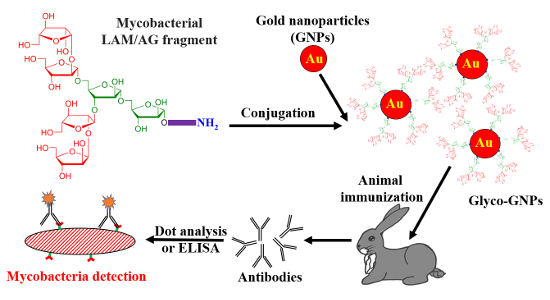
- serological identification of microorganisms and are also widely used as antigenic components of vaccines. The use of gold nanoparticles as carriers for glyco-epitopes is becoming an important alternative to the traditional conjugation with proteins and synthetic polymers. In this study, we aimed to prepare
- ][29][30][31][32][33][34][35][36][37][38][39][40][41][42][43][44][45][46][47][48] to the traditional conjugation with proteins, synthetic polymers and other carriers [15][17][38][49][50][51][52][53][54][55]. Immunological properties of GNPs [25][56][57] and their use in vaccine development [58] have
- . tuberculosis cell wall. Previous studies revealed that LAM and especially its terminal oligosaccharide fragments, conjugated with proteins [7][10][19] or monophosphoryl lipid A [23], are attractive targets for the development of carbohydrate-based anti-TB vaccines [7][10][19][23][65][66]. In this study, we


Brome mosaic virus-like particles as siRNA nanocarriers for biomedical purposes
Beilstein J. Nanotechnol. 2020, 11, 372–382, doi:10.3762/bjnano.11.28
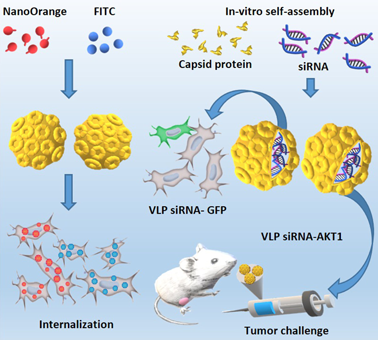
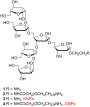
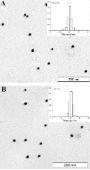
- ][19][20]. The capsids of these viruses result from the assembly of 180 identical proteins with T = 3 symmetry that forms the icosahedral shell with a diameter of 28 nm [21]. The N-terminal region of the capsid protein is highly basic and positively charged, which allows for the binding of the viral
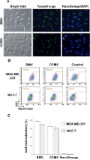
- been reported using papaya mosaic virus [45]. Both capsids of CCMV and BMV were covered with polyethylene glycol (PEG) to decrease their surface charge and mask the domains of the capsid proteins that could be recognized by the macrophages (Figure 3C,D). PEG is widely used to reduce the immunogenicity
- of proteins. Also, PEG has been approved by the US Food and Drug Administration, and there are now several PEGylated drugs commercially available. The PEG–drug conjugates show several advantages that include prolonged residence in the body, reduced degradation by metabolic enzymes, and reduced or no


Poly(1-vinylimidazole) polyplexes as novel therapeutic gene carriers for lung cancer therapy
Beilstein J. Nanotechnol. 2020, 11, 354–369, doi:10.3762/bjnano.11.26
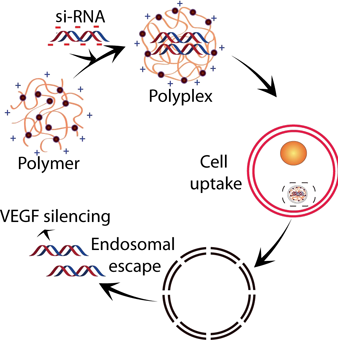
- cationic imidazole groups in the polymer resulting an increase in the melting point of the polyplex. The stability of the polyplex in serum is a major factor influencing its therapeutic efficacy. The serum proteins could dissociate the siRNA–polymer complex reducing the delivery efficiency. Heparin is a


Interactions at the cell membrane and pathways of internalization of nano-sized materials for nanomedicine
Beilstein J. Nanotechnol. 2020, 11, 338–353, doi:10.3762/bjnano.11.25
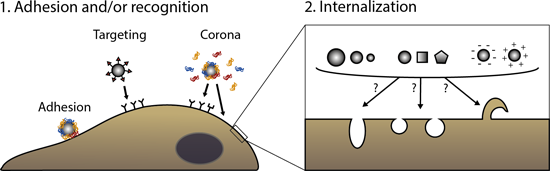
- cells in similar ways as other nano-sized objects, such as proteins, cholesterol particles, and virus particles. These natural nano-sized objects are usually recognized by specific cell receptors at the plasma membrane and they are internalized by cells using the cell endocytic machinery [4]. Similarly
- the cell membrane and the potential interaction with cell receptors (Figure 1). In order to control and affect these first events, nano-sized carriers can be modified with targeting moieties, such as peptides, proteins, or antibodies to specifically recognize receptors on the cell surface to achieve
- modifications reduce the amount of biomolecules bound on the surface of nanomedicines after administration (though it has been shown that PEGylated surfaces can still adsorb proteins [46][47]) and usually also lead to decreased uptake by cells. At the same time, the corona confers a new biological identity to


Using gold nanoparticles to detect single-nucleotide polymorphisms: toward liquid biopsy
Beilstein J. Nanotechnol. 2020, 11, 263–284, doi:10.3762/bjnano.11.20
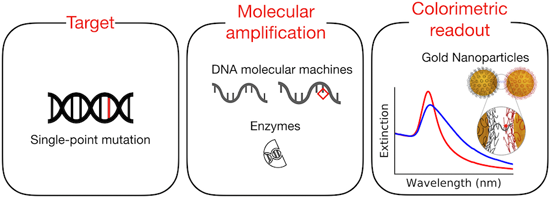
- ], microRNA, RNA [32] and proteins [33] (Figure 1). For the discussion here, the detection of circulating cell-free DNA is relevant. While all types of cells (tumor and nonmalignant) release cfDNA into the extracellular system [34], the circulating tumor DNA (ctDNA) is released uniquely by tumor cells
- . Translocations or inversions within a gene that result in fusion genes and associated fusion proteins. Among these four gene alterations, the SNPs in ctDNA are known as the major contributors to the genetic variations, representing more than 80% of all known polymorphisms at a frequency of around 1 every 1000
- nanoparticles, in which interparticle forces [139], mutual orientation and interparticle distances are well controlled by chemical stimuli. Finally, we foresee that the detection of genetic mutations by plasmonic nanoparticles will be strongly enhanced by a complementary detection of disease-related proteins




Rational design of block copolymer self-assemblies in photodynamic therapy
Beilstein J. Nanotechnol. 2020, 11, 180–212, doi:10.3762/bjnano.11.15
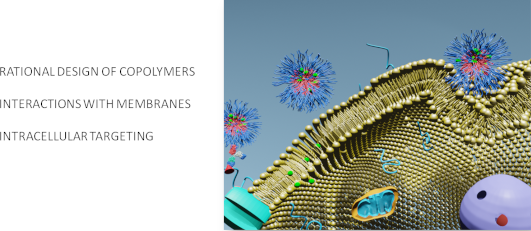
- , regarding the block copolymers used as nanovectors for the delivery of the photosensitizer. In particular, we describe the chemical nature and structure of the block copolymers showing a very large range of existing systems, spanning from natural polymers such as proteins or polysaccharides to synthetic
- proteins and adhesion to cells [108][109]. A hydrophobic cargo, well within the hydrophobic core is thus protected from hydrolysis and enzymatic degradation. Besides, PEO prevents the recognition from the mononuclear phagocyte system and preliminary clearance from the bloodstream is reduced. Although PEO
- interactions in the biological medium. The proteins, lipids, extracellular matrix components are all ingredients that can transform or dissociate the vector, leading to the release of the PS. Increasing the stability of the vector can therefore be important, but some commercialized systems such as Abraxane


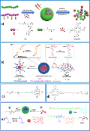


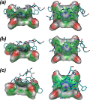


Molecular architectonics of DNA for functional nanoarchitectures
Beilstein J. Nanotechnol. 2020, 11, 124–140, doi:10.3762/bjnano.11.11
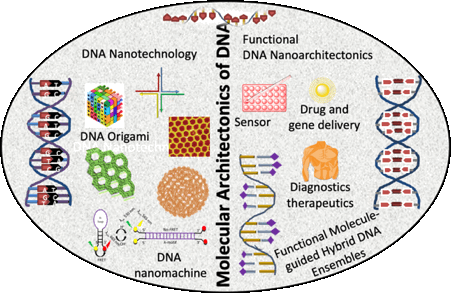
- , DNA origami is anticipated to have possible applications in the fields of biosciences, the design of protein scaffolds, and plasmonics [51][52][53]. Shih and co-workers utilized DNA origami nanotechnology for the structural determination of plasma membrane proteins [54]. They reported the construction
- of detergent-resistant 0.8 µm-long liquid crystalline DNA nanotubes organized from a 7.3 kb scaffold strand and >170 short oligonucleotide-long staple strands. The liquid crystalline matrices of six helix DNA origami bundles induced a weak alignment of proteins within the plasma membrane. The
- solubilization and weak alignment of proteins within plasma membrane are crucial to measure the residual dipolar couplings (RDCs), and the RDCs are crucial to obtain NMR structural information on membrane-bound proteins. As reported, DNA origami-based liquid crystalline media can overcome detergent-related


Internalization mechanisms of cell-penetrating peptides
Beilstein J. Nanotechnol. 2020, 11, 101–123, doi:10.3762/bjnano.11.10
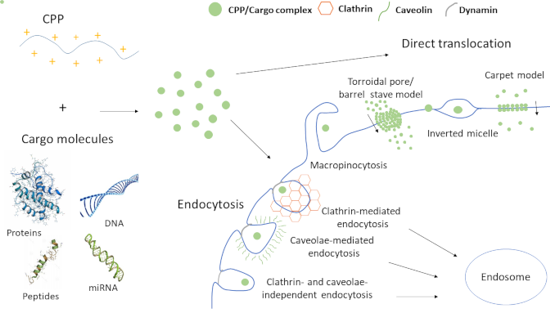
- Ivana Ruseska Andreas Zimmer Institute of Pharmaceutical Sciences, Department of Pharmaceutical Technology and Biopharmacy, University of Graz, 8010 Graz, Austria 10.3762/bjnano.11.10 Abstract In today’s modern era of medicine, macromolecular compounds such as proteins, peptides and nucleic acids
- a major breakthrough for the transport of macromolecules. They have been shown to successfully deliver proteins, peptides, siRNAs and pDNA in different cell types. In general, CPPs are basic peptides with a positive charge at physiological pH. They are able to translocate membranes and gain entry to
- “canonical” rules defining what a drug molecule should be like, has been accelerated these days. One part of this new group are proteins, peptides and nucleic acids, all developed with one thing in mind – bypassing the limitations of conventional therapeutics [3]. The novelty of these macromolecular


A review of demodulation techniques for multifrequency atomic force microscopy
Beilstein J. Nanotechnol. 2020, 11, 76–91, doi:10.3762/bjnano.11.8

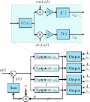
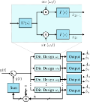
- theoretical foundations for determining secondary sample properties such as Young’s modulus [13][22]. Applications include the imaging of secondary properties of proteins [23] and polymers [24]. Intermodulation AFM actively drives the cantilever slightly below and above resonance with a two-tone drive


Fully amino acid-based hydrogel as potential scaffold for cell culturing and drug delivery
Beilstein J. Nanotechnol. 2019, 10, 2579–2593, doi:10.3762/bjnano.10.249
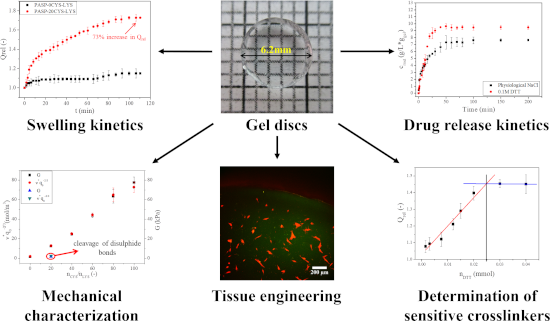
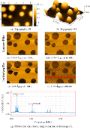
- , Nagyvarad square 4, Budapest, Hungary 10.3762/bjnano.10.249 Abstract Polymer hydrogels are ideal scaffolds for both tissue engineering and drug delivery. A great advantage of poly(amino acid)-based hydrogels is their high similarity to natural proteins. However, their expensive and complicated synthesis


Long-term stability and scale-up of noncovalently bound gold nanoparticle-siRNA suspensions
Beilstein J. Nanotechnol. 2019, 10, 2568–2578, doi:10.3762/bjnano.10.248
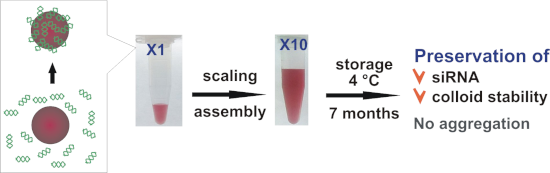
- final nanostructures with a biomolecular shell seems quite complex because of the high lability of many proteins, polymers, and lipids. The synthesis and storage of significant quantities of core materials for multi-level nanoconstructions could be an approach to solving this problem. Therefore, we


Bombesin receptor-targeted liposomes for enhanced delivery to lung cancer cells
Beilstein J. Nanotechnol. 2019, 10, 2553–2562, doi:10.3762/bjnano.10.246
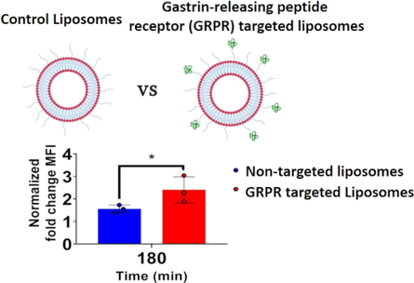
- , leading to accumulation of nanocarriers in the tumour. A diversity of targeting ligands has been explored, including antibodies, proteins, peptides and aptamers. Targeted nanoparticles such as HER2-targeted MM-302 [14], transferrin receptor-targeted CALAA-01 [15], and prostate-specific membrane antigen
- polydisperse proteins of different sizes [27]. Indeed, the surface properties of various nanoparticles have been shown to change dramatically in the presence of plasma or serum [28] with the establishment of an adsorbed protein corona around the nanoparticle. It is now widely accepted that the particle protein

Evaluation of click chemistry microarrays for immunosensing of alpha-fetoprotein (AFP)
Beilstein J. Nanotechnol. 2019, 10, 2505–2515, doi:10.3762/bjnano.10.241
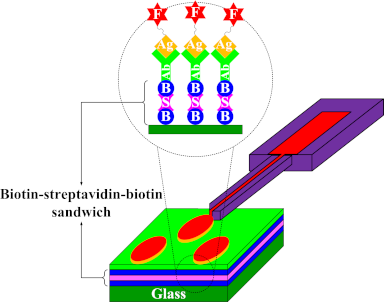
- our setup. Negative control samples (no AFP present) yielded no fluorescence signal (Supporting Information File 1, Figure S2a). Furthermore, unspecific binding of non-target proteins is assumed to be low as revealed by a control experiment with fluorescently labeled streptavidin as model protein
- reagents are the simplest and most frequently used reagents for labeling proteins like antibodies. Within a pH range of 7–9, succinimidyl-ester reacts efficiently with the primary amino groups (–NH2) in the side chain of the lysine (K) residues of proteins to form stable amide bonds. This reaction results


Small protein sequences can induce cellular uptake of complex nanohybrids
Beilstein J. Nanotechnol. 2019, 10, 2477–2482, doi:10.3762/bjnano.10.238
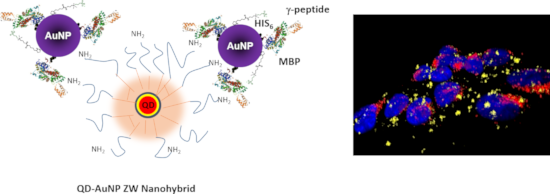
- on the ability of functional fusion proteins presenting a lytic gamma peptide, to promote interactions with HeLa cells and delivery of large hybrid nanostructures. Keywords: bioconjugation; cellular uptake; nanoparticle hybrids; polymer encapsulation; self-assembly; Introduction Developing hybrid
- various proteins, and among them the human transferrin protein was found to induce the highest intracellular uptake following 24 h incubation of these hybrids with cell cultures [5]. In the second, functional colloidal superstructures assembled using DNA linkers elicited a reduction in the response of
- hybrid system consisting of self-assembled gold nanoparticles (AuNPs) and polymer-encapsulated QDs. These constructs were further functionalized with polyhistidine-tagged proteins, yielding functional conjugates that exhibit fluorescent and plasmonic properties [8]. Over the last two decades several

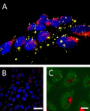
pH-Controlled fluorescence switching in water-dispersed polymer brushes grafted to modified boron nitride nanotubes for cellular imaging
Beilstein J. Nanotechnol. 2019, 10, 2428–2439, doi:10.3762/bjnano.10.233
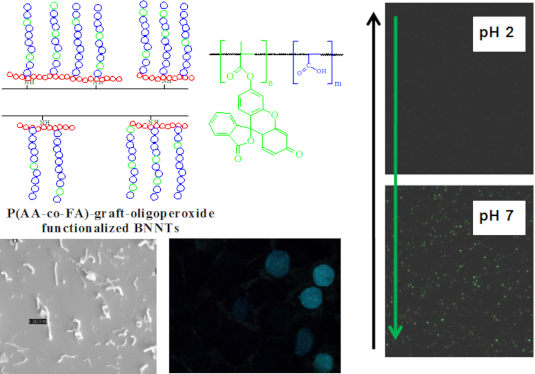
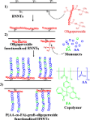
- )-functionalized BNNTs Fluorescence microscopy of living cells has become an integral part of modern cell biology. Most often cellular imaging is provided using fluorescent labels, including fluorescent dyes, nanoparticles, nanocomposites or proteins [55]. This label must meet certain criteria, such as


Mannosylated brush copolymers based on poly(ethylene glycol) and poly(ε-caprolactone) as multivalent lectin-binding nanomaterials
Beilstein J. Nanotechnol. 2019, 10, 2192–2206, doi:10.3762/bjnano.10.212
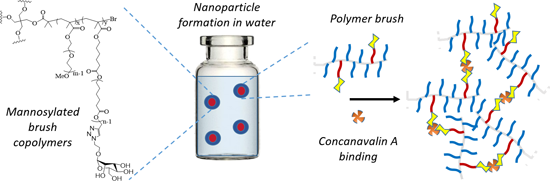
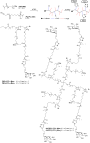
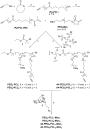
- saccharide–protein connections. Carbohydrate-binding proteins are known as lectins. A way to interfere with pathological carbohydrate–protein interactions is the use of artificial ligands able to antagonize lectins, possibly with higher affinity than the natural ligands. Multivalent glycoconjugates have been
- polymer that does not promote immune responses. Pegylation reduces the nonspecific binding of nanoparticles to blood proteins and macrophages, making them non-immunogenic and non-antigenic [21]. PEG-PCL copolymers are amphihilic materials that can spontaneously assemble in aqueous media, forming colloidal



Use of data processing for rapid detection of the prostate-specific antigen biomarker using immunomagnetic sandwich-type sensors
Beilstein J. Nanotechnol. 2019, 10, 2171–2181, doi:10.3762/bjnano.10.210
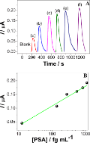
- The suitability of INμ-SPCEs for detecting PSA in real samples was tested with malignant (LNCap) and non-malignant (PNT-2) cells. In contact with cell lysates containing several proteins, the bioconjugate binds specifically to PSA (PSA-Ab2-MNP-HRP), thus allowing for the capture, separation and
- can be adapted for multiplex detection of biomarkers, in addition to PSA, by combining with other proteins. We also demonstrated that information visualization techniques, so far most commonly used for impedance spectroscopy sensing data, can be applied to amperometric results with a microfluidic


Nitrogen-vacancy centers in diamond for nanoscale magnetic resonance imaging applications
Beilstein J. Nanotechnol. 2019, 10, 2128–2151, doi:10.3762/bjnano.10.207
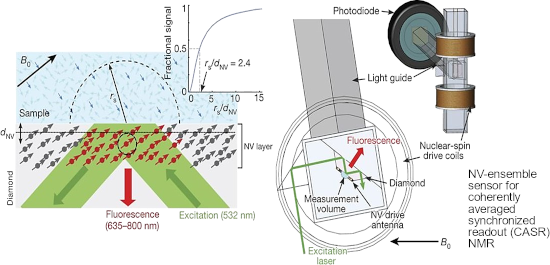
- coronas of proteins) are fundamental to making nanoprobes biocompatible. However, this promising field still needs to overcome challenges to deliver its full potential. Solid chemical shifts have been measured in 2D with 1 µm accuracy by MR force microscopy [17], a technique that is readily extendable to


Microbubbles decorated with dendronized magnetic nanoparticles for biomedical imaging: effective stabilization via fluorous interactions
Beilstein J. Nanotechnol. 2019, 10, 2103–2115, doi:10.3762/bjnano.10.205
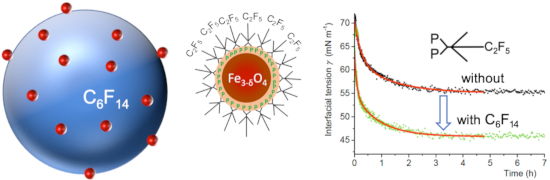
- range of molecules, including phospholipids [36], polymers [17], proteins [37], biomarkers [38] and CeO2 nanoparticles [39]. But the most important finding here is that the fluorocarbon gas affects the adsorption of the IONPs differently, depending on whether the dendron carries a fluorinated end group


Incorporation of doxorubicin in different polymer nanoparticles and their anticancer activity
Beilstein J. Nanotechnol. 2019, 10, 2062–2072, doi:10.3762/bjnano.10.201
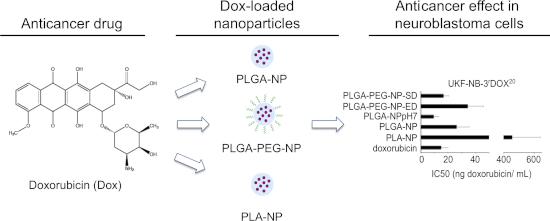
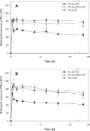
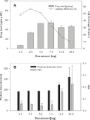
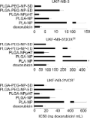
- was not increased substantially further using PLGA-PEG nanoparticles. A slight drop in the doxorubicin concentration was noticeable in the medium of the PLGA nanoparticles. This may be the consequence of doxorubicin adsorption to BSA [49], which was added to simulate the presence of plasma proteins





Review of advanced sensor devices employing nanoarchitectonics concepts
Beilstein J. Nanotechnol. 2019, 10, 2014–2030, doi:10.3762/bjnano.10.198
- having chiral ʟ-serine and ʟ-threonine to discriminate enantiomers of N-acetyl amino acid anions through ratiometric fluorescence analysis. Torsi and co-workers adopted odorant binding proteins to discriminate chiral substances [90]. They immobilized odorant binding proteins to the gate of a water-gated
- receptors and enzymes, and macromolecular interfaces at DNA and proteins. This mechanism for the enhancement of the molecular recognition capability at interfaces is surely applicable to other molecular recognition pairs and should also lead to highly efficient molecular recognition of various aqueous
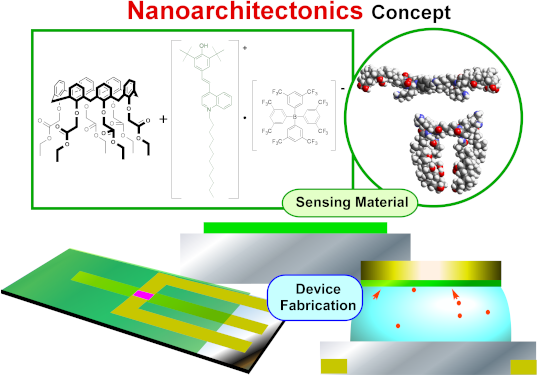
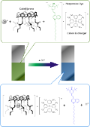
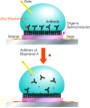
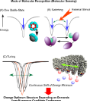
- nanoarchitectonics concept and its contributions to sensor design and fabrication. A water-gated bio-organic transistor with odorant binding proteins for the discrimination of chiral substances. Highly sensitive humidity sensor based on a triboelectric nanogenerator device where nanochannels in the membrane adsorb





Gold-coated plant virus as computed tomography imaging contrast agent
Beilstein J. Nanotechnol. 2019, 10, 1983–1993, doi:10.3762/bjnano.10.195
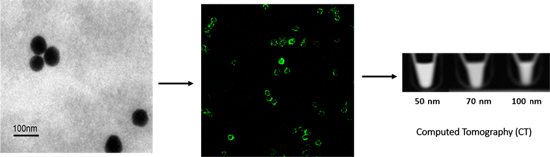
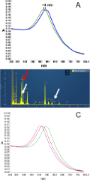
- purification of the antibody-labeled particles suggesting successful modification of their exterior surface. This observed increase in the hydrodynamic radius is consistent with the previous report of particles coated with proteins [39]. In addition, the UV–vis spectrum was used to evaluate the surface
- modification with proteins [40] and indicates that the surface of the Au-CPMV particles is “smooth”. The shift would be greater if the surface had an uneven shape. In addition, the 4 nm red-shift of the LSPR peak suggests that the modification of the Au-CPMV surface with antibodies has been successful. This




Magnetic properties of biofunctionalized iron oxide nanoparticles as magnetic resonance imaging contrast agents
Beilstein J. Nanotechnol. 2019, 10, 1964–1972, doi:10.3762/bjnano.10.193
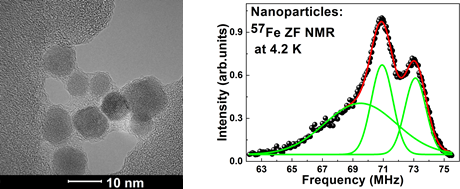
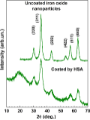
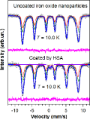
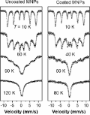
- coated nanoparticles compared to the uncoated nanoparticles [23][24]. According to XRD and TEM, the HSA-coated and uncoated nanoparticles have a similar size, shape, crystal structure and phase composition. Since the nonmagnetic HSA proteins separate the coated particles from each other, the magnetic