Search results
Search for "size distribution" in Full Text gives 598 result(s) in Beilstein Journal of Nanotechnology. Showing first 200.
PEG/PEI-functionalized single-walled carbon nanotubes as delivery carriers for doxorubicin: synthesis, characterization, and in vitro evaluation
Beilstein J. Nanotechnol. 2020, 11, 1728–1741, doi:10.3762/bjnano.11.155
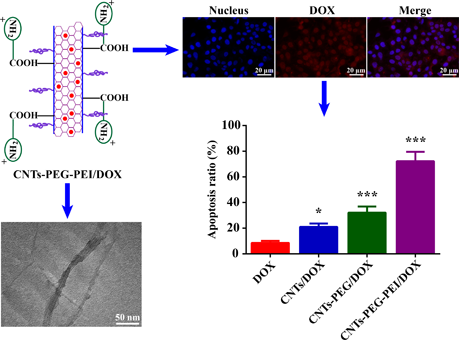
- 3000HS). A volume-weighted Gaussian size distribution was fit to the autocorrelation functions to obtain the particle size and zeta potential values. The atomic fractions of C, O, and N in the different SWCNTs samples were determined by X-ray photoelectron spectroscopy (XPS, Thermo Fisher Scientific
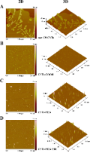
- -COOH sample is distinctly smaller than that of the raw SWCNTs, and the sample treated with H2SO4/HNO3 mixed acid solution has the most even size distribution. The particle size of CNTs modified by PEG and PEI increases slightly. It should be noted that dynamic light scattering (DLS) is mainly suitable




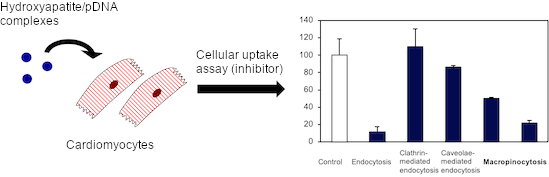
Cardiomyocyte uptake mechanism of a hydroxyapatite nanoparticle mediated gene delivery system
Beilstein J. Nanotechnol. 2020, 11, 1685–1692, doi:10.3762/bjnano.11.150
- of 75 kV. The particle size distribution of the HAp nanoparticles was measured via NTA (NanoSight NS10, Malvern). Cell culture HL-1 is a cell line derived from mouse atrial myocytes, which was originally isolated and characterized by Dr. Claycomb (University of Louisiana) [39]. HL-1 cells (murine
- significant (ANOVA4 on the Web, Hiroshima Jogakuin University). Characterization of the prepared HAp nanoparticles using the W/O emulsion method. (a) A representative TEM image of HAp nanoparticles. The nanoparticles exhibited uniform size and spherical-like morphology. Scale bar: 100 nm. (b) The size
- distribution of HAp nanoparticles was determined using nanoparticle tracking analysis (NTA). The mean diameter was 159 ± 47 nm. (c) An X-ray diffractogram of the HAp nanoparticles in the range of 2θ = 20–60°. The spectra revealed the characteristic peaks of HAp according to ICDD no. 09-0432 (vertical lines


High-responsivity hybrid α-Ag2S/Si photodetector prepared by pulsed laser ablation in liquid
Beilstein J. Nanotechnol. 2020, 11, 1596–1607, doi:10.3762/bjnano.11.142
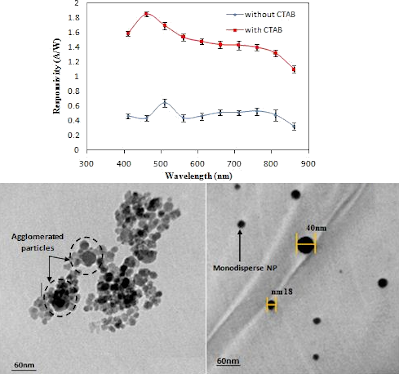
- enabled them to be used in many promising applications, for example, catalysis and electronic and optoelectronic devices [1][2][3]. In this regard, controlling particle sizes and attaining them within a narrow size distribution are important. Silver sulfide is an important semiconducting material with a
- surfactant, monodispersed Ag2S nanoparticles can be obtained with an average size of 45 nm with few agglomerated NPs. Figure 9 shows the particle size distribution of Ag2S synthesized without and with CTAB. The particle size of Ag2S NPs ranged from 10 to 70 nm with an average of 55 nm, while the particle
- distribution of Ag2S NPs prepared with CTAB ranged from 5 to 60 nm with an average of 45 nm. The particle size distribution of Ag2S prepared with CTAB is nearly Gaussian. The particle size distribution improved after adding CTAB, which plays a major role in preventing particle agglomeration [38]. The energy




Electrokinetic characterization of synthetic protein nanoparticles
Beilstein J. Nanotechnol. 2020, 11, 1556–1567, doi:10.3762/bjnano.11.138
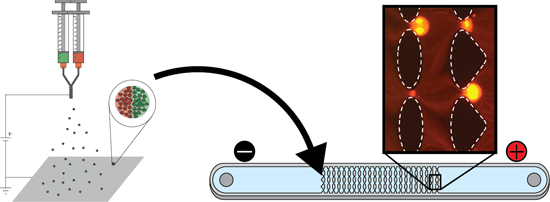
- ) esters as the copolymer. The NHS esters react with the lysine groups of BSA and polymerize into insoluble SPNPs. The SPNPs had a spherical shape according to SEM images. We further analyzed the size distribution of the particles using the ImageJ software and found that the particles had an average
- diameter of 299 ± 128 nm (Figure 1b). The particles were subsequently collected and suspended in media. After allowing the particles to equilibrate for 24 h, the average particle diameter value increased to 356 ± 190 nm according to dynamic light scattering (DLS) measurements. The size distribution curves
- characterized (Table 1). SPNP-Lys-488s had a size distribution and ζp value similar to those of the BSA SPNPs when measured in the EK buffer (Figure S2, Supporting Information File 1). The small differences in size distribution were mainly due to stochastic variabilities during particle synthesis; however, all



Antimicrobial metal-based nanoparticles: a review on their synthesis, types and antimicrobial action
Beilstein J. Nanotechnol. 2020, 11, 1450–1469, doi:10.3762/bjnano.11.129

- regarding their surface area, size, distribution, and morphology [6][7][8]. Research evidence shows that antimicrobial properties clearly depend on the synthesis method used to obtain the NPs. These synthesis procedures can be classified into physical, chemical, and biological methods [9]. In general
- pressure at which the ball mills are subjected to in a grinder. By using this technique, Kim et al. have discussed how ZnO NPs can be developed with sizes ranging from 20 to 30 nm [26]. The microwave-thermal method [27][28][29][30] allows small particles to be obtained with a narrow size distribution from


Wafer-level integration of self-aligned high aspect ratio silicon 3D structures using the MACE method with Au, Pd, Pt, Cu, and Ir
Beilstein J. Nanotechnol. 2020, 11, 1439–1449, doi:10.3762/bjnano.11.128
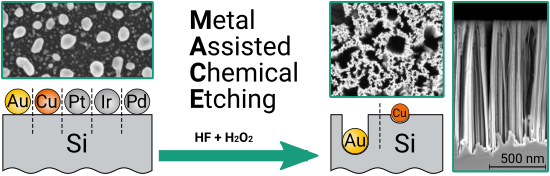
- broad particle size distribution. The surface is covered by more than 44%, which means 876 particles/μm2. The Pt particles mainly have a diameter below 10 nm with 495 particles/μm2. The total surface coverage did not exceed 1.0%. This result implies that the Pt film was significantly thinner than the
- , we were able to cover the whole wafer surface homogeneously with nanoparticles. The particle size distribution can easily be modified by varying film thickness and annealing conditions or, correspondingly, the number of ALD cycles for the Ir particles. Silicon etching The wafers with noble metal
- distributed walls with trenches of various sizes. This structure comprises nanopores of a few nanometres in diameter. The observed diameter distribution of the vertical trenches corresponds to the particle size distribution of Figure 1f. This indicates that all particles contribute to the etching process


One-step synthesis of carbon-supported electrocatalysts
Beilstein J. Nanotechnol. 2020, 11, 1419–1431, doi:10.3762/bjnano.11.126

- platinum loading, degree of oxidation, and the very narrow particle size distribution are precisely adjusted in the Pt/C hybrid material due to the simultaneous deposition of platinum and carbon during the process. The as-synthesized Pt/C hybrid materials are promising electrocatalysts for use in fuel cell
- , and Pt-NPs with a mean particle diameter less than 3 nm and a narrow particle size distribution (PSD) with a geometric standard deviation of 1.24–1.3 can be achieved. Furthermore, the NP immobilization within the carbon support significantly improves the long-term stability of the catalyst, as shown
- for the deposition of Pt/CNW hybrid materials using plasma-enhanced chemical vapor deposition is presented. The wall density and height of the carbon matrix, as well as the platinum loading, degree of oxidation, and particle size distribution, can be precisely controlled by careful adjustment of the




Transient coating of γ-Fe2O3 nanoparticles with glutamate for its delivery to and removal from brain nerve terminals
Beilstein J. Nanotechnol. 2020, 11, 1381–1393, doi:10.3762/bjnano.11.122
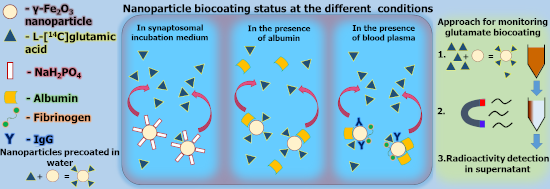
- particles was performed as described above and was also finished with 5 min of sonification. The resulting maghemite colloid of was filtered through sterile Millex syringe filters. Particle characterization by transmission electron microscopy Morphology and size distribution of the particles were


Analysis of catalyst surface wetting: the early stage of epitaxial germanium nanowire growth
Beilstein J. Nanotechnol. 2020, 11, 1371–1380, doi:10.3762/bjnano.11.121
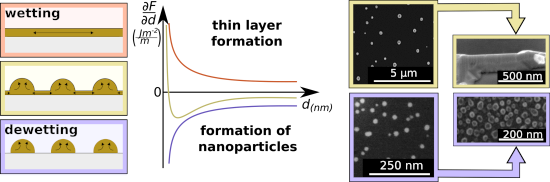
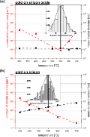
- number of gold droplets per area on the substrate temperature is shown. The size distribution at 550 °C is also depicted (Figure 2, insets), which is representative of all distributions within the temperature range considered. The diameter of the gold droplets remains constant throughout, while the size
- to the eye: dashed red line) and mean droplet diameter values (black dots, guide to the eye: dashed black line) as a function of the substrate temperature. The insets show histograms with the size distribution of droplet diameter values at 550 °C. For Au on SiOx the distribution is approximated by a
- distribution is described by a Gaussian distribution curve. The number of droplets per area as a function of the temperature follows two trends, which change at approximately 550 °C. At this point the number of droplets is minimal and this value increases away from this point. Gold on silicon Figure 2b shows


Structure and electrochemical performance of electrospun-ordered porous carbon/graphene composite nanofibers
Beilstein J. Nanotechnol. 2020, 11, 1280–1290, doi:10.3762/bjnano.11.112
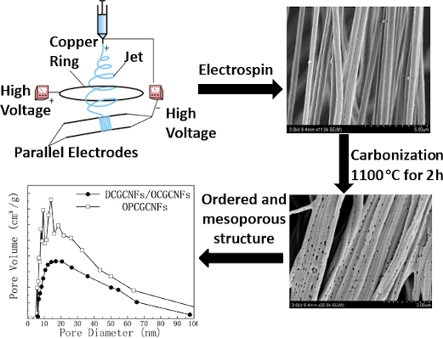
- their corresponding pore-size distribution (PSD) curves were obtained by using Barrett–Joyner–Halenda (BJH) analysis, as illustrated in Figure 4. The adsorption isotherms of DCGCNFs, OCGCNFs, and OPCGCNFs in Figure 4a showed a typical type IV behavior. There was a visible hysteresis loop between the


Magnetic-field-assisted synthesis of anisotropic iron oxide particles: Effect of pH
Beilstein J. Nanotechnol. 2020, 11, 1230–1241, doi:10.3762/bjnano.11.107
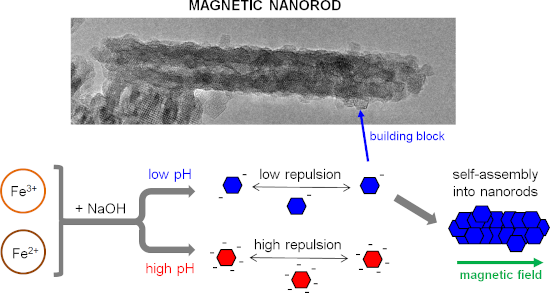
- under the same conditions but in the absence of a magnetic field (corresponding TEM micrograph and size distribution are presented in Supporting Information File 1, Figure S3). Therefore, under this synthesis route, the magnetic field has almost no effect on the morphology of the synthesized
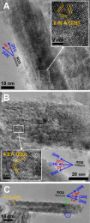
- were processed by ImageJ software in order to obtain distances and angles between crystal planes, radial-averaged integrals of electron diffraction patterns and to plot the histograms with the nanoparticle size distribution [60]. Baseline subtraction and peak integration of the radial-averaged
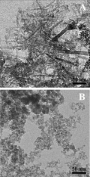
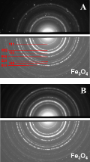
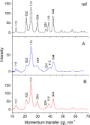
- respect to the total amount of iron ions (Fe3+ and Fe2+) in the mixture: R = 2.1 (A) and R = 8 (B). Size distribution histograms of nanoparticles obtained from TEM micrographs at different molar ratios R. (A) Length of the rods synthesized at R = 2.1. (B) Diameter of the rods synthesized at R = 2.1. (C





Gas sorption porosimetry for the evaluation of hard carbons as anodes for Li- and Na-ion batteries
Beilstein J. Nanotechnol. 2020, 11, 1217–1229, doi:10.3762/bjnano.11.106
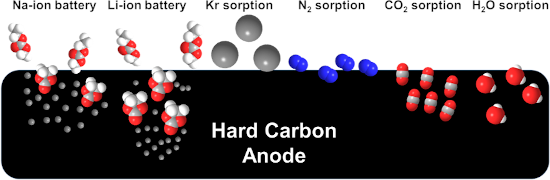
- size assignments [27]. Considering the expected complex interdependencies of the porosity/pore size distribution of HCs with their electrochemical properties, a combination of these sorption techniques seems reasonable. To minimize capacity losses due to SEI formation in graphite-based LIBs, the
- ). Gas and vapor sorption analyses were performed to examine the surface area, pore size distribution, and pore volume of the HC samples by a gas/vapor adsorption measurement instrument (autosorb iQ, Quantachrome Instruments, USA). All samples were outgassed under vacuum at 350 °C for more than 4 h
- calculated using the Brunauer–Emmett–Teller (BET) method. The pore size distribution was obtained from CO2 adsorption measurements using the Monte Carlo method. The isotherms of H2O adsorption were used to estimate the pore size distribution using the equation reported by Wang et al. [34], which is based on


Straightforward synthesis of gold nanoparticles by adding water to an engineered small dendrimer
Beilstein J. Nanotechnol. 2020, 11, 1110–1118, doi:10.3762/bjnano.11.95
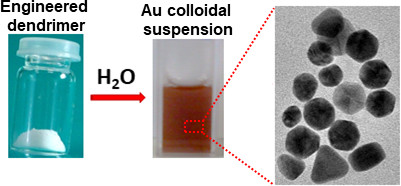
- suspension of Au NPs in water (inset on the right) obtained from compound 4. (a–e) TEM images of the gold nanoparticles obtained from the dendrimer compound 4 at different magnifications. (f) Analysis of the size distribution of the gold NPs from the TEM image (a). Scale bars: 100 nm (a), 20 nm (b), 2 nm (c


Highly sensitive detection of estradiol by a SERS sensor based on TiO2 covered with gold nanoparticles
Beilstein J. Nanotechnol. 2020, 11, 1026–1035, doi:10.3762/bjnano.11.87
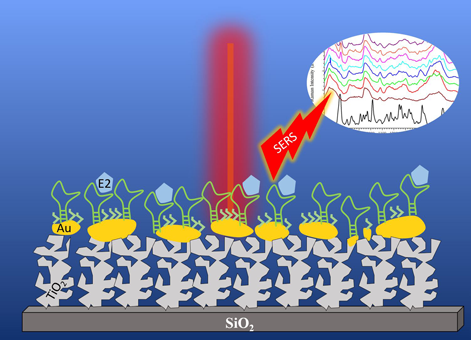
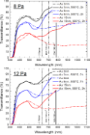
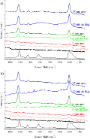
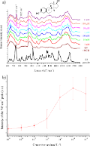
- perform morphological characterizations of the films deposited on Si(100) substrates. The average size distribution of Au NPs was estimated through statistical analysis of top-view SEM images with the open source software ImageJ®. Since the shape of the Au NPs was not always perfectly circular, their area



Agglomerates of nanoparticles
Beilstein J. Nanotechnol. 2020, 11, 854–857, doi:10.3762/bjnano.11.70
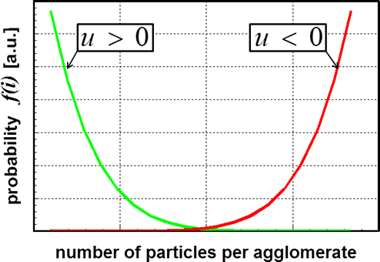
- or (attracting) highly agglomerated particles. For these two cases different distribution functions for the agglomerates were found. The size distribution of the agglomerates is ruled by the maximum of the entropy of the ensemble of agglomerates, which is calculated using Gibbs formula of entropy
- . The exact determination of the size distribution of the agglomerates also gives the maximum size of the agglomerates. These considerations lead to an improved understanding of ensembles of agglomerated nanoparticles. Keywords: agglomeration; enthalpy; entropy; Gibbs entropy; nanoparticles; size
- of particles in the ensembles is determined by the fact that for each size of agglomerates this number must be described by an integer. It is important to note that the extrema for the entropy are very flat. The small value of the parameter λ means that the size distribution is very close to a


Nickel nanoparticles supported on a covalent triazine framework as electrocatalyst for oxygen evolution reaction and oxygen reduction reactions
Beilstein J. Nanotechnol. 2020, 11, 770–781, doi:10.3762/bjnano.11.62
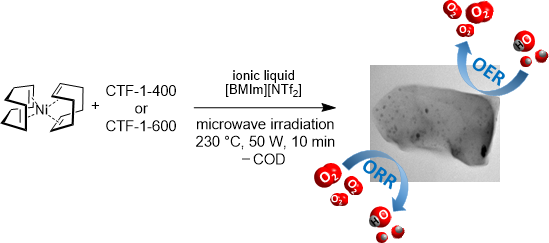
- –Emmett–Teller (BET) surface areas were calculated from five adsorption points in the range of p/p0 = 0.02–0.1 for CTF-1-400 and Ni/CTF-1-400-20, of p/p0 = 0.1–0.3 for Ni/CTF-1-400-35 and of p/p0 = 0.1–0.2 for CTF-1-600 and its corresponding composites. The pore size distribution was derived by NLDFT
- size distribution were determined using the Digital Micrograph software from Gatan analyzing over 100 particles. X-ray photoelectron spectroscopy (XPS) was performed using a ULVAC-PHI VersaProbe II microfocus X-ray photoelectron spectrometer. The spectra were recorded using a polychromatic Al Kα X-ray


Electromigration-induced directional steps towards the formation of single atomic Ag contacts
Beilstein J. Nanotechnol. 2020, 11, 680–687, doi:10.3762/bjnano.11.55
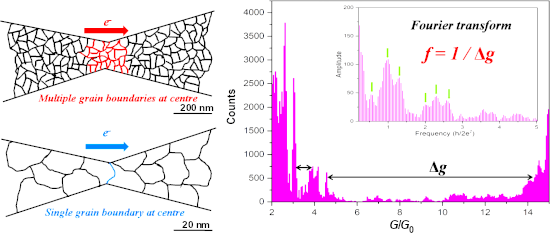
- to the size distribution of grains, which smears out the range of instability, whereas the results summarized in Figure 4 were obtained from single grains in the starting configuration. In this situation, there is less possibility for a particle exchange between different grains that may reduce the


Preparation, characterization and photocatalytic performance of heterostructured CuO–ZnO-loaded composite nanofiber membranes
Beilstein J. Nanotechnol. 2020, 11, 631–650, doi:10.3762/bjnano.11.50
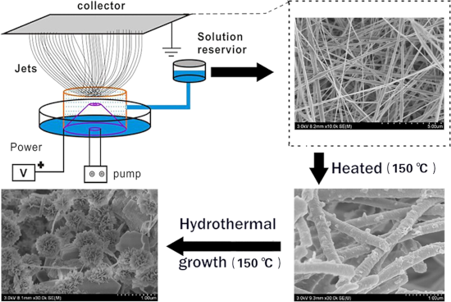
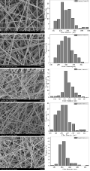
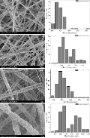
- ratio, filaments and beads appear again, resulting in a non-uniform nanofiber diameter distribution. Therefore, a weight ratio of 5:5 was selected as the optimal parameter for the following experiments. Pore size distribution of the electrospun CNFMs: The pore size distribution of the CNFMs with









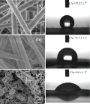


Silver-decorated gel-shell nanobeads: physicochemical characterization and evaluation of antibacterial properties
Beilstein J. Nanotechnol. 2020, 11, 620–630, doi:10.3762/bjnano.11.49
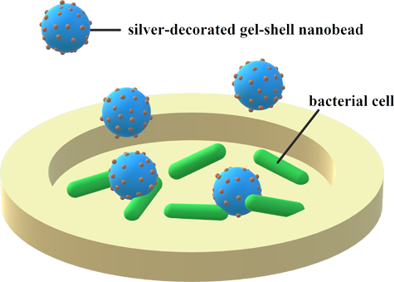
- ; the magnification of an individual nanosphere is shown as the inset in Figure 4). The average diameter of the nanoparticles is approximately 5 nm (a corresponding histogram of the size distribution is shown in Figure 4b). Unfortunately, the TEM image does not allow us to discriminate whether the
- . Scheme of the preparation of sulfonated polystyrene beads with embedded silver nanoparticles. SEM image of sulfonated polystyrene beads. FTIR spectrum of sulfonated polystyrene nanobeads. (A) TEM image of sulfonated polystyrene beads modified with silver nanoparticles and (B) size distribution histogram


Soybean-derived blue photoluminescent carbon dots
Beilstein J. Nanotechnol. 2020, 11, 606–619, doi:10.3762/bjnano.11.48
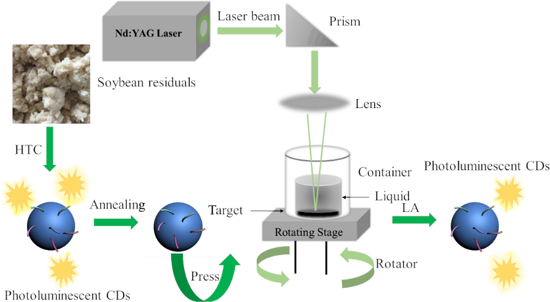
- . Results Figure 2 shows TEM images of the soybean-derived nanoparticles and the corresponding size distribution. All the nanoparticles are of polygonal shape (Figure 2a–c), suggesting that the annealing at high temperatures and the laser ablation did not cause any significant changes to the morphology of
- carbon. The annealing at the temperature of 850 °C did not cause the conversion of amorphous carbon nanoparticles to nanocrystals, and the LAL processing of the annealed-HTC carbon particles also produced amorphous carbon nanoparticles. The size distribution of the soybean-derived nanoparticles is
- depicted in Figure 2d–f, which was determined from the TEM images via the software of ImageJ. Slight differences are observed in the shapes of the size distribution among the HTC-CDs, annealed-CDs and LA-CDs-10%. The histogram of the HTC-CDs has a long tail in the distribution; the histogram of the


Adsorptive removal of bulky dye molecules from water with mesoporous polyaniline-derived carbon
Beilstein J. Nanotechnol. 2020, 11, 597–605, doi:10.3762/bjnano.11.47
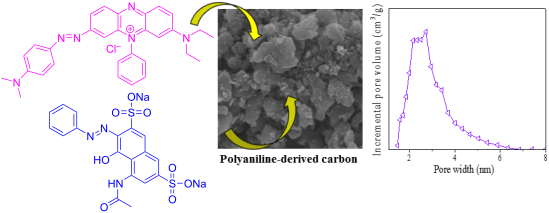
- JGB under a wide range of pH values (from 2 to 12). Results and Discussion Characterization of polyaniline-derived carbon (PDC) The porosity and pore size distribution of the adsorbents were characterized with nitrogen adsorption at 77 K. As shown in Figure 1a, the porosity of the PDC materials was
- ). Importantly, the pore size distribution patterns presented in Figure 1b show that the pore size of PDC increased with increasing pyrolysis temperature; and KOH-900, a PDC material that was obtained via pyrolysis of PANI at 900 °C, has an average pore size of ≈3 nm, which is very effective in adsorption of
- Information File 1. In order to understand the adsorption mechanism, the solution pH for AR1 and JGB was controlled (up to 2–12) with aqueous solution of NaOH or HCl (0.1 M each). (a) N2 adsorption isotherms and (b) pore size distribution of PDC materials and activated carbon (AC) . Amount of adsorbed (a) H2O


Identification of physicochemical properties that modulate nanoparticle aggregation in blood
Beilstein J. Nanotechnol. 2020, 11, 550–567, doi:10.3762/bjnano.11.44
- polystyrene cuvette, at 25 °C. PBS 0.01 M, pH 7.4, Sigma-Aldrich, was used as the diluent in the case of the evaluation of the size after the protein corona formation. Nanoparticle tracking analysis (NTA) An analysis of the size distribution and concentration of CNPs and SNPs were performed by NTA using a
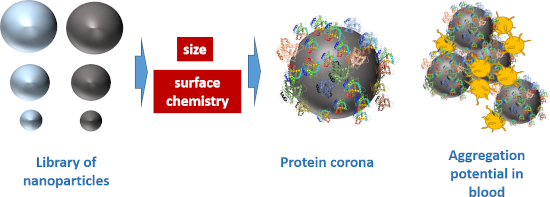
- Synthesis and characterisation of the libraries of silica and carbon nanoparticles In this study, we synthesised two matching sets of SNPs and CNPs that had a similar hydrodynamic diameter. The mean hydrodynamic diameter based on DLS and NTA confirmed a similar size distribution between the two materials
- agglomerate was evaluated. The NP-hard corona complexes were diluted in PBS immediately after the sample preparation and the size distribution was measured by NTA. The mean hydrodynamic diameter of the particles with the protein corona generated at three different plasma concentrations (10, 40 and 80%) is




Multilayer capsules made of weak polyelectrolytes: a review on the preparation, functionalization and applications in drug delivery
Beilstein J. Nanotechnol. 2020, 11, 508–532, doi:10.3762/bjnano.11.41

- , small-angle X-ray scattering (SAXS) of hollow capsules could give a detailed illustration of the inner structure and their size distribution in in situ measurements. SAXS investigations of PAH and poly-ʟ-aspartic acid multilayers deposited on poly(acrylic acid) (PAA) brush modified PS templates



Preparation and in vivo evaluation of glyco-gold nanoparticles carrying synthetic mycobacterial hexaarabinofuranoside
Beilstein J. Nanotechnol. 2020, 11, 480–493, doi:10.3762/bjnano.11.39
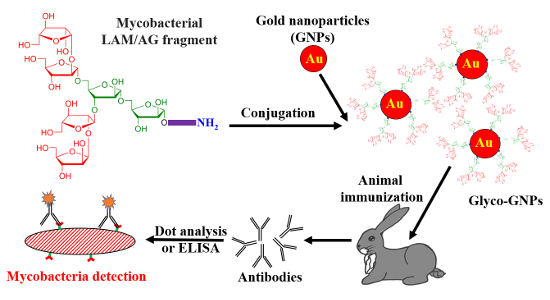
- (GNPs) (Ara6-GNPs 3 and 4, respectively). Transmission electron microscopy (TEM) images of Ara6-GNPs 3 (A) and 4 (B). The insets show size distribution diagrams with 15 nm average diameter in both cases. Absorption spectra of solutions of Ara6C2NH2-GNPs (3) (A) and Ara6C2EG7NH2-GNPs (4) (B), prepared


Nanoparticles based on the zwitterionic pillar[5]arene and Ag+: synthesis, self-assembly and cytotoxicity in the human lung cancer cell line A549
Beilstein J. Nanotechnol. 2020, 11, 421–431, doi:10.3762/bjnano.11.33
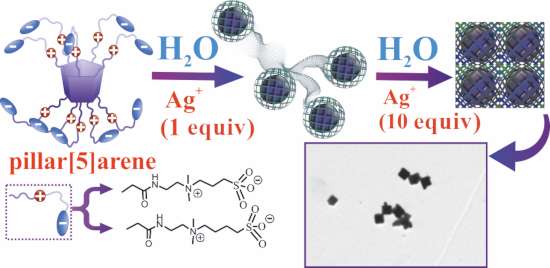
- out after mixing the solutions at 293 K. Dynamic light scattering (DLS) The particle size distribution formed as a result of self-association of the pillar[5]arenes 2–4 was determined at 20 °С by dynamic light scattering using a nanoparticle size analyzer (Zetasizer Nano ZS, Malvern) in quartz