Search results
Search for "structure" in Full Text gives 2228 result(s) in Beilstein Journal of Nanotechnology. Showing first 200.
Performance optimization of a microwave-coupled plasma-based ultralow-energy ECR ion source for silicon nanostructuring
Beilstein J. Nanotechnol. 2025, 16, 484–494, doi:10.3762/bjnano.16.37

- in surface morphology (Figure 5a). However, at an ion incidence angle of 58°, changes in surface morphology begin to appear, although no prominent ripple structure is observed (Figure 5b). In contrast, the bombardment of the Si surface for 1 h at an angle of 60° leads to the formation of a well
- ripple structure, the power spectral density factor along the parallel and perpendicular direction of the developed ripples is presented in Figure 6g,h. The prominent peak present in Figure 6g indicates the development of the ripple structure along the x direction (parallel) with a particular wavevector
- irradiated for shorter periods of time. The change in reflectivity depends on the change in the electronic structure as well as surface topography of the material. A change in electronic structure can be related to changes in chemical nature, impurity incorporation on the surface, and amorphization of the


Impact of adsorbate–substrate interaction on nanostructured thin films growth during low-pressure condensation
Beilstein J. Nanotechnol. 2025, 16, 473–483, doi:10.3762/bjnano.16.36

- depend on the structure of the substrate. Here, the structuring of the adsorbate on the OCS is faster than on the MCS (compare filled and empty squares in Figure 5). Hence, at small adsorption rates (i.e., low-pressure deposition) the deposition onto spatially disordered substrates requires enlarged
- associated with the formation of elongated structures (see Figure 7b). Under such deposition conditions, Nst(δ) monotonically decreases with the growth of δ. The role of the substrate configuration remains the same as in the previous case, that is, at small δ, the structure of substrate has no essential
- effect; at elevated δ, the number of adsorbate structures realized on the MCS is larger than on the OCS. Finally, let us discuss the influence of the interaction strength and the structure of the substrate on the mean size of adsorbate structures shown in Figure 8b,c. For the case of deposition at the


Effect of additives on the synthesis efficiency of nanoparticles by laser-induced reduction
Beilstein J. Nanotechnol. 2025, 16, 464–472, doi:10.3762/bjnano.16.35
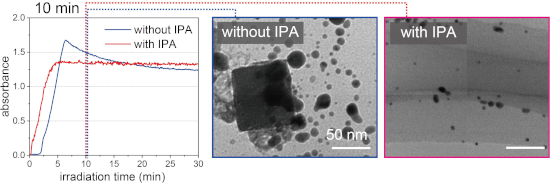
- synthesis of various nanoparticles that maintain the crystal structure and composition of the source solid material. In contrast to those methods, laser-induced reduction in liquid (LRL) is a nanoparticle synthesis method based on reduction reactions induced by laser in solution. Synthesis of nanoparticles
- alloy nanoparticles by LRL with the addition of IPA as a radical scavenger to a solution containing multiple metal ions, and the structure of the synthesized nanoparticles was evaluated by scanning transmission electron microscopy-energy dispersive spectroscopy (STEM-EDS). In this case, we selected an
- .), and the structure of alloy nanoparticles were evaluated using STEM-EDS analysis (ARM-200F, JEOL Ltd.). Time variation in absorbance at a wavelength of 520 nm in the UV–vis absorption spectrum of the solution during laser irradiation without (black line) and with (red line) IPA. TEM images of Au


Synthetic-polymer-assisted antisense oligonucleotide delivery: targeted approaches for precision disease treatment
Beilstein J. Nanotechnol. 2025, 16, 435–463, doi:10.3762/bjnano.16.34

- ) modified with 3-mercaptopropyl amidine and 2-thiolaneimine (Figure 4). This design allowed for stable encapsulation of a LNA-modified gapmer structure with a phosphorothioate linkage backbone targeting the MALAT1 gene. The presence of disulfide cross-links in the micelle core was found to enhance particle
- levels. In addition to chemical functionality, studies have demonstrated the importance of the architectural structure of the PLL employed [73][74]. In a study on the delivery of the ASO 5′-TGGCGTCTTCCATTT-3′ (PS-ODN) to two cell lines, D407 (clone 6-2) and CV-1 (clone CV-11), both expressing luciferase
- of these DPL–ASO complexes to achieve nuclear localisation, although some challenges remain regarding endosomal escape and complete nuclear delivery. Le et al. recently investigated the targeted delivery of ASOs through the conjugation of cyclic RGD and iRGD peptides to the DPL structure [78]. This


Quantification of lead through rod-shaped silver-doped zinc oxide nanoparticles using an electrochemical approach
Beilstein J. Nanotechnol. 2025, 16, 422–434, doi:10.3762/bjnano.16.33
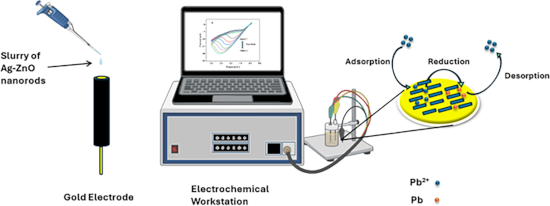
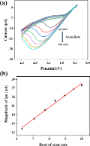
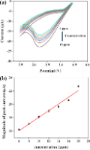
- activity, and semiconductor properties. By doping ZnO nanoparticles with transition metals, we can alter their electrical, optical, and magnetic properties by introducing new electronic states into the band structure. Herein, Ag is added to ZnO nanostructures to improve their optical properties to detect
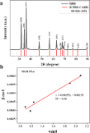
- closely corresponds to the data that has already been reported [14]. The distinct reflections indicate the high degree of crystalline nature of the nanorods that were created. Ag@ZnO NRs have a hexagonal wurtzite structure with space group 186: P63mc. The lattice is primitive with dimensions a = b
- lattice. This implies that the Ag ion has filled the spaces between the atoms in the ZnO structure. Also, Ag functions as an amphiprotic dopant, meaning it can both donate and accept protons. It tends to occupy interstitial sites and also substitute for Zn [15][16]. Debye–Scherrer’s relation is used to





Biomimetics and bioinspired surfaces: from nature to theory and applications
Beilstein J. Nanotechnol. 2025, 16, 418–421, doi:10.3762/bjnano.16.32

- considerable long-life expectancy by Grote et al. [3] focused on the structure and performance changes of the adhesive system during aging. The attachment performance of these insects decreases with increasing age, and was shown to be related to changes of the attachment pads regarding their elasticity
- the structure–function relationships of these surfaces useful for translational approaches. Further general insights into biological principles and their subsequent transfer into biomimetic engineering are provided in a multiscale biological analysis by Amador et al. [6], ranging from viruses to

Size control of nanoparticles synthesized by pulsed laser ablation in liquids using donut-shaped beams
Beilstein J. Nanotechnol. 2025, 16, 407–417, doi:10.3762/bjnano.16.31
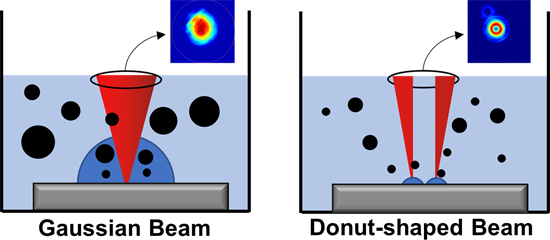
- the donut-shaped laser beam. We performed time-resolved shadowgraph imaging of the laser-induced cavitation bubble, revealing a toroidal structure that overruns the ring-shaped ablation site, compared to the quasi-hemispherical bubble covering the ablation spot produced by the Gaussian beam. Based on
- crystal structure of the HEA NPs was determined by X-ray diffraction (XRD) using a Smartlab diffractometer (Rigaku, Japan). SEM was used to characterize the nanoparticle size distribution and to determine the beam shape influence while maintaining comparable PLAL parameters for both beams to minimize the
- unique structure and shorter lifetime of cavitation bubbles generated by donut-shaped pulses may contribute to the enhanced nanoparticle size control. Reich et al. studied the effect of cylindrical defocusing on PLAL cavitation bubble shape and dynamics [58]. At the same pulse energy (but five times


ReactorAFM/STM – dynamic reactions on surfaces at elevated temperature and atmospheric pressure
Beilstein J. Nanotechnol. 2025, 16, 397–406, doi:10.3762/bjnano.16.30
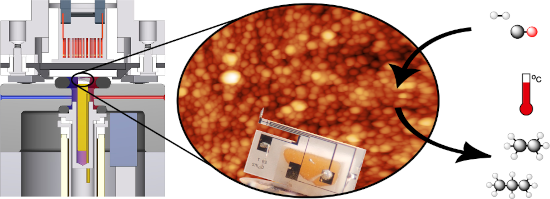
- structure of materials under reaction conditions. We demonstrate this by imaging a Pd(100) single crystal at 450 K with combined AFM/STM. The surface is compared under ultrahigh vacuum and under 0.5 bar O2 pressure showing a notable increase in RMS current, which we attribute to oxidation. Also, we study
- AFM; model catalysts; nc-AFM; operando catalysis; qPlus tuning fork sensor; Introduction Operando catalysis is the field of research that monitors the structure, composition, and morphology of a catalyst while simultaneously investigating its activity, reactivity, and selectivity under industrially
- insights of the electronic state and structure of the surface, AFM offers structural and electrostatic information. Therefore, combining AFM with STM brings the best of both techniques together and offers a more precise understanding of catalytic systems. In this paper, we present the design of a combined


Engineered PEG–PCL nanoparticles enable sensitive and selective detection of sodium dodecyl sulfate: a qualitative and quantitative analysis
Beilstein J. Nanotechnol. 2025, 16, 385–396, doi:10.3762/bjnano.16.29
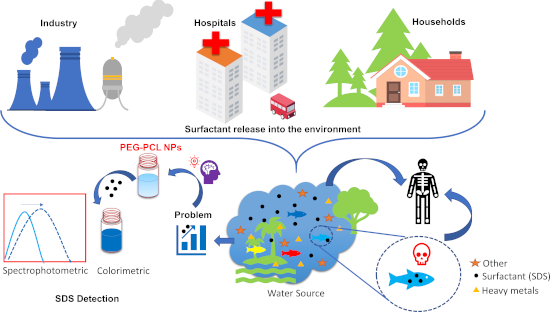
- sulfate group, with sodium as the counter-ion. The amphiphilic structure of SDS, integrating a hydrophobic alkyl chain and a hydrophilic headgroup, confers unique physicochemical properties that are leveraged in various applications. However, the widespread use of SDS in different applications led to the
- alternating addition is crucial for creating the amphiphilic structure, where PEG provides the hydrophilic domains, and PCL forms the hydrophobic domains. The copolymerization reaction can proceed for approximately 24 hours, during which nucleation and growth of the nanoparticles occur. The reaction duration
- delivery and biosensing. Further insights into the size and morphology of the PEG–PCL NPs were obtained through electron microscopy. Scanning electron microscopy was used to examine the surface structure and to conduct a quantitative size distribution analysis. The SEM images (Figure 2c) revealed that the


Development of a mucoadhesive drug delivery system and its interaction with gastric cells
Beilstein J. Nanotechnol. 2025, 16, 371–384, doi:10.3762/bjnano.16.28

- , hydrogen bonding, disulfide bond formation, or physical entanglement of polymers within the mesh-like mucus structure [9][10]. Sodium alginate is a linear polysaccharide composed of 1,4-linked β-ᴅ-mannuronic acid and α-ʟ-guluronic acid residues. Alginate can be used to form porous matrix-type drug delivery
- surface area for adhesion. Also, mucus penetration would be hindered because of the mesh-like structure of mucin. For therapeutics that have gastric mucosa as target, this might limit the efficiency and decrease the drug absorption at the site. A smaller particle size, however, is advantageous because of
- used for nanoparticle preparation. The nanoscale size is particularly important in mucoadhesive systems designed for gastric delivery because of the mesh-like structure of gastric mucus. Since the pore size in gastric mucus is around 500 nm [9], the smaller the nanoparticle, the better the mucus


Vortex lattices of layered HTSCs at different vortex–vortex interaction potentials
Beilstein J. Nanotechnol. 2025, 16, 362–370, doi:10.3762/bjnano.16.27
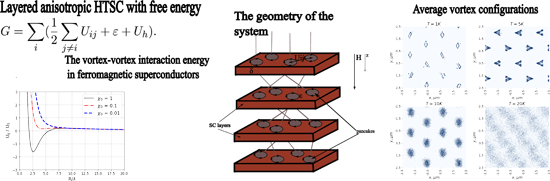
- the magnetic field penetrates the superconductor in the form of Abrikosov vortices [1]. In high-temperature superconductors (HTSCs), such as Y- and Bi-based cuprates, the vortex lattice is further complicated since these compounds have a layered structure [2][3][4][5][6]. The vortex filament in these
- superconductors can be represented as a stack of pancakes, that is, flat vortices located in the CuO planes and connected by Josephson interaction through interplanar gaps. The vortex structure in layered HTSCs is still a subject of research. In [7], it was shown that Pb doping increases the two-dimensional
- with respect to the superconducting planes. The phase diagram of the vortex system becomes even more complex in an inclined magnetic field. As studies [9][10][11] have shown, the structure of the vortex lattice depends on the anisotropy parameter of the superconductor in the form of the Josephson


Pulsed laser in liquid grafting of gold nanoparticle–carbon support composites
Beilstein J. Nanotechnol. 2025, 16, 349–361, doi:10.3762/bjnano.16.26
- primarily allow the passage of anions, proton transport or leakage, can occur because of the inherent structure and presence of water within the membrane [72][73][74]. This way, anodically generated protons can cross over into the cathode compartment and produce CO2 from bicarbonate. At a constant current


Tailoring of physical properties of RF-sputtered ZnTe films: role of substrate temperature
Beilstein J. Nanotechnol. 2025, 16, 333–348, doi:10.3762/bjnano.16.25
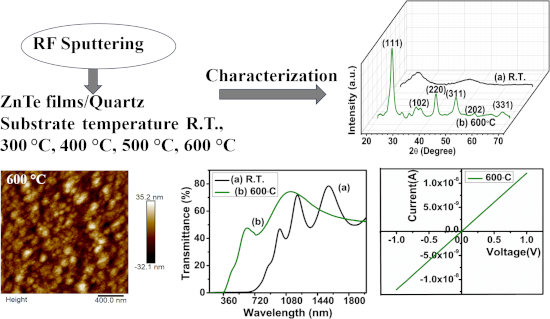
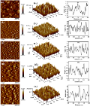
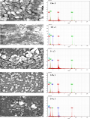
- temperature are amorphous; those deposited at other substrate temperatures are polycrystalline with a cubic zincblende structure and a preferred orientation along the [111] direction. An increase in crystallite size (from 37.60 ± 0.42 Å to 68.88 ± 1.04 Å) is observed with increased substrate temperature. This
- resistivity of the films depends on the structure, grain boundary defects, and surface morphology of the films. These properties can be altered by varying the deposition method as well as the deposition parameters. In literature, there are several reports of zinc telluride films deposited using various
- . Bellakhder et al. [13] have investigated the impact of varying RF power on the structure, optical, and electrical properties of RF-sputtered ZnTe films and found that the deposited films are highly resistive and have low refractive index because of the polycrystalline nature of films. Isik et al. [14




Graphene oxide–chloroquine conjugate induces DNA damage in A549 lung cancer cells through autophagy modulation
Beilstein J. Nanotechnol. 2025, 16, 316–332, doi:10.3762/bjnano.16.24
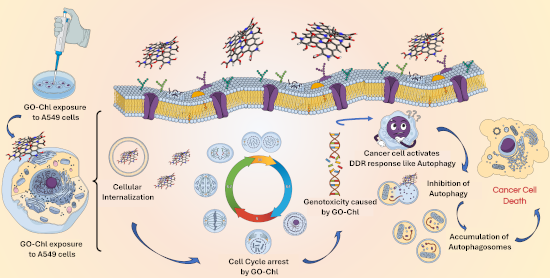
- significant increase in the expression of beclin-1 and ATG-7 was observed in GO–Chl-exposed A549 cells. Beclin-1 is a three-structure-domain protein (BH-3 only, CCD, and ECD) and is key in the regulation of autophagy in mammalian cells [68]. Recent studies reveal that elevated expression levels of beclin-1



Fabrication and evaluation of BerNPs regarding the growth and development of Streptococcus mutans
Beilstein J. Nanotechnol. 2025, 16, 308–315, doi:10.3762/bjnano.16.23
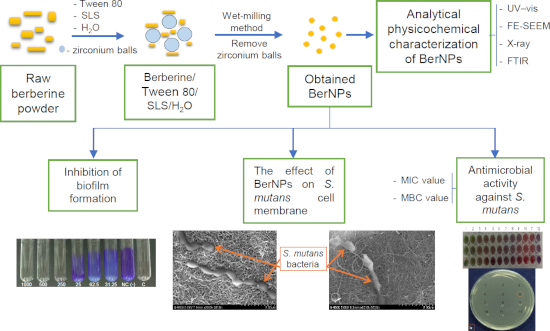
- formation. The results demonstrated that BerNPs were produced with an average particle size of 40–65 nm. The chemical structure of BerNPs remained consistent with that of berberine, with no modifications occurring during nanoparticle preparation. The BerNPs exhibited the ability to inhibit S. mutans, with
- minimum inhibitory concentration and minimum bactericidal concentration values of 78.1 and 312.5 µg/mL, respectively. BerNPs caused significant damage to S. mutans cells, disrupting the cell membrane structure, and leading to cell lysis and death. Additionally, BerNPs effectively inhibited the biofilm
- products containing BerNPs, which can be used in the care and treatment of dental caries and other dental problems. Results and Discussion Production of BerNPs In this study, the raw berberine powder exhibited a crystalline structure with particle sizes ranging from 15 to 35 µm (Figure 1A). Ball milling is





Enhancing mechanical properties of chitosan/PVA electrospun nanofibers: a comprehensive review
Beilstein J. Nanotechnol. 2025, 16, 286–307, doi:10.3762/bjnano.16.22

- ]. Additionally, PVA contributes to reducing the crystallinity of the chitosan structure [19]. Because of their unique and exceptional properties, nanofibrous membranes have become prominent materials for a wide range of applications [20]. Throughout their time of use, electrospun fibers are exposed to
- . For example, collagen is one substance used in electrospinning that has low strength [22]. Its loose structure and weak composition are the reasons behind its inherent poor mechanical performance. Electrospinning solutions with non-Newtonian fluids come next. They exhibit unstable properties
- stress on that fiber and weaken the overall structure [25]. With advancements in technology for producing nanofibers through electrospinning, various methods and techniques have been developed to enhance the mechanical properties of electrospun nanofibers. The objective of this review is to explore


Emerging strategies in the sustainable removal of antibiotics using semiconductor-based photocatalysts
Beilstein J. Nanotechnol. 2025, 16, 264–285, doi:10.3762/bjnano.16.21
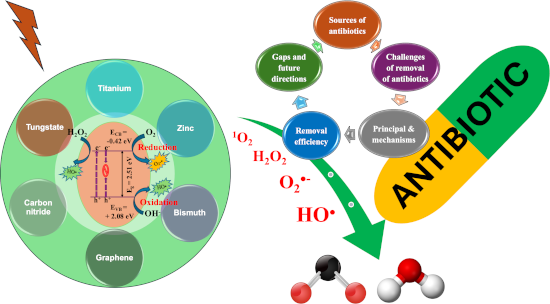
- degradation and solid–liquid separation are also commonly used in making the pollutants non-toxic or non-hazardous [13][23]. It should be noted that many of the conventional methods fail in degrading antibiotics completely since most antibiotics are very complex in structure and are even resistant to
- advanced methods, including sol–gel, hydrothermal, solvothermal, precipitation and template-assisted techniques [53]. The synthesis method chosen often depends on factors such as the desired crystal structure, particle size, surface area, and photocatalytic activity required for the specific application
- have taken two approaches to developing effective solar light-activated semiconductor-based photocatalysts. The main approach is to improve the absorption of visible light of semiconductor materials by including metal or nonmetal elements. This augmentation can modify the energy band structure or



Preferential enrichment and extraction of laser-synthesized nanoparticles in organic phases
Beilstein J. Nanotechnol. 2025, 16, 254–263, doi:10.3762/bjnano.16.20
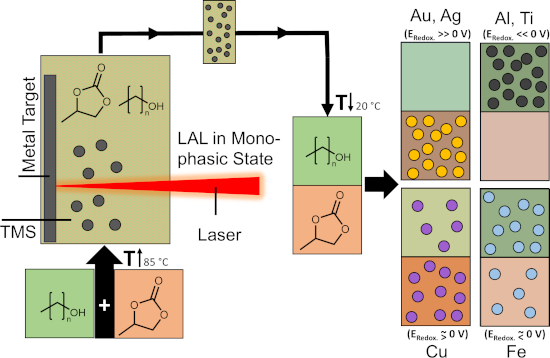
- correlations between the particle distribution, their size, and the particles’ degree of oxidation and crystal structure to differentiate the cause of this behavior, which is beyond this phase selectivity study. In this context, the systematic variation of the TMS via a systematic solvent chain length series
- requires a detailed investigation of the nanoparticles’ surface chemistry, composition, and crystal structure, ideally complemented by cycling studies after catalysis experiments. Overall, this study, however, provides first evidence that the phase selectivity and recyclability of nanoparticles fabricated




Radiosensitizing properties of dual-functionalized carbon nanostructures loaded with temozolomide
Beilstein J. Nanotechnol. 2025, 16, 229–251, doi:10.3762/bjnano.16.18
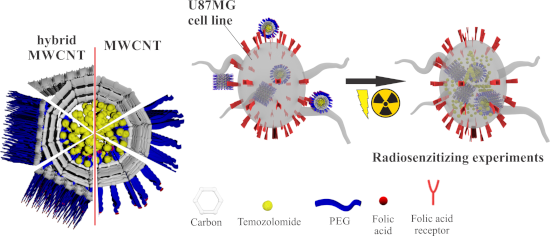
- changes in the structure of the CNs and TMZ after irradiation were observed. With single and dual functionalization, formulations with relatively high TMZ loading efficiency and drug content were prepared. They exhibited homogeneous particle size distributions and mean particle sizes and surface charges
- formulations of the hybrid CN MWCNTs-G compared to the corresponding MWCNTs were characterized by a similar or slightly higher TMZ content, larger particle size, similar surface charge, and slightly faster TMZ release, which can be attributed to the planar structure of graphene that promotes TMZ binding to the
- to changes in the structure of RNA, protein chromatin structure, gene expression and replication, and synthesis and repair of DNA [30]. It has also been shown that TMZ has radiosensitizing effects [31][32], increasing the degradation of DNA strains and cell death when combined with RT, which is a





Synthesis and the impact of hydroxyapatite nanoparticles on the viability and activity of rhizobacteria
Beilstein J. Nanotechnol. 2025, 16, 216–228, doi:10.3762/bjnano.16.17
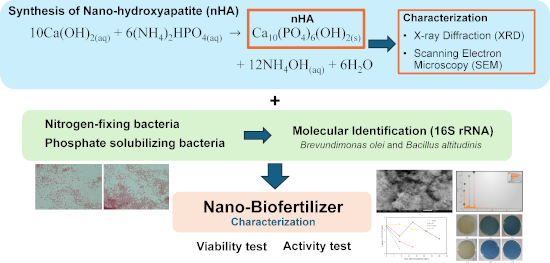
- enhances the survival of rhizobacteria but also promotes plant growth by providing essential nutrients. nHA emerges as a remarkable biomaterial widely embraced as a nanocarrier, primarily because of its porous structure that facilitates precise and efficient conduction and release of various materials [16
- to the nHA carrier material is not fully understood. However, the structure of nHA, characterized by its voids and crevices, provides an environment conducive to the growth and survival of rhizobacteria, a phenomenon known as biological fixation [33]. Figure 6, along with Table 3 and Table 4, shows


Recent advances in photothermal nanomaterials for ophthalmic applications
Beilstein J. Nanotechnol. 2025, 16, 195–215, doi:10.3762/bjnano.16.16
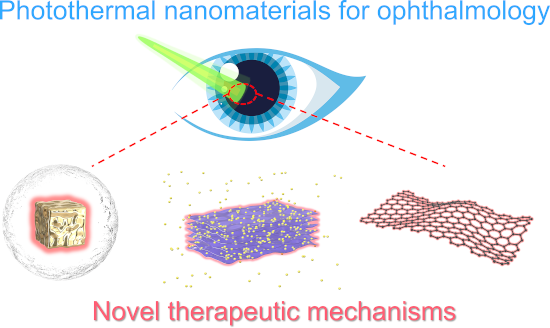
- boundaries of thermal therapy, achieving unparalleled therapeutic effects through their diverse composite structures and demonstrating enormous potential in promoting retinal drug delivery and photoacoustic imaging. This paper provides a comprehensive summary of the structure–activity relationship between
- nanomaterials for treating various ophthalmic diseases, including ocular tumors, glaucoma, cataracts, vitreous opacity, endophthalmitis, and decreased visual acuity. It also summarizes the structure–activity relationships between the photothermal properties of these materials and novel therapeutic mechanisms
- , including exceptional biocompatibility, biodegradability, wide availability, low cost, and a highly tunable structure, making them well-suited for such uses [67][68][69][70][71]. 2.3 Inorganic semiconductor materials Inorganic semiconductor materials, such as TiO2, SiO2, and Fe2O3, possess conductivity


Probing the potential of rare earth elements in the development of new anticancer drugs: single molecule studies
Beilstein J. Nanotechnol. 2025, 16, 187–194, doi:10.3762/bjnano.16.15

- potential to be used in the development of novel chemotherapeutic drugs. The results found here show that, in general, rare earth elements are promising agents to be used in the development of new anticancer drugs, presenting high binding equilibrium constants with the double helix structure. Furthermore


A review of metal-organic frameworks and polymers in mixed matrix membranes for CO2 capture
Beilstein J. Nanotechnol. 2025, 16, 155–186, doi:10.3762/bjnano.16.14
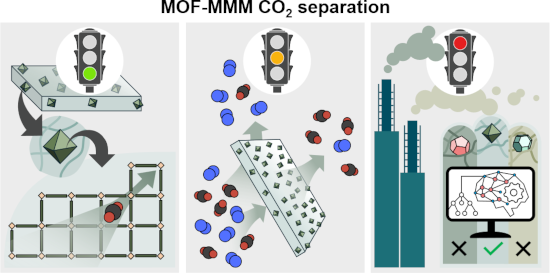
- specific synthetic route, solvents, structure-directing agents, and precursors, can impact the final structure and yield of the synthesized MOFs. For more details on these effects, the interested reader is referred to the thorough review of MOF synthesis by Stock and Biswas [111]. In addition to MOF pore
- formed may not fully represent the structure of the fabricated MOF-based MMMs. While electron microscopy offers a highly detailed qualitative analysis of specific regions within the membrane, methods such as Fourier-transform infrared spectroscopy (FTIR), nuclear magnetic resonance (NMR) spectroscopy
- possible to compare how various modifications to the MOF-based MMM system change the functional groups within the final membrane [122][125][128]. Similar to FTIR, NMR provides insights into the chemical nature of the membrane but offers more detailed information about its chemical structure [141]. XRD





Clays enhanced with niobium: potential in wastewater treatment and reuse as pigment with antibacterial activity
Beilstein J. Nanotechnol. 2025, 16, 141–154, doi:10.3762/bjnano.16.13
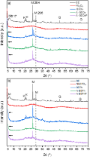
- BEPh) and the same obtained after adsorption/photocatalysis of MB (A-BEPh, A-BEOx, A-BEPhP, and A-BEOxP) show the characteristic diffraction peak at approximately 26.4° (2θ) indicating that the niobium modification did not destroy the structure of the montmorillonite layer [14]. However, the relative
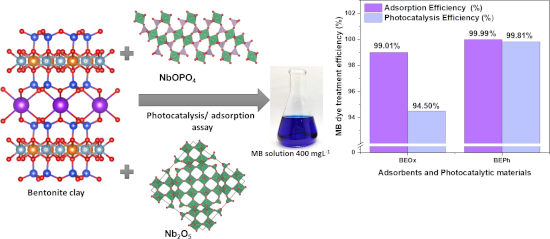
- ] observed the same results, and indicated that the bentonite clay modified with niobium initiated the inorganic pillarization process from the polyhydroxyniobium process [14][15]. The supposed structure of bentonite clay modified with niobium phosphate and niobium oxide proposed in this study can be
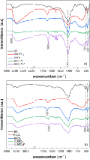
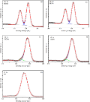
- -BEOxP samples exhibit a set of bands in the region from 1477 to 1277 cm−1 typical for the identification of the MB dye, indicating the presence of the dye in the clay structure [18]. Figure 5 shows the XPS analysis of niobium in BEOx and BEPh samples (Figure 4a and Figure 4b, respectively). The Nb 3d




TiO2 immobilized on 2D mordenite: effect of hydrolysis conditions on structural, textural, and optical characteristics of the nanocomposites
Beilstein J. Nanotechnol. 2025, 16, 128–140, doi:10.3762/bjnano.16.12
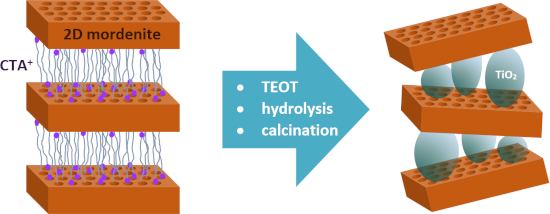
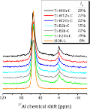
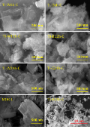
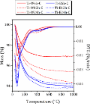
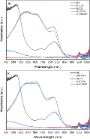
- complementary characterization techniques, including XRD, SEM-EDX, TGA, N2 sorption, NMR, XPS and UV–vis spectrometry. It was observed that treatment in 70% ethanol solution preserves the ordered layered structure of 2D mordenite because TEOT hydrolysis is slowed down. This, in turn, leads to higher
- cetyltrimethylammonium bromide (CTAB) layers. The latter method involves the synthesis of layered 2D zeolites in the presence of CTAB and organic structure directing agents (OSDAs), followed by calcination to remove them from the resulting products [1]. The choice of the OSDA determines not only the interlamellar
- treatment in air is eliminated in the process of crystallization at 400–550 °C; thus, titanium dioxide nanoparticles are obtained [29]. In this study we investigate in detail the influence of the hydrolysis medium and the duration of the hydrolytic process on composition, local structure, morphology