Search results
Search for "zeta potential" in Full Text gives 238 result(s) in Beilstein Journal of Nanotechnology. Showing first 200.
Comparison of four functionalization methods of gold nanoparticles for enhancing the enzyme-linked immunosorbent assay (ELISA)
Beilstein J. Nanotechnol. 2017, 8, 244–253, doi:10.3762/bjnano.8.27
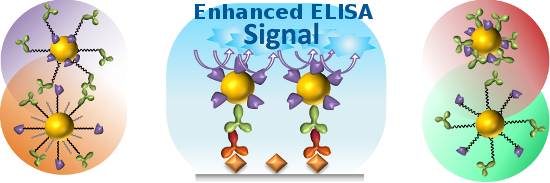
- maintained until the flask reached room temperature. AuNPs and conjugates were characterized by dynamic light scattering (DLS) using a zeta potential analysis system (Zetasizer Nano Z, Malvern Instrumentd, Worcestershire, UK), field emission scanning electron microscope (Carl Zeiss) and UV–vis


Performance of colloidal CdS sensitized solar cells with ZnO nanorods/nanoparticles
Beilstein J. Nanotechnol. 2017, 8, 210–221, doi:10.3762/bjnano.8.23
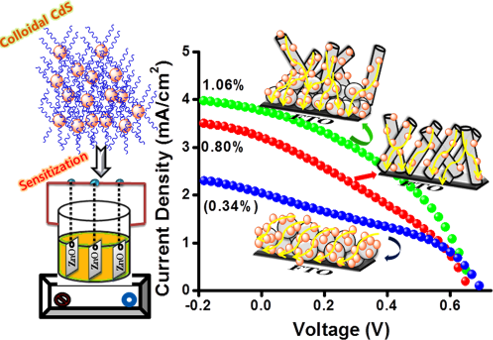
- (150 W) as an excitation source with a bandpass of 5 nm at room temperature. The fluorescence quantum yield of the colloidal CdS solution was measured on the steady state fluorometer using an additional integrating sphere [32]. Zeta potential measurements were carried out on a Horiba Nanoparticle
- temperature. This is an indication of the ratio of the number of fluorescence quanta to the number of absorbed quanta which is directly proportional to the fluorescence lifetime. Zeta potential (ζ) measurements were also carried out to verify the stability of the CdS NPs in ethanol. A zeta potential value of
- . Photovoltaic parameters of colloidal CdS-sensitized ZnO solar cells. Reported performance of CdS-sensitized ZnO-based solar cells. Supporting Information Supporting Information File 26: Additional Experimental Information. Quantitative EDAX spectrum and zeta potential measurement of synthesized colloidal CdS


Streptavidin-coated gold nanoparticles: critical role of oligonucleotides on stability and fractal aggregation
Beilstein J. Nanotechnol. 2017, 8, 1–11, doi:10.3762/bjnano.8.1
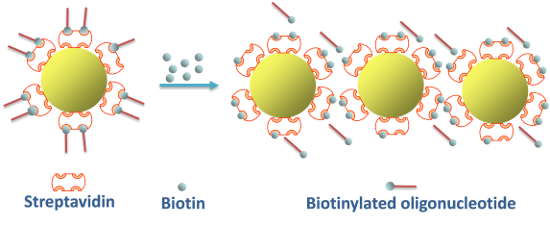
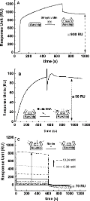
- spectroscopic, dynamic light scattering (DLS), zeta-potential (ζ), transmission electron microscopy (TEM) and SPR investigations of ODN-functionalized SA-mediated AuNPs are here presented with the aim to provide fundamental information useful to improve performances of biosensing assays using SA-mediated AuNPs
- spectra shown in Figure 4A (left axis) and by SPR data shown in Figure 6C (right axis), respectively. Extinction spectra (400–800 nm) of AuNP-SA in the presence of free biotin (1.28 mM) titrated with unbiotinylated DNA (solutions: 100 nM, 200 nM and 400 nM, respectively). Data from TEM, DLS and zeta
- potential characterization of nanoparticles (mean ± SD; n = 6 samples × 3 replicate). 0.1 nM nanoparticle dispersion in H2O. Acknowledgements We acknowledge support from the European Union’s Horizon 2020 research and innovation programme under grant agreement No 633937, project ULTRAPLACAD.




Facile fabrication of luminescent organic dots by thermolysis of citric acid in urea melt, and their use for cell staining and polyelectrolyte microcapsule labelling
Beilstein J. Nanotechnol. 2016, 7, 1905–1917, doi:10.3762/bjnano.7.182
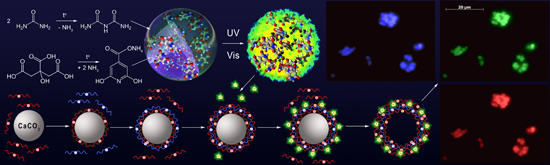
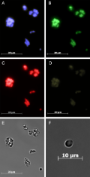
- polydispersity index, (in the 100 μg/mL colloidal solution of O-dots, the hydrodynamic diameter was about 300 ± 200 nm), and negative zeta-potential (in the range of pH 5.0…9.0, ζ = −31…−35 mV, see Supporting Information File 1, Figure S16). Such behaviour resembles the properties of surfactants that are prone




Chitosan-based nanoparticles for improved anticancer efficacy and bioavailability of mifepristone
Beilstein J. Nanotechnol. 2016, 7, 1861–1870, doi:10.3762/bjnano.7.178
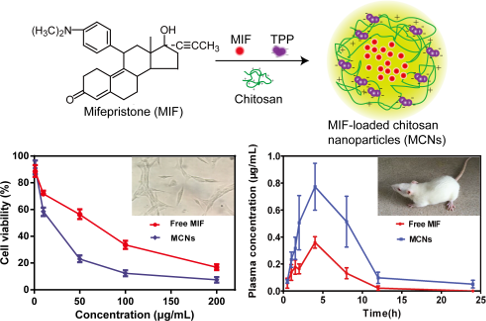
- (Miniflex II, Rigaku, Japan). The X-ray source was Cu Kα radiation (30 kV, 15 mA). AFM images were obtained on a Multimode 8 AFM series (Bruker, USA) in tapping/AC mode. The mean particle size and zeta potential of the MCNs were determined by dynamic light scattering using a Nanotrac® Wave Particle Size and
- Zeta Potential Analyzer (Microtrac Inc, Montgomeryville, PA). Encapsulation efficiency (EE) and drug loading (DL) capacity The EE and the DL of MIF in the MCNs was analyzed by high performance liquid chromatography (HPLC). Briefly, an accurately weighed quantity of the MCN powder was suspended in a


Hydrophilic silver nanoparticles with tunable optical properties: application for the detection of heavy metals in water
Beilstein J. Nanotechnol. 2016, 7, 1654–1661, doi:10.3762/bjnano.7.157
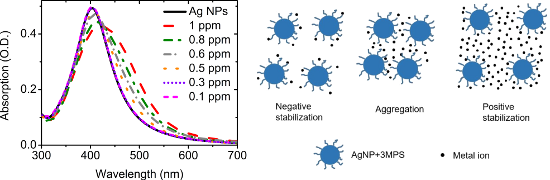
- ), zeta potential (ζ-potential) measurements and scanning tunneling microscopy (STM). Further, to demonstrate the environmental application of our AgNPs, we also applied them for heavy metal sensing by detecting visible color modification due to SPR spectral changes. We found that these negatively charged


Antitumor magnetic hyperthermia induced by RGD-functionalized Fe3O4 nanoparticles, in an experimental model of colorectal liver metastases
Beilstein J. Nanotechnol. 2016, 7, 1532–1542, doi:10.3762/bjnano.7.147
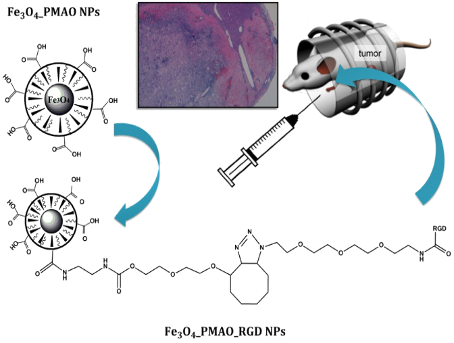
- hydrodynamic size for Fe3O4@PMAO_RGD (in a 1:10 PBS/H2O solution) nanoparticles increased until the particles reached a diameter of 111 nm. The zeta potential value at 24 h confirms the high stability of the aqueous solutions of Fe3O4@PMAO (−41 mV), but the stability decreases until −15 mV when RGD is adhered


An efficient recyclable magnetic material for the selective removal of organic pollutants
Beilstein J. Nanotechnol. 2016, 7, 1447–1453, doi:10.3762/bjnano.7.136
- Analyst 100 spectrophotometer. The microwave used was a Prolabo Synthewave. A Varian SpectrAA 55 AAS was used to detect potential traces of iron in the supernatants after collecting nanoparticles. Zeta potential measurements were determined by DLS analysis using a Malvern Zetasizer nanoZS model
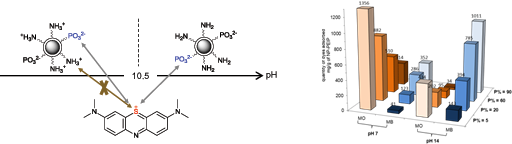
- synthesis, the coating of maghemite and a characterization of the physicochemical properties of the material [20][22]. As illustrated in Figure 1, PEIP can be customized to contain more or less phosphonated groups, by varying the percentage of amines modified (P%). Between pH 3 and 10, the zeta potential is
- positive but decreases with the percentage of phosphonation (see Figure S2 in Supporting Information File 1). After the point of zero charge (PZC), the phosphonates induce a negative charge, whereas non-phosphonated PEI-NP display a zeta potential of 0 mV, making PEI-NP unstable at basic pH. The efficiency


Straightforward and robust synthesis of monodisperse surface-functionalized gold nanoclusters
Beilstein J. Nanotechnol. 2016, 7, 1278–1283, doi:10.3762/bjnano.7.118
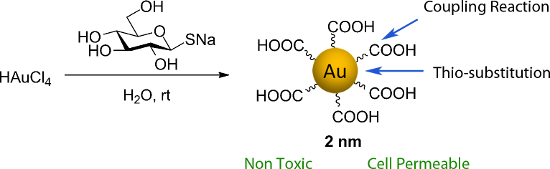
- indicated by the zeta potential (Figure S7, Supporting Information File 1). To better understand the role of the stabilizing agent used to prepare Glc-NCs, XPS was employed (Figure S8, Supporting Information File 1). The gold core of the nanoclusters (confirmed by the Au 4f scan) is stabilized through an Au


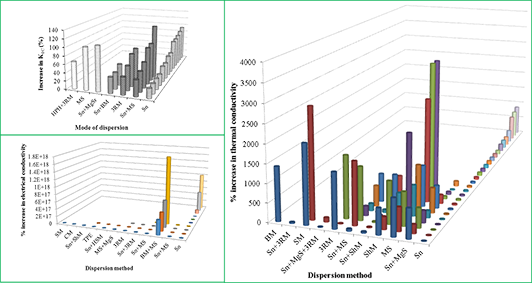
Reasons and remedies for the agglomeration of multilayered graphene and carbon nanotubes in polymers
Beilstein J. Nanotechnol. 2016, 7, 1174–1196, doi:10.3762/bjnano.7.109


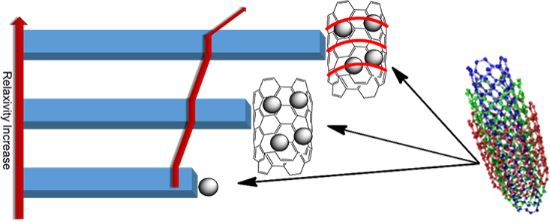
Multiwalled carbon nanotube hybrids as MRI contrast agents
Beilstein J. Nanotechnol. 2016, 7, 1086–1103, doi:10.3762/bjnano.7.102
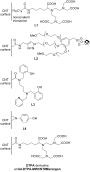
- organic functional groups of the L3 ligand. In order to assess the charge of species, zeta potential measurements were performed and turned out to be a very informative tool for covering the nanotubes with polyelectrolytes, e.g., a step-by-step analysis gave a slightly negative zeta potential SPIO/oMWCNT



Antibacterial activity of silver nanoparticles obtained by pulsed laser ablation in pure water and in chloride solution
Beilstein J. Nanotechnol. 2016, 7, 465–473, doi:10.3762/bjnano.7.40
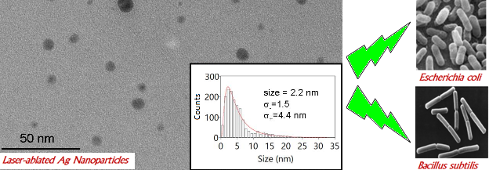
- obtained by laser ablation [32]. In order to study the long-term colloidal stability and the electrical characteristics of the NP surface, the zeta potential was measured. The obtained values are reported in Table 1. Apart from the AgNPsLiClps sample, all samples exhibited a bimodal distribution of the
- zeta potential. In all cases, the zeta potential is strongly negative, indicating excellent long-term stability of the NPs, as already assessed by Giorgetti et al. [32]. Furthermore, as expected, the adsorption of chloride ions shifts the zeta potential of the samples obtained in LiCl solution towards
- more negative values. The negative zeta potential of the colloids obtained in water is due to the adsorption of hydroxide anions from the aqueous medium, whereas for the colloids obtained in LiCl solution it is due to the preferential adsorption of chloride anions on the silver surface [35]. We have


Surface coating affects behavior of metallic nanoparticles in a biological environment
Beilstein J. Nanotechnol. 2016, 7, 246–262, doi:10.3762/bjnano.7.23
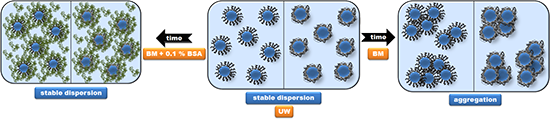
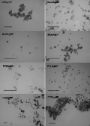
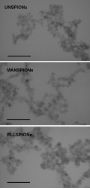
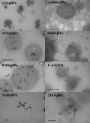
- bars are 100 nm. Zeta-potential (ζ) values of differently coated silver (AgNPs) and superparamagnetic iron oxide nanoparticles (SPIONs) in ultrapure water (UW), biological medium (BM) and biological medium supplemented with 0.1% bovine serum albumin (BMP) after 1 h at 25 °C. Coating agents: trisodium




Chemical bath deposition of textured and compact zinc oxide thin films on vinyl-terminated polystyrene brushes
Beilstein J. Nanotechnol. 2016, 7, 102–110, doi:10.3762/bjnano.7.12
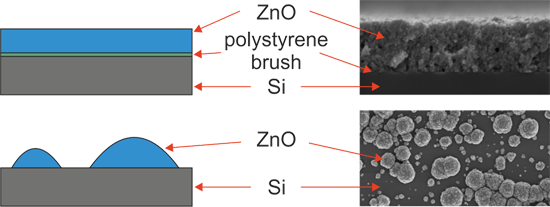
- static contact angle of Milli-Q water on the modified and unmodified samples were measured on a Contact Angle Measurement System G10 from Kruess. The results are an average of at least five measurements. Zeta-potential measurements Measurements of the ζ-potential were performed on a SurPASS


pH-Triggered release from surface-modified poly(lactic-co-glycolic acid) nanoparticles
Beilstein J. Nanotechnol. 2015, 6, 2504–2512, doi:10.3762/bjnano.6.260
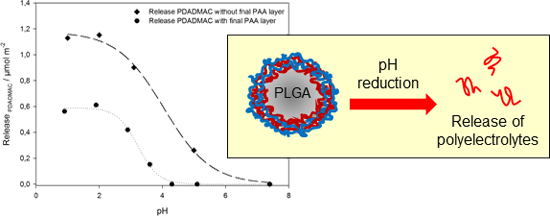
- ), and zeta potential. PLGA nanoparticles were (249 ± 4) nm in diameter, showing a narrow size distribution (PDI 0.04 ± 0.02) and a zeta potential of (−53 ± 1) mV. After adsorption of the initial layer of polyethylenimine (PEI), the particles were washed as described in the Experimental section. The
- obtained PLGA–PEI nanoparticles showed only a minor increase in particle diameter (266 ± 4) nm and no significant increase in PDI (0.07 ± 0.03), which indicates no aggregation of nanoparticles taking place during adsorption or washing. The zeta potential was inverted to a positive value of (+35 ± 4) mV
- (degree of ionization ≈30%), and pH 7 (degree of ionization ≈ 80%), respectively. PAA adsorption was successful in all cases, which can be concluded from the inversion of the zeta potential from positive to negative values (Table 1). As shown in Table 1, an obvious trend comparing the zeta potential after


Chemiresistive/SERS dual sensor based on densely packed gold nanoparticles
Beilstein J. Nanotechnol. 2015, 6, 2498–2503, doi:10.3762/bjnano.6.259
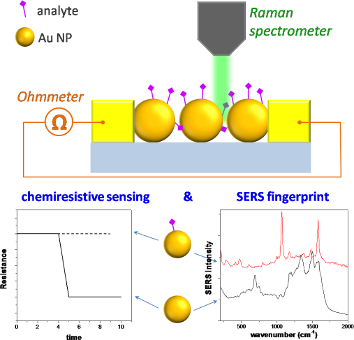
- : for FA-capped nanoparticles (21 nm) the obtained hydrodynamic diameter was larger than for bare colloidal nanoparticles (18 nm) (Figure S2, Supporting Information File 1). Zeta potential measurements of the concentrated suspension show an average value of ζ = −32 mV, which prove a good electrostatic
- . Particle morphology was determined by transmission electron microscopy (TEM) using a JEOL JEM1010 microscope. Zeta potential and hydrodynamic diameter of the particles were determined by using a Zetasizer Nano-ZS90 (Malvern Instruments). SERS spectra were recorded with a confocal Raman microscope (Witec


Ultrastructural changes in methicillin-resistant Staphylococcus aureus induced by positively charged silver nanoparticles
Beilstein J. Nanotechnol. 2015, 6, 2396–2405, doi:10.3762/bjnano.6.246
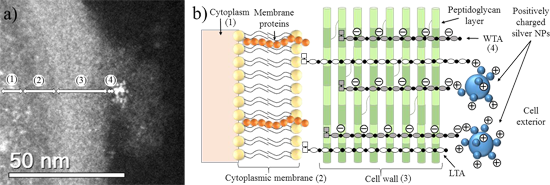
- of AgNP species is referred to as the third species, and it is central to the study of the bactericidal and ultrastructural effects of AgNPs against methicillin-sensitive Staphylococcus aureus (MSSA) and MRSA. By acquiring zeta potential measurements before and after the filtration of Ag colloids
- spectroscopy (EDS), along with calculating the MIC50 inhibitions of AgNPs on MRSA and MSSA as well as zeta potential measurements to investigate the charged-particle nature of silver nanoparticles. The study revealed that our 1 nm average sized AgNPs induced pore formation, cell wall thinning, cell content
- ). The measured distribution was log–normal distributed with a size distribution range of 0.5 to 24 nm and average size of 1 nm (Figure 1b). Zeta potential measurements The zeta potential value increased with time from −2.9 mV to +13.4 mV over a 120 h time period (Figure 2). This shift to positive zeta


Green and energy-efficient methods for the production of metallic nanoparticles
Beilstein J. Nanotechnol. 2015, 6, 2354–2376, doi:10.3762/bjnano.6.243
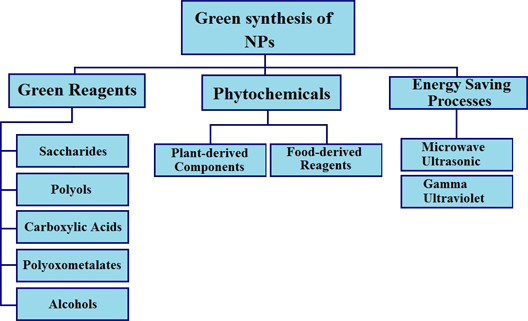
- ionic surfactants can reduce the zeta potential of Ag NPs from −20 to −50 mV, which is favorable for stabilization. They concluded that non-ionic surfactants can form a layer with inhibition function to prevent the formation of other nuclei and consequently lead to monodisperse NPs [100]. Lu et al
- showed SPR centered at 404 nm with average particle size measured to fall within the range of 13 nm. Their FTIR study admitted the role of sulfate groups of polysaccharide in reduction of AgNO3. Also, the zeta potential measurement (−35.05 mV) confirmed the capping of anionic polysaccharide on the
- , 6, 24 and 48 h, respectively. According to the measured zeta potential of 54.5 mV, they concluded that the synthesized Ag NPs had acceptable stability [4]. In another study, they studied the antibacterial activity of different sizes of Ag NPs against two different bacteria and observed that Ag NPs


Fabrication of hybrid graphene oxide/polyelectrolyte capsules by means of layer-by-layer assembly on erythrocyte cell templates
Beilstein J. Nanotechnol. 2015, 6, 2310–2318, doi:10.3762/bjnano.6.237
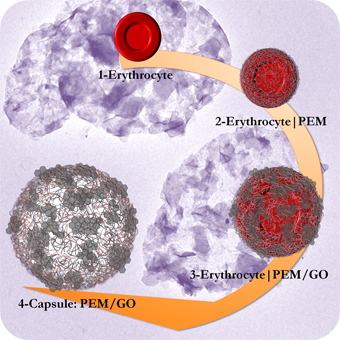
- polyallylamine hydrochloride (PAH) and polystyrenesulfonate sodium salt (PSS). Capsules where characterized by transmission electron microscopy (TEM), atomic force microscopy (AFM), dynamic light scattering (DLS) and Raman microscopy, the constituent layers by zeta potential and GO by TEM, XRD, and Raman and


Electroviscous effect on fluid drag in a microchannel with large zeta potential
Beilstein J. Nanotechnol. 2015, 6, 2207–2216, doi:10.3762/bjnano.6.226
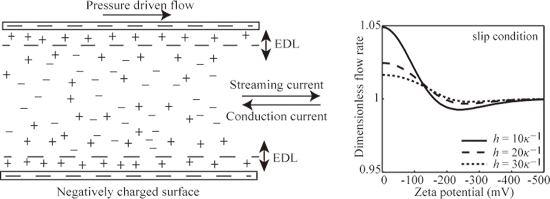
- . Nevertheless, the study on the combined effect of EDL with large zeta potential up to several hundred millivolts and surface charge depenedent-slip on the micro/nano flow is still needed. In this paper, the nonlinear Poisson–Boltzmann equation for electrical potential and ion distribution in non-overlapping
- potential on the pressure-driven flow in a microchannel with no-slip and charge-dependent slip conditions. The results show that the EDL leads to an increase in the fluid drag, but that slip can reduce the fluid drag. When the zeta potential is large enough, the electroviscous effect disappears for flow in
- the microchannel under a no-slip condition. However, the retardation of EDL on the flow and the enhancement of slip on the flow counteract each other under a slip condition. The underlying mechanisms of the effect of EDL with large zeta potential on fluid drag are the high net ionic concentration near


An ISA-TAB-Nano based data collection framework to support data-driven modelling of nanotoxicology
Beilstein J. Nanotechnol. 2015, 6, 1978–1999, doi:10.3762/bjnano.6.202
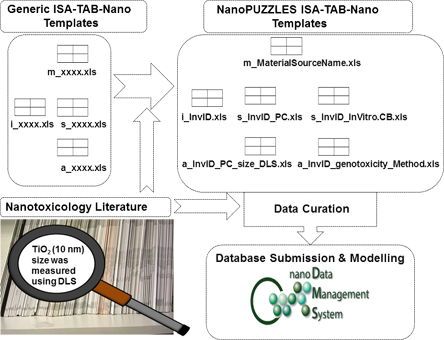
- information about chemical composition as well as a range of other measured properties such as size distribution statistics and zeta potential, to name but two [12]. Being able to relate these data allows for the development of predictive models based on quantitative structure–activity relationships (QSARs
- identifier (“Material Source Name”) is reported in an appropriate “Factor Value [factor name]” column (e.g., “Factor Value [nanomaterial]). If the assay measures nanomaterial physicochemical parameters (e.g., size by dynamic light scattering, zeta potential), the originally sourced nanomaterial sample is



Temperature-dependent breakdown of hydrogen peroxide-treated ZnO and TiO2 nanoparticle agglomerates
Beilstein J. Nanotechnol. 2015, 6, 1897–1903, doi:10.3762/bjnano.6.193
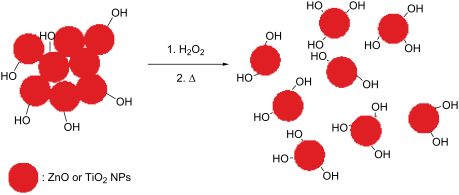
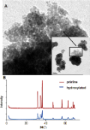
- hot plate before analysis. DLS analysis of the hydroxylated ZnO and TiO2 NPs The hydrodynamic radius and zeta potential of the NPs in suspension were monitored using a Zetasizer NanoZS (Malvern, UK) instrument equipped with a 4 mW HeNe laser (633 nm). The hydroxylated ZnO or TiO2 NPs were added to
- the temperature. The suspension was placed into a folded capillary cell for zeta potential measurement and the zeta potential of the NPs was measured at 30 °C. All experiments were performed at least three times. Results and Discussion Representative TEM images of the ZnO and TiO2 NPs are provided in
- Figure 1. As can be seen, both types of NPs are composed of NPs with a range of sizes. The average size of the ZnO and TiO2 NPs were 98 and 18 nm, respectively. Change in zeta potential after NP hydroxylation The zeta potential (ζ) of the NPs provides information about the surface charge of the particle




NanoE-Tox: New and in-depth database concerning ecotoxicity of nanomaterials
Beilstein J. Nanotechnol. 2015, 6, 1788–1804, doi:10.3762/bjnano.6.183
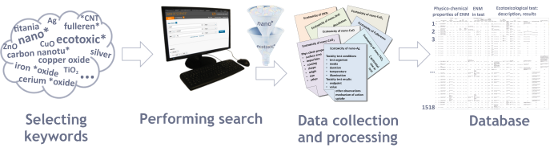
- , primary size, possible impurities, surface area and other observations, and the test environment-specific characteristics are: media, size, dissolution and zeta potential (Supporting Information File 2). Figure 4 illustrates the distribution of the data on ENM characteristics in NanoE-Tox database


Template-controlled mineralization: Determining film granularity and structure by surface functionality patterns
Beilstein J. Nanotechnol. 2015, 6, 1763–1768, doi:10.3762/bjnano.6.180
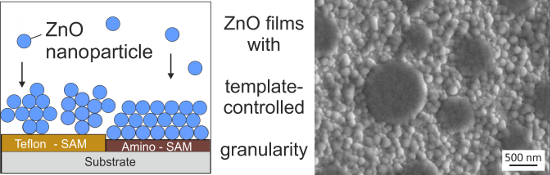
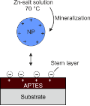
- (data not shown). The investigation of the suspensions from the reaction solution by zeta potential measurements revealed that the particles possess a potential of +22.0 mV at pH 6.7 [26]. Since the pH of the reaction solution is around 5.3, the formed NPs are positively charged (Figure 2). The zeta
- potential of the amino-functionalized SAM is charged slightly positive during the reaction [28][29] due to protonation of the amino groups (–NH3+) at this pH. Additionally, a Stern layer is present, which is formed by negatively charged counterions [29][30]. The particles in solution can interact with these

Synthesis, characterization and in vitro biocompatibility study of Au/TMC/Fe3O4 nanocomposites as a promising, nontoxic system for biomedical applications
Beilstein J. Nanotechnol. 2015, 6, 1677–1689, doi:10.3762/bjnano.6.170
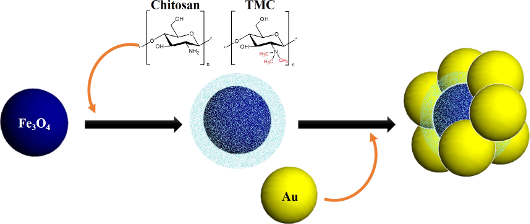
- molecules in in vivo and in vitro microenvironments. Hence, the surface charge of the nanoparticles was investigated by means of zeta potential analysis. As shown in Table 1, the uncoated Fe3O4 nanoparticle surface charge was about −42.7, which changed to +41.5 and +23.6 after coating with TMC and chitosan
- onto the polymer/Fe3O4 nanoparticles also influenced the surface charge of the resulting nanoparticles. The results of the zeta potential analysis in Table 1 show that the surface charge of the final products are −31.6 for Au/TMC/Fe3O4 nanoparticles and −6.2 for Au/chitosan/Fe3O4 nanoparticles due to
- effect of different concentrations of Au/TMC/Fe3O4 nanoparticles on cell viability as assessed by MTT assay. Size evaluation via TEM, XRD, DLS and zeta potential analysis of the synthesized nanoparticles. Acknowledgements This research was supported by the Endocrinology and Metabolism Research Institute