


Search results
Search for "REACH" in Full Text gives 726 result(s) in Beilstein Journal of Nanotechnology. Showing first 200.
Nanoglasses: a trail towards uncharted regions of vitreous materials and their properties?
Beilstein J. Nanotechnol. 2026, 17, 1047–1062, doi:10.3762/bjnano.17.72



Light-driven ammonia electrooxidation via carbon nitride–ruthenium molecular interfaces
Beilstein J. Nanotechnol. 2026, 17, 854–862, doi:10.3762/bjnano.17.61
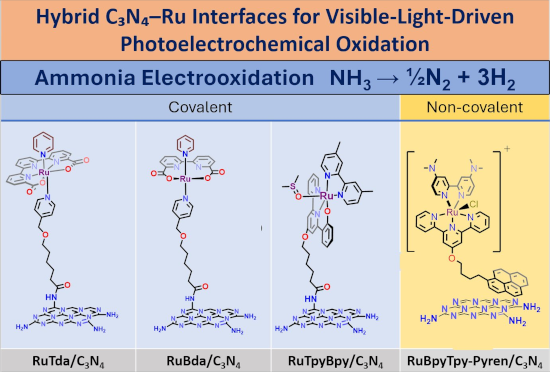
- pyrene-functionalized Ru complex in a suitable solvent, adding the C3N4 support, allowing adsorption to reach equilibrium, and washing away excess complex, requires no reactive chemistry and no elevated temperatures, making it synthetically accessible even for complex, sensitive catalyst molecules. The


Restorative potential of laser-synthesized silver nanoparticles with Salvia officinalis for periodontal disease treatment: an in vitro study
Beilstein J. Nanotechnol. 2026, 17, 781–795, doi:10.3762/bjnano.17.55
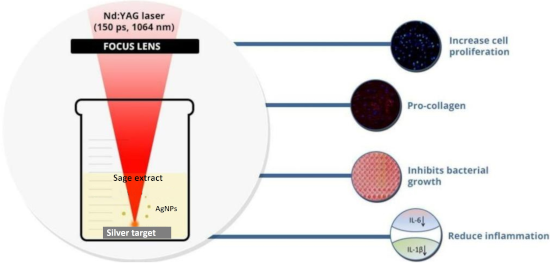
- ferulic acids were below the detection limit, probably due to the lower polarity of the used solvent. We chose water extraction over organic solvents to reach a balance between safety and bioactivity; the therapeutic potential of the obtained nanoparticles could be compromised by the organic solvents



Oxidative atmosphere-driven formation of single-phase spinel CuRh2O4 nanofibers for alkaline water oxidation
Beilstein J. Nanotechnol. 2026, 17, 737–743, doi:10.3762/bjnano.17.50
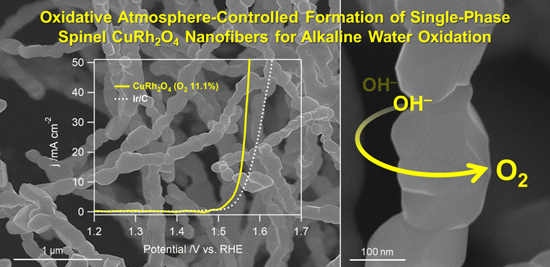
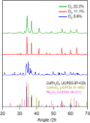
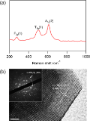
- critical role of phase purity in catalytic performance. Notably, the optimized CuRh2O4 nanofibers outperform commercial Ir/C and IrO2, benchmark catalysts for alkaline OER, requiring a lower potential of 1.53 V (vs RHE) to reach 10 mA·cm−2 compared to 1.57 V for Ir/C and exhibiting comparable performance




Decontamination from water pollutants and pathogens by electrospun nanofibers doped with heavy-atom-free borafluorene-BODIPY photosensitizers
Beilstein J. Nanotechnol. 2026, 17, 668–682, doi:10.3762/bjnano.17.46
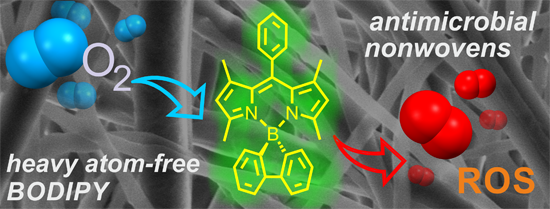
- contact. Interestingly, the fluorescence quantum yields of the PMMA- and PS-based materials reach 43% and 35%, respectively, substantially higher than that of 1(0.15 wt %)@PCL (8%) (Table 2). This indicates that BODIPY 1 in the former matrices is more prone to deexcitation via prompt emission from the



Towards targeted drugs and next generation of nanomedicines
Beilstein J. Nanotechnol. 2026, 17, 598–601, doi:10.3762/bjnano.17.41
- other organs [1][8]. For instance, in the context of tumor targeting, only less than 1% of injected nanoparticles reach the tumor [8]. While this and other similar works in the literature have sparked a debate on the success of the field [9][10][11][12], the COVID-19 pandemic and approval of the first
- size in a "big" human. At the same time, recent findings suggested that nanoparticles may be able to reach tumor tissue also via active mechanisms of uptake and transport across tumor endothelial cells, potentially opening up new ways to reach tumors with drugs [20][21][22]. Next to passive targeting
- can be targeted to the area of interest, even if the material itself may also reach other areas. Endogenous stimuli are characteristics of the targeted site that distinguish it from the healthy tissue, such as the lower pH or lower oxygen content of certain tumor areas [15]. External stimuli include
Probing tribological evolution in atomically thin MoS2 at different scales
Beilstein J. Nanotechnol. 2026, 17, 586–597, doi:10.3762/bjnano.17.40
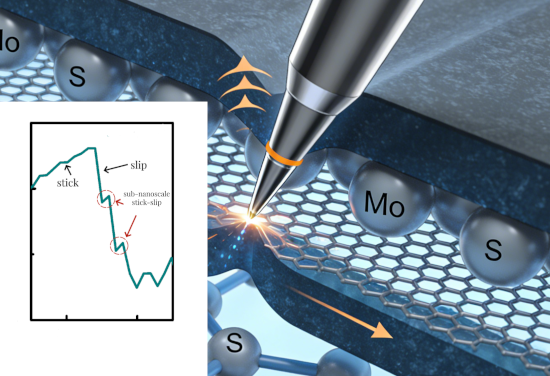
- ]. Despite the above limitation, the MD simulations and our experiments reach a consistent core conclusion: Nanoscale slip motion is not an instantaneous jump but a complex process composed of multiple sub-nanoscale stick–slip events. The disagreement in the scale of distortions does not alter the


Synthesis of Cu–Mo/TiO2 and Co–Mo/TiO2 photocatalysts for the efficient degradation of organic pollutants in water
Beilstein J. Nanotechnol. 2026, 17, 559–570, doi:10.3762/bjnano.17.37
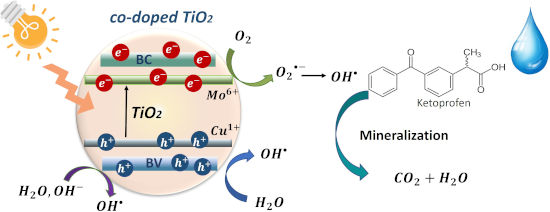
- with 2 g·L−1 of catalyst under dark conditions for 30 min to reach the adsorption–desorption equilibrium. At this time, the amount of ketoprofen adsorbed by each catalyst was evaluated by a mass balance. Then, the UV light lamps were turned on to induce the simultaneous formation of electron holes (hvb



Fractional shot noise of an SU(N) Kondo system
Beilstein J. Nanotechnol. 2026, 17, 515–540, doi:10.3762/bjnano.17.34
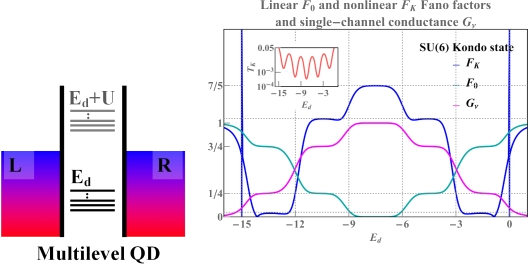
- , 15/8, 12/5, 35/12, …} and bN = {2, 1, 2/3, 1/2, 14/5, …}. is the quadratic Casimir operator in the free pseudospin momentum limit (t = 0). We see that, for Q = 1e, the inter-state charge transfer correlator is Qik = QiQk = 0. Correspondingly, successive values of N reach the numbers TχN ≈ aN. In


![[Graphic 127]](/bjnano/content/inline/2190-4286-17-34-i187.svg?max-width=637&scale=1.18182)

Probing internal continua and atomic ultrafast charge transfer within size-controlled nanoparticles by post-collision interaction in core-hole clock spectroscopy
Beilstein J. Nanotechnol. 2026, 17, 505–514, doi:10.3762/bjnano.17.33
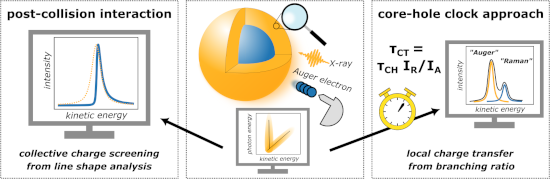
- % of the Auger signal originates solely from the shell, while, in the shell with eleven double layers, this value increases to over 60% [32]. Given that the QDs are covered with a surface layer of long-chain hydrocarbon ligands (hexadecylamine) and that such films can reach film thicknesses of 1–2 nm



Defects and defect-mediated engineering of two-dimensional materials: challenges and open questions
Beilstein J. Nanotechnol. 2026, 17, 454–488, doi:10.3762/bjnano.17.31
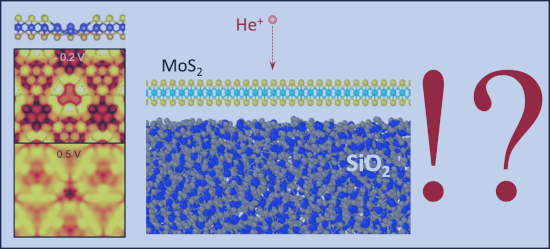
- 2D materials are synthetic; hence, in principle, the defect concentration in them can be well above the equilibrium value as the time after their fabrication may not have been sufficient to reach equilibrium. 2D materials have a high surface-to-volume ratio, so that defects can easily be formed due
- 3D semiconductors, much higher concentrations of dopants are required to reach pronounced changes in the doping level and may be well within the metallization regime (from hybridization of dopant levels and band edges) rather than pure dopant ionization. Practically all experiments that probe carrier
- states in semiconducting TMDs seems out of reach, whereas it should be possible in metallic ones. Additionally, in metallic 2D materials, the magnetic moment of the defect may also be screened by the itinerant electrons giving rise to a Kondo resonance at the Fermi level. Such a spectroscopic fingerprint





Biomimetic nanoparticles in cancer photodynamic therapy: a review of targeted delivery systems and therapeutic outcomes
Beilstein J. Nanotechnol. 2026, 17, 396–422, doi:10.3762/bjnano.17.27
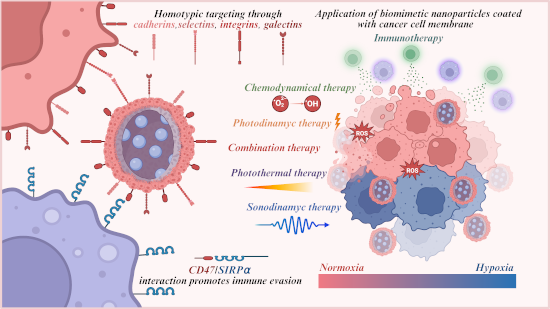
- circulation by the organs and the cells of the mononuclear phagocyte system (MPS), primarily the liver and spleen, and (ii) ineffective overcoming of biological barriers, that is, nanoparticles have to overcome numerous biological barriers to reach the target tissue, including extravasation from the


Beam shaping techniques for pulsed laser ablation in liquids: Unlocking tunable control of nanoparticle synthesis in liquids
Beilstein J. Nanotechnol. 2026, 17, 309–342, doi:10.3762/bjnano.17.22
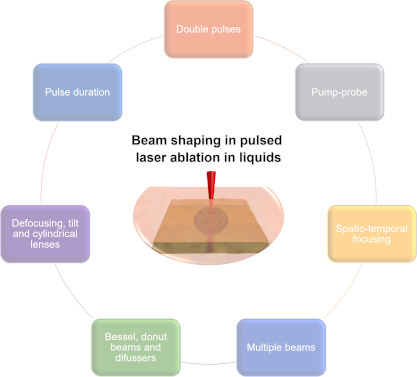
- . For shorter pulses, it the easier to reach higher Ppeak [5]. In femtosecond lasers, nonlinear optical absorption is a prominent factor due to the high Ppeak [167], giving raise to self-focusing, filamentation, and optical breakdown [168][169][170]. The nonlinear effects reduce the energy reaching the







Fast vortex dynamics and relaxation times in NbRe-based heterostructures
Beilstein J. Nanotechnol. 2026, 17, 292–302, doi:10.3762/bjnano.17.20
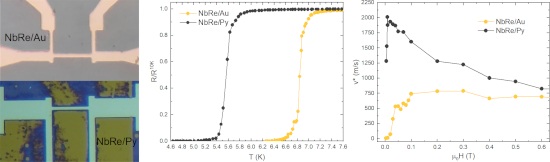
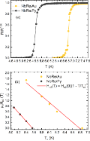
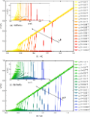
- , were characterized through electrical transport measurements. The I–V characteristics show that, in the NbRe/Py bilayer, vortices reach higher critical velocities than those observed in the NbRe/Au structure. The analysis of the flux-flow instability within the Larkin–Ovchinnikov framework allows one
- microbridges reach critical vortex velocities values of v*NbRe/Au ≈ 740 m/s and v*NbRe/Py ≈ 1600 m/s, corresponding to a relaxation time of ≈ 150 ps and ≈ 24 ps. The values of τE obtained for the heterostructures can be compared to those reported in the literature for single NbRe microstrips of similar


Advancing nanolithography: a comprehensive review of materials for local anodic oxidation with AFM
Beilstein J. Nanotechnol. 2026, 17, 275–291, doi:10.3762/bjnano.17.19
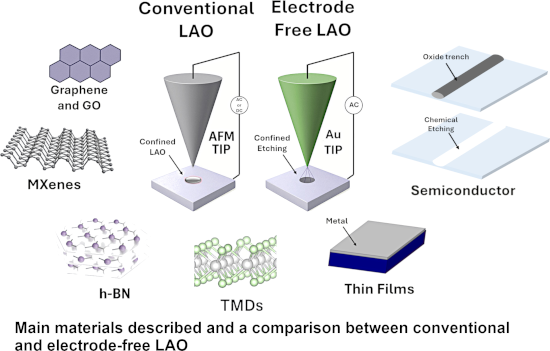
- density) can reach up to 100 nm height [34]. The protruding oxide observed by AFM represents only part of the total oxide volume. Because oxidation proceeds into the substrate and the formed oxide is less dense than the parent material, a comparable portion (typically 40–60%) develops beneath the surface
- -SPL), the fastest SPL technique, can reach writing speeds of up to 1 mm·s−1, enabling patterning rates of the order of 10–100 mm2·h−1 under optimal conditions [5]. This puts it in a similar throughput range to electron beam lithography (EBL), which, depending on beam current and pattern complexity


Gold nanoparticle-decorated reduced graphene oxide as a highly effective catalyst for the selective α,β-dehydrogenation of N-alkyl-4-piperidones
Beilstein J. Nanotechnol. 2026, 17, 218–238, doi:10.3762/bjnano.17.15
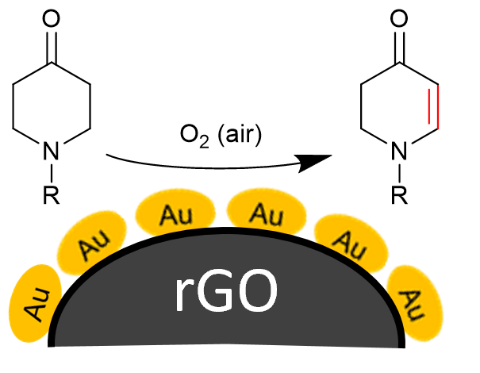
- reactant over time. However, AC was slightly less effective than rGO as a support because it required a longer reaction time to reach full conversion (8 h vs 7 or 6 h). This difference may be due to the surface chemistry and the predominantly microporous structure of activated carbon, which impedes


Structure-dependent thermochromism of PAZO thin films: theory and experiment
Beilstein J. Nanotechnol. 2026, 17, 186–199, doi:10.3762/bjnano.17.12
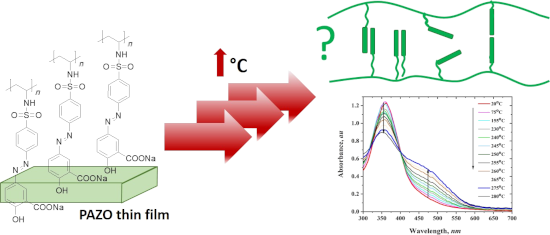
- other was thermally treated in an oven to reach 200 °C (blue curves in Figure 3A). Spectrofluorimetry is a sensitive analytical technique that leverages fluorescence, where molecules absorb light and re-emit it at a longer wavelength. The process involves exciting a sample with a specific wavelength and


Development and in vitro evaluation of liposomes and immunoliposomes containing 5-fluorouracil and R-phycoerythrin as a potential phototheranostic system for colorectal cancer
Beilstein J. Nanotechnol. 2026, 17, 97–121, doi:10.3762/bjnano.17.7
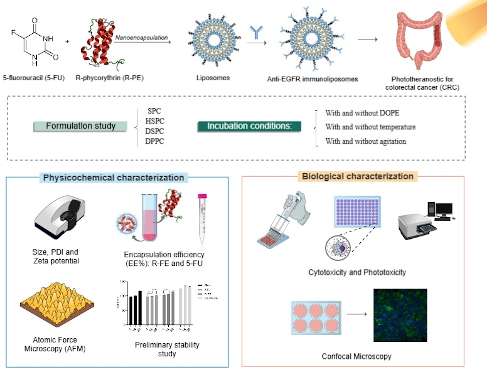
- differences were observed when formulations containing SPC 25 or DSPC 50 were compared to HSPC 50, suggesting that for certain lipid types and concentrations, the EE% may reach a plateau or become less responsive to compositional changes. A statistically significant difference was observed in the EE% of R-PE



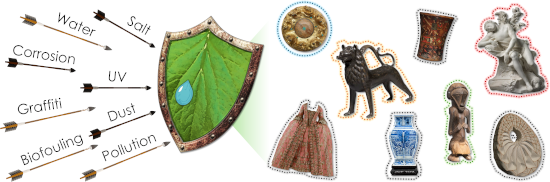
Functional surface engineering for cultural heritage protection: the role of superhydrophobic and superoleophobic coatings – a comprehensive review
Beilstein J. Nanotechnol. 2026, 17, 63–96, doi:10.3762/bjnano.17.6
- −) can reach the metal surface. In Figure 6a, the production process and final application of a novel organic–inorganic composite coating, designed to provide advanced anticorrosion protection for bronze artifacts is described. The coating combines waterborne polyurethane (WPU) with the nanomaterials ZIF
- -8 (a metal-organic framework, MOF) and Ti3C2Tx (a 2D MXene, whose use was considered to enhance the tortuosity of the paths that gases, liquids, and ions must follow to reach the metal substrate [77]). PFDTES was used to introduce fluorinated groups for enhanced hydrophobicity. The final product was




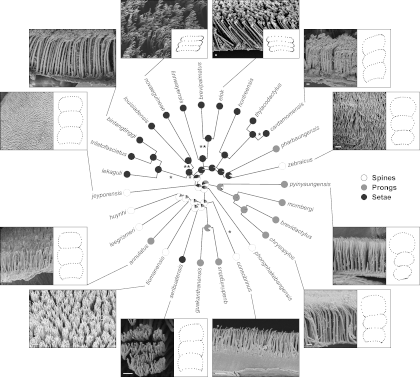
Subdigital integumentary microstructure in Cyrtodactylus (Squamata: Gekkota): do those lineages with incipiently expressed toepads exclusively exhibit adhesive setae?
Beilstein J. Nanotechnol. 2026, 17, 38–56, doi:10.3762/bjnano.17.4


Quantitative estimation of nanoparticle/substrate adhesion by atomic force microscopy
Beilstein J. Nanotechnol. 2026, 17, 1–14, doi:10.3762/bjnano.17.1

- voltage of 0 V. Specifically, both work of separation and distance reach maximum values for NP diameters between 6 and 10 nm. NPs outside this size range exhibited lower work of separation values as well as shorter distances. With an AFM tip diameter smaller than 10 nm, it has to be assumed that the
- , these calculated values reach their minimum between 6 and 10 nm across all voltages, suggesting a transition point in NP behavior. Notably, lower values of F0 − 6πRγ mean a higher probability of sticking. This theoretical behavior matches well with our experimental observations, particularly with the



Optical bio/chemical sensors for vitamin B12 analysis in food and pharmaceuticals: state of the art, challenges, and future outlooks
Beilstein J. Nanotechnol. 2025, 16, 2207–2244, doi:10.3762/bjnano.16.153
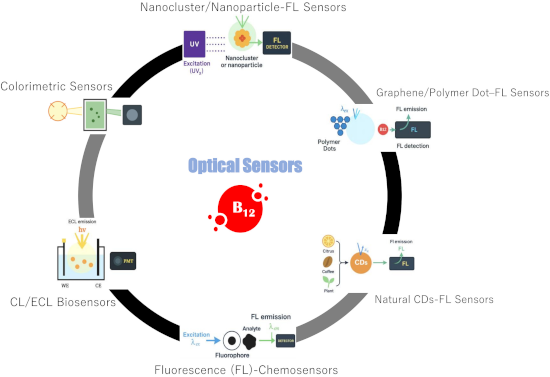
- μg/mL in food), they emphasized performing an optimization study to reach a lower acceptable LOD for the regulatory standard [77]. Kumudha et al. characterized the HPLC peak of extracts of VB12 obtained from the green microalgae Chlorella vulgaris using MS/MS, selected ion recording, and multiple
- minimal color change at the test line (T) but a strong control line (C), leading to low T/C ratios (Figure 3B). In contrast, low VB12 levels yield an intense color at the test line and a weak control signal, indicating fewer conjugates reach the control line, thus high T/C ratios (Figure 3C) [115]. In a


Ultrathin water layers on mannosylated gold nanoparticles
Beilstein J. Nanotechnol. 2025, 16, 2183–2198, doi:10.3762/bjnano.16.151
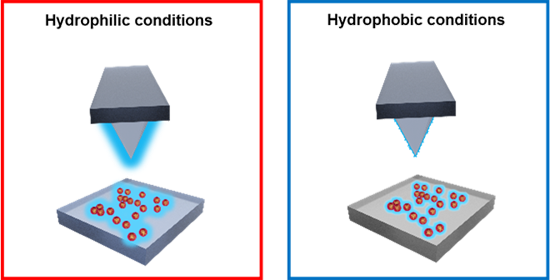
- overnight sample incubation to reach 90 ± 5% RH, corresponding to very wet climate or air during precipitation. In addition, we refer to “hydrophilic conditions” in AFM for hydrophilic surfaces (APDMES silicon) scanned by a silicon tip. We found a vertical resolution (∆z) of 0.04 nm and a surface roughness
- 15 ± 5% was achieved by pumping nitrogen to the isolation chamber. The RH of 50 ± 5% was reached by controlling the mixing ratio between a dry and a wet stream of nitrogen, produced in a bubble flask. To reach a RH of 90 ± 5%, the sample was allowed to equilibrate overnight in the saturated chamber



Hartree–Fock interaction in superconducting condensate fractals
Beilstein J. Nanotechnol. 2025, 16, 2177–2182, doi:10.3762/bjnano.16.150
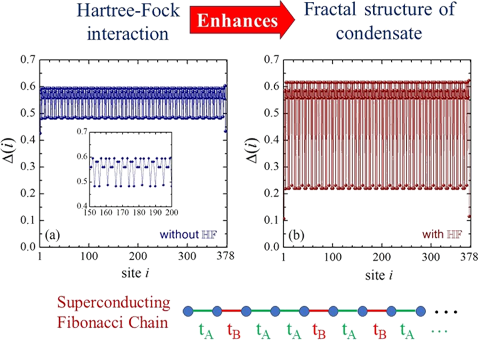
- is suppressed; for our chosen microscopic parameters, this suppression can reach up to 20%. Therefore, an accurate analysis of condensate distribution and related quantities in quasicrystalline superconductors requires the comparison of results obtained with and without the HF interaction. Keywords


Microplastic pollution in Himalayan lakes: assessment, risks, and sustainable remediation strategies
Beilstein J. Nanotechnol. 2025, 16, 2144–2167, doi:10.3762/bjnano.16.148
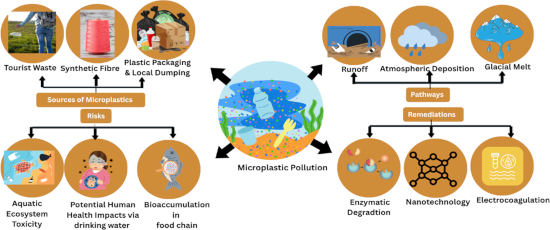
- exacerbated by the fact that plastic pollution has a transboundary implication, thereby having the chance of ending up in other lakes’ sediments and water [11]. The existence of MPs in both Indus and Brahmaputra rivers suggests that the pollution from the highland lake and glacier may reach into downstream
- Treaty with an aim to constitute legally binding plastic reduction instruments along with MP reduction. Consequently, the European Union (EU) also deliberately limited incorporated MPs in the EU Microplastic Restriction Proposal of the REACH regulation of cosmetics, cleaning products, and agricultural
- microbeads added intentionally have been put into practice by some countries, such as Canada and the UK, where microbeads are banned in cosmetics [133]. The EU has placed restrictions under REACH regulation to restrict commercial use of MPs [134]. France has taken further steps by mandating that new washing





