


Search results
Search for "durability" in Full Text gives 127 result(s) in Beilstein Journal of Nanotechnology.
Vibration-induced dynamic structural superlubricity on MoS2/Au(111) under ultrahigh vacuum
Beilstein J. Nanotechnol. 2026, 17, 1039–1046, doi:10.3762/bjnano.17.71
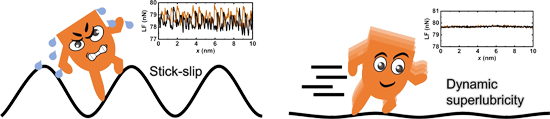
- monolayer MoS2 maintained its structural integrity throughout the measurements. These observations demonstrate the excellent durability of the MoS2 flakes under the experimental conditions. To further understand the relationship between friction and tip vibration, the load was analyzed together with the


Materials challenges in solid-state sensors for continuous monitoring of ions in water
Beilstein J. Nanotechnol. 2026, 17, 935–973, doi:10.3762/bjnano.17.66
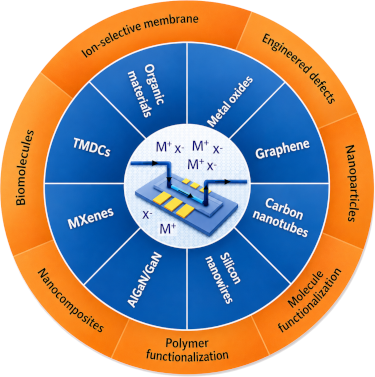
- such as nitrate or phosphate. While they offer fast response times and high sensitivity, electrode fouling and matrix interference can limit their durability in continuous operation. Anodic stripping voltammetry (ASV) sensors build upon this principle, employing thin-film working electrodes (e.g
- . Multiwalled carbon nanotubes (MWCNTs) are composed of multiple concentric shells or a scroll-like structure, display predominantly metallic behavior, and outstanding mechanical strength and chemical durability, though with reduced surface accessibility of inner walls. Across all CNT types, SWCNTs are ideal



Nanocarrier strategies to overcome P-glycoprotein-mediated drug resistance in cancer therapy
Beilstein J. Nanotechnol. 2026, 17, 882–921, doi:10.3762/bjnano.17.64


Sustainable fabrication of 2D-based devices through reuse of substrates with microfabricated electrodes
Beilstein J. Nanotechnol. 2026, 17, 818–827, doi:10.3762/bjnano.17.58
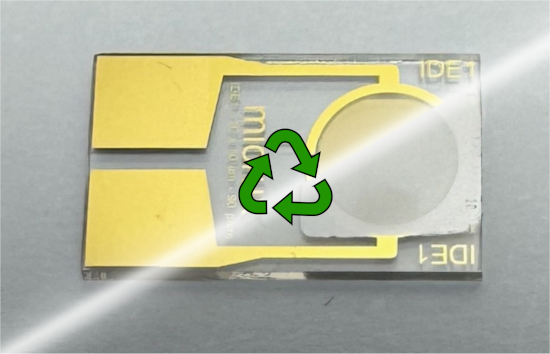
- sustainable use of resources in 2D materials device fabrication. Future work could explore this cleaning protocol with other material systems and electrode architectures, as well as further quantify the long-term durability of reused substrates across multiple cycles. Experimental Pre-patterned electrodes


Oxidative atmosphere-driven formation of single-phase spinel CuRh2O4 nanofibers for alkaline water oxidation
Beilstein J. Nanotechnol. 2026, 17, 737–743, doi:10.3762/bjnano.17.50
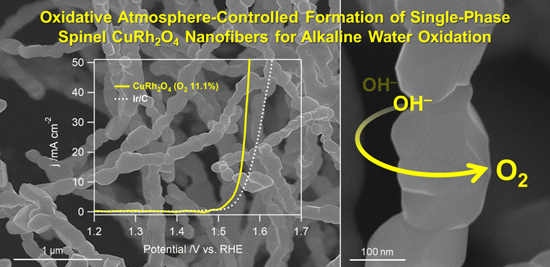
- electrocatalyst demonstrates excellent durability, as shown in Figure 6c, maintaining a nearly stable potential during 10,000 s of continuous OER operation at a constant current density of 10 mA·cm−2. Conclusion In summary, Cu–Rh bimetallic single-phase spinel oxide nanofibers were successfully synthesized via




Decontamination from water pollutants and pathogens by electrospun nanofibers doped with heavy-atom-free borafluorene-BODIPY photosensitizers
Beilstein J. Nanotechnol. 2026, 17, 668–682, doi:10.3762/bjnano.17.46
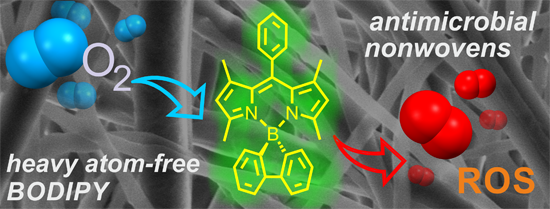
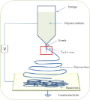
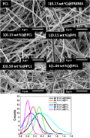
- photocatalyst for the degradation of the pharmaceutical agents ranitidine, propranolol, and cimetidine, selected as model water pollutants. The obtained nanofibers showed smooth and uniform morphology along with very high durability and resistance toward oxidation, remaining active even after 20 reaction cycles
- , but this is probably caused by the nature of the experiment, as the performance of the materials may vary to some extent due to the various positioning of the material in the vial. Nonetheless, these results demonstrate the high durability of the material, maintaining its activity even after 20 cycles
- wastewater, within 1 h of white-light LED irradiation, even at a low photocatalyst loading of 0.15 wt %. SEM, EDX, ToF SIMS, and XPS analyses confirmed that the electrospun nanofibers have smooth, uniform morphologies with homogeneous distributions of 1. The material showed very high durability, exhibiting



Cellulose as a photocatalyst support material: extraction, structural features, and environmental applications
Beilstein J. Nanotechnol. 2026, 17, 635–652, doi:10.3762/bjnano.17.44
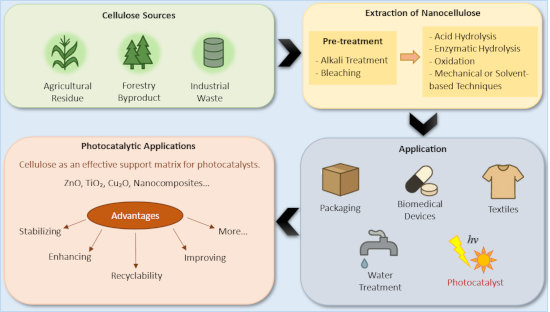
- photocatalytic systems, improving its performance under a wide range of light sources. Moreover, cellulose-supported systems often show enhanced recyclability and mechanical durability, making them suitable for repeated use in wastewater treatment and environmental remediation. The relationship between
- engineered composites that combine strong durability with full environmental sustainability [79]. The growing interest in isolating and utilizing MCC fibers in composite materials arises from their remarkable mechanical strength, stiffness, and lightweight characteristics, as well as their renewable and


Advancing nanolithography: a comprehensive review of materials for local anodic oxidation with AFM
Beilstein J. Nanotechnol. 2026, 17, 275–291, doi:10.3762/bjnano.17.19
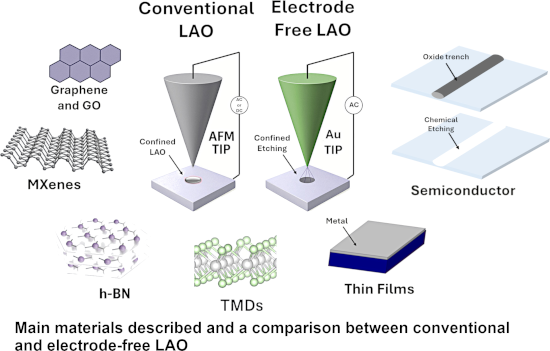
- morphologically and chemically degrades; therefore, the choice of tip material (e.g., n+-doped silicon, metal coating, or solid alloy) affects oxidation efficiency, with solid tips performing better than coated tips in terms of durability. Tip shape and sharpness play also a crucial role as a main regulator of
- charges in the oxide layer, which can affect electrical performance. Yet, SiC’s superior durability and unique properties make it a promising material for applications in harsh and demanding environments, though it is less versatile than newer 2D materials or heterostructures. Recently Ovenden et al
- , particularly for sensitive organic substrates. 3.2 Enhancing process precision 3.2.1 Advanced tip design. Developing tips with improved durability and conductivity (e.g., multilayer coatings or adaptive tip shapes) could mitigate wear and maintain precision over extended use. Selecting an appropriate tip


Durable antimicrobial activity of fabrics functionalized with zeolite ion-exchanged nanomaterials against Staphylococcus aureus and Escherichia coli
Beilstein J. Nanotechnol. 2026, 17, 262–274, doi:10.3762/bjnano.17.18
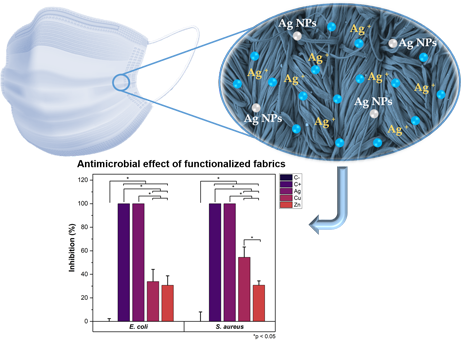
- incorporation of nanomaterials onto the fabric surfaces. Antimicrobial tests reveal significant inhibition of bacterial growth, with silver-based materials demonstrating superior efficacy. Importantly, the antimicrobial effect persists after five washing cycles, demonstrating the durability of the
- bacteria. Unlike our previous work, which focused on the antimicrobial performance of Ag- and Zn-loaded Y zeolite, the present study applies those nanomaterials, including Cu, to cotton fabrics via the pad–dry–cure method and evaluates the durability of their antimicrobial activity after fife washing
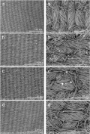
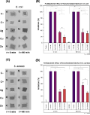
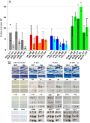
- after four wash cycles. Such findings are significant for the potential applications of these fabrics in the manufacture of personal protective equipment. SEM-EDS analysis of washed fabrics To further evaluate the durability of the functionalized fabrics under practical conditions, the samples underwent




Functional surface engineering for cultural heritage protection: the role of superhydrophobic and superoleophobic coatings – a comprehensive review
Beilstein J. Nanotechnol. 2026, 17, 63–96, doi:10.3762/bjnano.17.6

- ]), mastic resin (from mastic tree, mediterranean indigenous plant [23]), and copal varnish (derived from tropical trees, mostly East Africa [24]). Each of these resins and varnishes have different characteristics such as high gloss and protection as well as durability and hardness. In the same period, for
- stages of application [51]. For these reasons trend is to use other engineered materials. The tailoring of coating materials must be guided by the nature of the substrate since porosity, roughness, and coating thickness directly affect adhesion, durability, hydrophobicity, and ultimately compliance with
- and durability under acid exposure, weathering, and salt crystallization, and is composed of nontoxic, biocompatible constituents, thus addressing safety and ethical considerations. Reversibility is only partially achieved as removal is possible under certain conditions but cannot be guaranteed




Self-assembly and adhesive properties of Pollicipes pollicipes barnacle cement protein cp19k: influence of pH and ionic strength
Beilstein J. Nanotechnol. 2025, 16, 1863–1872, doi:10.3762/bjnano.16.129
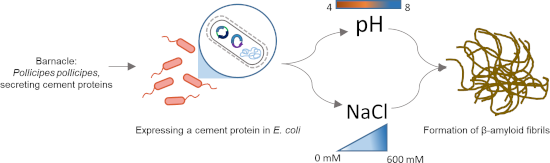
- potential to form amyloid-like fibrillar aggregates, a structural motif increasingly implicated in barnacle adhesion [33][34]. Amyloid fibres are characterised by their β-sheet-rich architecture and have been linked to increased cohesive strength and durability in marine adhesives [35][36]. In the present


Current status of using adsorbent nanomaterials for removing microplastics from water supply systems: a mini review
Beilstein J. Nanotechnol. 2025, 16, 1837–1850, doi:10.3762/bjnano.16.127
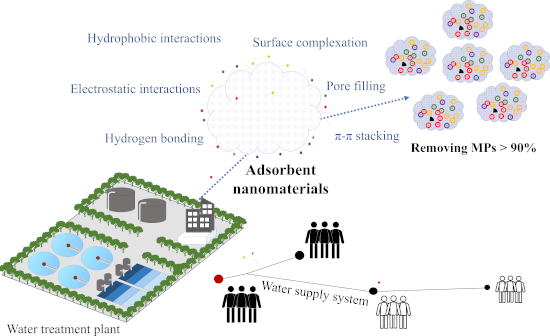
- become an indispensable part of modern society because of their distinct characteristics, such as low production cost, significant durability, and high flexibility. Global plastic production has risen dramatically over the past decades, reaching approximately 288 million tonnes annually, and it is
- economy in the long term. Nanomaterials with characteristics such as environmental durability and reusability should be considered to improve overall effectiveness. Many recent studies are focusing on porous and hybrid nanomaterials to enhance the efficiency and selectivity of MP removal in water


Piezoelectricity of layered double hydroxides: perspectives regarding piezocatalysis and nanogenerators
Beilstein J. Nanotechnol. 2025, 16, 1812–1817, doi:10.3762/bjnano.16.124

- stability, reproducibility of synthesis (phase purity, secondary phases, and role of interlayer anions), and durability under repeated operation are critical. From this perspective, several steps could strengthen the further subject studies: (1) reporting standardized, direct piezoelectric measurements (d33

Prospects of nanotechnology and natural products for cancer and immunotherapy
Beilstein J. Nanotechnol. 2025, 16, 1644–1667, doi:10.3762/bjnano.16.116
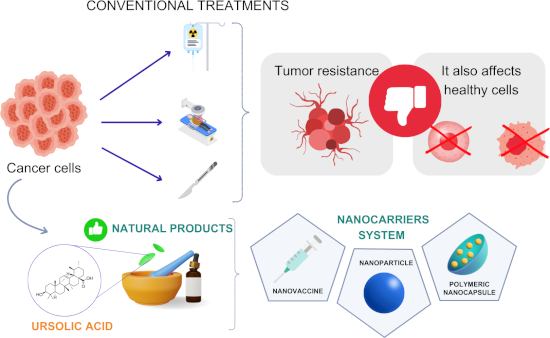
- , durability, and innate immune responses [149][150]. In addition, gold nanoparticles lead to more selective oncological treatments with biocompatibility and low toxicity and their use in association with natural products is promising [151][152]. The patent KR20220169108 (2022) claims that gold nanoparticles


Nanotechnology-based approaches for the removal of microplastics from wastewater: a comprehensive review
Beilstein J. Nanotechnol. 2025, 16, 1607–1632, doi:10.3762/bjnano.16.114
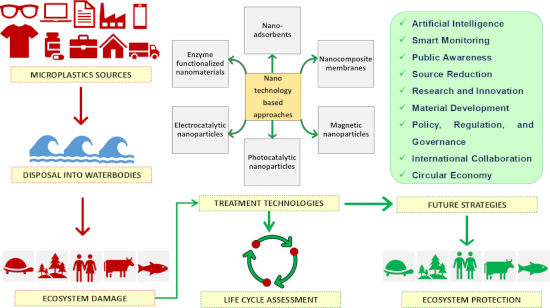
- synthesis and characterisation techniques have enabled the detection of materials at the nanoscale, unlocking new opportunities across various streams. In the field of water treatment, nanotechnology is gaining wide attention due to its enhanced efficiency, effectiveness, affordability, and durability. The
- recognized for enhancing efficiency, affordability, effectiveness, and durability. These benefits stem from unique properties such as high specific surface area, increased reactivity, extensive functionalization, and size-dependent behaviour. By leveraging these characteristics, water treatment processes can
- associated modules. The efficiency of a membrane system is primarily governed by the material used in its construction. Enhancing membranes with functional nanomaterials provides a promising path to boost permeability, reduce fouling, and increase both mechanical and thermal durability, while also enabling


Bioinspired polypropylene-based functionally graded materials and metamaterials modeling the mistletoe–host interface
Beilstein J. Nanotechnol. 2025, 16, 1592–1606, doi:10.3762/bjnano.16.113
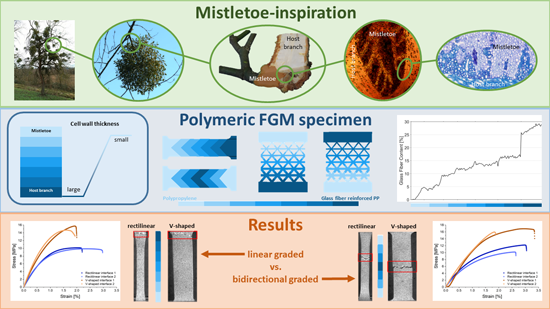
- introduction of a V-shaped interface instead of rectilinear interfaces in graded materials showed a noticeable improvement in the mechanical properties of the FGM, highlighting the importance of the graded interface structuring of mistletoe and host for their durability. Naturalistic FE simulations should be


Photocatalytic degradation of ofloxacin in water assisted by TiO2 nanowires on carbon cloth: contributions of H2O2 addition and substrate absorbability
Beilstein J. Nanotechnol. 2025, 16, 1567–1579, doi:10.3762/bjnano.16.111
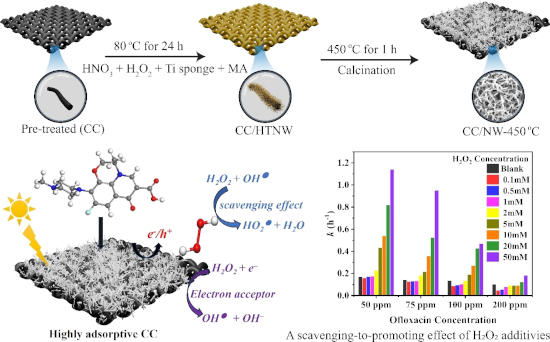
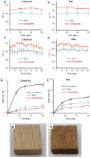
- activity for OFL removal and materials durability The photocatalytic activities of the carbon cloth-supported TiO2 nanowires (CC/NW-450 °C) were assessed by monitoring the degradation of various concentrations of OFL aqueous solutions under UV light radiation, as shown in Figure 5a. The corresponding


Transient electronics for sustainability: Emerging technologies and future directions
Beilstein J. Nanotechnol. 2025, 16, 1545–1556, doi:10.3762/bjnano.16.109

- subsequently degrading harmlessly within the body. Collectively, these trends reflect a transition in materials science from an emphasis on durability to a growing emphasis on controllable disappearance tailored to specific clinical needs. Concurrently, the rapid advancement of soft and stretchable thin-film


Nanomaterials for biomedical applications
Beilstein J. Nanotechnol. 2025, 16, 1499–1503, doi:10.3762/bjnano.16.105
- recent years, the scientific community has started focusing on what nanocomposites potentially offer. Binding nanoparticles along with biomaterials enhances their strength, flexibility, and durability. For example, adding hydroxyapatite nanoparticles to a polymer can improve bone compatibility, making it
- . Traditional implants face various problems, such as poor biocompatibility, inflammatory response, or the risk of infection. However, with the integration of nanomaterials, these devices show higher biocompatibility, durability, and defenses against bacteria [36]. For example, incorporating titanium dioxide or
Laser processing in liquids: insights into nanocolloid generation and thin film integration for energy, photonic, and sensing applications
Beilstein J. Nanotechnol. 2025, 16, 1428–1498, doi:10.3762/bjnano.16.104






Parylene-coated platinum nanowire electrodes for biomolecular sensing applications
Beilstein J. Nanotechnol. 2025, 16, 1392–1400, doi:10.3762/bjnano.16.101
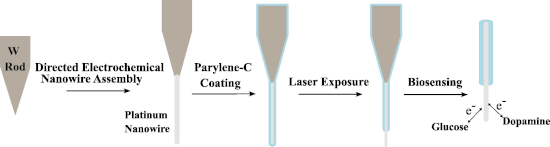
- . Additionally, surface modification can improve the stability and durability of the electrode, further enhancing its applicability. Conclusion This study presents a method for fabricating nano-scale electrodes with platinum nanowire tip lengths as small as 1.2 µm, and diameters down to 120 nm. This size


Enhancing the photoelectrochemical performance of BiOI-derived BiVO4 films by controlled-intensity current electrodeposition
Beilstein J. Nanotechnol. 2025, 16, 1289–1301, doi:10.3762/bjnano.16.94
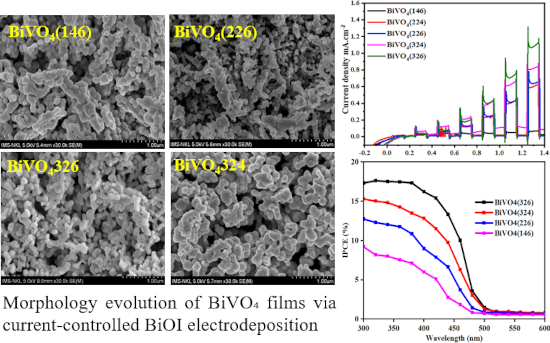
- electrolyte (Figure 6c). The photocurrent density initially peaked at approximately 1.6 mA·cm−2 and stabilized quickly at ≈1.2 mA·cm−2, maintaining this value consistently for 600 min (10 h) of operation. This stable behavior demonstrates the excellent PEC durability of the BiVO4(326) photoanode and confirms



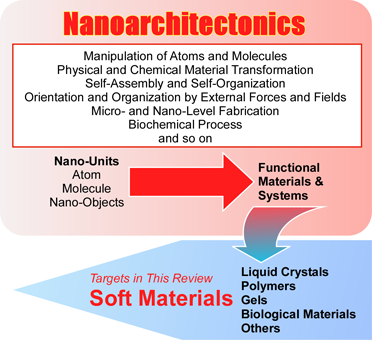
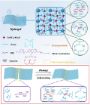
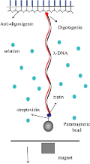
Soft materials nanoarchitectonics: liquid crystals, polymers, gels, biomaterials, and others
Beilstein J. Nanotechnol. 2025, 16, 1025–1067, doi:10.3762/bjnano.16.77






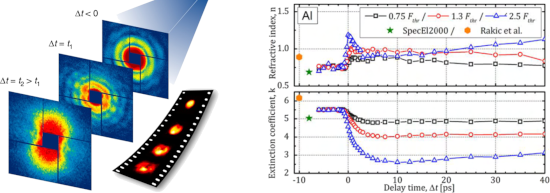
Time-resolved probing of laser-induced nanostructuring processes in liquids
Beilstein J. Nanotechnol. 2025, 16, 968–1002, doi:10.3762/bjnano.16.74


Synthesis of biowaste-derived carbon-dot-mediated silver nanoparticles and the evaluation of electrochemical properties for supercapacitor electrodes
Beilstein J. Nanotechnol. 2025, 16, 933–943, doi:10.3762/bjnano.16.71
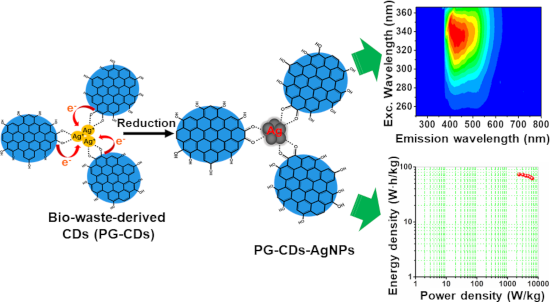
- in electrochemical energy storage applications given their exceptional chemical durability, high electronic conductivity, and surface chemical characteristics. Due to these characteristics, AgNPs possess the capacity to function as the electrode material for supercapacitors. Numerous reports have





