


Search results
Search for "environmental remediation" in Full Text gives 62 result(s) in Beilstein Journal of Nanotechnology.
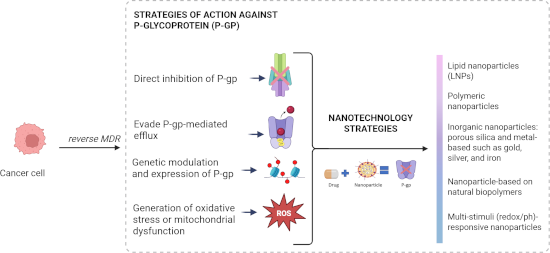
Nanocarrier strategies to overcome P-glycoprotein-mediated drug resistance in cancer therapy
Beilstein J. Nanotechnol. 2026, 17, 882–921, doi:10.3762/bjnano.17.64


Environmental applications of silver nanoparticles: state-of-the-art review and emerging trends
Beilstein J. Nanotechnol. 2026, 17, 697–736, doi:10.3762/bjnano.17.49
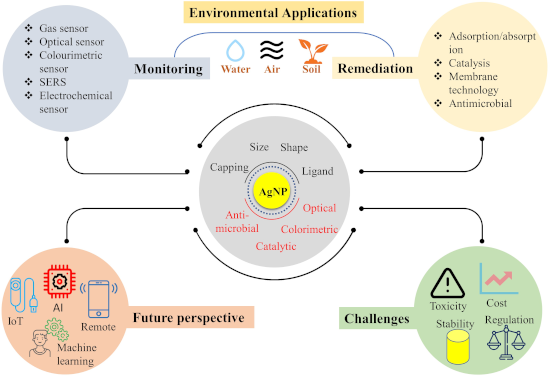
- , respectively [84]. The above studies, along with those in Table 1, confirmed the potential of AgNPs as disinfectants for water treatment applications. However, the environmental remediation perspective of AgNPs needs to be discussed to assess their full potential. 3.1.2 Pollutant removal or degradation. The
- (i.e., 10 and 100 mg/L) was achieved with 100 and 500 μL of the nanocomposite at neutral pH within 15 min. The nanocomposite was reused up to three cycles with 93% efficiency, indicating potentail as a safe, cost-effective nanosystem for environmental remediation [28]. A nanocomposite composed of


Cellulose as a photocatalyst support material: extraction, structural features, and environmental applications
Beilstein J. Nanotechnol. 2026, 17, 635–652, doi:10.3762/bjnano.17.44
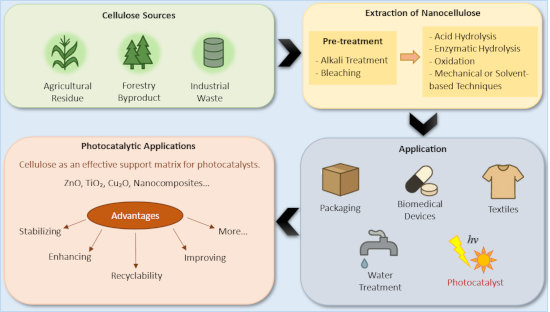
- photocatalytic systems, improving its performance under a wide range of light sources. Moreover, cellulose-supported systems often show enhanced recyclability and mechanical durability, making them suitable for repeated use in wastewater treatment and environmental remediation. The relationship between


Two-step laser synthesis of Ag@TiO2 nanomaterials for the photocatalytic degradation of rhodamine B
Beilstein J. Nanotechnol. 2026, 17, 622–634, doi:10.3762/bjnano.17.43
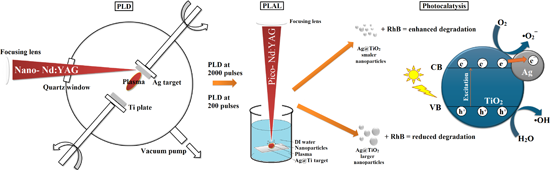
- suppression of electron–hole recombination, allowing for more effective utilization of the solar spectrum. Accordingly, Ag@TiO2 nanostructures, especially those obtained through controlled synthesis, represent highly promising candidates for photocatalytic environmental remediation processes induced by
- results highlight the potential of this chemical-free, laser-based approach as a sustainable and versatile platform for fabricating advanced nanomaterials tailored for high-efficiency environmental remediation. Experimental Synthesis of photocatalysts TiO2 and Ag@TiO2 (200p and 2000 p) Thin films of Ag


Synthesis of Cu–Mo/TiO2 and Co–Mo/TiO2 photocatalysts for the efficient degradation of organic pollutants in water
Beilstein J. Nanotechnol. 2026, 17, 559–570, doi:10.3762/bjnano.17.37
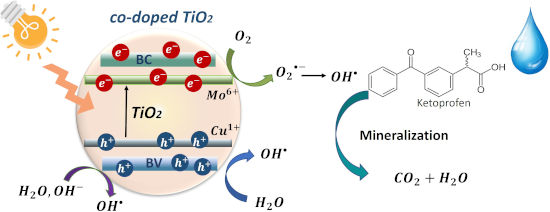
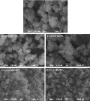
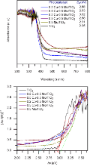
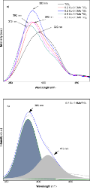
- environmental remediation processes. This research project reports the synthesis and characterization of two photocatalyst systems not reported before for water remediation, namely, co-doped photocatalysts Cu–Mo/TiO2 and Co–Mo/TiO2 synthesized by the sol–gel method. The structural, optical, and morphological



Nanoinformatics: spanning scales, systems and solutions
Beilstein J. Nanotechnol. 2026, 17, 423–427, doi:10.3762/bjnano.17.28

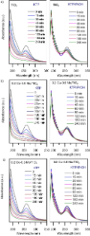
- artificial intelligence (AI) and ML approaches to nanomaterials disease therapy, environmental remediation, and to support implementation of the framework for Safe and Sustainable by Design (SSbD); and (iv) infrastructure and tools to underpin the implementation of nanoinformatics. Given the heterogeneity of
- nanomaterials, thus helping to fill the current gap in the toxicity data for zebrafish [8]. A major driver of the development of nanomaterials, nanoinformatics and ML/AI is the potential for solutions to real-world issues, whether in nanomedicine, nano-enabled agriculture, or environmental remediation

Safe and sustainable by design with ML/AI: A transformative approach to advancing nanotechnology
Beilstein J. Nanotechnol. 2026, 17, 176–185, doi:10.3762/bjnano.17.11
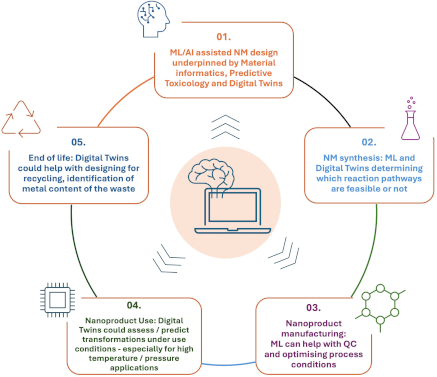
- , offering unprecedented opportunities to design and develop nanomaterials with unique, tailored properties. These advances have significantly impacted diverse industrial sectors, including healthcare, energy, environmental remediation, and defence. For instance, nanoparticle-based drug delivery systems have
- biocompatibility. Similarly, in the field of environmental risk assessment, digital twins simulate how ENMs disperse under varying climatic and ecological conditions and advanced environmental fate models can be utilised to explore the impact of changing conditions or application of mitigation or environmental
- remediation measures on the particle concentrations in specific environmental compartments (e.g., [59] and made accessible via a web application at https://sb4n.cloud.nanosolveit.eu/). These models integrate geospatial data, fluid dynamics, and chemical reactivity, offering a geographically and temporally


Missing links in nanomaterials research impacting productivity and perceptions
Beilstein J. Nanotechnol. 2025, 16, 2168–2176, doi:10.3762/bjnano.16.149
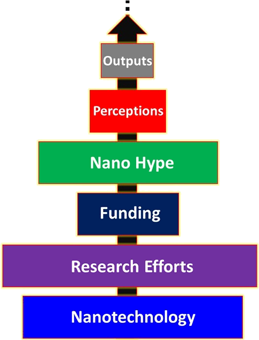
- . The event brought together leading scientists and key stakeholders from the Indian government to deliberate on the impact and potential of carbon nanomaterials. The idea was further refined during the organization of the New Materials in Carbon Capture and Environmental Remediation (NMCCER 2024
Toward clinical translation of carbon nanomaterials in anticancer drug delivery: the need for standardisation
Beilstein J. Nanotechnol. 2025, 16, 2092–2104, doi:10.3762/bjnano.16.144
- energy sectors (Figure 1). NMs have seen use as antimicrobial agents [1], catalysts [2], bioimaging agents [3][4][5][6], magnetic particle imaging agents [7], nanofluids [8], antiviral agents [9], photothermal convertors [10], and in environmental remediation [11]. Topically, the biomedical applications



Stereodiscrimination of guests in chiral organosilica aerogels studied by ESR spectroscopy
Beilstein J. Nanotechnol. 2025, 16, 2034–2054, doi:10.3762/bjnano.16.140
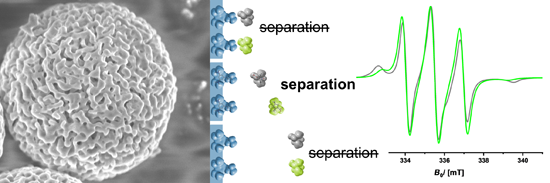
- , environmental remediation, and construction. The key transport processes in porous materials include diffusion, advection, capillary action, and sometimes reactions that might occur within the pores, highly complex phenomena one tries to understand as detailed as possible [15][16][17]. Laemmerhofer gave an




Piezoelectricity of layered double hydroxides: perspectives regarding piezocatalysis and nanogenerators
Beilstein J. Nanotechnol. 2025, 16, 1812–1817, doi:10.3762/bjnano.16.124

- piezocatalytic environmental remediation, achieved ≈98% degradation of rhodamine B within 20 min under ultrasonic activation when used together with PMS, with a kinetic constant significantly higher than many simple photocatalysts [16]. Thus, we can conclude that LDHs are competitive with, and in several cases

Ambient pressure XPS at MAX IV
Beilstein J. Nanotechnol. 2025, 16, 1677–1694, doi:10.3762/bjnano.16.118

- conversion, sustainable catalysis, environmental remediation, and next-generation electronic and electrochemical devices. Through its unique ability to reveal buried, reactive, and dynamic interfaces under realistic conditions, APXPS will not only remain a cornerstone of modern surface science, but







Photocatalytic degradation of ofloxacin in water assisted by TiO2 nanowires on carbon cloth: contributions of H2O2 addition and substrate absorbability
Beilstein J. Nanotechnol. 2025, 16, 1567–1579, doi:10.3762/bjnano.16.111
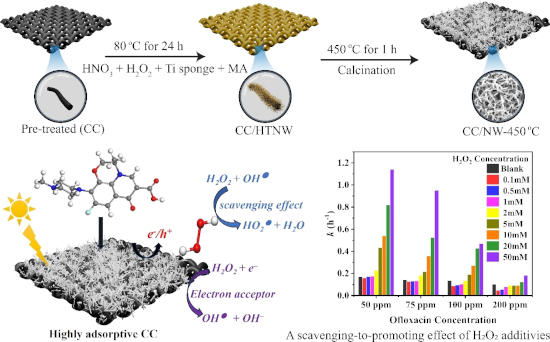
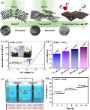
- materials for environmental remediation. (a) The Ti–H2O2 interaction approach to precipitate TiO2 nanowire arrays on carbon cloth. (b–d) FESEM images of TiO2 nanowires grown on carbon cloth at different magnifications. (e) TEM, (f) HRTEM images, and (g) the corresponding SAED pattern of the CC/NW-450 °C. (a


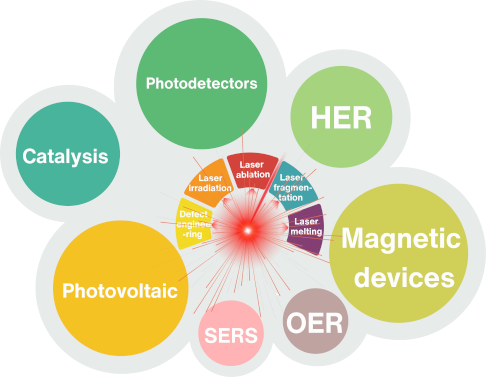
Laser processing in liquids: insights into nanocolloid generation and thin film integration for energy, photonic, and sensing applications
Beilstein J. Nanotechnol. 2025, 16, 1428–1498, doi:10.3762/bjnano.16.104






The role of biochar in combating microplastic pollution: a bibliometric analysis in environmental contexts
Beilstein J. Nanotechnol. 2025, 16, 1401–1416, doi:10.3762/bjnano.16.102
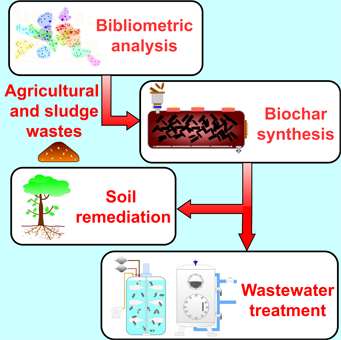
- combined with fluidized bed treatment achieved 99.2% MP removal, while granular activated carbon coupled with a fixed-column system attained 95.2% removal efficiency [15][16]. Biochar (BC) has emerged as a promising material for environmental remediation, offering benefits such as pollutant adsorption



Soft materials nanoarchitectonics: liquid crystals, polymers, gels, biomaterials, and others
Beilstein J. Nanotechnol. 2025, 16, 1025–1067, doi:10.3762/bjnano.16.77
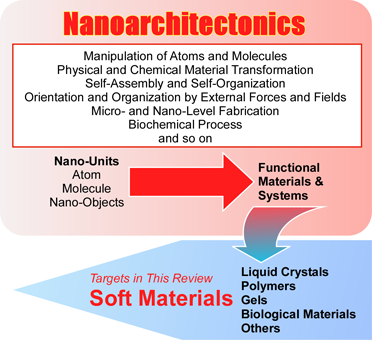
- ][182][183], fuel cells [184][185][186][187][188], batteries [189][190][191][192][193], supercapacitors [194][195][196][197][198], and other energy applications [199][200][201][202][203]. Furthermore, it is employed in environmental remediation [204][205][206][207][208], drug delivery [209][210][211







Insights into the electronic and atomic structures of cerium oxide-based ultrathin films and nanostructures using high-brilliance light sources
Beilstein J. Nanotechnol. 2025, 16, 860–871, doi:10.3762/bjnano.16.65

- ; Introduction Transition metal oxides in the form of thin films or nanostructures find extensive use in sustainable energy technologies [1][2]. They serve as active materials or supports for catalysts for various chemical reactions, essential to energy conversion, sensing, and environmental remediation [3][4
- field of environmental remediation [9]. The related ability of the material to easily store and release oxygen also plays a key role in energy conversion technologies, including fuel cells and batteries [10][11]. Gas sensing applications of ceria-based materials are based on the modifications of the


Quantification of lead through rod-shaped silver-doped zinc oxide nanoparticles using an electrochemical approach
Beilstein J. Nanotechnol. 2025, 16, 422–434, doi:10.3762/bjnano.16.33
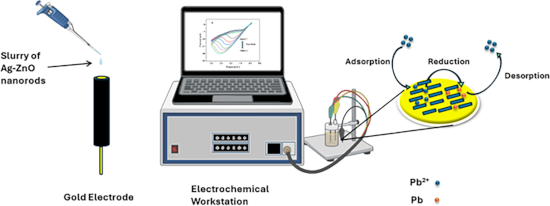
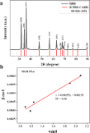
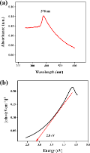
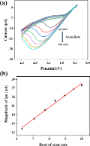
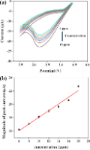
- medicine, electronics, environmental remediation, and energy [10][11]. The use of certain metal dopants to modify the chemical, optical, and electrical features of a material has gained considerable interest in the realm of semiconductor technology. A recent study has conducted thorough investigations into





Emerging strategies in the sustainable removal of antibiotics using semiconductor-based photocatalysts
Beilstein J. Nanotechnol. 2025, 16, 264–285, doi:10.3762/bjnano.16.21
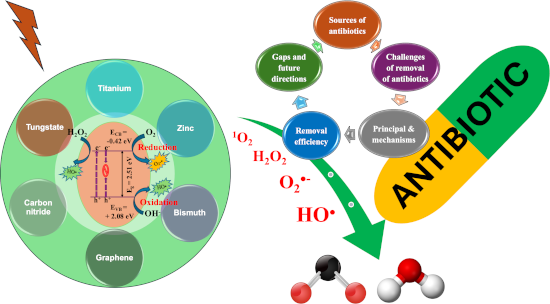
- contaminants, making it a versatile option for environmental remediation across various water and air treatment applications. These features collectively make photocatalysis an attractive approach for addressing pollution challenges in diverse settings. In recent years, several significant review papers have
- its low bandgap energy (2.4 to 2.8 eV) [114]. However, the usage of this material in environmental remediation processes is questionable [115][116][117] because the electrons generated by light in the CB of WO3 (about +0.5 V vs NHE) have a weaker positive potential compared to the reduction potential



Characterization of ZnO nanoparticles synthesized using probiotic Lactiplantibacillus plantarum GP258
Beilstein J. Nanotechnol. 2025, 16, 78–89, doi:10.3762/bjnano.16.8
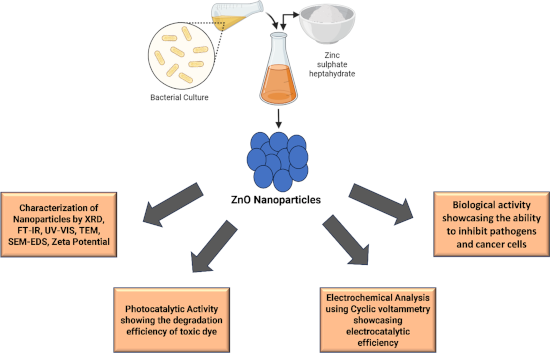
- studies underscored the efficacy of ZnO NPs in photocatalytic degradation and emphasized their potential applications in environmental remediation and catalysis. Because there is a lack of cyclic voltammetry studies using similar biological sources, we expanded our comparison to include ZnO NPs





Facile synthesis of size-tunable L-carnosine-capped silver nanoparticles and their role in metal ion sensing and catalytic degradation of p-nitrophenol
Beilstein J. Nanotechnol. 2024, 15, 1576–1592, doi:10.3762/bjnano.15.124
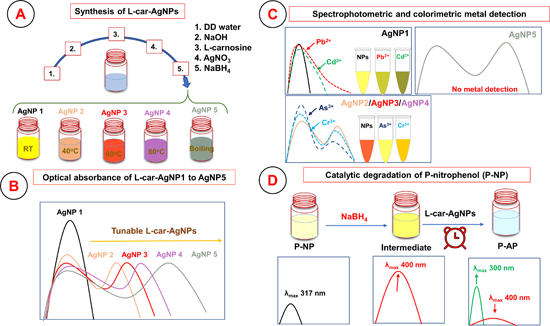
- heavy metal ion monitoring in environmental samples involve complex analytical instrumental techniques such as atomic absorption spectroscopy, inductively coupled plasma mass spectrometry, and high-performance liquid chromatography [8][9]. Environmental remediation of P-NP requires processes such as
- 94.33 mg/g at a pH of 8.5 and 0.4 g/L adsorbent [16]. These studies confirmed that ʟ-carnosine adsorbed on metal surfaces has widespread environmental applications. However, magnetic nanoparticles or MOFs coated with ʟ-carnosine were applicable only for environmental remediation but were incapable of
- degradation demonstrates the catalytic prowess of ʟ-car-AgNPs and highlights their potential in environmental remediation applications. The successful synthesis of ʟ-car-AgNPs with tunable plasmon resonance has paved the way for their application as colorimetric sensors for heavy metal detection and as





Nanoarchitectonics with cetrimonium bromide on metal nanoparticles for linker-free detection of toxic metal ions and catalytic degradation of 4-nitrophenol
Beilstein J. Nanotechnol. 2024, 15, 1312–1332, doi:10.3762/bjnano.15.106
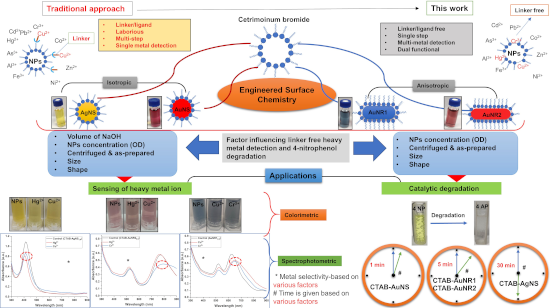
- +, Cr3+, and Hg2+ at 0.5 OD, while efficiently degrading 4-NP within 5 min at 1 OD. This study emphasizes the importance of tailoring parameters of CTAB-capped nanoparticles for specific sensing and catalytic applications, offering potential solutions for environmental remediation and human health





Introducing third-generation periodic table descriptors for nano-qRASTR modeling of zebrafish toxicity of metal oxide nanoparticles
Beilstein J. Nanotechnol. 2024, 15, 1142–1152, doi:10.3762/bjnano.15.93
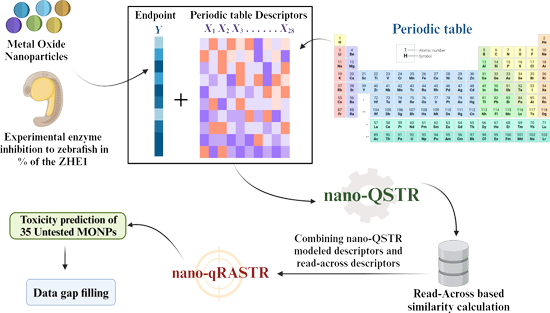
- Supratik Kar Siyun Yang Chemometrics and Molecular Modeling Laboratory, Department of Chemistry and Physics, Kean University, 1000 Morris Avenue, Union, NJ 07083, USA 10.3762/bjnano.15.93 Abstract Metal oxide nanoparticles (MONPs) are widely used in medicine and environmental remediation because
- of safer nanomedicines. MONPs are also being utilized in environmental remediation efforts to remove pollutants from water and soil. The insights gained from this study can help in selecting nanoparticles that are effective in remediation without posing significant risks to aquatic life and


Green synthesis of biomass-derived carbon quantum dots for photocatalytic degradation of methylene blue
Beilstein J. Nanotechnol. 2024, 15, 755–766, doi:10.3762/bjnano.15.63
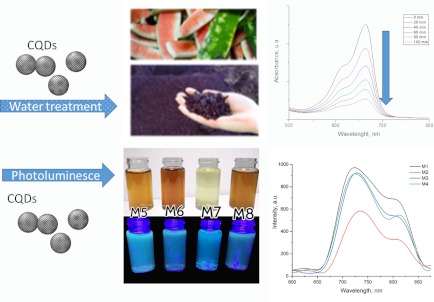
- the efficacy of the top-down hydrothermal method for CQD production, offering insights for tailored applications and emphasizing the potential of biomass-derived nanomaterials in environmental remediation and biomedicine, paving the way for the development of sustainable and effective technologies. UV


Nanomaterials for photocatalysis and applications in environmental remediation and renewable energy
Beilstein J. Nanotechnol. 2023, 14, 722–724, doi:10.3762/bjnano.14.58
- appropriate for treating pollutants, even in atmospheric conditions [9][10][11]. Moreover, the photocatalysis method is also a potential solution for environmental remediation, carbon emission reduction, and renewable energy production [12][13][14]. Combining photocatalysts and sunlight irradiation is a
- nanomaterials for environmental remediation and sustainable applications; for instance, dye solar cells, solar-driven water splitting, NOx removal, and contaminant degradation. This Thematic Issue will make a good reference material and be of great use for scientists in nanomaterials fields. Viet Van Pham and




