


Search results
Search for "high-resolution" in Full Text gives 781 result(s) in Beilstein Journal of Nanotechnology. Showing first 200.
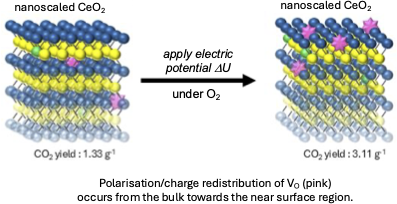
Influence of an external electric field on the catalytic CO oxidation of nanoscaled CeO2 and its La3+ and Gd3+ congeners
Beilstein J. Nanotechnol. 2026, 17, 1028–1038, doi:10.3762/bjnano.17.70
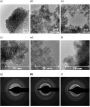
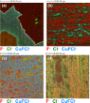
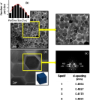
- high-resolution transmission electron microscopy (HRTEM) reveal highly crystalline spherical, slightly faceted nCeO2 and 5% doped-nCeO2 with a diameter of around 15 nm (Figure 1a–c). The observed d-spacings are characteristic of nCeO2 (0.31 nm), Gd3+–nCeO2 (0.31 nm), and La3+–nCeO2 (0.29 nm) (Figure 1d


Materials challenges in solid-state sensors for continuous monitoring of ions in water
Beilstein J. Nanotechnol. 2026, 17, 935–973, doi:10.3762/bjnano.17.66
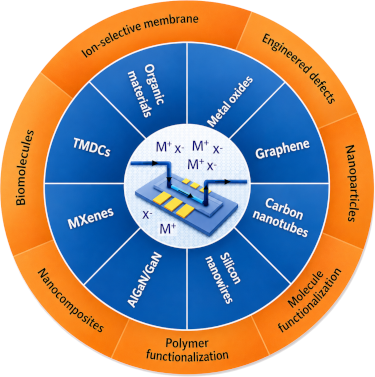
- thousands of milligrams per liter (e.g., chloride or sulfate in industrial brines) [5]. Thus, real-time anion monitoring provides essential high-resolution data for maintaining regulatory compliance, protecting infrastructure, optimizing treatment processes, and mitigating environmental impacts across all



Substrate-dependent pore formation in molybdenum disulfide monolayers under ion irradiation
Beilstein J. Nanotechnol. 2026, 17, 769–780, doi:10.3762/bjnano.17.54
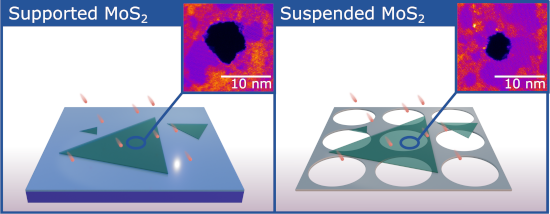
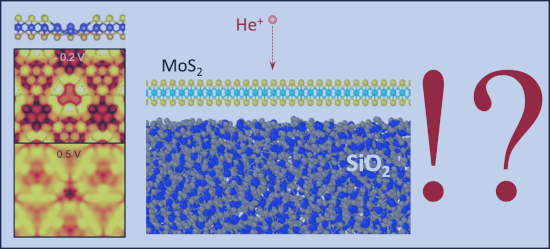
- , high-resolution scanning transmission electron microscopy (STEM) generally requires freestanding membranes, while atomic-resolution atomic force microscopy (AFM) and scanning tunneling microscopy (STM) demand exceptionally clean surfaces; also, substrate effects can further complicate interpretation


Tailoring Ag–Pt nanoalloys through solid-state dewetting: structural and optical insights
Beilstein J. Nanotechnol. 2026, 17, 748–759, doi:10.3762/bjnano.17.52

- presented below in Figure 10b. The obtained values showed a good agreement with the theoretical compositions, in line with the EDS measurements. To determine a detailed chemical state analysis of the elements, high-resolution spectra were also recorded. The position of Pt 4f7/2 peaks at 71.2 eV and a
- homogeneous Ag–Pt nanoalloys, high-resolution transmission electron microscopy (HR-TEM) observations were performed. Representative cross-section TEM images of two samples with various compositions are shown in Figure 8. Images for both nanostructures exhibit uniform morphology, which strongly indicates alloy
- Ntegra AFM. To obtain high-resolution, ultra-sharp probes with a tip radius <5 nm were used. Measurements were conducted in the semi-contact mode. The morphology of the manufactured nanostructures was examined using microscopic techniques. A FEI Quanta FEG 250 scanning electron microscope operating at 10




Oxidative atmosphere-driven formation of single-phase spinel CuRh2O4 nanofibers for alkaline water oxidation
Beilstein J. Nanotechnol. 2026, 17, 737–743, doi:10.3762/bjnano.17.50
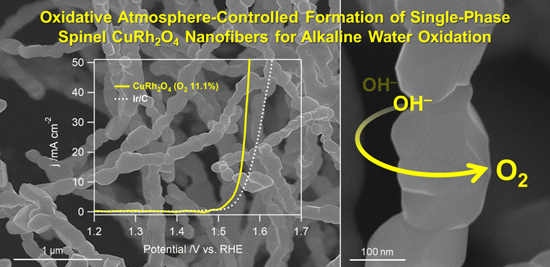
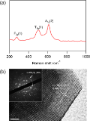
- 609.6 cm−1 (A1g), which are consistent with the spinel CuRh2O4 lattice [17][18], supporting the XRD-based phase assignment (vide supra). As shown in Figure 4b, high-resolution transmission electron microscopy (HRTEM) analysis of the electrospun CuRh2O4 nanofibers reveals clear lattice fringes with an
- characterization Morphology and elemental composition of the synthesized nanomaterials were examined using field-emission scanning electron microscopy (FE-SEM; JEOL JSM-6700F) and high-resolution transmission electron microscopy (HRTEM; JEOL JEM-2100F). Surface chemical states and crystallographic structures were




Environmental applications of silver nanoparticles: state-of-the-art review and emerging trends
Beilstein J. Nanotechnol. 2026, 17, 697–736, doi:10.3762/bjnano.17.49
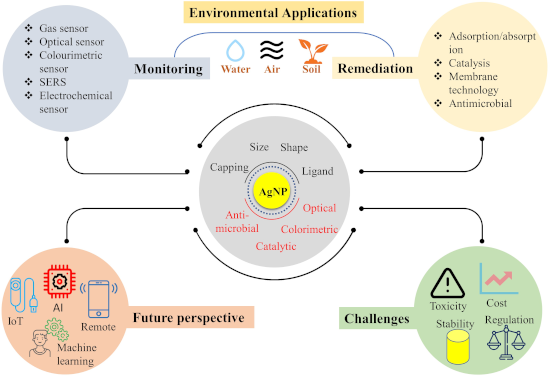
- , which calculated the AgNP concentration as particles per millilitre [53]. Microscopic techniques, such as transmission electron microscopy, provide high-resolution images of individual nanoparticles, confirming morphology, size distribution, and elemental composition when coupled with energy-dispersive


Decontamination from water pollutants and pathogens by electrospun nanofibers doped with heavy-atom-free borafluorene-BODIPY photosensitizers
Beilstein J. Nanotechnol. 2026, 17, 668–682, doi:10.3762/bjnano.17.46
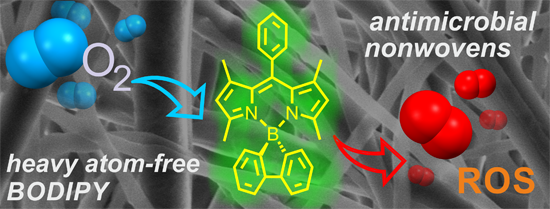
- eV (scanning step 0.05 eV) for high-resolution spectra acquisition. To compensate charging effects, the Kratos charge neutralization system was used. The binding energy scale was calibrated with respect to the C–C component of C 1s spectra (284.8 eV). The acquired spectra were analyzed using CASA XPS
- ® software and embedded algorithms. The components of the high-resolution spectra were represented with Gaussian (70%) and Lorentzian (30%) lines, while the background was represented with Shirley’s function. Water contact angle measurements and surface free energy determination The wettability of all
- nitrogen (N 1s at 400 eV), while boron was not detected due to lower sensitivity of XPS for boron. The decomposition of the C 1s high-resolution spectrum (Figure 6b) gives four components located at 284.8, 286.2, 287.2, and 288.8 eV, which can be assigned to C−C, C−O/C−N, C=O, and O−C=O, respectively



Two-step laser synthesis of Ag@TiO2 nanomaterials for the photocatalytic degradation of rhodamine B
Beilstein J. Nanotechnol. 2026, 17, 622–634, doi:10.3762/bjnano.17.43
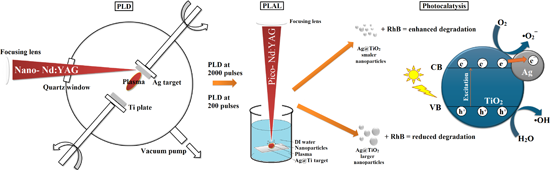
- microstructural examination utilizing transmission electron microscopy. Investigations were conducted using scanning transmission electron microscopy, high-angle annular dark-field with energy-dispersive spectroscopy, and conventional and high-resolution transmission electron microscopy. A drop of the suspended
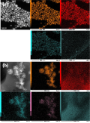
- the titanium plate are given in Figure 2a and Figure 3a alongside the distribution of titanium (pink) and oxygen (blue), and silver (yellow) according to the elemental mapping obtained from the EDS analysis. SEM-SE images generated using a focused electron beam to image sample surfaces at high
- resolution by detecting emitted secondary electrons (SE) for topography showed that there is a small difference in surface morphology between Ag@TiO2 200p and Ag@TiO2 2000p plates. This could be correlated with the silver distribution and concentration on the titanium plate. EDS analysis showed a homogeneous


Probing tribological evolution in atomically thin MoS2 at different scales
Beilstein J. Nanotechnol. 2026, 17, 586–597, doi:10.3762/bjnano.17.40
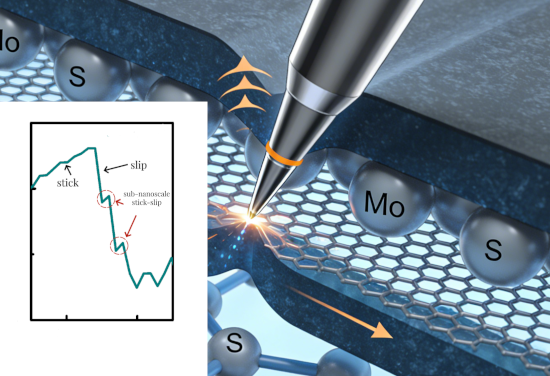
- 2D materials remain elusive, primarily due to the need for high resolution and precise control of tip–sample interactions. Atomically thin 2D materials are ideal platforms for studying nanoscale and sub-nanoscale friction, owing to their atomic smoothness, well-defined crystal structure, and chemical


Impacts of annealing on structural and photophysical properties of zinc phthalocyanine adsorbed on graphene
Beilstein J. Nanotechnol. 2026, 17, 576–585, doi:10.3762/bjnano.17.39
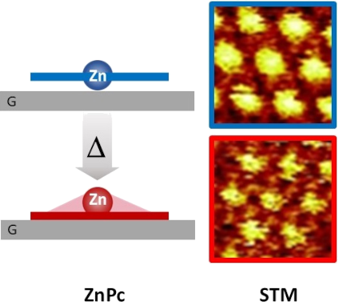
- TSB35 monolayers [46]. Given the robustness of the TSB35-C12 matrices, it is not surprising that such behaviors are preserved in the presence of trapped ZnPc. The lattice constant, 4.3 nm, is also preserved, as imposed by the TSB35-C12 matrix [39]. Secondly, and more pointedly, the high-resolution STM
- crossing both ZnPc and TSB molecules are also represented (c and f), together with enlarged details of high-resolution images (b and e). The current setpoint was ≈3 pA and the sample bias was −0.9 V. The images are not corrected for thermal drift. Incidence-angle dependence, as measured every 5° from 0


Electrochemical determination of ciprofloxacin using a MIL-101/reduced graphene oxide-modified electrode
Beilstein J. Nanotechnol. 2026, 17, 541–554, doi:10.3762/bjnano.17.35
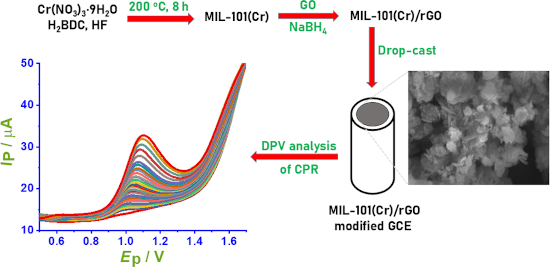
- , suggesting that the synthesized composite is predominantly composed of the expected elements within the detection limit of XPS. The high-resolution Cr 2p spectrum (Figure 3b) shows two prominent peaks at approximately 577.9 and 589.0 eV, representing the Cr 2p3/2 and Cr 2p1/2 spin–orbit components
- mapping, and (e) carbon element mapping. XPS spectra of the MIL-101/rGO (3.3): (a) survey spectrum, (b) high-resolution Cr 2p spectrum, (c) high-resolution C 1s spectrum, and (d) high-resolution O 1s spectrum. SEM observation of (a) rGO, (b) MIL-101, and (c) MIL-101(Cr)/rGO (3.3). (a) Cyclic voltammograms


Upcycling agroindustrial waste into graphene oxide supports for gold nanoparticles: toward sustainable nanomaterials
Beilstein J. Nanotechnol. 2026, 17, 489–504, doi:10.3762/bjnano.17.32
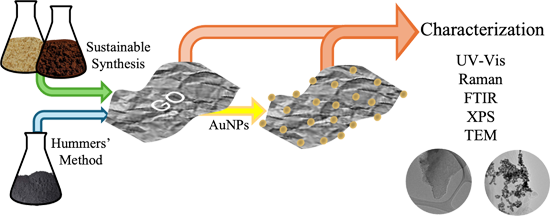
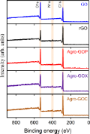
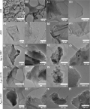
- = 1486.6 eV). The pass energy was set to 10 eV for high-resolution scans and to 40 eV for survey spectra. All binding energies were referenced to the C=C peak at 284.4 eV. Transmission electron microscopy (TEM) was carried using a JEOL JEM-2100 microscope operating at an accelerating voltage of 200 kV. TEM
- , indicating the effective removal of iron residues originated from ferrocene. High-resolution C 1s XPS spectra were deconvoluted to identify the chemical environments of carbon atoms in the GO, rGO, Agro-GOP, Agro-GOX and Agro-GOC samples (Figure 4). The fitted components include C-sp2 (sp2-hybridized carbon
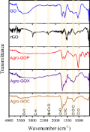
- functionalities are indeed incorporated into Agro-GO. The high-resolution O 1s spectra of the GO samples are shown in Figure S1 (Supporting Information File 1), and the relative contributions of the deconvoluted components are summarized in Table S1 (Supporting Information File 1). The ATR-FTIR spectra of GO, rGO



Defects and defect-mediated engineering of two-dimensional materials: challenges and open questions
Beilstein J. Nanotechnol. 2026, 17, 454–488, doi:10.3762/bjnano.17.31
- next years, such investigations are likely to happen, and we can expect to gain deep insight into the physics of the created defects and defect arrays using high-resolution STS. However, it is obvious that the method lacks scalability. At least today, it is hard to envision how using an STM tip a





Ferroelectric nanodot reservoir for neuromorphic computing
Beilstein J. Nanotechnol. 2026, 17, 352–364, doi:10.3762/bjnano.17.24
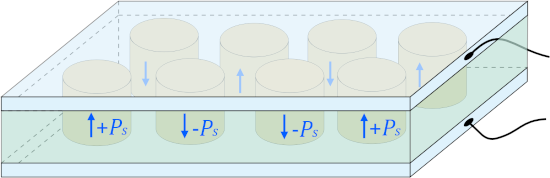
- implementations. Contactless interfaces Contactless input and output methods of data integration between the reservoir and external neuromorphic interfaces are of particular importance for the development of scalable, high-resolution, ultrafast, and non-invasive neuromorphic systems. They enable direct
- , allowing for direct control or readout of the nanodots’ polarization states with nanoscale precision. Such techniques offer a high-resolution interface with the reservoir and can be particularly effective in prototyping, diagnostics, or specialized neuromorphic functions. These contactless schemes are


Interconnection morphology effects on the radio frequency response of carbon nanotube sponges
Beilstein J. Nanotechnol. 2026, 17, 343–351, doi:10.3762/bjnano.17.23
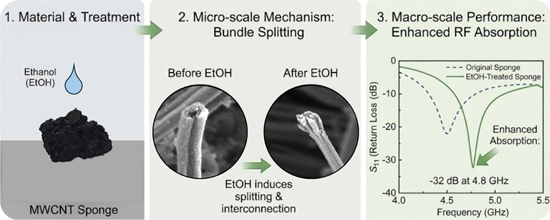
- CNS samples were fixed on a molybdenum sample holder with silver paint kept at a distance of about 40 mm from the anode, the illumination area was about 5 mm × 5 mm, and the take-off angle between the sample surface and the energy analyser was kept at 45°. Survey and high-resolution spectra were



Advancing nanolithography: a comprehensive review of materials for local anodic oxidation with AFM
Beilstein J. Nanotechnol. 2026, 17, 275–291, doi:10.3762/bjnano.17.19
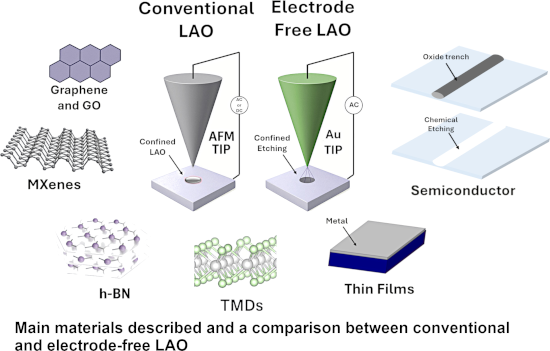
- dichalcogenides, demonstrate unique oxidation behaviors, enabling high-resolution applications in electronics and quantum devices. Recent advancements, such as electrode-free LAO, have expanded the range of applicable materials and improved the precision and scalability of the process. This paper also aims to
- fabrication techniques, with scanning probe lithography (SPL) [1] gaining prominence as a versatile method for high-resolution patterning, particularly in the early 2000s. SPL encompasses multiple methods, including nanomechanical processing [2], AFM bias-induced lithography [3], dip-pen nanolithography [4
- ], making it the preferred technique for large-scale, uniform coatings. However, LAO remains advantageous for high-resolution, direct-write patterning at the nanoscale, despite its limited scalability. Furthermore, the resulting LAO oxide can be easily etched by mild acid solutions [40] or water [24]. A


Comparative study on 3D morphologies of delignified, single tracheids and fibers of five wood species
Beilstein J. Nanotechnol. 2026, 17, 239–250, doi:10.3762/bjnano.17.16
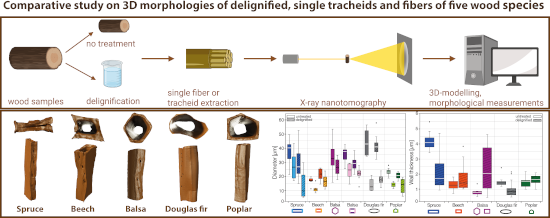
- . Scanning electron microscopy was used to compare the morphology between untreated and delignified fibers and tracheids. X-ray tomography enabled us to reconstruct high-resolution 3D models of delignified single tracheids or fibers, providing information on the pit arrangements. Moreover, delignification
- connections between neighboring cells. This knowledge is valuable for optimizing wood processing techniques, developing new wood-based materials and improving the understanding of wood anatomy and its biological function. By removing lignin, it is now possible to obtain high-resolution 3D models of separated
- largely absent from scientific literature. Although previous studies have examined wood anatomy using various imaging techniques, such as X-ray micro-computed tomography in addition to scanning and transmission electron microscopy [22][23][24][25][26][27], high-resolution 3D reconstructions of single


Time of flight secondary ion mass spectrometry imaging of contaminant species in chemical vapour deposited graphene on copper
Beilstein J. Nanotechnol. 2026, 17, 200–213, doi:10.3762/bjnano.17.13
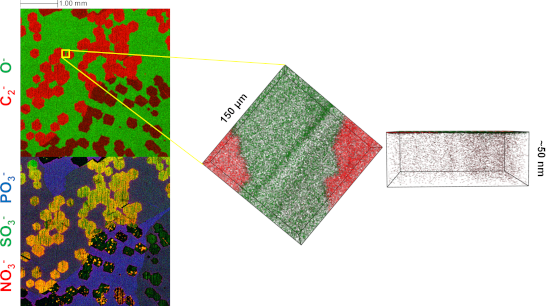
- a pass energy of 40 eV for high resolution, narrow scan window spectra (100 meV step size, 500 ms dwell time), and 160 eV for wide scans (1000 meV step size, 200 ms dwell time), using a monochromated Al Kα X-ray source, with a photon energy of 1486.7 eV. Spectral peak fitting was carried out using
- CasaXPS (version 2.3.26PR1.0) with Shirley-type backgrounds for the high-resolution spectra, and elemental composition was calculated from the wide scans using the NPL transmission functions and average matrix relative sensitivity factors after removal of a Tougaard or linear background [45]. Results and






Influence of surface characteristics on the in vitro stability and cell uptake of nanoliposomes for brain delivery
Beilstein J. Nanotechnol. 2026, 17, 139–158, doi:10.3762/bjnano.17.9
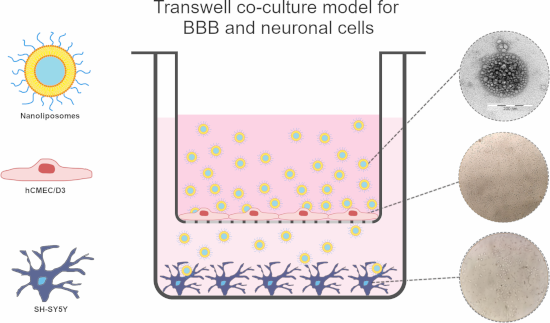
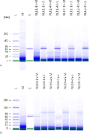
- set to 1.38 and 0.010, respectively. Water was set as the dispersant, the temperature was set to 25 °C, while the attenuation was set to 11. The 'general purpose (normal distribution)' was chosen as the analysis model. High-resolution automated electrophoresis of the adsorbed proteins onto
- at the initial time points of incubation) contains more proteins than the hard corona formed at later time intervals, resulting in a larger particle diameter at early incubation periods. High-resolution automated electrophoresis of adsorbed proteins onto the nanoliposomal surface In the next step




Internal 3D temperature mapping in biological systems using ratiometric light-sheet imaging and lipid-coated upconversion nanothermometers
Beilstein J. Nanotechnol. 2025, 16, 2306–2316, doi:10.3762/bjnano.16.159
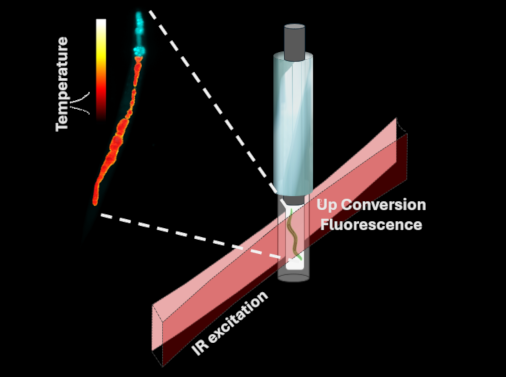
- demonstrations, recent reviews [48][49] emphasize that achieving true 3D luminescence thermometry remains a major challenge as most implementations rely on complex instrumentation and confined imaging volumes. Therefore, extending nanothermometry toward fast, high-resolution volumetric mapping represents an


Improving magnetic properties of Mn- and Zn-doped core–shell iron oxide nanoparticles by tuning their size
Beilstein J. Nanotechnol. 2025, 16, 2285–2295, doi:10.3762/bjnano.16.157
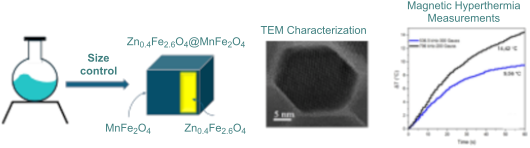
- while expecting good biocompatibility. The use of size-controlled synthesis enables the exploration of size-dependent magnetic properties, while the direct characterization of the core–shell structure using Fourier-transform infrared spectroscopy (FTIR) and high-resolution transmission electron
- evaluation of the Mössbauer spectra was performed by least-square fitting of lines using the Winnormos (Wissel) program. The error on all Fe Mössbauer spectra was ±0.1 mm·s−1. High-resolution transmission electron microscopy (HRTEM) and scanning transmission electron microscopy (STEM) images were performed
- focused on precise control of shape and size, critical factors for tuning magnetic behavior. By employing thermal decomposition, Zn0.4Fe2.6O4 NPs were synthesized with a well-defined polyhedral morphology, as confirmed by high-resolution transmission electron microscopy (HRTEM) (Figure 1). This morphology



Visualizing nanostructures in supramolecular hydrogels: a correlative study using confocal and cryogenic scanning electron microscopy
Beilstein J. Nanotechnol. 2025, 16, 2274–2284, doi:10.3762/bjnano.16.156
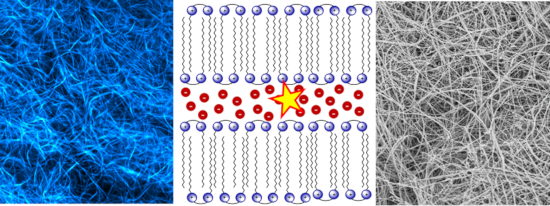
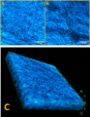
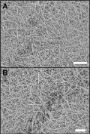
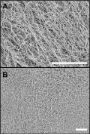
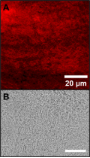
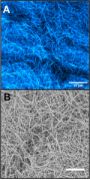
- features were visible but appeared diffuse and poorly resolved, indicating that the low fluorescence quantum yield of ZnPc (see Supporting Information File 1) did not allow CLSM to provide high-contrast, high-resolution imaging of the gel’s internal superstructure. The intrinsic weak emission of ZnPc not
- crystals form, the presence of the ethanol and/or the mechanical strength of the gel are believed to obviate the problem here). The subsequent sublimation of surface ice exposes the underlying fibres. This allows for high-resolution imaging without the extensive drying that can collapse fibrous networks
- may be structurally perturbed. In contrast, DPP-BC enables high-resolution imaging across both techniques with minimal structural disruption. This divergence underscores the importance of selecting fluorophores not merely for brightness, but also for compatibility with the gel matrix and the imaging



Chiral plasmonic nanostructures fabricated with circularly polarized light
Beilstein J. Nanotechnol. 2025, 16, 2245–2264, doi:10.3762/bjnano.16.154
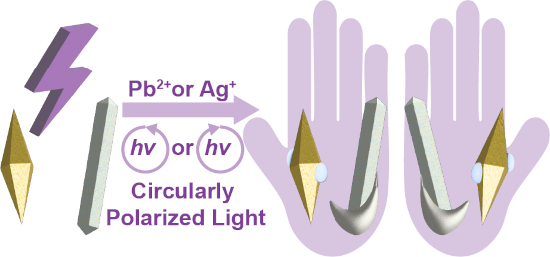
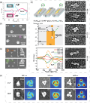
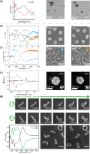
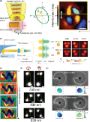
- optical spectroscopy, such as CD. However, characterizing local chiral domains can be more challenging. References [21][22] have offered valuable insights through simulations, crystallographic analysis, and high-resolution TEM. A more general model would be desirable through further in-depth studies. 4.2





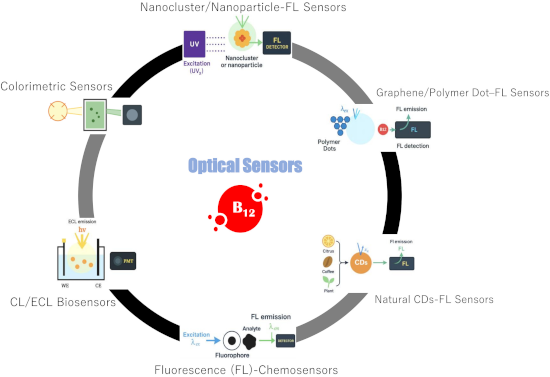
Optical bio/chemical sensors for vitamin B12 analysis in food and pharmaceuticals: state of the art, challenges, and future outlooks
Beilstein J. Nanotechnol. 2025, 16, 2207–2244, doi:10.3762/bjnano.16.153


Electromagnetic study of a split-ring resonator metamaterial with cold-electron bolometers
Beilstein J. Nanotechnol. 2025, 16, 2199–2206, doi:10.3762/bjnano.16.152
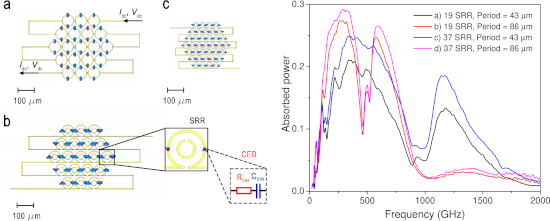
- achieve an optimal balance between power load, responsivity, and total noise [17][22]. This capability is particularly critical for applications like cosmic microwave background polarimetry or high-resolution spectroscopy, where the detector must operate photon-noise-limited under a specific background





