Search results
Search for "metal ion" in Full Text gives 99 result(s) in Beilstein Journal of Nanotechnology.
Materials challenges in solid-state sensors for continuous monitoring of ions in water
Beilstein J. Nanotechnol. 2026, 17, 935–973, doi:10.3762/bjnano.17.66
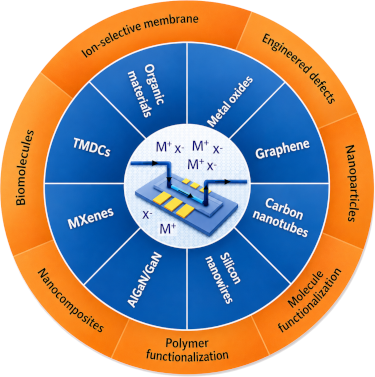



Cross-scale design of chemosensor arrays: from molecular self-assembly in water to paper-based devices for metal ion detection
Beilstein J. Nanotechnol. 2026, 17, 828–838, doi:10.3762/bjnano.17.59

- optical signals. In particular, coordination with metal ions enables cross-reactive sensing, allowing for simultaneous detection of multiple analytes based on pattern recognition. This perspective summarizes advances in self-assembled chemosensor systems for metal ion detection and further developments to
- ions in various water environments across microscopic and macroscopic scales. Keywords: chemosensor; metal ion; paper device; pattern recognition; self-assembly; Introduction Metal ions are essential species in biological systems; however, heavy metal ions act as pollutants and can damage organs and
- the immune system through the intake of contaminated food [1][2]. Globally, the monitoring of metal ion levels in water environments is significant. Chemosensors are analytical tools at the molecular level that exhibit optical responses through colorimetric and fluorescence signals [3][4][5]; they


Environmental applications of silver nanoparticles: state-of-the-art review and emerging trends
Beilstein J. Nanotechnol. 2026, 17, 697–736, doi:10.3762/bjnano.17.49
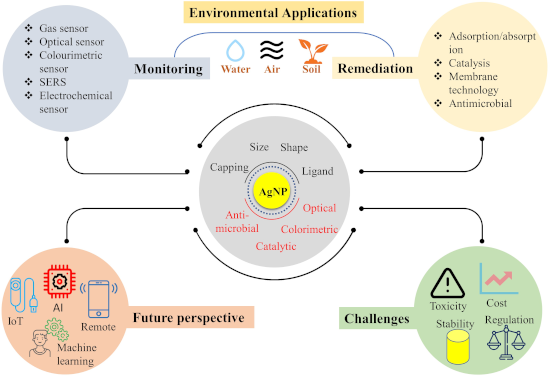
- prevent aggregation [36]. The capping agents can be polymers, surfactants, and small and large biomolecules, providing colloidal nanoregime stability [37]. The size-controlled synthesis of AgNPs capped with ʟ-carnosine was developed for metal ion detection and nitrophenol removal [8]. Another study
- min−1, respectively. Additionally, NPs demonstrated metal ion sensing and antibacterial activity against various strains [65]. The above studies concluded that the capping agent played a prominent role in nanoparticle-mediated applications by providing an interaction site for targeted molecules and by


Synthesis of Cu–Mo/TiO2 and Co–Mo/TiO2 photocatalysts for the efficient degradation of organic pollutants in water
Beilstein J. Nanotechnol. 2026, 17, 559–570, doi:10.3762/bjnano.17.37
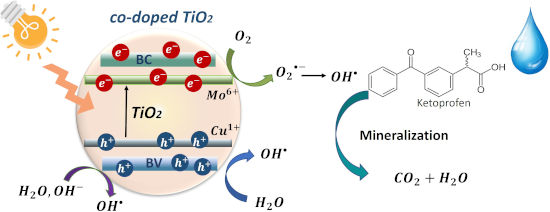
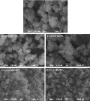
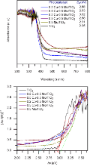
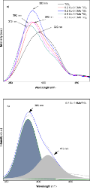
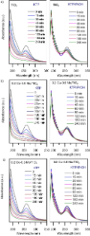
- could be balanced by the doping levels in TiO6 octahedra [3]. Mo6+ is a transition metal ion with high valence that exhibits exceptional optical, electronic, and catalytic characteristics [12]. There are a few reports about the doping of TiO2 with molybdenum [13][14][15][16]; it has been shown that Mo



Polycatecholamine nanocoatings on stainless steel: the effect on attachment of human fibroblasts and platelets
Beilstein J. Nanotechnol. 2026, 17, 365–380, doi:10.3762/bjnano.17.25
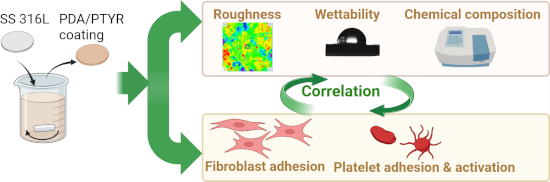
- homeostasis and suppress thrombogenic and proliferative responses [6]. Under long-term hemodynamic loading, stainless steel implants may also suffer from localized corrosion and metal-ion release, leading to chronic inflammation at the tissue–implant interface [8]. While rapid colonization of implant surfaces





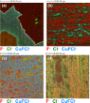
Time of flight secondary ion mass spectrometry imaging of contaminant species in chemical vapour deposited graphene on copper
Beilstein J. Nanotechnol. 2026, 17, 200–213, doi:10.3762/bjnano.17.13
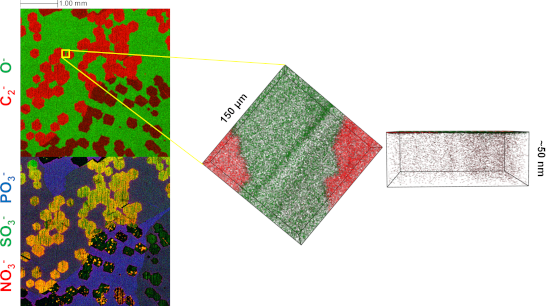
- of 30 nA were used for sputtering cycles. The interleaved image spectra were acquired using 25 keV Bi3+ ions from a liquid metal ion gun, orientated at 45° to the sample surface. This was operated at an ion current of 0.1 pA, in an interlaced mode with a cycle time of 100 µs, in spectroscopy mode to







Optical bio/chemical sensors for vitamin B12 analysis in food and pharmaceuticals: state of the art, challenges, and future outlooks
Beilstein J. Nanotechnol. 2025, 16, 2207–2244, doi:10.3762/bjnano.16.153

- technique was successfully applied to ascertain VB12 doses in pharmaceutical tablets and multivitamin formulations [110]. To overcome the low selectivity of VB12 detection because of metal ion interference in the luminol system, Zhang et al. utilized the dodecylbenzene sulfonate-modified layered double


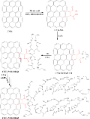
Dendrimer-modified carbon nanotubes for the removal and recovery of heavy metal ions from water
Beilstein J. Nanotechnol. 2025, 16, 1522–1532, doi:10.3762/bjnano.16.107

- involvement of harmful chemicals to pre-functionalize the CNTs with high loading but also provided an effective way to enhance the adsorption of heavy metal ions. Keywords: carbon nanotubes; deep eutectic solvent; dendrimers; Diels–Alder reaction; heavy metal ion adsorption; Introduction The contamination
- coefficients across all concentration levels (Figure 4b and Supporting Information File 1, Table S1). Moreover, average relative error (ARE) values for the pseudo-first order model were higher than those for the pseudo-second order model. The pseudo-second order model implies that the metal ion adsorption is
- accompanied by weak electrostatic or coordination interactions with dendrimer surface groups. Isotherm studies can provide important information about the metal ion adsorption process. Therefore, Freundlich and Langmuir isotherm models have been applied (Supporting Information File 1, Equations S4 and S5


Single-layer graphene oxide film grown on α-Al2O3(0001) for use as an adsorbent
Beilstein J. Nanotechnol. 2025, 16, 1082–1087, doi:10.3762/bjnano.16.79
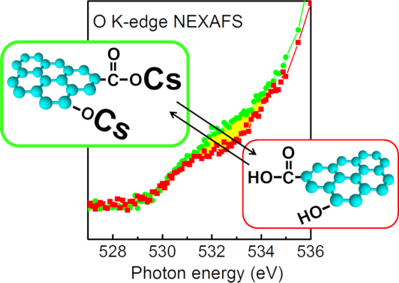
- . have demonstrated that GO is effective in the removal of actinides from nuclear wastewaters [8]. However, the adsorbing mechanism of metal ions to the GO surface, such as adsorption sites, remains to be elucidated. It has been demonstrated that GO tends to aggregate during the process of metal ion


Synthesis of biowaste-derived carbon-dot-mediated silver nanoparticles and the evaluation of electrochemical properties for supercapacitor electrodes
Beilstein J. Nanotechnol. 2025, 16, 933–943, doi:10.3762/bjnano.16.71
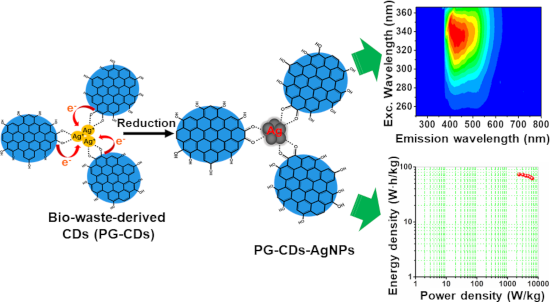
- devices store charge across the electric double layers [3]. Supercapacitors are highly sought-after energy storage devices, as their high power density, ultrastability, and rapid charge–discharge capability render them irreplaceable by traditional metal-ion batteries [4]. Typically, the functioning of


Focused ion beam-induced platinum deposition with a low-temperature cesium ion source
Beilstein J. Nanotechnol. 2025, 16, 910–920, doi:10.3762/bjnano.16.69
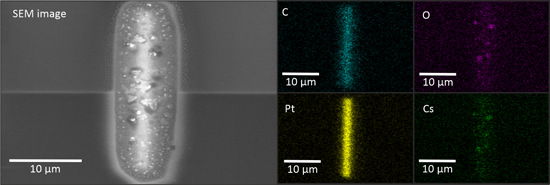
- resistivity of about (12 ± 4) × 104 μΩ·cm [11]. Also, one Pt layer was deposited with Cs+ ions at 2 kV and a beam current density of 3.76 pA·μm−2. Here the resistivity is (3.4 ± 0.3) × 104 μΩ·cm, which is three to five times higher compared to other Cs+ induced Pt layers. We conclude that alkali metal ion
- mainly increases linearly with ion current density. Pt layers deposited with Cs+ ions at 2 and 5 kV react with air and form bubbles. This similarity in the occurrence of surface bubbles between Cs+ and Rb+ may reveal a characteristic phenomenon of alkali metal ion-induced deposition. The electrical


Colloidal few layered graphene–tannic acid preserves the biocompatibility of periodontal ligament cells
Beilstein J. Nanotechnol. 2025, 16, 664–677, doi:10.3762/bjnano.16.51
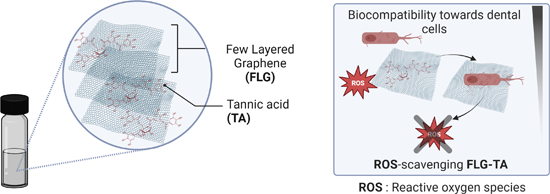
- metal ion chelation. Chromatin contains copper ions, which readily participate in redox reactions and bind strongly to DNA. These ions can form complexes with TA. Within cancer cells, for instance, this interaction can trigger ROS production and DNA damage [17]. However, when TA is complexed with





Effect of additives on the synthesis efficiency of nanoparticles by laser-induced reduction
Beilstein J. Nanotechnol. 2025, 16, 464–472, doi:10.3762/bjnano.16.35
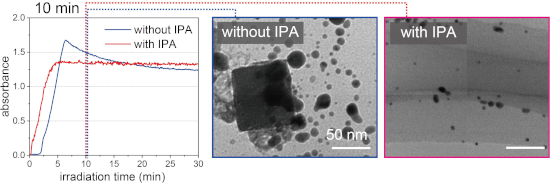
- target source material is a ‘solid’ or a ‘metal ion’. Methods for synthesizing particles using solid materials include laser ablation in liquid (LAL) [13][14][15], laser fragmentation in liquid (LFL) [16], and laser melting in liquid (LML) [17], and many excellent reports have been published on the


Engineered PEG–PCL nanoparticles enable sensitive and selective detection of sodium dodecyl sulfate: a qualitative and quantitative analysis
Beilstein J. Nanotechnol. 2025, 16, 385–396, doi:10.3762/bjnano.16.29

- –PCL) nanoparticles (10 mg/mL), 500 μL of Bradford reagent, and 100 μL of the respective metal ion solution or surfactant, with a total reaction volume of 1 mL. Visual color changes were observed, and absorbance was measured in the 300–900 nm range using a spectrophotometer (Multiskan G0, Thermo


A review of metal-organic frameworks and polymers in mixed matrix membranes for CO2 capture
Beilstein J. Nanotechnol. 2025, 16, 155–186, doi:10.3762/bjnano.16.14

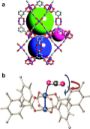
- framework and the CO2 adsorbate. A third strategy for obtaining high CO2 adsorption selectivity is to prepare MOFs from metal ion nodes that are uncoordinated, thus having accessible coordination vacancies known as open metal sites (OMSs). This strategy, illustrated in Figure 2c, is a prominent method for
- -labile linkers that can be labilized and cleaved provides a way to expand or contract MOF pores post-synthetically in a controlled manner [107][108]. In addition, the choice of metal ion comprising the MOF nodes may also be altered to change the MOF pore size, though this may lead to changes in the





Facile synthesis of size-tunable L-carnosine-capped silver nanoparticles and their role in metal ion sensing and catalytic degradation of p-nitrophenol
Beilstein J. Nanotechnol. 2024, 15, 1576–1592, doi:10.3762/bjnano.15.124
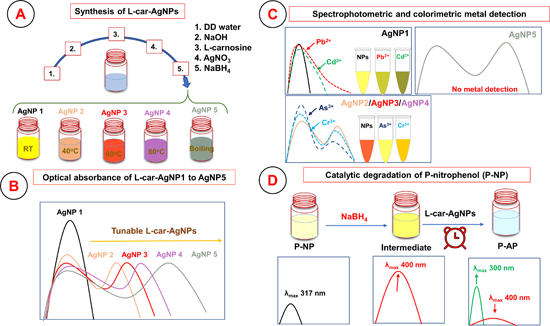
- -car-AgNPs for both heavy metal ion detection and catalytic degradation of P-NP, indicating their suitability for environmental monitoring and remediation applications. Further optimization and research are needed to expand their environmental applications and to understand their interaction mechanisms
- structure and imparts functional attributes such as metal ion chelation and catalytic enhancement. These features make ʟ-carnosine-capped AgNPs an ideal candidate for environmental applications. It was also reported that pristine AgNPs significantly interact with ʟ-carnosine [7]. Traditional methods for
- heavy metal ion monitoring in environmental samples involve complex analytical instrumental techniques such as atomic absorption spectroscopy, inductively coupled plasma mass spectrometry, and high-performance liquid chromatography [8][9]. Environmental remediation of P-NP requires processes such as





Nanoarchitectonics with cetrimonium bromide on metal nanoparticles for linker-free detection of toxic metal ions and catalytic degradation of 4-nitrophenol
Beilstein J. Nanotechnol. 2024, 15, 1312–1332, doi:10.3762/bjnano.15.106
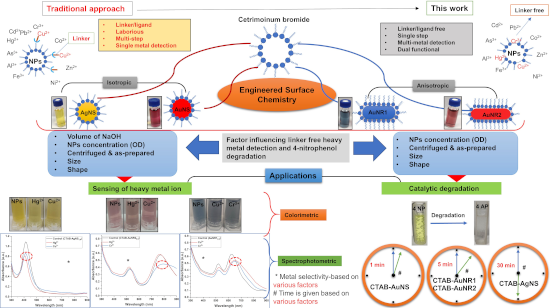
- , metal composition, centrifugation, and NaOH amount, were investigated for their impact on the performance of CTAB-capped nanoparticles in heavy metal detection and 4-NP degradation. CTAB-Au nanospheres demonstrated limited heavy metal ion detection capability but exhibited remarkable efficiency in
- many applications, which in some instances require an external linker or ligand for usable applications. It was reported that for CTAB-capped nanoparticles to enable sensing, the use of a linker on CTAB was mandatory for heavy metal ion detection. Linker-free detection of heavy metals using CTAB is a
- did not detect any metal ions. A subtle change in capping concentration on AuNR1 and AuNR2 was observed due to their length (Table 1). The change in concentration or size of nanorods ultimately affects the sensitivity towards metal ion detection. The metal selectivity was observed for all metal ions




Unveiling the potential of alginate-based nanomaterials in sensing technology and smart delivery applications
Beilstein J. Nanotechnol. 2024, 15, 1077–1104, doi:10.3762/bjnano.15.88

- nanoparticles, a nontoxic metal ion is chosen as the precursor. This precursor can be combined with alginate, a natural polymer derived from seaweed, in a purified natural solvent such as water. Then, a reducing agent is selected to reduce the metal ions and form nanoparticles. One environmentally friendly
- , these nuclei grow and accumulate within the alginate matrix, resulting in the formation of alginate-based nanoparticles. The morphology and size of the nanoparticles can be controlled by adjusting various specifications of materials such as the concentration of alginate, metal ion precursor, pH, and


Facile synthesis of Fe-based metal–organic frameworks from Fe2O3 nanoparticles and their application for CO2/N2 separation
Beilstein J. Nanotechnol. 2024, 15, 897–908, doi:10.3762/bjnano.15.74
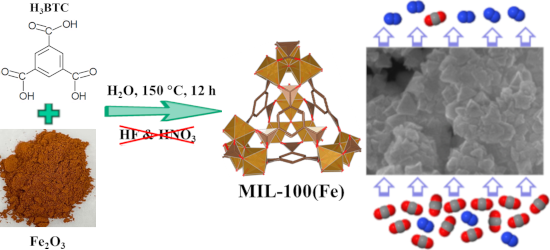
- -organic frameworks (MOFs) are well-ordered porous hybrid structures assembled from the fundamental components of metal ion clusters and organic linkers. MOFs are well known as multipurpose materials that serve a broad range of applications because of their unique construction variants, enormous surface






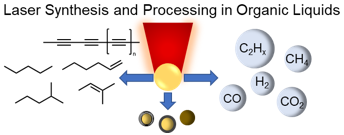
Laser synthesis of nanoparticles in organic solvents – products, reactions, and perspectives
Beilstein J. Nanotechnol. 2024, 15, 638–663, doi:10.3762/bjnano.15.54






Exploring the relationships between physiochemical properties of nanoparticles and cell damage to combat cancer growth using simple periodic table-based descriptors
Beilstein J. Nanotechnol. 2024, 15, 297–309, doi:10.3762/bjnano.15.27
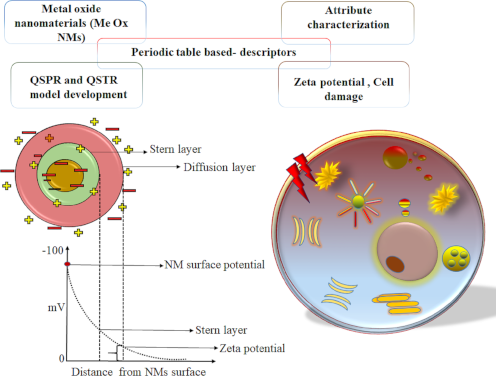
- are involved in the Fenton reaction, which generates hydroxyl radicals from hydrogen peroxide. Similarly, the Haber–Weiss reaction involves the oxidized forms of redox-active metal ions and superoxide anions, which generate the reduced form of the metal ion. This reduced form can then be coupled to


Ni, Co, Zn, and Cu metal-organic framework-based nanomaterials for electrochemical reduction of CO2: A review
Beilstein J. Nanotechnol. 2023, 14, 904–911, doi:10.3762/bjnano.14.74

- metal ion doping in ZIF-8, aiming to enhance the performance of CO2 conversion, as recently reported (Figure 4a). Cho et al. revealed that Cu-doped ZIF-8 exhibited the highest catalytic activity, surpassing both Fe- and Ni-doped ZIF-8 [44]. Specifically, Cu0.5Zn0.5/ZIF-8 yielded a large FECO of 88.5% at
- /by/4.0/). (a) A graphic representation of the preparation of MzZny/ZIF-8, (b) Faradaic efficiency for the CO production using different materials, (c) diagram of free energy for CO2RR. Figure 4 was adapted from [44], J. H. Cho et al., “Transition Metal Ion Doping on ZIF-8 Enhances the Electrochemical


Metal-organic framework-based nanomaterials as opto-electrochemical sensors for the detection of antibiotics and hormones: A review
Beilstein J. Nanotechnol. 2023, 14, 631–673, doi:10.3762/bjnano.14.52

- behaviour [86]. The metal ion can have different levels of impact on the emission depending on the electronic structure of the metal and the relative energy of the metal and linker orbitals. To develop luminescent MOFs, a variety of transition metals have also been combined with different ligands. Note that


New trends in nanobiotechnology
Beilstein J. Nanotechnol. 2023, 14, 377–379, doi:10.3762/bjnano.14.32

- properties associated with the process and yielded products are highlighted. The self-assembly methods in focus included single amino acid self-assembly, functional amino acid self-assembly, amino acid and metal ion coordination self-assembly, and amino acid regulatory functional molecule self-assembly. Many
Recent advances in green carbon dots (2015–2022): synthesis, metal ion sensing, and biological applications
Beilstein J. Nanotechnol. 2022, 13, 1068–1107, doi:10.3762/bjnano.13.93
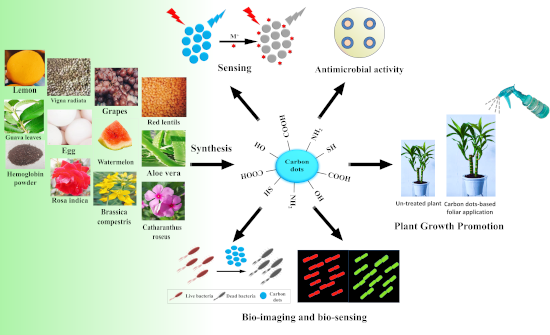
- synthesis of CDs, the effects of surface states on optical properties, the characterization of CDs, metal ion sensing, and biological and agricultural applications of CDs, that is, microbial bioimaging, detection, and viability studies, pathogen control, and plant growth promotion (Figure 1). Review Green