Search results
Search for "photocatalytic activity" in Full Text gives 139 result(s) in Beilstein Journal of Nanotechnology.
Environmental applications of silver nanoparticles: state-of-the-art review and emerging trends
Beilstein J. Nanotechnol. 2026, 17, 697–736, doi:10.3762/bjnano.17.49
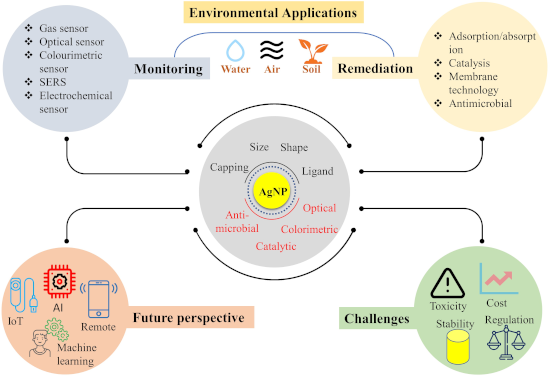
- , respectively [121]. These studies confirmed that the nanosilver’s catalytic properties are significantly utilised for water pollutant removal. 3.1.2.2.1 Mechanism of catalysis/photocatalysis. The catalytic and photocatalytic activity of AgNP-based systems for environmental pollutant removal proceeds through
- ·bar−1) was achieved with water. The membrane exhibited enhanced photocatalytic activity under UV, with a flux of 98.1% and an inhibition of 99% for E. Coli [144]. A membrane consisting of AgNPs, zirconium-doped silicon (Ag/ZrO2-SiO2) killed 98.86% and 97.42% of E. coli and S. aureus, respectively [145
- , or zinc oxide, to enhance their photocatalytic activity and improve the degradation of air pollutants [165][166]. A review article highlighted the role of Ag–CeO2 in catalytic removal of CO, soot, and VOCs via multiple mechanisms [167]. A recent study demonstrated the oxidation of acetone and ozone


Decontamination from water pollutants and pathogens by electrospun nanofibers doped with heavy-atom-free borafluorene-BODIPY photosensitizers
Beilstein J. Nanotechnol. 2026, 17, 668–682, doi:10.3762/bjnano.17.46
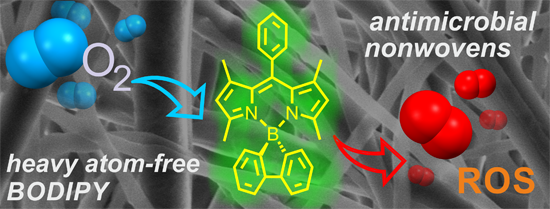
- step, we tested the photocatalytic activity of the prepared samples with cimetidine as a model water pollutant. Small pieces of materials were placed in 4 mL vials containing a 3.0 mM water solution of cimetidine. The mass of the material was ca. 0.011 g, which roughly corresponds to 0.02 equivalents



Cellulose as a photocatalyst support material: extraction, structural features, and environmental applications
Beilstein J. Nanotechnol. 2026, 17, 635–652, doi:10.3762/bjnano.17.44
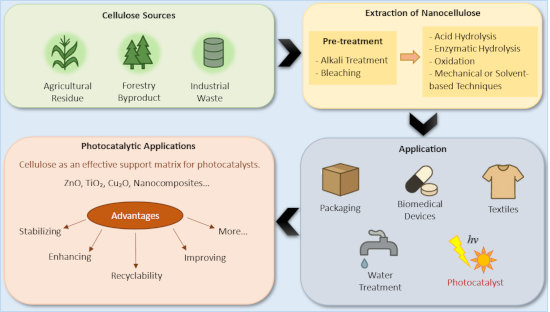
- TiO2/CdS heterojunctions with a porous structure, high crystallinity, and a reduced bandgap, features that contributed to enhanced catalytic degradation efficiency. When tested with methyl orange, the TiO2/CdS composite demonstrated strong stability, excellent photocatalytic activity, and reliable
- , ultimately boosting photocatalytic activity and making pollutant removal more effective [103]. Hamad et al. explored the potential of natural biopolymers, particularly cellulose, as a low-cost and widely available carbon source, noting that, while cellulose is highly functional due to its extensive hydrogen
- cellulose source, creating a sustainable and low-cost material designed for photocatalytic thin film applications. To evaluate its performance, they tested the photocatalytic activity of the RC/N-TiO2 composite by examining its ability to degrade methylene blue under both artificial UV and visible light


Two-step laser synthesis of Ag@TiO2 nanomaterials for the photocatalytic degradation of rhodamine B
Beilstein J. Nanotechnol. 2026, 17, 622–634, doi:10.3762/bjnano.17.43
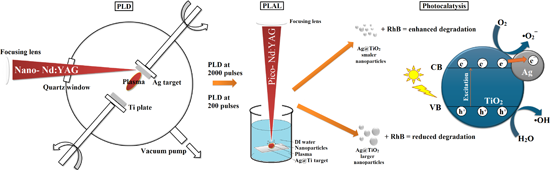
- characterization was performed using scanning electron microscopy (SEM) and transmission electron microscopy (TEM) with energy-dispersive spectroscopy (EDS), aiming to establish a clear correlation between synthesis parameters, nanostructure features, and photocatalytic activity. In our previous studies [6][7][21
- photocatalytic activity. The improved activity of Ag@TiO2 is not mainly due to bandgap reduction. It is more likely related to Ag–TiO2 interaction, where Ag reduces electron–hole recombination and enhances light absorption through surface plasmon resonance, leading to increased formation of reactive oxygen


Synthesis of Cu–Mo/TiO2 and Co–Mo/TiO2 photocatalysts for the efficient degradation of organic pollutants in water
Beilstein J. Nanotechnol. 2026, 17, 559–570, doi:10.3762/bjnano.17.37
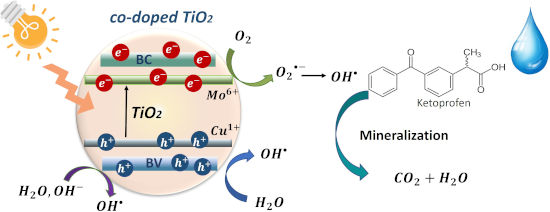
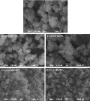
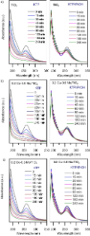
- can improve light absorption and photocatalytic activity of the material through the generation of oxygen vacancies, which act as electron traps [12]. The Mo6+ ion has a radius similar to that of Ti4+; thus, it is ideal for introduction into the TiO2 lattice without causing significant disturbances
- only to the anatase phase, with a preferential orientation along the (101) plane. The photocatalytic activity of both anatase and rutile crystalline phases has been widely discussed in the literature, and it is generally accepted that anatase exhibits higher photocatalytic activity due to its higher
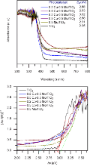
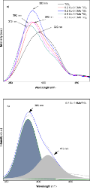
- emission may coexist with trapping states. The relationships between PL intensity and photocatalytic activity are very complicated and depend on dopant species [39]. The inhibition of TiO2 phase transformation from anatase to rutile can increase surface oxygen vacancy and defect content [39]. Then, the



Nanocarrier-integrated multilayer films produced by 3D printing for improved skin adhesion and curcumin photostability
Beilstein J. Nanotechnol. 2026, 17, 440–453, doi:10.3762/bjnano.17.30
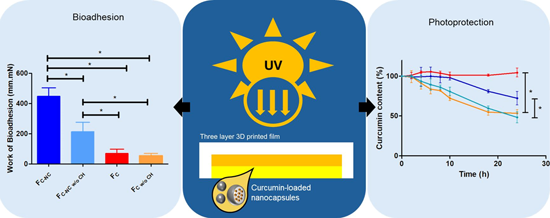
- scatter and reflect ultraviolet radiation while exhibiting lower photocatalytic activity than the anatase form, thereby minimising the risk of ROS generation and contributing to the photostabilisation of curcumin within the multilayer film. Curcumin photodegradation has been associated with loss of


Durable antimicrobial activity of fabrics functionalized with zeolite ion-exchanged nanomaterials against Staphylococcus aureus and Escherichia coli
Beilstein J. Nanotechnol. 2026, 17, 262–274, doi:10.3762/bjnano.17.18
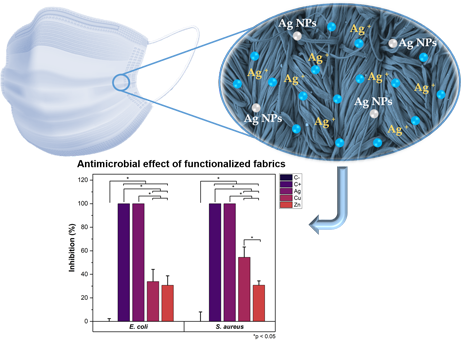
- compared to Cu/CBV-600-bramante fabrics that were not exposed to sunlight, suggesting that the photocatalytic activity of Cu enhances its antibacterial efficacy. For fabrics with Zn/CBV-600-bramante, a minor increase in the inhibition of bacterial growth was also observed for E. coli following sunlight
- if the photocatalytic activity of the materials enhanced antimicrobial activity: group A was not exposed to sunlight (t = 0 min), and group B was exposed to 60 min of UV-A/B radiation of sunlight (t = 60 min), which was measured using an URCERI light meter containing a UV-A/B detector. Afterwards




Functional surface engineering for cultural heritage protection: the role of superhydrophobic and superoleophobic coatings – a comprehensive review
Beilstein J. Nanotechnol. 2026, 17, 63–96, doi:10.3762/bjnano.17.6

- degradation of MO dye under simulated solar and natural sunlight, while higher C-dot loadings (TC62.5 and TC75) reduced performance, likely due to surface-masking effects. To fully exploit the photocatalytic activity of the TiO2/C-dot composites on cementitious substrates, they were embedded in a silica-based





Microplastic pollution in Himalayan lakes: assessment, risks, and sustainable remediation strategies
Beilstein J. Nanotechnol. 2025, 16, 2144–2167, doi:10.3762/bjnano.16.148
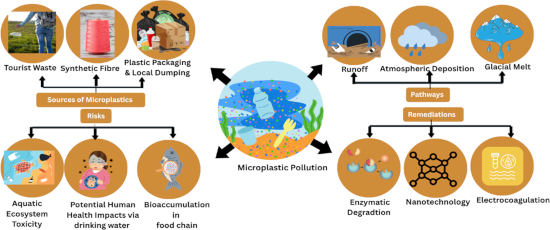
- more surface area, allowing for better interaction with MPs [76]. The incorporation of GO in composite materials not only improves photocatalytic activity, but it also serves a second purpose by adsorbing MPs prior to degradation. The utilization of photocatalysts that have been engineered with defects
- support matrix for these composites, stabilizing the photocatalyst and enhancing its interaction with MPs [78]. Another novel strategy is the use of multifunctional nanomaterials, such as ZnO–CuO composites, which have both antibacterial and strong photocatalytic activity. These substances provide long


Electrical, photocatalytic, and sensory properties of graphene oxide and polyimide implanted with low- and medium-energy silver ions
Beilstein J. Nanotechnol. 2025, 16, 1794–1811, doi:10.3762/bjnano.16.123
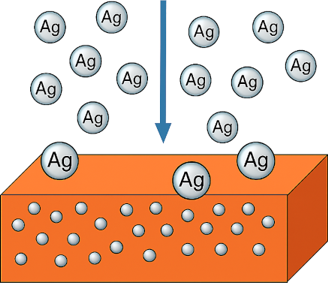
- atomic force microscopy. Electrical properties as a function of air humidity were evaluated using a two-point method, and photocatalytic activity was tested by monitoring the UV-induced decomposition of rhodamine B. The results demonstrate that ion implantation significantly reduces surface resistivity
- and enhances both the photocatalytic activity and humidity sensitivity of GO and PI. The most pronounced improvements occurred at higher fluences, where defect generation and partial deoxygenation contributed to optimal performance. Ion implantation thus represents an effective approach for tuning the
- various metallic ions available for ion implantation, Ag offers a unique combination of properties that make it particularly suitable for simultaneous enhancement of conductivity, humidity sensitivity, and photocatalytic activity [4]. Ag exhibits high electrical conductivity, strong catalytic activity


Nanotechnology-based approaches for the removal of microplastics from wastewater: a comprehensive review
Beilstein J. Nanotechnol. 2025, 16, 1607–1632, doi:10.3762/bjnano.16.114
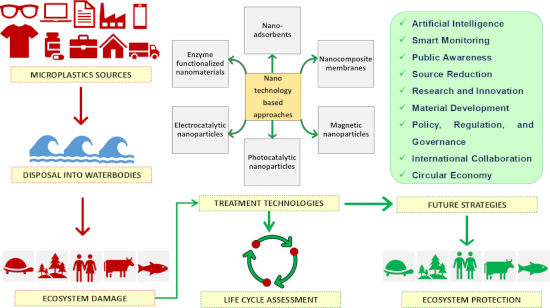
- processes [96]. The particle size of photocatalysts plays a very important role in the recombination of electrons and holes. Smaller particles exhibit higher photocatalytic activity due to their increased surface area, which allows for greater adsorption of pollutants and enhanced production of hydroxyl
- of photo-induced charge carriers [98]. Tofa et al. [99] studied the photocatalytic activity of ZnO nanorods for breaking down LDPE, a common microplastic found in wastewater. Experimental results led to the proposal of a detailed degradation pathway. The process initiates when hydroxyl and superoxide


Photocatalytic degradation of ofloxacin in water assisted by TiO2 nanowires on carbon cloth: contributions of H2O2 addition and substrate absorbability
Beilstein J. Nanotechnol. 2025, 16, 1567–1579, doi:10.3762/bjnano.16.111
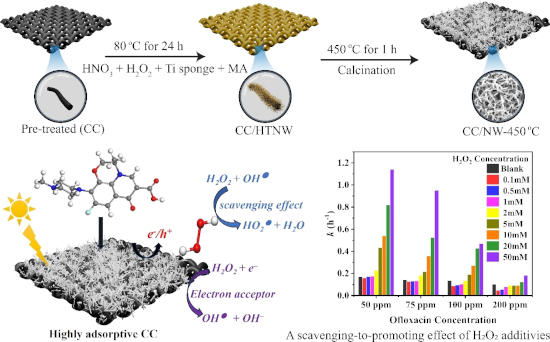
- performed at room temperature. A TOC-L CPH analyzer (SHIMADZU, Japan) was used to detect total organic carbon (TOC). Photocatalytic activity for OFL removal The photocatalytic activity was evaluated through the photodegradation of 50 mL aqueous solutions of OFL at initial concentrations of 50, 75, 100, and
- , the content of hydroxyl groups in CC/HTNW is evaluated to be ca. 52%, which reduced to approximately 16% after the final air calcination, suggesting abundant residual surface oxygen vacancies in CC/NW-450 °C. These vacancies are beneficial for enhancing photocatalytic activity [26][27]. Photocatalytic
- reaction rate constants are shown in Figure 5b. Not surprisingly, the photocatalytic activity decreases with increasing OFL initial concentration (50, 75, 100, and 200 ppm), with the reaction rate constant declining (0.169, 0.142, 0.135, and 0.103 h−1, respectively). The high photocatalytic performance at


Laser processing in liquids: insights into nanocolloid generation and thin film integration for energy, photonic, and sensing applications
Beilstein J. Nanotechnol. 2025, 16, 1428–1498, doi:10.3762/bjnano.16.104






Enhancing the photoelectrochemical performance of BiOI-derived BiVO4 films by controlled-intensity current electrodeposition
Beilstein J. Nanotechnol. 2025, 16, 1289–1301, doi:10.3762/bjnano.16.94
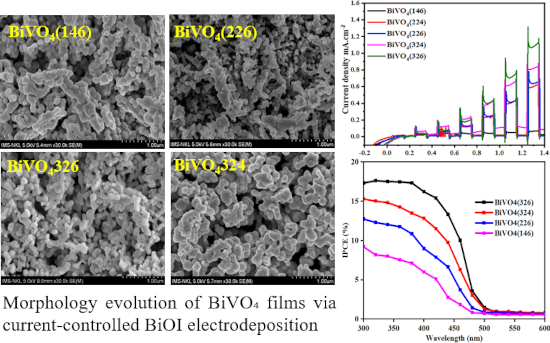
- efficient charge separation and transport. Previous studies have reported that the (121), (040), and (010) facets of monoclinic BiVO4 contribute to enhanced photocatalytic activity by serving as active sites for oxidation and reduction reactions [32][33]. In particular, the large surface area of the (010
- . Overall, these results demonstrate that the optimized BiVO4(326) configuration provides improved photocatalytic activity by enhancing charge transport, reducing recombination, and maximizing the active surface area for efficient PEC water splitting. The LSV results revealed that the photoanodes fabricated



Influence of ion beam current on the structural, optical, and mechanical properties of TiO2 coatings: ion beam-assisted vs conventional electron beam evaporation
Beilstein J. Nanotechnol. 2025, 16, 1097–1112, doi:10.3762/bjnano.16.81
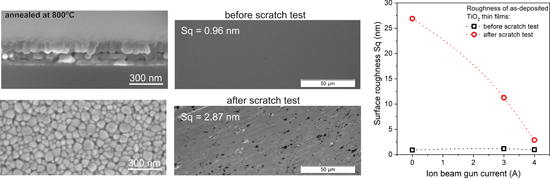
- TiO2 coatings (Figure 1). Therefore, post-deposition annealing becomes one of the key pathways in controlling the structure, morphology, and photocatalytic activity of TiO2 films [3]. After post-process annealing, all thin films exhibited peaks related to the (101) and (004) planes of anatase, for




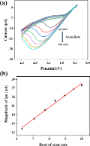
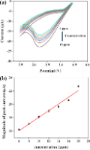
Quantification of lead through rod-shaped silver-doped zinc oxide nanoparticles using an electrochemical approach
Beilstein J. Nanotechnol. 2025, 16, 422–434, doi:10.3762/bjnano.16.33
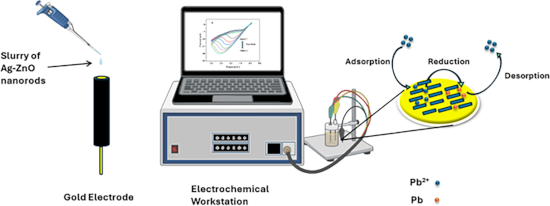
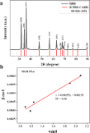
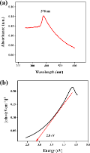
- , India Department of Physics, Punjab Engineering College (Deemed to be University), Chandigarh, 160012, India 10.3762/bjnano.16.33 Abstract Special features of zinc oxide nanoparticles have drawn a lot of interest due to their wide bandgap, high surface area, photocatalytic activity, antimicrobial





Emerging strategies in the sustainable removal of antibiotics using semiconductor-based photocatalysts
Beilstein J. Nanotechnol. 2025, 16, 264–285, doi:10.3762/bjnano.16.21
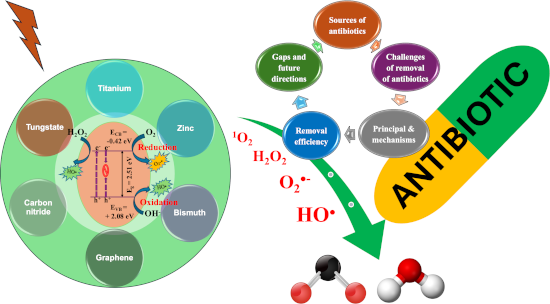
- advanced methods, including sol–gel, hydrothermal, solvothermal, precipitation and template-assisted techniques [53]. The synthesis method chosen often depends on factors such as the desired crystal structure, particle size, surface area, and photocatalytic activity required for the specific application
- effective segregation of light-induced charge carriers allows the CB of the second semiconductor and the VB of the first semiconductor to engage in reduction and oxidation processes, thus enhancing the photocatalytic activity. Although type-II heterojunctions can restrict photogenerated charge recombination
- applications where natural light is abundant. Although TiO2 has a high photocatalytic activity under UV light, its practical use is limited because of rapid electron–hole recombination and insufficient visible light absorption [65]. Hence, it is critical to develop effective strategies to enhance TiO2 activity



Clays enhanced with niobium: potential in wastewater treatment and reuse as pigment with antibacterial activity
Beilstein J. Nanotechnol. 2025, 16, 141–154, doi:10.3762/bjnano.16.13
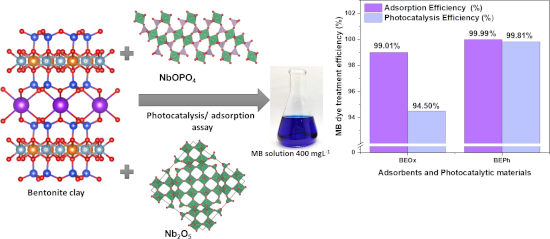
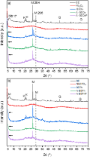
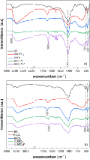
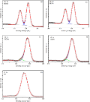
- +) favoring of the BEOx catalyst hindered its photocatalytic activity [8]. In a study by Asencios et al. (2019) [8], niobium-modified clay was explored for the photocatalysis of rhodamine B dye, yielding removal rates close to 95%. Additionally, Lacerda et al. (2020) [25] achieved up to 90% efficiency in the


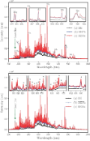
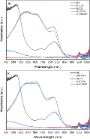

Characterization of ZnO nanoparticles synthesized using probiotic Lactiplantibacillus plantarum GP258
Beilstein J. Nanotechnol. 2025, 16, 78–89, doi:10.3762/bjnano.16.8
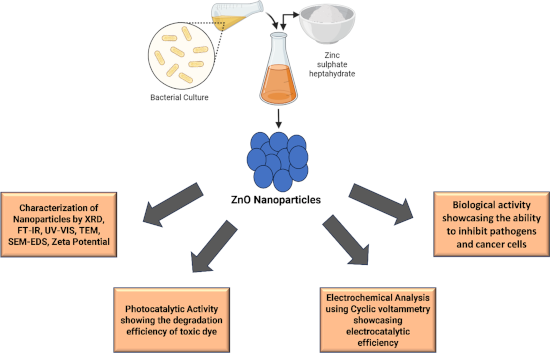
- showed significant photocatalytic activity by degrading methylene blue under UV illumination, achieving a remarkable 74.15% decolorization within 60 min, with a slightly lower energy of UV light, that is, 392 nm whereas above authors reported 385 nm. Our ZnO NPs shows a zeta potential value of −60 mV
- quantify the surface electric charge of the ZnO NPs, assessing their stability. DLS measurements followed with an acquisition time of 120 s per run, providing data for the intensity-weighted size distribution. The photocatalytic activity was analyzed by studying the degradation of methylene blue in a 20

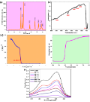

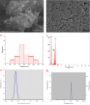
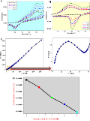

Mn-doped ZnO nanopowders prepared by sol–gel and microwave-assisted sol–gel methods and their photocatalytic properties
Beilstein J. Nanotechnol. 2024, 15, 1283–1296, doi:10.3762/bjnano.15.104
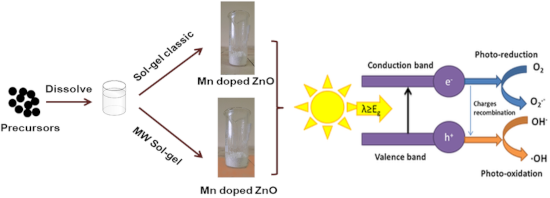
- catalyst is generally associated with low photocatalytic activity. Accordingly, various modifiers of semiconductor nanomaterials are used to enhance separation of the photogenerated charges, causing a corresponding decrease of PL emission. The correlation between photoluminescence and photocatalytic
- signal of the SG sample (assigned to surface oxygen vacancies and defects) and can be further analyzed taking into account the photocatalytic test results. Photocatalytic activity Oxidative photodegradation of oxalic acid in aqueous solution (Figure 13) was used to compare the catalytic activity of the
- role of the ROS in photomineralization of oxalic acid over the two investigated catalysts can be assumed. The authors’ previous photocatalytic studies concerning the photodegradation of oxalic acid emphasized the dependence of photocatalytic activity on catalyst morphology [55]. The importance of the


Photocatalytic methane oxidation over a TiO2/SiNWs p–n junction catalyst at room temperature
Beilstein J. Nanotechnol. 2024, 15, 1132–1141, doi:10.3762/bjnano.15.92
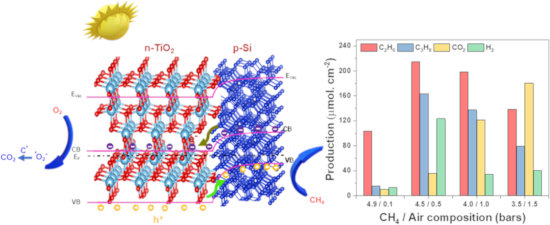
- forces generated charge carriers to move in opposite directions and suppresses charge recombination. Besides, surface morphology and optical properties of the the p–n TiO2/SiNWs catalyst are also beneficial for the photocatalytic activity. It is expected that the results of this study will provide
- TiO2/SiNWs photocatalyst. Note that after each cycle, the reactor was completely evacuated, and fresh gases were refilled for the following run. The photocatalytic activity of p–n TiO2/SiNWs remained almost unchanged after four consecutive reaction cycles, indicating a high recyclability in the batch
- reactor. Plausible charge transport mechanism Figure 8 shows a schematic mechanism of the photocatalytic activity of the p–n TiO2/SiNWs hierarchical structures. According to previous studies the energy bandgaps of p-Si and n-type TiO2 were assumed to be 1.1 eV and 3.3 eV, respectively [54][55][56


Intermixing of MoS2 and WS2 photocatalysts toward methylene blue photodegradation
Beilstein J. Nanotechnol. 2024, 15, 817–829, doi:10.3762/bjnano.15.68
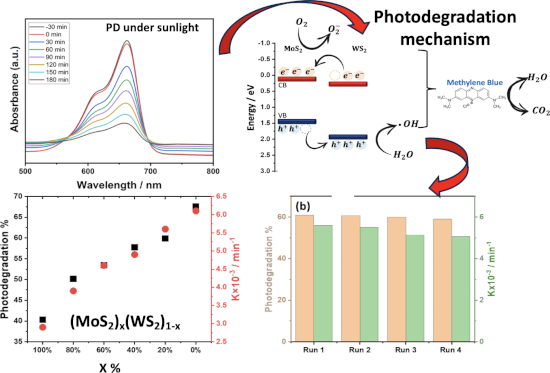
- 10 is obtained using the calculated conduction and valence bands positions. The more effective and faster electron transfer kinetics of MoS2/WS2 should account for the enhanced photocatalytic activity under irradiation. The PD process can take place as per the following two mechanisms: Or as follows


Green synthesis of biomass-derived carbon quantum dots for photocatalytic degradation of methylene blue
Beilstein J. Nanotechnol. 2024, 15, 755–766, doi:10.3762/bjnano.15.63
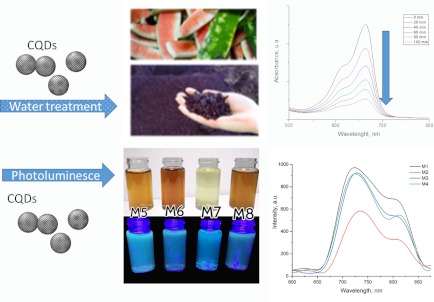
- emission when excited at 900 nm and down-conversion emission in the blue region. The photocatalytic activity of CQDs, under sunlight irradiation, in MB degradation has been confirmed by various studies [32][33][34][35][36][37][38]. In this research, samples synthesized with nitric acid exhibited the best
- a continuous emission xenon light source (190–900 nm). All the samples were dispersed in deionized water and analyzed with an excitation wavelength of 350 and 900 nm in aqueous medium. Photocatalytic evaluation The photocatalytic activity of the synthesized CQDs was studied for the photodegradation
- ) with a 1 cm path length quartz cell. To evaluate the photocatalytic activity of the CQDs, a suspension containing CQDs and MB (10 ppm initial concentration of MB) was placed in a baker under constant stirring. Before initiating the light irradiation, the suspension was stirred for 20 min at 400 rpm in


Simultaneous electrochemical determination of uric acid and hypoxanthine at a TiO2/graphene quantum dot-modified electrode
Beilstein J. Nanotechnol. 2024, 15, 719–732, doi:10.3762/bjnano.15.60
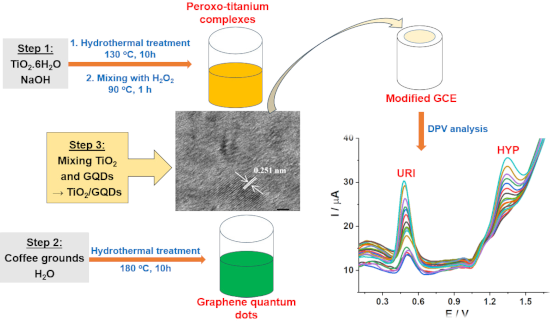
- electrochemistry, combining GQDs with semiconductors, especially TiO2, has been of interest. For example, GQDs have been successfully introduced into TiO2 [17] to enhance its photocatalytic activity. John Peter et al. reported TiO2/GQDs as anodes for enhancing the short-circuit current in solar cells [18]. The


Exfoliation of titanium nitride using a non-thermal plasma process
Beilstein J. Nanotechnol. 2024, 15, 631–637, doi:10.3762/bjnano.15.53
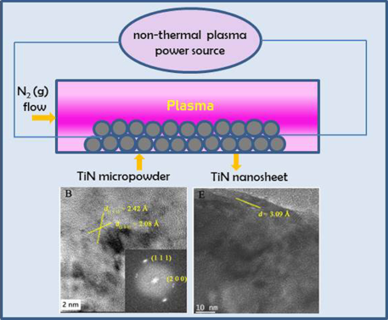
- ferromagnetic properties and demonstrated high visible-light photocatalytic activity when loaded onto titania nanotube arrays. Titanium nitride (TiN) has gained recognition as an advanced engineering material because of its outstanding chemical and thermal stability, extreme hardness, and electrical