


Search results
Search for "physicochemical properties" in Full Text gives 215 result(s) in Beilstein Journal of Nanotechnology. Showing first 200.
Development of Protium heptaphyllum essential oil-loaded nanocapsules: experimental design and biological activity
Beilstein J. Nanotechnol. 2026, 17, 974–990, doi:10.3762/bjnano.17.67
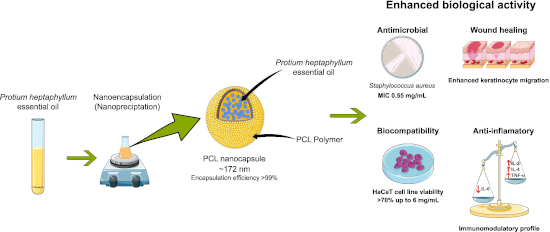
- relevant because, without them, a direct correlation between physicochemical properties and biological responses cannot be determined. Specifically, correlating release behavior with both antimicrobial and cytokine responses is crucial to fully elucidating the mechanism of action of nanocapsules. Future
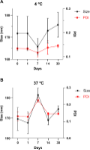
- the Box–Behnken design matrix and the observed responses for Dh, PDI, and zeta potential. These results reflect the combined effects of the independent variables, that is, polymer concentration (20–100 mg), EO content (50–150 mg), and surfactant concentration (20–60 mg) on the physicochemical
- properties of the nanocapsules. The hydrodynamic diameter Dh varied substantially across formulations, ranging from 172.10 ± 0.90 to 473.10 ± 11.00 nm, indicating a strong influence of formulation variables on particle size. The smallest particles were obtained in Experiment 1 (PCL −1; EO −1; Tween 80 0




Nanocarrier strategies to overcome P-glycoprotein-mediated drug resistance in cancer therapy
Beilstein J. Nanotechnol. 2026, 17, 882–921, doi:10.3762/bjnano.17.64


Nanoparticle delivery systems for HIV pre-exposure prophylaxis (PrEP): advances and challenges
Beilstein J. Nanotechnol. 2026, 17, 839–853, doi:10.3762/bjnano.17.60
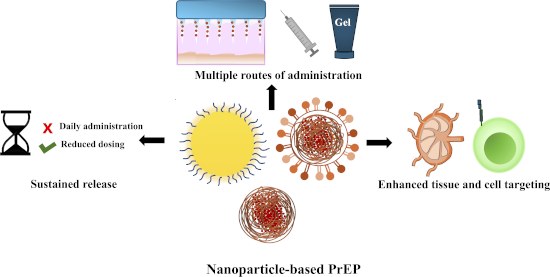
- , mechanical properties, and surface composition that need to be considered in the design of the nanoparticles. The choice of core material plays a pivotal role in defining the physicochemical properties, release behavior, biocompatibility, and clinical feasibility of nanoparticle formulations. Various
- . Inorganic nanoparticles Inorganic nanoparticles, particularly those made of metals (e.g., gold, silver) and mesoporous silicon have gained attention as antivirals as well as HIV drug delivery platforms due to their unique physicochemical properties that differ from biodegradable polymers or lipid-based


Restorative potential of laser-synthesized silver nanoparticles with Salvia officinalis for periodontal disease treatment: an in vitro study
Beilstein J. Nanotechnol. 2026, 17, 781–795, doi:10.3762/bjnano.17.55
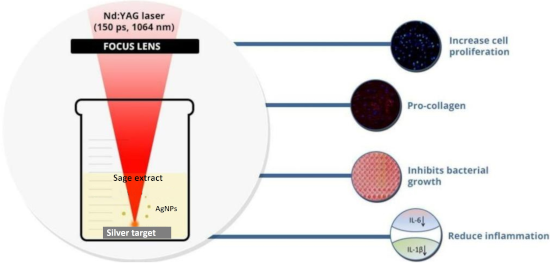
- synthesis mitigates their cytotoxicity. This result is probably the effect of sage on the physicochemical properties of the AgNPs, as well as the effect of sage constituents on the cell viability (Figure 2a). However, a higher concentration of SageAgNPs6mJ also significantly reduced the percentage of viable



Environmental applications of silver nanoparticles: state-of-the-art review and emerging trends
Beilstein J. Nanotechnol. 2026, 17, 697–736, doi:10.3762/bjnano.17.49
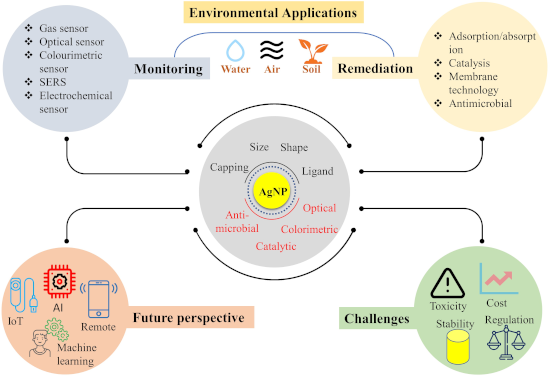
- Preparation and characterisation of AgNPs The environmental application of AgNPs is primarily determined by their functional properties, which are highly dependent on their synthesis and surface functionalization. In addition, the physicochemical properties of differently synthesised AgNPs are characterised
- characterisation using standard techniques is necessary to understand the physicochemical properties of AgNP [48]. 2.2 Characterisation techniques AgNPs are characterised to understand their physical and chemical properties, which are mainly governed by size, shape, and surface complexity. This understanding was


Protein-based custom-designed molecular nanotraps for biomedical applications
Beilstein J. Nanotechnol. 2026, 17, 683–687, doi:10.3762/bjnano.17.47

- of bioMIPs be made? The answer is deeply linked to the intended final application. Natural polymers, such as polysaccharides, proteins, oligonucleic acids, and terpenes, offer a large variety of physicochemical properties deriving from their chemical structures [8]. Overall, proteins stand out for
- shortfalls have been identified already in the context of folded protein systems. First, protein-based materials, depending on the biological source, are characterized by a wide variety in the physicochemical properties, given by the aminoacid compositions, secondary structure propensity, and the presence of

Towards targeted drugs and next generation of nanomedicines
Beilstein J. Nanotechnol. 2026, 17, 598–601, doi:10.3762/bjnano.17.41
- future development. Bioavailability is an important factor for pharmaceutical agents. Here nanoparticles have the great advantage that their physicochemical properties can be largely tailored. A hydrophobic drug can be made more water soluble by linking it to a hydrophilic nanoparticle. However, as with
Upcycling agroindustrial waste into graphene oxide supports for gold nanoparticles: toward sustainable nanomaterials
Beilstein J. Nanotechnol. 2026, 17, 489–504, doi:10.3762/bjnano.17.32
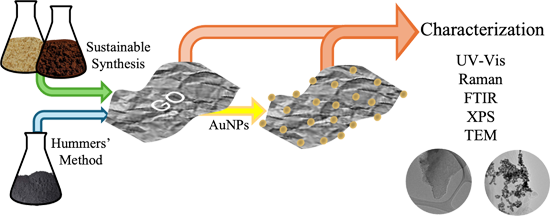
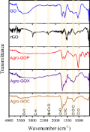
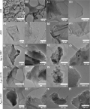
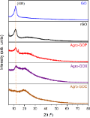
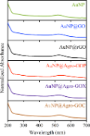
- ; hybrid nanocomposites; plasmonic nanomaterials; surface functionalization; Introduction Graphene oxide (GO), due to its unique physicochemical properties, is widely explored regarding a range of applications, including sensors, water purification, and energy storage and conversion [1][2][3][4][5]. GO is



Nanocarrier-integrated multilayer films produced by 3D printing for improved skin adhesion and curcumin photostability
Beilstein J. Nanotechnol. 2026, 17, 440–453, doi:10.3762/bjnano.17.30
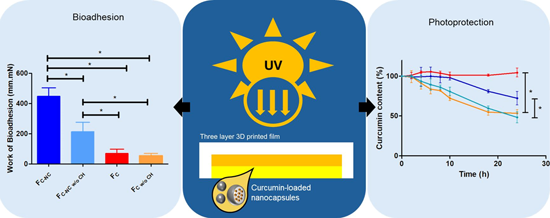
- enable the development of formulations with reduced particle sizes (typically between 100 and 500 nm) and tailored physicochemical properties [19][20]. In the pharmaceutical context, nanoparticles, including polymeric nanoparticles, have been extensively investigated as drug carriers. The use of
- effective photostabilization. Discussion Based on the observed physicochemical properties (Table 2), the formulations developed in the present study exhibited a low polydispersity index and a z-average particle size below 240 nm, indicating a narrow nanometric size distribution. All tested formulations
- : films containing curcumin-loaded nanocapsules without TiO2, FC w/o TiO2: films containing unloaded curcumin without TiO2) *Statistically significant (p ≤ 0.05) (ANOVA). Composition of the printing inks (hydrogels) for the SSE printing process.a Physicochemical properties of curcumin-loaded nanocapsules


Nanoinformatics: spanning scales, systems and solutions
Beilstein J. Nanotechnol. 2026, 17, 423–427, doi:10.3762/bjnano.17.28
- nanomaterials physicochemical properties, structural features, and biomolecule interactions using both physics-based and machine-learning (ML) approaches; (ii) prediction of nanomaterials toxicity including development of novel toxicity-related descriptors; (iii) solution-focussed approaches applying advanced
- properties of nanomaterials reported in experimental papers, the ability to predict or impute physicochemical properties as inputs for quantitative structure/activity/property relationship (QSAR/QSPR) models is critical. Moncho et al. surveyed the nanomaterials QSAR literature to determine the variety of
- major topic in the field is to identify the drivers of nanomaterials toxicity, through understanding which physicochemical properties or atomistic properties are most strongly correlated with – and thus predictive of – toxicity, often measured in vitro as cytotoxicity. To address this question, Roy and

Biomimetic nanoparticles in cancer photodynamic therapy: a review of targeted delivery systems and therapeutic outcomes
Beilstein J. Nanotechnol. 2026, 17, 396–422, doi:10.3762/bjnano.17.27
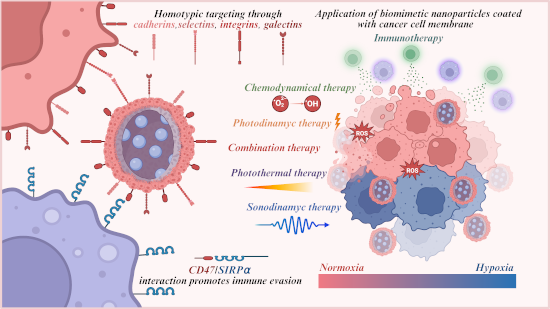
- proteins confer distinct physicochemical properties that influence cellular interactions and tissue organization. Given the crucial role of integrins in tumor progression, there is significant interest in their use not only as markers of malignant potential but also as targets for precision therapies. One


Polycatecholamine nanocoatings on stainless steel: the effect on attachment of human fibroblasts and platelets
Beilstein J. Nanotechnol. 2026, 17, 365–380, doi:10.3762/bjnano.17.25
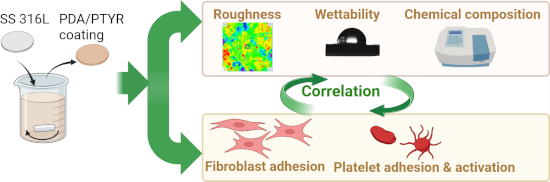
- layers on stainless steel 316L via a novel in situ oxidation process and evaluated their physicochemical properties and cellular interactions at the nano/microscale. Surface characterization revealed that the polymeric coatings formed a homogenous layer with distinct topographical features and thickness
- Fenton-type reaction for PTYR synthesis and previously optimized conditions for PDA deposition [12][27]. We compared the physicochemical properties of these coatings and evaluated their effects on L929 fibroblasts, human dermal fibroblasts, and human platelets. By directly comparing PDA with the much




Beam shaping techniques for pulsed laser ablation in liquids: Unlocking tunable control of nanoparticle synthesis in liquids
Beilstein J. Nanotechnol. 2026, 17, 309–342, doi:10.3762/bjnano.17.22
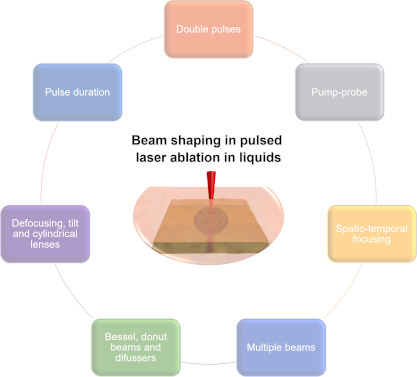
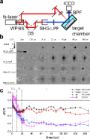
- ablation area is irradiated, which increases NP production. The higher colloidal concentration enhances aggregation, often resulting in larger mean particle sizes [143]. Furthermore, the precision of the focusing can play a crucial role in the physicochemical properties of the colloids. Ryabchikov et al







Safe and sustainable by design with ML/AI: A transformative approach to advancing nanotechnology
Beilstein J. Nanotechnol. 2026, 17, 176–185, doi:10.3762/bjnano.17.11
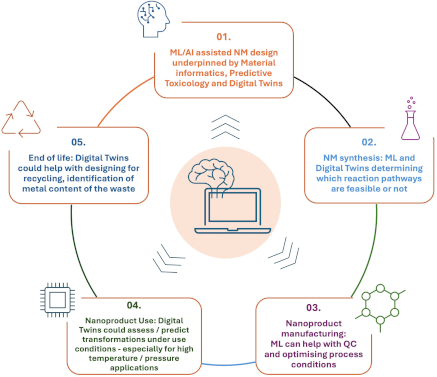
- , health, and safety (EHS) risks. The unique physicochemical properties of ENMs, including their high surface-to-volume ratio and reactivity, often result in unpredictable interactions with, and transformations by, biological and ecological systems [9][10]. Traditional risk assessment approaches, while
- complementary benefits within SSbD. First, predictive modelling tools, such as quantitative structure–activity relationship (QSAR) models, can forecast toxicological and physicochemical properties of emerging substances, reducing the reliance on time-consuming and costly experimental assays [24][25]. The


Influence of surface characteristics on the in vitro stability and cell uptake of nanoliposomes for brain delivery
Beilstein J. Nanotechnol. 2026, 17, 139–158, doi:10.3762/bjnano.17.9
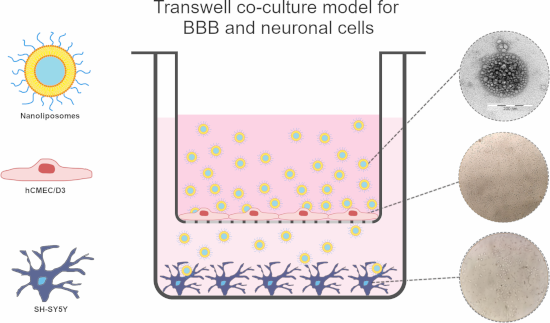
- membrane and receptor diffusion to the surface of the membrane, processes highly dependent on the physicochemical properties of the NLs, as well as on their concentration and exposure time [34]. As no significant increase of uptake was found for the highest concentration tested for all three NLs and for
- internalization are influenced by numerous features such as NL composition (especially the amount of PEG), physicochemical properties of NLs, the experimental conditions (concentration and incubation time), as well as the composition of the cell medium and structural characteristics of the cell culture lines




Quantitative estimation of nanoparticle/substrate adhesion by atomic force microscopy
Beilstein J. Nanotechnol. 2026, 17, 1–14, doi:10.3762/bjnano.17.1

- [5] and physicochemical properties [6]. Among these properties, particle adhesion (which is determined by the interaction between the NP and the substrate) and the interface formed between NPs and substrate [7][8] play a decisive role. Particularly when the contact area between NPs and the substrate



Missing links in nanomaterials research impacting productivity and perceptions
Beilstein J. Nanotechnol. 2025, 16, 2168–2176, doi:10.3762/bjnano.16.149
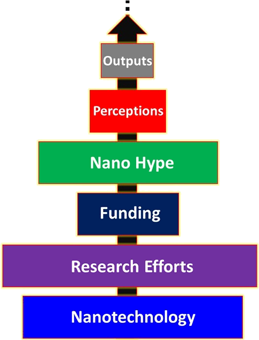
- frequently adapted from frameworks originally designed for bulk materials. These are inadequate for addressing the unique physicochemical properties, size-dependent behaviors, and long-term risks associated with nanoscale materials. As a result, scientifically appropriate, dedicated regulations for
Quality by design optimization of microemulsions for topical delivery of Passiflora setacea seed oil
Beilstein J. Nanotechnol. 2025, 16, 2116–2131, doi:10.3762/bjnano.16.146
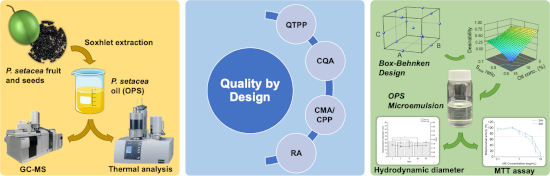
- of the physicochemical properties and interactions of their constituents [7][9]. In this context, the quality by design (QbD) framework provides a systematic and scientifically grounded approach for pharmaceutical formulation development. QbD emphasizes predefined quality objectives, product and


Toward clinical translation of carbon nanomaterials in anticancer drug delivery: the need for standardisation
Beilstein J. Nanotechnol. 2025, 16, 2092–2104, doi:10.3762/bjnano.16.144
- nanotubes, and carbon dots, have attracted considerable interest as nanocarriers for drug delivery due to their unique physicochemical properties. Their high surface area, biocompatibility, and modifiable surface chemistry make them highly attractive for a range of biomedical applications. However, concerns
- nanomaterials (CNMs) have been largely developed as nanocarriers for drug delivery due to their biocompatibility, high surface area, tuneable physicochemical properties, and targeting capabilities [13][14]. However, CNMs also present a subset of challenges, including toxicity concerns, expensive and time
- , laser ablation, or electrochemical techniques, among others. These CNMs must then be thoroughly characterised to confirm their structural and physicochemical properties, including size, shape, charge, surface functionality, stability, and potential toxicity. Following characterisation, anticancer




Beyond the shell: exploring polymer–lipid interfaces in core–shell nanofibers to carry hyaluronic acid and β-caryophyllene
Beilstein J. Nanotechnol. 2025, 16, 2015–2033, doi:10.3762/bjnano.16.139
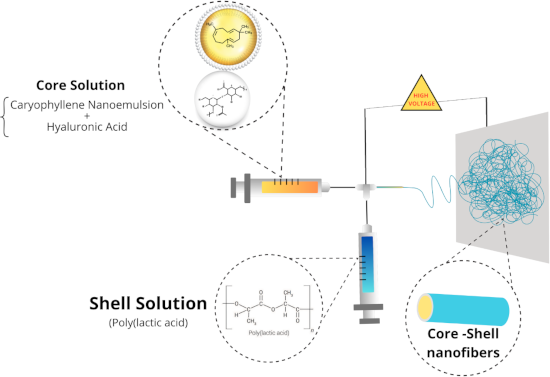
- critical gap persists in thoroughly understanding the complex polymer–lipid interactions, particularly in systems designed for the simultaneous co-encapsulation of compounds with vastly different physicochemical properties, such as hydrophilic HA and lipophilic βCp. An in-depth understanding of these
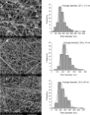
- important physicochemical properties of these structures are highly related to conformational changes in the polymeric chain caused by the spinning process [49][53]. Initially, the influence of the travel distance of the polymer jet on fiber formation was examined (Figure 4). This critical parameter exerts




PEGylated lipids in lipid nanoparticle delivery dynamics and therapeutic innovation
Beilstein J. Nanotechnol. 2025, 16, 1914–1930, doi:10.3762/bjnano.16.133
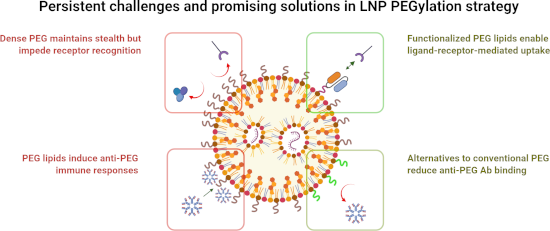
- chains arrange on the nanoparticle surface and the potential impacts on LNPs’ physicochemical properties by varying surface PEG density or PEG chemistry. Subsequently, PEG conformations are discussed in terms of their modulation of protein corona formation, cellular uptake, and immunogenic responses
- lipid surface density and structure on LNP physicochemical properties Understanding the spatial organization of lipid components within LNPs is critical for optimizing their physicochemical characterization and stability. In particular, the localization of PEG lipids plays a significant role in
- LNP physicochemical properties can be affected by a complex interplay between PEG molar fraction, molecular weight, and lipid anchor structure [20]. While increasing PEG density often leads to reduced particle size, the fluctuation of size can still vary depending on the PEG anchor structure [19


On the road to sustainability – application of metallic nanoparticles obtained by green synthesis in dentistry: a scoping review
Beilstein J. Nanotechnol. 2025, 16, 1851–1862, doi:10.3762/bjnano.16.128
- ; sustainable development; Introduction Nanotechnology is an interdisciplinary field of science that involves the manipulation of materials at the nanoscale, typically ranging from 1 to 100 nm in inorganic nanomaterials, to generate structures with unique physicochemical properties [1][2][3]. Among the most
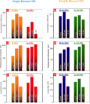
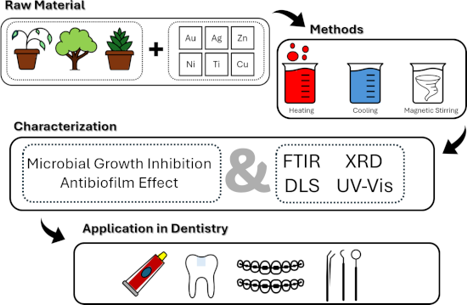
- of both physicochemical properties and biological effects (Figure 6). The most frequently reported biological activity among the selected studies was the inhibition of microbial growth (80.0%; n = 44), highlighting its prominence as a primary target in antimicrobial research. The studies primarily


Phytol-loaded soybean oil nanoemulsion as a promising alternative against Leishmania amazonensis
Beilstein J. Nanotechnol. 2025, 16, 1826–1836, doi:10.3762/bjnano.16.126

- ± standard deviation of three independent experiments. *** Represents significant differences at p < 0.01. Physicochemical properties of nanoemulsions after centrifugation stability assessment over 15 days. IC50 values of free-PHYT and PHYT-NE on promastigote forms of L. amazonensis. Composition of the


Electrical, photocatalytic, and sensory properties of graphene oxide and polyimide implanted with low- and medium-energy silver ions
Beilstein J. Nanotechnol. 2025, 16, 1794–1811, doi:10.3762/bjnano.16.123
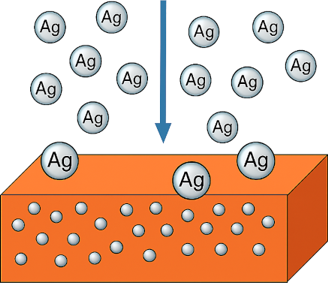
- multifunctional behavior of polymer systems. Keywords: ERDA; graphene oxide; ion implantation; photocatalysis; polyimide; RBS; Introduction Silver ion implantation is an effective strategy for controlling modification of the physicochemical properties of polymers and graphene-based materials. This method allows


Exploring the potential of polymers: advancements in oral nanocarrier technology
Beilstein J. Nanotechnol. 2025, 16, 1751–1793, doi:10.3762/bjnano.16.122
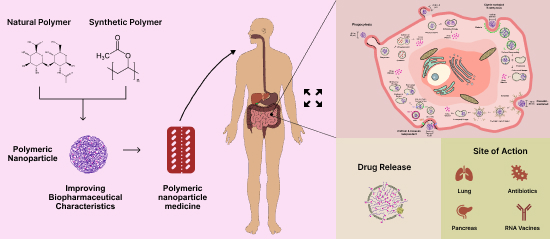
- in the application of polymers as oral nanocarriers, emphasizing key natural and synthetic polymers that enhance stability, bioavailability, and release. The physicochemical properties, biodegradability, and chemical modifications of these polymers, which promote mucoadhesion and epithelial
- particles. Materials reduced to this scale exhibit alterations in their physicochemical properties, enhancing their interactions with molecular and cellular processes. Consequently, nanotechnology has diverse pharmaceutical applications, as the nanoencapsulation of drugs improves solubility and
- made PNs a topic of growing interest in light of their small size and unique physicochemical properties [22][23]. These systems offer advantages for drug delivery, including the ability to protect labile compounds, control release kinetics, improve drug solubility and stability, enhance oral





