


Search results
Search for "purification" in Full Text gives 470 result(s) in Beilstein Journal of Nanotechnology. Showing first 200.
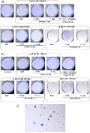
Ultrasonic irradiation in the synthesis of nanohydroxyapatite: a chemically friendly technique for improving hemocompatibility and antibiofilm applications
Beilstein J. Nanotechnol. 2026, 17, 991–1015, doi:10.3762/bjnano.17.68
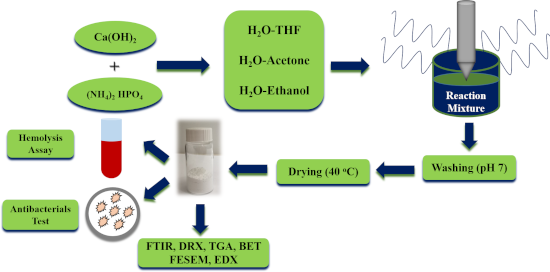
- chemistry by employing a highly energy-efficient technology that uses aqueous mixtures as the reaction medium, thereby reducing the use of toxic reagents, simplifying purification stages, and establishing a sustainable synthesis process. Although the method was effective across all three evaluated systems




Development of Protium heptaphyllum essential oil-loaded nanocapsules: experimental design and biological activity
Beilstein J. Nanotechnol. 2026, 17, 974–990, doi:10.3762/bjnano.17.67
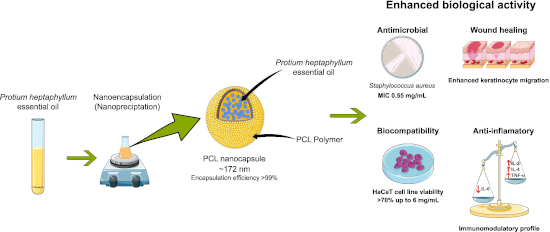
- during the preparation and purification process. The high encapsulation efficiency observed is consistent with the lipophilic nature of essential oil components (70% of lipophilic constituents), which exhibit strong affinity for the oily core of polymeric nanocapsules. Such compatibility enhances




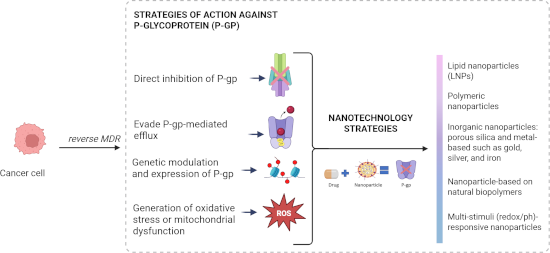
Nanocarrier strategies to overcome P-glycoprotein-mediated drug resistance in cancer therapy
Beilstein J. Nanotechnol. 2026, 17, 882–921, doi:10.3762/bjnano.17.64


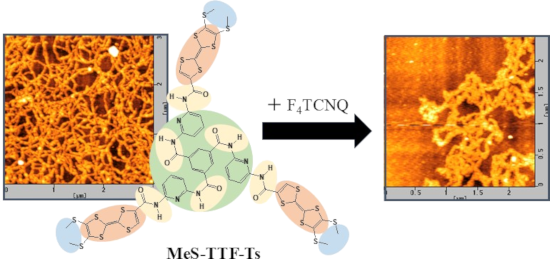
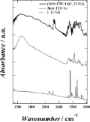
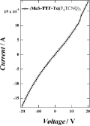
Supramolecular one-dimensional conducting nanofibers from a C3-symmetric tetrathiafulvalene derivative
Beilstein J. Nanotechnol. 2026, 17, 872–881, doi:10.3762/bjnano.17.63
- purification unless otherwise noted. Synthesis of compounds 4,5-Bis(methylthio)-1,3-dithiole-2-thione (2) Iodomethane (790 mg, 5.56 mmol) was added to a solution of zinc chelate 1 (1.000 g, 1.39 mmol) in acetone (25 mL). The reaction mixture was stirred at 25 °C overnight. After removal of the solvent under
- . The product was used in the next step without further purification [46][47]. MeS-TTF-CONHPy (8) A solution of 7 (47.8 mg, 0.133 mmol) in dry THF was added to a solution of 2,6-diaminopyridine (16.80 mg, 0.154 mmol) and triethylamine (24.0 μL, 0.172 mmol) in dry THF (1.0 mL) at 0 °C. The reaction


He+ FIBID-fabricated 3D AFM tip architectures: an exploratory study of hollow pillars, helices, and spirals
Beilstein J. Nanotechnol. 2026, 17, 863–871, doi:10.3762/bjnano.17.62
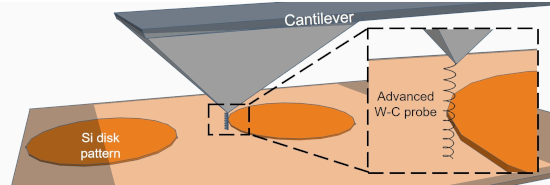
- diverse applications, including micro- and nanoelectromechanical systems (MEMS/NEMS) [16], nanothermistors for thermal sensing [25], and electrical characterisation studies [15][17]. To mitigate carbon contamination in FEBID-grown structures, various post-deposition purification strategies have been
- the geometry of the structure, especially at the apex region, which is critical for imaging performance. Changes in tip radius, shape, or structural integrity can directly affect lateral resolution and tip–sample interaction. Therefore, although purification strategies are well established for planar


Cross-scale design of chemosensor arrays: from molecular self-assembly in water to paper-based devices for metal ion detection
Beilstein J. Nanotechnol. 2026, 17, 828–838, doi:10.3762/bjnano.17.59
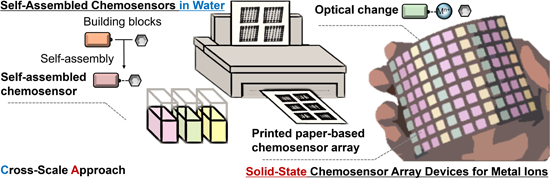
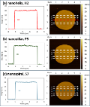
- with recovery rates of 89–125%, even without sample purification (Figure 8C,D). To compare the sensing performance of the paper-based analytical device, recent paper-based colorimetric sensor devices for metal ion detection are summarized in Table 1. As shown, many paper-based analytical devices enable


Restorative potential of laser-synthesized silver nanoparticles with Salvia officinalis for periodontal disease treatment: an in vitro study
Beilstein J. Nanotechnol. 2026, 17, 781–795, doi:10.3762/bjnano.17.55
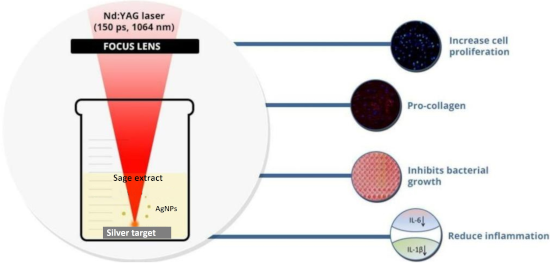
- chemical synthesis [5][6], recent advances in laser systems have significantly improved its scalability. Importantly, the absence of chemical reagents and purification steps reduces downstream processing costs, making PLAL a promising and economically feasible approach for the production of high-purity



Environmental applications of silver nanoparticles: state-of-the-art review and emerging trends
Beilstein J. Nanotechnol. 2026, 17, 697–736, doi:10.3762/bjnano.17.49
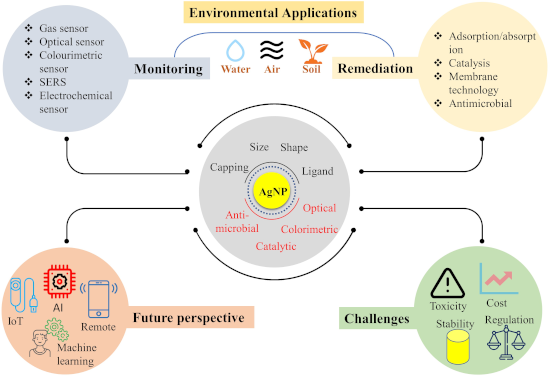
- antimicrobial action of AgNPs has been explored for water treatment and purification. Despite this, several pollutants, including metal ions, pesticides, and dyes, are present in water and significantly contribute to water pollution. To obtain purified water, these pollutants must be removed from water sources
- poses a significant threat to human health and the environment, necessitating the development of efficient and sustainable air purification technologies. The primary air pollutants include particulate matter (PM), gases (CO, NO2, SO2), metals (Pb), PAHs, volatile organic compounds (VOCs), and dioxins
- [146]. Nanosilver has emerged as a promising material for air purification and atmospheric remediation owing to its strong photocatalytic, antimicrobial and adsorbing properties. Nanosilver is often used in air filters and coatings to remove VOCs, PAHs, PM, and other contaminants. 3.2.1 Air


Decontamination from water pollutants and pathogens by electrospun nanofibers doped with heavy-atom-free borafluorene-BODIPY photosensitizers
Beilstein J. Nanotechnol. 2026, 17, 668–682, doi:10.3762/bjnano.17.46
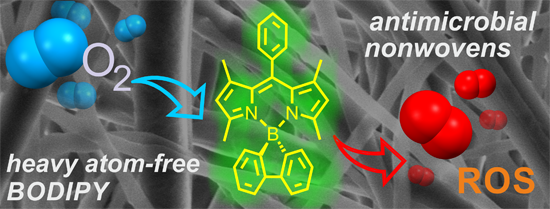
- nanofibers; heavy-atom free photosensitizers; immobilization; polycaprolactone; singlet oxygen; water purification; Introduction Due to the enormous population, economic, and industrial growth, the rapid rise in demand for water resources has become one of the major contemporary issues that needs to be
- from Sigma-Aldrich and were used without further purification. Polycaprolactone (PCL, Mw = 80.000 g·mol−1) and polystyrene (PS, Mw = 35.000 g·mol−1) were purchased from Merck, while poly(methyl methacrylate) (PMMA, Mw = 100.000 g·mol−1) was purchased from Polysciences, Inc. The solvents acetic acid (AA
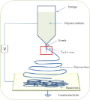
- received without additional purification. Electrospinning process All samples were electrospun using an electrospinning chamber (FLUIDNATEK® LE-5, Bioinicia, Spain) with air conditioning (Bioinicia, Spain) at room temperature and a humidity of ~35% (Figure 2). PCL was dissolved in acetic acid and formic



Cellulose as a photocatalyst support material: extraction, structural features, and environmental applications
Beilstein J. Nanotechnol. 2026, 17, 635–652, doi:10.3762/bjnano.17.44
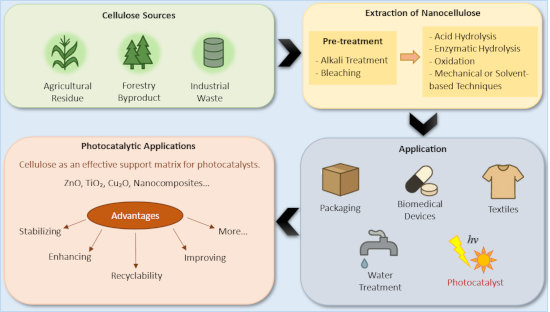
- attractive for water purification applications. Owing to these features, CNCs have been widely studied not only as adsorbents, supports for catalysts, and coagulants or flocculants, but also as membrane materials, with recent research showing that CNCs can either be incorporated into existing membranes or


Two-step laser synthesis of Ag@TiO2 nanomaterials for the photocatalytic degradation of rhodamine B
Beilstein J. Nanotechnol. 2026, 17, 622–634, doi:10.3762/bjnano.17.43
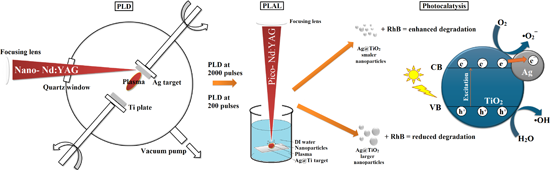
- photodegradation. In practice, TiO2 is widely used in photocatalytic systems for pollutant degradation (e.g., dyes, pharmaceuticals, including drugs, supplements and cosmetics, phenols, and poly(alkyl)acrylates), water purification, CO2 reduction, and hydrogen production [2][3][4][5][6][7][8]. However, pristine


Electrochemical determination of ciprofloxacin using a MIL-101/reduced graphene oxide-modified electrode
Beilstein J. Nanotechnol. 2026, 17, 541–554, doi:10.3762/bjnano.17.35
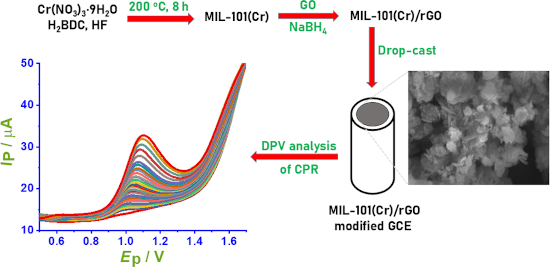
- confirmed through its application in analyzing real samples, highlighting its potential for pharmaceutical and environmental monitoring. Experimental Materials Ciprofloxacin (CPR) was obtained from a commercial supplier and used without additional purification. Chromium(III) nitrate nonahydrate (Cr(NO3)3


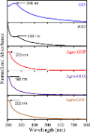
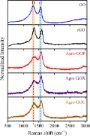
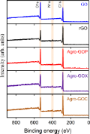
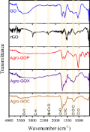
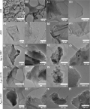
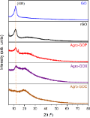
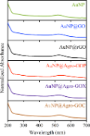
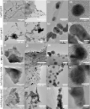
Upcycling agroindustrial waste into graphene oxide supports for gold nanoparticles: toward sustainable nanomaterials
Beilstein J. Nanotechnol. 2026, 17, 489–504, doi:10.3762/bjnano.17.32
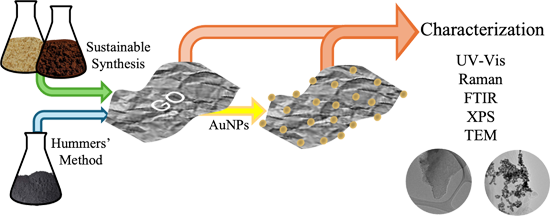
- ; hybrid nanocomposites; plasmonic nanomaterials; surface functionalization; Introduction Graphene oxide (GO), due to its unique physicochemical properties, is widely explored regarding a range of applications, including sensors, water purification, and energy storage and conversion [1][2][3][4][5]. GO is
- technologies. Materials and Methods Materials For the synthesis of GO and rGO, all solvents and chemicals were purchased from Sigma-Aldrich and used without further purification. Graphite was purchased from Bay Carbon, Inc. Biomass collection and pre-treatment Peanut shells were obtained from peanuts collected



Defects and defect-mediated engineering of two-dimensional materials: challenges and open questions
Beilstein J. Nanotechnol. 2026, 17, 454–488, doi:10.3762/bjnano.17.31
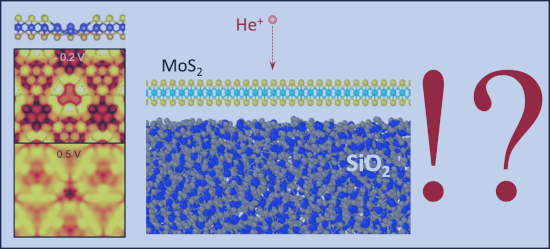
- applications like water desalination or gas purification. The last example illuminates how a more complex 1D defect in a 2D material can be created with good spacial precision and scalability, making the defect suitable for application. When two 2D crystals mirrored along a line are joined, the twin crystal





Biomimetic nanoparticles in cancer photodynamic therapy: a review of targeted delivery systems and therapeutic outcomes
Beilstein J. Nanotechnol. 2026, 17, 396–422, doi:10.3762/bjnano.17.27
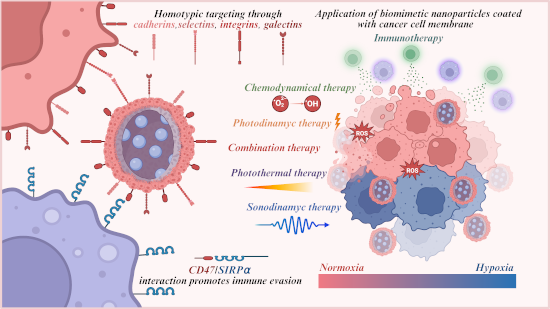
- uniformity and reproducibility [59]. Tailoring and combining these approaches enables the design of BNPs with desired functionalities, though challenges remain in standardizing protocols and scaling up production. Other significant limitations include nonuniform coating, difficulties in purification, and
- maintaining sterility, especially for BNPs derived from bacterial membranes [60]. Heterogeneous coverage can affect nanoparticle stability and drug delivery efficiency, while purification processes must effectively separate fully coated particles from impurities. For bacterial membrane-based BNPs, thorough
- purification steps add complexity to manufacturing [70]. Genetic modification of source cells offers another avenue for BNP functionalization. By engineering cells to express specific targeting proteins or receptors before membrane extraction, it is possible to produce BNPs with highly selective targeting


Comparative study on 3D morphologies of delignified, single tracheids and fibers of five wood species
Beilstein J. Nanotechnol. 2026, 17, 239–250, doi:10.3762/bjnano.17.16
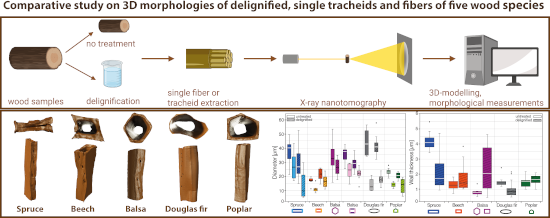
- developing more environmentally friendly and efficient delignification methods [17], as well as exploring novel applications for delignified wood in fields such as energy storage, water purification, and sustainable packaging materials [11][18][19]. Given the high versatility of wood across a wide range of


Gold nanoparticle-decorated reduced graphene oxide as a highly effective catalyst for the selective α,β-dehydrogenation of N-alkyl-4-piperidones
Beilstein J. Nanotechnol. 2026, 17, 218–238, doi:10.3762/bjnano.17.15
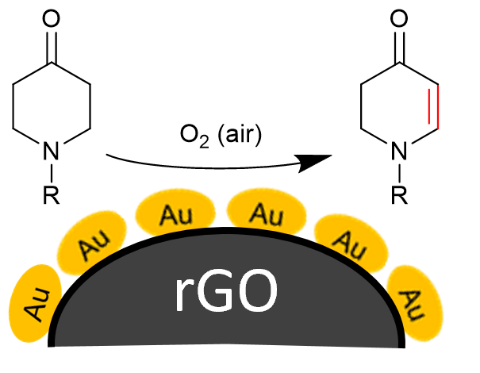
- this study were of analytical grade and were used as received without further purification: acetone (≥99%, Sigma-Aldrich), potassium tetrachloridoaurate(III) (≥99%, BLD PHARMATECH GmbH), sodium citrate dihydrate (≥99%, VWR Chemicals), sodium borohydride (≥96.0%, Merck KGaA), N-methyl-or 1-methyl-4


Safe and sustainable by design with ML/AI: A transformative approach to advancing nanotechnology
Beilstein J. Nanotechnol. 2026, 17, 176–185, doi:10.3762/bjnano.17.11
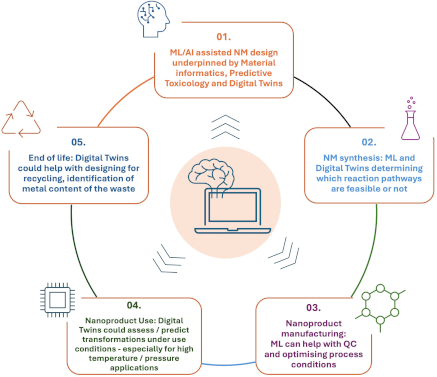
- , engineered nanomaterials (ENMs) have been employed for environmental applications, such as water purification and pollutant removal, addressing some of the most pressing ecological challenges [4][5]. Nanotechnology has significant applications in defence [6], particularly in the development of lightweight


Ultrathin water layers on mannosylated gold nanoparticles
Beilstein J. Nanotechnol. 2025, 16, 2183–2198, doi:10.3762/bjnano.16.151
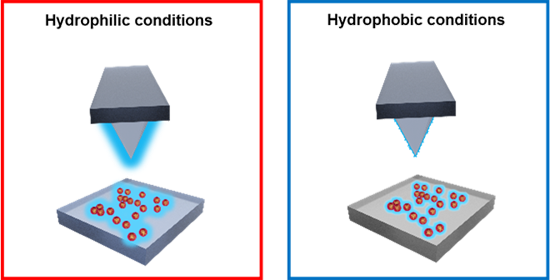
- PEG thiol with carboxylic acid termination was used. To obtain the dimanno-AuNPs, 50 mol % of the same carboxylic acid ligand was mixed with 50 mol % of a dimannoside (Manα1-2Man) thiourea PEG thiol. After purification and lyophilization, the nanoparticles were obtained as brown powders. Dynamic light



Microplastic pollution in Himalayan lakes: assessment, risks, and sustainable remediation strategies
Beilstein J. Nanotechnol. 2025, 16, 2144–2167, doi:10.3762/bjnano.16.148
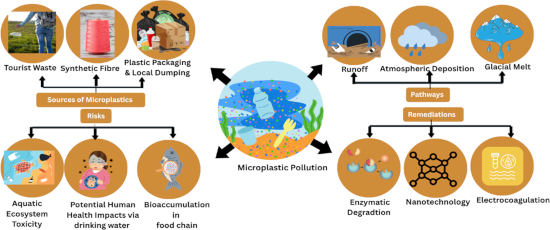
- , enhanced purification techniques, and international cooperation will help governments to reduce MP contamination by a considerable extent, creating a safer environment for future generations. 9 Research gaps and future directions Even with increasing recognition of MP pollution, there are still major


Toward clinical translation of carbon nanomaterials in anticancer drug delivery: the need for standardisation
Beilstein J. Nanotechnol. 2025, 16, 2092–2104, doi:10.3762/bjnano.16.144

- class, substantial variability in structure and surface chemistry can arise depending on the synthesis and purification methods employed, resulting in divergent biological outcomes. For example, carbon dots (CDs) smaller than 6 nm are typically cleared rapidly via the renal route, whereas larger CDs
- , as they can be difficult to remove during purification and processing. Ongoing efforts are focused on developing methods to detect and quantify CCFs in CNM products and to better understand their potential toxicity. The biocompatibility of CNMs engineered as DDSs requires thorough, layered evaluation



Laser ablation in liquids for shape-tailored synthesis of nanomaterials: status and challenges
Beilstein J. Nanotechnol. 2025, 16, 1963–1997, doi:10.3762/bjnano.16.137
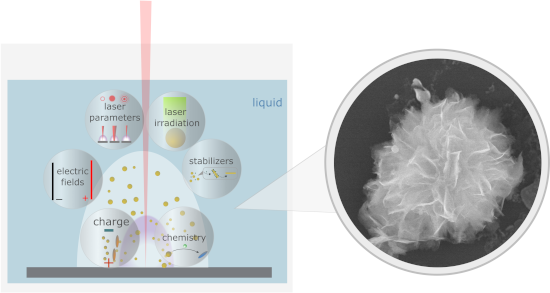
- sustainability of the approach due to the introduction of purification steps. In PLAL, the conditions created during laser ablation synthesis are favouring the formation and growth of near-spherical NPs. To date, much less research is performed regarding shape-controlled formation of anisotropic materials. For




Self-assembly and adhesive properties of Pollicipes pollicipes barnacle cement protein cp19k: influence of pH and ionic strength
Beilstein J. Nanotechnol. 2025, 16, 1863–1872, doi:10.3762/bjnano.16.129
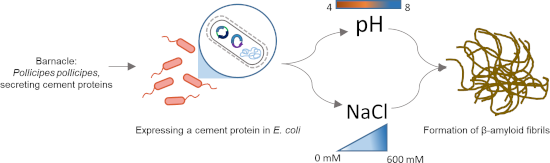
- modifications in recombinant protein expression systems [9]. Cell-Tak™ is a commercial mixture of mussel foot proteins Mfp-1 and Mfp-2 from Mytilus edulis [10] but purification of Mfp-based adhesives necessitates harvesting and chemical processing of large quantities of mussels, raising ecological and
- different conditions, will be further investigated through a detailed macro- and nanoscale study designed to understand the relationship between structural transitions and function of the protein in vivo. Experimental Recombinant protein expression and purification rPpolcp19k-his protein was expressed in E
- . coli BL21 (DE3) cells as previously described [21] and purified by two step purification, that is, immobilised metal affinity chromatography (IMAC) followed by ion exchange chromatography (IEC). For IMAC, the Co-IDA resin column was washed with 25 mM Tris-HCl buffer (pH 8.0) containing 150 mM NaCl and


Current status of using adsorbent nanomaterials for removing microplastics from water supply systems: a mini review
Beilstein J. Nanotechnol. 2025, 16, 1837–1850, doi:10.3762/bjnano.16.127
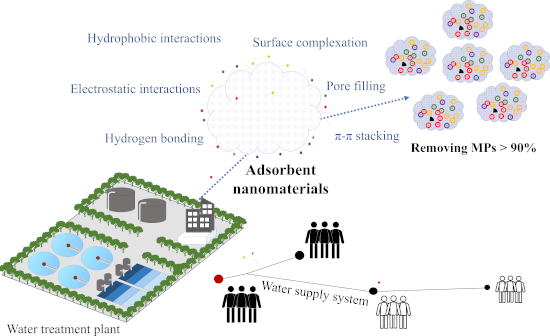
- these materials into existing water treatment systems. Similarly, the reviews by Yu et al. and Das et al. highlighted the purification potential of different nanomaterials but lack a detailed discussion on the risks and limitations of these materials, particularly in the context of water supply systems


Phytol-loaded soybean oil nanoemulsion as a promising alternative against Leishmania amazonensis
Beilstein J. Nanotechnol. 2025, 16, 1826–1836, doi:10.3762/bjnano.16.126

- , Brazil); soybean oil (Sigma-Aldrich, Brazil); Tween® 80 (Sigma-Aldrich, Brazil); purified water (obtained from a reverse osmosis purification equipment, model OS50 LX, Gehaka, Brazil) were used for nanoemulsion preparation. Mammalian cells were cultured in DMEM, High Glucose (Life Technologies, Cat





