Search results
Search for "pyrolysis" in Full Text gives 117 result(s) in Beilstein Journal of Nanotechnology.
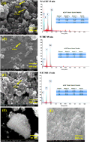
Ultrasonic irradiation in the synthesis of nanohydroxyapatite: a chemically friendly technique for improving hemocompatibility and antibiofilm applications
Beilstein J. Nanotechnol. 2026, 17, 991–1015, doi:10.3762/bjnano.17.68
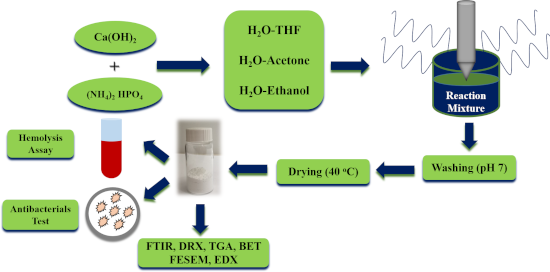
- conditions, sonochemical energy facilitates the pyrolysis and oxidation of ethanol molecules at the cavitation bubble interface; this provides an alternative source of inorganic carbon for the formation of carbonate groups, even under an inert atmosphere [60]. These extraordinary conditions provide the
- energy is available to induce ethanol pyrolysis, whose fragments interact with the hydroxyl radicals (OH•) generated by water sonolysis to favor the synthesis of carbonate groups. This mechanism, although complex, is supported by the efficacy of sonochemical processes in converting organic solvents into




Cellulose as a photocatalyst support material: extraction, structural features, and environmental applications
Beilstein J. Nanotechnol. 2026, 17, 635–652, doi:10.3762/bjnano.17.44
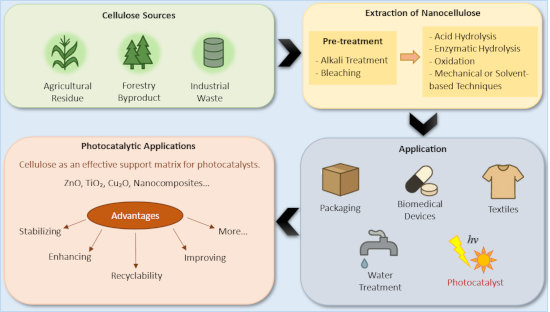
- the need for additional additives, and their high carbon content and small size make them particularly suitable for producing porous carbon-based electrodes through high-temperature pyrolysis. Beyond enhancing conductivity, the use of CNCs as template materials provides multiple advantages, since they


Two-step laser synthesis of Ag@TiO2 nanomaterials for the photocatalytic degradation of rhodamine B
Beilstein J. Nanotechnol. 2026, 17, 622–634, doi:10.3762/bjnano.17.43
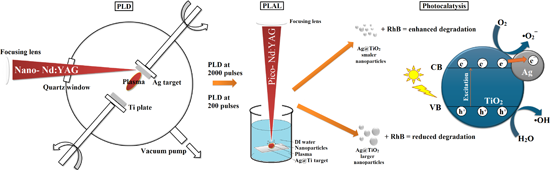
- visible light, such as water treatment and degradation of organic contaminants [10][11][12]. Among various synthesis techniques, laser-based methods, such as pulsed laser ablation in liquids (PLAL) and laser pyrolysis, stand out as clean, efficient, and surfactant-free routes for fabricating Ag@TiO2


Upcycling agroindustrial waste into graphene oxide supports for gold nanoparticles: toward sustainable nanomaterials
Beilstein J. Nanotechnol. 2026, 17, 489–504, doi:10.3762/bjnano.17.32
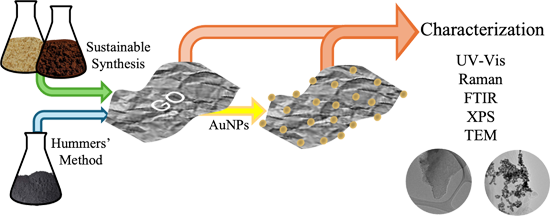
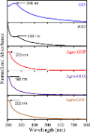
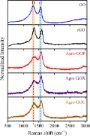
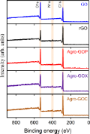
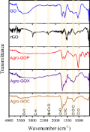
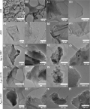
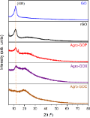
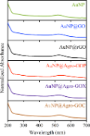
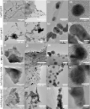
- synthesized from peanut shells and spent coffee grounds via a ferrocene-assisted green pyrolysis–oxidation approach. The resulting materials were compared with GO prepared via the Marcano-modified Hummers' method and its hydrazine-reduced counterpart (rGO). Comprehensive characterization was performed using
- scaled up for industrial applications. In this context, there is an urgent need to develop sustainable methods for producing GO-based materials. Alternative approaches such as electrochemical exfoliation, green oxidation processes, hydrothermal treatment, and pyrolysis have emerged as more eco-friendly
- functional materials. Regarding the pyrolysis of biowaste to obtain GO, most reported approaches rely on high-temperature carbonization, typically at 600–1000 °C for several hours, followed by chemical oxidation [18][19][20]. For example, Silviana et al. converted coco peat into GO through a two-stage



Beam shaping techniques for pulsed laser ablation in liquids: Unlocking tunable control of nanoparticle synthesis in liquids
Beilstein J. Nanotechnol. 2026, 17, 309–342, doi:10.3762/bjnano.17.22
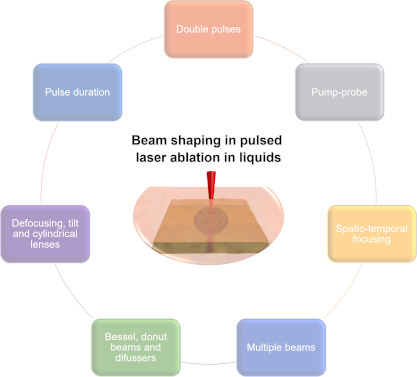
- indeed eco-friendly and offer advantages like low toxicity and reduced environmental impact; however, they generally offer less control over NP properties. Moreover, other physical methods such as milling, pyrolysis, sputtering, and arc discharge, or gas-phase processes such as flame spray pyrolysis or







Functional surface engineering for cultural heritage protection: the role of superhydrophobic and superoleophobic coatings – a comprehensive review
Beilstein J. Nanotechnol. 2026, 17, 63–96, doi:10.3762/bjnano.17.6
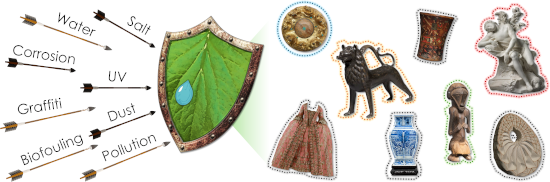
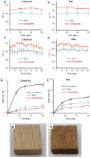
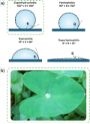
- functional properties. Zouari et al. [78] explored two different coating materials (linseed oil and waterborne acrylic), used together with biocarbon (BC; produced by the pyrolysis of Arundo donax plant) doped with manganese oxide (BC–MnO2, used for formaldehyde removal), tested on beech (Fagus sylvatica L




Optical bio/chemical sensors for vitamin B12 analysis in food and pharmaceuticals: state of the art, challenges, and future outlooks
Beilstein J. Nanotechnol. 2025, 16, 2207–2244, doi:10.3762/bjnano.16.153


Microplastic pollution in Himalayan lakes: assessment, risks, and sustainable remediation strategies
Beilstein J. Nanotechnol. 2025, 16, 2144–2167, doi:10.3762/bjnano.16.148
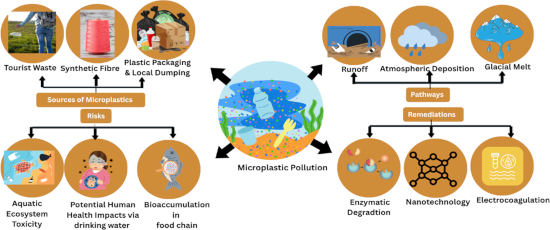
- . First, detection and monitoring systems have to be boosted in order to build a baseline of MP pollution control. Standard protocols created by international organizations can monitor MPs in a variety of environmental matrices. Analysis methods such as Raman spectroscopy, FTIR, and pyrolysis-GC/MS have


Current status of using adsorbent nanomaterials for removing microplastics from water supply systems: a mini review
Beilstein J. Nanotechnol. 2025, 16, 1837–1850, doi:10.3762/bjnano.16.127
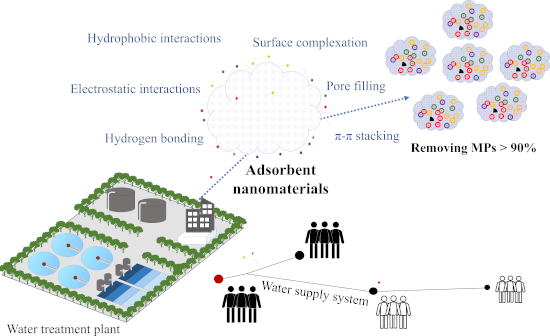
- general and MPs in particular. By using corncob biochar, Abdoul Magid et al. showed an adsorption of polystyrene nanoplastics (PSNPs) of about 19 mg·g−1. The main mechanisms of PSNP adsorption include increased surface area from pyrolysis and oxidation, hydrophobic interactions (fresh biochar), hydrogen


Nanotechnology-based approaches for the removal of microplastics from wastewater: a comprehensive review
Beilstein J. Nanotechnol. 2025, 16, 1607–1632, doi:10.3762/bjnano.16.114
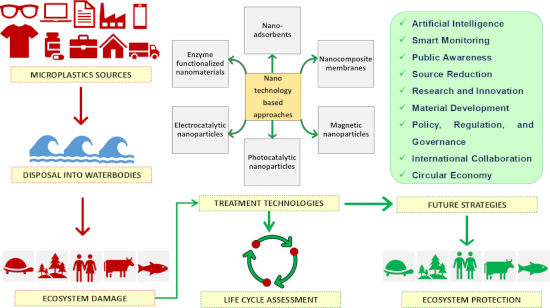
- calorimetry, pyrolysis gas chromatography mass spectrometry, and thermal extraction desorption gas chromatography are useful in identifying the chemical composition of MPs but are destructive analytical techniques [132][133]. Spectroscopic analysis like Raman spectroscopy often suffers from a poor signal-to


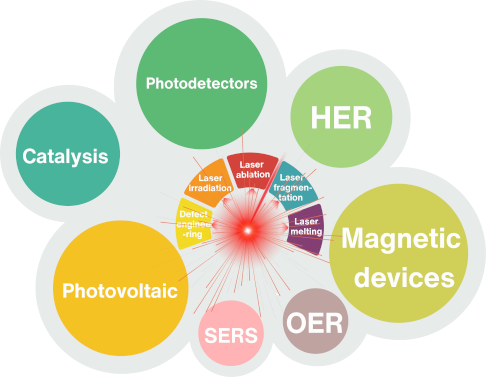
Laser processing in liquids: insights into nanocolloid generation and thin film integration for energy, photonic, and sensing applications
Beilstein J. Nanotechnol. 2025, 16, 1428–1498, doi:10.3762/bjnano.16.104






The role of biochar in combating microplastic pollution: a bibliometric analysis in environmental contexts
Beilstein J. Nanotechnol. 2025, 16, 1401–1416, doi:10.3762/bjnano.16.102
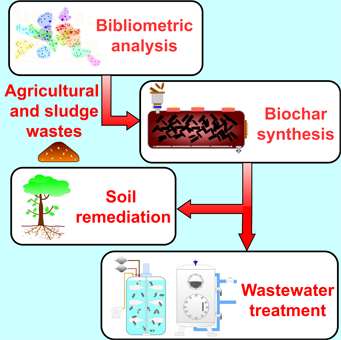
- ) pathways of plastic decomposition. Trends and hotspot analysis: Using an AI-based bibliometric tool, a total of 99 publications were analyzed, resulting in the identification of 154 items grouped into nine primary keywords, that is, remediation, seed germination, co-pyrolysis, plastic mulch, community
- straw and softwood pellets at 700 °C exhibited a carbon distribution and surface area 3.45–6.15 times greater than that obtained at 550 °C [36]. Similarly, biochar derived from straw feedstock showed an increase in specific surface area (SSA) from 37.2 to 302.8 m2·g−1 when the pyrolysis temperature
- exhibited increases in SSA from 10.25 to 205.46 m2·g−1 and pore volume from 0.02 to 0.3 cm3·g−1 [39]. Studies on bamboo-derived biochar indicated that SSA and pore volume generally increased with pyrolysis temperature, although the pore volume decreases above 700 °C, suggesting 700 °C as an optimal



Parylene-coated platinum nanowire electrodes for biomolecular sensing applications
Beilstein J. Nanotechnol. 2025, 16, 1392–1400, doi:10.3762/bjnano.16.101
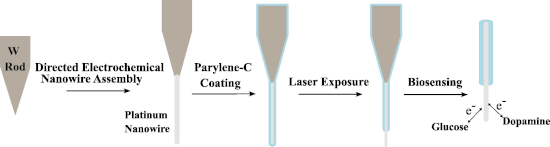
- Figure 6, two BriskHeat heating tapes were used for the sublimation part (170 °C) and the valve (295 °C). A Thermcraft tube furnace was used for the pyrolysis part (690 °C), and the polymerization (deposition) chamber was an Edwards FL20K foreline trap. A BVV cold trap was used to catch uncoated parylene
- furnace reached 690 °C (which took approximately 10 min), the sublimation heating tape was turned on. It typically took around 5 min for the sublimation to stabilize. The pressure was monitored to estimate the thickness, and the pyrolysis time was adjusted based on the pressure and the desired coating


Crystalline and amorphous structure selectivity of ignoble high-entropy alloy nanoparticles during laser ablation in organic liquids is set by pulse duration
Beilstein J. Nanotechnol. 2025, 16, 1141–1159, doi:10.3762/bjnano.16.84
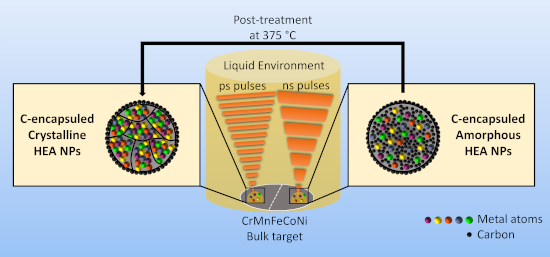
- pyrolysis [24], and solvothermal methods [25] as addressed in several review articles [26][27][28][29]. In brief, the usual structures obtained when synthesizing HEA NPs are mostly fcc and bcc. Applying CTS, Yao et al. reported quinary, senary, septenary, and even octonary HEA NPs, all forming an fcc




Ar+ implantation-induced tailoring of RF-sputtered ZnO films: structural, morphological, and optical properties
Beilstein J. Nanotechnol. 2025, 16, 872–886, doi:10.3762/bjnano.16.66
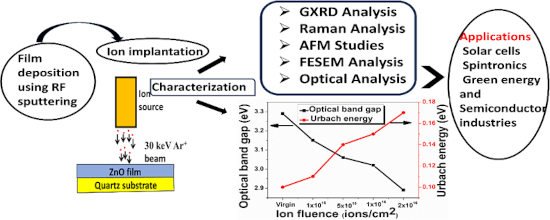
- displays [5], solar cells [6], and light-emitting diodes [7]. There are numerous methods for synthesizing ZnO films, including pulsed laser deposition, spray pyrolysis, radio frequency (RF) sputtering, and sol–gel techniques. Here RF sputtering is preferred over other methods because it provides high






Synthesis and magnetic transitions of rare-earth-free Fe–Mn–Ni–Si-based compositionally complex alloys at bulk and nanoscale
Beilstein J. Nanotechnol. 2025, 16, 823–836, doi:10.3762/bjnano.16.62
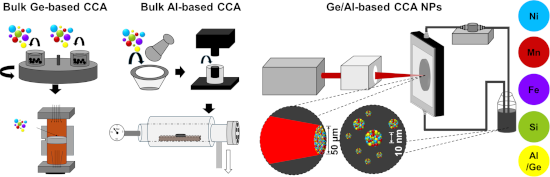
- successful in producing CCA NPs, they come with certain drawbacks. For instance, carbothermal synthesis requires an electrically conductive substrate, making it unsuitable for large-scale production [37]. Pyrolysis requires purification steps to eliminate polymer impurities and also result in phase


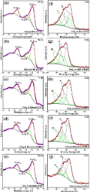
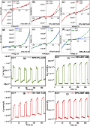
Morphology and properties of pyrite nanoparticles obtained by pulsed laser ablation in liquid and thin films for photodetection
Beilstein J. Nanotechnol. 2025, 16, 785–805, doi:10.3762/bjnano.16.60
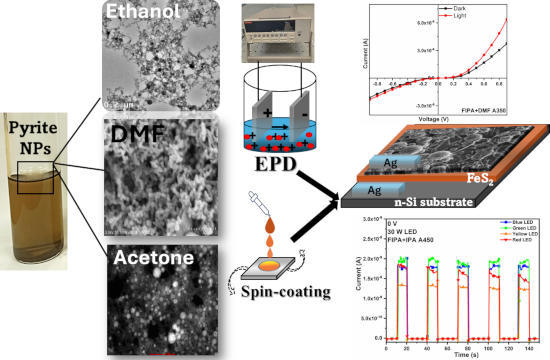
- performance by first fabricating amorphous iron oxide films on normal glass substrates by spray pyrolysis followed by heating in sulfur atmosphere at 350 and 400 °C [20]. For pyrite film fabrication, solvothermal or hydrothermal and chemical synthetic routes are generally adopted [21][22][23]. Henríquez et al






Preferential enrichment and extraction of laser-synthesized nanoparticles in organic phases
Beilstein J. Nanotechnol. 2025, 16, 254–263, doi:10.3762/bjnano.16.20
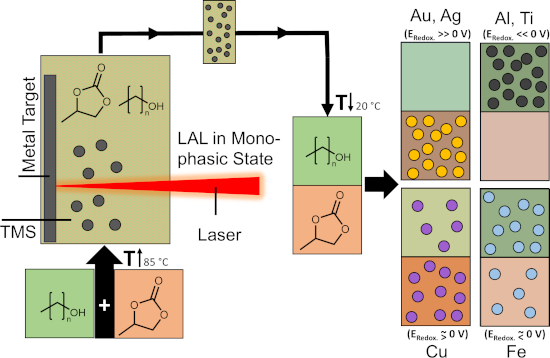
- liquid hydrocarbons such as pyrolysis products [15][16][17][18], polyynes [19][20][21], and dimers [13][22][23]. Furthermore, depending on the solvent and ablated material pairing, carbon may be “harvested” from the solvent forming crystalline carbides [24][25][26][27], amorphous carbon dopant [28][29




Green synthesis of silver nanoparticles derived from algae and their larvicidal properties to control Aedes aegypti
Beilstein J. Nanotechnol. 2024, 15, 1566–1575, doi:10.3762/bjnano.15.123
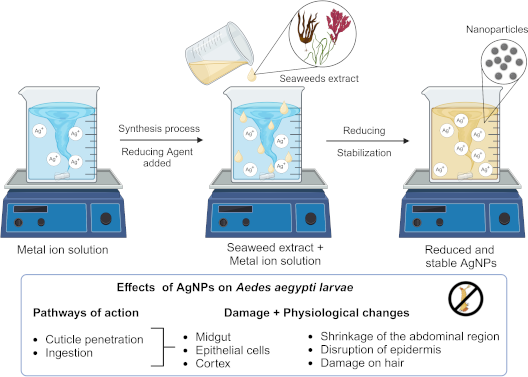
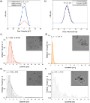
- processes that involve reducing the size of bulk silver materials to the atomic size of the AgNPs [25]. Bottom-up AgNPs are synthesized via precursor salt reactions that lead to the formation of AgNPs [26] including condensation, precipitation, and pyrolysis [27]. AgNPs can be synthesized using physical


Effect of repeating hydrothermal growth processes and rapid thermal annealing on CuO thin film properties
Beilstein J. Nanotechnol. 2024, 15, 743–754, doi:10.3762/bjnano.15.62
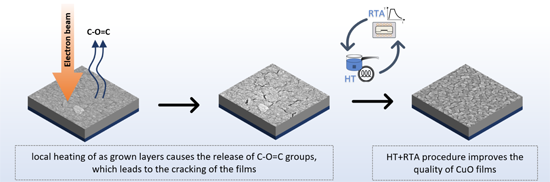
- thin films can also be grown from liquid phases, employing techniques such as chemical bath deposition [31][32][33], successive ionic layer adsorption and reaction (SILAR) [34][35][36], sol–gel processes (using dip and spin coating) [37][38][39], as well as spray pyrolysis [40][41][42]. This work




Laser synthesis of nanoparticles in organic solvents – products, reactions, and perspectives
Beilstein J. Nanotechnol. 2024, 15, 638–663, doi:10.3762/bjnano.15.54
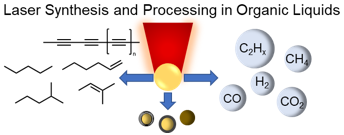
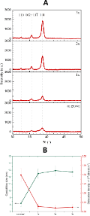
- mechanisms of organic liquid decomposition and carbon shell formation are highlighted and discussed regarding current challenges and future perspectives of LSPC using organic liquids instead of water. Keywords: alloy; photochemistry; pyrolysis; radicals; surface chemistry; Introduction Since the first
- , metallic glasses, or intermetallics can be synthesized. The origin of the formed carbon can be traced back to chemical reactions during the LSPC, which have been reported to be pyrolysis, di-/trimerization, and polymerization. The by-products of these reactions can be either liquid hydrocarbons, for
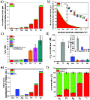
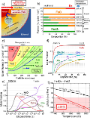
- -heptane (Figure 5). While the overall gas formation was ruled by the solvent’s molar enthalpy of vaporization, the correlation of hydrogen formation with the physical properties of the solvents was not possible. Instead, the hydrogen formation depends on the liquid’s pyrolysis behavior. As such, 1-hexene





Properties of tin oxide films grown by atomic layer deposition from tin tetraiodide and ozone
Beilstein J. Nanotechnol. 2023, 14, 1085–1092, doi:10.3762/bjnano.14.89
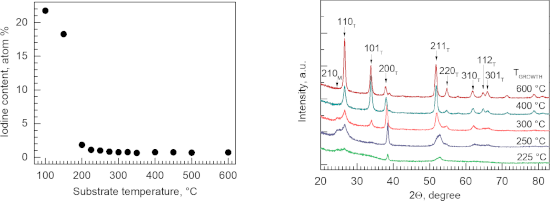
- precursor and ozone as the oxygen source [24]. The refractive index values obtained in the present study exceed those measured from SnO2 films deposited using spray pyrolysis [25] but remain inferior to those of post-growth-annealed SnO films grown via successive ionic layer adsorption and reaction [26


Ni, Co, Zn, and Cu metal-organic framework-based nanomaterials for electrochemical reduction of CO2: A review
Beilstein J. Nanotechnol. 2023, 14, 904–911, doi:10.3762/bjnano.14.74
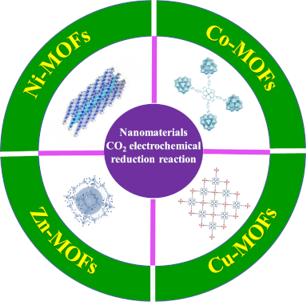
- within MOFs, thereby enhancing the CO2RR process. Besides, MOFs could be used as ideal precursors for the controlled dispersion of metal nanoparticles within organic frameworks, either through operational conditions or via the pyrolysis technique, thereby promoting efficient CO2 reduction [35][36]. The


Control of morphology and crystallinity of CNTs in flame synthesis with one-dimensional reaction zone
Beilstein J. Nanotechnol. 2023, 14, 741–750, doi:10.3762/bjnano.14.61
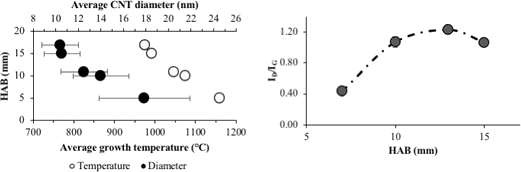
- CNT yield was observed at a high mass flux of hydrogen/air at a fixed equivalence ratio, resulting in higher temperature and an increase in IG/ID ratio of up to ten times. A similar approach in spray pyrolysis CVD by Casanova et al. [11], utilizing ferrocene catalyst with cyclohexanol as a carbon


Titania nanoparticles for photocatalytic degradation of ethanol under simulated solar light
Beilstein J. Nanotechnol. 2023, 14, 616–630, doi:10.3762/bjnano.14.51
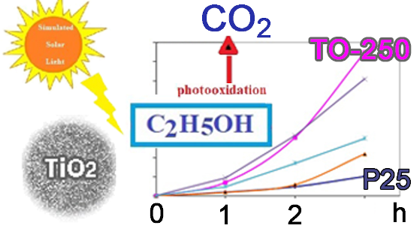
- pyrolysis from TiCl4 vapor in air in the presence of ethylene as sensitizer at different working pressures (250–850 mbar) with and without further calcination at 450 °C. The obtained powders were analyzed by energy-dispersive X-ray spectroscopy, X-ray photoelectron spectroscopy, X-ray diffractometry, and
- gas production has been detected for the samples from series “b”, whereas the CO2 evolution was observed for all samples from series “a”. Keywords: ethanol; H2 production; laser pyrolysis; photocatalyst; TiO2 nanoparticles; Introduction Semiconductor materials are widely used, from electronic
- productivity, which are in some cases extremely low compared to a continuous flow method such as laser pyrolysis which, in the case of the studied powders, allows for a productivity of 1 g/h with the possibility of upscaling to an industrial level by increasing the reaction area. Another point is to find the