Search results
Search for "sensing" in Full Text gives 519 result(s) in Beilstein Journal of Nanotechnology. Showing first 200.
Nanoglasses: a trail towards uncharted regions of vitreous materials and their properties?
Beilstein J. Nanotechnol. 2026, 17, 1047–1062, doi:10.3762/bjnano.17.72

- limitation since these materials are important for fundamental research or for applications where no bulk material is required (see below). With this new opportunity for synthesizing nanoglasses with tailored structures and tuneable properties, applications in areas such as sensing, catalysis, energy


Influence of an external electric field on the catalytic CO oxidation of nanoscaled CeO2 and its La3+ and Gd3+ congeners
Beilstein J. Nanotechnol. 2026, 17, 1028–1038, doi:10.3762/bjnano.17.70
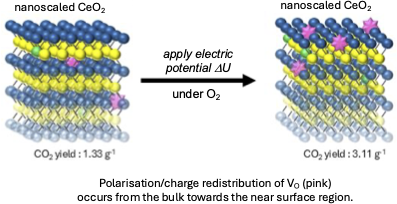
- the efficiency of CO oxidation [1]. The potential applicability of CeO2 in this reaction as well as in photocatalysis, gas sensing, solar cells, electrocatalysis, and as ultraviolet absorbent has been investigated extensively [2]. CeO2 crystallizes in the fluorite crystal structure in which each Ce4


Materials challenges in solid-state sensors for continuous monitoring of ions in water
Beilstein J. Nanotechnol. 2026, 17, 935–973, doi:10.3762/bjnano.17.66
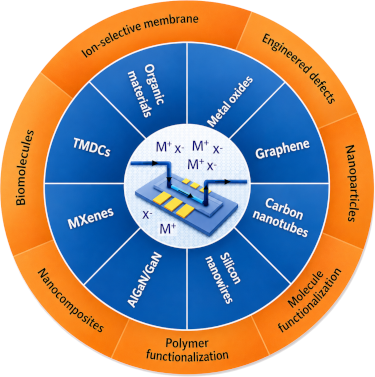
- -selective membranes further expand the design space, enabling customized performance for specific applications. This review systematically examines the materials employed in solid-state ion sensors, their transduction mechanisms, and analyte interactions with sensing media, while critically evaluating
- active and sensing materials for designing electrochemical and electrical devices capable of reliable, real-time ion monitoring in water. Keywords: aqueous ion sensors; biosensors; chemical sensors; nanomaterials; water quality monitoring; Introduction Access to clean water is critical for public
- water systems from passive sampling regimes to active management systems [1]. Electronic ion-sensing platforms including electrochemical (ion-selective electrodes (ISEs) [6][7], amperometric and voltammetric sensors) and electrical (field-effect transistors (FETs) [8][9][10] and chemiresistors [11]) are



Supramolecular one-dimensional conducting nanofibers from a C3-symmetric tetrathiafulvalene derivative
Beilstein J. Nanotechnol. 2026, 17, 872–881, doi:10.3762/bjnano.17.63
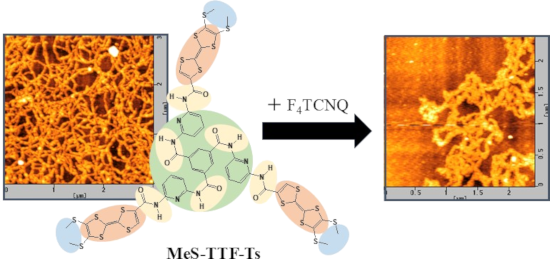
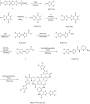
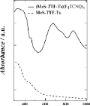
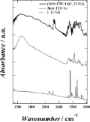
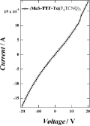
- considerable attention in the fields of materials science and nanotechnology because of their diverse functionalities, including luminescence, sensing, charge transport, and drug delivery [3][4][5][6]. Supramolecular gels are formed through bottom-up self-assembly driven by weak intermolecular interactions


He+ FIBID-fabricated 3D AFM tip architectures: an exploratory study of hollow pillars, helices, and spirals
Beilstein J. Nanotechnol. 2026, 17, 863–871, doi:10.3762/bjnano.17.62
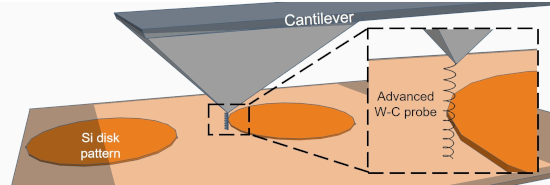
- diverse applications, including micro- and nanoelectromechanical systems (MEMS/NEMS) [16], nanothermistors for thermal sensing [25], and electrical characterisation studies [15][17]. To mitigate carbon contamination in FEBID-grown structures, various post-deposition purification strategies have been


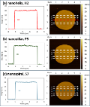
Cross-scale design of chemosensor arrays: from molecular self-assembly in water to paper-based devices for metal ion detection
Beilstein J. Nanotechnol. 2026, 17, 828–838, doi:10.3762/bjnano.17.59
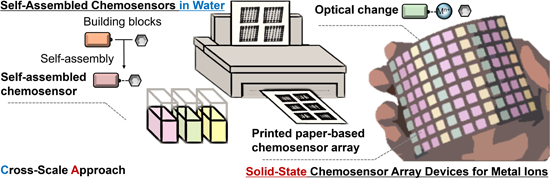
- optical signals. In particular, coordination with metal ions enables cross-reactive sensing, allowing for simultaneous detection of multiple analytes based on pattern recognition. This perspective summarizes advances in self-assembled chemosensor systems for metal ion detection and further developments to
- chemosensors are tuned during association and dissociation upon analyte detection [18][19]. The performance of chemosensors has been widely evaluated in the solution state using conventional spectroscopic instruments [12][13][14][15][16], whereas the practical implementation of sensing systems remains
- . However, the conceptual connection between molecular-scale recognition events and device-level sensing architectures remains insufficiently explored. In this perspective, we propose a cross-scale design that bridges ion and molecular recognition chemistry with solid-state sensing devices incorporating


Sustainable fabrication of 2D-based devices through reuse of substrates with microfabricated electrodes
Beilstein J. Nanotechnol. 2026, 17, 818–827, doi:10.3762/bjnano.17.58
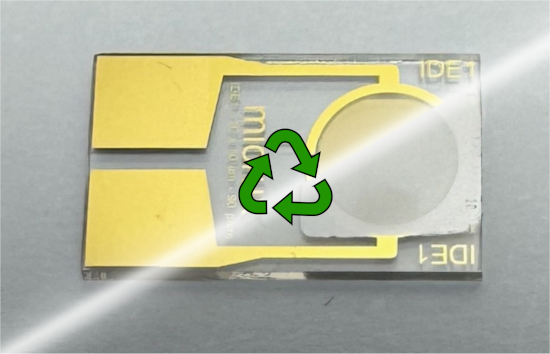
- have mainly focused on epitaxial growth or electrochemical sensing applications. In contrast, this work addresses the reuse of substrates for 2D material-based electronic devices. The cleaning process consists of an ultrasonic bath in N-methyl-2-pyrrolidone (NMP) [23][24] at 50 °C, followed by acetone


Superconducting artificial neural networks and quantum circuits
Beilstein J. Nanotechnol. 2026, 17, 744–747, doi:10.3762/bjnano.17.51
- broadband signal reception, including superconducting signal processing for wideband spectrum sensing [10], as well as the development of quantum computing architectures and basic qubit technologies [11]; (iii) on-board signal processing in satellite systems, where severe constraints on power consumption
Environmental applications of silver nanoparticles: state-of-the-art review and emerging trends
Beilstein J. Nanotechnol. 2026, 17, 697–736, doi:10.3762/bjnano.17.49
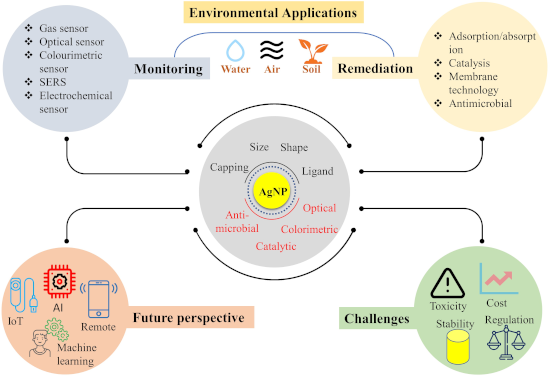
- applications for heavy metal immobilisation, organic pollutant degradation, plant disease management, and growth promotion are assessed alongside their ecotoxicological implications. Besides remediation, environmental monitoring capabilities of AgNP-based sensing platforms are systematically reviewed across
- five transduction modalities, including colourimetric/UV–vis LSPR, SERS, electrochemical, fluorometric, and gas sensing, covering a broad range of analytes considered as environmental pollutants. Key challenges, including nanoparticle aggregation, long-term colloidal instability, synthesis
- nanoparticle characterisation and safety assessment, specific maximum contaminant levels or environmental quality standards for engineered AgNPs are largely absent. Several reviews have addressed individual aspects of the environmental use of AgNPs, including antimicrobial applications, heavy-metal sensing


Protein-based custom-designed molecular nanotraps for biomedical applications
Beilstein J. Nanotechnol. 2026, 17, 683–687, doi:10.3762/bjnano.17.47
- recognition towards molecular targets of clinical relevance. Envisaged applications span from targeting relevant biomarkers for therapeutics, diagnostics, and in situ sensing to building high-complexity order meta-biomaterials. Keywords: bioMIPs; gelatin methacryloyl (GelMA); meta-biomaterials; molecularly
- imprinted polymers; natural polymers silk fibroin; SilMA; Introduction Molecular recognition is a cornerstone in biomedical nanotechnology; it is pivotal to applications ranging from drug delivery to sequestering and to sensing. Where traditional affinity systems, such as antibodies, fall short for
- as MIP NPs or nanoMIPs [4]. The state of the art in the synthesis of nanoMIPs largely relies on acrylamides, acrylates, and methacrylates as building blocks, forming de facto plastic antibodies [4]. Plastic nanoMIPs perfectly fit in assays and sensing devices for their robustness and long-term

Laser–material interactions in liquids for the synthesis of nanomaterials: current status and perspectives
Beilstein J. Nanotechnol. 2026, 17, 571–575, doi:10.3762/bjnano.17.38
- processing parameters has enabled a wide range of applications [53]. These include catalysis [54] (e.g., for oxygen [55] and hydrogen evolution reactions [56] in hydrogen production), sensing (e.g., surface-enhanced Raman spectroscopy [51] for detection of pollutants and optical sensing of glucose [57
Electrochemical determination of ciprofloxacin using a MIL-101/reduced graphene oxide-modified electrode
Beilstein J. Nanotechnol. 2026, 17, 541–554, doi:10.3762/bjnano.17.35
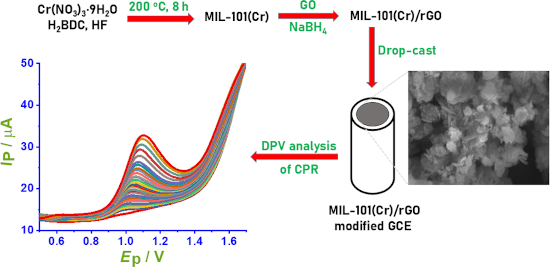
- , yielding acceptable recoveries. These results indicate that the MIL-101/rGO-modified electrode provides a promising and efficient platform for the electrochemical sensing of CPR in pharmaceutical and environmental analysis. Keywords: ciprofloxacin; electrochemical analysis; MIL-101; reduced graphene oxide
- potential for miniaturization and field use. The performance of electrochemical sensors heavily relies on the electrode’s surface properties. Recently, metal–organic frameworks (MOFs) have attracted significant interest in electrochemical sensing due to their highly ordered porous structures, very high
- direct use in electrochemical sensing. To address this limitation, hybridizing MOFs with conductive carbon materials has been extensively studied. Reduced graphene oxide (rGO) is especially appealing due to its high electrical conductivity [12], large specific surface area, mechanical stability [13], and


Fractional shot noise of an SU(N) Kondo system
Beilstein J. Nanotechnol. 2026, 17, 515–540, doi:10.3762/bjnano.17.34
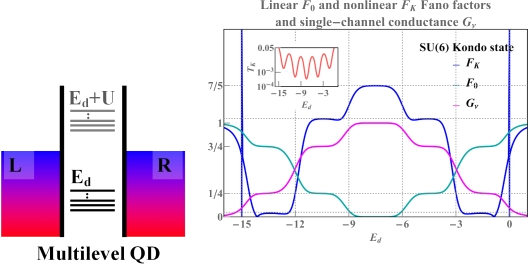
- both fundamental physics and potential quantum information applications, detection, and sensing [1][2][3][4]. To achieve these goals, the increasing ability to manipulate quantum states is crucial. As electrons are confined in fewer dimensions and as the size of the dot decreases, the charging energy


![[Graphic 127]](/bjnano/content/inline/2190-4286-17-34-i187.svg?max-width=637&scale=1.18182)

Upcycling agroindustrial waste into graphene oxide supports for gold nanoparticles: toward sustainable nanomaterials
Beilstein J. Nanotechnol. 2026, 17, 489–504, doi:10.3762/bjnano.17.32
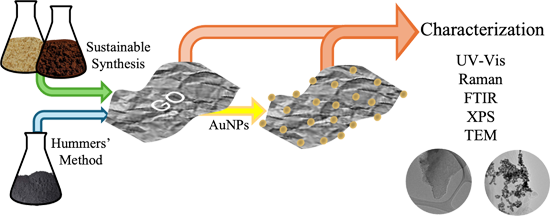
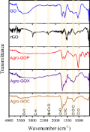
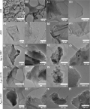
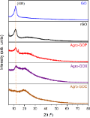
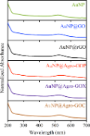
- , and high surface area, which significantly boost performance in catalysis, sensing, and energy-related applications [30][31][32][33]. Additionally, the deposition of AuNPs onto GO is a practical approach to its surface reactivity, directly linking chemical functionality to nucleation and growth
- as substrates for AuNP photodeposition to evaluate how their surface chemistry governs nanoparticle nucleation and dispersion. Agro-GO@AuNPs composites demonstrate a green, circular-economy approach with promising potential for applications in sensing, diagnostics, energy storage, and separation
- with a higher content of oxygen functionalities favor the formation of smaller, more uniformly distributed AuNPs, a feature particularly advantageous for applications in catalysis, sensing, and plasmonic enhancement [30]. In contrast, reduced or less functionalized GO supports lead to the growth of


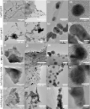

Defects and defect-mediated engineering of two-dimensional materials: challenges and open questions
Beilstein J. Nanotechnol. 2026, 17, 454–488, doi:10.3762/bjnano.17.31

- them to be deep acceptors. In addition, chalcogen vacancies in TMDs are readily passivated by oxygen in air [51][140]. Can magnetic moments of individual defects be measured? Solid-state spin defects have emerged as essential building blocks for quantum communication and sensing applications [141]. In

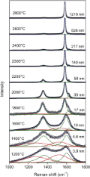


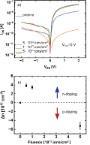


Biomimetic nanoparticles in cancer photodynamic therapy: a review of targeted delivery systems and therapeutic outcomes
Beilstein J. Nanotechnol. 2026, 17, 396–422, doi:10.3762/bjnano.17.27
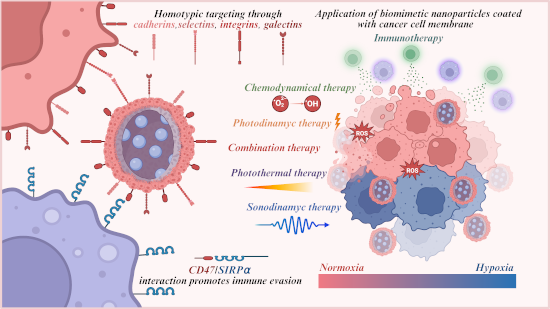
- applications in disease diagnosis and sensing technologies. Despite the promising potential of nanomedicine, significant progress has been limited. This can be attributed to the low targeted accumulation of the nanocarriers at the desired site of action. For instance, in cancer therapy, the accumulation of


Ferroelectric nanodot reservoir for neuromorphic computing
Beilstein J. Nanotechnol. 2026, 17, 352–364, doi:10.3762/bjnano.17.24
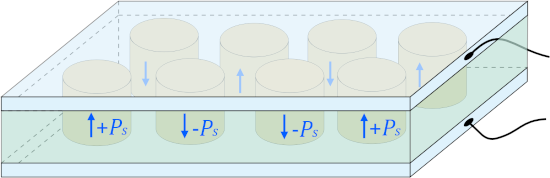
- -controlled charge input and nonlinear readout. (c) Spatially multiplexed data is injected via spot electrodes and read out through similar localized outputs. Contactless input and output methods for the ferroelectric reservoir. (a) Input and readout based on optoelectronic addressing and sensing. (b) Input


Beam shaping techniques for pulsed laser ablation in liquids: Unlocking tunable control of nanoparticle synthesis in liquids
Beilstein J. Nanotechnol. 2026, 17, 309–342, doi:10.3762/bjnano.17.22
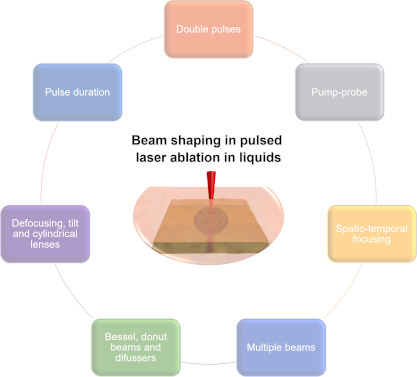
- categories, that is, catalysis [90], advanced materials [91], sensing and filtration [92], and bio-applications [93]. Figure 2 schematically illustrates this classification. However, several limitations remain that hinder the widespread industrial adoption of PLAL, including the overall yield and scalability
- elongated nanostructures observed under cylindrical focusing. The PLAL experiments with cylindrical lens were performed with a 2 ps laser and a cylindrical lens of 45 mm focal length, using pulse energies between sensing and filtration of 1.0 and 1.4 mJ at 800 nm wavelength [140]. It was observed that at





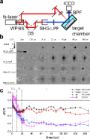


Multilayered hyperbolic Au/TiO2 nanostructures for enhancing the nonlinear response around the epsilon-near-zero point
Beilstein J. Nanotechnol. 2026, 17, 251–261, doi:10.3762/bjnano.17.17
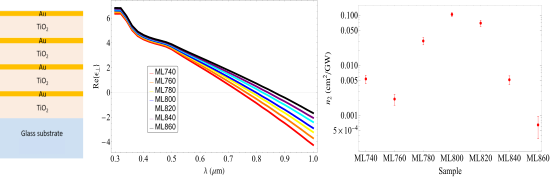
- [20]. Work has also expanded into complex geometries, such as hybrid metal–dielectric layered pyramids [10], AZO nanotrenches for molecular absorption sensing [4], and the first nanowire array exhibiting hyperbolic properties with negative refraction at 780 nm [21]. Previously, our group has studied


Structure-dependent thermochromism of PAZO thin films: theory and experiment
Beilstein J. Nanotechnol. 2026, 17, 186–199, doi:10.3762/bjnano.17.12
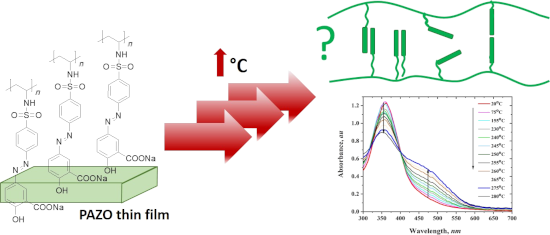
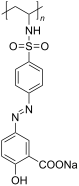
- ]-1,2-ethanediyl, sodium salt] (PAZO) exhibits a range of unique physical properties that are critical for its diverse applications in photonics, optoelectronics, memory devices, and sensing technologies. In this study, we investigate the thermochromic behavior of PAZO thin films, focusing on the


Internal 3D temperature mapping in biological systems using ratiometric light-sheet imaging and lipid-coated upconversion nanothermometers
Beilstein J. Nanotechnol. 2025, 16, 2306–2316, doi:10.3762/bjnano.16.159
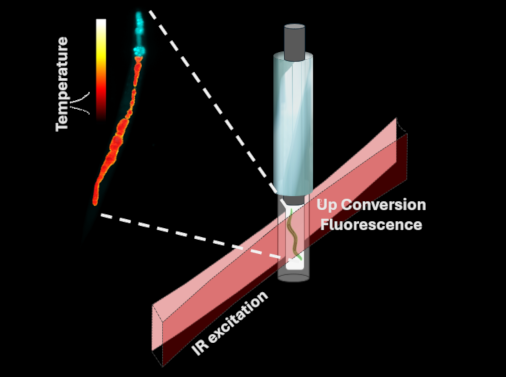
- degeneracy of the coupled energy levels, emission frequencies, and spontaneous radiation transition rates [43]. The FIR-based technique has been widely used for optical thermometry given its inherent advantages, including noise cancellation capabilities, real-time temperature sensing, and high sensitivity
- volumetric temperature sensing through fluorescence-lifetime or UC nanothermometry. However, these approaches remain limited by point-by-point scanning, shallow penetration depth, and narrow fields of view (typically below 100 µm), restricting their applicability to intact organisms. Beyond these
- complex nature of the dynamic UC process, particularly at higher temperatures, can influence the temperature-sensing properties of UCNPs [37][42]. However, even within the physiological temperature range (30–50 °C), other UC processes such as thermal quenching, shifts in the Boltzmann distribution, and


Chiral plasmonic nanostructures fabricated with circularly polarized light
Beilstein J. Nanotechnol. 2025, 16, 2245–2264, doi:10.3762/bjnano.16.154
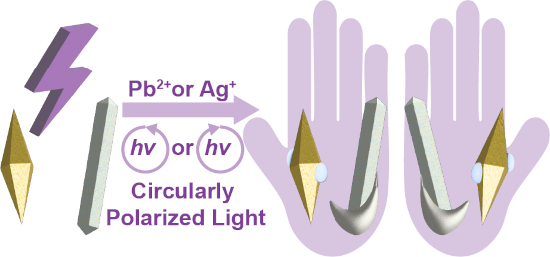
- with fabricating large arrays of cPNSs for chip-based chiral sensors. cPNSs are not only valuable for sensing chiral molecules but also show promise in promoting enantioselective chemical reactions. As this field of research is still emerging, there are many opportunities to explore. To date, the
- is the local electric energy density, and ω is the angular frequency. Equation 2 shows that superchiral fields can better distinguish different enantiomers, making them useful for enantioselective sensing and chemical reactions [120][121][122]. Near a cPNS, usually a dominant handedness C is obtained
- chemical conditions. Additionally, there is great potential for using CPL in nanofabrication technologies to produce cPNSs. For cPNSs, detecting their far-field optical activity helps guide material synthesis, and their near-field optical chirality is relevant for sensing chiral molecules. Another





Optical bio/chemical sensors for vitamin B12 analysis in food and pharmaceuticals: state of the art, challenges, and future outlooks
Beilstein J. Nanotechnol. 2025, 16, 2207–2244, doi:10.3762/bjnano.16.153
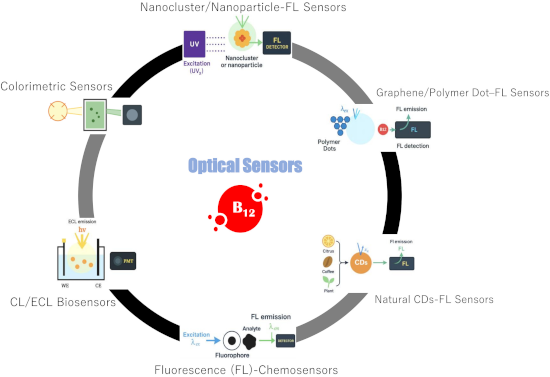
- + redox reactions [2][27]. Although Antherjanam et al. reviewed different electrochemical sensing strategies for VB12 [27], to the best of our knowledge, the utilization of optical sensing platforms for detecting VB12 has not been yet reviewed. Optical sensing involves generating an optical signal as the
- output, utilizing the optical properties of the signal such as fluorescence, absorbance, refractive index, and Raman scattering for quantification and evaluation. The most prevalent types of optical sensing include colorimetric, plasmonic, fluorescence, and spectrophotometric methods due to their ease of
- use, affordability, and enhanced performance [29][30]. The current study critically reviews the newest findings on the mechanisms and designing principles of different optical sensing systems for sensitive and selective detection of VB12 in various media and real-world samples. Present limitations and


Electromagnetic study of a split-ring resonator metamaterial with cold-electron bolometers
Beilstein J. Nanotechnol. 2025, 16, 2199–2206, doi:10.3762/bjnano.16.152
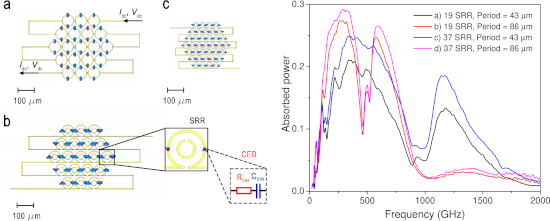
- the dynamic range and complicating the optimization of noise-equivalent power (NEP). There have been proposals to integrate multiple sensing elements directly into the structure of a log-periodic antenna [28][29][30]. While promising, such designs face significant challenges in implementation. The


Ultrathin water layers on mannosylated gold nanoparticles
Beilstein J. Nanotechnol. 2025, 16, 2183–2198, doi:10.3762/bjnano.16.151
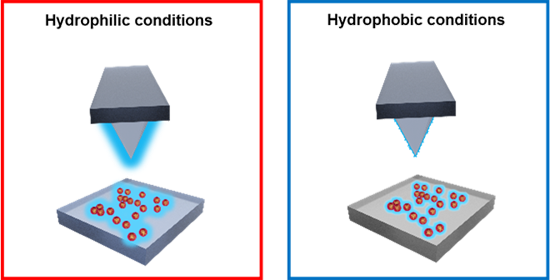
- sensing, imaging, or drug delivery systems. The success of these platforms stems from their dispersion in water, stability, and biocompatibility in fully hydrated states, as well as in biological fluids. Our investigation shows a novel approach to these particles by testing the hydration properties under
- dimannose groups. The increased water adsorption of dimanno-AuNPs, compared to the well-studied PEG AuNPs, makes them candidates for gas sensing applications. Sensors are usually kept dry and then become hydrated in standard environments. Whenever dry conditions are problematic, our study suggests testing