


Search results
Search for "structure" in Full Text gives 2228 result(s) in Beilstein Journal of Nanotechnology. Showing first 200.
Nanoglasses: a trail towards uncharted regions of vitreous materials and their properties?
Beilstein J. Nanotechnol. 2026, 17, 1047–1062, doi:10.3762/bjnano.17.72

- structure, thermodynamics, and stability of glass–glass interfaces and examine their implications for the design and properties of nanoglasses, highlighting that this approach represents a novel pathway for modifying amorphous materials more broadly. Particular attention is given to columnar thin-film
- of interface density and chemistry may enable tailoring of mechanical, diffusion, and functional properties, including enhanced plasticity, altered transport behaviour, and tuneable optical or electronic responses. Finally, open questions regarding interfacial structure, thermodynamic driving forces
- has always been closely tied to the continuous development of new and improved materials. From the earliest stages of material use, humans learned to modify the structure and composition of materials to enhance their performance and expand their applications. While chemical modifications play a key


Vibration-induced dynamic structural superlubricity on MoS2/Au(111) under ultrahigh vacuum
Beilstein J. Nanotechnol. 2026, 17, 1039–1046, doi:10.3762/bjnano.17.71

- applied normal load for actuation frequencies of 0 kHz and (d) 554 kHz. (a) A schematic diagram showing a one-dimensional PF model with a tip sliding on a composite structure comprising two periodic layers of MoS2 and Au(111). The top MoS2 layer exhibits perturbed energy corrugation stemming from out-of


Influence of an external electric field on the catalytic CO oxidation of nanoscaled CeO2 and its La3+ and Gd3+ congeners
Beilstein J. Nanotechnol. 2026, 17, 1028–1038, doi:10.3762/bjnano.17.70
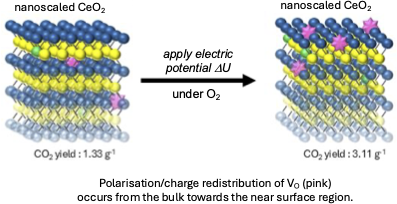
- controlled by the underlying oxidic defect structure. Keywords: cerium oxide; CO oxidation; defect structure; doped cerium oxide; electric potential; Introduction Catalytic CO oxidation is a straightforward approach to reduce CO levels. A variety of catalysts have been synthesized and applied to improve
- the efficiency of CO oxidation [1]. The potential applicability of CeO2 in this reaction as well as in photocatalysis, gas sensing, solar cells, electrocatalysis, and as ultraviolet absorbent has been investigated extensively [2]. CeO2 crystallizes in the fluorite crystal structure in which each Ce4
- properties, current studies still lack investigations of an external electric field to enhance CO oxidation in nanoscaled CeO2 (nCeO2) in the absence of any precious metals. An external electric field can modify a material’s crystal structure and lattice parameters; for example, it drives charge and mass


Synthesis and characterization of RF-sputtered ZnTe/Cu2−xTe thin films for solar cell applications
Beilstein J. Nanotechnol. 2026, 17, 1016–1027, doi:10.3762/bjnano.17.69
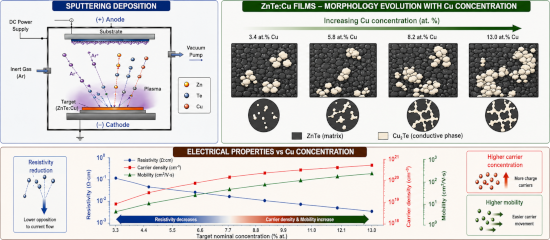
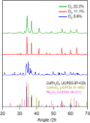
- distortion. Crystalline structure Figure 2 shows the XRD patterns of ZnTe and CuZnTeO films grown on glass substrates as a function of the nominal Cu and O concentration and substrate temperature. In general, ZnTe films grown at substrate temperatures below 300 °C are reported to exhibit amorphous or poorly
- substrate temperature effects. For films with Cu and O concentrations between 3 to 8 atom %, no significant structural modifications are observed compared to pure ZnTe films reported in the literature [34][35], indicating that low dopant incorporation does not drastically alter the host lattice structure
- equation, considering the main reflections associated with the cubic zinc blende structure. The calculated crystallite sizes ranged from 11.28 to 17.07 nm, confirming the nanocrystalline nature of the films and supporting the enhancement in crystallinity with increasing substrate temperature. In contrast




Ultrasonic irradiation in the synthesis of nanohydroxyapatite: a chemically friendly technique for improving hemocompatibility and antibiofilm applications
Beilstein J. Nanotechnol. 2026, 17, 991–1015, doi:10.3762/bjnano.17.68
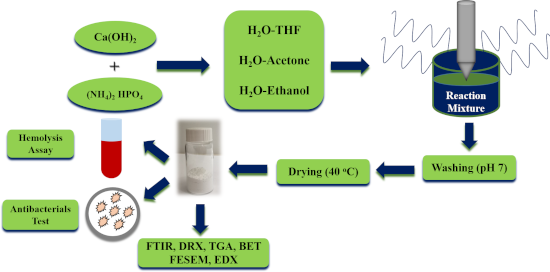
- materials with structures and properties very similar to those of biological origin [5]. This process involves reaching nanodimensions and reproducing the monolithic structure of bone [6], which has been difficult to achieve until now. Bones are a complex system, composed of hydroxyapatite crystals in the
- of carbonated hydroxyapatite, which has a structure very similar to that of biological apatite, using high-frequency ultrasound [19]. Due to the complexity of the physicochemical processes that occur in the medium during sonochemical synthesis, the resulting particles can exhibit great variability in
- –C show the characteristic absorption bands of the hydroxyapatite structure [35][36]: the presence of OH groups in the ranges of 3573–3558 and 633–628 cm−1 is verified, as are the vibrational modes of PO43− ions, that is, ν1 at 963–962 cm−1, ν2 at 476–471 cm−1, ν3 at 1097–1038 cm−1, and ν4 at 603–656




Development of Protium heptaphyllum essential oil-loaded nanocapsules: experimental design and biological activity
Beilstein J. Nanotechnol. 2026, 17, 974–990, doi:10.3762/bjnano.17.67
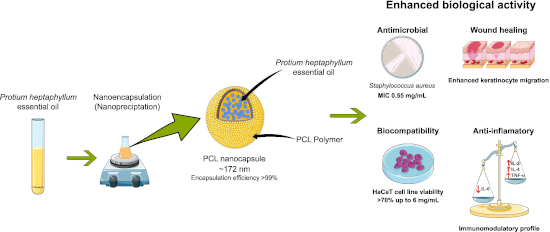
- rather than a primary parameter for optimization. Under such low-variability conditions, small experimental fluctuations and instrumental sensitivity can disproportionately affect the coefficient of determination, mathematically reducing R2pred despite adequate model structure. Residual diagnostics




Materials challenges in solid-state sensors for continuous monitoring of ions in water
Beilstein J. Nanotechnol. 2026, 17, 935–973, doi:10.3762/bjnano.17.66
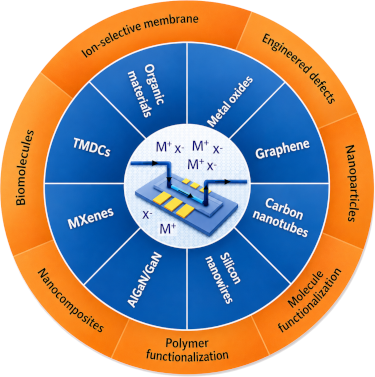
- oxide is its most chemically active region that can have a significant impact on the electronic structure of the material. Because metal oxides combine metal cations and oxygen anions with partly ionic bonding, their surfaces behave very differently from covalent semiconductors like silicon. Surface
- structure, charge transfer in metal oxide semiconductor channels is strongly influenced by their defect chemistry, surface adsorbates, and polaronic transport behavior. Charges primarily transfer through defect-induced n-type conduction by a combination of band-like transport and polaron hopping. The charge
- regulatory limits [110]. Because metal-oxide thin films typically exhibit lower conductivity, carrier mobility, and surface area than 2D materials such as graphene or CNTs, integrating them with a highly conductive 2D component allows the hybrid structure to leverage the superior electronic and interfacial



Enhanced erosion resistance and radiation stability of WC–WO3 nanocomposite films under 100 keV Kr+ ion irradiation
Beilstein J. Nanotechnol. 2026, 17, 922–934, doi:10.3762/bjnano.17.65
- drawn attention owing to their improved mechanical properties, enhanced activities and chemical stability [21][22][23][24]. In the recent past, many studies have been carried out which establish synthesis–structure–property relationships of polymer matrix composites in various areas of applications like
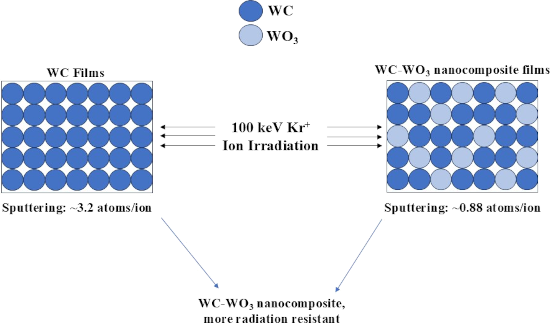
- WC–WO3 nanocomposite films induced by ion irradiation. The pristine film exhibits a uniform, densely packed nanograin structure, indicative of a smooth and homogeneous surface. Upon irradiation at a fluence of 1 × 10¹⁶ ions/cm2, the surface becomes increasingly rough, and the formation of distinct
- resistance of the WC–WO3 system to ion-induced erosion. GIXRD results confirm that both WC and WO3 phases of the nanocomposite film retain their crystalline structure even at higher ion fluences, with no observable amorphization or phase decomposition. Additionally, a moderate increase in crystallite size is



Nanocarrier strategies to overcome P-glycoprotein-mediated drug resistance in cancer therapy
Beilstein J. Nanotechnol. 2026, 17, 882–921, doi:10.3762/bjnano.17.64
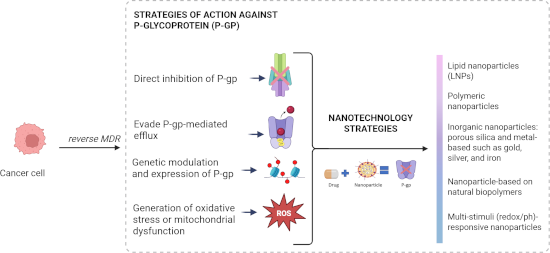
- agriculture. In contrast, polymeric nanospheres are solid matrix systems in which the active substance is uniformly dispersed throughout the polymer. Unlike nanocapsules, nanospheres do not possess a central cavity, resulting in a more compact and homogeneous structure [101]. Drug release from nanospheres


Supramolecular one-dimensional conducting nanofibers from a C3-symmetric tetrathiafulvalene derivative
Beilstein J. Nanotechnol. 2026, 17, 872–881, doi:10.3762/bjnano.17.63
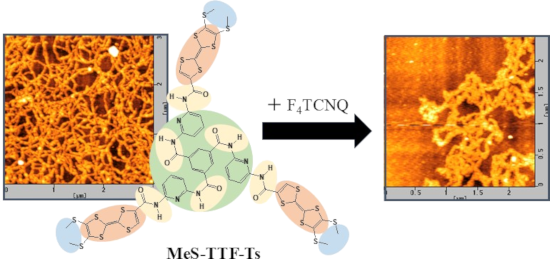
- process in DMF provides suitable conditions for inducing ordered supramolecular organization of MeS-TTF-Ts. When the casting solvent was changed to DMSO at the same concentration, a mesh-like structure composed of interconnected fibers with different sizes was observed (Figure 2). The fibers exhibited
- bundles of thinner fibrils forming a hierarchical structure. Such hierarchical organization is considered to arise from directional π–π stacking interactions between the TTF cores together with cooperative intermolecular interactions, which promote lateral association of one-dimensionally grown fibrils
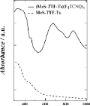
- structure. Furthermore, compared with the nanofibers formed from MeS-TTF-Ts alone, a significant increase in fiber diameter was observed. This result suggests that the introduction of F4TCNQ induces donor–acceptor charge-transfer interactions, leading to the formation of one-dimensional stacked structures


He+ FIBID-fabricated 3D AFM tip architectures: an exploratory study of hollow pillars, helices, and spirals
Beilstein J. Nanotechnol. 2026, 17, 863–871, doi:10.3762/bjnano.17.62
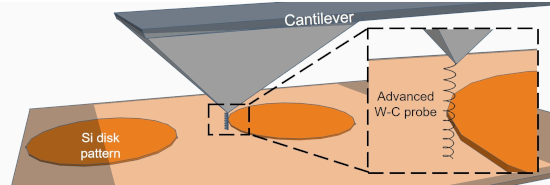
- operating conditions. Under the conditions explored here, selected 3D-printed tips reproduced the nominal step height of the calibration structure, yielding values consistent with those obtained using commercial probes on the same sample. To relate probe operation to structural outcome, each tip was
- the geometry of the structure, especially at the apex region, which is critical for imaging performance. Changes in tip radius, shape, or structural integrity can directly affect lateral resolution and tip–sample interaction. Therefore, although purification strategies are well established for planar
- measurements from commercial reference probes serving as a step height baseline. Importantly, each printed structure was also inspected by electron microscopy before and after AFM use in order to document morphology changes, degradation pathways and architecture-dependent failure modes. In this way, the work



Light-driven ammonia electrooxidation via carbon nitride–ruthenium molecular interfaces
Beilstein J. Nanotechnol. 2026, 17, 854–862, doi:10.3762/bjnano.17.61
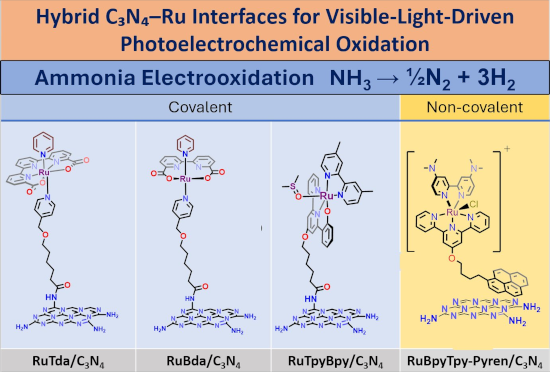
- the semiconductor surface where the molecular catalyst awaits [8]. Its medium bandgap means it can harvest blue and green photons that pass unused through many metal oxide photocatalysts. Its 2D layered structure, stabilised by π–π stacking interactions between heptazine sheets, provides a large, flat
- , illustrating that product selectivity in ammonia oxidation (N2 vs NO3− vs N2H4) is tunable through catalyst structure and the reaction environment [28][29]. The mechanistic basis for this selectivity lies in two competing reaction pathways [21][22][30][31]. The unimolecular water/ammonia nucleophilic attack
- . Strategies comparison across the three C3N4 allotropes, polymeric, PHI, and S-doped amorphous, would reveal structure–activity relationships that cannot be obtained by studying each isolated allotrope. A third interface strategy, yet to be explored in the C3N4–Ru context, is the direct coordination of


Nanoparticle delivery systems for HIV pre-exposure prophylaxis (PrEP): advances and challenges
Beilstein J. Nanotechnol. 2026, 17, 839–853, doi:10.3762/bjnano.17.60
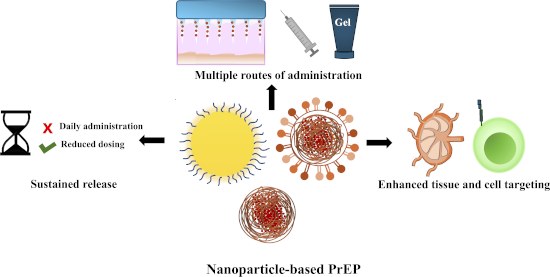
- nanoparticles (LBNPs): These include liposomes, lipid nanoparticles (LNPs), solid lipid nanoparticles (SLNs), and nanostructured lipid carriers (NLCs). LNPs have a less ordered internal structure than liposomes and are primarily used for nucleic acid delivery [28]. In general, LBNPs can encapsulate a wide range
- ]. A major advantage of polymeric platforms lies in their ability to take up and store drug cargo in their interior with a capacity that depends on the chemical nature of the polymer and the structure of the nanoparticle. They provide engineering degrees of freedom to tune release properties and thus
- . Peterhoff et al. presented a stabilized HIV Env trimer on the surface of nonporous silica nanoparticles (100–200 nm) [84]. They modified the Env for site-specific covalent attachment to the nanoparticles while preserving the native structure and antigenicity, and achieved a multivalent display of Env on the


Glycerol photoelectrochemical oxidation reaction at carbon nitrides/BiVO4 materials
Beilstein J. Nanotechnol. 2026, 17, 806–817, doi:10.3762/bjnano.17.57
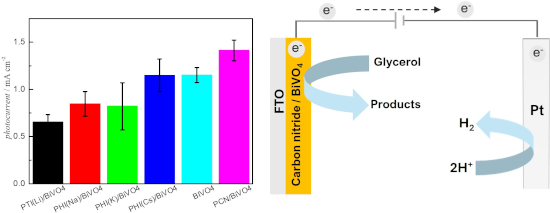
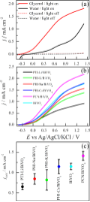
- fundamental heptazine or triazine-based backbone, they significantly differ in structure, crystallinity, and properties. PCN is the commonly synthesized form of CN due to its simple preparation methods. However, it suffers from low crystallinity, structural disorder, and poor reproducibility, which limit its
- was then centrifuged at 9000 rpm for 5 min, dried in an oven at 60 °C, and stored for later use. While the synthesis containing LiCl results in the PTI structure, the other salts yield PHI [31][32]. Carbon nitride deposition onto FTO An amount of 20 mg of each CN was dispersed into 5 mL of poly
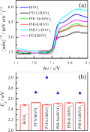
- likely connected with the CN degradation, which happens at considerably lower temperatures than those observed for PCN. Interestingly, even at T = 800 °C in an oxidizing atmosphere, the materials still maintain 20–35% of their initial mass. To shed some light on CN structure degradation and the residual





Tuning the electronic properties of defect-rich MoS2
Beilstein J. Nanotechnol. 2026, 17, 796–805, doi:10.3762/bjnano.17.56
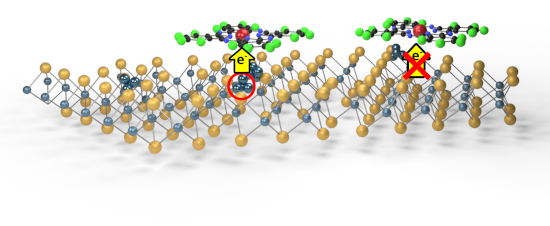
- perfluorinated cobalt phthalocyanine (CoPcF16). Defects were introduced in synthetic MoS2 bulk crystals by gentle argon and neon sputtering. Although the band structure is still visible after sputtering, especially SXPS reveals structural and electronic disturbances of the topmost MoS2 layer. We show how the
- disulfide (MoS2), has emerged as a promising candidate due to their distinctive properties as layered 2D materials with broadly tunable electronic structure [1][2][3]. While numerous studies have focused on single-layer MoS2 sheets, recent research has underscored the pivotal role of multilayer TMDCs in the
- fabrication of ultrafast photodetectors [4][5]. To tune their electronic structure for such applications, the adsorption of organic molecules is a versatile strategy [6][7], resulting, for example, in dipole-induced doping or (complex) charge transfer [8]. Photoelectron spectroscopy (PES), X-ray absorption



Substrate-dependent pore formation in molybdenum disulfide monolayers under ion irradiation
Beilstein J. Nanotechnol. 2026, 17, 769–780, doi:10.3762/bjnano.17.54
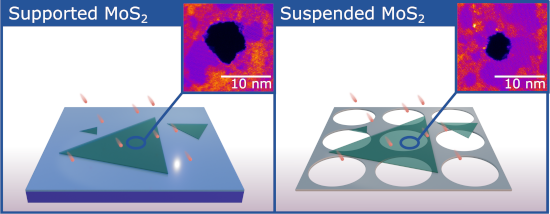
- and strain-related changes but do not directly resolve the atomic structure [34][35]. This leaves a gap in our understanding of how ion-induced defect formation differs between suspended and substrate-supported 2D materials. We address this gap by directly measuring substrate effects on defect
- supported samples that suggested pronounced topographic changes but could not resolve the defect structure [40][41], our STEM analysis shows that irradiation on SiO2 produces well-defined, pore-shaped defects with no obvious long-range lattice distortion of the surrounding material (see Supporting


Interface-engineered Caco-2 cell culture on a collagen-coated liquid–liquid interface in a microfluidic device
Beilstein J. Nanotechnol. 2026, 17, 760–768, doi:10.3762/bjnano.17.53
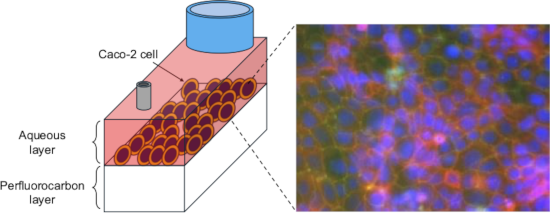
- microfluidic device [13][14]. F-actin localization was observed under both conditions, suggesting that the cytoskeletal organization supporting the epithelial structure was maintained in Caco-2 cells cultured in the microfluidic device. Colocalization of ZO-1 with F-actin at cell–cell borders indicates the


Tailoring Ag–Pt nanoalloys through solid-state dewetting: structural and optical insights
Beilstein J. Nanotechnol. 2026, 17, 748–759, doi:10.3762/bjnano.17.52

- the bulk Ag–Pt system, and provide insight into their structure–property relationships relevant for catalytic and plasmonic applications. Keywords: Ag–Pt alloy; dewetting; nanoalloys; plasmon resonance; thin films; Introduction Nanoalloys in the form of nanostructures exhibit novel and intriguing
- and cost-effective fabrication method remains a critical objective. In this work, we present a detailed analysis of the structure of the obtained nanoalloys, both within the volume of the nanostructures and at their surfaces, as well as the influence of Pt content in Ag–Pt nanoalloys on their
- formation rather than phase-separated Ag and Pt regions. A detailed EDS analysis was performed on the cross-sections using both line scans and area modes. For the structure fabricated from 4 nm Ag and 4 nm Pt, the measured composition reached approximately 60 atom % Pt and 40 atom % Ag. The sample prepared




Oxidative atmosphere-driven formation of single-phase spinel CuRh2O4 nanofibers for alkaline water oxidation
Beilstein J. Nanotechnol. 2026, 17, 737–743, doi:10.3762/bjnano.17.50
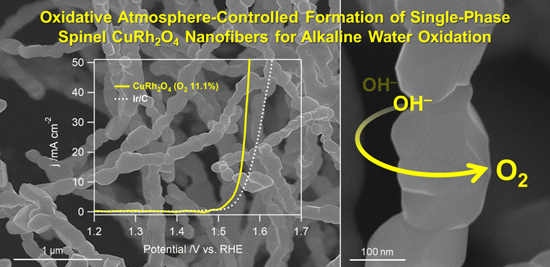
- attention due to their structural robustness and compositional tunability [2]. The spinel framework accommodates diverse metal cations with flexible site occupancy, enabling rational modulation of electronic structure and surface adsorption energetics of key OER intermediates [3], thereby offering a
- versatile strategy for performance optimization. Incorporation of 4d transition metals such as Rh into the spinel lattice provides an effective approach to further tailor catalytic properties. The presence of Rh3+ [4][5], with its more delocalized electronic structure compared to conventional 3d cations
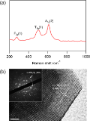
- CuRhO2, Rh2O3, Rh, and Cu2O are observed, indicating incomplete formation of the targeted spinel structure. In contrast, the optimized oxygen concentration (i.e., 11.1% O2) yields diffraction peaks that can be fully indexed to spinel CuRh2O4, confirming the formation of a single-phase crystalline




Environmental applications of silver nanoparticles: state-of-the-art review and emerging trends
Beilstein J. Nanotechnol. 2026, 17, 697–736, doi:10.3762/bjnano.17.49
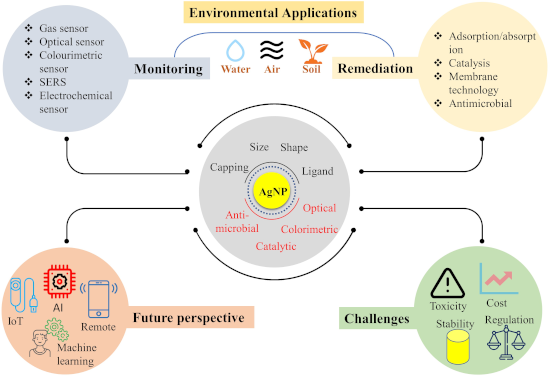
- needed before engineering AgNPs for particular applications. AgNPs are characterised using optical spectroscopy, electron microscopy, X-ray diffraction, and dynamic light scattering (DLS) to measure plasmonic absorbance, size, shape, structure, and stability [49]. Optical spectroscopy is a rapid and


Molecular engineering of individual dye-based nanoparticle photostability for ultrabright two-photon fluorescence
Beilstein J. Nanotechnol. 2026, 17, 688–696, doi:10.3762/bjnano.17.48
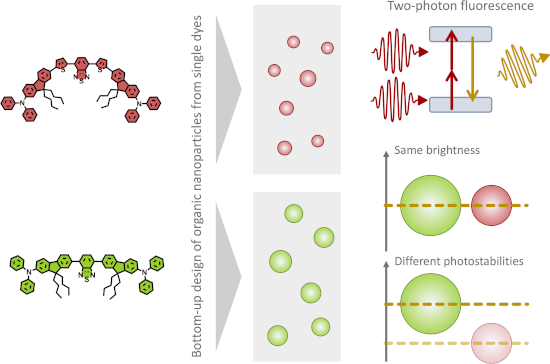
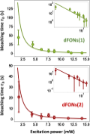
- collected data or disrupt the biological environment under study. A more promising alternative is to seek to limit photobleaching through molecular engineering. Indeed, the photobleaching of organic molecules has been found to vary widely depending on their structure [28]. In the case of dFONs, a common
- photobleaching at the individual nanoparticle level – an essential step toward the rational design of photostable dFONs. Results and Discussion Nanoparticles structure Two families of dFONs, hereafter called dFONs(1) [20] and dFONs(2) [11], are obtained through precipitation [32] from quadrupolar dyes, hereafter
- is too weak compared to the second population to have been measured. Therefore, all subsequent results can be interpreted as originating from the 50 nm-centered distribution. The dyes constituting both nanoparticles share a similar structure, built around one benzothiadiazole acceptor moiety at their


Protein-based custom-designed molecular nanotraps for biomedical applications
Beilstein J. Nanotechnol. 2026, 17, 683–687, doi:10.3762/bjnano.17.47
- therefore less explored. From a conventional perspective, the lack of a defined structure is often perceived as incompatible with selective recognition. However, insights from natural systems challenge this view. Unfolded proteins, particularly intrinsically disordered proteins (IDPs), are increasingly
- recognized as functionally active, often undergoing partial folding upon interaction with molecular partners [12]. These observations are reshaping the current understanding of protein structure–function relationships, opening the possibility of employing unfolded or disordered proteins as functional
- ]. Besides, gelatin and GelMA hydrogels exhibit enhanced biocompatibility, making them suitable for biomedical applications, cell scaffolds, wound dressings, and drug delivery [13]. Silk is another promising protein-based material used in tissue engineering [15]. The structure of silk consists of two

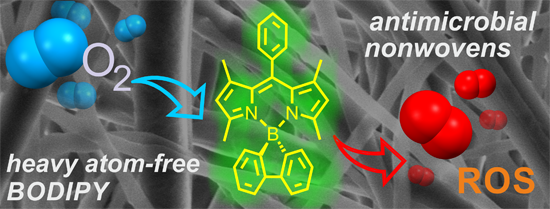
Decontamination from water pollutants and pathogens by electrospun nanofibers doped with heavy-atom-free borafluorene-BODIPY photosensitizers
Beilstein J. Nanotechnol. 2026, 17, 668–682, doi:10.3762/bjnano.17.46
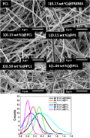
- coworkers [64], cimetidine undergoes initial S-oxidation to the sulfoxide followed by C–S bond cleavage to yield (5-methyl-1H-imidazol-4-yl)methanol. A similar pathway is expected for ranitidine, which also incorporates a sulfur atom in the structure. Propranolol oxidation with ROS produces 4
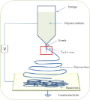
- pathogens. (a) Structure of studied BODIPY photosensitizer 1. (b) Energy diagram presenting the light-induced production of singlet oxygen by a triplet photosensitizer. (c) Chemical structures of the target pollutants. Scheme of the electrospinning process. Figure 2 was reproduced from [50], (© 2021 A



afspm: A framework for manufacturer-agnostic automation in scanning probe microscopy
Beilstein J. Nanotechnol. 2026, 17, 653–667, doi:10.3762/bjnano.17.45

- classified surface structure, detecting atoms [5], molecules [6], or defects of interest [7][8]. Even the design of experiments has been researched, using statistics to drive decisions during the experiment [9][10][11][12]. Active learning, where a machine learning algorithm’s internal model is updated
- configuration file; the script loads the parameters on startup by parsing the configuration file. This is the approach taken in afspm, as exemplified in Figure 6. In the pseudocode (Figure 6a), we see that the expected parameter types are defined in a data structure (here, “ExperimentData”), which is used by
- the method “find_positions” invoking a pre-trained machine learning classifier, or predefined image processing logic. The determined positions are sent over IPC to the experiment script (“[experiment]” in Figure 7c), which, upon receipt, stores them in an internal data structure for later use. This






Cellulose as a photocatalyst support material: extraction, structural features, and environmental applications
Beilstein J. Nanotechnol. 2026, 17, 635–652, doi:10.3762/bjnano.17.44
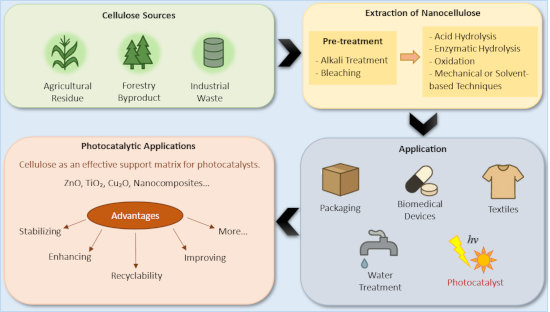
- and disadvantages. Acid hydrolysis is a traditional approach that helps preserve cellulose’s crystalline structure; however, it relies on non-biodegradable chemicals and generates acidic wastewater, which raises environmental concerns and complicates wastewater management [8]. As a result, researchers
- the cellulose fibers and bind covalently to the crystalline cellulose structure [20]. Its polymerization degree ranges from 10,000 to 20,000 units, depending on the source material. Every glucose monomer in cellulose contains three hydroxy groups that determine its crystalline structure and physical
- detect glucose levels non-invasively through sweat or saliva, offering a promising platform for biomedical monitoring [75]. Hydrogels are highly water-absorbing materials with a three-dimensional network structure, and they are widely recognized for their flexibility, responsiveness to external stimuli





