Search results
Search for "van der Waals" in Full Text gives 369 result(s) in Beilstein Journal of Nanotechnology. Showing first 200.
Materials challenges in solid-state sensors for continuous monitoring of ions in water
Beilstein J. Nanotechnol. 2026, 17, 935–973, doi:10.3762/bjnano.17.66
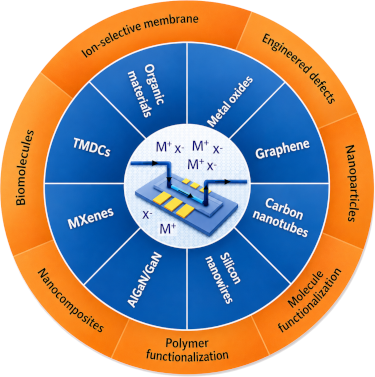
- robustness. Double-walled carbon nanotubes (DWCNTs), comprising two concentric graphene shells held together by van der Waals interactions, exhibit a hierarchical architecture in which the outer wall dictates surface chemistry while the inner wall enhances mechanical integrity and stabilizes charge transport


He+ FIBID-fabricated 3D AFM tip architectures: an exploratory study of hollow pillars, helices, and spirals
Beilstein J. Nanotechnol. 2026, 17, 863–871, doi:10.3762/bjnano.17.62
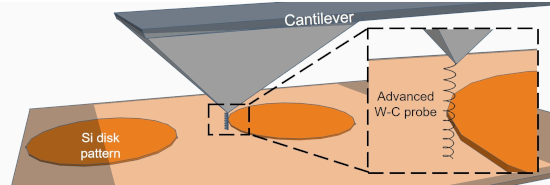
- versatile technique for nanoscale surface characterisation that enables topographic measurements with sub-nanometre resolution by means of a sharp tip mounted at the end of a flexible cantilever [1]. During operation, the tip scans across the sample surface and responds to local interactions such as van der
- Waals, electrostatic, and short-range repulsive forces. Owing to its minimal sample preparation requirements and broad operational flexibility, AFM has become a widely used tool across chemistry, physics, materials science, nanotechnology, and the life sciences [2]. The continued diversification of AFM


Sustainable fabrication of 2D-based devices through reuse of substrates with microfabricated electrodes
Beilstein J. Nanotechnol. 2026, 17, 818–827, doi:10.3762/bjnano.17.58
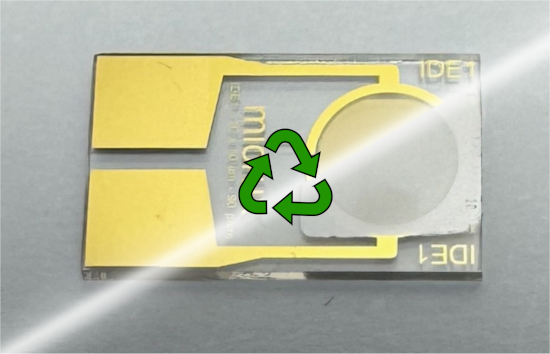
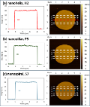
- its ability to penetrate microscopic gaps [24]. Heating to 50 °C can help weaken the van der Waals interactions between the 2D flakes and the substrate. Simultaneously, ultrasound agitation enhances molecular diffusion and promotes cavitation, generating localized pressure fluctuations that further
- gaps. In addition to the cleaning of films of roll-to-roll mechanically exfoliated van der Waals materials, we investigated the cleaning and reuse of substrates with chemical vapor deposition (CVD)-grown MoS2 flakes (see Supporting Information File 1, Figure S5) [35][36]. To examine the feasibility of
- out using a roll-to-roll setup. Nitto SPV 224 tape was applied on the surfaces of two polyoxymethylene cylinders with a perimeter ratio of 53:23 [32]. A bulk van der Waals material was placed on one cylinder, and the system was rotated under moderate pressure (20–40 N) at ≈1500 rpm for 50 s, resulting


Substrate-dependent pore formation in molybdenum disulfide monolayers under ion irradiation
Beilstein J. Nanotechnol. 2026, 17, 769–780, doi:10.3762/bjnano.17.54
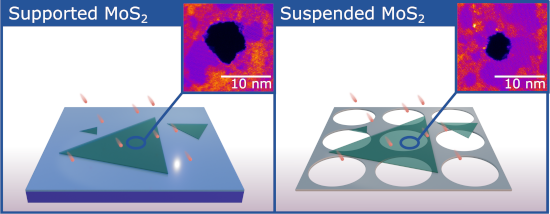
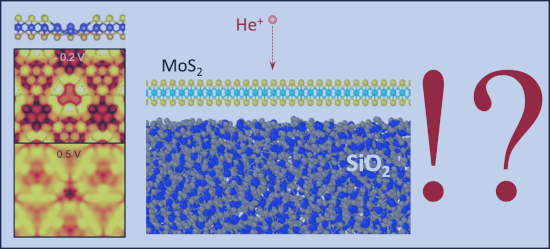
- -of-plane dissipation without changing the substrate material. Although adjacent layers are coupled only weakly via van der Waals forces, a second (or third) MoS2 layer can act as an additional reservoir for charge and excitation redistribution relative to an isolated monolayer, offering a simplified
- layers in van der Waals heterostructures. Although graphene is an excellent in-plane conductor, the out-of-plane electrical (and thermal) coupling across the graphene/MoS2 interface is comparatively weak [57][58]. Indeed, simulations by Schwestka et al. [28] suggest that the out-of-plane conductance


Decontamination from water pollutants and pathogens by electrospun nanofibers doped with heavy-atom-free borafluorene-BODIPY photosensitizers
Beilstein J. Nanotechnol. 2026, 17, 668–682, doi:10.3762/bjnano.17.46
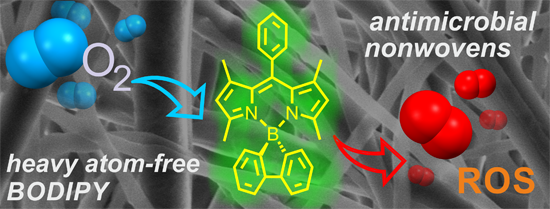
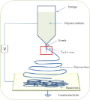
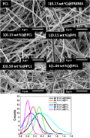
- resulting from hydrogen and dipole–dipole interactions, as well as the dispersive component associated with London and van der Waals forces [56]. The study was complemented with X-ray photoelectron spectroscopy (XPS) for the sample with the highest BODIPY concentration, 1(1.00 wt %)@PCL. The analysis of SEM



Cellulose as a photocatalyst support material: extraction, structural features, and environmental applications
Beilstein J. Nanotechnol. 2026, 17, 635–652, doi:10.3762/bjnano.17.44
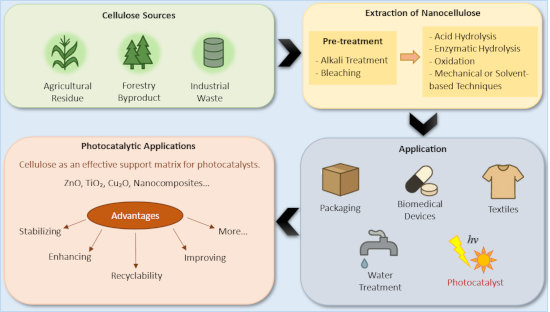
- groups that contribute to the unique reactivity and structural properties of the polymer. These hydroxy groups enable extensive hydrogen bonding between polymer strands; together with van der Waals forces, they drive the cellulose molecules to align and stack in parallel, ultimately giving rise to the


Recent progress in enhancing built-in electric fields of perovskite solar cells via junction engineering
Beilstein J. Nanotechnol. 2026, 17, 602–621, doi:10.3762/bjnano.17.42
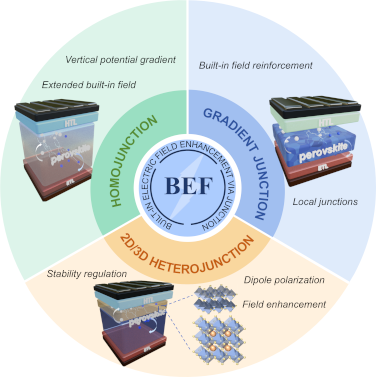
- stress concentration, thereby promoting more orderly crystallization. At the same time, weak interlayer van der Waals interactions allow for gradual release of K+ ions during growth and their penetration into the bulk, establishing a concentration gradient aligned with the BEF across the film thickness



Probing tribological evolution in atomically thin MoS2 at different scales
Beilstein J. Nanotechnol. 2026, 17, 586–597, doi:10.3762/bjnano.17.40
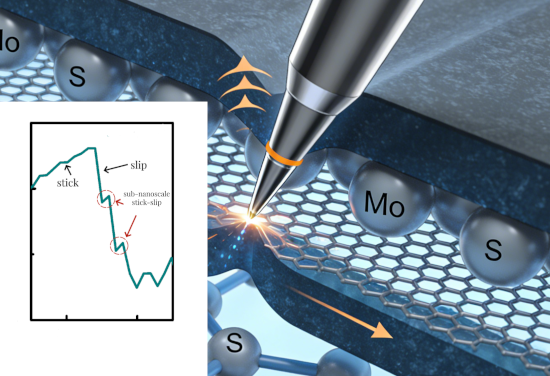
- contact [17][24]. For atomically thin MoS2 films (≤5 layers), the out-of-plane flexibility is dominated by interlayer van der Waals interactions, rather than the number of interlayer spacing regions. As the number of layers increases, the interlayer van der Waals forces increase, which rigidifies the MoS2
- strengthening effect discussed earlier. For the 4L MoS2 film, the bottom layer is strongly adsorbed on the SiO2/Si substrate via van der Waals interaction, while the upper three layers are less strongly bound to each other. During AFM sliding, the tip drags the top layer, and the weak interlayer van der Waals
- MoS2 under the same load: The interlayer stick–slip events in 4L MoS2 are restricted by the interlayer van der Waals force, leading to a smaller cumulative displacement. Mechanisms underlying the nanoscale and sub-nanoscale stick–slip friction behaviors have been systematically discussed. For the


Defects and defect-mediated engineering of two-dimensional materials: challenges and open questions
Beilstein J. Nanotechnol. 2026, 17, 454–488, doi:10.3762/bjnano.17.31
- formation energies at the surfaces result in much higher surface defect concentration compared to the bulk. This gives rise to the following questions: Is this also true for van der Waals materials? Do thermodynamic considerations in transition metal dichalcogenides (TMDs) with relatively low (compared to
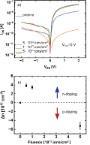
- the groundwork for spin-based quantum technologies in van-der-Waals materials. Where are the limits for controlled defect engineering in terms of spatial precision, single type or size (e.g., hole size), and scalability? Defect engineering in 2D materials is of obvious relevance for applications. For





Nanocarrier-integrated multilayer films produced by 3D printing for improved skin adhesion and curcumin photostability
Beilstein J. Nanotechnol. 2026, 17, 440–453, doi:10.3762/bjnano.17.30
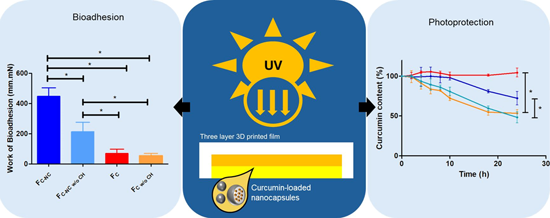
- with negatively charged biological surfaces through electrostatic forces, while, under humid conditions, additional interactions with the stratum corneum may occur via hydrogen bonding and van der Waals forces [51]. Measurements of debonding distance (Figure 3C), which represents the distance travelled


Nanoinformatics: spanning scales, systems and solutions
Beilstein J. Nanotechnol. 2026, 17, 423–427, doi:10.3762/bjnano.17.28

- classical molecular dynamics and ab initio calculations revealed that TA preferentially binds to the most reactive sites on GO surfaces via oxygen-containing groups or the carbon matrix. The binding energy was dominated by van der Waals interaction forces. A dose-dependent mitigating effect of TA on the

Advancing nanolithography: a comprehensive review of materials for local anodic oxidation with AFM
Beilstein J. Nanotechnol. 2026, 17, 275–291, doi:10.3762/bjnano.17.19
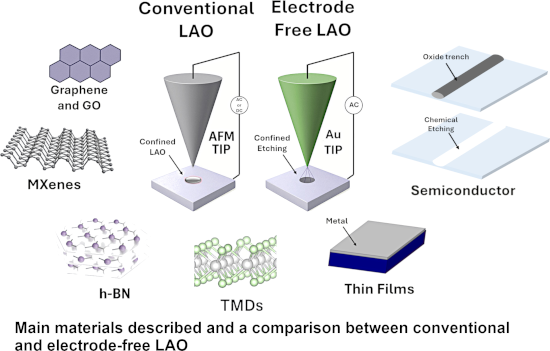
- nanopatterning of thick multilayer van der Waals (vdW) heterostructures [64]. This approach, which relies on applying a low-frequency (10 kHz) AC voltage between the AFM tip in contact mode and the grounded substrate, achieves high-resolution etching (down to ≈100 nm) without the need for a humid environment


Gold nanoparticle-decorated reduced graphene oxide as a highly effective catalyst for the selective α,β-dehydrogenation of N-alkyl-4-piperidones
Beilstein J. Nanotechnol. 2026, 17, 218–238, doi:10.3762/bjnano.17.15
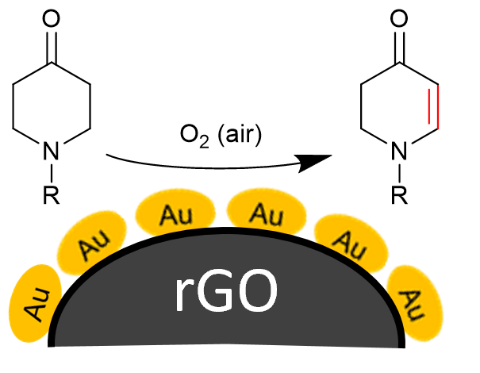
- , resulting in non-uniform distribution or partial aggregation [33]. CB, being highly graphitized and relatively inert, lacks sufficient anchoring groups; thus, AuNPs are mostly adsorbed through weak van der Waals forces, leading to poorer dispersion [33]. Synthesis of SiW9-coated AuNPs on carbon Unlike the


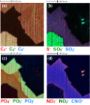
Time of flight secondary ion mass spectrometry imaging of contaminant species in chemical vapour deposited graphene on copper
Beilstein J. Nanotechnol. 2026, 17, 200–213, doi:10.3762/bjnano.17.13
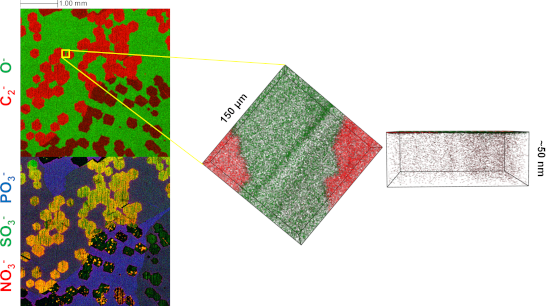
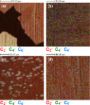
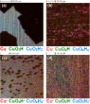
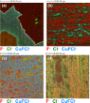
- in the ToF-SIMS images in Figure 7c and during depth profiling. It is possible that, in this case, the van der Waals forces at the interface between graphene and copper may be sufficient to squeeze out any species that appears towards the edges of the graphene [60]. This would explain the elevated F





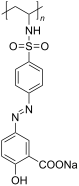
Structure-dependent thermochromism of PAZO thin films: theory and experiment
Beilstein J. Nanotechnol. 2026, 17, 186–199, doi:10.3762/bjnano.17.12
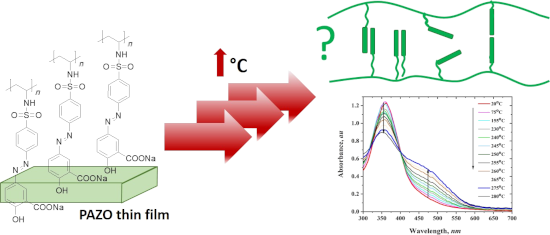
- typically rely on empirical dispersion terms, a range-separated hybrid functional with built-in empirical dispersion correction, ωB97XD, was chosen for our study. It has been supposed that the repulsion of long-range exchange interactions plays a major role in weak bonds such as van der Waals bonds, and


Subdigital integumentary microstructure in Cyrtodactylus (Squamata: Gekkota): do those lineages with incipiently expressed toepads exclusively exhibit adhesive setae?
Beilstein J. Nanotechnol. 2026, 17, 38–56, doi:10.3762/bjnano.17.4
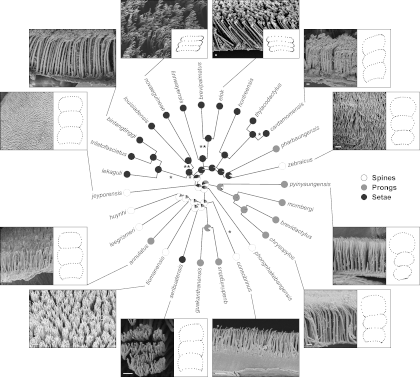
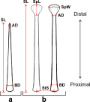
- among muscles, bones, vascular tissue, and microscopic epidermal microstructures. The microstructures of geckos are classifiable as spinules, spines, prongs and setae, but only setae, which possess spatulate tips, promote adhesive competency sufficient to support body mass employing van der Waals forces
- adhesive contact by increasing real contact with the substratum through their arrangement in arrays and their heavily branched stalks and spatulate tips, thereby generating extensive van der Waals intermolecular forces [11][17][18][19][20]. Spines and prongs, which increase traction (as has been discussed
- sufficient van der Waals interactions between the feet and the substratum to allow the first stages of whole-body support (whole-animal adhesive competency) [3][13]. Initial strengthening of adhesive attachment between the digits and the substratum can be hypothesized to underlie subsequent modification of


Competitive helical bands and highly efficient diode effect in F/S/TI/S/F hybrid structures
Beilstein J. Nanotechnol. 2026, 17, 15–23, doi:10.3762/bjnano.17.2
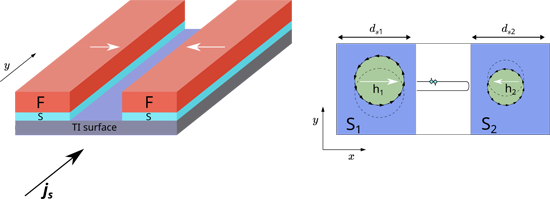
- magnetization directions as in, for example, F/S/F spin valves [77]. Another possibility is more modern and is based on van der Waals structures comprised of transition-metal dichalcogenide materials such as superconducting NbSe2 and magnetic VSe2 on top of Bi2Se3 [78]. We solve the stated problem for the


![[Graphic 16]](/bjnano/content/inline/2190-4286-17-2-i31.svg?max-width=637&scale=1.18182)
![[Graphic 17]](/bjnano/content/inline/2190-4286-17-2-i32.svg?max-width=637&scale=1.18182)


Hartree–Fock interaction in superconducting condensate fractals
Beilstein J. Nanotechnol. 2025, 16, 2177–2182, doi:10.3762/bjnano.16.150
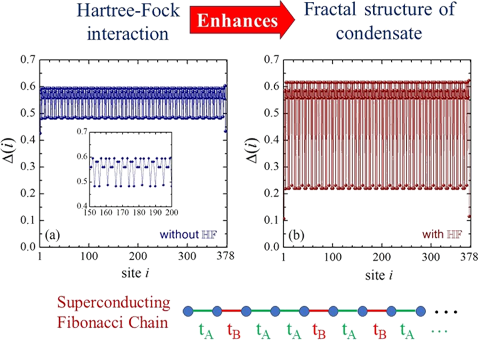
- below a critical temperature of Tc ∼ 0.05 K [12]. More recently, in 2024 and 2025, much higher critical temperatures of Tc ∼ 1 K and Tc ∼ 5.47 K were reported in van der Waals-layered dodecagonal quasicrystals Ta1.6Te [13] and in a monoclinic approximant to the decagonal quasicrystal Al13Os4[14


Multifrequency AFM integrating PeakForce tapping and higher eigenmodes for heterogeneous surface characterization
Beilstein J. Nanotechnol. 2025, 16, 2077–2085, doi:10.3762/bjnano.16.142
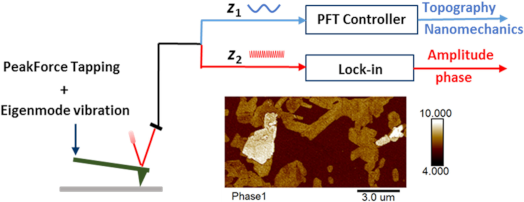
- interaction forces, as supported by studies on multimodal AFM [26]. The higher dynamic stiffness of the third eigenmode, compared to the second, makes it less susceptible to damping by long-range surface forces (e.g., van der Waals forces). This allows it to sense the sharper gradients of short-range


Molecular and mechanical insights into gecko seta adhesion: multiscale simulations combining molecular dynamics and the finite element method
Beilstein J. Nanotechnol. 2025, 16, 2055–2076, doi:10.3762/bjnano.16.141
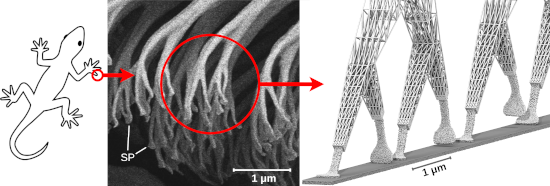
- model multiple spatulae in parallel, all connected to a larger setal shaft. Forces and displacements are exchanged at each iteration, ensuring that spatula-level phenomena (e.g., van der Waals contact, slight sliding at the substrate, and spatula bending) feed back into the global deformation. The






PEGylated lipids in lipid nanoparticle delivery dynamics and therapeutic innovation
Beilstein J. Nanotechnol. 2025, 16, 1914–1930, doi:10.3762/bjnano.16.133
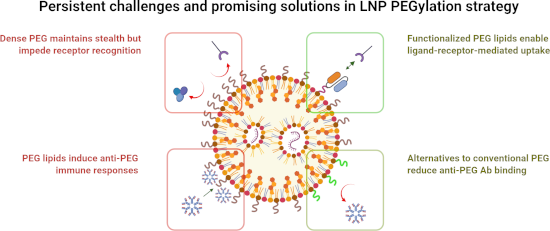
- ) (PMOZ) and poly(2-ethyl-2-oxazoline) (PEOZ) [82][83]. Structurally, these polymers have short alkyl side chains that contribute to high hydrophilicity and flexibility. Unlike the entangled PEG chains due to interchain hydrogen bonding and van der Waals forces, poly(2-oxazoline) chains have shorter side


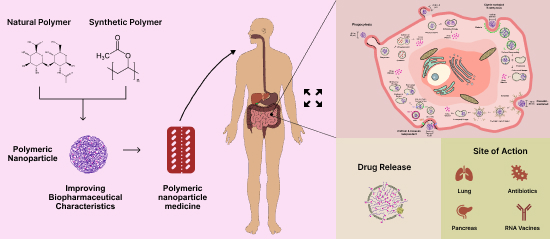
Exploring the potential of polymers: advancements in oral nanocarrier technology
Beilstein J. Nanotechnol. 2025, 16, 1751–1793, doi:10.3762/bjnano.16.122


Prospects of nanotechnology and natural products for cancer and immunotherapy
Beilstein J. Nanotechnol. 2025, 16, 1644–1667, doi:10.3762/bjnano.16.116
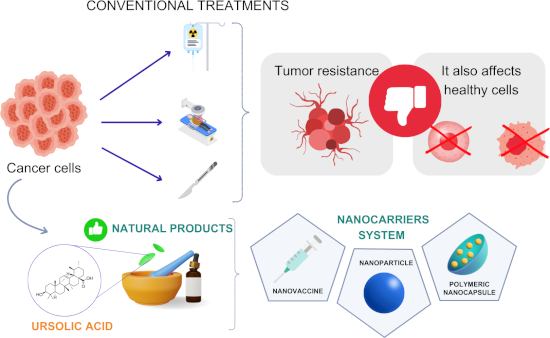
- ) complex that targets the PD-L1 gene, a cell-penetrating peptide, and a tumor cell membrane derived from HepG2 cells. Characterization of the nanoparticles showed that the nanocomplex was stabilized by hydrogen bonds, van der Waals forces, and hydrophobic forces. In addition, confocal microscopy, gene


Transient electronics for sustainability: Emerging technologies and future directions
Beilstein J. Nanotechnol. 2025, 16, 1545–1556, doi:10.3762/bjnano.16.109
- van der Waals films via photonic sintering allows for the development of novel forms of transient electronic devices, thereby further broadening the scope of their potential applications [31]. The foundational principles of transient electronics rest on the deliberate selection and integration of


The role of biochar in combating microplastic pollution: a bibliometric analysis in environmental contexts
Beilstein J. Nanotechnol. 2025, 16, 1401–1416, doi:10.3762/bjnano.16.102
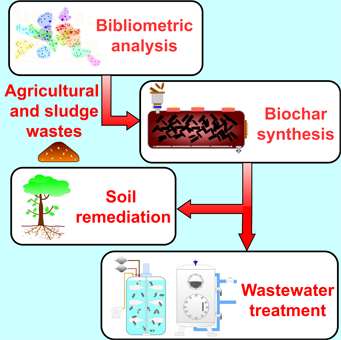
- of both biochar and PE interact via van der Waals forces, whereas positively charged nylon particles exhibit higher removal efficiency due to electrostatic π–π interactions with biochar [66]. The efficiency of batch-based MP removal is significantly influenced by the physicochemical properties of