Search results
Search for 日本10公里记录 in Full Text gives 2649 result(s) in Beilstein Journal of Nanotechnology. Showing first 200.
Prospects of nanotechnology and natural products for cancer and immunotherapy
Beilstein J. Nanotechnol. 2025, 16, 1644–1667, doi:10.3762/bjnano.16.116
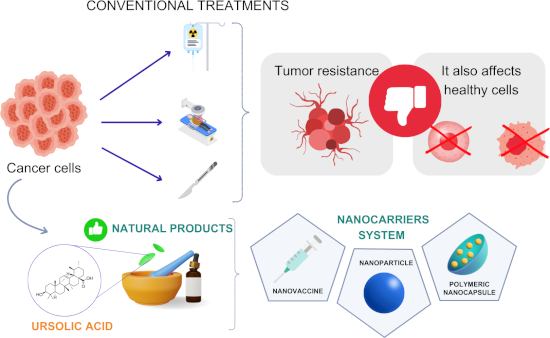
- , and cell-based therapies, including chimeric antigen receptor T (CAR-T) cells [9]. However, these therapies face limitations, including systemic toxicity, high cost, variable clinical responses, and tumor resistance, often associated with the genetic and phenotypic heterogeneity of tumors [10][11][12
- CXCL9/10 expression in Schwann cells [114]. Particle size and stability of the formulation in the patent were characterized using scanning electron microscopy (SEM). The nanoparticles demonstrated enhanced uptake in HepG2 cells, as confirmed by flow cytometry and confocal microscopy, and achieved a
- aptamer, sorafenib, and ursolic acid as an API at 4 mg·mL−1 in methanol. Physicochemical tests showed that the nanoparticles have a spherical shape, confirmed by atomic force microscopy (AFM), and are stable in ultrapure water and Dulbecco’s modified eagle medium (DMEM) with 10% FBS. Procedures to


Venom-loaded cationic-functionalized poly(lactic acid) nanoparticles for serum production against Tityus serrulatus scorpion
Beilstein J. Nanotechnol. 2025, 16, 1633–1643, doi:10.3762/bjnano.16.115
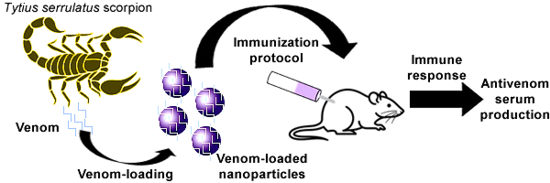
- considered the main responsible for the envenoming syndrome as well as the most studied [10]. With regard to treatment, in severe scorpion envenoming cases, immunotherapy is the most common approach to protect populations from lethal effects [1][10][11]. Aluminum-based adjuvants have been extensively used to
- , United States of America), equipped with a 90 Plus/BI-MAS apparatus, at a wavelength of 659 nm with a scattering angle of 90°. For the analysis, 100 μL of the nanoparticle suspension was diluted in 900 μL of deionized water (1:10 dilution) to ensure dispersions within a suitable experimental range (100
- with an overdose of thiopental (100 mg/kg) associated with an intraperitoneal injection of lidocaine 2% (10 mg/kg) followed by cervical dislocation. The experimental protocol was approved by the Committee for Ethics in Animal Experimentation of the Federal University of Rio Grande do Norte (UFRN


Nanotechnology-based approaches for the removal of microplastics from wastewater: a comprehensive review
Beilstein J. Nanotechnol. 2025, 16, 1607–1632, doi:10.3762/bjnano.16.114
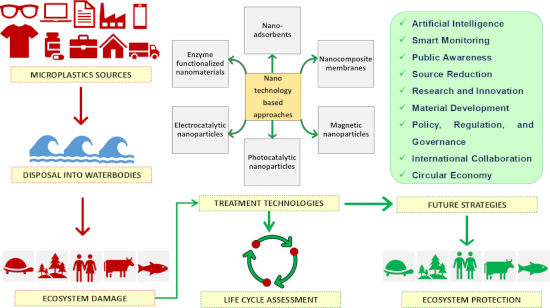
- hydrocarbons, heavy metals, and other toxic contaminants, increasing their potential risks to living ecosystems and organisms [9][10]. MPs have low density, variable sizes, high persistence, and non-biodegradable nature. These characteristics make their removal difficult, especially in aquatic environments [11
- their small size allows them to penetrate various biological barriers. MPs smaller than 5 μm can reach the alveoli, enter the circulatory system, and accumulate in the organs such as the brain, lungs, liver, spleen and digestive system. Those around 10 μm can breach cell membranes and the placental
- radicals. These benefits are particularly significant when the particle size is reduced to around 10 nm. Utilizing nanostructured semiconductors in photocatalytic applications proves to be more efficient, as a larger proportion of the photogenerated electron–hole pairs is available at the surface


Bioinspired polypropylene-based functionally graded materials and metamaterials modeling the mistletoe–host interface
Beilstein J. Nanotechnol. 2025, 16, 1592–1606, doi:10.3762/bjnano.16.113
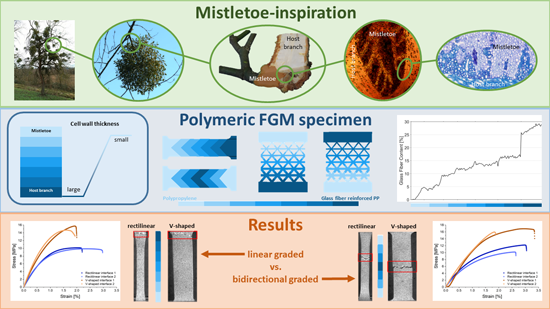
- manufacturing processes [10][11]. Programming the mechanical properties and fracture behavior by combining FGMs and mechanical metamaterials represents an exciting frontier in materials engineering and computational design [12][13][14]. By embedding FGMs into the hierarchical architecture of mechanical
- flow rate of 12 g/10 min and an indicated modulus of 1400 MPa and glass fiber-reinforced polypropylene MP2000 (hereafter abbreviated as PPGF) with 25% glass fiber content, a melt flow rate of 16 g/10 min and an indicated modulus of 4000 MPa (both LyondellBasell, Rotterdam, Netherlands). The reported
- outside. Once the molding grids had been filled with the base material, they were carefully removed, and hot compression was carried out. Tensile specimens were cut from the laminate using a laser cutter (MT-7050W100, Maitech, Milan, Italy) with a single cycle at a laser speed of 10 mm/s and a power of 30


Few-photon microwave fields for superconducting transmon-based qudit control
Beilstein J. Nanotechnol. 2025, 16, 1580–1591, doi:10.3762/bjnano.16.112
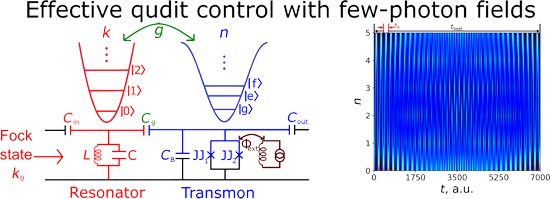
- algorithms. A promising solution to this problem is to expand the computational basis of an element by switching to qutrits (n = 3), ququarts (n = 4), and so on [7][8][9][10][11][12]. We believe that an additional synergistic effect can be achieved by using quantum electromagnetic fields with a comparable
- lifetime of this artificial atom; in a recent work [29] “coherence” times of T1 = 64–13 μs, Ramsey periods of T2R = 85–16 μs, and Hahn echo times T2E = 93–22 μs for levels of n = 2–10, respectively, have been achieved. It should be noticed that the spectrum of eigenvalues of the Hamiltonian of a real
- ), or a pair of JJs forming an interferometer-like circuit, so the spectrum is no longer equidistant. In the case where the JJ pair is used, the characteristic (plasma) frequency of the transmon can be quickly adjusted in 10–20 ns in the range of 1 GHz by an external magnetic field [35]. In practice


Photocatalytic degradation of ofloxacin in water assisted by TiO2 nanowires on carbon cloth: contributions of H2O2 addition and substrate absorbability
Beilstein J. Nanotechnol. 2025, 16, 1567–1579, doi:10.3762/bjnano.16.111
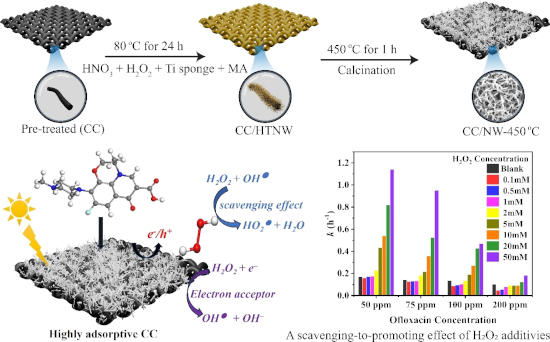
- photocatalysis [8]. However, TiO2 as a sole component presents challenges partly due to the rapid recombination of photogenerated electron–hole pairs, which significantly reduces its photocatalytic efficiency and practical applicability [9][10]. Recent advancements have focused on TiO2 photocatalysts supported
- than that of 10–20 ppm adopted by most studies, highlighting the advantages of the one-dimensional TiO2 material on an adsorptive substrate as a photocatalyst. Experimental Materials and reagents Carbon cloth with a purity of 99.8% was provided by Shanghai Hesen Industry Company Limited, China
- without further purification. Deionized water was used for all the experiments. Synthesis of TiO2 nanowires on carbon cloth The synthesis follows basically our previous study but on a larger scale [16]. In brief, a 5 cm × 10 cm piece of carbon cloth (CC) underwent three cleaning cycles using ethyl alcohol


Modeling magnetic properties of cobalt nanofilms used as a component of spin hybrid superconductor–ferromagnetic structures
Beilstein J. Nanotechnol. 2025, 16, 1557–1566, doi:10.3762/bjnano.16.110
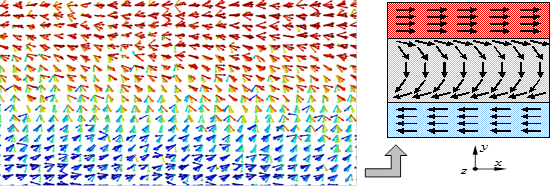
- technologies [5][6][7] based on Josephson junctions. It is well established that the properties of nanostructures can significantly differ from those of bulk samples. Currently, close attention is paid to thin-film magnetic structures, which include cobalt and iron [8][9][10]. Thus, in [1], the crystal
- second stage (10 ps), fluctuations of the magnetic values of the system stabilized after the relaxation stage were analyzed. For the stage of fluctuations of magnetic quantities, the graphs of changes in magnetic energy and reduced magnetization modulus (takes values from 0 to 1) of a cobalt crystallite
- equilibrated cobalt nanofilm were investigated. The duration of the second stage was 10 ps. In both stages, there were no external influences on the system. The thermodynamic and spin temperatures were maintained at 300 K, with temperature damping parameters of τt = τs = 0.01 ps. Magnetic energy and reduced


Transient electronics for sustainability: Emerging technologies and future directions
Beilstein J. Nanotechnol. 2025, 16, 1545–1556, doi:10.3762/bjnano.16.109

- rehabilitation [10][11], and orthopedic healing [12], where device functionality is required only for a defined recovery period. In such cases, transient electronic devices offer distinct advantages over conventional implants by providing essential sensing or therapeutic functions during the acute phase and
- , making them ideal candidates for next-generation biomedical implants that are designed to function for a limited period, such as for temporary rehabilitation or short-term therapeutic purposes following surgery [6][7][8][10][14][21][22][23][24][25][26][27][28][29][30]. Clinically relevant implementations
- postoperative recovery period [10] (Figure 1c), and drug delivery vehicles developed to enable remotely triggered, programmable release of therapeutic agents, followed by complete degradation without the need for extraction [8][25]. Recent advances in minimally invasive delivery techniques have further expanded


Influence of laser beam profile on morphology and optical properties of silicon nanoparticles formed by laser ablation in liquid
Beilstein J. Nanotechnol. 2025, 16, 1533–1544, doi:10.3762/bjnano.16.108
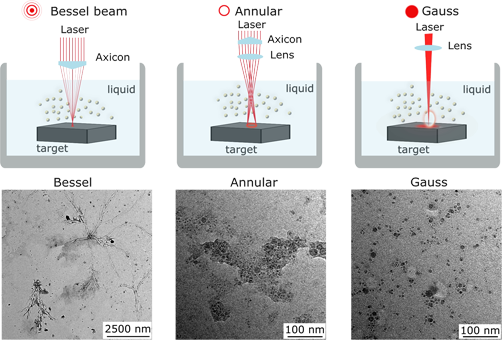
- annular profile formed using a combination of an axicon and a converging lens, and a Gaussian beam focused on the surface of a Si target using the same converging lens. In all the schemes, a nanosecond Nd3+:YAG laser with a pulse duration of 10 ns operating at its fundamental harmonic (1064 nm) was used
- to alter the properties and morphology of NPs by changing the laser parameters and liquid media [10][11]. The control over the major characteristics of the produced nanomaterials can be achieved by adjustment of several experimental parameters, for example, laser wavelength, fluence, pulse width
- , operating at 1064 nm (energy 80 mJ per pulse, repetition rate 10 Hz, pulse duration 10 ns, laser beam diameter 6 mm, ablation time 20 min) in a double-pulse mode with an interpulse delay of 1 μs [7][10]. These parameters were maintained for all three cases of focusing optics forming spatial profiles of


Dendrimer-modified carbon nanotubes for the removal and recovery of heavy metal ions from water
Beilstein J. Nanotechnol. 2025, 16, 1522–1532, doi:10.3762/bjnano.16.107

- reverse osmosis [9]. The adsorption process stands out as a promising approach due to its high efficiency, cost-effectiveness, ease of processing, and capability to recover trace metal ions [10][11][12][13]. This process utilizes nanomaterials bearing appropriate functional groups to bind metal ions
- in the Experimental section. First, 10 mg of the synthesized dendrimerized CNTs (CNTs-G1, CNTs-G2, CNTs-G3, and CNTs-G5) with different degrees of branching were added to respective vials as adsorbents, each containing 20 mL of a 100 ppm solution of Pb2+ and Cd2+ diluted from a 1000 ppm stock. The
- thermodynamic parameters such as ΔH and ΔG asserted that adsorption process was endothermic and spontaneous in nature. Experimental Materials Multiwalled carbon nanotubes (CNTs) (CM-95, diameter 10–15 nm, length 10–20 μm, specific surface area 200 m2/g) were purchased from Hanwha Nanotech, Korea


Cross-reactivities in conjugation reactions involving iron oxide nanoparticles
Beilstein J. Nanotechnol. 2025, 16, 1504–1521, doi:10.3762/bjnano.16.106
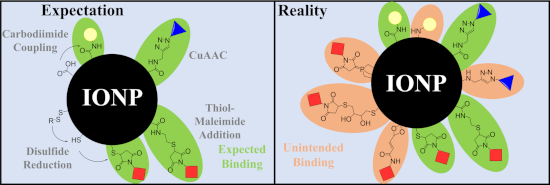
- IONPs, using either amine- or carboxylic acid-functionalized IONPs, especially when biomolecules, such as proteins or peptides, are involved [3][7][8][9][10][11][12][13][14]. Sharpless et al. [6] have generally defined “click chemistry” as chemical processes that are highly selective, have a high
- ]. Indeed, the versatility of this coupling reaction has led to numerous reports of its use with IONPs, through surface functionalization with either thiols or maleimides [10][32][33][34][35][36][37][38][39]. The IONP surface can also be capped with disulfide ligands, such as glutathione disulfide (GSSG
- disrupt the π–π interactions, thereby removing any bound Cy3-maleimide. The UV–vis spectra show no change in the Cy3 loading between the sample washed with MeOH only (Figure 10.i) and the sample washed with MeOH/benzene (Figure 10.ii), which rules out the involvement of π–π interactions in the loading of







Nanomaterials for biomedical applications
Beilstein J. Nanotechnol. 2025, 16, 1499–1503, doi:10.3762/bjnano.16.105
- nanoparticles to target particular cell types, making them precise [10]. Dendrimers are considered a more promising group among nanocarriers. They are highly branched structures, with a given shape and many functional groups placed on their surface. This enables the safe loading of high quantities of drugs and
Laser processing in liquids: insights into nanocolloid generation and thin film integration for energy, photonic, and sensing applications
Beilstein J. Nanotechnol. 2025, 16, 1428–1498, doi:10.3762/bjnano.16.104
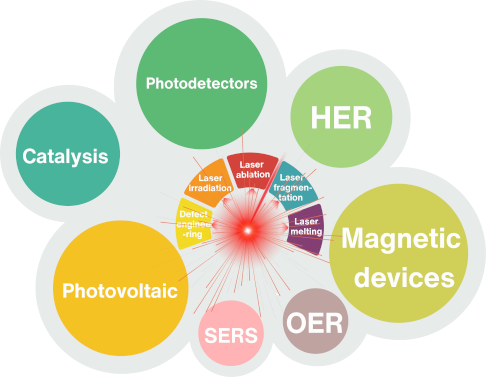
- 2004 [2][4][5][6][7][8][9] offer insights into its history, novelties, mechanisms, and applications, catering to the interests and choices of readers [10]. A list of recent review articles highlighting advancements in laser ablation, processing, and structuring of different materials, along with a
- repetition rate of 10 Hz. In order to synthesize Pt and Pd NPs, pure platinum and palladium metal plates were used as ablation targets. Metallic NPs synthesized through PLAL can be utilized not only for forming thin films of their own but also in combination with organic semiconductors via spin coating. Thin
- substrates using 750 rpm for 10 s. FTIR analysis revealed that the functional groups and atomic bonding were involved in physical, rather than chemical, interactions, as no new bonds were formed or broken [111]. These results support the notion that NPs can be combined with various materials, including






Photochemical synthesis of silver nanoprisms via green LED irradiation and evaluation of SERS activity
Beilstein J. Nanotechnol. 2025, 16, 1417–1427, doi:10.3762/bjnano.16.103
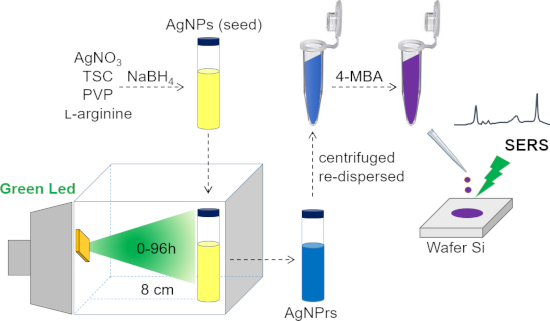
- candidates for surface-enhanced Raman scattering (SERS) due to their strong localized surface plasmon resonance and sharp tip geometry. In this study, AgNPrs were synthesized through a photochemical method by irradiating spherical silver nanoparticle seeds with 10 W green light-emitting diodes (LEDs; 520
- enhancement factor of 1.15 × 10⁶, enabling detection limits down to 10−9 M. These findings demonstrate that green LED-mediated synthesis provides a simple, environmentally friendly route to fabricate high-yield AgNPrs with superior SERS capabilities, suitable for ultrasensitive chemical and biological sensing
- , photochemical methods utilizing physical agents such as lasers [5], UV light [6], or LEDs [7][8][9] have gained attention due to their superior spatial and temporal control, high stability of the resulting AgNPrs and avoidance of environmentally unfriendly reducing agents [8][10]. The strong surface plasmon


The role of biochar in combating microplastic pollution: a bibliometric analysis in environmental contexts
Beilstein J. Nanotechnol. 2025, 16, 1401–1416, doi:10.3762/bjnano.16.102
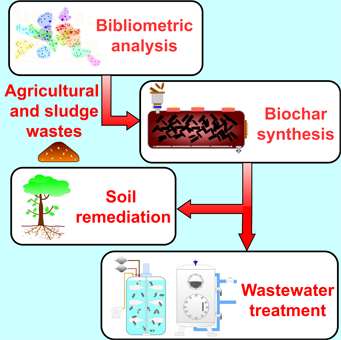
- such as Subgroup 10, Bacillus, and Pseudomonas. In aquatic systems, biochar serves as an efficient adsorbent, particularly for MPs larger than 10 µm, including polystyrene. Studies suggest that fixed-column models achieve superior removal efficiency (95.31% ± 5.26%) compared to batch systems (93.36
- % ± 4.92%). Specifically, for MPs ≥10 µm, fixed columns reach 99% efficiency, while magnetically modified biochar captures 96.2% of MPs as small as 1 µm. These efficiencies stem from biochar’s integration of physical and chemical mechanisms that enhance MP retention, particularly for MPs smaller than 10 µm
- ), while sediment contamination was more severe during the wet season, with contamination factors categorized as “very high” (15.6) in wet periods and “high” (4.9) in dry periods [10]. Similarly, effluent from wastewater treatment plants contained 192 particles/L for 2 µm MPs and 323 particles/L for 10 µm



Parylene-coated platinum nanowire electrodes for biomolecular sensing applications
Beilstein J. Nanotechnol. 2025, 16, 1392–1400, doi:10.3762/bjnano.16.101
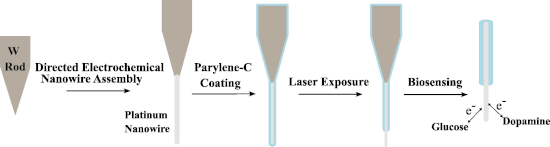
- , and cell oxidative stress [10]. Another important class of biosensors relies on metal nanoparticles, as metals have long served as some of the earliest and most widely utilized materials in biosensor development. Like CNTs, nanoscale metal particles benefit from their small size and high surface-to
- selected for peak current calculation. Considering the normal range of glucose concentration in human blood ranges from 3.5 to 5.5 mM, the maximum glucose concentration was set to be 10 mM. Cyclic voltammetry testing shows a linear relationship between glucose concentration and peak current, ranging from
- 0.3–10 mM (Figure 4c), and the LoD is 0.01 mM glucose (Figure 4d). With limited surface area, LoD and detection range of our nanowire electrodes are inherently constrained. However, surface modification has been shown to enhance electrode performance, as described in the Introduction section


Synthesis and antibacterial properties of nanosilver-modified cellulose triacetate membranes for seawater desalination
Beilstein J. Nanotechnol. 2025, 16, 1380–1391, doi:10.3762/bjnano.16.100
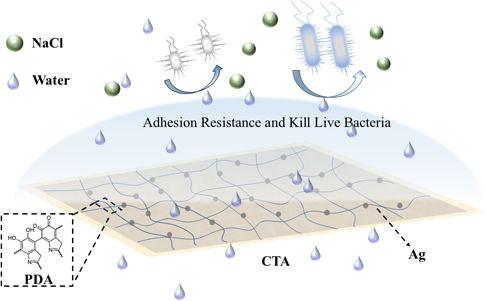
- can be broadly categorized into two groups, that is, thermal-ased technologies (e.g., multistage flash distillation (MSF) and multieffect distillation (MED)) and membrane-based technologies (e.g., forward osmosis (FO), reverse osmosis (RO), electrodialysis (ED), and nanofiltration (NF)) [10]. Among
- culture medium. Characterizations TGA was carried out on a Shimadzu DTG-60/DTG-60A thermogravimetric analyzer. The heating rate was 10 °C·min−1, and the atmosphere was air. FTIR measurements were performed using a PerkinElmer spectrometer, utilizing single-reflection ATR technology and a diamond crystal
- of water, followed by gradual addition of dilute hydrochloric acid until the solution reached a pH of 8.5. Subsequently, 10 mg of dopamine hydrochloride (98%) was dissolved in 5 mL of the tris/HCl solution to prepare a 2 mg·mL−1 dopamine solution. The CTA membrane surface was then coated with the


Automated collection and categorisation of STM images and STS spectra with and without machine learning
Beilstein J. Nanotechnol. 2025, 16, 1367–1379, doi:10.3762/bjnano.16.99
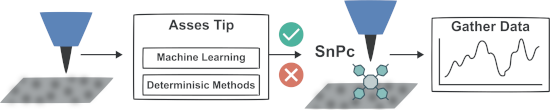
- “flat” DOS, which is typically achieved by using a purely metallic tip. However, most tips do not demonstrate a perfectly flat local density of states (LDOS) as they have a complex electronic structure governed by the geometry of the metallic cluster at the tip apex [8][9][10][11][12]. Non-metallic
- was operated using an RC5 Nanonis controller, with all experiments carried out in UHV (base pressure ≤5 × 10⁻¹¹ mbar) cooled to 5 K. Gold and silver crystals (spl.eu) were prepared via repeated sputter–anneal cycles, sputtering under an argon pressure of ≈5 × 10⁻⁵ mbar, with a beam energy of 1.5 kV
- with the most visible surface state contained a background slope, as seen in Figure 3c. It is well understood that different suitable STS tips can produce considerable variation in the features observed in spectra taken over a bare substrate, including slopes through the bias range [10][20]. Therefore




Enhancing the therapeutical potential of metalloantibiotics using nano-based delivery systems
Beilstein J. Nanotechnol. 2025, 16, 1350–1366, doi:10.3762/bjnano.16.98
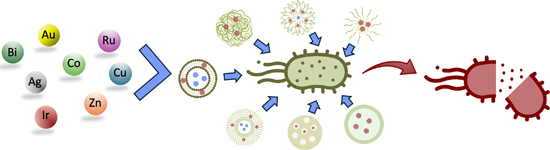
- development are derivatives of already existing ones, which makes them susceptible to existing resistance mechanisms [10]. In 2024, the World Health Organization (WHO) identified only 32 antibiotics under development to address the priority pathogens [11], of which only twelve fulfil all criteria to be
- ranging between 1 to 10 nm in size. They have recently garnered attention as drug delivery systems due to their ability to easily penetrate cell membranes and their large specific surface area, which facilitates extensive drug conjugation and precise targeting [92][93]. These nanoparticles exhibit size
- interact directly with cell membranes causing their destabilization [110]. As stated before, the FDA-approved antirheumatic gold(I)–phosphine complex auranofin 10 (Figure 4) is the reference metalloantibiotic, displaying a potent bactericidal activity against drug-resistant Gram-positive bacteria, such as


Ferroptosis induction by engineered liposomes for enhanced tumor therapy
Beilstein J. Nanotechnol. 2025, 16, 1325–1349, doi:10.3762/bjnano.16.97
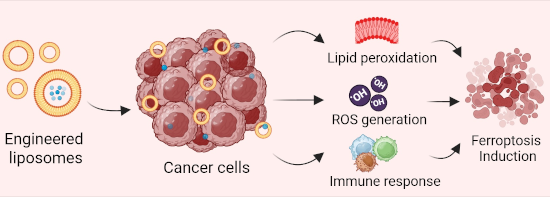
- ][10]. The main advantage of ferroptosis lies in its cell death mechanism, which bypasses multidrug resistance and improves conventional chemotherapy, highlighting its remarkable therapeutic efficacy [8]. Ferroptosis treatment holds potential for addressing a range of conditions, including liver


Deep-learning recognition and tracking of individual nanotubes in low-contrast microscopy videos
Beilstein J. Nanotechnol. 2025, 16, 1316–1324, doi:10.3762/bjnano.16.96
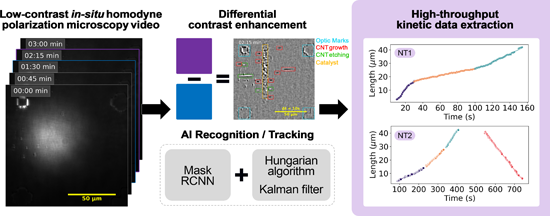
- filtering, and object edge contrast was enhanced using Gaussian difference filtering. Finally, image contrast was optimized through histogram equalization [10]. Deep learning model The deep learning model and its training are detailed in Supporting Information File 1. In short, an image recognition system
- units provided by Google Colab [17] over 150 epochs with a learning rate of 0.005, decreasing by 10% every 5 epochs. A weight decay of 0.0005 with momentum of 0.9 was used. Results and Discussion In situ videos of CNT growth obtained using HPM contain extensive kinetic information. However, the low
- cut (ST) quartz substrate and from the fully processed video using (b) fixed-frame and (c) differential shading correction (with a 10 s delay). The thick vertical line in each image indicates the catalyst line. Optical markers (i.e., squares, crosses, and L-shapes) are visible in the corners. CNTs


Wavelength-dependent correlation of LIPSS periodicity and laser penetration depth in stainless steel
Beilstein J. Nanotechnol. 2025, 16, 1302–1315, doi:10.3762/bjnano.16.95
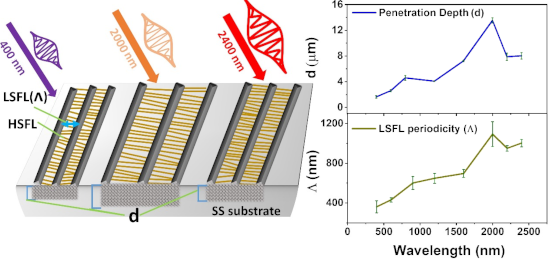
- structuring offers a straightforward means to manipulate the functional and surface characteristics of substrates [10][11][12][13]. The applications span a broad spectrum, encompassing colorization control, self-cleaning surfaces, regulation of cell and bacterial films, antireflective surfaces, surface
- . Before and after the laser treatment, these SS surfaces underwent ultrasonic rinsing with acetone for 10 min each, aiming to eliminate dust particles and other contaminants. Experimental details A commercially available Ti:sapphire femtosecond laser operating at an 800 nm central wavelength, with 75 fs
- grades of emery paper (3000, 4000, and 5000). Subsequently, alumina polishing was applied for 20 min to achieve a flawless mirror finish on the surface. A solution containing 10 g of oxalic acid in 100 mL of distilled water was employed for etching the stainless steel. An external etching process was




Enhancing the photoelectrochemical performance of BiOI-derived BiVO4 films by controlled-intensity current electrodeposition
Beilstein J. Nanotechnol. 2025, 16, 1289–1301, doi:10.3762/bjnano.16.94
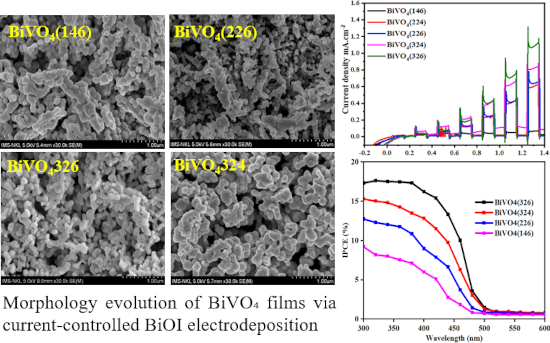
- charge carriers, which severely restrict its PEC performance [10][11][12]. Various strategies have been explored to overcome these challenges and optimize the structural, electronic, and surface properties of BiVO4 [13][14]. Hydrothermal synthesis has been used to produce highly crystalline BiVO4 films
- photoanodes The BiVO4 film was deposited using electrochemical deposition. A solution of 0.2962 g Bi(NO3)3 dissolved in 50 mL distilled water was ultrasonicated for 30 min. Subsequently, 400 mM KI and 5% HNO3 were added to adjust the pH to 2. Additionally, 50 mM p-benzoquinone (0.2 g) was dissolved in 10 mL
- illuminated the sample from the back of the FTO glass. Under AM1.5G illumination, electrochemical impedance spectroscopy (EIS) measurements were performed at an open-circuit voltage, covering a frequency spectrum from 1 Hz to 10 kHz. Mott–Schottky curves were recorded at a frequency of 1 kHz in a dark light



Acrocomia aculeata oil-loaded nanoemulsion: development, anti-inflammatory properties, and cytotoxicity evaluation
Beilstein J. Nanotechnol. 2025, 16, 1277–1288, doi:10.3762/bjnano.16.93
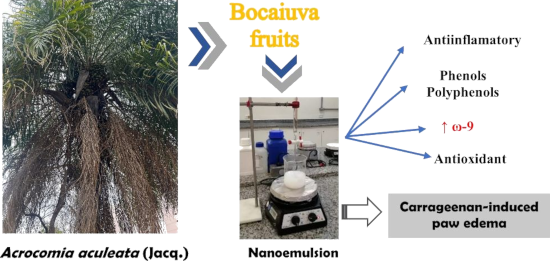
- predominantly [9]. These compounds have the potential to enhance immune response, reduce the risk of degenerative diseases, and contribute to anti-inflammatory activity [10][11], reducing the indiscriminate use of non-steroidal anti-inflammatory drugs (NSAIDs) and corticosteroids in the population [12][13
- HLB values, which reflect their affinity for either aqueous or lipid phases. Hydrophilic emulsifiers typically exhibit a high HLB value, while lipophilic emulsifiers possess lower values. The HLB scale generally ranges from 1 to 20, with an approximate midpoint of 10, distinguishing emulsifiers suited
- , the zeta potential underwent a significant decrease from approximately −10 to −20 mV within the first 45 days and then stabilized for the remainder of the 180 days. The analysis of variance found statistically significant differences among the zeta potential values (Ftest = 2.4258, pvalue = 0.0021


Better together: biomimetic nanomedicines for high performance tumor therapy
Beilstein J. Nanotechnol. 2025, 16, 1246–1276, doi:10.3762/bjnano.16.92
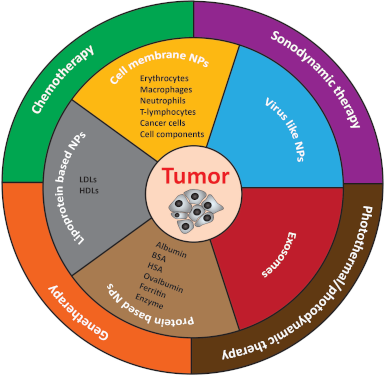
- physicochemical and biological properties, and incredible potential of being therapeutic agent carriers for biomedical applications [10][11]. They are capable to deliver a range of therapeutics including genes, vaccines, biological macromolecules, hydrophobic/hydrophilic drugs, and proteins to certain organs such
- antitumor effect. Moreover, in combination with PD-L1, the PG@KMCM reprogrammed the immunosuppressive TME by eliminating the PD-L1 macrophages and therefore downregulating PD-L1 expression [138] (Figure 10). Similarly, to attenuate the immunosuppressive TNBC TME, Li et al. constructed CRT-overexpressed