Search results
Search for 外科护理学第7版电子版 in Full Text gives 2656 result(s) in Beilstein Journal of Nanotechnology. Showing first 200.
Probing the potential of rare earth elements in the development of new anticancer drugs: single molecule studies
Beilstein J. Nanotechnol. 2025, 16, 187–194, doi:10.3762/bjnano.16.15
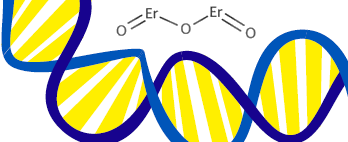
- applications, rare earth elements are yet unexplored in the development of new drugs for cancer chemotherapies, and only a few works have pointed out the potential of such elements for this field [6][7][8]. An initial motivation to investigate the potential of rare earth elements for cancer treatments is the
- mechanical properties of the DNA complexes formed with the ytterbium and neodymium is very similar to the one previously studied using europium [7]. In this work, we showed that europium binds outside the double helix in a cooperative way, forming clusters of about approx. three molecules and presenting an
- the corresponding europium data in [7]. The fits are also shown in Figure 2 as solid lines and allowed us to determine the relevant binding parameters of the interactions, which are schematically shown in Table 1. The equilibrium association binding constant of the interactions between Yb and Nd with


A review of metal-organic frameworks and polymers in mixed matrix membranes for CO2 capture
Beilstein J. Nanotechnol. 2025, 16, 155–186, doi:10.3762/bjnano.16.14
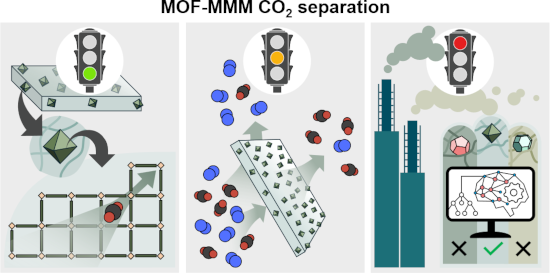
- , including regenerative solvent-based absorption [2][6], fixed-bed adsorption [7], cryogenic separation techniques [8], and membrane separation methods [9][10][11][12]. Of these, membrane technology offers advantages such as exceptional stability, high efficiency, low energy consumption, and ease of
- mixtures of CO2/CH4 conducted at 7 to 25 bar, it was observed that the amount of CO2 adsorbed closely matched the CO2 single component isotherm. In contrast, the amount of CH4 adsorbed was negligible or close to zero in all cases, indicating near-perfect selectivity for CO2. The near-perfect selectivity




Clays enhanced with niobium: potential in wastewater treatment and reuse as pigment with antibacterial activity
Beilstein J. Nanotechnol. 2025, 16, 141–154, doi:10.3762/bjnano.16.13
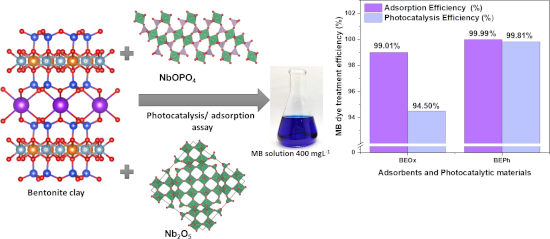
- , play a crucial role in industries requiring coloring, such as textile, food, cosmetics, rubber, printing, paper, and plastic. Globally, an estimated 7 × 10⁵ tons of dyes are produced, with 10–15% typically disposed of as wastewater pollutants [2]. Among the most used dyes, methylene blue (MB) is an
- properties as an adsorbent, characterized by their low cost, abundant availability, nontoxic nature, and large surface area [2][7]. Additionally, its negatively charged surface renders it favorable for the adsorption of cations [7]. Bentonite clay is abundantly found in Guarapuava, Paraná, Brazil. This
- natural clay has predominantly the bentonite phase (at least 50%), known as montmorillonite. Isomorphic substitution of cations between the interlayer space of montmorillonites by exchanging Na+, Ca2+, Mg2+, and Cu2+ cations add other functionalities to the resulting material [7]. Heterogeneous



TiO2 immobilized on 2D mordenite: effect of hydrolysis conditions on structural, textural, and optical characteristics of the nanocomposites
Beilstein J. Nanotechnol. 2025, 16, 128–140, doi:10.3762/bjnano.16.12
- Marina G. Shelyapina Rosario Isidro Yocupicio-Gaxiola Gleb A. Valkovsky Vitalii Petranovskii Department of Nuclear Physics Research Methods, Saint-Petersburg State University, 7/9 Universitetskaya nab., St. Petersburg 199034, Russia Tecnológico Nacional de México/Instituto Tecnológico Superior de
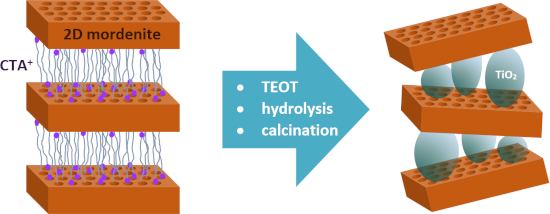
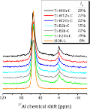
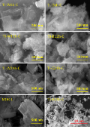
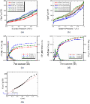
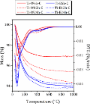
- distance and, hence, the mesopore size, but also the aluminum distribution and acidic properties of the obtained material, which are key parameters for catalysts [5][7][8][9][10]. One widely used component for the synthesis of 2D zeolites is CTAB [5][9][11][12][13]. To prepare mesoporous materials from



Comparison of organic and inorganic hole transport layers in double perovskite material-based solar cell
Beilstein J. Nanotechnol. 2025, 16, 119–127, doi:10.3762/bjnano.16.11
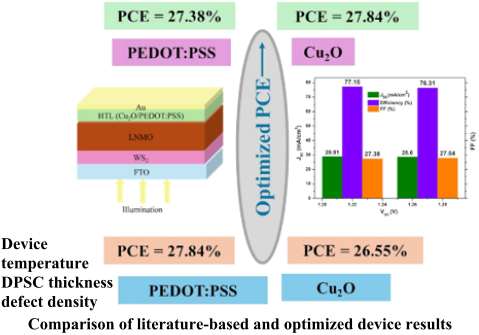
- transported to ETL and HTL, respectively, without recombining [7]. Ozturk et al. [8] addressed the role of a passivation agent at grain boundaries and the surface of perovskite films, namely, quinary kesterite nanocrystals Cu2NiSn(S,Se)4 (CNTSSe) obtained through a facile hot-casting method. Through


Nanocarriers and macrophage interaction: from a potential hurdle to an alternative therapeutic strategy
Beilstein J. Nanotechnol. 2025, 16, 97–118, doi:10.3762/bjnano.16.10
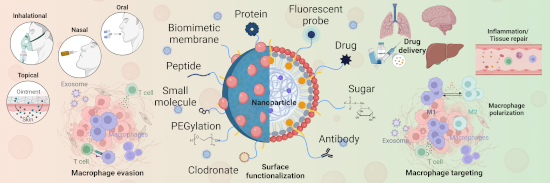
- macrophages in the spleen and lymph nodes, that sequester them. This occurs often independent of their design and structure [7]. Although a significant challenge, this interaction presents a unique clinical application opportunity. Macrophages are involved in the pathogenesis of several diseases and thus can
- ability to recognize and engulf NCs can impede the delivery of therapeutic agents to target tissues, it also opens avenues for novel strategies that exploit macrophage behavior for benefits, like targeted drug delivery and immunomodulation [2][7][8]. This review will explore the physiological functions of


Modeling and simulation of carbon-nanocomposite-based gas sensors
Beilstein J. Nanotechnol. 2025, 16, 90–96, doi:10.3762/bjnano.16.9
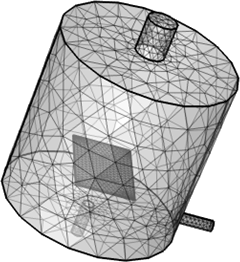
- concentrations ranging from 1 to 7 ppm. The surface coverage over the range of 14% to 32.94% for the given range of concentrations is achieved giving the information of the amount of gas molecules adsorbed onto the surface of the sensing material at a given time. The surface coverage of the sensor is enhanced by
- , its composites, and their application in electrochemical sensors have been discussed [6][7][8]. There are research contributions on pristine graphene and ammonia gas sensors for detection of very low ammonia content [9]. The thin-film sensor fabricated on polyethylenimine- (PEI) functionalized SWCNTs
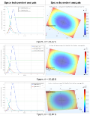
- 14% due to ample active site availability. However, at higher concentrations such as 3 (25.22% of coverage), 5 (30.23% coverage), and 7 ppm (32.94% of coverage), the uniformity of adsorption decreases. This is attributed to the limited availability of active sites on the surface. The plots



Characterization of ZnO nanoparticles synthesized using probiotic Lactiplantibacillus plantarum GP258
Beilstein J. Nanotechnol. 2025, 16, 78–89, doi:10.3762/bjnano.16.8
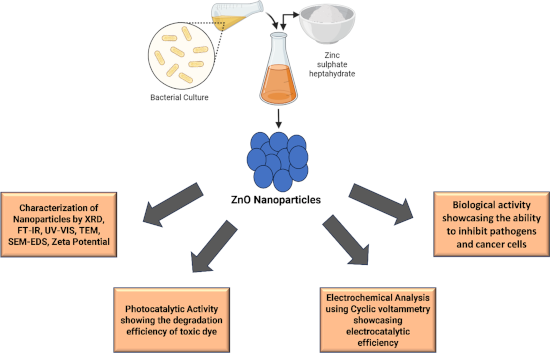
- . When ingested in sufficient quantities, they provide health advantages as they colonize the gut, and their metabolites generally show antimicrobial and health promotion activity to the host [6][7][8]. The thick peptidoglycan layers with crosslinks and the complex cell wall structures of Gram-positive
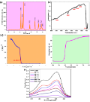
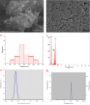
- produce hydroxyl radicals (•OH−). These radicals degrade the dye molecules into harmless substances; the degradation is shown in Figure 2d. TEM analysis The size of the ZnO NPs, which was determined from TEM using Image J software, varied from 7 to 98 nm, with an average size of 10 nm. The SAED pattern of
- . Microscopic examination via TEM and SEM offered details about nanoparticle size and shape. Our study reported a size range from 7 to 98 nm, with an average size of 10 nm. Suba et al. [22] reported an average size of 32 nm, while Mohd Yusof et al. [23] synthesized ZnO NPs with a size of 291 nm (flower-like



Instance maps as an organising concept for complex experimental workflows as demonstrated for (nano)material safety research
Beilstein J. Nanotechnol. 2025, 16, 57–77, doi:10.3762/bjnano.16.7

- ). In medicine [7][8] and agriculture [9][10], loading of nanomaterials with active ingredients and targeting the materials to key sites for action are enabled through surface functionalisation and the small size of nanomaterials, which allows them to access all areas. An important consequence of the
- with 900 mL medium and can contain 10–15 adults, with the medium being refreshed three times per week. All cultures are fed the same daily algal ration of Chlorella vulgaris (7.5 mg C days 0–7, 11.25 mg C days 7 onwards, with double rations on Fridays to cover the weekend) and are kept in a 20 °C
- developed and is linked to the raw data node. The OECD 211 “Daphnia magna reproduction test“ (a reproductive assay) has also been mapped, as shown in Figure 7, noting that the concentration used in the chronic test is usually derived from the acute test (e.g., the EC30 or EC10 concentration). Thus, these


Advanced atomic force microscopy techniques V
Beilstein J. Nanotechnol. 2025, 16, 54–56, doi:10.3762/bjnano.16.6

- Philipp Rahe Ilko Bald Nadine Hauptmann Regina Hoffmann-Vogel Harry Monig Michael Reichling Institut für Physik, Universität Osnabrück, Barbarastraße 7, 49076 Osnabrück, Germany Institute of Chemistry, Hybrid Nanostructures, University of Potsdam, Karl-Liebknecht-Straße 24–25, 14476 Potsdam
- carry out a more detailed characterization of the optoelectronic properties. Rothhardt et al. map the local work function on graphene nanoribbons [7]. They experimentally investigate the charge transfer between a gold substrate and graphene nanoribbons and compare that to DFT calculations. Indeed, the
Theoretical study of the electronic and optical properties of a composite formed by the zeolite NaA and a magnetite cluster
Beilstein J. Nanotechnol. 2025, 16, 44–53, doi:10.3762/bjnano.16.5
- characteristics of zeolites depend largely on the chemical composition of the framework, specifically the Si/Al ratio [1][2]. These characteristics make zeolites highly appealing for a wide range of applications, including the production of fine chemicals [3][4], gas separation [5][6][7], ion exchange [8][9][10
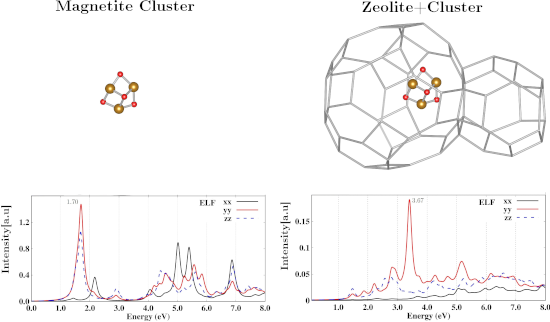
- parts of the relative permittivity are zero. In this small range, for an average value of the relative permittivity, ε1 = 1.6, we obtain that v = 0.79c, which means that within this energy range, electromagnetic waves slow down by about ≈2.5% compared with pure zeolite. In Figure 7, we compare the




Precursor sticking coefficient determination from indented deposits fabricated by electron beam induced deposition
Beilstein J. Nanotechnol. 2025, 16, 35–43, doi:10.3762/bjnano.16.4

- deliberately determined [6]. In some other works, the sticking coefficient has been used in an expression describing the value of precursor supply frequency which was sufficient for the investigated case [7][8]. A number of works using the continuum model assumed the sticking coefficient to be unity as a rough
- is independent of the deposited molecule fragment volume V and impinging precursor flux [7]: This normalized growth rate allows us to abstract away from the process details and look at it from a more general perspective. Depending on the deposition conditions and employing a Gaussian beam, three
- were 100 μm above the surface and 100 μm away from the beam axis. The base pressure of the instrument was 4 × 10⁻⁷ mbar, the chamber pressure during deposition which was used for the estimation of precursor flux was 5 × 10⁻⁷ mbar for Cr(C6H6)2 and 6 × 10⁻⁶ mbar for Me3CpPtMe, respectively. The


Bioinspired nanofilament coatings for scale reduction on steel
Beilstein J. Nanotechnol. 2025, 16, 25–34, doi:10.3762/bjnano.16.3

- maintenance costs. By understanding and replicating the nanostructured [3][7][8][9], liquid-repelling features of Collembola skin, we propose a novel approach to mitigate this issue. Figure 1 displays the cuticle micro- and nanostructure which leads to effective water repellency [5]. It has been shown how the
- current of 300 pA, and a working distance of ≈10 mm and ≈7 mm in high-vacuum mode (pressure < 0.04 Pa). The SEM images were collected using an in-chamber Everhart−Thornley detector which identifies secondary electrons. Contact angle measurements The measurements were performed by the sessile drop method


A nanocarrier containing carboxylic and histamine groups with dual action: acetylcholine hydrolysis and antidote atropine delivery
Beilstein J. Nanotechnol. 2025, 16, 11–24, doi:10.3762/bjnano.16.2

- have a nerve-paralyzing impact and have major health repercussions. The irreversible binding of OPs to the cholinesterase receptors renders the enzyme completely inactive. An antidote that counters the effects of the OPs on the enzyme is given to treat OP poisoning. Atropine (Atr) [6][7][8], an
- evaluated using NMR spectroscopy with 0.04% DMF in D2O (Figure 7). The Atr release was 37.5%. In addition to the signals of released Atr, the 1H NMR spectrum includes signals of ACh and its hydrolyzed products, Ch and AcOH. It confirms that ACh indeed undergoes hydrolysis by p(Hist-CA) (Figure 7b). In the
- , 134, 126, 124, 120, 108, 61, 46, 41, 39, 34, 30, 18; IR (KBr, cm−1): 3500–3000, 2938, 1608, 1476; Anal. calcd for C64H88Cl4N12O12: C, 56.55; H, 6.53; Cl, 10.43; N, 12.37; found: C, 56.48; H, 6.78; Cl, 10.20; N, 11.89. Synthesis of CA-RA 1. To a solution of 7 g (9.7 mmol) of RA in 100 mL of acetone


Orientation-dependent photonic bandgaps in gold-dust weevil scales and their titania bioreplicates
Beilstein J. Nanotechnol. 2025, 16, 1–10, doi:10.3762/bjnano.16.1
- light in key optical technologies such as lasers [6], light-emitting diodes [7], and light guides [8]. For applications in the visible spectral range, the periodicity needs to be in the range of a few hundreds of nanometers [9]. This periodicity is challenging to engineer using, for example, block
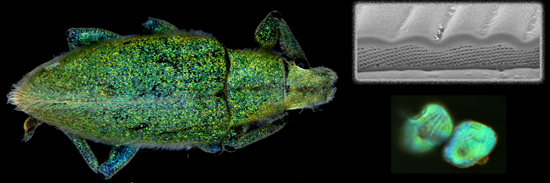
- extended depth of field. (b) Epi-reflectance microscope image of two scales, upper (left) and lower side (right) facing upwards (average scale length 67 ± 7 μm, N = 10). (c) Reflectance spectra of several single scales, measured with the 20× (NA = 0.60) objective and normalized against a white diffusive


Mechanistic insights into endosomal escape by sodium oleate-modified liposomes
Beilstein J. Nanotechnol. 2024, 15, 1667–1685, doi:10.3762/bjnano.15.131
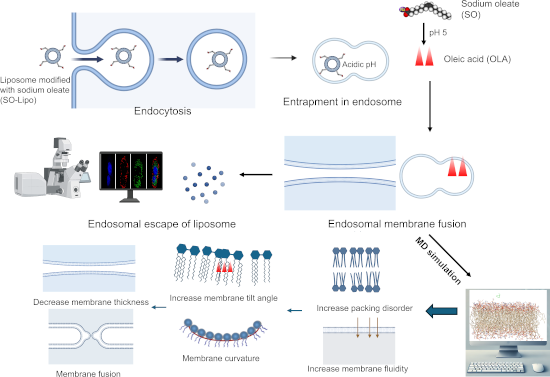
- ionizable lipids or pH-sensitive polymers, have also been investigated. While promising, these methods face significant hurdles, including toxicity, instability under physiological conditions, reduced drug loading capacity, and complex synthesis processes that hinder widespread adoption [7][8]. Given the
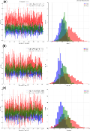
- assessed the area per lipid (APL) in Figure 7. It provides critical insights into the effects of OLA and AUR on the lipid packing density within the POPC/POPG bilayer over the 200 ns simulation period. In the control system, the APL values for POPC and POPG remain relatively stable, with mean values of




Attempts to preserve and visualize protein corona on the surface of biological nanoparticles in blood serum using photomodification
Beilstein J. Nanotechnol. 2024, 15, 1654–1666, doi:10.3762/bjnano.15.130

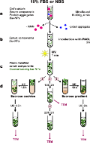
- . The former is tightly linked the surface of the NPs and is stable when isolating the NPs, which allows for determining its protein composition [4][5][6][7]. In contrast, the components of the soft corona are weakly bonded to the underlying hard one and are easily separated by the slightest force. The
- photomodification to obtain NPs bearing a full protein corona on the lipid surface, the proteins of which could be identified by mass analysis [23]. Hossein Mohammad-Beigi and colleagues published another approach in 2020 [7]. They used methods of click chemistry to fix proteins on the surface of silica and



Fabrication of hafnium-based nanoparticles and nanostructures using picosecond laser ablation
Beilstein J. Nanotechnol. 2024, 15, 1639–1653, doi:10.3762/bjnano.15.129
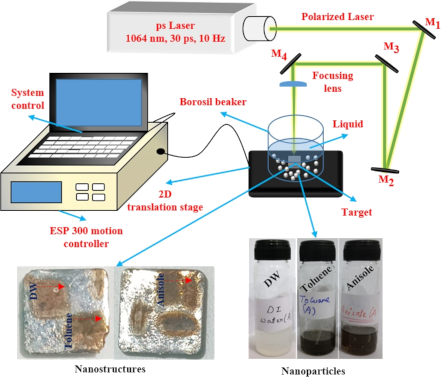
- optical properties [1][2][3][4]. Hf and its alloys are used in nuclear reactors because of their large neutron absorption cross sections and high melting points [5]. They are also used in submarines because of their corrosion resistance [6][7]. The high refractoriness of some Hf compounds [2][4] allows
- carbides. For a given Hf target (regarding purity and surface roughness), the ablation products depend critically on the surrounding liquid, input pulse duration, input pulse energy, and the number of pulses incident on the sample. Figure 7 illustrates the EDX data for the particles synthesised in DW




Heterogeneous reactions in a HFCVD reactor: simulation using a 2D model
Beilstein J. Nanotechnol. 2024, 15, 1627–1638, doi:10.3762/bjnano.15.128
- –metal devices exhibiting blue and white electroluminescence [7][8]. It was found that these films exhibit photoconductive and photoelectric effects suitable for electroluminescence and photovoltaics applications [9][10], as well as for other applications such as solar cells and anodes for Li batteries
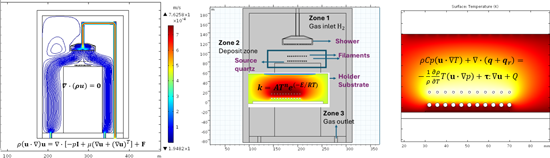
- equations; for an incompressible flow, ρ = constant. The continuity equation in the general form is expressed by Equation 7, the momentum equation in the general form is given by Equation 8, and the transfer of heat in fluids is described by Equation 9: where u is the velocity vector (m·s−1), ρ is the
- deposition area to two inches. The previously reported ANSYS velocity profile is in very good agreement with that obtained in COMSOL, which is shown in Figure 7a. Both profiles in Figure 7 describe the laminar flow of the gas in zone 2 and the formation of a turbulent flow at the diffuser due to the


Biomimetic nanocarriers: integrating natural functions for advanced therapeutic applications
Beilstein J. Nanotechnol. 2024, 15, 1619–1626, doi:10.3762/bjnano.15.127

- therapeutical characteristics as demonstrated in Figure 1-1. In the field of drug delivery, properties such as size, surface-to-volume ratio, and biocompatibility have driven the development of nanoscale-based devices [6][7][8][9]. Nanocompounds offer a strategic approach to addressing or at least improving the


Natural nanofibers embedded in the seed mucilage envelope: composite hydrogels with specific adhesive and frictional properties
Beilstein J. Nanotechnol. 2024, 15, 1603–1618, doi:10.3762/bjnano.15.126
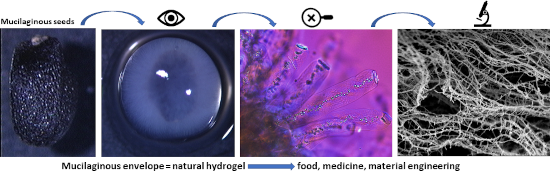
- hydrophilic, three-dimensional (3D), polymeric networks able to absorb huge amounts of water [1][2][3]. This term refers perfectly to the mucilage envelope produced by many fruits and seeds (diaspores) of diverse plant taxa [4][5][6][7][8][9]. Mucilage is considered as a natural hydrogel and shares specific
- its composition [14][15][16]. The nanoscale level of the spatial organisation of mucilage observed with scanning electron microscopy (SEM) reveals the complexity of the mucilage with special features, such as 3D organisation of polysaccharides in a net-like structure [7][13]. In the last years, the
- hydration [8][22][38]. Mucilage, which is produced by the mucilaginous cells of diaspores in a form of densely packed layers, has the ability of loosening its structure after hydration into an easily accessible 3D fibrillar network [7][13][14][39] (Figure 3 and Figure 4 below). One of the key components of


Liver-targeting iron oxide nanoparticles and their complexes with plant extracts for biocompatibility
Beilstein J. Nanotechnol. 2024, 15, 1593–1602, doi:10.3762/bjnano.15.125
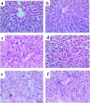
- , biochemistry, biophysics, and other disciplines within biology and medicine [1][2][3][4][5]. The development of nanotechnology has provided resources for various applications in the medical field, leading to significant advances in diagnosis, biological detection, therapy, and drug delivery [6][7][8][9]. An


Facile synthesis of size-tunable L-carnosine-capped silver nanoparticles and their role in metal ion sensing and catalytic degradation of p-nitrophenol
Beilstein J. Nanotechnol. 2024, 15, 1576–1592, doi:10.3762/bjnano.15.124
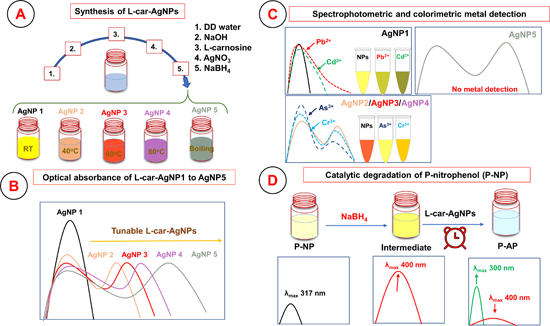
- structure and imparts functional attributes such as metal ion chelation and catalytic enhancement. These features make ʟ-carnosine-capped AgNPs an ideal candidate for environmental applications. It was also reported that pristine AgNPs significantly interact with ʟ-carnosine [7]. Traditional methods for
- pristine silver nanospheres upon interaction. The appearance of the redshifted peak might be due to charge transfer or aggregation [7]. An increased nanoparticle size leads to a further redshift of the plasmonic peak [26]. Hydrodynamic size, zeta potential, and morphology of the ʟ-car-AgNPs are shown in
- stretching frequency at ca. 3243 cm−1 overlaps with the broad OH peak of H2O. The imidazole (C=C) stretching and carboxylate (COO−) asymmetric stretching frequencies are observed at 1568 and 1404 cm−1, respectively [7]. However, in the case of ʟ-car-AgNPs, the peak at 3243 cm−1 disappeared, which might be




Green synthesis of silver nanoparticles derived from algae and their larvicidal properties to control Aedes aegypti
Beilstein J. Nanotechnol. 2024, 15, 1566–1575, doi:10.3762/bjnano.15.123
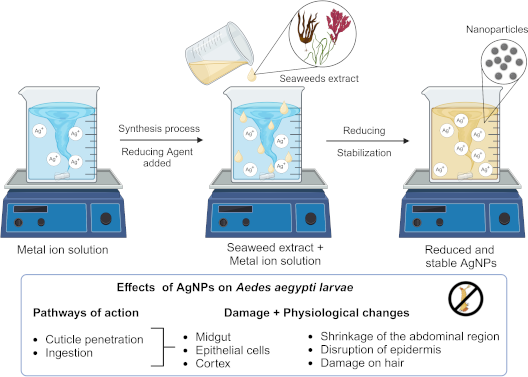
- the presence of the vector, approaches for the control of arthropod-borne diseases involve strategies focused on the vector. These may include the application of synthetic insecticides or the implementation of treatments targeted at patients [7][8]. An emerging strategy for controlling arboviral


Ultrablack color in velvet ant cuticle
Beilstein J. Nanotechnol. 2024, 15, 1554–1565, doi:10.3762/bjnano.15.122

- examples observed in some organisms, scientists are committed to unraveling the mechanisms underlying the development of ultrablack technical surfaces, seeking to replicate such structures in synthetic and natural materials with equivalent properties [3][4][5][6][7][8]. Ultrablack colors are a rare
- between the cuticular protrusions and the underlying layer with presumable absorptive properties (Figure 6). This process increases the path length through lamellae, leading to more efficient absorption, as evidenced by CLSM images of the target species (Figure 7). Thermal imaging results indicate that T