Search results
Search for "dimerization" in Full Text gives 294 result(s) in Beilstein Journal of Organic Chemistry. Showing first 200.
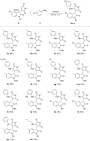
Synthesis and acaricidal activity against Varroa destructor of α- and γ-costic acid dimers
Beilstein J. Org. Chem. 2026, 22, 1088–1096, doi:10.3762/bjoc.22.87
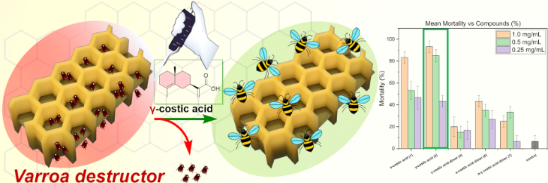
- acaricidal activity of γ-costic acid (3) against V. destructor. Furthermore, since dimerization has, in some cases, been shown to enhance the biological activity of various natural compounds [20], we also aimed to compare the acaricidal activities of costic acids 1 and 3 with those of their corresponding


Synthesis of novel 1,2,4-oxadiazole-isoxazoline hybrids and their in silico potential with adenosine receptors
Beilstein J. Org. Chem. 2026, 22, 1033–1047, doi:10.3762/bjoc.22.82
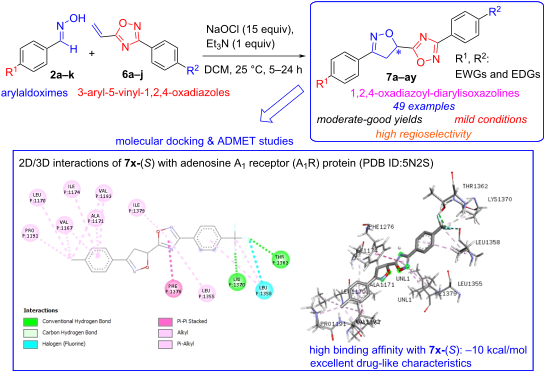
- dehydrohalogenation. This controlled release minimizes the accumulation of free nitrile oxide, thereby suppressing competitive furoxan dimerization, a common yield-limiting pathway in nitrile oxide cycloadditions. Moreover, the presence of triethylamine buffers the reaction medium and scavenges HCl, reducing over


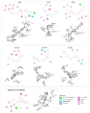
Regioselective approach to 5-arylsulfonylisoxazoles and their antimicrobial activity
Beilstein J. Org. Chem. 2026, 22, 592–602, doi:10.3762/bjoc.22.45
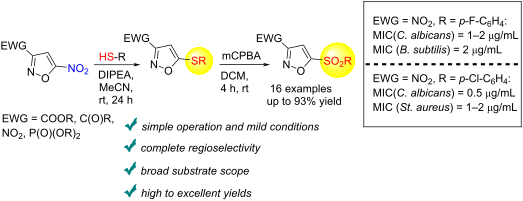
- nitrile oxides in cycloaddition reactions, complete control of regioselectivity without metal catalysis is not always achievable. Another problem with this method is the tendency of nitrile oxides to form dimers (furoxanes), which entails a decrease in the yield of isoxazoles. Due to dimerization, nitrile


Design and synthesis of an erdafitinib-based selective FGFR2 degrader
Beilstein J. Org. Chem. 2026, 22, 583–591, doi:10.3762/bjoc.22.44
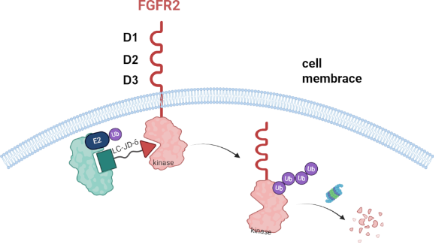
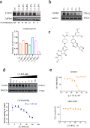
- ; FGFR2; selective degrader; Introduction Fibroblast growth factor receptors (FGFR) are a family of single-pass transmembrane receptor tyrosine kinases (RTKs) localized on the cell surface that bind to fibroblast growth factors [1][2][3]. Dimerization and autophosphorylation of FGFRs are induced by their



Kinetic resolution of racemic planar-chiral vinylcymantrenes by molybdenum-catalyzed asymmetric metathesis dimerization
Beilstein J. Org. Chem. 2026, 22, 568–574, doi:10.3762/bjoc.22.42
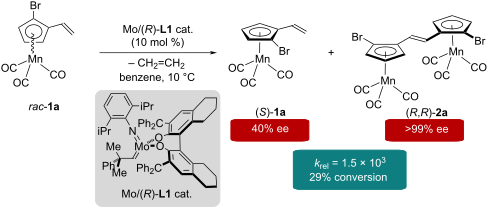
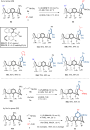
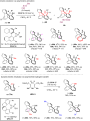
- Science Institute, Tokushima University, Tokushima 770-8501, Japan 10.3762/bjoc.22.42 Abstract Highly diastereo- and enantioselective kinetic resolution (KR) of a series of racemic planar-chiral 1-R-2-vinylcymantrenes (rac-1; R = Br, Me, I) was realized by an asymmetric metathesis dimerization (AMD
- , that is the asymmetric metathesis dimerization (AMD; Scheme 1), was developed by our group during 2022–23 [30][31]. In the previous reports, racemic planar-chiral vinylferrocene [30] or vinylphosphaferrocene derivatives [31] were employed as substrates for the AMD process. In the presence of an
- vinylferrocenes and of over 1000 for the vinylphosphaferrocenes. In this article, we would like to report the analogous asymmetric metathesis dimerization/kinetic resolution of a series of racemic planar-chiral vinylcymantrenes (rac-1a–c). It was found that the chiral molybdenum-alkylidene precatalysts Mo/(R)-L1


Cone p-aminocalix[4]arenes enriched with ‘clickable’ alkyne or azide functionalities
Beilstein J. Org. Chem. 2026, 22, 399–415, doi:10.3762/bjoc.22.28
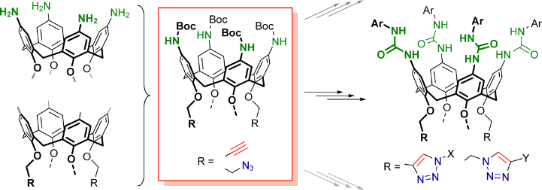
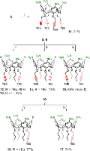
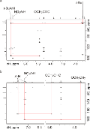
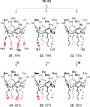
- thermodynamic and kinetic stability of the capsules and the guest exchange processes [55][56][57][58][59][60]. This has made dimerization of tetraureacalix[4]arenes one of the most explored self-organization processes in calixarene supramolecular chemistry, which has been used in the template synthesis of






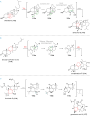
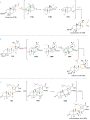
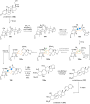
Ring contraction and ring expansion reactions in terpenoid biosynthesis and their application to total synthesis
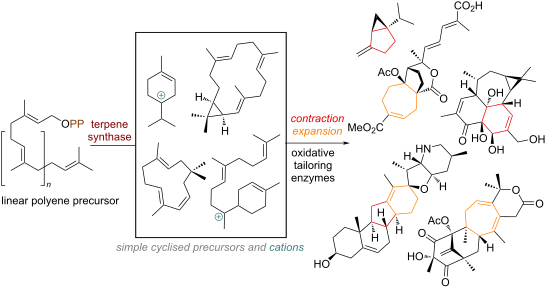
Beilstein J. Org. Chem. 2026, 22, 289–343, doi:10.3762/bjoc.22.21






Advances in Zr-mediated radical transformations and applications to total synthesis
Beilstein J. Org. Chem. 2026, 22, 71–87, doi:10.3762/bjoc.22.3
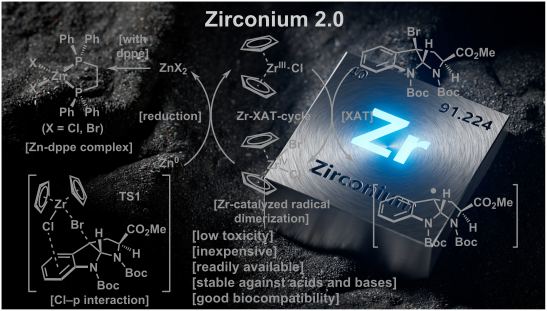
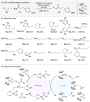
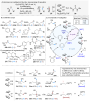
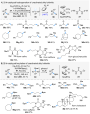
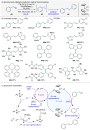
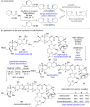
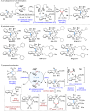
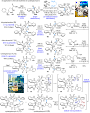
- summarized and described. In 2007, Oshima et al. reported the zirconocene-catalyzed alkylative dimerization of 2-methylene-1,3-dithiane (Scheme 3) [13]. When alkyl halide 13 was treated with Schwartz’s reagent in the presence of butylmagnesium bromide, the generation of an alkyl radical via XAT process and
- corresponding vic-bis(dithiane) derivatives 16a–d. In 2018, Milsmann et al. reported the dimerization of benzyl bromide using a zirconium complex as a photosensitizer (Scheme 4) [14]. Heating a zirconium precursor with the pincer-type ligand 17, which can be synthesized in three steps from commercially
- a photosensitizer, together with compound 22 as a sacrificial reductant, in the dimerization of benzyl bromide (19). The desired dimerized product 20 was obtained in 40% yield. This study highlights the potential of zirconium complexes as a photoredox catalyst, pointing to promising opportunities








Rotaxanes with integrated photoswitches: design principles, functional behavior, and emerging applications
Beilstein J. Org. Chem. 2025, 21, 2345–2366, doi:10.3762/bjoc.21.179

- behavior, enabling the translation of the macrocycle along the axle upon irradiation with light (Figure 3) [21]. Anthracene Anthracene undergoes [4π + 4π] dimerization upon irradiation with light, whereas cycloreversion is achieved thermally (Figure 2) [27]. Tron and co-workers synthesized a [2]rotaxane
- composed of a dibenzo-24-crown-8 (DB24C8) and an axle with anthracenes as stoppers on both ends [28]. Light irradiation at 365 nm triggered the dimerization of the anthracenes allowing the conversion of the [2]rotaxane into a [2]catenane. Cycloreversion and formation of the rotaxane was achieved thermally
- composed of a large crown ether macrocycle containing two anthracene moieties and an axle consisting of dibenzylammonium hexafluorophosphate [83]. Light-induced anthracene dimerization reduces the macrocycle’s cavity, strengthening its interaction with the axle. As a result, the initially rapid dethreading


Comparative analysis of complanadine A total syntheses
Beilstein J. Org. Chem. 2025, 21, 2334–2344, doi:10.3762/bjoc.21.178
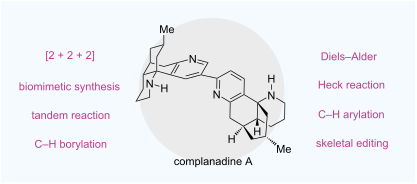
- produce 11, which could be further converted to 12 and 13 for an intermolecular Mannich-type dimerization to form the C2–C3’ linkage [13]. Further oxidation state adjustment would give complanadines A, B, D, and E. Since their isolation, the complanadines, especially complanadine A, have attracted a



C2 to C6 biobased carbonyl platforms for fine chemistry
Beilstein J. Org. Chem. 2025, 21, 2103–2172, doi:10.3762/bjoc.21.165
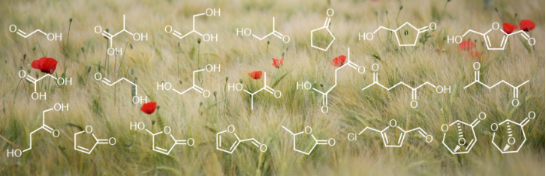
- ). Partial γ-acyloxy-Cy7 possesses a high fluorescence quantum yield and high photothermal conversion efficiency in PBS, two pivotal parameters in fluorescence imaging and image-guided photothermal therapy [196]. A dimerization of furfural has been found to occur at the early stage of formation of humins


Enantioselective desymmetrization strategy of prochiral 1,3-diols in natural product synthesis
Beilstein J. Org. Chem. 2025, 21, 1932–1963, doi:10.3762/bjoc.21.151
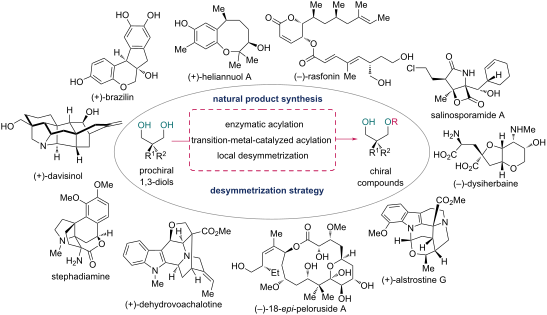
- with 99% ee. The TBS protection was crucial to prevent the potential racemization by intramolecular transesterification. Ester 79 was then prepared from 78 in eight steps. To complete the dimerization, fragments 80 and 81 were independently prepared from 79. An intermolecular Suzuki–Miyaura coupling










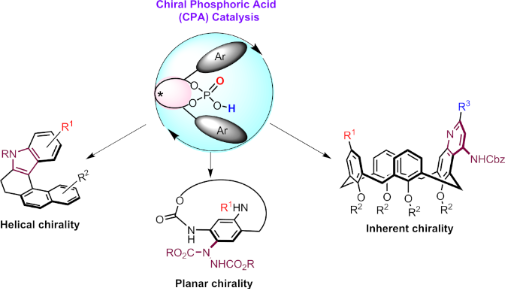
Chiral phosphoric acid-catalyzed asymmetric synthesis of helically chiral, planarly chiral and inherently chiral molecules
Beilstein J. Org. Chem. 2025, 21, 1864–1889, doi:10.3762/bjoc.21.145
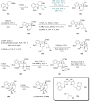
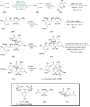
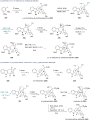
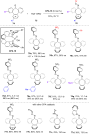
- for the asymmetric synthesis of saddle-shaped inherently chiral dibenzo[b,f][1,5]diazocines 72 via CPA catalysis [55]. In the presence of CPA 7 (10 mol %) and the corresponding 2-acylaniline 73 (20 mol %) as co-catalysts, the asymmetric dimerization of 2-acylbenzo isocyanates 71 allowed access to
- chiral DDDs via CPA-catalyzed cyclocondensation. Asymmetric synthesis of saddle-shaped inherently chiral 9,10-dihydrotribenzoazocines via CPA-catalyzed (dynamic) kinetic resolution. Enantioselective synthesis of inherently chiral saddle-shaped dibenzo[b,f][1,5]diazocines via CPA-catalyzed dimerization of


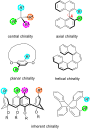

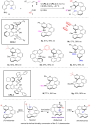

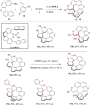


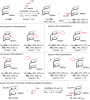



Thermodynamics and polarity-driven properties of fluorinated cyclopropanes
Beilstein J. Org. Chem. 2025, 21, 1742–1747, doi:10.3762/bjoc.21.137
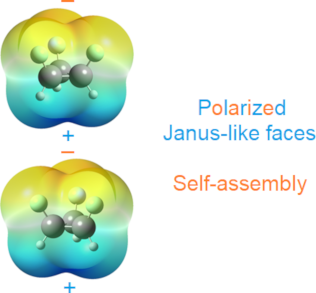
- other, as illustrated by the electrostatic potential in Figure 2. This unique structural feature facilitates molecular stacking, wherein the negative region of one molecule interacts with the positive region of another. Dimerization of 1.2.3-c.c. is thermodynamically (ΔH0) favored – the dimer is 3.8


3-Aryl-2H-azirines as annulation reagents in the Ni(II)-catalyzed synthesis of 1H-benzo[4,5]thieno[3,2-b]pyrroles
Beilstein J. Org. Chem. 2025, 21, 1595–1602, doi:10.3762/bjoc.21.123
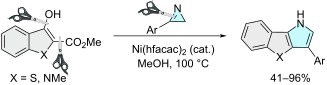
- tested also did not promote the reaction between 1 and 2a, but some of them were found to catalyze the dimerization of azirine 2a to 2H-imidazole 4 (Table 1, entries 6‒9). Imidazole 4 is a known compound that is formed in low yield upon treatment of azirine 2a with FeCl2 in MeCN [20]. To our delight, the
- formation of the C–C bond between the rings of the reacting molecules occurs in the coordination metal sphere as an intra-, rather than intermolecular, process. The formation of compound 17, the product of oxidative dimerization of indole-based enol 15, in the second reaction also points to different
- mechanisms of the formation of azirindine 16 under Ni(II)- and Cu(I)-catalysis. Oxidative dimerization of non-aromatic cyclic enols has been previously observed in their reactions with 3-arylazirines catalyzed by Cu(I) and Cu(II) complexes and was attributed to the recombination of intermediate free radicals



Facile synthesis of hydantoin/1,2,4-oxadiazoline spiro-compounds via 1,3-dipolar cycloaddition of nitrile oxides to 5-iminohydantoins
Beilstein J. Org. Chem. 2025, 21, 1552–1560, doi:10.3762/bjoc.21.118

- of nitrile oxides to isocyanates or their dimerization [26][27]. Since isomerization is believed to be the primary direction of molecule degradation only for bulky o,o'-disubstituted aromatic dipoles [28][29][30], the main efforts in developing a methodology were focused on suppressing dimerization
- was employed. The substantial impact of the reaction conditions can be attributed to the stability of the dipole formed. The presence of mesomeric donor substituent (such as 4-OMe group) has been shown to render nitrile oxides more susceptible to dimerization in comparison to other dipoles [27][34
- this case, the strong electron-withdrawing properties of the carboxyethyl group in CEFNO can significantly inhibit the reaction with 2f, lowering the energy of the HOMOdipole involved in the interaction. Instead, the reaction can proceed towards dipole dimerization [37], which is generally much easier



Copper catalysis: a constantly evolving field
Beilstein J. Org. Chem. 2025, 21, 1477–1479, doi:10.3762/bjoc.21.109
- isolated quickly and in good yield, without the need for time-consuming purification steps. At the same time, no cumbersome precautions, such as an inert atmosphere, are necessary. Another fantastic Letter was contributed by Fañanás-Mastral and co-workers, in which a rare copper-catalyzed dimerization
Oxetanes: formation, reactivity and total syntheses of natural products
Beilstein J. Org. Chem. 2025, 21, 1324–1373, doi:10.3762/bjoc.21.101
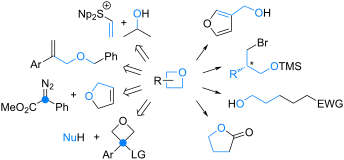
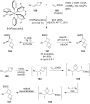
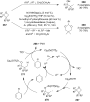
- decarboxylation was induced by a photochemical oxidation using an iridium catalyst, and the resulting benzylic radicals were coupled with activated alkenes through a Giese addition which was irreversible due to the strained nature of the starting radicals. As a result, radical dimerization was minimal and the 3,3








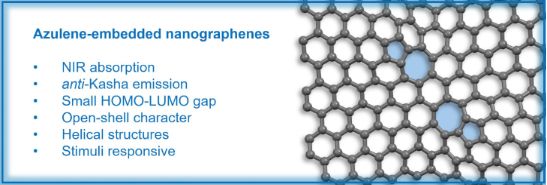
Recent advances and future challenges in the bottom-up synthesis of azulene-embedded nanographenes
Beilstein J. Org. Chem. 2025, 21, 1272–1305, doi:10.3762/bjoc.21.99
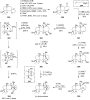
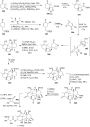
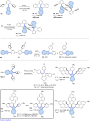
- CHCl3, AcOH and o-DCB [44]. The resulting mixture of brominated PAHs 30 and 31 was then subjected to single or double [3 + 2] annulation with various alkynes, leading to the extended structures 32 and 33. Notably, compound 33d can undergo Pd-catalysed dimerization, resulting in the formation of a chiral
- dimerization of alkynes, followed by the expansion of a phenyl ring leading to the formation of an azulene moiety, was first reported over half a century ago. These reactions can be carried out using various catalytic systems, including sulfenyl chloride/AlCl3 [50], palladium catalysts [51] or gold catalysts
- resulted in the mixture of isomeric π-extended azulenes 51 and 52 in rather moderate yields of 8% and 8%, respectively. Both PAHs 51 and 52 contain also embedded non-alternant indenophenalene subunits. Similarly, Murakami and co-workers reported intramolecular dimerization of alkynes followed by a phenyl


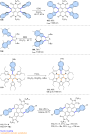


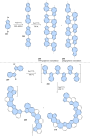
On the photoluminescence in triarylmethyl-centered mono-, di-, and multiradicals
Beilstein J. Org. Chem. 2025, 21, 964–998, doi:10.3762/bjoc.21.80
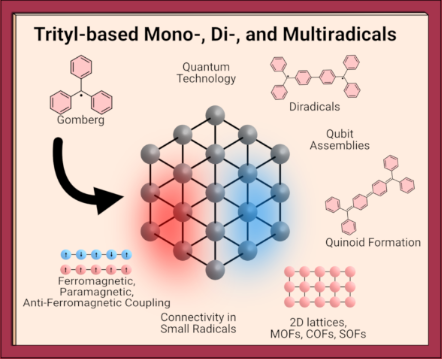
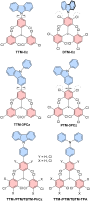
- triphenylmethyl radical [38][39]. In contrast to the Gomberg radical, the perchlorination prevents dimerization through the para-position. Moreover, the chlorine substituents in the ortho-positions twist the phenyl rings into a propeller conformation and out of the sp2-hybridization plane of the central methine









Cu–Bpin-mediated dimerization of 4,4-dichloro-2-butenoic acid derivatives enables the synthesis of densely functionalized cyclopropanes
Beilstein J. Org. Chem. 2025, 21, 877–883, doi:10.3762/bjoc.21.71
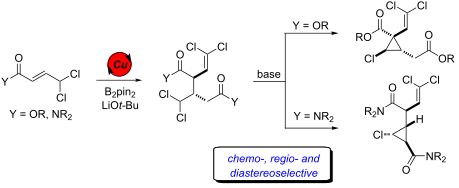
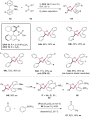
- are shown to undergo a rare dimerization process when reacted with bis(pinacolato)diboron under copper catalysis. The reaction provides densely functionalized products with excellent levels of chemo-, regio-, and diastereoselectivity. This high degree of functionalization makes these products
- versatile building blocks for the stereoselective synthesis of chlorocyclopropanes. Keywords: chlorocyclopropanes; copper; cyclization; 4,4-dichloro-2-butenoic acid derivatives; dimerization; Introduction In the last years our group has been focused on the development of catalytic methodologies for the
- transformation could be efficiently applied to the dimerization of other 4,4-dichloro-2-butenoates and 4,4-dichloro-2-butenamides. The corresponding products 8 and 9 were obtained in good yield and excellent diastereoselectivity (Scheme 2). In sharp contrast, the use of gem-dichlorides bearing a ketone group did


Unprecedented visible light-initiated topochemical [2 + 2] cycloaddition in a functionalized bimane dye
Beilstein J. Org. Chem. 2025, 21, 500–509, doi:10.3762/bjoc.21.37
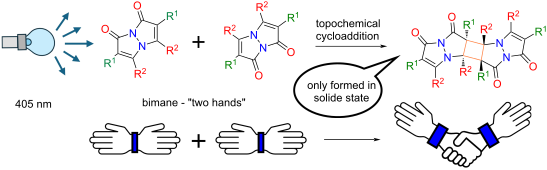
- crystallography, was irradiated, resulting in Cl2B (C), which showed approximately 18% dimer formation, while no dimerization was observed in the Me2B and Me4B (C) samples (see experimental section for details). The initial presence of the [2 + 2] dimer in the Cl2B (A) sample can be attributed to improper
- shielding from light, and unavoidable light exposure during crystal selection, and the X-ray measurement itself. As an additional test, the compounds were prepared as NMR samples in DMSO-d6 and irradiated with 405 nm LED. Irradiation in the solution phase did not result in any dimerization; the respective


Photomechanochemistry: harnessing mechanical forces to enhance photochemical reactions
Beilstein J. Org. Chem. 2025, 21, 458–472, doi:10.3762/bjoc.21.33

- adhesion on the vial walls. Thus, the reactor was operated at 17.7 Hz for 20 h and the dimerization to 9.2 occurred in 96% 1H NMR yield with a 6:94 anti/syn selectivity. A different selectivity was observed when crystals were first ground, and then irradiated under argon without applying forces (65% yield
- ://creativecommons.org/licenses/by/4.0). Photomechanochemical control over stereoselectivity in the [2 + 2] dimerization of acenaphthylene. The photo in Scheme 9 was republished with permission of The Royal Society of Chemistry, from [75] (“Photomechanochemical control over stereoselectivity in the [2 + 2




Identification and removal of a cryptic impurity in pomalidomide-PEG based PROTAC
Beilstein J. Org. Chem. 2025, 21, 407–411, doi:10.3762/bjoc.21.28
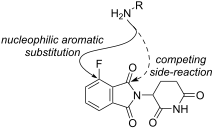
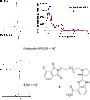
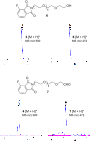
- Bingnan Wang Yong Lu Chuo Chen Department of Biochemistry, UT Southwestern Medical Center, 5323 Harry Hines Boulevard, Dallas, TX 75390-9038, USA 10.3762/bjoc.21.28 Abstract Chemically induced dimerization is a powerful tool for studying protein function, wherein the IMiD (the “immunomodulatory
- contamination. Keywords: glutarimide; IMiD; impurity; nucleophilic acyl substitution; PROTAC; Introduction Targeted protein degradation capitalizing on the concept of chemically induced dimerization has emerged as a new therapeutic approach recently [1]. In particular, the modularity of proteolysis targeting




Molecular diversity of the reactions of MBH carbonates of isatins and various nucleophiles
Beilstein J. Org. Chem. 2025, 21, 286–295, doi:10.3762/bjoc.21.21
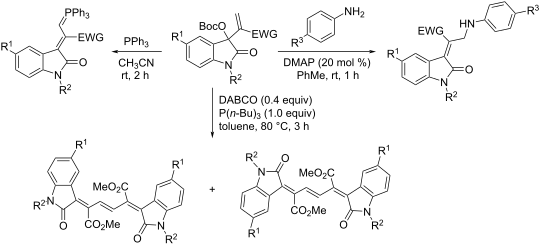
- . Diverse functionalized 3-substituted oxindole derivatives were successfully prepared in satisfactory yields and with high diastereoselectivity. In addition, the base-promoted dimerization of MBH carbonates of isatin afforded the ethylene-bridged bis(3-methylene)oxindole derivatives with nearly 4:1
- diastereomeric ratios. The relative configurations of the various polycyclic compounds were clearly elucidated by determination of several single crystal structures. Keywords: allylic SN2 reaction; dimerization; isatin; MBH carbonate; 3-methyleneoxindole; Introduction Isatins (indoline-2,3-diones) possessing
- have been obtained by DABCO-catalyzed dimerization of MBH carbonates of isatin in ODCB at high temperature (150 °C), which could be converted to bisspirooxindole derivatives via the isomerization of the double bond and a sequential thermal 6π-electrocyclic ring-closure process [30]. Here, the novel