


Search results
Search for "epimer" in Full Text gives 99 result(s) in Beilstein Journal of Organic Chemistry.
Synthesis of depressin, cryptomeridiol and 4-epi-cryptomeridiol enabled by a terpenoid chiral pool-producing platform
- Yao Kong,
- Tao Wang,
- Chen Wang,
- Pengcheng Zhang,
- Yuanning Liu,
- Kaibiao Wang,
- Fen Liu,
- Hongli Jia and
- Zhengren Xu
Beilstein J. Org. Chem. 2026, 22, 683–690, doi:10.3762/bjoc.22.53
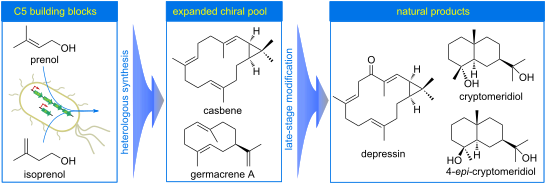
- ][24][25][26], hence providing an efficient biocatalytic tool for the biosynthesis of casbene and related diterpenes [24][27]. Cryptomeridiol (2) and its C4-epimer 4-epi-cryptomeridiol (3) are two eudesmane-type sesquiterpene diols that have been found in different plants with biological activity

Graphical Abstract

Figure 1: Representative terpenoid ‘chiral pool’ obtained from natural resources (a) and from heterologous pr...

Scheme 1: Synthetic design of depressin (1), cryptomeridiol (2), and 4-epi-cryptomeridiol (3).
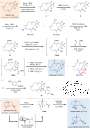
Scheme 2: Synthesis of depressin (1), cryptomeridiol (2), and 4-epi-cryptomeridiol (3). a) Synthetic route of ...
Modern synthetic pathways towards eribulin and its subunits
- Sebastian Dominik Graf
Beilstein J. Org. Chem. 2026, 22, 495–526, doi:10.3762/bjoc.22.37
- also considerable amounts of 183`s epimer were formed (2:1 dr). Oxidation with DDQ removed the Bn-moiety (184) and triggered ketalization towards 185. Eventual mesylation formed key fragment 186 in 95% yield. For the assembly of both heterocyclic subunits of 186, Nicholas etherification and radical

Graphical Abstract

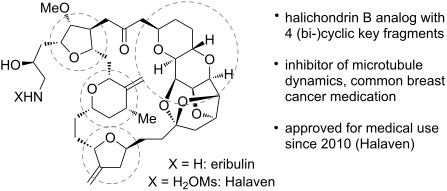
Figure 1: Eribulin with common synthetic precursor fragments and halichondrin B.

Scheme 1: Overview of the industrial process pathway for the large-scale production of the mesylate salt of 1...

Scheme 2: Synthesis of 22. (a) i. 2,2-dimethoxypropane, p-TsOH, MeOH, 65 °C; ii. NaBH4, MeOH, rt; (b) i. NaH,...

Scheme 3: Synthesis of 27. (a) i. NaH, BnBr, THF, rt; ii. iodobenzoic acid, MeCN, 80 °C; iii. (EtO)2POCH2COOE...

Scheme 4: Synthesis of 31 and 33. (a) i. MMTrCl, iPr2NEt, DCM, rt; ii. K2CO3, MeOH, DCM, rt; iii. TBDMSCl, im...

Scheme 5: Synthesis of 1. (a) CrCl2, 37, 38, 39 (proton sponge), LiCl, Mn, ZrCp2Cl2, MeCN, EtOAc; (b) SrCO3, t...

Scheme 6: Synthesis of 45. Above: Reaction conditions: (a) methoxyacetic acid, BF3·OEt2, DCM, −30 °C; (b) Pd(...

Scheme 7: Synthesis of 64. Reaction conditions: (a) i. acetone, I2, rt; ii. vinylmagnesium bromide, THF, −20 ...
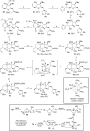
Scheme 8: Synthesis of 79. Above: Reaction conditions: (a) i. K2CO3, MeOH, 60 °C; ii. 2,2-dimethoxypropane, H2...

Scheme 9: Synthesis of 92. Reaction conditions: (a) TESCl, imidazole, DCM, 0 °C to rt; (b) i. oxalyl chloride...
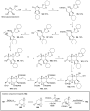
Scheme 10: Synthesis of 104. Above: Reaction conditions: (a) cyclohexanone, p-TsOH, toluene, 110 °C, crystalli...

Scheme 11: Synthesis of 117. (a) i. acetone, CuSO4, rt; ii. H2O2, K2CO3, H2O, rt; iii. EtI, MeCN, 70 °C; (b) i...

Scheme 12: Synthesis of 121. Reaction conditions: (a) i. TBDPSCl, imidazole, DMF, rt; ii. O3, DCM, −78 °C; iii...

Scheme 13: Synthesis of 131. (a) i. 2,2-dimethoxypropane, p-TsOH, MeOH, 60 °C; ii. LiAlH4, THF, 0 °C to rt; (b...

Scheme 14: Synthesis of 143. (a) i. I2, PPh3, imidazole, DCM; ii. HMPA, CuI, vinylmagnesium bromide, THF, −20 ...

Scheme 15: Modified synthesis of 104. Reaction conditions: (a) (EtO)2POCH2COOEt, KOt-Bu, THF, 15 °C; (b) TBAF,...

Scheme 16: Synthesis of 161. Reaction conditions: (a) crotyl bromide, Sn, TBAI, NaI, DMF/H2O, rt; (b) NaH, BnB...

Scheme 17: Synthesis of 169. Reaction conditions: (a) i. Co2(CO)8, BF3·Et2O, DCM, 23 °C; ii. CAN, acetone, 0 °...

Scheme 18: Synthesis of 181. Reaction conditions: (a) i. Co2(CO)8, BF3·Et2O, DCM, 23 °C; ii. (NH4)2Ce(NO3)6, a...

Scheme 19: Synthesis of 186. Reaction conditions: (a) NEt3, LiCl, MeCN, 0–23 °C; (b) HF·pyridine, MeCN, 23 °C;...

Scheme 20: Modified synthesis of 181. Reaction conditions: (a) i. Ni(cod)2, P(n-Bu)3, Et3SiH, THF, 23 °C; ii. ...

Scheme 21: Synthesis of 200. Reaction conditions: (a) i. Co2(CO)8, DCM, 23 °C; ii. BF3·Et2O, 0 °C; iii. (NH4)2...

Scheme 22: Modified synthesis of 186. Reaction conditions: (a) DDQ, 2,6-di-t-Bu-4-hydroxytoluene, hv, MeCN, 23...

Scheme 23: Synthesis of 1. Reaction conditions: (a) i. CrCl2, NiCl2, 206, NEt3, THF, 23 °C; ii. DBU, toluene, ...

Scheme 24: Synthesis of 217. Above: Reaction conditions: (a) TBDPSCl, imidazole, DCM, 0–5 °C. (b) m-CPBA, DCM,...

Scheme 25: Synthesis of 231. Reaction conditions: (a) i. AcCl, MeOH, 0 °C to rt; ii. TrCl, pyridine, 50 °C; (b...

Scheme 26: Synthesis of 239. Reaction conditions: (a) i. Boc2O, K2CO3, THF, rt; ii. Ru(acac)3, NaBrO3, EtOAc, H...

Scheme 27: Synthesis of 247. Reaction conditions: (a) NCS, 248, MeCN, 0 °C to rt; (b) LDA, 249, THF, −78 °C; (...

Scheme 28: Synthesis of 255. Reaction conditions: (a) i. LiHMDS, THF, −78 °C to rt; ii. m-CPBA, DCM, −78 °C to...

Scheme 29: Synthesis of 261. Reaction conditions: (a) allyltrimethylsilane, TiCl4, DCM −78 °C; (b) LiBH4, EtOH...

Scheme 30: Synthesis of 265. Reaction conditions: (a) (R,R)-Ru-cat (0.2 mol %), DCM, NEt3, HCOOH, rt; (b) TBAF...

Scheme 31: Synthesis of 272. Reaction conditions: (a) LDA, THF, −78 °C; (b) DMP, NaHCO3, DCM, 0 °C to rt; (c) (...
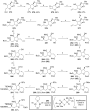
Scheme 32: Synthesis of 292. Reaction conditions: (a) TsCl, NEt3, DCM, rt; (b) K2CO3, MeOH, 45 °C; (c) vinylma...

Scheme 33: Synthesis of 296. Reaction conditions: (a) 171 (see Scheme 17), Cr-cat, CoPc (see Scheme 17), Mn, NEt3·HCl, LiCl, TMS...

Scheme 34: Synthesis of 299. Reaction conditions: (a) 172 (see Scheme 17), CrCl2, NEt3, NiCl2, THF, rt; (b) KHMDS, THF,...

Scheme 35: Synthesis of 305. Reaction conditions: (a) i. p-TsOH, MeOH, 40 °C; ii. MeLi, LiBr, THF, −25 °C; (b)...
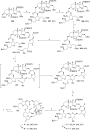
Scheme 36: Synthesis of 1. Reaction conditions: (a) i. 41 (see Scheme 6), LDA, THF, −78 °C; ii. DMP, NaHCO3, DCM, rt; ...

Scheme 37: Synthesis of 324. Reaction conditions: (a) i. acetone, CuSO4, rt; ii. H2O2 (30%), K2CO3, rt; iii. E...
Recent advancements in the synthesis of Veratrum alkaloids
- Morwenna Mögel,
- David Berger and
- Philipp Heretsch
Beilstein J. Org. Chem. 2025, 21, 2657–2693, doi:10.3762/bjoc.21.206
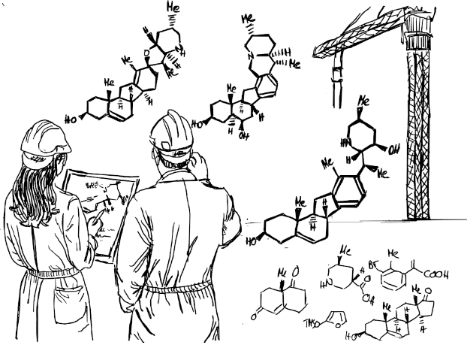

Graphical Abstract

Scheme 1: Representatives of steroid alkaloid classes. Marked in blue is the steroidal cholestane framework, ...

Scheme 2: Subclasses of Veratrum alkaloids: jervanine, veratramine and cevanine-type [8].

Scheme 3: Flow chart presentation of the synthesis of (−)-englerin A developed by the Christmann group [10].
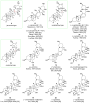
Scheme 4: Structures and year of synthesis of the three types of Veratrum alkaloids reported in the literatur...
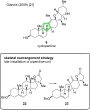
Scheme 5: Key step in the synthesis of cyclopamine (6) by the Giannis group [21].

Scheme 6: Overview of the semisynthesis of cyclopamine (6) reported by the Giannis group in 2009 [21].
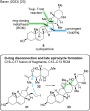
Scheme 7: Key steps in the synthesis of cyclopamine (6) by the Baran group [23].

Scheme 8: Overview of the total synthesis of cyclopamine (6) by the Baran group in 2023 [23].
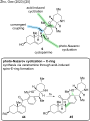
Scheme 9: Key steps in the synthesis of cyclopamine (6) by the Zhu/Gao group [25].
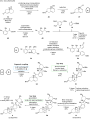
Scheme 10: Overview of the total synthesis of cyclopamine (6) by the group of Zhao/Gao in 2023 [25].
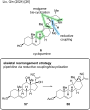
Scheme 11: Key steps in the synthesis of cyclopamine (6) by the Liu/Qin group [26].

Scheme 12: Overview of the semisynthesis of cyclopamine (6) by the Liu/Qin group in 2024 [26].
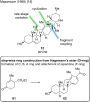
Scheme 13: Key steps in the synthesis of jervine (12) by the Masamune group [14].

Scheme 14: Overview of the total synthesis of jervine (12) by the Masamune group in 1968 [14].

Scheme 15: Color-coded schemes of the presented cyclopamine (6) syntheses by Giannis, Baran, Zhu/Gao, and Liu/...
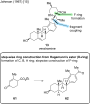
Scheme 16: Key steps in the total synthesis of veratramine (13) by the Johnson group [15].

Scheme 17: Overview of the total synthesis of veratramine (13) by the Johnson group in 1967 [15].
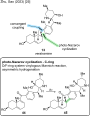
Scheme 18: Key steps in the synthesis of veratramine (13) by the Zhu/Gao group [25].

Scheme 19: Shortened overview of the total synthesis of veratramine (13) by the Zhu/Gao group in 2023 [25].
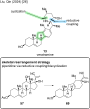
Scheme 20: Key steps in the synthesis of veratramine by the Liu/Qin group [26].

Scheme 21: Overview of the semisynthesis of veratramine (13) by the Liu/Qin group in 2024 [26].
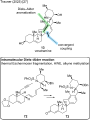
Scheme 22: Key steps in the synthesis of veratramine (13) by the Trauner group [27].

Scheme 23: Overview of the total synthesis of veratramine (13) by the Trauner group in 2025 [27].
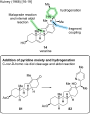
Scheme 24: Key steps in the synthesis of verarine (14) by the Kutney group [16-19].

Scheme 25: Overview of the total synthesis of verarine (14) by the Kutney group reported 1962–1968 [16-19].

Scheme 26: Color-coded schemes of the presented veratramine-type alkaloid synthesis of Zhu/Gao, Liu/Qin and Tr...
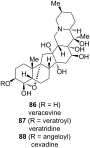
Scheme 27: Structures of veracevine (86), veratridine (87), and cevadine (88).

Scheme 28: Key step in the semisynthesis of verticine (15) by the Kutney group (1977) [20,46].

Scheme 29: Overview of the semisynthesis of verticine (15) by the Kutney group (1977) [20,46].

Scheme 30: Key step of the total synthesis of (±)-4-methylenegermine (17) by the Stork group (2017) [22].

Scheme 31: Overview of the total synthesis of (±)-4-methylenegermine (17) by the Stork group (2017) [22].

Scheme 32: Key step of the total synthesis of heilonine (16) by Cassaidy and Rawal (2021) [24].

Scheme 33: Overview of the total synthesis of heilonine (16) by Cassaidy and Rawal (2021) [24]. FGI: functional gr...
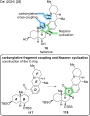
Scheme 34: Key steps of the synthesis of heilonine (16) by Dai and co-workers (2024) [28].

Scheme 35: Overview of the total synthesis of heilonine (16) by Dai and co-workers (2024) [28].
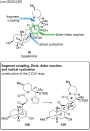
Scheme 36: Key steps of the total synthesis of zygadenine (18) reported by Luo and co-workers [29].
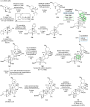
Scheme 37: Overview of the total synthesis of zygadenine (18) by Luo and co-workers (2023) [29].
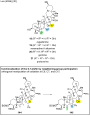
Scheme 38: Key step of the divergent total syntheses of highly oxidized cevanine-type alkaloids by Luo and co-...
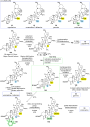
Scheme 39: Divergent syntheses of highly oxidized cevanine-type alkaloids by Luo and co-workers (2024) [30].
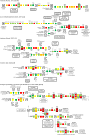
Scheme 40: Color-coded overview of the presented cevanine-type alkaloid syntheses [10,20,22,24,28-30,46]. LLS: longest linear sequen...
Chemoenzymatic synthesis of the cardenolide rhodexin A and its aglycone sarmentogenin
- Fuzhen Song,
- Mengmeng Zheng,
- Dongkai Wang,
- Xudong Qu and
- Qianghui Zhou
Beilstein J. Org. Chem. 2025, 21, 2637–2644, doi:10.3762/bjoc.21.204
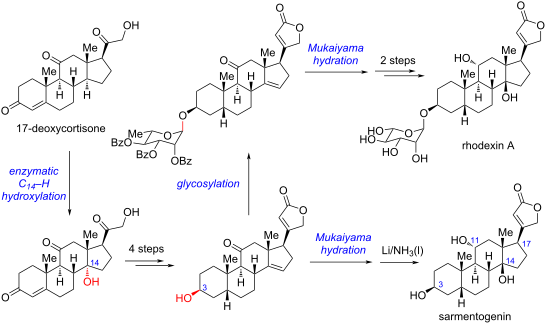
- C14 β-OH group. The revised synthetic route is described in Scheme 2. At first, 4 was subjected to a Pd/C-catalyzed hydrogenation to afford the desired A/B-cis fused intermediate 7 along with its C5 epimer as a 2:1 separable mixture in a quantitative yield. By treating 7 with the Bestmann ylide
- -catalyzed anaerobic conditions [30], 11 was transformed into the C14 hydroxylated intermediate 12 as epimeric mixture in 42% yield and dr = 1:5, among which the undesired 14α-hydroxy epimer was the major component. Interestingly, the use of Co(acac)2 or Mn(acac)2 as the catalyst [31][32] instead of Fe(acac
- key C14 β-hydroxylated intermediate 16 in 53% yield, accompanied by the separable C14 α-OH epimer in 27% yield. Later on, we assumed to achieve the deprotection of the sugar motif and the reduction of the C11 carbonyl of 16 simultaneously under Li–NH3(l) conditions, which would directly afford the

Graphical Abstract

Figure 1: Representative CGs with promising biological activities.

Scheme 1: Retrosynthetic analysis of rhodexin A and sarmentogenin.
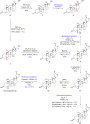
Scheme 2: Chemoenzymatic synthesis of sarmentogenin (2).

Scheme 3: Synthesis of rhodexin A.
Total syntheses of highly oxidative Ryania diterpenoids facilitated by innovations in synthetic strategies
- Zhi-Qi Cao,
- Jin-Bao Qiao and
- Yu-Ming Zhao
Beilstein J. Org. Chem. 2025, 21, 2553–2570, doi:10.3762/bjoc.21.198
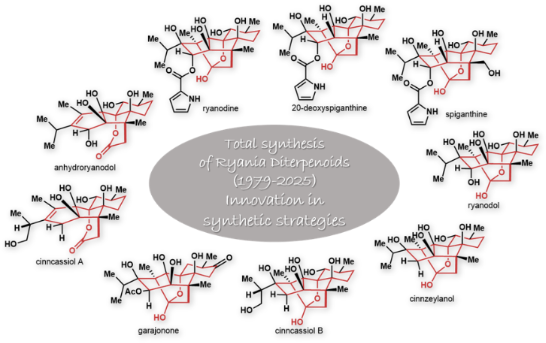
- present substantial challenges in developing a unified synthetic strategy capable of accessing diverse members of this family. The Zhao group recently achieved the first total synthesis of the Ryania diterpenoid garajonone (8) and its epimer 3-epi-garajonone. Unlike the representative ryanodine

Graphical Abstract

Scheme 1: Representative Ryania diterpenoids and their derivatives.
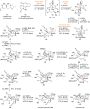
Scheme 2: Deslongchamps’s total synthesis of ryanodol (4).

Scheme 3: Deslongchamps’s total synthesis of 3-epi-ryanodol (5).
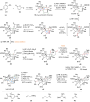
Scheme 4: Inoue’s total synthesis of ryanodol (4).

Scheme 5: Inoue’s total synthesis of ryanodine (1) from ryanodol (4).
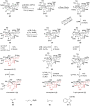
Scheme 6: Inoue’s total synthesis of cinncassiol A (9), cinncassiol B (7), cinnzeylanol (6), and 3-epi-ryanod...

Scheme 7: Reisman’s total synthesis of (+)-ryanodol (4).

Scheme 8: Reisman’s total synthesis of (+)-ryanodine (1) and (+)-20-deoxyspiganthine (2).

Scheme 9: Micalizio’s formal total synthesis of ryanodol (4).
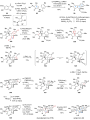
Scheme 10: Zhao’s total synthesis of garajonone (8).

Scheme 11: Zhao’s formal total synthesis of ryanodol (4) and ryanodine (1).
A chiral LC–MS strategy for stereochemical assignment of natural products sharing a 3-methylpent-4-en-2-ol moiety in their terminal structures
- Rei Suo,
- Raku Irie,
- Hinako Nakayama,
- Yuta Ishimaru,
- Yuya Akama,
- Masato Oikawa and
- Shiro Itoi
Beilstein J. Org. Chem. 2025, 21, 2243–2249, doi:10.3762/bjoc.21.171
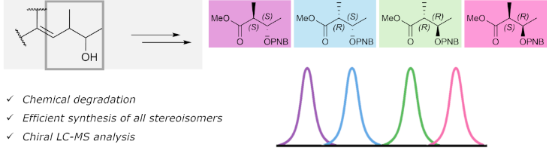
- . Alternatively, PNB ester (2S,3R)-9, the C3-epimer of 8, was synthesized from (2S,3S)-13 via a Mitsunobu reaction using p-nitrobenzoic acid (PNBOH) and DEAD in 39% yield for two steps [28]. The stereoisomers (2R,3R)-10, and (2R,3S)-11 were prepared in the same manner starting from commercially available (3R)-14
- incompatible with LC–MS detection, necessitating a relatively larger amount of sample for analysis. In contrast, a key advantage of our method is the use of a PNB group as the acyl moiety, which enables direct conversion to a C3-epimer via a Mitsunobu reaction, thereby streamlining the synthesis of the four

Graphical Abstract

Figure 1: Representative natural products sharing the 3-methylpent-4-en-2-ol (MPO) moiety in their terminal s...

Scheme 1: (A) General strategy for the preparation of the fragment from an MPO-containing natural product. (B...

Scheme 2: Preparation of the C9–C12 fragment (7) from capsulactone (1).

Scheme 3: Synthesis of 4-methoxy-3-methyl-4-oxobutan-2-yl 4-nitrobenzoates (2S,3S)-8, (2S,3R)-9, (2R,3R)-10, ...

Figure 2: Extracted LC–MS chromatograms (m/z 304.1) of 4-methoxy-3-methyl-4-oxobutan-2-yl 4-nitrobenzoates. C...
Bioinspired total syntheses of natural products: a personal adventure
- Zhengyi Qin,
- Yuting Yang,
- Nuran Yan,
- Xinyu Liang,
- Zhiyu Zhang,
- Yaxuan Duan,
- Huilin Li and
- Xuegong She
Beilstein J. Org. Chem. 2025, 21, 2048–2061, doi:10.3762/bjoc.21.160
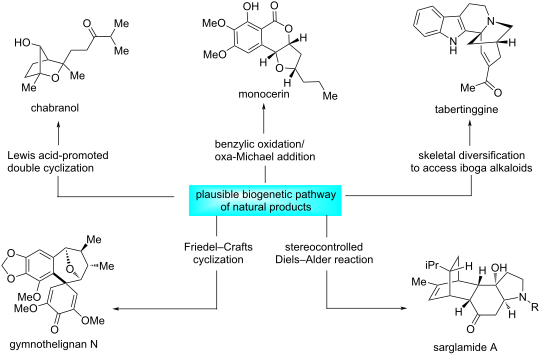
- , we treated it to Zn powder in AcOH to facilitate the N-walking transformation, and generated keto-ibogamine product 33 as a mixture of diastereomers (Scheme 4c). Then, reduction of ketone to methylene under Wolff–Kishner–Huang conditions provided ibogamine and its epimer in a 1:1.3 ratio. This result
- 26b just following the same route for synthesis of tatertinggine, and the yield of each step was basically comparable (Scheme 4b). Starting from 12-OMe-tabertinggine, Zn-promoted N-walking and ketone reduction provided ibogaine in 1:3 ratio with the major epimer. Indole oxidation with DMDO provided 34
- gymnothespirolignan A in excellent yield and good diastereoselectivity [38] (Scheme 6c). The minor epimer is gymnothespirolignan C, another natural product of this family. This cascade reaction supports the proposed biogenetic pathway of the newly isolated novel siprocyclic gymnothelignans. The bioinspired double

Graphical Abstract

Figure 1: Representative natural products with biomimetic total synthesis.

Scheme 1: Bioinspired total synthesis of chabranol (2010).

Scheme 2: Proposed biosynthetic pathway of monocerin-family natural products.

Scheme 3: Bioinspired total synthesis of monocerin-family molecules (2013).
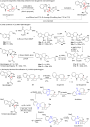
Scheme 4: Bioinspired skeletal diversification of (12-MeO-)tabertinggine (2016).

Scheme 5: Structures and our proposed biosynthetic pathway of gymnothelignans.

Scheme 6: Bioinspired total synthesis of gymnothelignans (2014–2025).
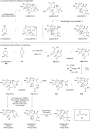
Scheme 7: Bioinspired total synthesis of sarglamides (2025).
Oxetanes: formation, reactivity and total syntheses of natural products
- Peter Gabko,
- Martin Kalník and
- Maroš Bella
Beilstein J. Org. Chem. 2025, 21, 1324–1373, doi:10.3762/bjoc.21.101
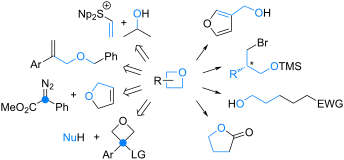

Graphical Abstract

Figure 1: Bond lengths and bond angles in oxetane at 140 K [2].

Figure 2: Analogy of 3-substituted oxetanes to carbonyl and gem-dimethyl groups [12].

Figure 3: Use of oxetanes in drug design – selected examples.

Figure 4: Examples of oxetane-containing natural products.

Scheme 1: Synthetic strategies towards construction of the oxetane ring.

Scheme 2: Overview of intramolecular Williamson etherification and competing Grob fragmentation.

Scheme 3: Synthesis of spiro-oxetanes via 1,4-C–H insertion and Williamson etherification.

Scheme 4: Use of phenyl vinyl selenone in the synthesis of spirooxindole oxetanes.

Scheme 5: Synthesis of bicyclic 3,5-anhydrofuranoses via double epoxide opening/etherification.

Scheme 6: Preparation of spirooxetanes by cycloisomerisation via MHAT/RPC.

Scheme 7: Oxetane synthesis via alcohol C–H functionalisation.

Scheme 8: Access to oxetanes 38 from α-acetyloxy iodides.

Scheme 9: The kilogram-scale synthesis of oxetane intermediate 41.

Scheme 10: Overview of the intramolecular opening of 3-membered rings.

Scheme 11: Synthesis of 4,7-dioxatricyclo[3.2.1.03,6]octane skeletons.

Scheme 12: Silicon-directed electrophilic cyclisation of homoallylic alcohols.

Scheme 13: Hydrosilylation–iodocyclisation of homopropargylic alcohols.

Scheme 14: Cu-catalysed intramolecular O-vinylation of γ-bromohomoallylic alcohols.

Scheme 15: Cu-catalysed intramolecular cross-coupling of hydroxyvinylstannanes.

Scheme 16: Isomerisation of oxiranyl ethers containing weakly carbanion-stabilising groups.

Scheme 17: Cyclisation of diethyl haloalkoxymalonates.

Scheme 18: Synthesis of oxetanes through a 1,5-HAT/radical recombination sequence.

Scheme 19: General approach to oxetanes via [2 + 2] cycloadditions.

Scheme 20: Synthesis of tricyclic 4:4:4 oxetanes through a photochemical triple cascade reaction.

Scheme 21: Iridium-catalysed Paternò–Büchi reaction between α-ketoesters and simple alkenes.

Scheme 22: Three-step synthesis of spirocyclic oxetanes 83 via Paternò–Büchi reaction, nucleophilic ring openi...

Scheme 23: Enantioselective Paternò–Büchi reaction catalysed by a chiral iridium photocatalyst.

Scheme 24: Synthesis of polysubstituted oxetanes 92 via Cu(II)-mediated formal [2 + 2] cycloadditions.

Scheme 25: Synthesis of alkylideneoxetanes via NHC- and DBU-mediated formal [2 + 2] cycloadditions.

Scheme 26: Use of sulphur-stabilised carbanions in ring expansions.

Scheme 27: Synthesis of α,α-difluoro(arylthio)methyl oxetanes.

Scheme 28: Ring expansion in an industrial synthesis of PF-06878031.

Scheme 29: Ring contraction of triflated 2-hydroxy-γ-lactones.

Scheme 30: Ring contraction in an industrial synthesis of PF-06878031.

Scheme 31: Photochemical ring contraction of 2,5-dihydrofurans by aryldiazoacetic acid esters.

Scheme 32: Synthesis of 3-oxetanones via O-H insertion of carbenes.

Scheme 33: Synthesis of phosphonate oxetanones via gold-mediated alkyne oxidation/O–H insertion.

Scheme 34: Syntheses and common derivatisations of 3-oxetanone.

Scheme 35: SN1 substitution of 3-aryloxetan-3-ols by thiols and alcohols.

Scheme 36: Fe–Ni dual-catalytic olefin hydroarylation towards 3-alkyl-3-(hetero)aryloxetanes.

Scheme 37: Synthesis of 3-aryloxetan-3-carboxylic acids.

Scheme 38: Decarboxylative alkylation of 3-aryloxetan-3-carboxylic acids.

Scheme 39: Synthesis of 3-amino-3-aryloxetanes via photoredox/nickel cross-coupling catalysis.
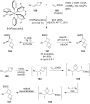
Scheme 40: Intermolecular cross-selective [2 + 2] photocycloaddition towards spirooxetanes.

Scheme 41: Synthesis of 3-aryl-3-aminooxetanes via defluorosulphonylative coupling.

Scheme 42: Two-step synthesis of amide bioisosteres via benzotriazolyl Mannich adducts 170.

Scheme 43: Functionalisation of oxetanyl trichloroacetimidates 172.

Scheme 44: Synthesis of oxetane-amino esters 176.

Scheme 45: Tandem Friedel–Crafts alkylation/intramolecular ring opening of 3-aryloxetan-3-ols.

Scheme 46: Synthesis of polysubstituted furans and pyrroles.

Scheme 47: Synthesis of oxazolines and bisoxazolines.

Scheme 48: Tandem, one-pot syntheses of various polycyclic heterocycles.

Scheme 49: Synthesis of 1,2-dihydroquinolines via skeletal reorganisation of oxetanes.

Scheme 50: Synthesis of benzoindolines and 2,3-dihydrobenzofurans and their derivatisations.

Scheme 51: Synthesis of polysubstituted 1,4-dioxanes.

Scheme 52: Preparation of various lactones via ring opening of oxetane-carboxylic acids 219.

Scheme 53: Tsuji-Trost allylation/ring opening of 3-aminooxetanes.

Scheme 54: Arylative skeletal rearrangement of 3-vinyloxetan-3-ols to 2,5-dihydrofurans.

Scheme 55: Reductive opening of oxetanes using catalytic Mg–H species.

Scheme 56: Opening of oxetanes by silyl ketene acetals.

Scheme 57: Rhodium-catalysed hydroacylation of oxetanes.

Scheme 58: Generation of radicals from oxetanes mediated by a vitamin B12-derived cobalt catalyst.

Scheme 59: Reductive opening of oxetanes by B–Si frustrated Lewis pairs.
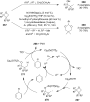
Scheme 60: Zirconocene-mediated reductive opening of oxetanes.

Scheme 61: Enantioselective syntheses of small and medium-size rings using chiral phosphoric acids.

Scheme 62: Asymmetric synthesis of 2,3-dihydrobenzo[b]oxepines catalysed by a chiral scandium complex.

Scheme 63: Enantioselective synthesis of 1,3-bromohydrins under a chiral squaramide catalysis.

Scheme 64: Enantioselective opening of 2-aryl-2-ethynyloxetanes by anilines.

Scheme 65: Ru-catalysed insertion of diazocarbonyls into oxetanes.

Scheme 66: Ring expansion of oxetanes by stabilised carbenes generated under blue light irradiation.

Scheme 67: Expansion of oxetanes via nickel-catalysed insertion of alkynyltrifluoroborates.

Scheme 68: Nickel-catalysed expansion of oxetanes into ε-caprolactones.

Scheme 69: Expansion of oxetanes via cobalt-catalysed carbonyl insertion.

Scheme 70: Gold-catalysed intramolecular 1,1-carboalkoxylation of oxetane-ynamides.

Scheme 71: Expansion of oxetanes by stabilised sulphoxonium ylides.

Scheme 72: Cu-catalysed ring expansion of 2-vinyloxetanes by diazoesters.

Scheme 73: Total synthesis of (+)-oxetin.

Scheme 74: Total synthesis of racemic oxetanocin A.

Scheme 75: Total synthesis of (−)-merrilactone A.
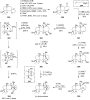
Scheme 76: Total synthesis of (+)-dictyoxetane.

Scheme 77: Total synthesis of ent-dichrocephone B.

Scheme 78: Total synthesis of (−)-mitrephorone A.
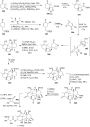
Scheme 79: Total synthesis of (−)-taxol.
Origami with small molecules: exploiting the C–F bond as a conformational tool
- Patrick Ryan,
- Ramsha Iftikhar and
- Luke Hunter
Beilstein J. Org. Chem. 2025, 21, 680–716, doi:10.3762/bjoc.21.54
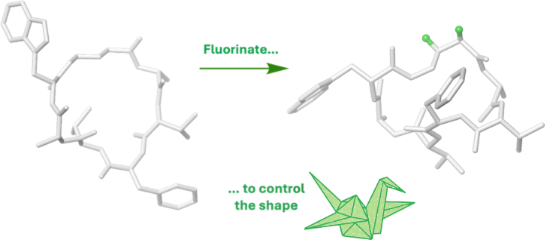
- important [145][146][147]. For example, the diastereoisomeric monofluorophosphonates 83 and 84 were compared in their ability to bind to a phosphosugar-processing enzyme. Epimer 84 was found to bind with 100-fold higher affinity than epimer 83, and this was attributed to a lower-energy binding conformation

Graphical Abstract

Figure 1: Fundamental characteristics of the C–F bond.
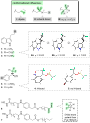
Figure 2: Incorporation of fluorine at the end of an alkyl chain.
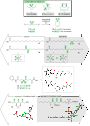
Figure 3: Incorporation of fluorine into the middle of a linear alkyl chain.
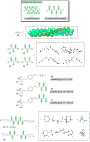
Figure 4: Incorporation of fluorine across much, or all, of a linear alkyl chain.
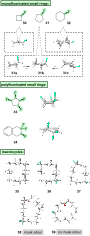
Figure 5: Incorporation of fluorine into cycloalkanes.

Figure 6: Conformational effects of introducing fluorine into an ether (geminal to oxygen).

Figure 7: Conformational effects of introducing fluorine into an ether (vicinal to oxygen).

Figure 8: Effects of introducing fluorine into alcohols (and their derivatives).
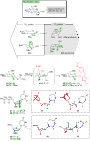
Figure 9: Controlling the ring pucker of sugars through fluorination.
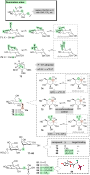
Figure 10: Controlling bond rotations outside the sugar ring through fluorination.
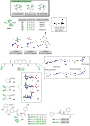
Figure 11: Effects of incorporating fluorine into amines.
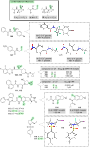
Figure 12: Effects of incorporating fluorine into amine derivatives, such as amides and sulfonamides.

Figure 13: Effects of incorporating fluorine into organocatalysts.

Figure 14: Effects of incorporating fluorine into carbonyl compounds, focusing on the “carbon side.”

Figure 15: Fluoroproline-containing peptides and proteins.
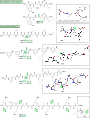
Figure 16: Further examples of fluorinated linear peptides (besides fluoroprolines). For clarity, sidechains a...

Figure 17: Fluorinated cyclic peptides.

Figure 18: Fluorine-derived conformational control in sulfur-containing compounds.
Organocatalytic kinetic resolution of 1,5-dicarbonyl compounds through a retro-Michael reaction
- James Guevara-Pulido,
- Fernando González-Pérez,
- José M. Andrés and
- Rafael Pedrosa
Beilstein J. Org. Chem. 2025, 21, 473–482, doi:10.3762/bjoc.21.34
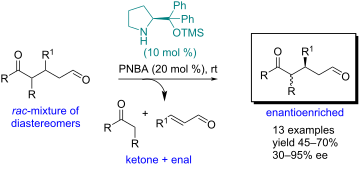
- mixture with its epimer. An epimerization process was observed when a 0.014 M solution of racemic anti-1 in toluene was stirred at room temperature in the presence of the prolinol derivative A (20 mol %). This process led to a mixture of syn/anti epimers that changed over time and reached a ratio of 1:7

Graphical Abstract

Scheme 1: Previous work.

Scheme 2: Hypothesis, retro-Michael reaction, and its application in kinetic resolution.

Scheme 3: Model reaction.

Scheme 4: Kinetic resolution of the Michael adduct 1.

Scheme 5: Chemical correlation of 3 with 19.

Scheme 6: Epimerization of the anti-1 adduct promoted by A.
Facile preparation of fluorine-containing 2,3-epoxypropanoates and their epoxy ring-opening reactions with various nucleophiles
- Yutaro Miyashita,
- Sae Someya,
- Tomoko Kawasaki-Takasuka,
- Tomohiro Agou and
- Takashi Yamazaki
Beilstein J. Org. Chem. 2024, 20, 2421–2433, doi:10.3762/bjoc.20.206
- . Epimer at the 2 position of anti,syn-7a (syn,syn-7a): 1H NMR (300.40 MHz, CDCl3) δ 1.30 (t, J = 7.2 Hz, 3H), 4.00 (d, J = 8.4 Hz, 1H), 4.08 (dd, J = 6.3, 8.1 Hz, 1H), 4.26–4.34 (m, 2H), 5.00 (quint, J = 5.7 Hz, 1H), 5.22 (d, J = 12.0 Hz, 1H), 5.27 (d, J = 12.3 Hz, 1H), 7.31–7.41 (m, 5H); 13C NMR (75.45

Graphical Abstract

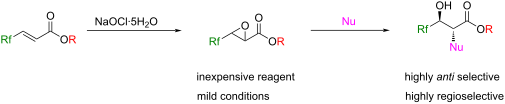
Scheme 1: Expectation of the regio- as well as stereoselective reactions of 2.

Scheme 2: Attempts of the present epoxidation to other α,β-unsaturated esters, 1h–j.
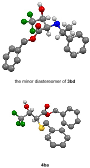
Figure 1: Crystallographic structure of the epoxy ring-opening products by PhCH(NH2)Me (3bd) and PhCH2SH (4ba...

Scheme 3: Introduction of additional halogen atoms at the 2-position of the compound 2b.
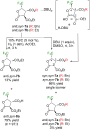
Scheme 4: Clarification of the stereochemistry of anti,syn-8a and -7b.

Figure 2: Crystallographic structure of anti,syn-8a.
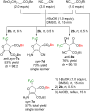
Scheme 5: Reaction of 2b with other stabilized nucleophiles.

Scheme 6: Production of 4,4,4-trifluoro-2,3-dihydroxybutanoate anti-10a.
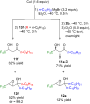
Scheme 7: Reactions of n-C10H21MgBr-based cuprate with 13f as well as 2b with/without D2O quenching.
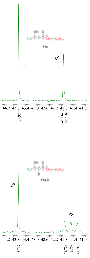
Figure 3: A part of 13C NMR spectra for the compounds 11a and 11a-D.
Natural resorcylic lactones derived from alternariol
- Joachim Podlech
Beilstein J. Org. Chem. 2024, 20, 2171–2207, doi:10.3762/bjoc.20.187
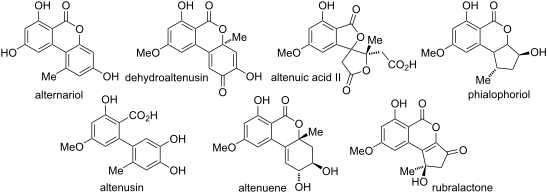
- ]. Isoaltenuene (55), the 4a-epimer of altenuene, was first isolated from Alternaria alternata [260]. Its proposed structure including its relative configuration was determined by NMR spectroscopy and unambiguously confirmed by total synthesis of the (+)-enantiomer [249]. Whenever the chirality was determined, it
- including the absolute configurations were determined by NMR spectroscopy and by comparison of measured and calculated ECD spectra. They showed an insignificant inhibition of α-glucosidase with IC50 values of 726 and 451 μM, respectively [206]. A further epimer 60 was isolated from Penicillium sp. but

Graphical Abstract
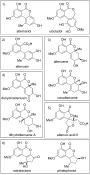
Figure 1: Examples of compounds covered in this review categorized in six sub-classes (see text).
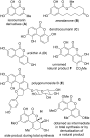
Figure 2: Examples of compounds not covered in this review.

Figure 3: Wrongly assigned and thus obsolete structures (details will be discussed in the respective chapters...

Figure 4: Alternariol with the correct IUPAC numbering and an occasionally used numbering based on the biphen...

Figure 5: Alternariol O-methyl ethers.

Figure 6: Alternariol O-glycosides.

Figure 7: Alternariol O-acetates and O-sulfates.

Figure 8: 2-Hydroxy- and 4-hydroxy-substituted alternariol and its O-methyl ethers.

Figure 9: Chloro- and amino-substituted alternariol and its O-methyl ethers.
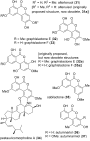
Figure 10: Presumed alternariol derivatives with non-canonical substitution pattern.

Figure 11: Alternariol derivatives with the 1-methyl group hydroxylated.
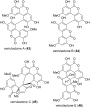
Figure 12: Verrulactones: pseudo-dimeric derivatives of altertenuol and related compounds.

Figure 13: Biaryls formed by reductive lactone opening and/or by decarboxylation.

Figure 14: Altenuene and its diastereomers.

Figure 15: 9-O-Demethylated altenuene diastereomers.

Figure 16: Acetylated and methylated altenuene diastereomers.

Figure 17: Altenuene diastereomers modified with lactic acid, pyruvic acid, or acetone.

Figure 18: Neoaltenuene and related compounds.

Figure 19: Dehydroaltenusin and its derivatives.

Scheme 1: Equilibrium of dehydroaltenusin in polar solvents [278].

Figure 20: Further quinoid derivatives.

Figure 21: Dehydroaltenuenes.

Figure 22: Complex aggregates containing dehydroaltenuene substructures and related compounds.

Figure 23: Dihydroaltenuenes.

Figure 24: Altenuic acids and related compounds.

Figure 25: Cyclopentane- and cyclopentene-fused derivatives.

Figure 26: Cyclopentenone-fused derivatives.

Figure 27: Spiro-fused derivatives and a related ring-opened derivative.

Figure 28: Lactones-fused and lactone-substituted derivatives.

Scheme 2: Biosynthesis of alternariol [324].

Scheme 3: Biosynthesis of alternariol and its immediate successors with the genes involved in the respective ...

Scheme 4: Presumed formation of altenuene and its diastereomers and of botrallin.

Scheme 5: Presumed formation of altenuic acids and related compounds.

Scheme 6: A selection of plausible biosynthetic paths to cyclopenta-fused metabolites. (No stereochemistry is...

Scheme 7: Biomimetic synthesis of alternariol (1) by Harris and Hay [66].

Scheme 8: Total synthesis of alternariol (1) by Subba Rao et al. using a Diels–Alder approach [34].

Scheme 9: Total synthesis of alternariol (1) using a Suzuki strategy by Koch and Podlech [62], improved by Kim et...

Scheme 10: Total synthesis of alternariol (1) using an intramolecular biaryl coupling by Abe et al. [63].

Scheme 11: Total synthesis of altenuene (54) and isoaltenuene (55) by Podlech et al. [249].

Scheme 12: Total synthesis of neoaltenuene (69) by Podlech et al. [35].

Scheme 13: Total synthesis of TMC-264 (79) by Tatsuta et al. [185].

Scheme 14: Total synthesis of cephalosol (99) by Koert et al. [304].
Elucidating the glycan-binding specificity and structure of Cucumis melo agglutinin, a new R-type lectin
- Jon Lundstrøm,
- Emilie Gillon,
- Valérie Chazalet,
- Nicole Kerekes,
- Antonio Di Maio,
- Ten Feizi,
- Yan Liu,
- Annabelle Varrot and
- Daniel Bojar
Beilstein J. Org. Chem. 2024, 20, 306–320, doi:10.3762/bjoc.20.31
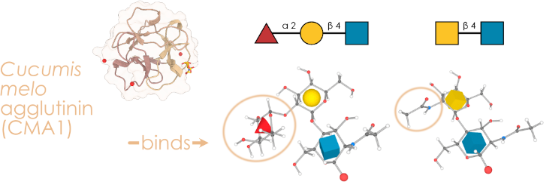
- steric clashes or density effects). Another supporting finding can be seen in the fact that CSB (exhibiting iduronic acid in α-configuration, rather than its epimer, glucuronic acid, in β-configuration) showed virtually no binding to CMA1, further arguing for contacts of the GAG chain with the binding

Graphical Abstract

Figure 1: Characterizing a new lectin from the melon Cucumis melo. (a) Evolutionary relationships of common R...

Figure 2: Characterizing the binding specificity of CMA1. (a, b) Lectin produced in mammalian cells was analy...

Figure 3: Assessing and quantifying in-solution binding of CMA1. (a) Erythrocyte agglutination assay. Using r...

Figure 4: Structural insights into the binding mechanism of CMA1. (a, b) Overall representation of the N-term...
Synthesis of ether lipids: natural compounds and analogues
- Marco Antônio G. B. Gomes,
- Alicia Bauduin,
- Chloé Le Roux,
- Romain Fouinneteau,
- Wilfried Berthe,
- Mathieu Berchel,
- Hélène Couthon and
- Paul-Alain Jaffrès
Beilstein J. Org. Chem. 2023, 19, 1299–1369, doi:10.3762/bjoc.19.96
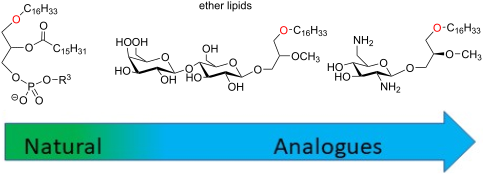
- group was introduced following the same method to produce PAF 4.15. By using the same methodology, the epimer of PAF 4.15 was synthesized. The group of Bittman reported in 1995 the synthesis of PAF with a four-step sequence starting from S-glycidol 5.1 in which the acylation of the sn-2 position was

Graphical Abstract

Figure 1: Chemical structure of some natural ether lipids (ELs).

Figure 2: Synthesis of lyso-PAF and PAF from 1-O-alkylglycerol [64].

Figure 3: Synthesis of lyso-PAF from 1,3-benzylideneglycerol 3.1 [69].
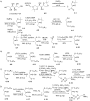
Figure 4: A) Synthesis of the two enantiomers of octadecylglycerol (4.6 and 4.10) from ᴅ-mannitol (4.1); B) s...

Figure 5: Four-step synthesis of PAF 5.6 from (S)-glycidol [73].

Figure 6: Synthesis of 1-O-alkylglycerol A) from solketal, B) from ᴅ- or ʟ-tartaric acid and the intermediate ...

Figure 7: Synthesis of EL building blocks starting from substituted glycidol 7.1a–c [82].

Figure 8: Synthesis of PAF 8.5 by using phosphoramidite 8.2 [86].

Figure 9: Synthesis of oleyl-PAF 9.7 from ʟ-serine [88].

Figure 10: Synthesis of racemic analogues of lyso-PAF 10.8 and PAF 10.9 featuring a phenyl group between the g...

Figure 11: Synthesis of racemic deoxy-lyso-PAF 11.7 and deoxy-PAF 11.8 [91].

Figure 12: Synthesis of racemic thio-PAF 12.8 [93].

Figure 13: Racemic synthesis of 13.6 to illustrate the modification of the glycerol backbone by adding a methy...

Figure 14: Racemic synthesis of 14.5 as an illustration of the introduction of methyl substituents on the glyc...

Figure 15: Synthesis of functionalized sn-2-acyl chains of PC-EL; A) Steglich esterification or acylation reac...

Figure 16: Synthesis of racemic mc-PAF (16.3), a carbamate analogue of PAF [102].

Figure 17: A) Synthesis of (R)-17.2 and (S)-17.6 starting from (S)-solketal (17.1); B) synthesis of N3-PAF (17...

Figure 18: Modification of the phosphocholine polar head to produce PAF analogues [81].

Figure 19: Racemic PAF analogues 19.3 and 19.5 characterized by the absence of the phosphate group [107].

Figure 20: Synthesis of PIP3-PAF (20.7) [108].

Figure 21: Large-scale synthesis of C18-edelfosine (21.8) [116].

Figure 22: Synthesis of C16-edelfosine (22.10) starting from isopropylidene-ʟ-glyceric acid methyl ester (22.1...

Figure 23: Phosphocholine moiety installation by the use of chlorophosphite 23.2 as key reagent [119].

Figure 24: Synthesis of rac-1-alkyl-2-O-methylglycerol (AMG) [120].

Figure 25: Synthesis of stereocontrolled 1-alkyl-2-O-methyl glycerol 25.9 (AMG) from dimethyl ᴅ-tartrate [81].

Figure 26: A) Racemic synthesis of thioether 26.4 [129,130], B) structure of sulfone analogue 26.5 [129].

Figure 27: Stereocontrolled synthesis of C18-edelfosine thioether analogue 27.8 [118].

Figure 28: Synthesis of thioether 28.4 that include a thiophosphate function [134].

Figure 29: Synthesis of ammonium thioether 29.4 and 29.6 [135].

Figure 30: Synthesis of the N-methylamino analogue of edelfosine 30.6 (BN52211) [138].

Figure 31: Synthesis of 1-desoxy analogues of edelfosine; A) with a saturated alkyl chain; B) synthesis of the...

Figure 32: Stereocontrolled synthesis of edelfosine analogue (S)-32.8 featuring a C18:1 lipid chain [142].

Figure 33: Synthesis of edelfosine analogues with modulation of the lipid chain; A) illustration with the synt...

Figure 34: Synthesis of phospholipid featuring a carbamate function to link the lipid chain to the glycerol un...

Figure 35: Synthesis of sesquiterpene conjugates of phospho glycero ether lipids [148].

Figure 36: Racemic synthesis of methyl-substituted glycerol analogues 36.7 and 36.10: A) synthesis of diether ...

Figure 37: Racemic synthesis of ilmofosine (37.6) [155,156].

Figure 38: A) Stereoselective synthesis of 38.5 via a stereoselective hydroboration reaction; B) synthesis of ...

Figure 39: Racemic synthesis of SRI62-834 (39.6) featuring a spiro-tetrahydrofurane heterocycle in position 2 ...

Figure 40: Racemic synthesis of edelfosine analogue 40.5 featuring an imidazole moiety in sn-2 position [160].

Figure 41: Racemic synthesis of fluorine-functionalized EL: A) Synthesis of 41.6 and B) synthesis of 41.8 [161-163].

Figure 42: A) Synthesis of the β-keto-ester 42.6 that also features a decyl linker between the phosphate and t...

Figure 43: Synthesis of phosphonate-based ether lipids; A) edelfosine phosphonate analogue 43.7 and B) thioeth...

Figure 44: Enantioselective synthesis of phosphonates 44.3 and 44.4 [171].

Figure 45: Racemic synthesis of phosphinate-based ether lipid 45.10 [172].

Figure 46: Racemic synthesis of edelfosine arsonium analogue 46.5 [173].

Figure 47: Synthesis of edelfosine dimethylammonium analogue 47.2 [118].

Figure 48: Synthesis of rac-C18-edelfosine methylammonium analogue 48.4 [176].

Figure 49: A) Synthesis of edelfosine N-methylpyrrolidinium analogue 49.2 or N-methylmorpholinium analogue 49.3...

Figure 50: A) Synthesis of edelfosine’s analogue 50.4 with a PE polar group; B) illustration of a pyridinium d...

Figure 51: A) Synthesis of 51.4 featuring a thiazolium cationic moiety; B) synthesis of thiazolium-based EL 51...

Figure 52: Synthesis of cationic ether lipids 52.3, 52.4 and 52.6 [135,183].

Figure 53: Synthesis of cationic carbamate ether lipid 53.5 [184].

Figure 54: Synthesis of cationic sulfonamide 54.5 [185].

Figure 55: Chemical structure of ONO-6240 (55.1) and SRI-63-119 (55.2).

Figure 56: Synthesis of non-ionic ether lipids 56.2–56.9 [188].

Figure 57: Synthesis of ether lipid conjugated to foscarnet 57.6 [189].

Figure 58: A) Synthesis of ether lipid conjugated to arabinofuranosylcytosine; B) synthesis of AZT conjugated ...

Figure 59: Synthesis of quercetin conjugate to edelfosine [191].

Figure 60: Synthesis of 60.8 (Glc-PAF) [194].

Figure 61: A) Synthesis of amino ether lipid 61.7 functionalized with a rhamnose unit and its amide analogue 6...

Figure 62: A) Synthesis of glucose ether lipid 62.4; B) structure of ether lipid 62.5 possessing a maltose uni...

Figure 63: A) Synthesis of glucuronic methyl ester 63.8; B) structure of cellobiose 63.9 and maltose 63.10 ana...

Figure 64: A) Synthesis of maltosyl glycerolipid 64.7; B) structure of lactose analogue 64.8 prepared followin...

Figure 65: A) Asymmetric synthesis of the aglycone moiety starting from allyl 4-methoxyphenyl ether; B) glycos...

Figure 66: A) Synthesis of ohmline possessing a lactose moiety. B) Structure of other glyco glycero lipids pre...

Figure 67: A) Synthesis of lactose-glycerol ether lipid 67.5; B) analogues possessing a maltose (67.6) or meli...

Figure 68: Synthesis of digalactosyl EL 68.6, A) by using trityl, benzyl and acetyl protecting groups, B) by u...

Figure 69: A) Synthesis of α-ohmline; B) structure of disaccharide ether lipids prepared by using similar meth...

Figure 70: Synthesis of lactose ether lipid 70.3 and its analogue 70.6 featuring a carbamate function as linke...

Figure 71: Synthesis of rhamnopyranoside diether 71.4 [196].

Figure 72: Synthesis of 1-O-hexadecyl-2-O-methyl-3-S-(α-ᴅ-1'-thioglucopyranosyl)-sn-glycerol (72.5) [225].

Figure 73: A) Preparation of lipid intermediate 73.4; B) synthesis of 2-desoxy-C-glycoside 73.10 [226].

Figure 74: Synthesis of galactose-pyridinium salt 74.3 [228].

Figure 75: Synthesis of myo-inositol derivative Ino-C2-PAF (75.10) [230].

Figure 76: A) Synthesis of myo-inositol phosphate building block 76.7; B) synthesis of myo-inositolphosphate d...

Figure 77: A) Synthesis of phosphatidyl-3-desoxy-inositol 77.4; B) synthesis of phosphono-3-desoxyinositol 77.9...

Figure 78: A) Structure of diether phosphatidyl-myo-inositol-3,4-diphosphate 78.1; B) synthesis of phosphatidy...

Figure 79: A) Synthesis of diether-phosphatidyl derivative 79.4 featuring a hydroxymethyl group in place of a ...

Figure 80: Synthesis of Glc-amine-PAF [78].

Figure 81: Synthesis of glucosamine ether lipid 81.4 and its analogues functionalized in position 3 of the ami...

Figure 82: Synthesis of fully deprotected aminoglucoside ether lipid 82.5 [246].

Figure 83: Synthesis of C-aminoglycoside 83.12 using Ramberg–Bäcklund rearrangement as a key step [250].

Figure 84: A) List of the most important glyco lipids and amino glyco lipids included in the study of Arthur a...

Figure 85: Synthesis of mannosamine ether lipid 85.6 [254].
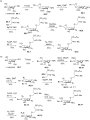
Figure 86: A) Synthesis of glucosamine ether lipids with a non-natural ʟ-glucosamine moiety; B) synthesis of e...

Figure 87: A) Structure of the most efficient anticancer agents 87.1–87.4 featuring a diamino glyco ether lipi...

Figure 88: A) Synthesis of diamino glyco ether lipid 87.4; B) synthesis of bis-glycosylated ether lipid 88.10 [256]....

Figure 89: Synthesis of triamino ether lipid 89.4 [260].

Figure 90: Synthesis of chlorambucil conjugate 90.7 [261].

Figure 91: Three main methods for the preparation of glycerol ether lipid 91.3; A) from solketal and via a tri...

Figure 92: Four different methods for the installation of the phosphocholine polar head group; A) method using...

Figure 93: Illustration of two methods for the installation of saccharides or aminosaccharides; A) O-glycosyla...
Revisiting the bromination of 3β-hydroxycholest-5-ene with CBr4/PPh3 and the subsequent azidolysis of the resulting bromide, disparity in stereochemical behavior
- Christian Schumacher,
- Jas S. Ward,
- Kari Rissanen,
- Carsten Bolm and
- Mohamed Ramadan El Sayed Aly
Beilstein J. Org. Chem. 2023, 19, 91–99, doi:10.3762/bjoc.19.9
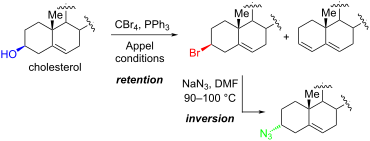
- refluxing toluene was reported to proceed with retention of configuration to afford the β-epimer 6 [16]. Another nice application of this chemistry was recently reported by Oestreich and co-workers, who converted 3β-hydroxypregn-5-en-20-one into the corresponding 3-bromo derivative, which also occurred with
- inversion. For note, the 1H NMR spectrum of 5 revealed the presence of ca. 15% of the β-epimer 6, which could result from an incomplete stereospecificity of the substitution opening an alternative reaction path. Also in this case, the NMR data are then in agreement with the reported ones [18]. In light of
- signal is attributed to the H-3 of (15%) byproduct 3β-azidocholest-5-ene; **denotes to two protons of the 3β-azidocholest-5-ene epimer [12]. Chemical structure of three isomeric cholesterols. Selected previously described cholesterol derivatives with interesting antibacterial and cytotoxic activities [9

Graphical Abstract

Figure 1: Chemical structure of three isomeric cholesterols.
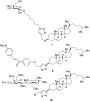
Figure 2: Selected previously described cholesterol derivatives with interesting antibacterial and cytotoxic ...

Scheme 1: Stereochemical outcome of OH/N3 transformations under different conditions.

Figure 3: Top: cholesterol (1) and the less polar product from the Appel reaction, cholesta-3,5-diene (9); bo...

Figure 4: Top: the more polar product from the Appel reaction 3β-bromocholest-5-ene (4); bottom: X-ray struct...

Figure 5: Top: 3α-azidocholest-5-ene (5) obtained by treatment of 4 with NaN3 in DMF; bottom: X-ray crystal s...

Scheme 2: Mechanistic interpretation of the conversion of cholesterol 1 into diene 9, bromide 4, and azides 5...
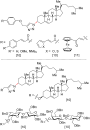
Figure 6: Compounds (next to 4, 5 and 9) to be corrected in refs. [10] and [11]. The respective bonds are highlighted...
Total synthesis of grayanane natural products
- Nicolas Fay,
- Rémi Blieck,
- Cyrille Kouklovsky and
- Aurélien de la Torre
Beilstein J. Org. Chem. 2022, 18, 1707–1719, doi:10.3762/bjoc.18.181
- alcohol on the A ring in 75% yield. The C3 epimer was also obtained in 4% yield and confirmed by X-ray diffraction. Hydrogenation of the sterically hindered C1–C2 alkene was accomplished using a combination of Mn(dpm)3 and Ph(iPrO)SiH2, providing grayanotoxin III in 51% yield. The authors also achieved

Graphical Abstract

Figure 1: General structure of grayanane natural products.

Scheme 1: Grayanane biosynthesis.
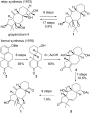
Scheme 2: Matsumoto’s relay approach.

Scheme 3: Shirahama’s total synthesis of (–)-grayanotoxin III.

Scheme 4: Newhouse’s syntheses of fragments 25 and 29.

Scheme 5: Newhouse’s total synthesis of principinol D.

Scheme 6: Ding’s total synthesis of rhodomolleins XX and XXII.

Scheme 7: First key step of Luo’s strategy.

Scheme 8: Luo’s total synthesis of grayanotoxin III.

Scheme 9: Synthesis of principinol E and rhodomollein XX.

Scheme 10: William’s synthetic effort towards pierisformaside C.

Scheme 11: Hong’s synthetic effort towards rhodojaponin III.

Scheme 12: Recent strategies for grayanane synthesis.
Synthesis of (−)-halichonic acid and (−)-halichonic acid B
- Keith P. Reber and
- Emma L. Niner
Beilstein J. Org. Chem. 2022, 18, 1629–1635, doi:10.3762/bjoc.18.174
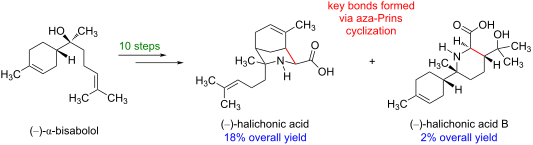
- multigram scale, affording (−)-7-amino-7,8-dihydrobisabolene (4) and its C7-epimer as an 83:17 mixture of diastereomers in 87% overall yield. Unfortunately, these diastereomers were not separable by conventional column chromatography. Although this diastereomeric mixture could be converted into a variety of
- , we decided to prepare solid derivatives of 4 (and its C7-epimer) that could be purified by recrystallization. Although the α-bromoacetamide [10] and p-bromobenzamide derivatives of these amines are solids, no change in dr was observed upon recrystallization from a variety of solvents. Fortunately, we
- ultimately found success with the benzamide derivative 5, which could be prepared from the mixture of 4 and its C7-epimer in 93% yield upon treatment with benzoyl chloride. Recrystallization of the resulting mixture of diastereomeric amides from cyclohexane improved the dr from 83:17 to 95:5 (as determined

Graphical Abstract

Figure 1: Structures of halichonic acid ((+)-1) and halichonic acid B ((+)-2).

Scheme 1: Synthesis of (−)-7-amino-7,8-dihydrobisabolene (4) and its conversion to cyclization precursor 7.

Scheme 2: Synthesis of the halichonic acids via a key intramolecular aza-Prins cyclization.

Scheme 3: Proposed intermediates for the intramolecular aza-Prins reaction leading to the formation of ethyl ...
Synthetic strategies for the preparation of γ-phostams: 1,2-azaphospholidine 2-oxides and 1,2-azaphospholine 2-oxides
- Jiaxi Xu
Beilstein J. Org. Chem. 2022, 18, 889–915, doi:10.3762/bjoc.18.90
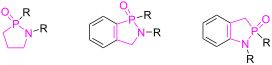
- minor diastereoisomeric epimer in the phosphorus atom was also isolated in less than 8% yield (Scheme 23) [48]. The authors further performed detailed mechanistic investigations experimentally and theoretically [49][50]. Dinaphth-1-yl-N-alkyl-N-benzylphosphinamides 134 were also applied to the tandem

Graphical Abstract

Figure 1: Biologically active 1,2-azaphospholine 2-oxide derivatives.

Figure 2: Diverse synthetic strategies for the preparation of 1,2-azaphospholidine and 1,2-azaphospholine 2-o...

Scheme 1: Synthesis of 1-phenyl-2-phenylamino-γ-phosphonolactam (2) from N,N’-diphenyl 3-chloropropylphosphon...

Scheme 2: Synthesis of 2-ethoxy-1-methyl-γ-phosphonolactam (6) from ethyl N-methyl-(3-bromopropyl)phosphonami...

Scheme 3: Synthesis of 2-aryl-1-methyl-2,3-dihydrobenzo[c][1,2]azaphosphole 1-oxides 13 from N-aryl-2-chlorom...

Scheme 4: Synthesis of 2,3-dihydrobenzo[c][1,2]azaphosphole 1-oxides from alkylarylphosphinyl or diarylphosph...

Scheme 5: Synthesis of 3-arylmethylidene-2,3-dihydrobenzo[c][1,2]azaphosphole 1-oxides via the TBAF-mediated ...
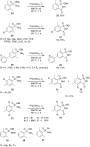
Scheme 6: Synthesis of 2-hydrobenzo[c][1,2]azaphosphol-3-one 1-oxides via the metal-free intramolecular oxida...

Scheme 7: Synthesis of 1,3-dihydrobenzo[d][1,2]azaphosphole 2-oxides 42 and 44 from ethyl/benzyl 2-bromobenzy...

Scheme 8: Synthesis of azaphospholidine 2-oxides/sulfide from 1,2-oxaphospholane 2-oxides/sulfides and 1,2-th...

Scheme 9: Synthesis of 1,3-dihydrobenzo[d][1,2]azaphosphole 2-oxides/sulfides from 2-aminobenzyl(phenyl)phosp...

Scheme 10: Synthesis of 1,3-dihydrobenzo[d][1,2]azaphosphole 2-sulfide (59) from zwitterionic 2-aminobenzyl(ph...

Scheme 11: Synthesis of 1,3-dihydrobenzo[d][1,2]azaphosphole 2-oxides from 2-aminobenzyl(methyl/phenyl)phosphi...

Scheme 12: Synthesis of ethyl 2-methyl-1,2-azaphospholidine-5-carboxylate 2-oxide 69 from 2-amino-4-(hydroxy(m...

Scheme 13: Synthesis of 2-methoxy-1,3-dihydrobenzo[d][1,2]azaphosphole 2-oxide 71 from dimethyl 2-(methylamino...

Scheme 14: Synthesis of tricyclic γ-phosphonolactams via formation of the P–C bond.

Scheme 15: Synthesis of γ-phosphonolactams 85 from ethyl 2-(3-chloropropyl)aminoalkanoates with diethyl chloro...

Scheme 16: Synthesis of N-phosphoryl- and N-thiophosphoryl-1,2-azaphospholidine 2-oxides 90/2-sulfides 91 from...

Scheme 17: Synthesis of 1-methyl-1,3-dihydrobenzo[d][1,2]azaphosphole 2-oxides 56a and 93 from P-(chloromethyl...

Scheme 18: Synthesis of 2-allylamino-1,5-dihydro-1,2-azaphosphole 2-oxides from N,N’-diallyl-vinylphosphonodia...

Scheme 19: Diastereoselective synthesis of 2-allylamino-1,5-dihydro-1,2-azaphosphole 2-oxides from N,N’-dially...

Scheme 20: Synthesis of 1-alkyl-3-benzoyl-2-ethoxy-1,3-dihydrobenzo[d][1,2]azaphosphole 2-oxides 106 from ethy...

Scheme 21: Synthesis of cyclohexadiene-fused γ-phosphinolactams from diphenyl-N-benzyl-N-methylphosphinamide (...

Scheme 22: Synthesis of cyclohexadiene-fused γ-phosphinolactams from diphenyl-N-alkyl-N-benzylphosphinamides.
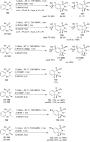
Scheme 23: Synthesis of cyclohexadiene-fused γ-phosphinolactams from diphenyl-N-methyl-N-(1-phenylethyl)phosph...
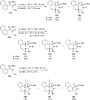
Scheme 24: Synthesis of benzocyclohexadiene-fused γ-phosphinolactams from dinaphth-1-yl-N-alkyl-N-benzylphosph...
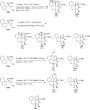
Scheme 25: Synthesis of benzocyclohexadiene-fused γ-phosphinolactams from dinaphth-1-yl-N-benzyl-N-methylphosp...

Scheme 26: Synthesis of carbonyl-containing benzocyclohexadiene-fused γ-phosphinolactams from dinaphth-1-yl-N-...

Scheme 27: Synthesis of benzocyclohexadiene-fused γ-phosphinolactams from dinaphthyl-N-benzyl-N-methylphosphin...
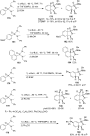
Scheme 28: Synthesis of cyclohexadiene-fused 1-(N-benzyl-N-methyl)amino-γ-phosphinolactams from aryl-N,N’-dibe...

Scheme 29: Synthesis of bis(cyclohexadiene-fused γ-phosphinolactam)s from bis(diphenyl-N-benzylphosphinamide)s....

Scheme 30: Synthesis of bis(hydroxymethyl-derived cyclohexadiene-fused γ-phosphinolactam)s from tetramethylene...

Scheme 31: Synthesis of 2-aryl/dimethylamino-1-ethoxy-2-hydrobenzo[c][1,2]azaphosphol-3-one 1-oxides from ethy...

Scheme 32: Synthesis of ethyl 2-ethoxy-1,2-azaphospholidine-4-carboxylate 2-oxides from ethyl 2-((chloro(ethox...

Scheme 33: Synthesis of (1S,3R)-2-(tert-butyldiphenylsilyl)-3-methyl-1-phenyl-2,3-dihydrobenzo[c][1,2]azaphosp...

Scheme 34: Synthesis of 2,3,3a,9a-tetrahydro-4H-1,2-azaphospholo[5,4-b]chromen-4-one (215) from 3-(phenylamino...

Scheme 35: Synthesis of quinoline-fused 1,2-azaphospholine 2-oxides from 2-azidoquinoline-3-carbaldehydes and ...

Scheme 36: Synthesis of 1-hydro-1,2-azaphosphol-5-one 2-oxide from cyanoacetohydrazide with phosphonic acid an...

Scheme 37: Synthesis of chromene-fused 5-oxo-1,2-azaphospolidine 2-oxides.

Scheme 38: Synthesis of (R)-1-phenyl-2-((R)-1-phenylethyl)-2-hydrobenzo[c][1,2]azaphosphol-3-one 1-oxide (239)...

Scheme 39: Synthesis of dihydro[1,2]azaphosphole 1-oxides from aryl/vinyl-N-phenylphosphonamidates and aryl-N-...

Scheme 40: Synthesis of 1,3-dihydro-[1,2]azaphospholo[5,4-b]pyridine 2-oxides.
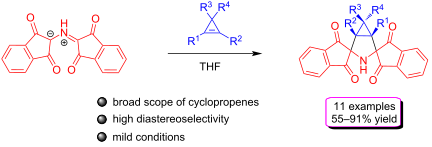
Synthesis of bis-spirocyclic derivatives of 3-azabicyclo[3.1.0]hexane via cyclopropene cycloadditions to the stable azomethine ylide derived from Ruhemann's purple
- Alexander S. Filatov,
- Olesya V. Khoroshilova,
- Anna G. Larina,
- Vitali M. Boitsov and
- Alexander V. Stepakov
Beilstein J. Org. Chem. 2022, 18, 769–780, doi:10.3762/bjoc.18.77
- , respectively. In turn, the Gibbs energies of activation corresponding to the endo approaches indicate that cycloadduct 4 (ΔG‡1+2j->4-endo = 19.3 kcal/mol) is more kinetically favorable than its epimer 4' (ΔG‡1+2j->4'-endo = 20.3 kcal/mol). The small free energy difference (1.0 kcal/mol) between the two

Graphical Abstract

Scheme 1: Early studies concerning cyclopropene cycloadditions to azomethine ylides and cycloaddition reactio...

Scheme 2: The pilot experiment aimed at studying the cycloaddition reaction between the protonated form of Ru...
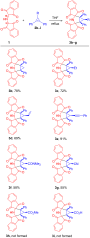
Scheme 3: Synthesis of meso-3'-azadispiro[indene-2,2'-bicyclo[3.1.0]hexane-4',2''-indene] derivatives 3b–g vi...

Figure 1: ORTEP representation of the molecular structure of 3e.

Scheme 4: The reaction of protonated Ruhemann's purple (1) with 3-methyl-3-phenylcyclopropene (2j).

Scheme 5: Attempts to carry out the cycloaddition reactions between 3,3-disubstituted cyclopropenes 2k,l and ...

Scheme 6: The reactions of protonated Ruhemann's purple (1) with unstable cyclopropenes 2m–p.
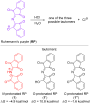
Scheme 7: The acid–base reaction of Ruhemann's purple with hydrochloric acid and relative Gibbs free energy c...

Scheme 8: Plausible mechanism of the 1,3-DC reaction of protonated Ruhemann's purple (1) with 3-methyl-3-phen...

Scheme 9: Plausible mechanism of the 1,3-DC reaction of protonated Ruhemann's purple (1) with 1-chloro-2-phen...
The asymmetric Henry reaction as synthetic tool for the preparation of the drugs linezolid and rivaroxaban
- Martin Vrbický,
- Karel Macek,
- Jaroslav Pochobradský,
- Jan Svoboda,
- Miloš Sedlák and
- Pavel Drabina
Beilstein J. Org. Chem. 2022, 18, 438–445, doi:10.3762/bjoc.18.46
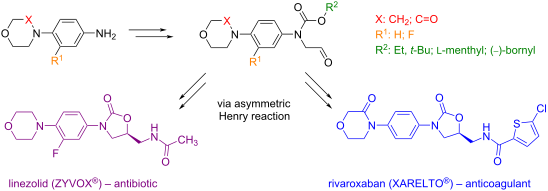
- de were observed and the presence of the major S-enantiomer in the products 1 and 2 was confirmed by chiral HPLC analysis. Moreover, an enhancement of the abundance of the major epimer in the nitroaldols 22, 24, and 26 as well as the amides 27 and 28 was examined. Generally, epimers represent pairs
- ) values (83–90%) than in the previously published study (up to 72% ee) [13]. The introduction of a chiral moiety into the structure of aldehydes 16, 18 and 20 led to the formation of nitroaldols 22, 24, and 26 as pairs of epimers. Unfortunately, the attempts of separating the minor epimer were

Graphical Abstract

Figure 1: The structure of the oxazolidine-2-one-containing drugs linezolid (1) and rivaroxaban (2).

Figure 2: Overview of the chiral ligands that were used for the study of the asymmetric Henry reaction.

Scheme 1: Syntheses of aldehydes 15–20.

Scheme 2: Synthesis of linezolid (1) and rivaroxaban (2) from nitroaldols 24 or 26.
α-Ketol and α-iminol rearrangements in synthetic organic and biosynthetic reactions
- Scott Benz and
- Andrew S. Murkin
Beilstein J. Org. Chem. 2021, 17, 2570–2584, doi:10.3762/bjoc.17.172
- the mixture of 38 and 39 induced a second α-ketol rearrangement to 40 as a tautomeric mixture. The same research group later utilized the same [3 + 2] cycloaddition and α-ketol rearrangement approach to prepare the 2′′′-epimer of 35, which bears an inverted methyl acetal in the dioxane ring, but this

Graphical Abstract

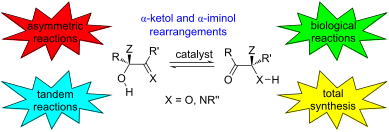
Figure 1: Generalized α-ketol or α-iminol rearrangement.

Figure 2: Nickel(II)-catalyzed enantioselective rearrangement of ketol 3 to form the ring-expanded and chiral...

Figure 3: Enantioselective ring expansion of β-hydroxy-α-dicarbonyl 6 catalyzed by a chiral copper-bisoxazoli...

Figure 4: Enantioselective rearrangement of ketols 9 and 12 and hydroxyaldimine 14 catalyzed by Al(III) or Sc...

Figure 5: Asymmetric rearrangement of α,α-dialkyl-α-siloxyaldehydes 16 to α-siloxyketones 17 catalyzed by chi...

Figure 6: BF3-promoted diastereospecific rearrangement of α-ketol 21 to difluoroalkoxyborane 22.

Figure 7: In the presence of a gold catalyst and water in 1,4-dioxane, 1-alkynylbutanol derivatives undergo t...

Figure 8: The diastereospecific α-ketol rearrangement of 32 to 33, part of the total synthesis of periconiano...

Figure 9: Two α-ketol rearrangements, one catalyzed by silica gel on 38 and the other by NaOMe on both 38 and ...

Figure 10: α-Ketol rearrangement of triumphalone (41) to isotriumphalone (42) via ring contraction.

Figure 11: Tandem reaction of strophasterol A synthetic intermediate 43 to 44 through a vinylogous α-ketol rea...

Figure 12: Tandem reaction consisting of a Diels–Alder cycloaddition followed by an α-ketol rearrangement, par...

Figure 13: Single-pot reaction consisting of Claisen and α-ketol rearrangements, part of the total synthesis o...

Figure 14: Enzyme-catalyzed α-ketol rearrangements. a) Ketol-acid reductoisomerase (KAR) catalyzes the rearran...

Figure 15: The conversion of asperfloroid (73) to asperflotone (72), featuring the ring-expanding α-ketol rear...
Figure 16: Hypothetical interconversion of natural products prekinamycin (76) and isoprekinamycin (77) and che...

Figure 17: Proposed biosynthetic pathway converting acylphloroglucinol (87) to isolated elodeoidins A–H 92–96....

Figure 18: α-Iminol rearrangements catalyzed by VANOL Zr (99). The rearrangement can be conducted with preform...

Figure 19: α-Iminol rearrangements catalyzed by silica gel and montmorillonite K 10. a) For 102a (102 with R =...

Figure 20: Synthesis of tryptamines 110 via a ring-contracting α‑iminol rearrangement. A mechanism for the fin...

Figure 21: Tandem synthesis of functionalized α-amino cyclopentanones 119 from heteroarenes 115 and cyclobutan...

Figure 22: Four eburnane-type alkaloid natural products 122–125 were synthesized from common intermediate 127,...
N-tert-Butanesulfinyl imines in the asymmetric synthesis of nitrogen-containing heterocycles
- Joseane A. Mendes,
- Paulo R. R. Costa,
- Miguel Yus,
- Francisco Foubelo and
- Camilla D. Buarque
Beilstein J. Org. Chem. 2021, 17, 1096–1140, doi:10.3762/bjoc.17.86


Graphical Abstract

Scheme 1: General strategy for the enantioselective synthesis of N-containing heterocycles from N-tert-butane...

Scheme 2: Methodologies for condensation of aldehydes and ketones with tert-butanesulfinamides (1).

Scheme 3: Transition models for cis-aziridines and trans-aziridines.

Scheme 4: Mechanism for the reduction of N-tert-butanesulfinyl imines.

Scheme 5: Transition models for the addition of organomagnesium and organolithium compounds to N-tert-butanes...

Scheme 6: Synthesis of 2,2-dibromoaziridines 15 from aldimines 14 and bromoform, and proposed non-chelation-c...

Scheme 7: Diastereoselective synthesis of aziridines from tert-butanesulfinyl imines.

Scheme 8: Synthesis of vinylaziridines 22 from aldimines 14 and 1,3-dibromopropene 23, and proposed chelation...

Scheme 9: Synthesis of vinylaziridines 27 from aldimines 14 and α-bromoesters 26, and proposed transition sta...

Scheme 10: Synthesis of 2-chloroaziridines 28 from aldimines 14 and dichloromethane, and proposed transition s...

Scheme 11: Synthesis of cis-vinylaziridines 30 and 31 from aldimines 14 and bromomethylbutenolide 29.

Scheme 12: Synthesis of 2-chloro-2-aroylaziridines 36 and 32 from aldimines 14, arylnitriles 34, and silyldich...

Scheme 13: Synthesis of trifluoromethylaziridines 39 and proposed transition state of the aziridination.

Scheme 14: Synthesis of aziridines 42 and proposed state transition.

Scheme 15: Synthesis of 1-substituted 2-azaspiro[3.3]heptanes, 1-phenyl-2-azaspiro[3.4]octane and 1-phenyl-2-a...

Scheme 16: Synthesis of 1-substituted 2,6-diazaspiro[3.3]heptanes 48 from chiral imines 14 and 1-Boc-azetidine...

Scheme 17: Synthesis of β-lactams 52 from chiral imines 14 and dimethyl malonate (49).

Scheme 18: Synthesis of spiro-β-lactam 57 from chiral (RS)-N-tert-butanesulfinyl isatin ketimine 53 and ethyl ...

Scheme 19: Synthesis of β-lactam 60, a precursor of (−)-batzelladine D (61) and (−)-13-epi-batzelladine D (62)...

Scheme 20: Rhodium-catalyzed asymmetric synthesis of 3-substituted pyrrolidines 66 from chiral imine (RS)-63 a...

Scheme 21: Asymmetric synthesis of 1,3-disubstituted isoindolines 69 and 70 from chiral imine 67.

Scheme 22: Asymmetric synthesis of cis-2,5-disubstituted pyrrolidines 73 from chiral imine (RS)-71.

Scheme 23: Asymmetric synthesis of 3-hydroxy-5-substituted pyrrolidin-2-ones 77 from chiral imine (RS)-74.

Scheme 24: Asymmetric synthesis of 4-hydroxy-5-substituted pyrrolidin-2-ones 80 from chiral imines 79.

Scheme 25: Asymmetric synthesis of 3-pyrrolines 82 from chiral imines 14 and ethyl 4-bromocrotonate (81).

Scheme 26: Asymmetric synthesis of γ-amino esters 84, and tetramic acid derivative 86 from chiral imines (RS)-...

Scheme 27: Asymmetric synthesis of α-methylene-γ-butyrolactams 90 from chiral imines (Z,SS)-87 and ethyl 2-bro...

Scheme 28: Asymmetric synthesis of methylenepyrrolidines 92 from chiral imines (RS)-14 and 2-(trimethysilylmet...

Scheme 29: Synthesis of dibenzoazaspirodecanes from cyclic N-tert-butanesulfinyl imines.

Scheme 30: Stereoselective synthesis of cyclopenta[c]proline derivatives 103 from β,γ-unsaturated α-amino acid...

Scheme 31: Stereoselective synthesis of alkaloids (−)-angustureine (107) and (−)-cuspareine (108).

Scheme 32: Stereoselective synthesis of alkaloids (−)-pelletierine (112) and (+)-coniine (117).

Scheme 33: Synthesis of piperidine alkaloids (+)-dihydropinidine (122a), (+)-isosolenopsin (122b) and (+)-isos...

Scheme 34: Stereoselective synthesis of the alkaloids(+)-sedamine (125) from chiral imine (SS)-119.

Scheme 35: Stereoselective synthesis of trans-5-hydroxy-6-substituted-2-piperidinones 127 and 129 from chiral ...

Scheme 36: Stereoselective synthesis of trans-5-hydroxy-6-substituted ethanone-2-piperidinones 132 from chiral...

Scheme 37: Stereoselective synthesis of trans-3-benzyl-5-hydroxy-6-substituted-2-piperidinones 136 from chiral...

Scheme 38: Stereoselective synthesis of trans-5-hydroxy-6-substituted 2-piperidinones 139 from chiral imine 138...

Scheme 39: Stereoselective synthesis of ʟ-hydroxypipecolic acid 145 from chiral imine 144.

Scheme 40: Synthesis of 1-substituted isoquinolones 147, 149 and 151.

Scheme 41: Stereoselective synthesis of 3-substituted dihydrobenzo[de]isoquinolinones 154.

Scheme 42: Enantioselective synthesis of alkaloids (S)-1-benzyl-6,7-dimethoxy-1,2,3,4-tetrahydroisoquinoline (...

Scheme 43: Enantioselective synthesis of alkaloids (−)-cermizine B (171) and (+)-serratezomine E (172) develop...

Scheme 44: Stereoselective synthesis of (+)-isosolepnosin (177) and (+)-solepnosin (178) from homoallylamine d...

Scheme 45: Stereoselective synthesis of tetrahydroquinoline derivatives 184, 185 and 187 from chiral imines (RS...

Scheme 46: Stereoselective synthesis of pyridobenzofuran and pyridoindole derivatives 193 from homopropargylam...

Scheme 47: Stereoselective synthesis of 2-substituted 1,2,5,6-tetrahydropyridines 196 from chiral imines (RS)-...

Scheme 48: Stereoselective synthesis of 2-substituted trans-2,6-disubstituted piperidine 199 from chiral imine...

Scheme 49: Stereoselective synthesis of cis-2,6-disubstituted piperidines 200, and alkaloid (+)-241D, from chi...

Scheme 50: Stereoselective synthesis of 6-substituted piperidines-2,5-diones 206 and 1,7-diazaspiro[4.5]decane...

Scheme 51: Stereoselective synthesis of spirocyclic oxindoles 210 from chiral imines (RS)-53.

Scheme 52: Stereoselective synthesis of azaspiro compound 213 from chiral imine 211.

Scheme 53: Stereoselective synthesis of tetrahydroisoquinoline derivatives from chiral imines (RS)-214.

Scheme 54: Stereoselective synthesis of (−)-crispine A 223 from chiral imine (RS)-214.

Scheme 55: Synthesis of (−)-harmicine (228) using tert-butanesulfinamide through haloamide cyclization.

Scheme 56: Stereoselective synthesis of tetraponerines T1–T8.

Scheme 57: Stereoselective synthesis of phenanthroindolizidines 246a and (−)-tylophorine (246b), and phenanthr...

Scheme 58: Stereoselective synthesis of indoline, tetrahydroquinoline and tetrahydrobenzazepine derivatives 253...

Scheme 59: Stereoselective synthesis of (+)-epohelmin A (258) and (+)-epohelmin B (260) from aldimine (RS)-79.

Scheme 60: Stereoselective synthesis of (−)-epiquinamide (266) from chiral aldimine (SS)-261.

Scheme 61: Synthesis synthesis of (–)-hippodamine (273) and (+)-epi-hippodamine (272) using chiral sulfinyl am...

Scheme 62: Stereoselective synthesis of (+)-grandisine D (279) and (+)-amabiline (283).

Scheme 63: Stereoselective synthesis of (−)-epiquinamide (266) and (+)-swaisonine (291) from aldimine (SS)-126....

Scheme 64: Stereoselective synthesis of (+)-C(9a)-epi-epiquinamide (294).

Scheme 65: Stereoselective synthesis of (+)-lasubine II (298) from chiral aldimine (SS)-109.

Scheme 66: Stereoselective synthesis of (−)-epimyrtine (300a) and (−)-lasubine II (ent-302) from β-amino keton...

Scheme 67: Stereoselective synthesis of (−)-tabersonine (310), (−)-vincadifformine (311), and (−)-aspidospermi...

Scheme 68: Stereoselective synthesis of (+)-epohelmin A (258) and (+)-epohelmin B (260) from aldehyde 313 and ...

Scheme 69: Total synthesis of (+)-lysergic acid (323) from N-tert-butanesulfinamide (RS)-1.
Beyond ribose and phosphate: Selected nucleic acid modifications for structure–function investigations and therapeutic applications
- Christopher Liczner,
- Kieran Duke,
- Gabrielle Juneau,
- Martin Egli and
- Christopher J. Wilds
Beilstein J. Org. Chem. 2021, 17, 908–931, doi:10.3762/bjoc.17.76
- depending on the type of underlying duplex, and these 4'-substituents were able to modulate the binding affinities for the parent 2'-modifed oligonucleotides [209]. siRNA containing inserts of the C4’ α-epimer of 2'-F,4'-OMe-rU, in either the sense or antisense strands, triggered gene silencing with

Graphical Abstract

Figure 1: Structures of the chemically modified oligonucleotides (A) N3' → P5' phosphoramidate linkage, (B) a...

Scheme 1: Synthesis of a N3' → P5' phosphoramidate linkage by solid-phase synthesis. (a) dichloroacetic acid;...

Figure 2: Crystal structures of (A) N3' → P5' phosphoramidate DNA (PDB ID 363D) [71] and (B) amide (AM1) RNA in c...

Scheme 2: Synthesis of a phosphorodithioate linkage by solid-phase synthesis. (a) detritylation; (b) tetrazol...

Figure 3: Close-up view of a key interaction between the PS2-modified antithrombin RNA aptamer and thrombin i...

Scheme 3: Synthesis of the (S)-GNA thymine phosphoramidite from (S)-glycidyl 4,4'-dimethoxytrityl ether. (a) ...

Figure 4: Surface models of the crystal structures of RNA dodecamers with single (A) (S)-GNA-T (PDB ID 5V1L) [54]...

Figure 5: Structures of 2'-O-alkyl modifications. (A) 2'-O-methoxy RNA (2'-OMe RNA), (B) 2'-O-(2-methoxyethyl...

Scheme 4: Synthesis of the 2'-OMe uridine from 3',5'-O-(tetraisopropyldisiloxane-1,3-diyl)uridine. (a) Benzoy...

Scheme 5: Synthesis of the 2'-O-MOE uridine from uridine. (a) (PhO)2CO, NaHCO3, DMA, 100 °C; (b) Al(OCH2CH2OCH...
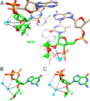
Figure 6: Structure of 2'-O-(2-methoxyethyl)-RNA (MOE-RNA). (A) View into the minor groove of an A-form DNA d...

Figure 7: Structures of locked nucleic acids (LNA)/bridged nucleic acids (BNA) modifications. (A) LNA/BNA, (B...

Scheme 6: Synthesis of the uridine LNA phosphoramidite. (a) i) NaH, BnBr, DMF, ii) acetic anhydride, pyridine...

Scheme 7: Synthesis of the 2'-fluoroarabinothymidine. (a) 30% HBr in acetic acid; (b) 2,4-bis-O-(trimethylsil...

Figure 8: Sugar puckers of arabinose (ANA) and arabinofluoro (FANA) nucleic acids compared with the puckers o...

Figure 9: Structures of C4'-modified nucleic acids. (A) 4'-methoxy, (B) 4'-(2-methoxyethoxy), (C) 2',4'-diflu...

Scheme 8: Synthesis of the 4'-F-rU phosphoramidite. (a) AgF, I2, dichloromethane, tetrahydrofuran; (b) NH3, m...

Scheme 9: Synthesis of the thymine FHNA phosphoramidite. (a) thymine, 1,8-diazabicyclo[5.4.0]undec-7-ene, ace...

Scheme 10: Synthesis of the thymine Ara-FHNA phosphoramidite. (a) i) trifluoromethanesulfonic anhydride, pyrid...

Figure 10: Crystal structures of (A) FHNA and (B) Ara-FHNA in modified A-form DNA decamers (PDB IDs 3Q61 and 3...
Fluorine effect in nucleophilic fluorination at C4 of 1,6-anhydro-2,3-dideoxy-2,3-difluoro-β-D-hexopyranose
- Danny Lainé,
- Vincent Denavit,
- Olivier Lessard,
- Laurie Carrier,
- Charles-Émile Fecteau,
- Paul A. Johnson and
- Denis Giguère
Beilstein J. Org. Chem. 2020, 16, 2880–2887, doi:10.3762/bjoc.16.237
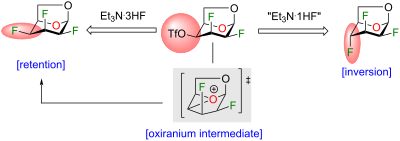
- reactions were monitored using 19F NMR spectroscopy with 2-fluoro-4-nitrotoluene as internal standard. Fluorodeoxygenation of glucopyranose 2 gave galactose 10 (inversion of configuration), as the only diastereoisomer (Table 1, entry 1). Interestingly, the epimer at C4 (compound 3) provided galactose 10

Graphical Abstract

Figure 1: Previously described synthesis of 2,3,4-trifluorinated analogues of galactose 6, glucose 7, mannose ...

Figure 2: Typical 19F NMR spectrum (470 MHz, CDCl3) of the crude reaction mixture using Et3N·3HF/Et3N (entry ...
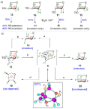
Figure 3: Fluorination at C4 of 1,6-anhydro-2,3-difluorohexopyranose analogues. a) Reactions on triflates 13, ...

Scheme 1: Synthesis of polyfluorinated alditols from levoglucosan 1: a) difluoroglucitol analogue 22; b) trif...
Syntheses of spliceostatins and thailanstatins: a review
- William A. Donaldson
Beilstein J. Org. Chem. 2020, 16, 1991–2006, doi:10.3762/bjoc.16.166

- in a high yield and enantioselectivity (Scheme 5) [17][18]. The Rubottom oxidation [28] of 43 gave a separable mixture of the desired 44 and its C-14 epimer (≈7:1 ratio). The reductive deoxygenation of 44 proceeded via the tosylhydrazone to afford 45, which upon desilylation and alkyne isomerization
- 12c gave a separable mixture of the desired 49 (52%) along with the C-14 epimer (8%). More recently, the Ghosh group provided an alternative synthesis from the triacetyl ᴅ-glucal 60 (Scheme 8) [31]. The exhaustive hydrolysis and selective protection as the 4,6-O-di-tert-butylsilylene derivative 61 [32

Graphical Abstract

Figure 1: Structures of spliceostatins/thailanstatins.

Scheme 1: Synthetic routes to protected (2Z,4S)-4-hydroxy-2-butenoic acid fragments.

Scheme 2: Kitahara synthesis of the (all-cis)-2,3,5,6-tetrasubstituted tetrahydropyran.
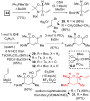
Scheme 3: Koide synthesis of (all-cis)-2,3,5,6-tetrasubstituted tetrahydropyran.
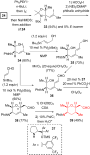
Scheme 4: Nicolaou synthesis of the (all-cis)-2,3,5,6-tetrasubstituted tetrahydropyran.
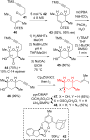
Scheme 5: Jacobsen synthesis of the (all-cis)-2,3,5,6-tetrasubstituted tetrahydropyran.
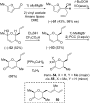
Scheme 6: Unproductive attempt to generate the (all-cis)-tetrahydropyranone 50.

Scheme 7: Ghosh synthesis of the C-7–C-14 (all-cis)-tetrahydropyran segment.

Scheme 8: Ghosh’s alternative route to the (all-cis)-tetrahydropyranone 50.

Scheme 9: Alternative synthesis of the dihydro-3-pyrone 58.
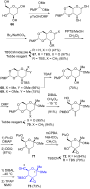
Scheme 10: Kitahara’s 1st-generation synthesis of the C-1–C-6 fragment of FR901464 (1).

Scheme 11: Kitahara 1st-generation synthesis of the C-1–C-6 fragment of FR901464 (1).

Scheme 12: Nimura/Arisawa synthesis of the C-1-phenyl segment.

Scheme 13: Ghosh synthesis of the C-1–C-6 fragment of FR901464 (1) from (R)-glyceraldehyde acetonide.

Scheme 14: Jacobsen synthesis of the C-1–C-7 segment of FR901464 (1).
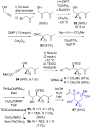
Scheme 15: Koide synthesis of the C-1–C-7 segment of FR901464 (1).
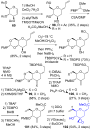
Scheme 16: Ghosh synthesis of the C-1–C-5 segment 102 of thailanstatin A (7).

Scheme 17: Nicolaou synthesis of the C-1–C-9 segments of spliceostatin D (9) and thailanstatins A (7) and B (5...

Scheme 18: Ghosh synthesis of the C-1–C-6 segment 115 of spliceostatin E (10).

Scheme 19: Fragment coupling via Wittig and modified Julia olefinations by Kitahara.

Scheme 20: Fragment coupling via cross-metathesis by Koide.

Scheme 21: The Ghosh synthesis of spliceostatin A (4), FR901464 (1), spliceostatin E (10), and thailanstatin m...

Scheme 22: Arisawa synthesis of a C-1-phenyl analog of FR901464 (1).

Scheme 23: Jacobsen fragment coupling by a Pd-catalyzed Negishi coupling.

Scheme 24: Nicolaou syntheses of thailanstatin A and B (7 and 5) and spliceostatin D (9) via a Pd-catalyzed Su...

Scheme 25: The Ghosh synthesis of spliceostatin G (11) via Suzuki–Miyaura coupling.



