


Search results
Search for "Amino acids" in Full Text gives 550 result(s) in Beilstein Journal of Organic Chemistry. Showing first 200.
A versatile route towards 6-arylpipecolic acids
Beilstein J. Org. Chem. 2025, 21, 1104–1115, doi:10.3762/bjoc.21.88
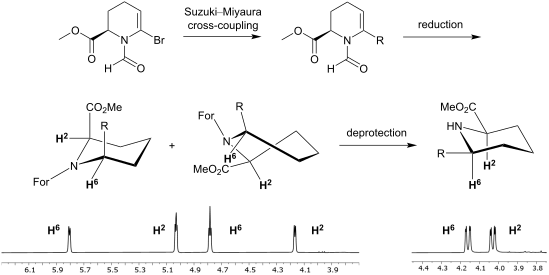
- accordance with coupling constants and resulting dihedral angles. Keywords: conformational restraints; dihedral angle NMR; half-chair conformation; modified amino acids; pipecolic acid; stereoselective hydrogenation; Suzuki–Miyaura cross-coupling; Introduction Non-proteinogenic amino acids play an
- important role as building blocks for peptide synthesis [1][2][3][4][5], as organocatalysts [6][7][8][9][10] and as enzyme inhibitors [4][11][12][13]. The incorporation of such amino acids into peptides can, for example, influence peptide conformation, the binding affinity to receptors [14], as well as
- pharmacokinetics [15][16], stability against degradation [17] and general stability [10][18] of the peptide [19]. One of those amino acids is pipecolic acid [20][21], a homolog of proline with a six-membered piperidine ring. Pipecolic acid has similar features as proline in regard to its rigid nature and turn





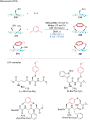
Supramolecular assembly of hypervalent iodine macrocycles and alkali metals
Beilstein J. Org. Chem. 2025, 21, 1095–1103, doi:10.3762/bjoc.21.87
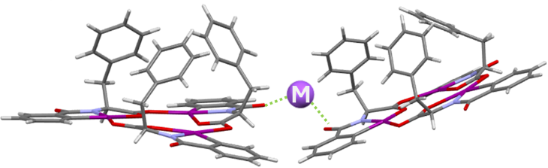
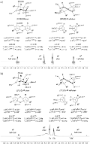
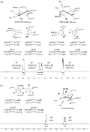
- projecting outward denoted by an asterisk. Furthermore, the resulting crystal structure reveals that 1 is also a distorted planar macrocyclic system consisting of the amino acids carbonyl oxygens facing inside the ring. All three benzyl groups are located above a single plane (more figures are provided in


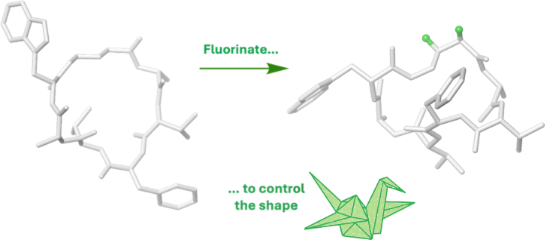
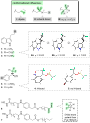
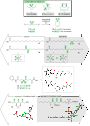
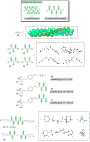
Origami with small molecules: exploiting the C–F bond as a conformational tool
Beilstein J. Org. Chem. 2025, 21, 680–716, doi:10.3762/bjoc.21.54


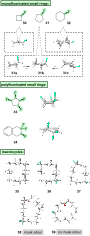


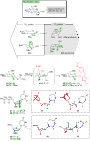
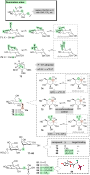
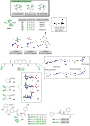




Asymmetric synthesis of fluorinated derivatives of aromatic and γ-branched amino acids via a chiral Ni(II) complex
Beilstein J. Org. Chem. 2025, 21, 659–669, doi:10.3762/bjoc.21.52
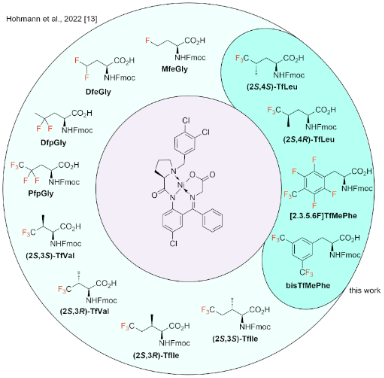
- Maurizio Iannuzzi Thomas Hohmann Michael Dyrks Kilian Haoues Katarzyna Salamon-Krokosz Beate Koksch Institute of Chemistry and Biochemistry, Freie Universität Berlin, Arnimallee 20, 14195 Berlin, Germany 10.3762/bjoc.21.52 Abstract Fluorinated amino acids are essential building blocks in the
- spheres of protein engineering and medicinal chemistry. In the last decades, a large number of different synthetic strategies have been developed to produce a large variety of fluorinated amino acids. Still, obtaining fluorinated amino acids in great quantities can be challenging, or the corresponding
- pathways are heavily time-consuming and synthetically challenging. In this context, chiral Ni(II) complexes can be powerful tools to obtain tailor‑made non‑canonical amino acids. In this work, we wanted to take advantage of this strategy and extend the range of this method to include additional fluorinated


Entry to 2-aminoprolines via electrochemical decarboxylative amidation of N‑acetylamino malonic acid monoesters
Beilstein J. Org. Chem. 2025, 21, 630–638, doi:10.3762/bjoc.21.50
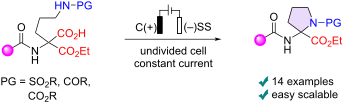
- under constant current conditions in aqueous acetonitrile and provides access to N-sulfonyl, N-benzoyl, and N-Boc-protected 2-aminoproline derivatives. Keywords: anodic oxidation; decarboxylation; electrosynthesis; Hofer–Moest reaction; non-proteinogenic amino acids; Introduction Non-proteinogenic
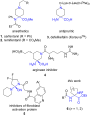
- cyclic amino acids are common structural motifs in the design of small-molecule drugs and peptidomimetics [1]. For example, the clinically used anesthetics carfentanil (1) and remifentanil (2), the FDA-approved antipruritic medication defelikefalin (3), and the arginase inhibitor 4 [2] possess cyclic α,α
- -disubstituted piperidine-containing amino acid subunits. Likewise, a cyano-substituted cyclic aminal is a core structural unit of the fibroblast activation protein inhibitor 5 [3] (Figure 1). The widespread use of non-proteinogenic cyclic amino acids in drug discovery justifies both the design of new analogs



Photocatalyzed elaboration of antibody-based bioconjugates
Beilstein J. Org. Chem. 2025, 21, 616–629, doi:10.3762/bjoc.21.49
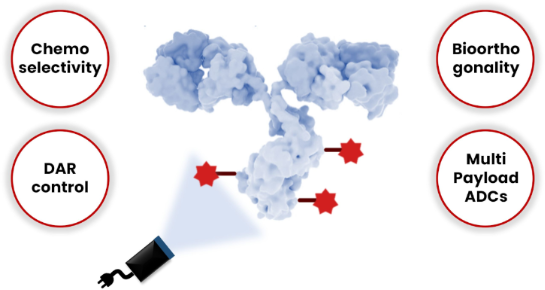
- native amino acids, by enzymatic coupling, or by bioengineering for the incorporation of non-canonical amino acids [18][19]. In fact, incorporating non-natural amino acids significantly broadens the scope of reactions that can be used in bioconjugation. As an example, click chemistry comprises one
- particularly useful and important tool in which azides and other dipolar species engage with reactive alkenes and alkynes on non-canonical amino acids [20]. Transition-metal-mediated processes, including metathesis reactions, aryl cross-coupling reactions, and conjugate addition reactions with dehydroalanine
- derivatives round out the most predominant reactions used on non-natural amino acids. However, even though bioengineering allows the incorporation of non-canonical amino acids with astounding effectiveness and near-complete selectivity, this technology is exceedingly expensive and time-consuming, and the


Sequential two-step, one-pot microwave-assisted Urech synthesis of 5-monosubstituted hydantoins from L-amino acids in water
Beilstein J. Org. Chem. 2025, 21, 596–600, doi:10.3762/bjoc.21.46
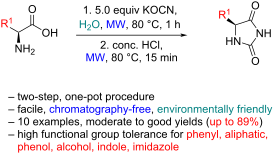
- this study, we present an innovative, sustainable approach to synthesizing hydantoins (H2a–j) directly from amino acids. This method employs a column chromatography-free, two-step, one-pot microwave-assisted synthesis that delivers hydantoins in yields ranging from 34% to 89%. The protocol demonstrates
- accessibility of these bioactive compounds for pharmaceutical applications. Keywords: amino acids; hydantoin; microwave-assisted; one-pot reaction; Urech synthesis; Introduction The hydantoin moiety is a scaffold found in many biologically active compounds exhibiting a diverse range of properties, including
- antibacterial [1], antiviral [2], anticancer [3], anti-inflammatory [4], and anticonvulsant [5]. Hydantoins were traditionally accessed from amino acids by conversion to urea derivatives followed by cyclization (Urech reaction) or from carbonyl compounds through the cyanohydrin intermediate (Bucherer–Bergs) [6


Formaldehyde surrogates in multicomponent reactions
Beilstein J. Org. Chem. 2025, 21, 564–595, doi:10.3762/bjoc.21.45
- ) 46 (Scheme 41) [97]. Unfortunately, this procedure does not work properly when amino acids or ammonia are used as amine components. In the case of ammonia, the corresponding imine was not generated, but rather a byproduct that incorporated two molecules of isocyanide 47 (Scheme 42). It was suggested


Asymmetric synthesis of β-amino cyanoesters with contiguous tetrasubstituted carbon centers by halogen-bonding catalysis with chiral halonium salt
Beilstein J. Org. Chem. 2025, 21, 547–555, doi:10.3762/bjoc.21.43
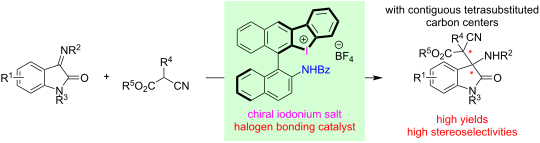
- , Chiba 263-8522, Japan 10.3762/bjoc.21.43 Abstract β-Amino cyanoesters are important scaffolds because they can be transformed into useful chiral amines, amino acids, and amino alcohols. Halogen bonding, which can be formed between halogen atoms and electron-rich chemical species, is attractive because
- excellent enantioselectivities (Figure 1c). Despite these successful examples, the construction of only one stereocenter has been reported to date. The Mannich reaction has great importance because of its utility in the preparation of useful chiral molecules such as amines [36], amino acids [37], and amino


Binding of tryptophan and tryptophan-containing peptides in water by a glucose naphtho crown ether
Beilstein J. Org. Chem. 2025, 21, 541–546, doi:10.3762/bjoc.21.42
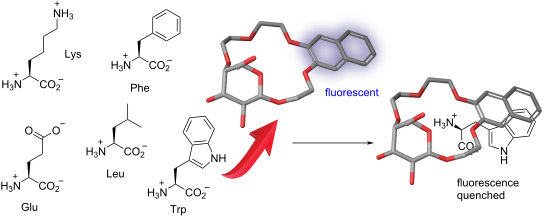
- binding of tryptophan is therefore important for diagnostic and medicinal applications. Recently, we reported a glucose naphtho crown ether which is a chemoselective receptor for the esters of aromatic amino acids, in particular tryptophan, in water. Herein, we demonstrate that the same compound also
- binds free tryptophan selectively in aqueous media. Furthermore, it is capable of binding to tryptophan within model tripeptides. The naphthalene functionality in the glucose-derived receptor enables the study of guest binding using fluorescence spectroscopy. Keywords: amino acids; macrocyclic
- for the binding of free, unprotected tryptophan. To determine, if 1 binds tryptophan selectively over other amino acids we also studied phenylalanine, glutamic acid, lysine, and leucine as guests. We chose these amino acids to verify, how the character of their side chains (Phe – aromatic, Glu


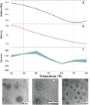
Hot shape transformation: the role of PSar dehydration in stomatocyte morphogenesis
Beilstein J. Org. Chem. 2025, 21, 47–54, doi:10.3762/bjoc.21.5
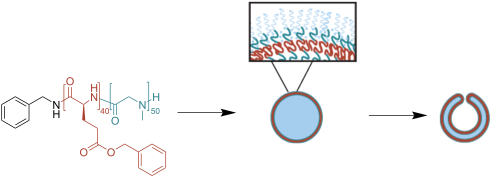
- functionalities of naturally occurring amino acids, synthetic polypeptides offer a robust platform for designing drug delivery systems that meet the criteria of biodegradability and biocompatibility [13]. The present study focuses on a polysarcosine and poly-ʟ-(benzyl glutamate) block copolymer (PSar-PBLG), as it


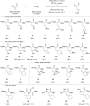
Giese-type alkylation of dehydroalanine derivatives via silane-mediated alkyl bromide activation
Beilstein J. Org. Chem. 2024, 20, 3274–3280, doi:10.3762/bjoc.20.271
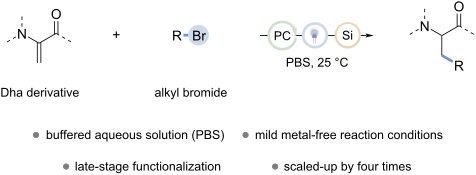
- functionalization (LSF) of peptide scaffolds. α,β-Unsaturated amino acids like dehydroalanine (Dha) derivatives have emerged as particularly useful structures, as the electron-deficient olefin moiety can engage in late-stage functionalization reactions, like a Giese-type reaction. Cheap and widely available
- ]. Amid the growing popularity of biomolecular drug candidates, the late-stage modification of peptide scaffolds has gained significant importance [28]. A particularly interesting class of amino acids for late-stage diversification consists of dehydroamino acids (Dha). Dha derivatives have shown



Synthesis of extended fluorinated tripeptides based on the tetrahydropyridazine scaffold
Beilstein J. Org. Chem. 2024, 20, 3174–3181, doi:10.3762/bjoc.20.262
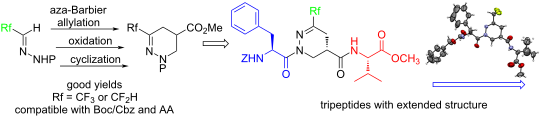
- synthesis of tripeptides incorporating new fluorinated heterocyclic hydrazino acids, based on the tetrahydropyridazine scaffold is described. Starting from simple fluorinated hydrazones, these non-proteinogenic cyclic β-amino acids were easily prepared by a zinc-catalyzed aza-Barbier reaction followed by an
- ; Introduction The synthesis of molecules capable of mimicking the various secondary structures and key functions of proteins is a major challenge in medicinal chemistry, especially in the fields of protein–protein interactions [1][2]. Accordingly, the incorporation of heterocyclic amino acids into peptides
- is known about its β-analog (Figure 3), although β-amino acids have been shown to strongly modulate the structural, metabolic, and biological characteristics of peptides [13]. Finally, it is well known that fluorine is a very useful tool in medicinal chemistry as the incorporation of fluorinated


Multicomponent reactions driving the discovery and optimization of agents targeting central nervous system pathologies
Beilstein J. Org. Chem. 2024, 20, 3151–3173, doi:10.3762/bjoc.20.261

- substituted 1,4-benzodiazepin-3-ones using the UDC method. This process involves N-Fmoc-amino acids, isocyanides, amines, and derivatives of 2-fluorobenzaldehyde (Scheme 15). Ugi-4CR/reduction/cyclization (URC) strategy: The URC pathway enables the synthesis of benzodiazepines by using amine surrogates, such


Chemical structure metagenomics of microbial natural products: surveying nonribosomal peptides and beyond
Beilstein J. Org. Chem. 2024, 20, 3050–3060, doi:10.3762/bjoc.20.253

- recognizes and activates a specific substrate BB. Notably, the BBs are in most cases amino acids, wherein a much broader variety are used in NRP biosynthesis than the 20 canonical amino acids used in protein biosynthesis [52]. The modules are usually arranged co-linearly to the BGC sequence, which makes
- underexplored by two-fold a particular BB (or a group of BBs with similar chemical structures), respectively (Figure 3c). Phenylglycine and its derivatives (the sp2 group of BBs, Figure 3d) turned out to be the most oversampled group of BBs. This group of BBs included noncanonical amino acids characteristic of
- , respectively. Based on the position of the nucleophile, a NRP can be cyclized head-to-tail, via an amino acid side-chain, a nucleophilic heteroatom on the N-terminal fatty acyl chain, or as a multimer of repeating sub-structures (Figure 5b). The ring size, ratio of ʟ- and ᴅ-amino acids, etc. may also be the


gem-Difluorovinyl and trifluorovinyl Michael acceptors in the synthesis of α,β-unsaturated fluorinated and nonfluorinated amides
Beilstein J. Org. Chem. 2024, 20, 2946–2953, doi:10.3762/bjoc.20.247
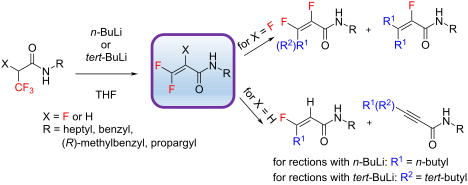
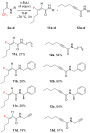
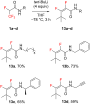
- acceptors [13][14][15][16][17]. The Michael addition with fluorinated acceptors finds application in the synthesis of, among others, fluorinated amino acids, which can be a structural motif in many biologically active compounds [18]. There are also known studies on the incorporation of highly reactive




Synthesis and antimycotic activity of new derivatives of imidazo[1,2-a]pyrimidines
Beilstein J. Org. Chem. 2024, 20, 2806–2817, doi:10.3762/bjoc.20.236
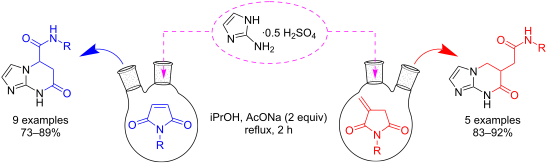
- patterns of these compounds differ by approximately four amino acids. The Tanimoto coefficient for compound 5e is significantly lower (≈0.42), indicating that the interaction pattern of compound 5e is significantly different from that of voriconazole, which may explain its low predicted affinity. The


The scent gland composition of the Mangshan pit viper, Protobothrops mangshanensis
Beilstein J. Org. Chem. 2024, 20, 2644–2654, doi:10.3762/bjoc.20.222
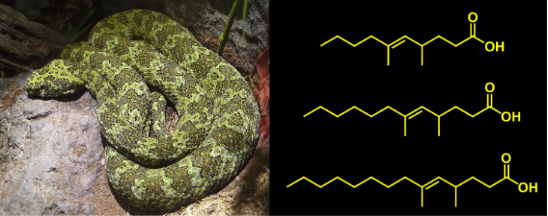
- , proline-containing diketopiperazines were identified for the first time in snake scent glands, although an artificial formation from amino acids likely present in the secretion cannot be excluded. Keywords: carboxylic acids; identification; mass spectrometry; pheromones; snakes; Introduction Located in
- -diastereomers [34]. Unfortunately, the absolute configuration of these compounds could not be determined due to the small amounts available. Diketopiperazines can be formed either enzymatically or non-enzymatically, e.g., by heat dimerization of amino acids [35]. Both antibacterial and antifungal activities


A review of recent advances in electrochemical and photoelectrochemical late-stage functionalization classified by anodic oxidation, cathodic reduction, and paired electrolysis
Beilstein J. Org. Chem. 2024, 20, 2500–2566, doi:10.3762/bjoc.20.214
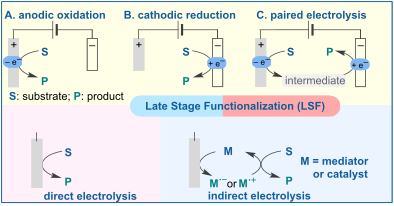
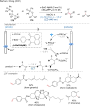
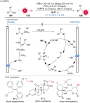
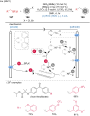
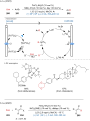
- oxidation strategy to obtain α-chlorosulfoxides from sulfides using hydrochloric acid as a bifunctional reagent [22]. This strategy accommodates a broad range of substrates and offers high diastereoselectivity and regioselectivity. Several LSF modifications of amino acids and pharmaceutical derivatives
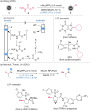
- and cross-coupling of different kinds of amines for approaching symmetric and unsymmetric imines [76]. This method achieved the bioconjugation of several amino acids with benzylamine, the use of phenylalanine (Phe), serine (Ser), and isoleucine (Ile) as substrates led to 85%, 59%, and 29% yield
- , respectively. However, other amino acids such as glycine (Gly), histidine (His), and tyrosine (Try) resulted in much lower yields (Scheme 52). 2 LSF via cathodic


























Hypervalent iodine-mediated cyclization of bishomoallylamides to prolinols
Beilstein J. Org. Chem. 2024, 20, 2455–2460, doi:10.3762/bjoc.20.209
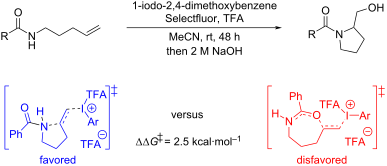
- , reaction conditions were developed, and the scope of this cyclization studied. Keywords: cyclization; DFT; hypervalent iodine; mechanism; proline; Introduction Proline is one of the 20 DNA-encoded proteinogenic amino acids that are essential to life [1][2]. In addition, the pyrrolidine core is present in


Stereoselective mechanochemical synthesis of thiomalonate Michael adducts via iminium catalysis by chiral primary amines
Beilstein J. Org. Chem. 2024, 20, 2313–2322, doi:10.3762/bjoc.20.198
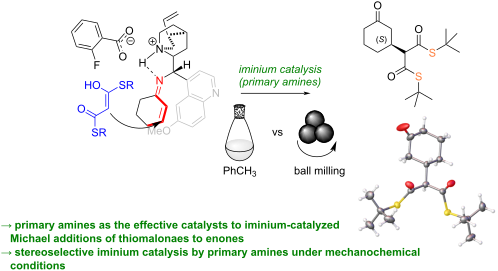
- -ion catalysis to operate. Moreover, three amino acids (20 mol %) were utilized to generate iminium ions and subsequently to stabilize them by the presence of a carboxyl group. However, no conversion was observed after 7 days despite the additional structural elements as a carboxylic group in AA-2 or


Deuterated reagents in multicomponent reactions to afford deuterium-labeled products
Beilstein J. Org. Chem. 2024, 20, 2270–2279, doi:10.3762/bjoc.20.195
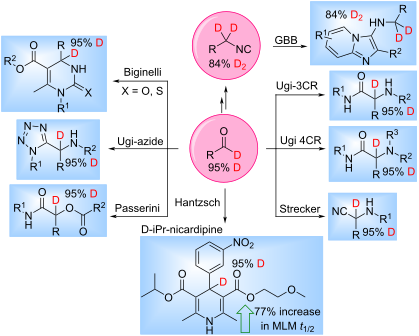
- Strecker reaction [44][45] where a cyanide, aldehyde, and amine react to afford α-aminonitriles. Compound 5c was converted to the deuterated amino acid 5d under acidic conditions. This finding opens up the possibility of scale-production of deuterium-labeled α-amino acids. Deuterated Strecker products are
- . No deuterium scrambling observed. Ugi-azide reaction products, no deuterium scrambling observed. Passerini products, no deuterium scrambling observed. aWater was used as solvent. Strecker reaction products (precursors to [D1]-α-amino acids), no deuterium scrambling was observed. aThe cyano-group was


Cell-free protein synthesis with technical additives – expanding the parameter space of in vitro gene expression
Beilstein J. Org. Chem. 2024, 20, 2242–2253, doi:10.3762/bjoc.20.192
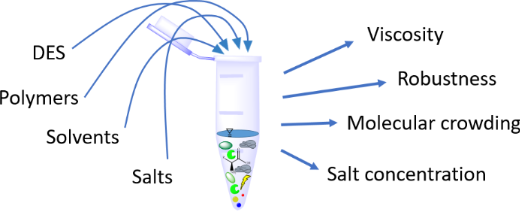
- nucleotides and amino acids, as well as energy molecules, salts, buffer, etc., are added. After successful protein synthesis, further substrates can be added for an enzyme activity assay. Although mimicking of cell-like conditions is an approach for optimization, the physical and chemical properties of CFPS
- encoding for the target protein, amino acids and nucleoside triphosphates as substrates, an energy regeneration system and other additives such as polyethylene glycol (PEG) [9]. Although CFPS has been used and improved since the 1960s, there are challenges in its application such as low production volumes
- deviations in the measurements or by the undefined addition of amino acids via the cell-free extract. Irrespective of this, the high concentration of sfGFP obtained shows the high level of optimization of the synthesis. Therefore, it is not expected that the addition of technical additives will further



Computational toolbox for the analysis of protein–glycan interactions
Beilstein J. Org. Chem. 2024, 20, 2084–2107, doi:10.3762/bjoc.20.180
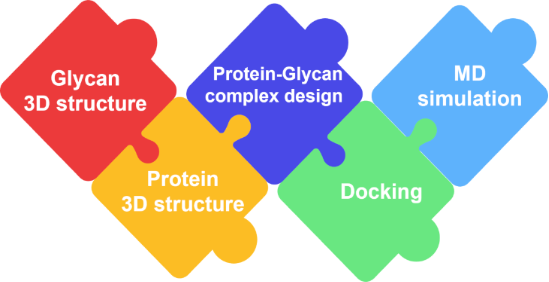
- are able to recognise carboxylic acid and sulphate groups along glycosaminoglycan chains using clusters of positively charged amino acids [33], also mediate a wide variety of cell–cell and cell–pathogen communication, controlling immune cell functions, and overseeing cellular trafficking [34]. Another
- input files for molecular dynamics by adding missing atoms, removing H atoms, and analysing the proton state of amino acids. The registration of the user to the web-site is required to access these tools (https://playmolecule.com/proteinPrepare/). Several MD simulation packages, including CHARMM-GUI [52


Negishi-coupling-enabled synthesis of α-heteroaryl-α-amino acid building blocks for DNA-encoded chemical library applications
Beilstein J. Org. Chem. 2024, 20, 1922–1932, doi:10.3762/bjoc.20.168
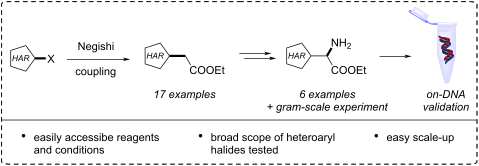
- Matteo Gasparetto Balazs Fodi Gellert Sipos X-Chem Zrt., Záhony u. 7, DA Building, Graphisoft Park, Budapest, 1031, Hungary 10.3762/bjoc.20.168 Abstract Amino acids are vital motifs in the domain of biochemistry, serving as the foundational unit for peptides and proteins, while also holding a
- crucial function in many biological processes. Due to their bifunctional character, they have been also used for combinatorial chemistry purposes, such as the preparation of DNA-encoded chemical libraries. We developed a practical synthesis for α-heteroaryl-α-amino acids starting from an array of small
- heteroaromatic halides. The reaction sequence utilizes a photochemically enhanced Negishi cross-coupling as a key step, followed by oximation and reduction. The prepared amino esters were validated for on-DNA reactivity via a reverse amidation–hydrolysis–reverse amidation protocol. Keywords: amino acids; DEL





