Search results
Search for "enzyme" in Full Text gives 566 result(s) in Beilstein Journal of Organic Chemistry. Showing first 200.
Recent advances in synthetic approaches for bioactive cinnamic acid derivatives
Beilstein J. Org. Chem. 2025, 21, 1031–1086, doi:10.3762/bjoc.21.85
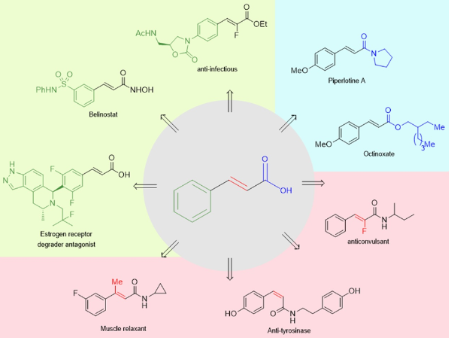
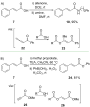
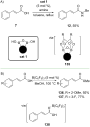
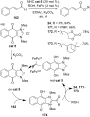
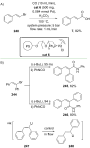
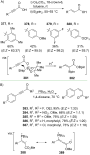
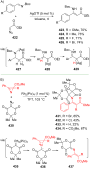
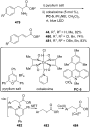
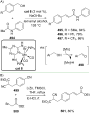
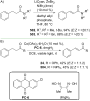
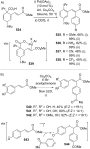
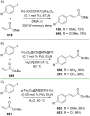
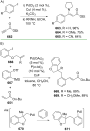
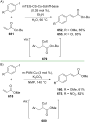
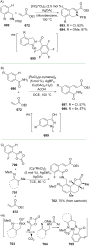
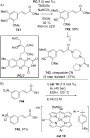
- a naturally occurring plant metabolite frequently found in honey, fruits, and vegetables [1]. Cinnamic acid is biosynthesized through a shikimate pathway, catalyzed by the phenylalanine ammonia-lyase (PAL) enzyme. Generally, cinnamic acid derivatives possess a wide range of bioactivities, such as








































Dicarboxylate recognition based on ultracycle hosts through cooperative hydrogen bonding and anion–π interactions
Beilstein J. Org. Chem. 2025, 21, 884–889, doi:10.3762/bjoc.21.72
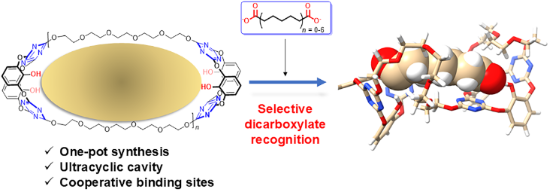
- cellular metabolism; they regulate the activity of numerous enzyme receptors, and serve as intermediates in the synthesis of more complex biomolecules [21]. However, excessive consumption or production, as well as insufficient clearance of dicarboxylates, can lead to various health problems [22


4-(1-Methylamino)ethylidene-1,5-disubstituted pyrrolidine-2,3-diones: synthesis, anti-inflammatory effect and in silico approaches
Beilstein J. Org. Chem. 2025, 21, 817–829, doi:10.3762/bjoc.21.65

- response, respiratory, vasodilation, apoptosis, tumor growth, and cardiovascular system [1][2]. Nitric oxide (NO) is released as product of the NADPH and oxygen-dependent oxidation of ʟ-arginine to ʟ-citrulline under the catalysis of the enzyme nitric oxide synthase (NOS) [3]. There are three distinct
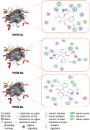
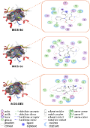
- interactions of these derivatives with the enzyme inducible nitric oxide synthase (iNOS), compared to dexamethasone used as a reference. Furthermore, ADMET (absorption, distribution, metabolism, excretion, and toxicity) predictions were performed to assess their drug-likeness and pharmacokinetic properties
- clear that overproduction of nitric oxide (NO) by the iNOS enzyme causes inflammation-related diseases. Moreover, large quantities of nitric oxide (NO) are released when RAW 264.7 cells are stimulated by lipopolysaccharides (LPS) [5][26]. Consequently, nitric oxide (NO) production in LPS-stimulated


Origami with small molecules: exploiting the C–F bond as a conformational tool
Beilstein J. Org. Chem. 2025, 21, 680–716, doi:10.3762/bjoc.21.54
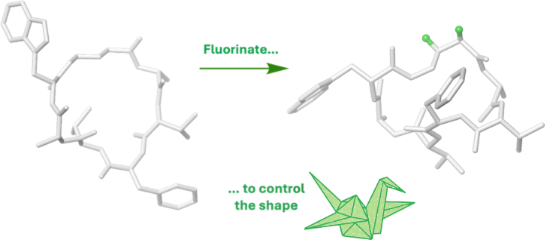
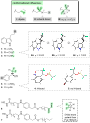
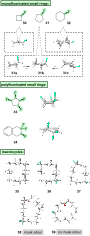
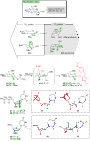
- enzyme, and the hydroxy group of 57 interacts with catalytic aspartate residues in the active site. The fluorinated pepstatin analogue 58 was predicted to be pre-organised into the bent conformation and hence be a more potent inhibitor than 57. Compound 58 was indeed found to be more potent than 57
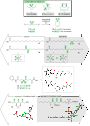
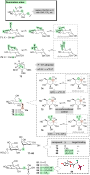
- important [145][146][147]. For example, the diastereoisomeric monofluorophosphonates 83 and 84 were compared in their ability to bind to a phosphosugar-processing enzyme. Epimer 84 was found to bind with 100-fold higher affinity than epimer 83, and this was attributed to a lower-energy binding conformation
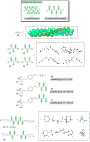
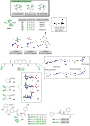
- which the conformation can be controlled by fluorine, is the natural product balanol (99, Figure 11) [112][167][168][169][170][171][172]. Balanol is an ATP mimic that inhibits protein kinase Cε (PKCε), an enzyme that is implicated in cancer. However, compound 99 also inhibits off-target kinases








Photocatalyzed elaboration of antibody-based bioconjugates
Beilstein J. Org. Chem. 2025, 21, 616–629, doi:10.3762/bjoc.21.49
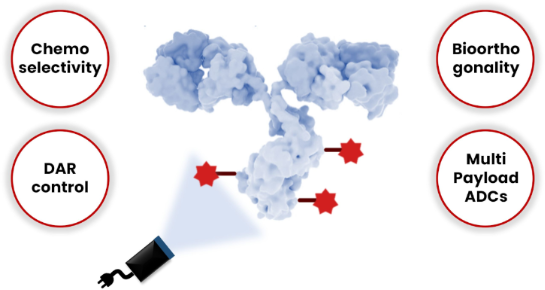
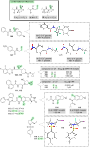
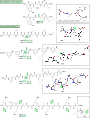
- decision-making [6][7]. Antibody–oligonucleotide conjugates, antibody–enzyme conjugates, antibody–polymer conjugates, antibody–nanomaterial conjugates, antibody–catalyst conjugates, and antibodies involved in protein degradation also play critical roles in biomedical research and therapies [2]. In whatever


Synthesis of electrophile-tethered preQ1 analogs for covalent attachment to preQ1 RNA
Beilstein J. Org. Chem. 2025, 21, 483–489, doi:10.3762/bjoc.21.35
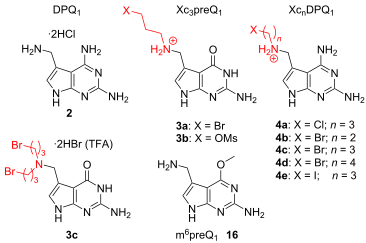
- as riboswitches [6][7][8] or the queuosine biosynthetic enzyme machinery [9][10][11]. Recently, even the self-methylation activity of a preQ1 riboswitch has been discovered with a methylated preQ1 derivative acting as a ribozyme cofactor [12]. Moreover, these analogs have found utility in several
- biotechnological applications, including the identification of queuosinylation sites in cellular RNA [13], RNA and DNA labeling [14][15], and mRNA photocaging [16]. The latter applications rely on the promiscuity of the tRNA-modifying enzyme tRNA-guanine transglycosylase (TGT), which can incorporate functionalized
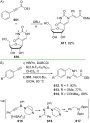
- preQ1 congeners into oligonucleotide strands at specific recognition sites. In addition, the potential of modified preQ1 for protein enzyme-independent RNA labeling has also been demonstrated [12][17]. In a recent study [4], sequence-specific RNA–small molecule crosslinking (Scheme 1B) was achieved in


Organocatalytic kinetic resolution of 1,5-dicarbonyl compounds through a retro-Michael reaction
Beilstein J. Org. Chem. 2025, 21, 473–482, doi:10.3762/bjoc.21.34
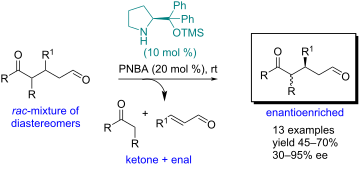
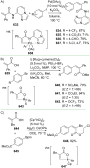
- chromatography [1]. Sometime later, kinetic resolution (KR) emerged. This method is based on the different reaction rates of each enantiomer in a racemic mixture when they are reacted with a reagent, a chiral catalyst, or an enzyme. This process results in obtaining the less reactive enantioenriched enantiomer


Beyond symmetric self-assembly and effective molarity: unlocking functional enzyme mimics with robust organic cages
Beilstein J. Org. Chem. 2025, 21, 421–443, doi:10.3762/bjoc.21.30
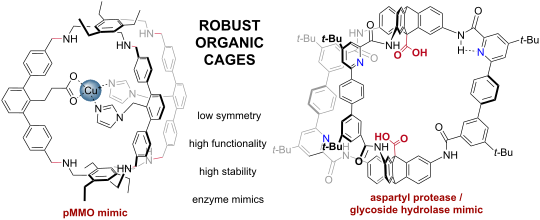
- Keith G. Andrews Department of Chemistry, Durham University, Lower Mount Joy, South Rd, Durham, DH1 3LE, UK 10.3762/bjoc.21.30 Abstract The bespoke environments in enzyme active sites can selectively accelerate chemical reactions by as much as 1019. Macromolecular and supramolecular chemists have
- a molecular “cavity”. The activities of different cavities vary with the subset of features available to a particular cavity type. Unsurprisingly, without synthetic access to mimics able to encompass more/all of the functional features of enzyme active sites, examples of cavity-catalyzed processes
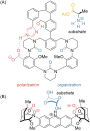
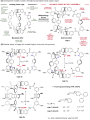
- demonstrating enzyme-like rate accelerations remain rare. This perspective will briefly highlight some of the key advances in traditional cavity catalysis, by cavity type, in order to contextualize the recent development of robust organic cage catalysts, which can exploit stability, functionality, and reduced




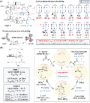
Synthesis, characterization, antimicrobial, cytotoxic and carbonic anhydrase inhibition activities of multifunctional pyrazolo-1,2-benzothiazine acetamides
Beilstein J. Org. Chem. 2025, 21, 348–357, doi:10.3762/bjoc.21.25
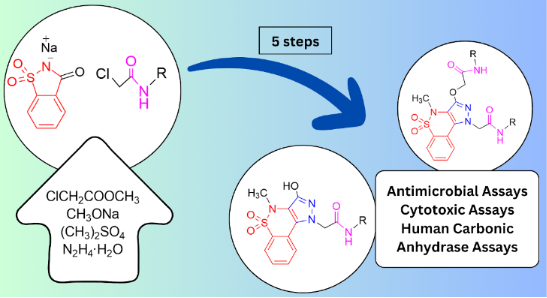
- autoimmune diseases [18], osteoarthritis [29], hemorrhage [25], and cardiac diseases [30]. Pyrazole moieties have a wide spectrum of pharmacological efficiencies. One known example is celecoxib®, a clinically used anti-inflammatory and COX-2 enzyme-inhibiting drug [31]. In some cases, inclusion of a pyrazole
- (Figure S44 in Supporting Information File 1). In vitro carbonic anhydrase inhibition In vitro assessment of all targeted pyrazolobenzothiazine scaffolds for human carbonic anhydrase (hCA) inhibition was performed adopting a stopped-flow CO2 hydration method. The enzyme inhibition assays were carried out
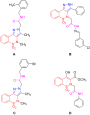
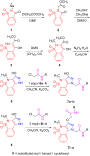
- Martínez-Montiel and colleagues in 2023 [57]. Analyses were carried out in-house using recombinant enzymes as described. Enzyme concentrations (5–12 nM) used in these assays were the same as previously reported [57][61]. An overview of previously synthesized 1,2-benzothiazines [36][37][38][39]. An example


Hot shape transformation: the role of PSar dehydration in stomatocyte morphogenesis
Beilstein J. Org. Chem. 2025, 21, 47–54, doi:10.3762/bjoc.21.5
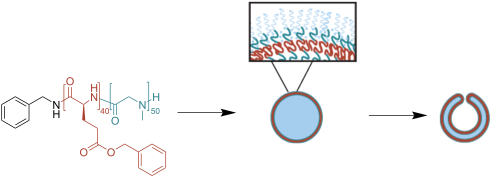
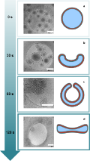
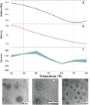
- stronger osmotic pressure within the vesicle, driving deformation into a stomatocyte shape. This novel morphology for polysarcosine-based polymers opens new avenues for utilizing fully biodegradable polymers as nanomotors, leveraging enzyme encapsulation techniques. Moreover, it was observed that a


Multicomponent reactions driving the discovery and optimization of agents targeting central nervous system pathologies
Beilstein J. Org. Chem. 2024, 20, 3151–3173, doi:10.3762/bjoc.20.261
- -directed and metabolic antioxidants have shown efficacy in AD mouse models, with ongoing trials for vitamin E and selenium [32]. Ugi reaction: As already mentioned, one of the main targets in AD treatment are cholinesterase ligands. In recent years, butyrylcholinesterase, an enzyme present in high
- EeAChE. On the other hand, the inhibitory activity on eqBuChE was more promising, with the best scoring compounds being 1a, 1b, and 1c (Figure 3). These compounds have mixed inhibitory activity (they can bind both the free enzyme and the enzyme–substrate complex, E–S complex). Additionally, compound 1a


Hypervalent iodine-mediated intramolecular alkene halocyclisation
Beilstein J. Org. Chem. 2024, 20, 3113–3133, doi:10.3762/bjoc.20.258
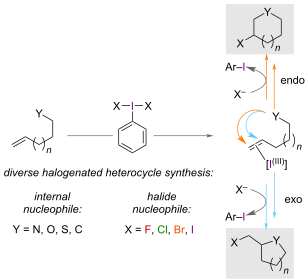
- 4 [9][10] (Figure 1). Halogenated cyclised structures have also been found to exhibit medicinal and pharmaceutical properties, including antibacterial [11], antibiotic [12], and enzyme inhibition [13] among others. The general mechanism for the HVI-mediated halocyclisation of alkenes proceeds



















Advances in the use of metal-free tetrapyrrolic macrocycles as catalysts
Beilstein J. Org. Chem. 2024, 20, 3085–3112, doi:10.3762/bjoc.20.257
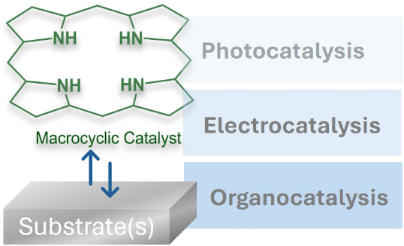
- recognition, and supramolecular assemblies [9][10][11][12][13]. There are numerous examples of using metalloporphyrins as artificial photosynthesis models, enzyme mimics, and catalysts for various organic transformations, where a metal center acts as an active site [14][15][16][17]. However, metal-free (or
- , and calixarenes has been extensively studied using both enzyme mimics and non-biomimetic systems, due to the presence of an internal cavity (binding sites) and nearby functional groups (catalytic sites) [27][28][29]. Tetrapyrrolic macrocycles contain an internal cavity with multiple inner –N/NH groups


Chemical structure metagenomics of microbial natural products: surveying nonribosomal peptides and beyond
Beilstein J. Org. Chem. 2024, 20, 3050–3060, doi:10.3762/bjoc.20.253

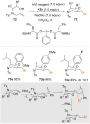
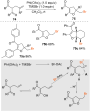
- offloading step always entails the same chemical reaction, wherein nucleophilic attack is promoted by the catalytic triad of a TE via general base catalysis. This is likely why traditional mechanistic studies that focused on the enzyme active site failed to work out how TEs control NRP topology. A priori


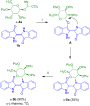
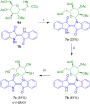
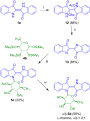
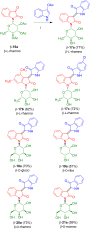
N-Glycosides of indigo, indirubin, and isoindigo: blue, red, and yellow sugars and their cancerostatic activity
Beilstein J. Org. Chem. 2024, 20, 2840–2869, doi:10.3762/bjoc.20.240
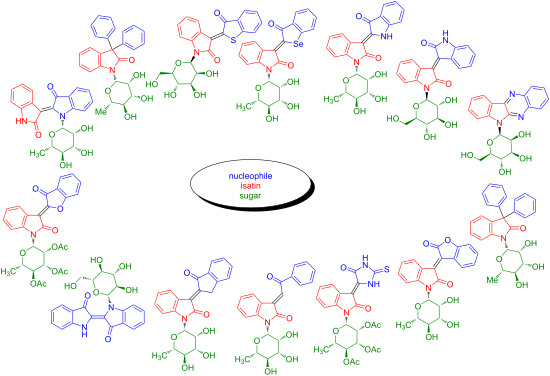
- mitochondria was changed. The presence of β-33b provoked a significant upregulation of the enzyme heme oxygenase-1. In conclusion, mitochondria are attacked by compound β-33b in the context of its cytotoxic activity against skin cancer cells. Aglycon 35 again proved to be inactive in all assays. It was
- mentioned above, that the free NH function of indirubin is important for CDK inhibition. We have shown in our group by enzyme studies that glycoside β-33b, lacking the free NH-function, does not act as a CDK inhibitor, despite its high activity against melanoma cells and other cancers [32]. These results










Synthesis and antimycotic activity of new derivatives of imidazo[1,2-a]pyrimidines
Beilstein J. Org. Chem. 2024, 20, 2806–2817, doi:10.3762/bjoc.20.236
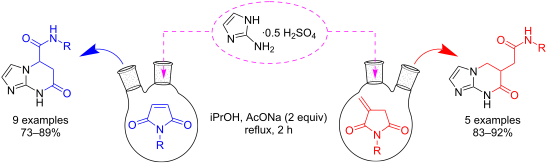
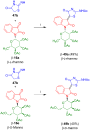
- this work was a preliminary evaluation of the potential bioactivity of the obtained compounds. In particular, a molecular docking experiment to investigate the binding mechanisms to the CYP51 enzyme and an evaluation of the antifungal activity of imidazo[1,2-a]pyrimidines against Candida albicans were
- -spectrum antifungal agents. Among the many drugs and hits, the azole-based systems (including triazoles and imidazoles) are of particular importance in this context. Their mechanism of action is the inhibition of the activity of the enzyme lanosterol 14α-demethylase (CYP51), which is encoded by the CYP51
- /ERG11 gene. This enzyme contains a haem-like prosthetic group in its active center and is a member of the cytochrome P450 family, which plays a key role in the biosynthesis of sterols. Sterols in turn are integral components of the fungal cell membrane, making inhibition of CYP51 [43] an effective


Synthesis of fluoroalkenes and fluoroenynes via cross-coupling reactions using novel multihalogenated vinyl ethers
Beilstein J. Org. Chem. 2024, 20, 2691–2703, doi:10.3762/bjoc.20.226

- fact, several inhibitors of the β-site amyloyd β A4 precursor protein cleaving enzyme (BACE1), which is involved in the production of β-amyloid, and fluoroalkene analogs of dipeptidyl peptidase-4 inhibitors have previously been reported [2][3]. These inhibitors possess higher drug efficacies than their


Cell-free protein synthesis with technical additives – expanding the parameter space of in vitro gene expression
Beilstein J. Org. Chem. 2024, 20, 2242–2253, doi:10.3762/bjoc.20.192
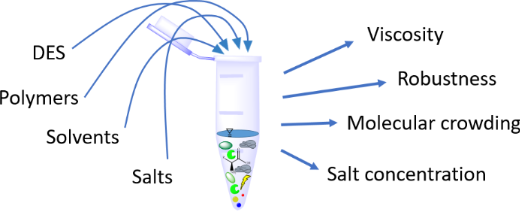
- nucleotides and amino acids, as well as energy molecules, salts, buffer, etc., are added. After successful protein synthesis, further substrates can be added for an enzyme activity assay. Although mimicking of cell-like conditions is an approach for optimization, the physical and chemical properties of CFPS
- osmolarity using ten different technical additives including organic solvents, polymers, and salts. It is shown that the synthesis of two model proteins, namely superfolder GFP (sfGFP) and the enzyme truncated human cyclic GMP-AMP synthase fused to sfGFP (thscGAS-sfGFP), is very robust against most of the
- biocatalysts [1][2]. The open environment allows easy manipulation of the protein synthesis [3] and coupling to subsequent enzyme activity assays, e.g., for substrate screening [4][5]. The CFPS system is advantageous for proteins that are difficult to express in a viable host cell, e.g., due to toxic effects

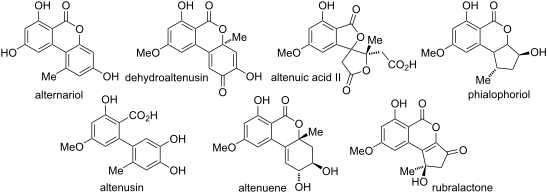
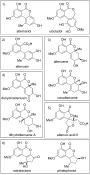
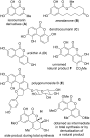
Natural resorcylic lactones derived from alternariol
Beilstein J. Org. Chem. 2024, 20, 2171–2207, doi:10.3762/bjoc.20.187
- ring was isolated from Ulocladium botrytis [219] and Microsphaeropsis olivacea [167]. Its structure was unambiguously confirmed by NMR spectroscopy and by total syntheses [44][220]. Ulocladol is a tyrosine kinase (p56lck) inhibitor leading to a reduction of enzyme activity to 7% at 0.02 µg/µL) [219






Factors influencing the performance of organocatalysts immobilised on solid supports: A review
Beilstein J. Org. Chem. 2024, 20, 2129–2142, doi:10.3762/bjoc.20.183
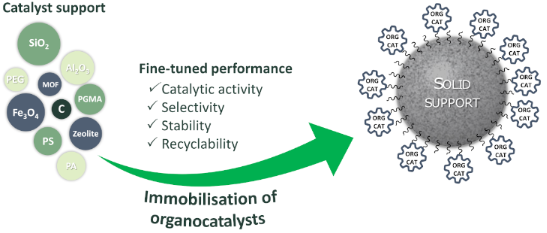
- ]. An advantage of dendrimer-supported organocatalysts are their enzyme-like properties [111][112]. Selective binding and cooperative catalysis can give the catalyst high selectivity and activity. Interactions between the support and other components The interaction between the solid support and the


Computational toolbox for the analysis of protein–glycan interactions
Beilstein J. Org. Chem. 2024, 20, 2084–2107, doi:10.3762/bjoc.20.180


Allostreptopyrroles A–E, β-alkylpyrrole derivatives from an actinomycete Allostreptomyces sp. RD068384
Beilstein J. Org. Chem. 2024, 20, 1981–1987, doi:10.3762/bjoc.20.174
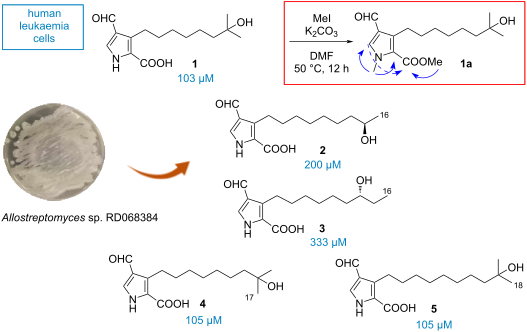
- μM. Compounds 1–5 were merely inhibitory against tyrosinase, showing 19, 13, 9.6, 18, and 15% inhibition at 200 μM, respectively, while a positive control, kojic acid, inhibited the same enzyme by 95%. Conclusion In summary, five new alkylpyrroles, allostreptopyrroles A–E (1–5), were discovered from


2-Heteroarylethylamines in medicinal chemistry: a review of 2-phenethylamine satellite chemical space
Beilstein J. Org. Chem. 2024, 20, 1880–1893, doi:10.3762/bjoc.20.163
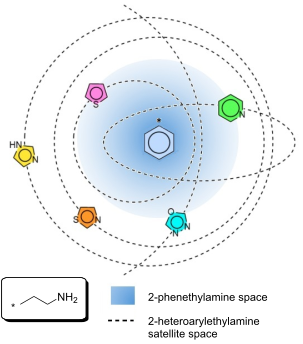
- tumor bed of a vast diversity of human tumor types. As phenylalanine is the preferred substrate of IL4I1 catalytic activity, Presset et al. [6] reported novel phenylalanine derivatives as a strategy to inhibit IL4I1 activity, as this enzyme has a preference for hydrophobic amino acids. Among them


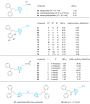


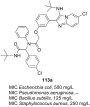
The Groebke–Blackburn–Bienaymé reaction in its maturity: innovation and improvements since its 21st birthday (2019–2023)
Beilstein J. Org. Chem. 2024, 20, 1839–1879, doi:10.3762/bjoc.20.162
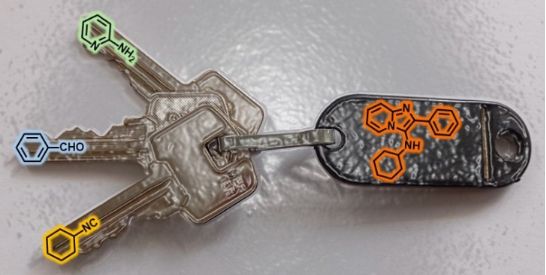
- . 1.3 Compartmented and enzyme-mediated reactions Compartmentation of reaction media has already found many applications in chemistry. Amphiphilic molecules can associate in water to nanometer-sized micelles, above a certain critical concentration. Such micelles are characterized by a lipophilic core
- , respectively. For further investigations, however, CALB was chosen due to its lower cost and easier availability. Optimization of enzyme loading and substrate ratios increased the yield up to 91%. Immobilization of the enzyme on silica particles was not detrimental to the yield, but allowed enzyme recycling
- , obtaining an enzyme-metal biohybrid catalyst [22]. The authors tested it in a one-pot GBB reaction–Suzuki coupling, employing 5-bromo-2-aminopyridine (20), benzaldehyde (2), tert-butyl isocyanide (5) and phenylboronic acid (21). Compound 22 was obtained in 87% yield by performing the GBB reaction at room


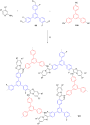
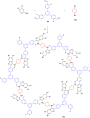




A facile three-component route to powerful 5-aryldeazaalloxazine photocatalysts
Beilstein J. Org. Chem. 2024, 20, 1831–1838, doi:10.3762/bjoc.20.161
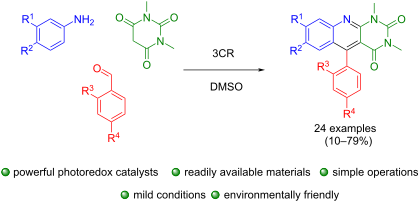
- of applications in medicinal chemistry, chemosensors, polymers and catalysis [1][2][3][4][5][6][7][8]. Among them, flavins (Fl) are essential redox-active natural compounds that act as enzyme cofactors in numerous biochemical processes [9]. Structurally related to flavins are isomeric alloxazines