


Search results
Search for "host" in Full Text gives 514 result(s) in Beilstein Journal of Organic Chemistry. Showing first 200.
Photomechanochemistry: harnessing mechanical forces to enhance photochemical reactions
Beilstein J. Org. Chem. 2025, 21, 458–472, doi:10.3762/bjoc.21.33
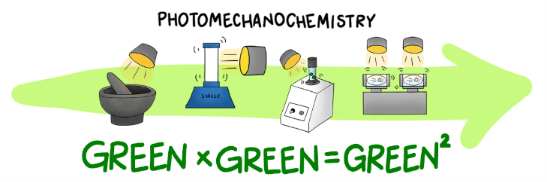
- host to direct the photodimerization of 4.1 in a stereoselective fashion. The authors noted that, in stark contrast, the irradiation of 4.1 alone in a crystalline state yielded a mixture of isomers of 4.3 in low yield. Intriguingly, when a 4:1 ratio of 4.1 and 4.2 was used, 4.3 was obtained in 87




Beyond symmetric self-assembly and effective molarity: unlocking functional enzyme mimics with robust organic cages
Beilstein J. Org. Chem. 2025, 21, 421–443, doi:10.3762/bjoc.21.30
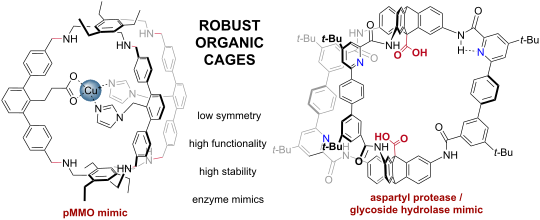
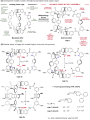
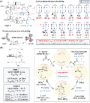
- the past few years [20][70][235][315], and true organocatalysis is exceedingly rare [316]. Instead, catalytic systems tend to be composed of cavities that increase substrate solubility [317], or host nanoparticles [318][319][320][321][322][323][324][325][326], metals [44][327][328], photoactive groups
- host catalysis – (i) using the host as a “protecting group” to direct reactivity external to the host [187][346], and (ii) confinement of a transition-metal catalyst to take advantage of the restricted environment of the host [51][52] – neither of which resembles the enzyme-like possibility of a true
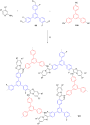
- ]. Meanwhile, cages 1 and 4 have been studied in the solution state as hosts for diamines (Figure 8B) [38][39], guests which would ostensibly degrade host imine cages or metal-organic cages [345]. Indeed, imine cages are rarely viable as solution-phase hosts [263][342][343][345]. We were also able to study the




Antibiofilm and cytotoxic metabolites from the entomopathogenic fungus Samsoniella aurantia
Beilstein J. Org. Chem. 2025, 21, 327–339, doi:10.3762/bjoc.21.23
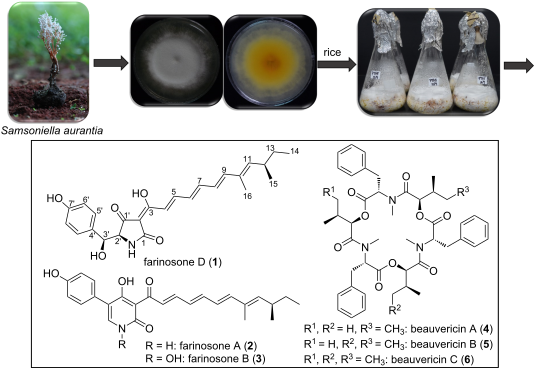
- conditions on either biotic or abiotic surfaces. Structurally, biofilms are polymicrobial consortia embedded in an extracellular polymeric substance (EPS) that plays a pivotal role in surface adhesion, enhancement of gene exchange, antimicrobial resistance, and protection against host immune and inflammatory


Hydrogen-bonded macrocycle-mediated dimerization for orthogonal supramolecular polymerization
Beilstein J. Org. Chem. 2025, 21, 179–188, doi:10.3762/bjoc.21.10
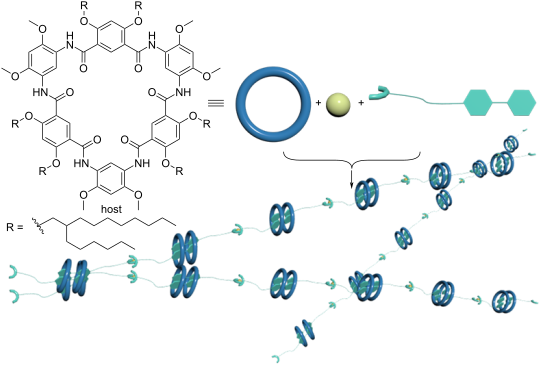
- effectively applied to form orthogonal supramolecular polymers. The macrocycle-mediated connectivity was confirmed by single-crystal X-ray diffraction, which revealed a unique 2:2 binding motif between host and guest, bridged by two cationic pyridinium end groups through π-stacking interactions and other
- materials. Keywords: hydrogen-bonded macrocycle; orthogonal self-assembly; shape-persistent; supramolecular polymer; Introduction Host–guest interactions, particularly those involving macrocycles as hosts [1], have found a myriad of applications in supramolecular chemistry [2][3][4] owing to their ability
- ., metal coordination interactions and hydrogen bonding), providing access to various multiresponsive orthogonal self-assemblies or smart supramolecular polymers [24][25]. For example, the discovery of cucurbit[8]uril complexation in a 1:2 and 2:2 host–guest stoichiometry leads to a wide spectrum of



Chemical structure metagenomics of microbial natural products: surveying nonribosomal peptides and beyond
Beilstein J. Org. Chem. 2024, 20, 3050–3060, doi:10.3762/bjoc.20.253

- morphology of the host, etc. [25]. Sequence and function metagenomic approaches have been reviewed elsewhere and will not be covered herein [26][27][28]. This Perspective focuses on chemical structure metagenomics (Figure 2c), an emerging field that integrates bioinformatics, chemical synthesis, molecular


Cyclodextrin-based rotaxanes for polymer materials: challenge on simultaneous realization of inexpensive production and defined structures
Beilstein J. Org. Chem. 2024, 20, 3026–3049, doi:10.3762/bjoc.20.252
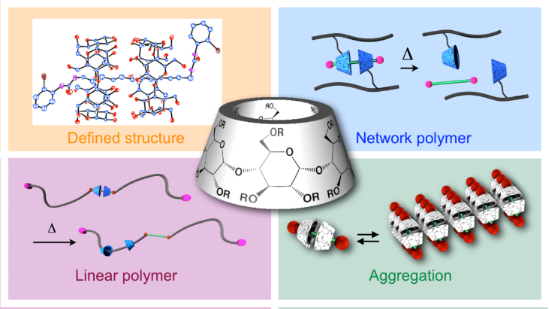
- molecule a good host molecule that interacts with guest molecules via hydrophobic interactions. To maximize the host–guest hydrophobic interaction, suitable guest molecules for CDs generally fit well with their cavity sizes. Put differently, α-CD fits well with a linear aliphatic chain, β-CD does with a
- substituted benzene ring, and γ-CD can host further bigger guest molecules, such as pyrene or two aliphatic chains, in one cavity. The ability of CD to form an inclusion complex structure is drastically affected by the cavity size or the modification strategy for the hydroxy groups on CD. To evaluate the






Tailored charge-neutral self-assembled L2Zn2 container for taming oxalate
Beilstein J. Org. Chem. 2024, 20, 3007–3015, doi:10.3762/bjoc.20.250
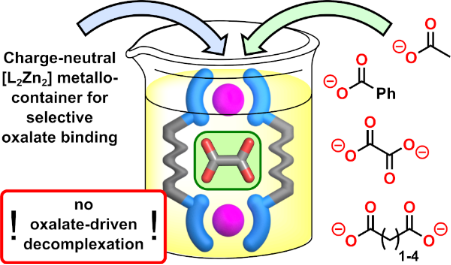
- selectively over other dicarboxylates by maintaining the receptor stability. This study highlights the importance of a highly modular receptor design so that tailored hosts can be designed to tackle the recognition of challenging competitive analytes. Keywords: anion recognition; charge-neutral host
- this issue is to exchange the counteranions with less competitive ones, such as replacing tetrafluoroborate with tetrakis[3,5-bis(trifluoromethyl)phenyl]borate [64]. Alternatively, an emerging solution is the utilization of ligand–metal combinations that self-assemble into charge-neutral host systems
- be volatile to simplify complex purification. Second, the solubility of the neutral host complexes usually needs to be improved by the installation of solubility groups, which must be considered during ligand design. The biggest strength of metallocages and metallocontainers, whether they are




4,6-Diaryl-5,5-difluoro-1,3-dioxanes as chiral dopants for liquid crystal compositions
Beilstein J. Org. Chem. 2024, 20, 2940–2945, doi:10.3762/bjoc.20.246
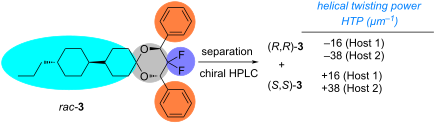
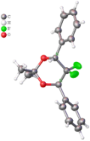
- appears, the more efficient is the induction of chirality in a nematic host. Additionally, the location of the chiral substructure within the dopant molecule seems to play a role. A more ‘central’ location within in the mesogenic core structure corresponds to a higher HTP of the resulting chiral compound
- -1,3-diphenyl-1,3-propanediol (rac-2). These enantiomers were then evaluated as chiral dopants using two commercially available liquid crystal host mixtures (Host 1 and Host 2 from Merck KGaA) (Scheme 2). Results and Discussion Racemic anti-2,2-difluoro-1,3-diol rac-2 was easily prepared through a
- two achiral nematic host mixtures (Host 1 and Host 2 from Merck) (Table 1). (R,R)-3 and (S,S)-3 with a more liquid crystal-like shape have higher HTP [16 µm−1 (Host 1), 38 µm−1 (Host 2)] than the dimethylacetal analogues (R,R)-4 and (S,S)-4 [8 µm−1 (Host 1), 15 µm−1 (Host 2)]. The difference between


Investigation of a bimetallic terbium(III)/copper(II) chemosensor for the detection of aqueous hydrogen sulfide
Beilstein J. Org. Chem. 2024, 20, 2818–2826, doi:10.3762/bjoc.20.237

- program, was used to determine the binding constant of Cu2+ ions to Tb.1 in both Tris-HCl buffer and HEPES buffer. The host–guest binding modes (1:1, 1:2 or 2:1) were evaluated using the luminescent data (λex = 250 nm, λem = 450–650 nm) from the respective titration experiments. In both cases the 1:1 host
- ), anion/sulfur compound (50 µM) and Na2S (15 µM), n = 3. Chemical structure and mode of action of [Tb(DPA-N3)3]3− for detection of H2S(g) [11]. Synthesis of Tb.1. Binding constant determination for the 1:1 host–guest interaction (Tb.1 + Cu2+ ions), determined using supramolecular.org [18]. Supporting


Deciphering the mechanism of γ-cyclodextrin’s hydrophobic cavity hydration: an integrated experimental and theoretical study
Beilstein J. Org. Chem. 2024, 20, 2635–2643, doi:10.3762/bjoc.20.221

- Sciences, 1113 Sofia, Bulgaria, University of Chemical Technology and Metallurgy, 8 St. Kliment Ohridski Blvd, 1756 Sofia, Bulgaria 10.3762/bjoc.20.221 Abstract Cyclodextrins (CDs) are host systems with inherent capability for inclusion complex formation with various molecular entities, mostly hydrophobic
- substances. Host CDs are highly accommodative to water molecules as well and usually contain water in the native state. There is still an ongoing discussion on both the total number of water molecules and their preferred binding position inside the cavities of the CDs. To understand the hydration/dehydration
- residues, but α-CDs with 6 and γ-CDs with 8 glucopyranose units, respectively, have also been widely used as potent host structures encapsulating various substances of interest to science and industry. The shape of CDs is toroid-like with one opening (lower rim) wider than the other (upper rim). These


Cell-free protein synthesis with technical additives – expanding the parameter space of in vitro gene expression
Beilstein J. Org. Chem. 2024, 20, 2242–2253, doi:10.3762/bjoc.20.192
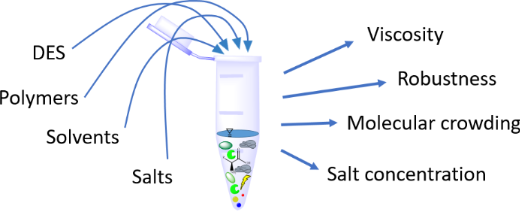
- biocatalysts [1][2]. The open environment allows easy manipulation of the protein synthesis [3] and coupling to subsequent enzyme activity assays, e.g., for substrate screening [4][5]. The CFPS system is advantageous for proteins that are difficult to express in a viable host cell, e.g., due to toxic effects

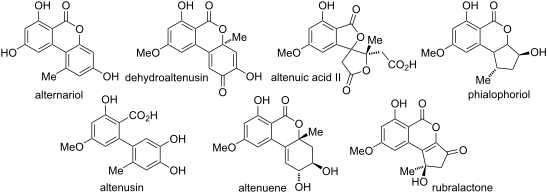
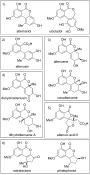
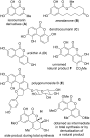
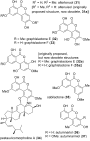
Natural resorcylic lactones derived from alternariol
Beilstein J. Org. Chem. 2024, 20, 2171–2207, doi:10.3762/bjoc.20.187






Computational toolbox for the analysis of protein–glycan interactions
Beilstein J. Org. Chem. 2024, 20, 2084–2107, doi:10.3762/bjoc.20.180
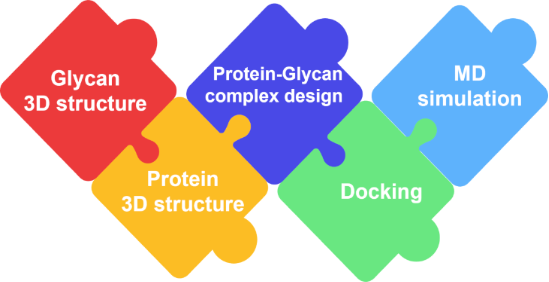
- interaction with host proteins [5][6]. Notably, the complexity of the glycome far surpasses that of the genome, transcriptome, and proteome, not only due to the structural and conformational diversity of glycans, whose synthesis is not template driven, but also due to their dynamic nature [5][6]. Although
- for humans, animals and plants, including drug design [14][15], vaccine development [15][16] and numerous other possibilities in the field of carbohydrate chemistry and biology. Notably, the regulation of the host immune response is often mediated by glycans, particularly through their recognition by
- class of GBP is represented by anti-carbohydrate antibodies, that are generally produced by the host organism for example against bacterial, fungal, and viral carbohydrates [35]. Given the wide variety of biological processes influenced by the protein–glycan interplay, an increasing attention has been


The Groebke–Blackburn–Bienaymé reaction in its maturity: innovation and improvements since its 21st birthday (2019–2023)
Beilstein J. Org. Chem. 2024, 20, 1839–1879, doi:10.3762/bjoc.20.162
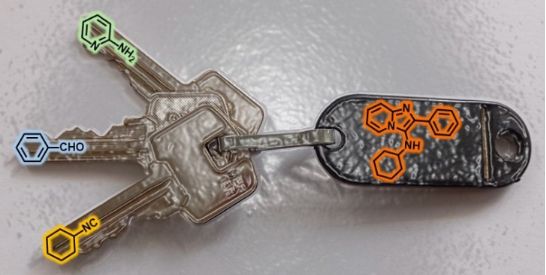
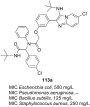
- a [1,5]-H shift [19], indazolo[3’,2’:2,3]imidazo[1,5-c]quinazolin-6(5H)-one 18 (Scheme 7) [20]. The favorable host–guest interaction between 14 and the reactants (demonstrated by 2D NMR and FTIR spectroscopy as well as by scanning electron micrography), combined with the acidity of the succinyl






Discovery of antimicrobial peptides clostrisin and cellulosin from Clostridium: insights into their structures, co-localized biosynthetic gene clusters, and antibiotic activity
Beilstein J. Org. Chem. 2024, 20, 1800–1816, doi:10.3762/bjoc.20.159

- -peptide accumulation did not impact the expression host. This assumption was made due to reports of auto-proteolysis for other lanthipeptides during production in this cell system. This leads us to believe that at least a few mature peptides might have been present. Despite this, the growth curves of the
- . These peptides were expressed in an E. coli host and produced in sufficient concentrations to perform bioactivity assays. The C39-associated domain was purified to facilitate the transformation from pre-peptide to the mature configuration. The mature clostrisin and cellulosin exhibited antimicrobial




Polymer degrading marine Microbulbifer bacteria: an un(der)utilized source of chemical and biocatalytic novelty
Beilstein J. Org. Chem. 2024, 20, 1635–1651, doi:10.3762/bjoc.20.146
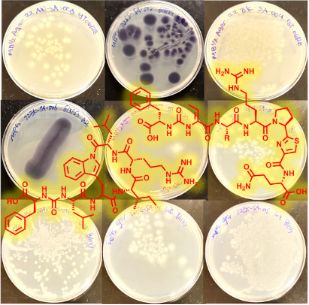
- enzyme RagaA7 was produced in a Bacillus subtilis host and characterized to be a neoagarotetraose-producing GH-16 family endo-type β-agarase with a pH and temperature optima being 7.0 and 50 °C, respectively. Another thermostable neoagarotetraose-producing GH-16 endo-type β-agarase rAgaA was identified
- and cloned from deep-sea-derived Microbulbifer sp. JAMB-A94 with pH and temperature optima being 7.0 and 55 °C, respectively [26]. The recombinant enzyme was likewise produced using a B. subtilis host. The crystal structure of the catalytic domain was determined to show a β-jelly roll fold with
- –12 against Staphlyococcus aureus indicated that 7 and 12 were bacteriostatic, while 9 and 10 were bactericidal. Compound 9 was also active towards another two commensal Gram-positive bacteria Bacillus sp. and Planococcus sp. isolated from the host sponge. Compound 9 can be detected in situ in the




Benzylic C(sp3)–H fluorination
Beilstein J. Org. Chem. 2024, 20, 1527–1547, doi:10.3762/bjoc.20.137

- of a host of functional groups [68]. This approach can also be applied for nucleophilic fluorination of benzylic substrates. This occurs via sequential electron-transfer and proton-transfer steps, as outlined in Figure 35 [87]. Single-electron oxidation of benzylic substrate I at the anode generates








Photoswitchable glycoligands targeting Pseudomonas aeruginosa LecA
Beilstein J. Org. Chem. 2024, 20, 1486–1496, doi:10.3762/bjoc.20.132
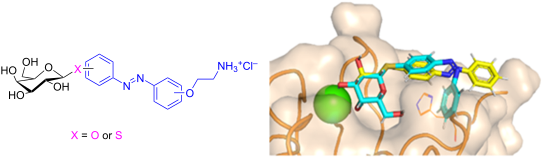
- bacterial infections occur by adhesion to host tissues through receptor–ligand interaction between bacterial carbohydrate-binding proteins (lectins) and oligosaccharides at the host cell surface. Pseudomonas aeruginosa (PA), a Gram-negative, opportunistic and ubiquitous environmental bacterium, is known as
- biosynthetic pathways of the bacterium [2][3]. The soluble lectins LecA and LecB produced by PA play a key role in the infection [4]. PA LecA is demonstrated to be crucial for biofilm formation and internalization, while the extracellular LecB plays a key role in bacterial adhesion to the host and biofilm


Bioinformatic prediction of the stereoselectivity of modular polyketide synthase: an update of the sequence motifs in ketoreductase domain
Beilstein J. Org. Chem. 2024, 20, 1476–1485, doi:10.3762/bjoc.20.131
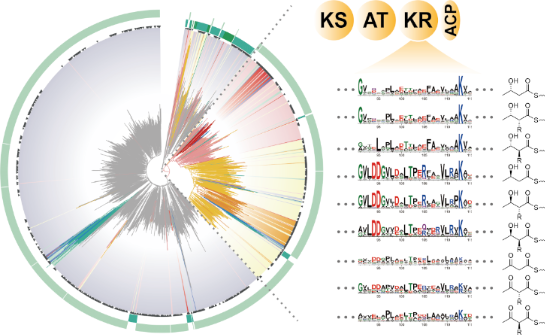
- cannot be directly inferred from the final product structure, and we discuss these KRs separately based on their module types. The curated 1,762 KR sequences were grouped into different types based on their product structure and the taxonomy of their host strains (Figure 2a). Among the KR sequences we
- fingerprint motifs and deduced from product structure identified by chemical methods are shown on the right. (a) Classification and distribution of the collected KR sequences according to host taxonomy, module types, and stereoconfigurations of the product. Here, “EDH” and “ZDH” respectively denote the E


Synthesis of cyclic β-1,6-oligosaccharides from glucosamine monomers by electrochemical polyglycosylation
Beilstein J. Org. Chem. 2024, 20, 1421–1427, doi:10.3762/bjoc.20.124

- reactions. Therefore, electrochemical polymerizations can be utilized for selective synthesis. Cyclic oligosaccharides are an important class of host molecules, and some natural cyclic oligosaccharides are produced by enzymatic processes. However, the corresponding chemical syntheses are still primitive [6


Diameter-selective extraction of single-walled carbon nanotubes by interlocking with Cu-tethered square nanobrackets
Beilstein J. Org. Chem. 2024, 20, 1298–1307, doi:10.3762/bjoc.20.113
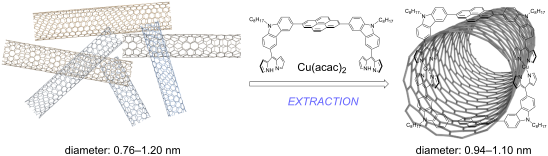
- Guoqing Cheng Naoki Komatsu Graduate School of Human and Environmental Studies, Kyoto University, Sakyo-ku, Kyoto 606-8501, Japan 10.3762/bjoc.20.113 Abstract We have been working with carbon nanotube separation through host–guest chemistry. Herein, a new macrocyclic host molecule, Cu-tethered
- host–guest chemistry has advantages in terms of the rational design of the host molecules to target specific structures and the thorough removal of the dispersants, host molecules in our case, to recover pristine carbon nanotubes (CNTs) after separation. Moreover, the association constants of the
- complexation between host molecules and SWNTs are strongly related to the molecular structures, making it possible to tune the binding affinity [8]. The host molecules we employed so far for CNT separation through molecular recognition have been developed as “nanotweezers” [9], “nanocalipers” [10] and




Spin and charge interactions between nanographene host and ferrocene
Beilstein J. Org. Chem. 2024, 20, 1011–1019, doi:10.3762/bjoc.20.89
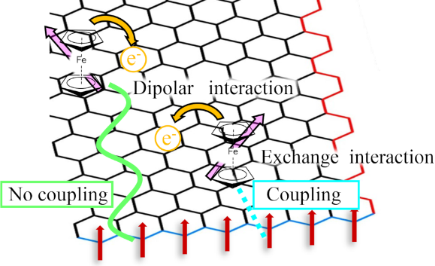
- -magnetic guest molecule to activated carbon fibers (ACFs) as a nanographene-based host having localized spins originating from zigzag edges of graphene. The introduction of the guest molecule was confirmed by FTIR for ACFs-FeCp2 introduced at 55 (150) °C (FeCp2-ACFs-55(150)). The appearance of satellite
- Fe2p peaks and the increase in shake-up peak intensity of the C1s in the XPS spectrum proved the emergence of charge-transfer host–guest interaction in FeCp2-ACFs-150, supported by the red-shift of the G-band in the Raman spectrum. The six-times enhancement in the spin concentration in FeCp2-ACFs-150
- compared with ACFs indicates the spin magnetism of the non-magnetic guest FeCp2+ molecule induced by a charge-transfer host–guest interaction in the nanographene host. The larger ESR linewidth than that expected from the dipolar interaction estimated by the localized spin concentration suggests the


Enhancing structural diversity of terpenoids by multisubstrate terpene synthases
Beilstein J. Org. Chem. 2024, 20, 959–972, doi:10.3762/bjoc.20.86
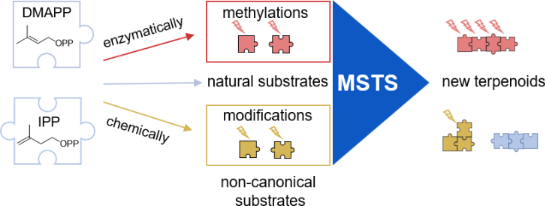
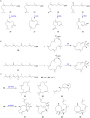
- selective sesqui-TSs failed to transform 104–112. After further modification with cytochrome P450 CYP720B1 in the yeast host, 28 noncanonical terpenoids were generated, 10 of them are shown in Figure 8c (113–122) [58]. Notably, the widespread biosynthesis of C16 terpenoids was reported in a recent study in






Monitoring carbohydrate 3D structure quality with the Privateer database
Beilstein J. Org. Chem. 2024, 20, 931–939, doi:10.3762/bjoc.20.83
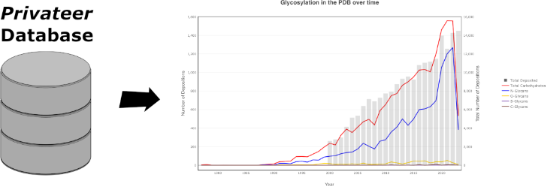
- a whole host of other interesting pieces of information. In an analogous way to looking at glycosylation over time, the type and validity of carbohydrates in the PDB can also be observed over time. The statistics page available alongside the Privateer Web App contains up-to-date plots of validation


Confirmation of the stereochemistry of spiroviolene
Beilstein J. Org. Chem. 2024, 20, 852–858, doi:10.3762/bjoc.20.77
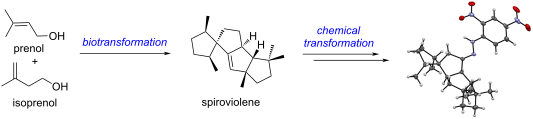
- alteration of stereochemical assignment of spiroviolene would have consequences for a different mechanistic proposal. We herein report the production of spiroviolene (1) in a heterologous host by taking advantage of an artificial isopentenol utilization pathway [21][22][23][24][25][26], and confirm its





