Search results
Search for "macrocyclic" in Full Text gives 285 result(s) in Beilstein Journal of Organic Chemistry. Showing first 200.
Acyclic cucurbit[n]uril bearing alkyl sulfate ionic groups
Beilstein J. Org. Chem. 2025, 21, 717–726, doi:10.3762/bjoc.21.55
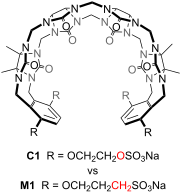
- supramolecular chemistry involves the synthesis of macrocyclic hosts and studies of their molecular recognition properties. The most widely studied macrocyclic host systems include those created entirely by covalent bonds (crown ethers, cyclodextrins, calixarenes, cyclophanes, pillararenes, cucurbit[n]urils (CB
- ][22][23][24][25][26]. Within these families of macrocyclic hosts, CB[n] molecular containers have proven particularly versatile because they form high affinity CB[n]–guest complexes in aqueous solution that are responsive to various stimuli (e.g., photochemical, electrochemical, chemical) [27][28][29
- ][30]. For this reason, macrocyclic CB[n] have been used as key elements of separations processes [31][32], sensing systems [33][34], in pharmaceutical applications [35][36][37][38], in bioimaging systems [39][40], and even in household deodorizing products [41]. An important subclass of CB[n] hosts




Photochemically assisted synthesis of phenacenes fluorinated at the terminal benzene rings and their electronic spectra
Beilstein J. Org. Chem. 2025, 21, 670–679, doi:10.3762/bjoc.21.53

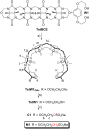
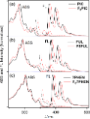
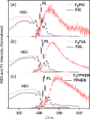
- macrocyclic picenophadiene [51]. As the solid-state fluorescence bands of the F8-phenacenes were observed in the similar wavelength region of the picenophadiene, the solid-state F8-phenacene molecules have excimeric character in the fluorescing state. It is critical to know the crystal packing of the F8





Binding of tryptophan and tryptophan-containing peptides in water by a glucose naphtho crown ether
Beilstein J. Org. Chem. 2025, 21, 541–546, doi:10.3762/bjoc.21.42
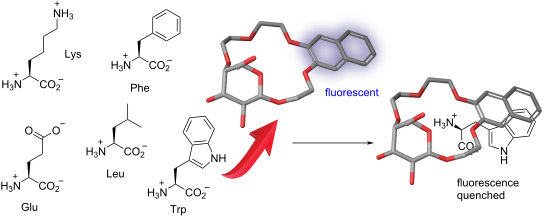
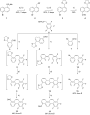
- binds free tryptophan selectively in aqueous media. Furthermore, it is capable of binding to tryptophan within model tripeptides. The naphthalene functionality in the glucose-derived receptor enables the study of guest binding using fluorescence spectroscopy. Keywords: amino acids; macrocyclic


Beyond symmetric self-assembly and effective molarity: unlocking functional enzyme mimics with robust organic cages
Beilstein J. Org. Chem. 2025, 21, 421–443, doi:10.3762/bjoc.21.30
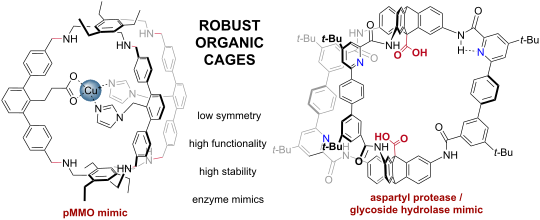
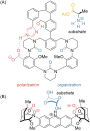
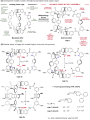
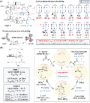
- imprinted polymers (MIPs) [60] has been discussed elsewhere and will not be covered. Perspective Cavity catalysis: current state of the art Functionalized macrocycles Since Cramer’s work with cyclodextrins [61][62][63], there has been significant interest in using macrocyclic confinement to modulate
- combinations of macrocyclic cavities adorned with functional groups (Figure 3A) [97][98]. These grand “set-piece” enzyme models typically showed only modest catalytic enhancements for enzyme-relevant reactions like the hydrolysis of activated esters, and so mostly contributed to the view that enzymes do not




Red light excitation: illuminating photocatalysis in a new spectrum
Beilstein J. Org. Chem. 2025, 21, 296–326, doi:10.3762/bjoc.21.22

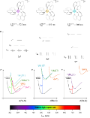
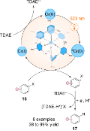
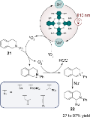
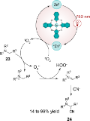
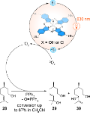
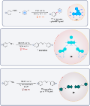
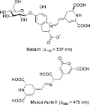
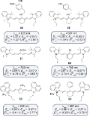
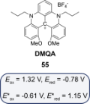
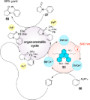
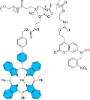
- properties of metal complexes. Phthalocyanins, porphyrins, and their derivatives exemplify this, as their rigid macrocyclic structures enable strong absorption in the visible to NIR regions, making them appealing for photoredox catalysis applications. For instance, ruthenium phthalocyanin complexes have















Hydrogen-bonded macrocycle-mediated dimerization for orthogonal supramolecular polymerization
Beilstein J. Org. Chem. 2025, 21, 179–188, doi:10.3762/bjoc.21.10
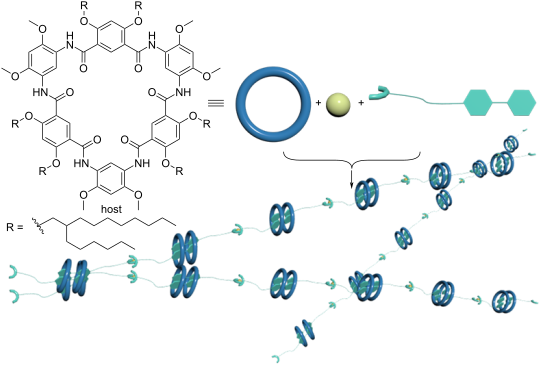
- cucurbituril [18], cyclodextrin [19], and calix[4]pyrrole [20], as well as flexible crown ethers [10][21]. Few two-dimensional (2D) shape-persistent macrocyclic compounds are used for this purpose. One difficulty in realizing 2D macrocycle-based orthogonal assembly is that the construction motif must be
- polymers (Scheme 1). The terpyridyl group and the pyridinium cation in the AB-type monomer G2 each function as a “sticker” to enable supramolecular polymerization in the presence of the macrocyclic component and zinc ions. The driving force for the recognition involves multiple cooperative interactions
- adopted a nonplanar conformation, with one aromatic residue protruding out of the macrocyclic skeleton plane. Adopting such a conformation rendered it possible for the π-electron-rich phenyl ring to interact strongly with π-electron-deficient guest molecules G1 by means of charge–transfer interactions and



Advances in the use of metal-free tetrapyrrolic macrocycles as catalysts
Beilstein J. Org. Chem. 2024, 20, 3085–3112, doi:10.3762/bjoc.20.257
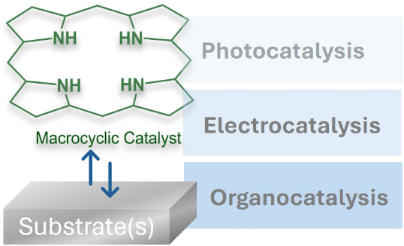
- , photocatalysts, and electrocatalysts are presented here. The effect of macrocyclic structural modifications such as their functionalization with different substituents, distortion from planarity, conformational flexibility and rigidity towards catalytic activity are presented, highlighting the potential of these
- and separation technology [3][4][5][6][7][8]. Conversely, porphyrins are connected via methine (=CH-) bridges, resulting in an 18 π-electron macrocyclic system affording macrocyclic planarity as well as unique photophysical and electrochemical properties (Figure 1b). While corroles share similarities
- these macrocyclic catalysts is in a very nascent stage. In this review, the recent advancement in the field of metal-free macrocycles for catalysis will be summarized; mainly focused on porphyrins and calix[4]pyrroles and in the field of organocatalysis, photocatalysis, and electrocatalysis. Review 1


Deciphering the mechanism of γ-cyclodextrin’s hydrophobic cavity hydration: an integrated experimental and theoretical study
Beilstein J. Org. Chem. 2024, 20, 2635–2643, doi:10.3762/bjoc.20.221

- light on the mechanism of the γ-CD hydration and to address some unanswered questions: (i) what are the preferable locations for water molecules in the macrocyclic cavity (“hot spots”); (ii) what are the major factors contributing to the stability of the water cluster in the CD interior; (iii) what type
- characteristic; Introduction Cyclodextrins (CDs), the remarkable macrocyclic molecules with significant impact on our daily life, have completed their 130th anniversary in 2021 [1]. These cavitands are made of 6–9 glucose fragments, linked with 1-4 α-glycosidic bonds. Most common is the β-CD with 7 glucose
- substituted/modified CDs. Recent studies combining experimental methods with molecular modeling have revealed that the maximum number of water molecules entrapped inside the macrocyclic cavity is 6 for α-CD [13] and 10 for β-CD [14]. Notably, the exact number of the encapsulated water molecules by γ-CD and


HFIP as a versatile solvent in resorcin[n]arene synthesis
Beilstein J. Org. Chem. 2024, 20, 2469–2475, doi:10.3762/bjoc.20.211
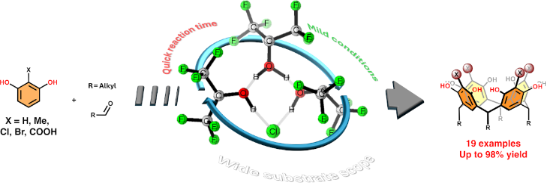
- -shaped conformation it precipitates out of solution acting as a thermodynamic sink [5][6]. Shortly after, Cram et al. recognized the potential of resorcin[n]arenes as compounds large enough to encapsulate other simple molecules or ions and group them with other known macrocyclic arene compounds, e.g
- reported herein may impact the synthesis of other macrocyclic arene species, e.g., calix[n]arenes, calix[4]pyrroles, pillar[n]arenes, and cucurbit[n]urils [90][91][92]. Perspective Supramolecular chemistry is a mature field that has crossed boundaries into many other scientific areas. However, the work
- area to analyze ingrained synthetic protocols towards macrocyclic arenes and challenge them as there may be many gems awaiting discovery. Conclusion Introduction of HFIP to the synthesis of resorcin[n]arenes accelerates their reaction time significantly to under one hour for simple and commonly used


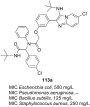
The Groebke–Blackburn–Bienaymé reaction in its maturity: innovation and improvements since its 21st birthday (2019–2023)
Beilstein J. Org. Chem. 2024, 20, 1839–1879, doi:10.3762/bjoc.20.162






Chemo-enzymatic total synthesis: current approaches toward the integration of chemical and enzymatic transformations
Beilstein J. Org. Chem. 2024, 20, 1693–1712, doi:10.3762/bjoc.20.151
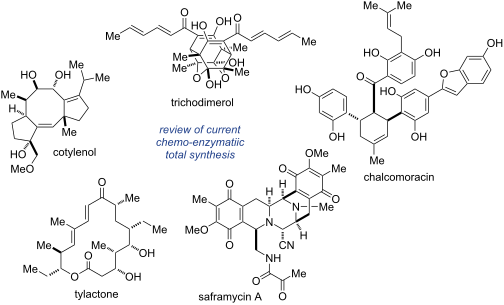
- using an enzyme or at what stage in a synthesis the enzyme is employed: 1) regio- and stereoselective late-stage functionalization of core scaffolds, 2) in situ generation of highly reactive intermediates, and 3) the one-step construction of macrocyclic or fused multicyclic scaffolds via regio- and
- carboxylic acids followed by intramolecular condensation. As a chemo-enzymatic complementary strategy, thioesterase (TE) domains of NRPS and PKS gene clusters have been utilized as enzymes for macrolactone formation to produce a wide range of natural/non-natural macrocyclic compounds [58][59][60][61][62][63
- categorized into three distinct classifications based on the type of enzymatic conversions: 1) regio- and stereoselective late-stage functionalization of core scaffolds, 2) in situ generation of highly reactive intermediates, and 3) one-step construction of macrocyclic or fused multicyclic scaffolds. This




Methyltransferases from RiPP pathways: shaping the landscape of natural product chemistry
Beilstein J. Org. Chem. 2024, 20, 1652–1670, doi:10.3762/bjoc.20.147
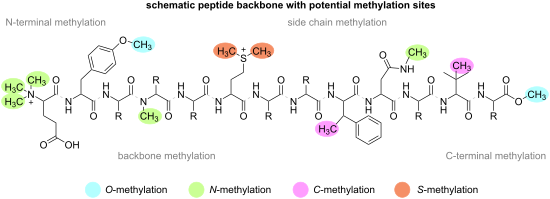
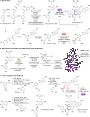
- modifications have been observed during the maturation of different RiPPs. One example is the biosynthesis of thiopeptide GE2270, which is produced by the actinomycete Planobispora rosea ATCC53733 as a complex of related metabolites that differ in the number of methyl groups installed on the macrocyclic core
- aspartimide intermediates (Figure 6). The activity of most PAMTs depends on a cyclised precursor peptide. Modification of the aspartate/isoaspartate residue was found only in a hairpin-like or the macrocyclic region [71][78]. The underlying purpose of this structural requirement of PAMTs has not yet been





Diameter-selective extraction of single-walled carbon nanotubes by interlocking with Cu-tethered square nanobrackets
Beilstein J. Org. Chem. 2024, 20, 1298–1307, doi:10.3762/bjoc.20.113
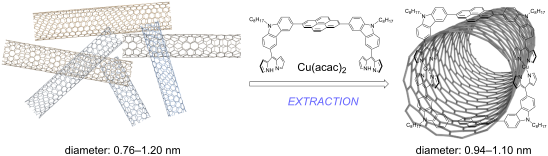
- Guoqing Cheng Naoki Komatsu Graduate School of Human and Environmental Studies, Kyoto University, Sakyo-ku, Kyoto 606-8501, Japan 10.3762/bjoc.20.113 Abstract We have been working with carbon nanotube separation through host–guest chemistry. Herein, a new macrocyclic host molecule, Cu-tethered
- , recently, a rigid metal-tethered macrocyclic host molecule “M-nanobrackets” (M = Cu, Co and Pd) [11]. While the concept of the mechanically interlocked carbon nanotubes (MINTs) has been established by Pérez and López [12][13], Cu-tethered tetragonal nanobrackets 1a not only interlocked SWNTs, but also




Introduction of peripheral nitrogen atoms to cyclo-meta-phenylenes
Beilstein J. Org. Chem. 2024, 20, 1207–1212, doi:10.3762/bjoc.20.103
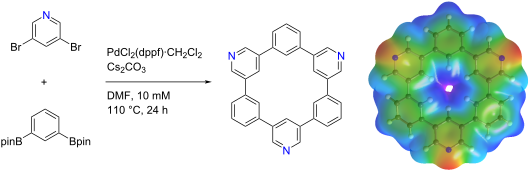
- Koki Ikemoto Hiroyuki Isobe Department of Chemistry, The University of Tokyo, Hongo 7-3-1, Bunkyo-ku, Tokyo 113-0033, Japan 10.3762/bjoc.20.103 Abstract Cyclo-meta-phenylenes doped with nitrogen atoms at the periphery were designed and synthesized. The syntheses of the macrocyclic structures were
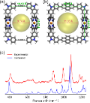
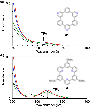
- nitrogen-doped [n]CMPs (3) containing outward-radiating nitrogen dopants. The properties and structures were investigated with UV–vis spectroscopy and X-ray crystallography, which revealed the fundamental properties of the nitrogen dopants in the macrocyclic structures. Results and Discussion Nitrogen
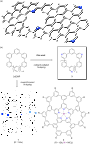
- structural features of nitrogen-doped [n]CMPs. The crystal molecular structures of 3a and 3b are shown in Figure 3. The hexagonal macrocyclic structure of 3a showed a chair-like conformation with alternating biaryl dihedral angles showing +/– values. The octagonal structure of 3b exhibited a saddle-like



Enhancing structural diversity of terpenoids by multisubstrate terpene synthases
Beilstein J. Org. Chem. 2024, 20, 959–972, doi:10.3762/bjoc.20.86
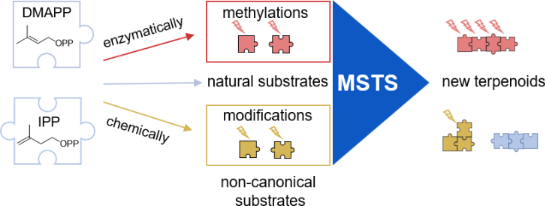
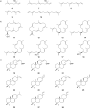
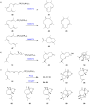
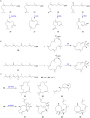
- terpenoids. LcTPS2 from Leucosceptrum canum was characterized as a versatile TS that generated six macrocyclic sesterterpenoids (11–16) and two macrocyclic diterpenoids (17,18), representing the first macrocyclic terpenoids isolated from plants (Table 1, Figure 2) [19]. In addition to linear prenyl






Methodology for awakening the potential secondary metabolic capacity in actinomycetes
Beilstein J. Org. Chem. 2024, 20, 753–766, doi:10.3762/bjoc.20.69
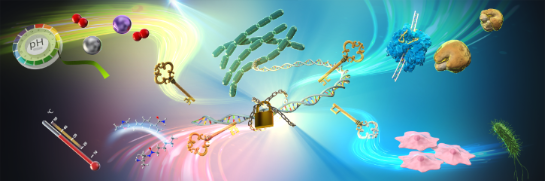
- , achieving 52.5% higher production than controls without pH shock [67]. Conversely, the present authors were able to increase the production of antarlides, which have a 22-membered ring macrocyclic structure, by adding disodium hydrogen phosphate to the culture medium of Streptomyces sp. BB47 to prevent the


Chemoenzymatic synthesis of macrocyclic peptides and polyketides via thioesterase-catalyzed macrocyclization
Beilstein J. Org. Chem. 2024, 20, 721–733, doi:10.3762/bjoc.20.66
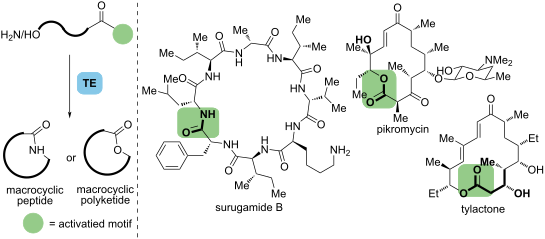
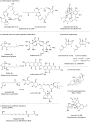
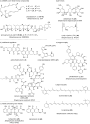
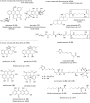
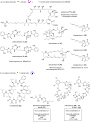
- .20.66 Abstract Chemoenzymatic strategies that combine synthetic and enzymatic transformations offer efficient approaches to yield target molecules, which have been increasingly employed in the synthesis of bioactive natural products. In the biosynthesis of macrocyclic nonribosomal peptides, polyketides
- for these natural products that aim to address the common issues in classical synthetic approaches and increase synthetic efficiencies, which have the potential to facilitate further pharmaceutical research. Keywords: biosynthesis; chemoenzymatic synthesis; macrocyclic peptides; macrocyclic
- increase the ratio of intramolecular nucleophilic attack, resulting in macrocyclic products via preorganization of substrate and enzyme in an active conformation [17][18]. Chemoenzymatic strategies, which merge practical enzymatic transformations with modern organic synthetic methods to increase the


Switchable molecular tweezers: design and applications
Beilstein J. Org. Chem. 2024, 20, 504–539, doi:10.3762/bjoc.20.45

- solution. This concept was further developed with a bis-acridinium cyclophane [31] as a multiresponsive receptor for selective phase transfer. In organic media, this macrocyclic receptor presented an affinity for polyaromatic guests with strong selectivity for perylene. A reversible guest release was
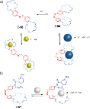
- macrocyclic units. As shown previously, the tweezers adopt an open “W” form that can be switched to a closed “U” form by Zn2+ complexation. However, in this system, depending on the zinc counter ions either a bis(terpy) 2:1 complex or a 1:1 complex is obtained (Figure 11). With non-coordinating triflate




Multi-redox indenofluorene chromophores incorporating dithiafulvene donor and ene/enediyne acceptor units
Beilstein J. Org. Chem. 2024, 20, 59–73, doi:10.3762/bjoc.20.8
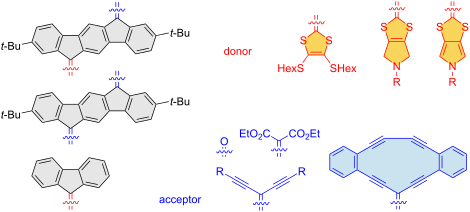
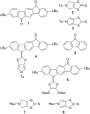
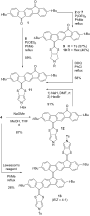
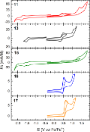
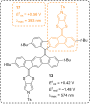
- the terminal alkynes afforded the macrocyclic DTF-IF-RA scaffold 23. Molecular sieves (4 Å) were added to the reaction mixture as this has previously been shown to significantly promote the Glaser–Hay coupling [28]. Compounds 20 and 21 were unfortunately very sensitive compounds that were found to





Anion–π catalysis on carbon allotropes
Beilstein J. Org. Chem. 2023, 19, 1881–1894, doi:10.3762/bjoc.19.140
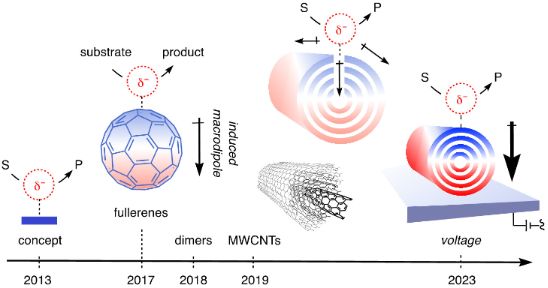
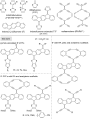
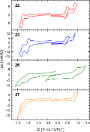
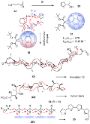
- (Figure 1C). Elongation of the tether in fullerenes 10 and 11 reduced product ratios to still significant A/D10/9 ~ A/D11/9 = 2.1. The origin of this decrease in anion–π catalysis is likely to include increasing entropy losses in pseudo-macrocyclic transition states. Normalized against the fullerene-free
- pseudo-macrocyclic transition states, bound non-covalently to both the active π surface and the ammonium cation of the tether. Normalized against the fullerene-free control 20, the most preorganized dyad 21 gave a new record A/D21/20 = 4.1. This value was much higher than the previous best A/D8/9 = 2.6




Active-metal template clipping synthesis of novel [2]rotaxanes
Beilstein J. Org. Chem. 2023, 19, 1776–1784, doi:10.3762/bjoc.19.130
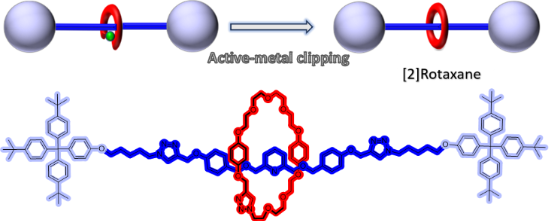
- , 29.2, 23.7 ppm; HRESI(+)-MS (m/z): [M + H]+ calcd for C140H171N10O15: 2233.2953; found, 2233.2883. a. Active-metal template (reported in the literature) and b. active-metal template clipping (used in this work) methods. Macrocyclic components of the [2]rotaxanes. Top: HRESI(+)-MS spectrum of the


Selectivity control towards CO versus H2 for photo-driven CO2 reduction with a novel Co(II) catalyst
Beilstein J. Org. Chem. 2023, 19, 1766–1775, doi:10.3762/bjoc.19.129
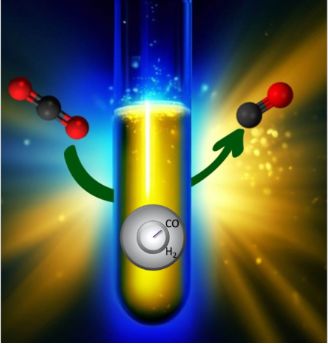
- advantages for tailoring new catalysts to specific reactions and optimize selectivity [22][27]. Cobalt catalysts successfully employed in CO2 reduction are mainly based on macrocyclic ligands, such as tetraazacyclodecene and its derivatives [3][28][29], porphyrins [30][31][32][33][34], or phthalocyanines [35


Unprecedented synthesis of a 14-membered hexaazamacrocycle
Beilstein J. Org. Chem. 2023, 19, 1728–1740, doi:10.3762/bjoc.19.126
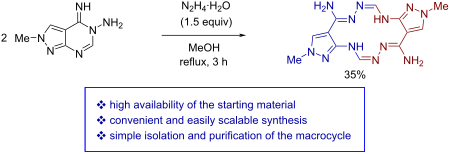
- deviation of 0.054 Å from the mean-square plane. The nuclear-independent chemical shift (NICS) [48][49][50] values of 5 in its optimized conformation were used as a magnetic criterion of aromaticity. The NICS(0) value for the macrocyclic ring (+2.23 ppm in DMSO), calculated at the HF/6-31+G(d) level, shows
- ]. Moreover, the size of internal cavity formed by the nitrogen atoms N5, N8, N13, and N16 (≈2.6 Å × 2.8 Å according to the DFT calculations) enables to chelate various metal cations. Herein, we attempted to prepare compounds 11 and 12 by annulation of two 1,2,4-triazole rings onto the macrocyclic core of 5
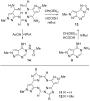
- macrocyclic derivatives (e.g., 12) were formed from 5 under reflux in AcOH for 7 h. The only isolated product was pyrazolopyrimidine 14 (38%) whose structure was assigned based on NMR and HRMS (ESI+) data. It should be noted that all signals in the 1H and 13C NMR spectra of 14 in DMSO-d6 except N–CH3 and C3–H


Tying a knot between crown ethers and porphyrins
Beilstein J. Org. Chem. 2023, 19, 1630–1650, doi:10.3762/bjoc.19.120
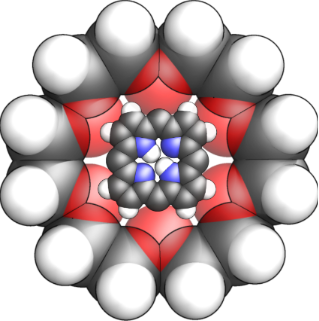
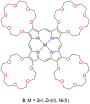
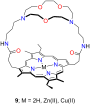
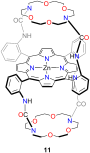
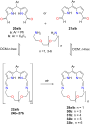
- metals. In this perspective article, the overview of both the early designs of porphyrin-crown ether hybrids, as well as the most recent advances in the synthesis and characterisation of this remarkable group of macrocyclic systems, are addressed. The discussion covers the strategies employed in
- the possible future directions. Keywords: crown ethers; porphyrinoids; self-assembly; sensors; supramolecular chemistry; Introduction Many areas of modern supramolecular chemistry, organic, inorganic, materials and coordination chemistry, are based upon macrocyclic compounds of specifically-designed
- structures and tailored functions [1][2][3]. The design of novel macrocyclic compounds has laid the ground for phenomenal developments constituting supramolecular chemistry as a branch of chemical sciences. These fundamental developments included the discovery of crown ethers by Pedersen [4], followed by the







Complexes of resorcin[4]arene with secondary amines: synthesis, solvent influence on “in-out” structure, and theoretical calculations of non-covalent interactions
Beilstein J. Org. Chem. 2023, 19, 1525–1536, doi:10.3762/bjoc.19.109
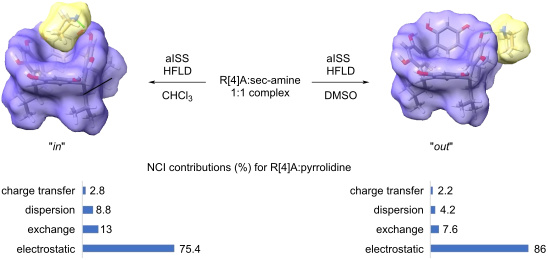
- Waldemar Iwanek Bydgoszcz University of Science and Technology, Faculty of Chemical Technology and Engineering, Seminaryjna 3, 85-326 Bydgoszcz, Poland 10.3762/bjoc.19.109 Abstract Resorcin[4]arenes (R[4]A) are macrocyclic compounds with a cavity structure. Despite a relatively small cavity
- ; Introduction Resorcin[4]arenes are macrocyclic compounds with a cavity structure formed from resorcinol and aldehydes [1]. Of particular significance is their crown conformation, which stems from the presence of 8 hydroxy groups on the upper rim and a hydrophobic cavity [2]. This property plays an important