


Search results
Search for "oxidation" in Full Text gives 1466 result(s) in Beilstein Journal of Organic Chemistry. Showing first 200.
Ring contraction and ring expansion reactions in terpenoid biosynthesis and their application to total synthesis
Beilstein J. Org. Chem. 2026, 22, 289–343, doi:10.3762/bjoc.22.21
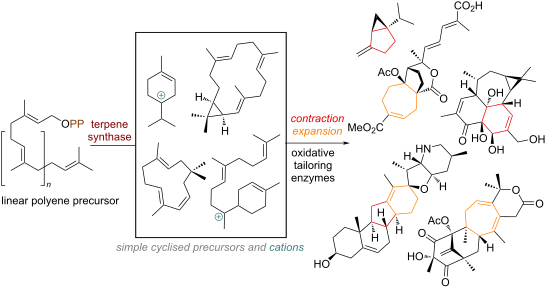
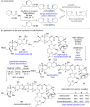
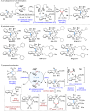
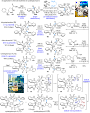
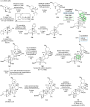
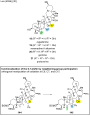
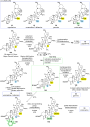
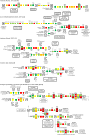
- their unique ring systems, high degree of 3-dimensionality in their structures and oxidation patterns. As obtaining a detailed understanding of a biosynthetic pathway is a dauntingly complex and very labour-intensive process, knowledge about the precise origin of most rearranged terpenoids cannot be
- biosynthesis, when the oxidation state of the terpenoids is being adjusted [28][29][30][31][32][33][34][35][36]. Starting with an already substantial number of these common polycyclic frameworks and adding the almost unlimited variability for oxidative enzymatic C–H functionalisation, it is not surprising that
- ][41]. They contain an iron-protoporphyrin core with a cysteine ligand [42] in the axial position, which cycles through different oxidation states (Fe3+/Fe2+/Fe4+) to form highly reactive oxo species which are effective at abstracting closely positioned aliphatic hydrogens via HAT (hydrogen atom






Arene activation via π-bond localization: concepts and opportunities
Beilstein J. Org. Chem. 2026, 22, 257–273, doi:10.3762/bjoc.22.19
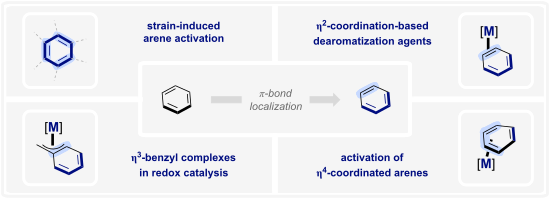
- that accompanies lower metal oxidation states translates directly into heightened reactivity of the η2-bound arene. These successors not only surpass the Os(II) system in their ability to activate coordinated arenes, unveiling previously inaccessible reaction pathways, but also introduce an additional
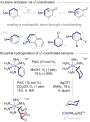
- metal center with α-pinene and subsequent ligand substitution proceeds with retention of configuration, the corresponding Mo(0) complex undergoes racemization during substitution (Scheme 2A). This obstacle was overcome by a redox-based approach: oxidation of the Mo(0)–α-pinene complex with iodine to a
- nucleophile toward diphenylketene to generate a cyclohexadienyl intermediate that captures a second ketene molecule (Figure 11B). Subsequent ring closure furnishes a product complex that, upon oxidation with molecular oxygen, liberates the [2 + 2 + 2] bis-adduct, dihydroisochroman-3-one, in 73% yield. This




Base-promoted deacylation of 2-acetyl-2,5-dihydrothiophenes and their oxygen-mediated hydroxylation
Beilstein J. Org. Chem. 2026, 22, 192–204, doi:10.3762/bjoc.22.13
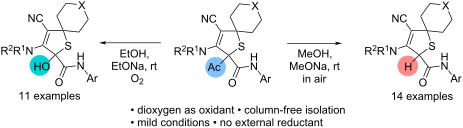
- ] and more complex molecules [11]. Rearrangements of the oxidized compounds are equally important transformations [12]. Oxidation of compounds containing a carbonyl group into carboxylic acid derivatives can be divided into two large groups: direct oxidation and oxidative rearrangements. Direct
- oxidation of ketones includes C‒C-bond cleavage, and carboxylic acids are predominantly formed. This can be achieved by the treatment of acyclic ketones with hypohalites [13], in the nitroarene-catalyzed oxidation with oxygen under basic conditions [14] or by the use of hypervalent iodine compounds (Scheme
- phenols [25]. Hocking has described the oxidation of o-hydroxyacetophenone and some benzophenones with an aqueous alkaline hydrogen peroxide solution [26]. The key steps of oxidation of ketones into phenols include: a) nucleophilic addition of the hydroperoxide anion to the carbonyl carbon; b) [1,2]-aryl




A new synthesis of Tyrian purple (6,6’-dibromoindigo) and its corresponding sulfonate salts
Beilstein J. Org. Chem. 2026, 22, 167–174, doi:10.3762/bjoc.22.10
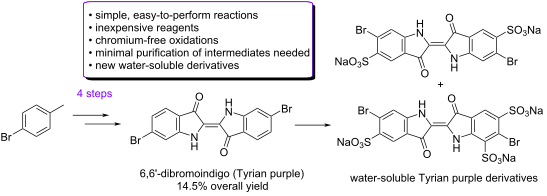
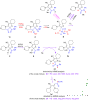
- , known as Tyrian purple. In this work, we report a new strategy for the synthesis of 6,6’-dibromoindigo in four steps from p-bromotoluene in 14.5% overall yield. A key improvement in the reported synthesis is the oxidation of the benzylic methyl group of 4-bromo-2-nitrotoluene to 4-bromo-2
- -nitrobenzaldehyde, which is accomplished by benzylic bromination followed by a Kornblum oxidation. This gentle oxidation avoids the need for chromium trioxide-mediated or nitrone-based methods. While other published syntheses of 6,6’-dibromoindigo have resulted in higher overall yields, our approach offers the
- nitration of p-toluidine (2), followed by a Sandmeyer bromination [5][6][7][8][9]. While such chemistry is effective in smoothly generating 3 in good yield, this process requires the production of and use of a potentially explosive aryldiazonium intermediate [10]. Oxidation of the methyl group in 3 yields 4


Circumventing Mukaiyama oxidation: selective S–O bond formation via sulfenamide–alcohol coupling
Beilstein J. Org. Chem. 2026, 22, 158–166, doi:10.3762/bjoc.22.9
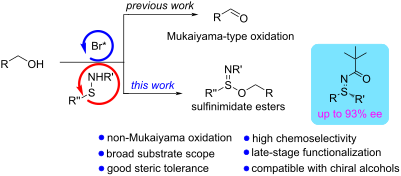
- versatile intermediates for enantioselective S–C bond formation under mild and metal-free conditions. Keywords: asymmetric synthesis; late-stage functionalization; selective oxidation; sulfenamides; sulfinimidate esters; Introduction Sulfur is a privileged heteroatom in organic chemistry, celebrated for
- its multiple oxidation states and ability to form diverse bonds with carbon, nitrogen, and oxygen. This versatility underpins the pivotal roles of organosulfur compounds in pharmaceuticals, catalysis, and materials science [1][2][3][4]. Among these, sulfilimines (R2S=NR') have attracted growing
- transformation of sulfinamides with hypervalent iodine reagents to afford hexavalent sulfonimidates using volatile alcohols as both solvent and nucleophile. While distinct in oxidation state and substrate class, this study offers a valuable precedent for constructing sulfinimidate esters [15][16][17]. More


Total synthesis of natural products based on hydrogenation of aromatic rings
Beilstein J. Org. Chem. 2026, 22, 88–122, doi:10.3762/bjoc.22.4
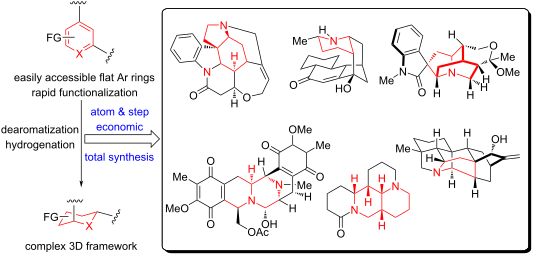
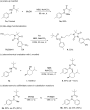
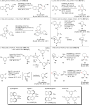
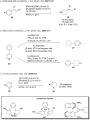
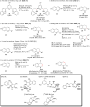
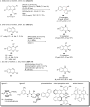
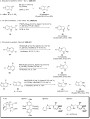
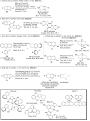
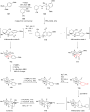
- % yield over two steps [76]. Alkylation with MeI furnished pyridinium 91, which was hydrogenated in two steps with NaBH3CN to the fully saturated piperidine 92. Acidic removal of the benzoyl group triggered auto-oxidation to the indole, and subsequent hydrolysis of methyl ester delivered the target
- spontaneously underwent an intramolecular cycloaddition to yield the highly rigid [2.2.2]-bridged ring skeleton in ketone 116. Finally, nominine was generated via a two-step sequence comprising a Wittig reaction followed by tert-butyl peroxide/selenium dioxide-mediated allylic oxidation, thereby completing
- , olefin hydrogenation, and DMP oxidation, provided diketone 125. The two carbonyl groups in 125 were then chemoselectively and stereoselectively reduced using rhodium as a catalyst to yield hydroxylated ketone 126. A further three-step transformation provided the catalytic hydrogenation precursor 127






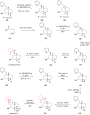


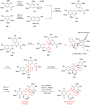


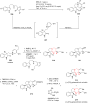

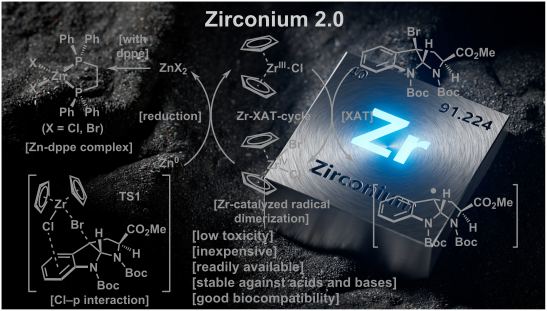
Advances in Zr-mediated radical transformations and applications to total synthesis
Beilstein J. Org. Chem. 2026, 22, 71–87, doi:10.3762/bjoc.22.3
- A (72). Notably, this strategy enabled the preparation of tetratryptomycin A (72) on a multigram scale, providing a total of 21 g of tetratryptomycin A (72). The synthesized tetratryptomycin A (72) was then employed in the total synthesis of cyctetryptomycins (76 and 77). Under chemical oxidation
- conditions, undesired over-oxidation occurred, and no cyclized product was detected. In contrast, enzymatic oxidation using CttpC successfully promoted the desired transformation, affording a separable mixture of cyctetryptomycin A (76) and cyctetryptomycin B (77). In this way, the total synthesis of the








Reactivity umpolung of the cycloheptatriene core in hexa(methoxycarbonyl)cycloheptatriene
Beilstein J. Org. Chem. 2026, 22, 64–70, doi:10.3762/bjoc.22.2
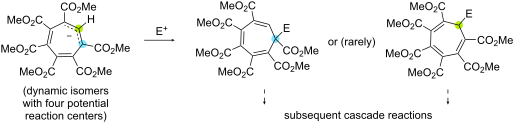
- possibility of i-halogenation via a chain radical mechanism (Scheme 3). The initiation stage includes an oxidation of anion 2 into the corresponding radical 13 which in turn reacts with halogens to form products 4a,b and a halogen atom which can also oxidize the anion. Quantum chemical calculations revealed


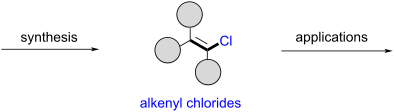
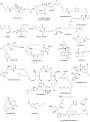
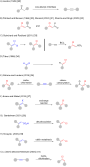
Synthesis and applications of alkenyl chlorides (vinyl chlorides): a review
Beilstein J. Org. Chem. 2026, 22, 1–63, doi:10.3762/bjoc.22.1
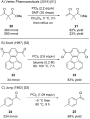
- oxidation of HCl with oxone (potassium peroxymonosulfate) to generate molecular chlorine (Scheme 35A) [135]. Electrophilic addition of chlorine across the enone double bond, followed by triethylamine-induced elimination, furnished the corresponding alkenyl chlorides (e.g., compound 193) in good yields. A
- oxidation/halogenation reaction of allylic alcohols, as recently reported by Chisholm and co-workers (Scheme 36) [137]. Their approach involves oxidation of the allylic alcohol under Moffatt–Swern conditions, followed by halogenation of the resulting enone to generate a chloronium ion. Subsequent ring























One-pot synthesis of ethylmaltol from maltol
Beilstein J. Org. Chem. 2025, 21, 2755–2760, doi:10.3762/bjoc.21.212

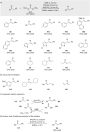
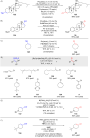
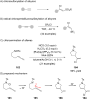
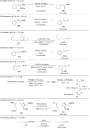
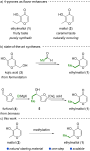
- through fermentation, or a synthetic intermediate derived thereof is being utilized. For example, the 1969 Pfizer patent describes the oxidation of kojic acid (3) with molecular oxygen to comenic acid, which is then decarboxylated to yield pyromeconic acid. An aldol addition with acetaldehyde followed by
- from corncob to access pyromeconic acid [6]. The second group of synthetic strategies takes advantage of furfural (4), which originates from the acid-catalyzed dehydration of agricultural biomass. It is then converted with an ethyl Grignard compound to alcohol 5 [7]. From alcohol 5, oxidation state
- adjustment through an Achmatowicz rearrangement [8] initiated by either anodic oxidation [7][9][10], chlorine gas [11][12], or tert-butyl hypochlorite [13] provides pyran-3-ones. Further oxidation and acid- or heat-induced rearrangement furnishes ethylmaltol (1). Of note, some of these procedures allow for


Sustainable electrochemical synthesis of aliphatic nitro-NNO-azoxy compounds employing ammonium dinitramide and their in vitro evaluation as potential nitric oxide donors and fungicides
Beilstein J. Org. Chem. 2025, 21, 2739–2754, doi:10.3762/bjoc.21.211
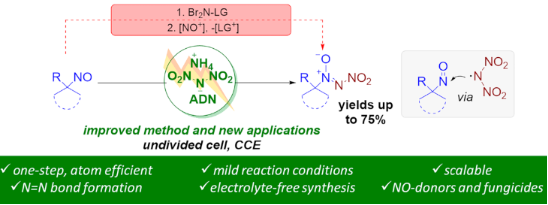
- electrochemical cell distinguishes electroorganic synthesis from traditional organic chemistry methods. Particular attention is paid to the generation of radical intermediates via the oxidation or reduction of radical precursors [40][41][42][43][44][45][46][47][48][49]. In this regard, the anodic oxidation of
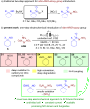
- oximes (X = H) with ADN were unsuccessful, as the NO group or oxime group did not participate in the desired N=N coupling (Scheme 1, substrates S1–S4). These substrates underwent either deep oxidation or degradation. Ultimately, in the reaction of 1-nitrosocyclohexane-1-carbonitrile (S5) and 1-nitro-1
- -nitrosocyclohexane (S6) we observed products of N=N coupling with ammonium dinitramide. Presumably, the presence of a strong electron-withdrawing group prevents further oxidation of the NO group prior to the oxidation of ADN. Herein, we report a green and sustainable electrochemical coupling of aliphatic nitroso





Total synthesis of asperdinones B, C, D, E and terezine D
Beilstein J. Org. Chem. 2025, 21, 2730–2738, doi:10.3762/bjoc.21.210
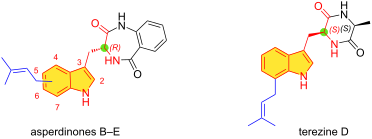
- conditions that would be incompatible with the presence of an amino acid appendage at C-3. 7-Prenylindole has been prepared from N-Boc-indoline in the presence of sec-BuLi, TMEDA, and prenyl bromide at −78 °C, followed by oxidation with MnO2 [51]. We deemed it necessary to explore alternative synthetic


Mechanistic insights into hydroxy(tosyloxy)iodobenzene-mediated ditosyloxylation of chalcones: a DFT study
Beilstein J. Org. Chem. 2025, 21, 2703–2715, doi:10.3762/bjoc.21.208
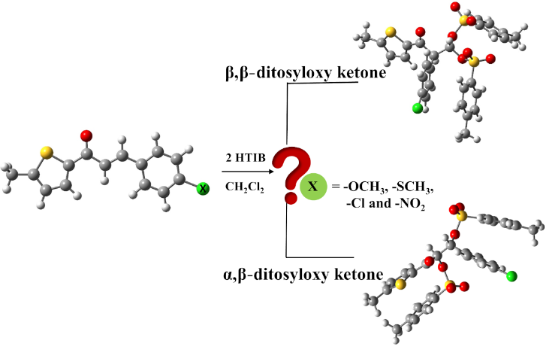
- -substituents; α,β-unsaturated carbonyl compounds; Introduction Hypervalent iodine compounds exhibit a range of bonding patterns which making these compounds powerful reagents or catalysts for a number of organic transformations [1][2][3][4] – oxidation of alcohols [5], epoxidation of alkenes [6], oxidative
- dearomatization [7], amination [8], oxidative coupling [9], ring contraction [10][11][12], oxidative rearrangement [13][14][15], dihydroxylation of alkenes, arylation [16], oxidation of sulfides [17] and many more. These hypervalent compounds contain iodine in higher oxidation state than its usual −(I) valence
- ) compounds in polar nucleophilic or non-nucleophilic solvents [10][11][12][20][29][30][31][32][33][34][35][36]. Fujita discusses typical pathways of alkene oxidation with hypervalent iodine in great detail including the stereochemical course of reaction involving a cyclic iodonium ion [30]. In the literature


Tandem hydrothiocyanation/cyclization of CF3-iminopropargyl alcohols with NaSCN in the presence of AcOH
Beilstein J. Org. Chem. 2025, 21, 2694–2702, doi:10.3762/bjoc.21.207
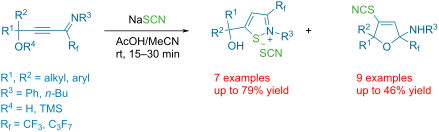
- acetic acid. The reaction was carried out at room temperature and with vigorous stirring for 15 minutes. Next, the solvent was removed and the residue was purified using column chromatography (eluting with diethyl ether/hexane 1:8, then acetone/hexane 2:1 to give products 2 and 3. Procedure for oxidation
- (c, d) reaction mixtures in MeCN. Examples of hydrothiocyanation/cyclization of alkynes. Plausible reaction mechanism. Oxidation of isothiazolium thiocyanate 2a. Screening of reaction conditions. Scope of iminopropargyl alcohols 1. Supporting Information Supporting Information File 10: Full



Recent advancements in the synthesis of Veratrum alkaloids
Beilstein J. Org. Chem. 2025, 21, 2657–2693, doi:10.3762/bjoc.21.206
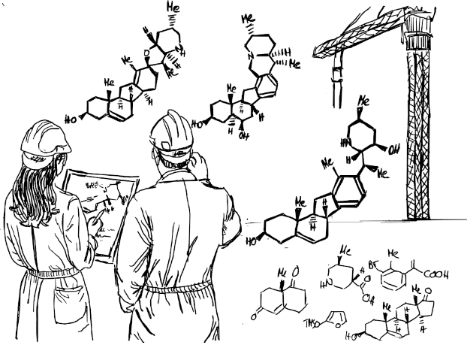
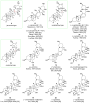
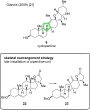
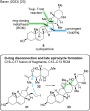
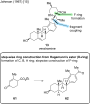
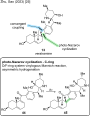
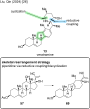
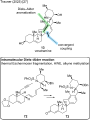
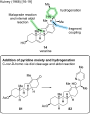
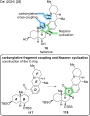
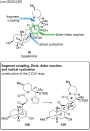
- , hydroboration/oxidation, and an oxidative cyclization protocol. The diastereomers were separable by column chromatography, leading to this faster and more scalable procedure to be performed preferentially over a six-step diastereoselective sequence. After silyl ether deprotection, the Wagner–Meerwein-type
- , which provided the need for reprotection of the secondary amine moiety, and the alcohol was eliminated to furnish 65 in three steps. Compound 65 already closely resembles the desired target 12 but lacks the oxidation at C11 and the double bond in position C5–C6. Eight more steps were needed for the
- oxidation and the double bond installation mentioned, including several redox manipulations and protecting group removals. In total, the Masamune group reported the total synthesis of jervine (12) from Hagemann’s ester (61) in 47 steps in the LLS and a total of 49 steps. Not all yields were reported, so no




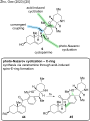
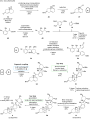
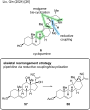

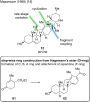











Visible-light-driven NHC and organophotoredox dual catalysis for the synthesis of carbonyl compounds
Beilstein J. Org. Chem. 2025, 21, 2584–2603, doi:10.3762/bjoc.21.200
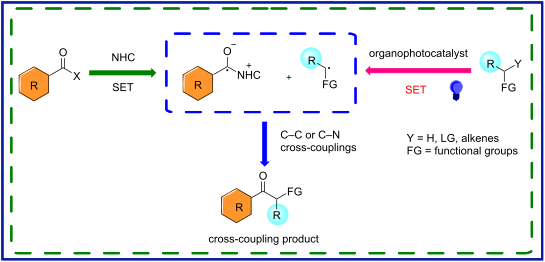
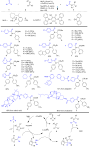
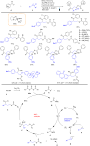
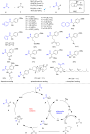
- higher oxidation potential (E1/2 = +1.52 V). This reaction was examined using different solvents, and it was found that toluene and 1,4-dioxane gave low yields (4–5% yield). Under blue LED irradiation, Ir-based PC is photoexcited, and its excited state is reductively quenched by the electron-rich arene
- and the acylazolium complex B (Ep = −0.81 V vs SCE), single-electron transfer (SET) reduction of B was thermodynamically feasible; however, the efficiency was found to be significantly low. The oxidation potential was measured to be around [Ep = +0.72 V] vs SCE, indicating that it is sufficiently
- positive to enable SET oxidation by photoexcited 4CzIPN. The authors described that the reduction potential of the photoredox catalyst (PC = 4CzIPN) was moderately low [Ered(IrIII*/IrII) = +0.66 V vs SCE in MeCN], and the silylboronate 13 permitted the formation of the silyl radical C under mild oxidation


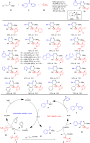

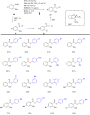

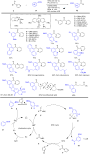

Recent advances in total synthesis of illisimonin A
Beilstein J. Org. Chem. 2025, 21, 2571–2583, doi:10.3762/bjoc.21.199
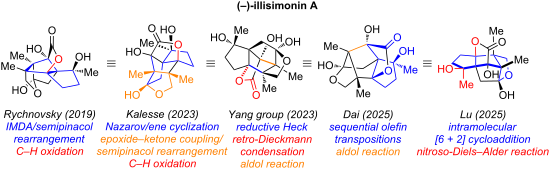
- only certain precursors with certain specific oxidation patterns are competent to undergo this rearrangement. The same as other Illicium sesquiterpenes, the highly oxgenated and strained skeleton of illisimonin A has posed a significant challenge to synthetic chemists. To date, the research groups of
- rearrangement. Finally, a White–Chen C–H oxidation [33][34][35] was employed to install the lactone ring, thereby completing the synthesis. The synthesis began with commercially available compound 19 and known compound 20 (Scheme 2). These were joined via an intermolecular aldol reaction to give adduct 21
- , which was subsequently subjected to a one-pot desilylation to afford 24. Reduction of both the ester and ketone functionalities in 24, followed by selective protection of the primary alcohol and re-oxidation of the secondary alcohol to ketone, furnished compound 25 in three steps. The ketone in 25 was


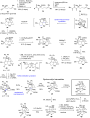


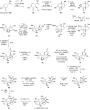


Total syntheses of highly oxidative Ryania diterpenoids facilitated by innovations in synthetic strategies
Beilstein J. Org. Chem. 2025, 21, 2553–2570, doi:10.3762/bjoc.21.198
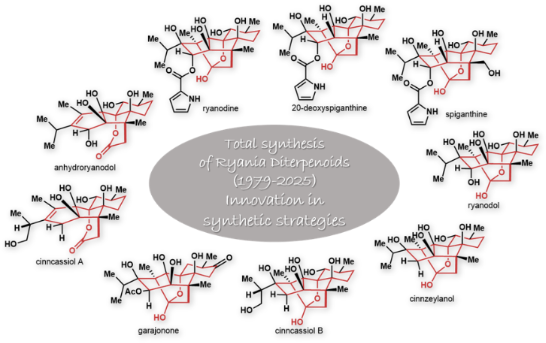
- enhance synthetic efficiency, reduce costs, and provide robust solutions to challenges encountered in the synthesis of complex molecular architectures. Ryania diterpenes are natural products characterized by intricate structures and high oxidation states. Biological studies have revealed that the family
- intermediate, systematically deriving multiple structurally related natural products through functional group transformations and oxidation-state adjustments [3][4]. This approach efficiently constructs compound family libraries, greatly facilitating drug screening and structure–activity relationship (SAR
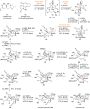
- , smoothly constructing the A ring to afford compound 14. Subsequent protection of the vicinal diol and aldehyde functionalities in 14 provides an intermediate that, after Baeyer–Villiger oxidation and subsequent tungsten-promoted reverse epoxidation, forms lactone 15. Ozonolysis of 15 cleaves the double







Ni-promoted reductive cyclization cascade enables a total synthesis of (+)-aglacin B
Beilstein J. Org. Chem. 2025, 21, 2548–2552, doi:10.3762/bjoc.21.197
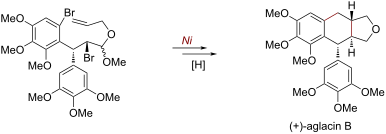
- diastereocontrol for 12 (dr = 20:1), and could easily proceed on a scale of ten grams (Supporting Information File 1). For the reduction of the chiral auxiliary in 12, NaBH4 in THF/H2O proved to be the optimal conditions, giving the primary alcohol 6 in 80% yield. Subsequently, oxidation of this alcohol by IBX


Rapid access to the core of malayamycin A by intramolecular dipolar cycloaddition
Beilstein J. Org. Chem. 2025, 21, 2542–2547, doi:10.3762/bjoc.21.196
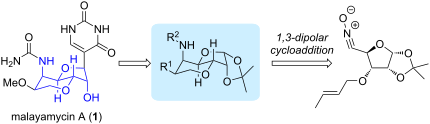
- cleavage of the N–O bond, oxidation and Baeyer–Villiger oxidation. The starting functional groups (including alkyne and nitrone) for the proposed oxazoline were established in literature precedents [29][30][31]. Moreover, the readily available intermediate 8 [32] bearing three defined stereogenic centers
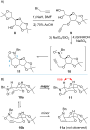
- , several conditions to cleave the N–O bond in 11 or 12 had not yielded any successful outcome. Therefore, we turned to adjust the synthetic sequence to switch the oxidation states at C2 and C3 (Scheme 4). It should be noted that compound 16 [38] was obtained as a stereoisomeric mixture of olefin, resulting
- from the use of crotyl bromide as a mixture of geometric isomers. After installation of the crotyl group, hydrolysis of the acetonide group and oxidative cleavage of diol 16, oxime 17 was prepared through the condensation of the aldehyde with hydroxylamine in overall 59% yield. Upon oxidation with




Catalytic enantioselective synthesis of selenium-containing atropisomers via C–Se bond formations
Beilstein J. Org. Chem. 2025, 21, 2447–2455, doi:10.3762/bjoc.21.186
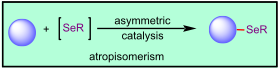
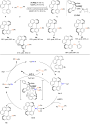
- alkyne insertion step may be rate-limiting, as it involves the participation of selenol, alkyne, and the rhodium catalyst. The Rh(III) mechanism appears to be more plausible than route B, which can be attributed to the enhanced ion-pairing effect resulting from the higher oxidation state of rhodium




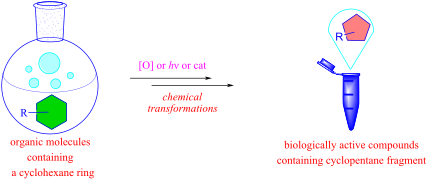
Transformation of the cyclohexane ring to the cyclopentane fragment of biologically active compounds
Beilstein J. Org. Chem. 2025, 21, 2416–2446, doi:10.3762/bjoc.21.185
- compound was synthesized from the Diels–Alder adduct 14 between LG and 1,3-butadiene by two methods – vicinal hydroxylation of the double bond followed by periodate cleavage of the vic-diols and ozonolysis of the double bond. Alternatively, Wagner oxidation of the double bond in adduct 14 by treatment with
- -Ethylformylation of compound 35 and subsequent oxidation of ketoenol 36 with 30% aqueous H2O2 in the presence of a 28% MeONa/MeOH solution resulted in the formation of a diacid, which was then converted into dimethyl ester 37 with a yield of 55%. Refluxing ester 37 with an excess of t-BuOK in benzene gave acid 39
- allylic oxidation using H2SeO3-dioxane system to form the C30 aldehyde 47, or by the ozonolytic cleavage of the double bond between C20 and C29 to produce 20-methyl-3-ethyldiketone 48 [36]. Intramolecular nitrile–anionic cyclization of ketone 46 or diketone 48 under conditions of basic catalysis proceeded


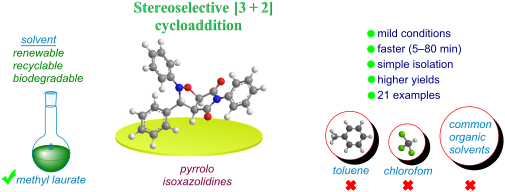
The high potential of methyl laurate as a recyclable competitor to conventional toxic solvents in [3 + 2] cycloaddition reactions
Beilstein J. Org. Chem. 2025, 21, 2389–2415, doi:10.3762/bjoc.21.184
- solvent in a wide range of organic reactions that necessitate elevated temperatures. Furthermore, the oxidative stability index of methyl laurate at temperatures of 80 °C and 110 °C is greater than 40 (h), and the oxidation onset temperature is 198.5 °C which is better than those of methyl oleate [105






An Fe(II)-catalyzed synthesis of spiro[indoline-3,2'-pyrrolidine] derivatives
Beilstein J. Org. Chem. 2025, 21, 2383–2388, doi:10.3762/bjoc.21.183
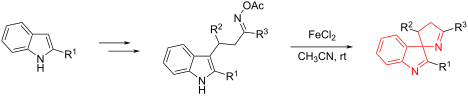
- pathway (Scheme 4). Initial Fe(II)-mediated reductive cleavage of the N–O bond in the ketoxime acetate generates an iminyl radical. This is followed by a 5-exo-trig cyclization to form a carbon-centered radical. Final single-electron oxidation by Fe(III) delivers the desired spirocyclic product. All




Synthetic study toward vibralactone
Beilstein J. Org. Chem. 2025, 21, 2376–2382, doi:10.3762/bjoc.21.182

- cyclopentene ring containing an all-carbon quaternary center [14], and inhibits pancreatic lipase with an IC50 of 0.4 µg/mL. Several congeners with varying oxidation state, as well as related β-hydroxy acids or esters have also been isolated from the culture broth of the basidiomycete [15][16][17][18][19][20
- lactone 13 through allylic oxidation and cross metathesis. For the construction of the cyclopentene ring, an alkylidene carbene-mediated C–H insertion would be applied [35]. The synthetic route could be traced back to β-lactone 14, which contains two continuous stereogenic centers with trans configuration
- this key intermediate in hand, β-hydroxy acid 29 was synthesized through deprotection, IBX oxidation, and Pinnick–Lindgren–Kraus oxidation and the β-lactone 13 was subsequently obtained through activation of the carboxylic acid. Although we successfully constructed the molecular scaffold of





