


Search results
Search for "Friedel–Crafts reaction" in Full Text gives 64 result(s) in Beilstein Journal of Organic Chemistry.
Selected synthetic strategies to cyclophanes
- Sambasivarao Kotha,
- Mukesh E. Shirbhate and
- Gopalkrushna T. Waghule
Beilstein J. Org. Chem. 2015, 11, 1274–1331, doi:10.3762/bjoc.11.142
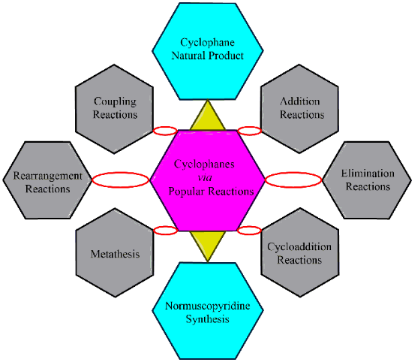

Graphical Abstract

Figure 1: General representation of cyclophanes.

Figure 2: cyclophanes one or more with heteroatom.

Figure 3: Metathesis catalysts 12–17 and C–C coupling catalyst 18.

Figure 4: Natural products containing the cyclophane skeleton.

Figure 5: Turriane family of natural products.

Scheme 1: Synthesis of [3]ferrocenophanes through Mannich reaction. Reagents and conditions: (i) excess HNMe2...

Scheme 2: Synthesis of cyclophanes through Michael addition. Reagents and conditions: (i) xylylene dibromide,...

Scheme 3: Synthesis of normuscopyridine analogue 37 through an oxymercuration–oxidation strategy. Reagents an...

Scheme 4: Synthesis of tribenzocyclotriyne 39 through Castro–Stephens coupling reaction. Reagents and conditi...

Scheme 5: Synthesis of cyclophane 43 through Glaser–Eglinton coupling. Reagents and conditions: (i) 9,10-bis(...

Scheme 6: Synthesis of the macrocyclic C-glycosyl cyclophane through Glaser coupling. Reagents and conditions...

Scheme 7: Synthesis of cyclophane-containing complex 49 through Glaser–Eglinton coupling reaction. Reagents a...

Scheme 8: Synthesis of cyclophane 53 through Glaser–Eglinton coupling. Reagents and conditions: (i) K2CO3, ac...

Figure 6: Cyclophanes 54–56 that have been synthesized through Glaser–Eglinton coupling.

Figure 7: Synthesis of tetrasubstituted [2.2]paracyclophane 57 and chiral cyclophyne 58 through Eglinton coup...

Scheme 9: Synthesis of cyclophane through Glaser–Hay coupling reaction. Reagents and conditions: (i) CuCl2 (1...

Scheme 10: Synthesis of seco-C/D ring analogs of ergot alkaloids through intramolecular Heck reaction. Reagent...

Scheme 11: Synthesis of muscopyridine 73 via Kumada coupling. Reagents and conditions: (i) 72, THF, ether, 20 ...

Scheme 12: Synthesis of the cyclophane 79 via McMurry coupling. Reagents and conditions: (i) 75, decaline, ref...

Scheme 13: Synthesis of stilbenophane 81 via McMurry coupling. Reagents and conditions: (i) TiCl4, Zn, pyridin...

Scheme 14: Synthesis of stilbenophane 85 via McMurry coupling. Reagents and conditions: (i) NBS (2 equiv), ben...
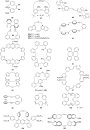
Figure 8: List of cyclophanes prepared via McMurry coupling reaction as a key step.

Scheme 15: Synthesis of paracyclophane by cross coupling involving Pd(0) catalyst. Reagents and conditions: (i...

Scheme 16: Synthesis of the cyclophane 112 via the pinacol coupling and 113 by RCM. Reagents and conditions: (...

Scheme 17: Synthesis of cyclophane derivatives 122a–c via Sonogoshira coupling. Reagents and conditions: (i) C...

Scheme 18: Synthesis of cyclophane 130 via Suzuki–Miyaura reaction as a key step. Reagents and conditions: (i)...

Scheme 19: Synthesis of the mycocyclosin via Suzuki–Miyaura cross coupling. Reagents and conditions: (i) benzy...

Scheme 20: Synthesis of cyclophanes via Wurtz coupling reaction Reagents and conditions: (i) PhLi, Et2O, C6H6,...

Scheme 21: Synthesis of non-natural glycophanes using alkyne metathesis. Reagents and conditions: (i) G-I (12)...

Figure 9: Synthesis of cyclophanes via ring-closing alkyne metathesis.

Scheme 22: Synthesis of crownophanes by cross-enyne metathesis. Reagents and conditions: (i) G-II (13), 5 mol ...

Scheme 23: Synthesis of (−)-cylindrocyclophanes A (156) and (−)-cylindrocyclophanes F (155). Reagents and cond...

Scheme 24: Synthesis of cyclophane 159 derivatives via SM cross-coupling and RCM. Reagents and conditions: (i)...

Scheme 25: Sexithiophene synthesis via cross metathesis. Reagents and conditions: (i) 161, Pd(PPh3)4, K2CO3, T...

Scheme 26: Synthesis of pyrrole-based cyclophane using enyne metathesis. Reagents and conditions: (i) Se, chlo...

Scheme 27: Synthesis of macrocyclic derivatives by RCM. Reagents and conditions: (i) G-I/G-II, CH2Cl2, 0.005 M...

Scheme 28: Synthesis of enantiopure β-lactam-based dienyl bis(dihydrofuran) 179. Reagents and conditions: (i) ...

Scheme 29: Synthesis of a [1.1.6]metaparacyclophane derivative 183 via SM cross coupling. Reagents and conditi...

Scheme 30: Synthesis of a [1.1.6]metaparacyclophane derivative 190 via SM cross coupling. Reagents and conditi...

Scheme 31: Template-promoted synthesis of cyclophanes involving RCM. Reagents and conditions: (i) acenaphthene...

Scheme 32: Synthesis of [3.4]cyclophane derivatives 200 via SM cross coupling and RCM. Reagents and conditions...
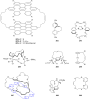
Figure 10: Examples for cyclophanes synthesized by RCM.

Scheme 33: Synthesis of the longithorone C framework assisted by fluorinated auxiliaries. Reagents and conditi...

Scheme 34: Synthesis of the longithorone framework via RCM. Reagents and conditions: (i) 213, NaH, THF, rt, 10...

Scheme 35: Synthesis of floresolide B via RCM as a key step. Reagents and conditions: (i) G-II (13, 0.1 equiv)...

Scheme 36: Synthesis of normuscopyridine (223) by the RCM strategy. Reagents and condition: (i) Mg, THF, hexen...

Scheme 37: Synthesis of muscopyridine (73) via RCM. Reagents and conditions: (i) 225, NaH, THF, 0 °C to rt, 1....

Scheme 38: Synthesis of muscopyridine (73) via RCM strategy. Reagents and conditions: (i) NaH, n-BuLi, 5-bromo...

Scheme 39: Synthesis of pyridinophane derivatives 223 and 245. Reagents and conditions: (i) PhSO2Na, TBAB, CH3...

Scheme 40: Synthesis of metacyclophane derivatives 251 and 253. Reagents and conditions: (i) 240, NaH, THF, rt...

Scheme 41: Synthesis of normuscopyridine and its higher analogues. Reagents and conditions: (i) alkenyl bromid...

Scheme 42: Synthesis of fluorinated ferrocenophane 263 via a [2 + 2] cycloaddition. Reagents and conditions: (...

Scheme 43: Synthesis of [2.n]metacyclophanes 270 via a [2 + 2] cycloaddition. Reagents and conditions: (i) Ac2...

Scheme 44: Synthesis of metacyclophane 273 by a [2 + 2 + 2] co-trimerization. Reagents and conditions: (i) [Rh...

Scheme 45: Synthesis of paracyclophane 276 via a [2 + 2 + 2] cycloaddition reaction. Reagents and conditions: ...

Scheme 46: Synthesis of cyclophane 278 via a [2 + 2 + 2] cycloaddition reaction. Reagents and conditions: (i) ...

Scheme 47: Synthesis of cyclophane 280 via a [2 + 2 + 2] cycloaddition. Reagents and conditions: (i) [(Rh(cod)(...

Scheme 48: Synthesis of taxane framework by a [2 + 2 + 2] cycloaddition. Reagents and conditions: (i) Cp(CO)2 ...

Scheme 49: Synthesis of cyclophane 284 and 285 via a [2 + 2 + 2] cycloaddition reaction. Reagents and conditio...

Scheme 50: Synthesis of pyridinophanes 293a,b and 294a,b via a [2 + 2 + 2] cycloaddition. Reagents and conditi...

Scheme 51: Synthesis of pyridinophanes 296 and 297 via a [2 + 2 + 2] cycloaddition. Reagents and conditions: (...

Scheme 52: Synthesis of triazolophane by a 1,3-dipolar cycloaddition. Reagents and conditions: (i) propargyl b...

Scheme 53: Synthesis of glycotriazolophane 309 by a click reaction. Reagents and conditions: (i) LiOH, H2O, Me...

Figure 11: Cyclophanes 310 and 311 prepared via click chemistry.

Scheme 54: Synthesis of cyclophane via the Dötz benzannulation. Reagents and conditions: (i) THF, 100 °C, 12 h...

Scheme 55: Synthesis of [6,6]metacyclophane by a Dötz benzannulation. Reagents and conditions: (i) THF, 100 °C...

Scheme 56: Synthesis of cyclophanes by a Dötz benzannulation. Reagents and conditions: (i) THF, 65 °C, 3 h; (i...

Scheme 57: Synthesis of muscopyridine (73) via an intramolecular DA reaction of ketene. Reagents and condition...

Scheme 58: Synthesis of bis[10]paracyclophane 336 via Diels–Alder reaction. Reagents and conditions: (i) DMAD,...

Scheme 59: Synthesis of [8]paracyclophane via DA reaction. Reagents and conditions: (i) maleic anhydride, 3–5 ...

Scheme 60: Biomimetic synthesis of (−)-longithorone A. Reagents and conditions: (i) Me2AlCl, CH2Cl2, −20 °C, 7...

Scheme 61: Synthesis of sporolide B (349) via a [4 + 2] cycloaddition reaction. Reagents and conditions: (i) P...

Scheme 62: Synthesis of the framework of (+)-cavicularin (352) via a [4 + 2] cycloaddition. Reagents and condi...

Scheme 63: Synthesis of oxazole-containing cyclophane 354 via Beckmann rearrangement. Reagents and conditions:...

Scheme 64: Synthesis of cyclophanes 360a–c via benzidine rearrangement. Reagents and conditions: (i) 356a–d, K2...

Scheme 65: Synthesis of cyclophanes 365a–c via benzidine rearrangement. Reagents and conditions: (i) BocNHNH2,...

Scheme 66: Synthesis of metacyclophane 367 via Ciamician–Dennstedt rearrangement. Reagents and conditions: (i)...

Scheme 67: Synthesis of cyclophane by tandem Claisen rearrangement and RCM as key steps. Reagents and conditio...

Scheme 68: Synthesis of cyclophane derivative 380. Reagents and conditions: (i) K2CO3, CH3CN, allyl bromide, r...

Scheme 69: Synthesis of metacyclophane via Cope rearrangement. Reagents and conditions: (i) MeOH, NaBH4, rt, 1...

Scheme 70: Synthesis of cyclopropanophane via Favorskii rearrangement. Reagents and conditions: (i) Br2, CH2Cl2...

Scheme 71: Cyclophane 389 synthesis via photo-Fries rearrangement. Reagents and conditions: (i) DMAP, EDCl/CHCl...

Scheme 72: Synthesis of normuscopyridine (223) via Schmidt rearrangement. Reagents and conditions: (i) ethyl s...

Scheme 73: Synthesis of crownophanes by tandem Claisen rearrangement. Reagents and conditions: (i) diamine, Et3...

Scheme 74: Attempted synthesis of cyclophanes via tandem Claisen rearrangement and RCM. Reagents and condition...

Scheme 75: Synthesis of muscopyridine via alkylation with 2,6-dimethylpyridine anion. Reagents and conditions:...

Scheme 76: Synthesis of cyclophane via Friedel–Craft acylation. Reagents and conditions: (i) CS2, AlCl3, 7 d, ...

Scheme 77: Pyridinophane 418 synthesis via Friedel–Craft acylation. Reagents and conditions: (i) 416, AlCl3, CH...

Scheme 78: Cyclophane synthesis involving the Kotha–Schölkopf reagent 421. Reagents and conditions: (i) NBS, A...

Scheme 79: Cyclophane synthesis involving the Kotha–Schölkopf reagent 421. Reagents and conditions: (i) BEMP, ...

Scheme 80: Cyclophane synthesis by coupling with TosMIC. Reagents and conditions: (i) (a) ClCH2OCH3, TiCl4, CS2...

Scheme 81: Synthesis of diaza[32]cyclophanes and triaza[33]cyclophanes. Reagents and conditions: (i) DMF, NaH,...

Scheme 82: Synthesis of cyclophane 439 via acyloin condensation. Reagents and conditions: (i) Na, xylene, 75%;...

Scheme 83: Synthesis of multibridged binuclear cyclophane 442 by aldol condensation. Reagents and conditions: ...

Scheme 84: Synthesis of various macrolactones. Reagents and conditions: (i) iPr2EtN, DMF, 77–83%; (ii) TBDMSCl...

Scheme 85: Synthesis of muscone and muscopyridine via Yamaguchi esterification. Reagents and conditions: (i) 4...

Scheme 86: Synthesis of [5]metacyclophane via a double elimination reaction. Reagents and conditions: (i) LiBr...

Figure 12: Cyclophanes 466–472 synthesized via Hofmann elimination.

Scheme 87: Synthesis of cryptophane via Baylis–Hillman reaction. Reagents and conditions: (i) methyl acrylate,...

Scheme 88: Synthesis of cyclophane 479 via double Chichibabin reaction. Reagents and conditions: (i) excess 478...

Scheme 89: Synthesis of cyclophane 483 via double Chichibabin reaction. Reagents and conditions: (i) 481, OH−;...

Scheme 90: Synthesis of cyclopeptide via an intramolecular SNAr reaction. Reagents and conditions: (i) TBAF, T...

Scheme 91: Synthesis of muscopyridine (73) via C-zip ring enlargement reaction. Reagents and conditions: (i) H...

Figure 13: Mechanism of the formation of compound 494.

Scheme 92: Synthesis of indolophanetetraynes 501a,b using the Nicholas reaction as a key step. Reagents and co...

Scheme 93: Synthesis of cyclophane via radical cyclization. Reagents and conditions: (i) cyclododecanone, phen...

Scheme 94: Synthesis of (−)-cylindrocyclophanes A (156) and (−)-cylindrocyclophanes F (155). Reagents and cond...

Scheme 95: Cyclophane synthesis via Wittig reaction. Reagents and conditions: (i) LiOEt (2.1 equiv), THF, −78 ...

Figure 14: Representative examples of cyclophanes synthesized via Wittig reaction.

Scheme 96: Synthesis of the [6]paracyclophane via isomerization of Dewar benzene. Reagents and conditions: (i)...
Triazol-substituted titanocenes by strain-driven 1,3-dipolar cycloadditions
- Andreas Gansäuer,
- Andreas Okkel,
- Lukas Schwach,
- Laura Wagner,
- Anja Selig and
- Aram Prokop
Beilstein J. Org. Chem. 2014, 10, 1630–1637, doi:10.3762/bjoc.10.169

- with classical organic acylation reactions (Friedel–Crafts reaction, esterification, amide synthesis, Scheme 1). Some of these complexes have been used as organometallic gelators [19][20], as a novel class of cytostatic compounds [26], and catalysts for unusual radical cyclizations [27][28][29][30][31

Graphical Abstract

Scheme 1: Modular titanocene synthesis via acylation reactions [24].

Figure 1: Carboxylates employed as titanocene starting materials for azide-substituted complexes.

Figure 2: Azides employed in this study and conditions for their synthesis.

Figure 3: Most active titanocenes of this study and their AC50 values.
Atherton–Todd reaction: mechanism, scope and applications
- Stéphanie S. Le Corre,
- Mathieu Berchel,
- Hélène Couthon-Gourvès,
- Jean-Pierre Haelters and
- Paul-Alain Jaffrès
Beilstein J. Org. Chem. 2014, 10, 1166–1196, doi:10.3762/bjoc.10.117

- sequence as shown in Scheme 27-ii [82]. Firstly, a Friedel–Crafts reaction produced the para-substituted phenol in 42% yield. Then, the phenol group was transformed in diethyl aryl phosphate with an AT reaction in 99% yield. Finally, the reduction of the phosphate was achieved in 74% yield. Similar

Graphical Abstract

Scheme 1: Pioneer works of Atherton, Openshaw and Todd reporting on the synthesis of phosphoramidate starting...

Scheme 2: Mechanisms 1 (i) and 2 (ii) suggested by Atherton and Todd in 1945; adapted from [1].

Scheme 3: Two reaction pathways (i and ii) to produce chlorophosphate 2. Charge-transfer complex observed whe...

Scheme 4: Mechanism of the Atherton–Todd reaction with dimethylphosphite according to Roundhill et al. (adapt...

Scheme 5: Synthesis of dialkyl phosphate from dialkyl phosphite (i) and identification of chloro- and bromoph...

Scheme 6: Synthesis of chiral phosphoramidate with trichloromethylphosphonate as the suggested intermediate (...
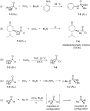
Scheme 7: Selection of results that address the question of the stereochemistry of the AT reaction (adapted f...

Scheme 8: Synthesis of phenoxy spirophosphorane by the AT reaction (adapted from [34]).

Scheme 9: Suggested mechanism of the Atherton–Todd reaction, (i) and (ii) formation of chlorophosphate with a...

Scheme 10: AT reaction in biphasic conditions (adapted from [38]).

Scheme 11: AT reaction with iodoform as halide source (adapted from [37]).

Scheme 12: AT reaction with phenol at low temperature in the presence of DMAP (adapted from [40]).

Scheme 13: Synthesis of a triphosphate by the AT reaction starting with the preparation of chlorophosphate (ad...

Scheme 14: AT reaction with sulfonamide (adapted from [42]).

Scheme 15: Synthesis of a styrylphosphoramidate starting from the corresponding aniline (adapted from [43]).

Scheme 16: Use of hydrazine as nucleophile in AT reactions (adapted from [48]).

Scheme 17: AT reaction with phenol as a nucleophilic species; synthesis of dioleyl phosphate-substituted couma...

Scheme 18: Synthesis of β-alkynyl-enolphosphate from allenylketone with AT reaction (adapted from [58]).

Scheme 19: Synthesis of pseudohalide phosphate by using AT reaction (adapted from [67]).

Scheme 20: AT reaction with hydrospirophosphorane with insertion of CO2 in the product (adapted from [69]).

Scheme 21: AT reaction with diaryl phosphite (adapted from [70]).

Scheme 22: AT reaction with O-alkyl phosphonite (adapted from [71]).

Scheme 23: Use of phosphinous acid in AT reactions (adapted from [72]).

Scheme 24: AT reaction with secondary phosphinethiooxide (adapted from [76]).

Scheme 25: Use of H-phosphonothioate in the AT reaction (adapted from [78]).

Scheme 26: AT-like reaction with CuI as catalyst and without halide source (adapted from [80]).

Scheme 27: Reduction of phenols after activation as phosphate derivatives (adapted from [81] i ; [82], ii; and [83], iii).

Scheme 28: Synthesis of medium and large-sized nitrogen-containing heterocycles (adapted from [85]).

Scheme 29: Synthesis of arylstannane from aryl phosphate prepared by an AT reaction (adapted from [86]).

Scheme 30: Synthesis and use of aryl dialkyl phosphate for the synthesis of biaryl derivatives (adapted from [89])....

Scheme 31: Synthesis of aryl dialkyl phosphate by an AT reaction from phenol and subsequent rearrangement yiel...

Scheme 32: Selected chiral phosphoramidates used as organocatalyst; i) chiral phosphoramidate used in the pion...

Scheme 33: Determination of ee of H-phosphinate by the application of the AT reaction with a chiral amine (ada...

Scheme 34: Chemical structure of selected flame retardants synthesized by AT reactions; (BDE: polybrominated d...

Scheme 35: Transformation of DOPO (i) and synthesis of polyphosphonate (ii) by the AT reaction (adapted from [117] ...

Scheme 36: Synthesis of lipophosphite (bisoleyl phosphite) and cationic lipophosphoramidate with an AT reactio...

Scheme 37: Use of AT reactions to produce cationic lipids characterized by a trimethylphosphonium, trimethylar...

Scheme 38: Cationic lipid synthesized by the AT reaction illustrating the variation of the structure of the li...

Scheme 39: Helper lipids for nucleic acid delivery synthesized with the AT reaction (adapted from [130]).

Scheme 40: AT reaction used to produce red/ox-sensitive cationic lipids (adapted from [135]).

Scheme 41: Alkyne and azide-functionalized phosphoramidate synthesized by AT reactions,(i); illustration of so...

Scheme 42: Cationic lipids exhibiting bactericidal action – arrows indicate the bond formed by the AT reaction...

Scheme 43: β-Cyclodextrin-based lipophosphoramidates (adapted from [138]).

Scheme 44: Polyphosphate functionalized by an AT reaction (adapted from [139]).

Scheme 45: Synthesis of zwitterionic phosphocholine-bound chitosan (adapted from [142]).

Scheme 46: Synthesis of AZT-based prodrug via an AT reaction (adapted from [143]).
New hydrogen-bonding organocatalysts: Chiral cyclophosphazanes and phosphorus amides as catalysts for asymmetric Michael additions
- Helge Klare,
- Jörg M. Neudörfl and
- Bernd Goldfuss
Beilstein J. Org. Chem. 2014, 10, 224–236, doi:10.3762/bjoc.10.18
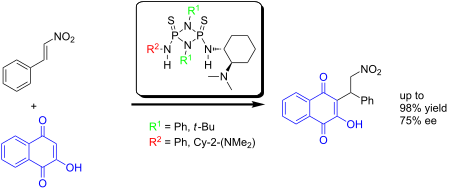
- defined geometry. Introducing a new motif, Shea et al. have synthesized achiral tridentate (thio)phosphorus triamides and assessed their catalytic activity relative to the established (m-(CF3)2-Ph)2thiourea [18]. In the Friedel–Crafts reaction of N-methylindole with β-nitrostyrene and the Baylis–Hillman

Graphical Abstract

Figure 1: Thiourea, squaramide, P-triamide and cyclodiphosphazane with computed distances between H-atoms.

Figure 2: Urea, squaramide, P-triamide and cyclodiphosphazane coordinated to nitrobenzene, with the computed ...

Scheme 1: Chiral PV-amide catalysts based on BINOL and chinchona backbones.

Scheme 2: Exclusive formation of the mono- and trisubstituted product from thiophosphoryl chloride and anilin...

Figure 3: X-ray structure of 6-dimer. The hydrogen atoms are omitted for clarity, except at all nitrogens.

Figure 4: X-ray structure of 7a-dimer. The hydrogen atoms are omitted for clarity, except at all nitrogens.

Scheme 3: Synthesis of chiral cyclodiphosphazane catalysts 14a/b, 15 and 16.

Figure 5: X-ray structure of 14a. The hydrogen atoms are omitted for clarity, except at nitrogen.

Figure 6: 31P{1H} NMR spectrum in CDCl3 at rt showing C2 symmetry of 14a at rt.

Figure 7: X-ray structure of 15. The hydrogen atoms are omitted for clarity, except at nitrogen.

Figure 8: X-ray structure of 16. The hydrogen atoms are omitted for clarity, except at nitrogen.

Figure 9: Enantiodetermining transition states TS-14a/TS-14b arising from the addition of 2-hydroxynapthoquin...
Gold(I)-catalyzed 6-endo hydroxycyclization of 7-substituted-1,6-enynes
- Ana M. Sanjuán,
- Alberto Martínez,
- Patricia García-García,
- Manuel A. Fernández-Rodríguez and
- Roberto Sanz
Beilstein J. Org. Chem. 2013, 9, 2242–2249, doi:10.3762/bjoc.9.263
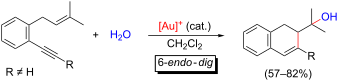
- subsequent Friedel–Crafts reaction (Scheme 6). Both compounds were isolated as single stereoisomers with a high overall yield [43]. In this case, the 5-exo pathway was more competitive compared to the result of model substrate 1a, probably due to the Thorpe–Ingold-type effect caused by the methyl group at

Graphical Abstract
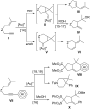
Scheme 1: Gold(I)-catalyzed reactions of 1,6-enynes.
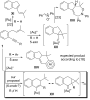
Scheme 2: Cyclization of o-(alkynyl)-(3-methylbut-2-enyl)benzenes 1. Previous work and proposed pathways.

Scheme 3: Synthesis of o-(alkynyl)-(3-methylbut-2-enyl)benzenes 1.

Scheme 4: Gold(I)-catalyzed cycloisomerization of 1a.

Scheme 5: Initial experiments and proof of concept.

Scheme 6: Gold(I)-catalyzed hydroxycyclization of enynes 1m,n.

Scheme 7: Gold(I)-catalyzed methoxycyclization of selected 1,6-enynes 1 [45].

Scheme 8: Labelling experiment and proposed mechanism.
Some aspects of radical chemistry in the assembly of complex molecular architectures
- Béatrice Quiclet-Sire and
- Samir Z. Zard
Beilstein J. Org. Chem. 2013, 9, 557–576, doi:10.3762/bjoc.9.61

- –cyclisation leading to indoline 97 with an intramolecular Friedel–Crafts reaction to afford a tricyclic derivative 98 substituted by a trifluoromethyl group [44]. The second exploits the presence of both a protected primary amine and an easily substitutable chlorine on the pyrimidine ring in 99a,b to afford
- , which smoothly undergoes an intramolecular Friedel–Crafts reaction to generate the last ring in intermediate 169. Finally, reduction of the lactam and unmasking of the ketone causes the migration of the olefin to complete the synthesis of the target structure 170. The generation of radicals using nickel

Graphical Abstract

Scheme 1: Key radical step in the total synthesis of (–)-dendrobine.

Scheme 2: Radical cascade in the total synthesis of (±)-13-deoxyserratine (ACCN = 1,1'-azobis(cyclohexanecarb...

Scheme 3: Formation of the complete skeleton of (±)-fortucine.
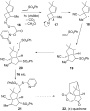
Scheme 4: Model radical sequence for the synthesis of quadrone.

Scheme 5: Radical cascade using the Barton decarboxylation.

Scheme 6: Simplified mechanism for the xanthate addition to alkenes.

Scheme 7: Synthesis of β-lactam derivatives.

Scheme 8: Sequential additions to three different alkenes (PhthN = phthalimido).

Scheme 9: Key cascade in the total synthesis of (±)-matrine (43).

Scheme 10: Synthesis of complex tetralones.

Scheme 11: Synthesis of functionalised azaindoline and indole derivatives.

Scheme 12: Synthesis of thiochromanones.

Scheme 13: Synthesis of complex benzothiepinones. Conditions: 1) CF3COOH; 2) RCHO / AcOH (PMB = p-methoxybenzy...

Scheme 14: Formation and capture of a cyclic nitrone.
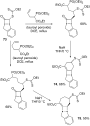
Scheme 15: Synthesis of bicyclic cyclobutane motifs.

Scheme 16: Construction of the CD rings of steroids.

Scheme 17: Rapid assembly of polyquinanes.

Scheme 18: Formation of a polycyclic structure via an allene intermediate.
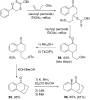
Scheme 19: A polycyclic structure via the alkylative Birch reduction.

Scheme 20: Synthesis of polycyclic pyrimidines and indoline structures.

Scheme 21: Construction of a trans-decalin derivative.
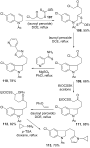
Scheme 22: Multiple uses of a chloroacetonyl xanthate.

Scheme 23: A convergent route to spiroketals.

Scheme 24: A modular approach to 3-arylpiperidines.

Scheme 25: A convergent route to cyclopentanols and to functional allenes.
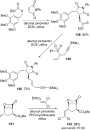
Scheme 26: Allylation and vinylation of a xanthate and an iodide.
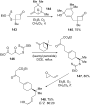
Scheme 27: Vinyl epoxides as allylating agents.

Scheme 28: Radical allylations using allylic alcohol derivatives.

Scheme 29: Synthesis of variously substituted lactams.

Scheme 30: Nickel-mediated synthesis of unsaturated lactams.
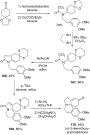
Scheme 31: Total synthesis of (±)-3-demethoxy-erythratidinone.

Scheme 32: Generation and capture of an iminyl radical from an oxime ester.
An efficient access to the synthesis of novel 12-phenylbenzo[6,7]oxepino[3,4-b]quinolin-13(6H)-one derivatives
- Wentao Gao,
- Guihai Lin,
- Yang Li,
- Xiyue Tao,
- Rui Liu and
- Lianjie Sun
Beilstein J. Org. Chem. 2012, 8, 1849–1857, doi:10.3762/bjoc.8.213
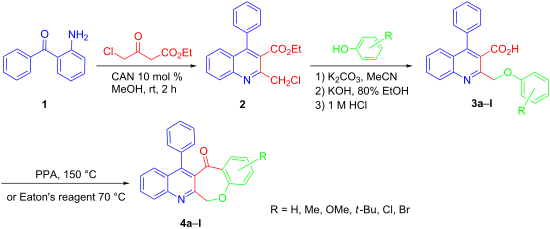
- could be easily removed from aromatic nuclei by Friedel–Crafts reaction at a high reaction temperature using a high-boiling-point solvent [42], we presumed the occurrence of debutylation reaction during the cyclization course probably due to the high reaction temperature. Considering these results, an

Graphical Abstract

Scheme 1: Synthesis of ethyl 2-(chloromethyl)-4-phenylquinoline-3-carboxylate (2).

Scheme 2: Synthesis of 2-(phenoxymethyl)-4-phenylquinoline-3-carboxylic acid derivatives 3a–l.

Scheme 3: Synthesis of 12-phenylbenzo[6,7]oxepino[3,4-b]quinolin-13(6H)-ones 4a–h.

Scheme 4: Cyclization and de-tert-butylation reaction of 3l by using PPA.
C2-Alkylation of N-pyrimidylindole with vinylsilane via cobalt-catalyzed C–H bond activation
- Zhenhua Ding and
- Naohiko Yoshikai
Beilstein J. Org. Chem. 2012, 8, 1536–1542, doi:10.3762/bjoc.8.174
- different when it comes to direct C–H alkylation [10][11]. The intrinsically nucleophilic C3 position of indole is amenable to a variety of catalytic alkylation reactions such as Friedel–Crafts reaction [5]. On the other hand, C2-alkylation of indoles has traditionally required 2-lithioindoles generated by

Graphical Abstract

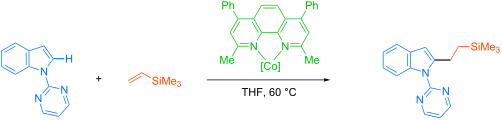
Scheme 1: (a) Cobalt-catalyzed C2-alkenylation of N-pyrimidylindole, (b) ortho-alkylation of aryl imine, and ...
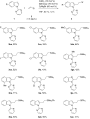
Scheme 2: Addition of N-pyrimidylindoles to vinylsilanes.

Scheme 3: Addition of N-pyrimidylindole to norbornene (a) and 1-octene (b).

Scheme 4: Gram-scale reaction and deprotection of N-pyrimidyl group.
A practical microreactor for electrochemistry in flow
- Kevin Watts,
- William Gattrell and
- Thomas Wirth
Beilstein J. Org. Chem. 2011, 7, 1108–1114, doi:10.3762/bjoc.7.127

- be used in different subsequent reactions (Scheme 1). The first reaction studied was a Friedel–Crafts reaction of aromatic compounds. In comparison with the "cation pool" method, the "cation flow" method was far more successful for this reaction, producing the monoalkylated product 2 in 92% yield in

Graphical Abstract

Scheme 1: Electrochemically generated N-acyliminium ions 1 and subsequent reactions.

Figure 1: Electrochemical microreactor.

Scheme 2: Electrolysis of furan.

Scheme 3: Kolbe electrolysis of phenylacetic acids 6 in flow.

Scheme 4: Synthesis of diaryliodonium salts 11 in flow.
Synthetic applications of gold-catalyzed ring expansions
- David Garayalde and
- Cristina Nevado
Beilstein J. Org. Chem. 2011, 7, 767–780, doi:10.3762/bjoc.7.87
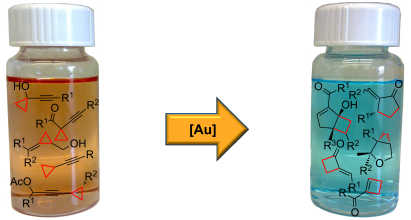
- activation of the cyclopropene, cation 55 is formed. C–C bond cleavage of the cyclopropyl ring followed by a Friedel–Crafts reaction affords, after recovery of aromaticity, the observed products [47]. 4 Ring expansions involving annulation reactions Diels–Alder, [1,3]-dipolar-, [2 + 2]- and [4 + 3

Graphical Abstract

Scheme 1: Transition metal promoted rearrangements of bicyclo[1.1.0]butanes.

Scheme 2: Gold-catalyzed rearrangements of strained rings.

Scheme 3: Gold-catalyzed ring expansions of cyclopropanols and cyclobutanols.

Scheme 4: Mechanism of the cycloisomerization of alkynyl cyclopropanols and cyclobutanols.

Scheme 5: Proposed mechanism for the Au-catalyzed isomerization of alkynyl cyclobutanols.

Scheme 6: Gold-catalyzed cycloisomerization of 1-allenylcyclopropanols.

Scheme 7: Gold-catalyzed cycloisomerization of cyclopropylmethanols.

Scheme 8: Gold-catalyzed cycloisomerization of aryl alkyl epoxides.

Scheme 9: Gold-catalyzed synthesis of furans.

Scheme 10: Transformations of alkynyl oxiranes.

Scheme 11: Transformations of alkynyl oxiranes into ketals.

Scheme 12: Gold-catalyzed cycloisomerization of cyclopropyl alkynes.

Scheme 13: Gold-catalyzed synthesis of substituted furans.

Scheme 14: Proposed mechanism for the isomerization of alkynyl cyclopropyl ketones.

Scheme 15: Cycloisomerization of cyclobutylazides.

Scheme 16: Cycloisomerization of alkynyl aziridines.

Scheme 17: Gold-catalyzed synthesis of disubstituted cyclohexadienes.

Scheme 18: Gold-catalyzed synthesis of indenes.

Scheme 19: Gold-catalyzed [n + m] annulation processes.

Scheme 20: Gold-catalyzed generation of 1,4-dipoles.

Scheme 21: Gold-catalyzed synthesis of repraesentin F.

Scheme 22: Gold-catalyzed ring expansion of cyclopropyl 1,6-enynes.

Scheme 23: Gold-catalyzed synthesis of ventricos-7(13)-ene.

Scheme 24: 1,2- vs 1,3-Carboxylate migration.

Scheme 25: Gold-catalyzed cycloisomerization of vinyl alkynyl cyclopropanes.

Scheme 26: Proposed mechanism for the cycloisomerization of vinyl alkynyl cyclopropanes.

Scheme 27: Gold-catalyzed 1,2-acyloxy rearrangement/cyclopropanation/cycloisomerization cascades.

Scheme 28: Formal total synthesis of frondosin A.

Scheme 29: Gold-catalyzed rearrangement/cycloisomerization of cyclopropyl propargyl acetates.
When cyclopropenes meet gold catalysts
- Frédéric Miege,
- Christophe Meyer and
- Janine Cossy
Beilstein J. Org. Chem. 2011, 7, 717–734, doi:10.3762/bjoc.7.82
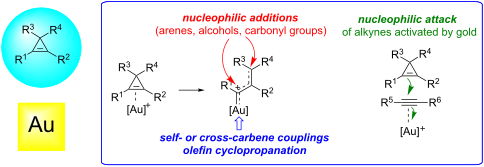
- secondary benzylic cyclopropyl cation). The gold carbene 31 was captured by the aromatic group at C3 via an intramolecular Friedel–Crafts reaction. Subsequent elimination of AcOH from compound 33 then delivered methylene indene 30 (Scheme 14) [21]. Other gold-catalyzed rearrangements of cyclopropenes that
- ]. Indene 36a is, as previously mentioned, the product resulting from an intramolecular Friedel–Crafts reaction (Scheme 15). For unsymmetrical cyclopropenes 34b–34d possessing a trisubstituted endocyclic double bond, the rearrangement took place at rt and invariably led to mixtures of furanones 35b–35d, and

Graphical Abstract

Scheme 1: General reactivity of cyclopropenes in the presence of gold catalysts.

Scheme 2: Cationic organogold species generated from cyclopropenone acetals.

Scheme 3: Rotation barriers around the C2–C3 bond (M06 DFT calculations).

Scheme 4: Au–C1 bond length in organogold species of type D.

Scheme 5: Gold-catalyzed addition of alcohols or water to cyclopropene 8.

Scheme 6: Gold-catalyzed addition of alcohols to cyclopropene 10.

Scheme 7: Mechanism of the gold-catalyzed addition of alcohols to cyclopropenes.

Scheme 8: Synthesis of tert-allylic ethers from cyclopropenes and allenes.

Scheme 9: Oxidation of the intermediate gold–carbene with diphenylsulfoxide.

Scheme 10: Gold, copper and Lewis acid-catalyzed reactions of cyclopropene 18.

Scheme 11: Mechanism of the Lewis acid-catalyzed reactions of cyclopropene 18.

Scheme 12: Gold-catalyzed rearrangement of vinylcyclopropenes 25.

Scheme 13: Gold-catalyzed rearrangement of cyclopropenes 27 to indenes 28.

Scheme 14: Gold-catalyzed rearrangement of cyclopropenes 29 to indenes 30.

Scheme 15: Gold-catalyzed rearrangement of cyclopropenyl ester 34a.

Scheme 16: Gold-catalyzed reactions of cyclopropenyl esters 34b–34d.

Scheme 17: Gold-catalyzed reactions of cyclopropenylsilane 34e.

Scheme 18: Gold-catalyzed rearrangement of cyclopropenylmethyl acetates.

Scheme 19: Mechanism of the gold-catalyzed rearrangement of cyclopropenes 39.

Scheme 20: Gold-catalyzed cyclopropanation of styrene with cyclopropene 8.

Scheme 21: Representative reactions of carbene precursors on gold metal.

Scheme 22: Intermolecular olefin cyclopropanation with gold carbenes generated from cyclopropenes.

Scheme 23: Gold-catalyzed formation of trienes from cyclopropenes and furans.

Scheme 24: Gold-catalyzed formation of trienes from cyclopropenes and furans.

Scheme 25: Gold-catalyzed formation of trienes from cyclopropenes and furans.

Scheme 26: Gold-catalyzed cycloisomerization of cyclopropene-ene 59.

Scheme 27: Gold-catalyzed cycloisomerization of substituted allyl cyclopropenyl carbinyl ethers 62a–62f.
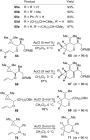
Scheme 28: Gold-catalyzed cycloisomerization of cyclopropene-enes.

Scheme 29: Gold-catalyzed cycloisomerization of cyclopropene-ynes.

Scheme 30: Formation of products arising from a double cleavage process in the gold-catalyzed cycloisomerizati...

Scheme 31: Gold-catalyzed cycloisomerization of cyclopropene-ynes involving a double cleavage process.

Scheme 32: Gold-catalyzed reaction of cyclopropene-ynes, cyclopropene-enes and cyclopropene-allenes.
A review of new developments in the Friedel–Crafts alkylation – From green chemistry to asymmetric catalysis
- Magnus Rueping and
- Boris J. Nachtsheim
Beilstein J. Org. Chem. 2010, 6, No. 6, doi:10.3762/bjoc.6.6
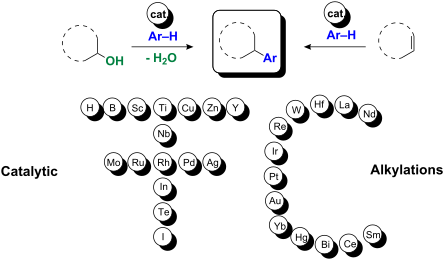
- , or styrenes, can be used instead of toxic benzyl halides. Additionally, only low catalyst loadings are needed to provide a wide range of products. Following a short introduction about the origin and classical definition of the Friedel–Crafts reaction, the review will describe the different
- environmentally benign substrates which can be applied today as an approach towards greener processes. Additionally, the first diastereoselective and enantioselective Friedel–Crafts-type alkylations will be highlighted. Keywords: allyl alcohols; arene; asymmetric Friedel–Crafts reaction; benzyl alcohols; Friedel

Graphical Abstract

Scheme 1: AlCl3-mediated reaction between amyl chloride and benzene as developed by Friedel and Crafts.

Figure 1: Most often used metal salts for catalytic FC alkylations and hydroarylations of arenes.

Figure 2: 1,1-diarylalkanes with biological activity.

Scheme 2: Alkylating reagents and side products produced.

Scheme 3: Initially reported TeCl4-mediated FC alkylation of 1-penylethanol with toluene.

Scheme 4: Sc(OTf)3-catalyzed FC benzylation of arenes.

Scheme 5: Reductive FC alkylation of arenes with arenecarbaldehydes.

Scheme 6: Iron(III)-catalyzed FC benzylation of arenes and heteroarenes.

Scheme 7: A gold(III)-catalyzed route to beclobrate.

Scheme 8: Catalytic FC-type alkylations of 1,3-dicarbonyl compounds.

Scheme 9: Iron(III)-catalyzed synthesis of phenprocoumon.

Scheme 10: Bi(OTf)3-catalyzed FC alkylation of benzyl alcohols developed by Rueping et al.

Scheme 11: (A) Bi(OTf)3-catalyzed intramolecular FC alkylation as an efficient route to substituted fulvenes. ...

Scheme 12: FC-type glycosylation of 1,2-dimethylindole and trimethoxybenzene.

Scheme 13: FC alkylation with highly reactive ferrocenyl- and benzyl alcohols. The reaction proceeds even with...

Scheme 14: Reductive FC alkylation of arenes with benzaldehyde and acetophenone catalyzed by the Ir-carbene co...

Scheme 15: Formal synthesis of 1,1-diarylalkanes from benzyl alcohols and styrenes.

Scheme 16: (A) Mo-catalyzed hydroarylation of styrenes and cyclohexenes. (B) Hydroalkylation–cyclization casca...

Scheme 17: Bi(III)-catalyzed hydroarylation of styrenes with arenes and heteroarenes.

Scheme 18: BiCl3-catalyzed ene/FC alkylation reaction cascade – A fast access to highly arylated dihydroindene...

Scheme 19: Au(I)/Ag(I)-catalyzed hydroarylation of indoles with styrenes, aliphatic and cyclic alkenes.

Scheme 20: First transition-metal-catalyzed ortho-hydroarylation developed by Beller et al.

Scheme 21: (A) Ti(IV)-mediated rearrangement of an N-benzylated aniline to the corresponding ortho-alkylated a...

Scheme 22: Dibenzylation of aniline gives potentially useful amine-based ligands in a one-step procedure.

Scheme 23: FC-type alkylations with allyl alcohols as alkylating reagents – linear vs. branched product format...

Scheme 24: (A) First catalytic FC allylation and cinnamylation using allyl alcohols and its derivatives. (B) E...

Scheme 25: FC allylation/cyclization reaction yielding substituted chromanes.

Scheme 26: Synthesis of (all-rac)-α-tocopherol utilizing Lewis- and strong Brønsted-acids.

Scheme 27: Au(III)-catalyzed cinnamylation of arenes.

Scheme 28: “Exhaustive” allylation of benzene-1,3,5-triol.

Scheme 29: Palladium-catalyzed allylation of indole.

Scheme 30: Pd-catalyzed synthesis of pyrroloindoles from L-tryptophane.

Scheme 31: Ru(IV)-catalyzed allylation of indole and pyrroles with unique regioselectivity.

Scheme 32: Silver(I)-catalyzed intramolecular FC-type allylation of arenes and heteroarenes.

Scheme 33: FC-type alkylations of arenes using propargyl alcohols.

Scheme 34: (A) Propargylation of arenes with stoichiometric amounts of the Ru-allenylidene complex 86. (B) Fir...

Scheme 35: Diruthenium-catalyzed formation of chromenes and 1H-naphtho[2,1-b]pyrans.

Scheme 36: Rhenium(V)-catalyzed FC propargylations as a first step in the total synthesis of podophyllotoxin, ...

Scheme 37: Scandium-catalyzed arylation of 3-sulfanyl- and 3-selanylpropargyl alcohols.

Scheme 38: Synthesis of 1,3-diarylpropynes via direct coupling of propargyl trichloracetimidates and arenes.

Scheme 39: Diastereoselective substitutions of benzyl alcohols.

Scheme 40: (A) First diastereoselective FC alkylations developed by Bach et al. (B) anti-Selective FC alkylati...

Scheme 41: Diastereoselective AuCl3-catalyzed FC alkylation.

Scheme 42: Bi(OTf)3-catalyzed alkylation of α-chiral benzyl acetates with silyl enol ethers.

Scheme 43: Bi(OTf)3-catalyzed diastereoselective substitution of propargyl acetates.

Scheme 44: Nucelophilic substitution of enantioenriched ferrocenyl alcohols.

Scheme 45: First catalytic enantioselective propargylation of arenes.
Synthesis and redox behavior of new ferrocene- π-extended- dithiafulvalenes: An approach for anticipated organic conductors
- Abdelwareth A. O. Sarhan,
- Omar F. Mohammed and
- Taeko Izumi
Beilstein J. Org. Chem. 2009, 5, No. 6, doi:10.3762/bjoc.5.6
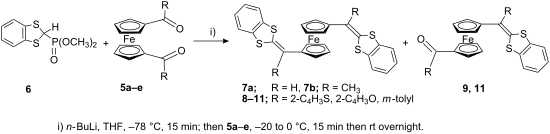
- In conclusion, a number of 1,1′-substituted diacylferrocenes 5a–e were synthesized by Friedel–Crafts reaction. Their structures were confirmed by spectral analyses and were in satisfactory agreements with those reported in literature. Some new 1,1′-bis(1,3-DTF)Fc’s and Fc-DTFs were made as

Graphical Abstract

Figure 1: Donors and acceptor compounds.

Scheme 1: Synthesis of π-extended dithiafulvalenes 7a and 7b. i) n-BuLi/THF, −78 °C, 15 min, then rt, overnig...

Scheme 2: Synthesis of π-extended dithiafulvalenes 8 and 9. i) 6, n-BuLi, THF, −78 °C, 15 min; then, 5c, −78 ...

Scheme 3: Synthesis of π-extended dithiafulvalenes 10. i) 6, n-BuLi, THF, −78 °C, 15 min; then 5d, −20 to 0 °...

Scheme 4: Synthesis of π-extended dithiafulvalenes 11 and dithiafulvalene 12. i) 6, n-BuLi, THF, −78 °C, 15 m...

Figure 2: Cyclic voltammetry (CV) of compounds 8, 10 and 11 in CH2Cl2 at scan rate 100 mV.
Diels- Alder reactions using 4,7-dioxygenated indanones as dienophiles for regioselective construction of oxygenated 2,3-dihydrobenz[f]indenone skeleton
- Natsuno Etomi,
- Takuya Kumamoto,
- Waka Nakanishi and
- Tsutomu Ishikawa
Beilstein J. Org. Chem. 2008, 4, No. 15, doi:10.3762/bjoc.4.15
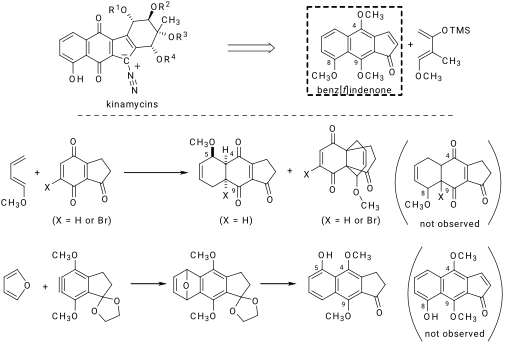
- ], regioselective synthesis of 4,8,9-trioxygenated 2,3-dihydrobenz[f]indenone 4 [22] was a key issue, which was achieved via C ring construction with intramolecular Friedel-Crafts reaction of naphthalenepropanoic acid 5 (path A, Scheme 1) [23]. However, the utilization of a stoichiometric amount of expensive silver
- ). Intramolecular Friedel-Crafts reaction of 2,5-dimethoxybenzenepropanoic acid (15) and the 4-brominated derivative 16 [31], by a procedure modified from the synthesis of 4 [23], afforded the corresponding indanones 17 and 18. Cerium ammonium nitrate (CAN) oxidation [32] of indanone 17 smoothly afforded

Graphical Abstract

Figure 1: The structure of kinamycins.

Scheme 1: Retrosynthesis of kinamycins.

Scheme 2: Synthesis of quinones 8 and 12 and the acetals 13 and 14. Reagents and conditions: a) P2O5, CH3SO3H...

Figure 2: Selected HMBC correlations (lines) and NOE enhancements (dash) on 21 (a) and on 22 (b).

Scheme 3: DAR of benzyne 10 and furan (9). Reagents and conditions: a) ethylene glycol, PPTS, benzene, reflux...

Figure 3: Selected HMBC correlations (a) and NOE enhancements (b) on the ring-opened product 27.

Figure 4: Transition states supposed for the regioselective DAR via quinone route.

Figure 5: Representative LUMO coeffients of quinones 8 and 12 (a) and their reaction courses with diene 7 (b)....

Scheme 4: The proposed mechanism for the acid-induced ring opening of epoxynaphthalene 29 by Giles et al. [19].

Scheme 5: Supposed reaction pathways for the acid-induced ring opening of 11.



