Search results
Search for "binding" in Full Text gives 989 result(s) in Beilstein Journal of Organic Chemistry. Showing first 200.
Microwave-enhanced additive-free C–H amination of benzoxazoles catalysed by supported copper
Beilstein J. Org. Chem. 2025, 21, 1462–1476, doi:10.3762/bjoc.21.108
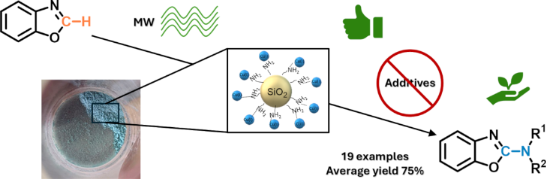
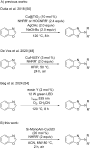
- binding to the metal, but also positively influences its reactivity. The influence of MW irradiation on reducing the reaction time was investigated using the SynthWave MW reactor, and reactions were performed under 5 bar of air to avoid the evaporation of the solvent at 80 °C, with this also potentially



Advances in nitrogen-containing helicenes: synthesis, chiroptical properties, and optoelectronic applications
Beilstein J. Org. Chem. 2025, 21, 1422–1453, doi:10.3762/bjoc.21.106
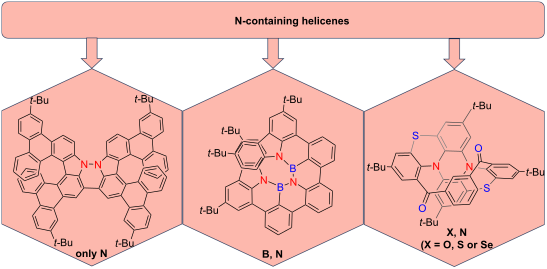
- −1 (Table 3). Importantly, both dimers displayed selective fluoride ion recognition through hydrogen bonding, with (M,M)-12c exhibiting a high binding constant (Ka = 2 × 10⁵ M−1). The resulting [12c·F−] and [12d·F−] complexes exhibited red-shifted circular dichroism (CD), fluorescence, and CPL

Enhancing chemical synthesis planning: automated quantum mechanics-based regioselectivity prediction for C–H activation with directing groups
Beilstein J. Org. Chem. 2025, 21, 1171–1182, doi:10.3762/bjoc.21.94
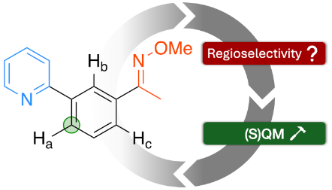
- the user to refine the prediction by running r2SCAN-3c single-point calculations on the lowest-energy conformer of each complex within the energy threshold using ORCA [23][24]. This allows us to refine the predicted binding sites at a higher level of theory when this is required. Results In the


Gold extraction at the molecular level using α- and β-cyclodextrins
Beilstein J. Org. Chem. 2025, 21, 1116–1125, doi:10.3762/bjoc.21.89
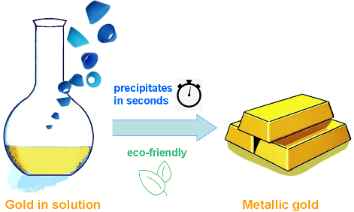
- several methods, with 1H NMR titrations revealing a 1:1 stoichiometry in D2O (thus, 1:1 being preferential in solution). The binding constant (Ka) between Au(CN)2− and α-CD in D2O was determined to be 8.1 × 10⁴ M. Titration calorimetry produced a binding constant value of 1.5 × 10⁴ M for the 1:1 complex


A versatile route towards 6-arylpipecolic acids
Beilstein J. Org. Chem. 2025, 21, 1104–1115, doi:10.3762/bjoc.21.88
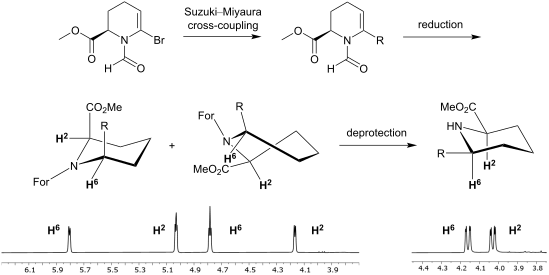
- important role as building blocks for peptide synthesis [1][2][3][4][5], as organocatalysts [6][7][8][9][10] and as enzyme inhibitors [4][11][12][13]. The incorporation of such amino acids into peptides can, for example, influence peptide conformation, the binding affinity to receptors [14], as well as





Supramolecular assembly of hypervalent iodine macrocycles and alkali metals
Beilstein J. Org. Chem. 2025, 21, 1095–1103, doi:10.3762/bjoc.21.87
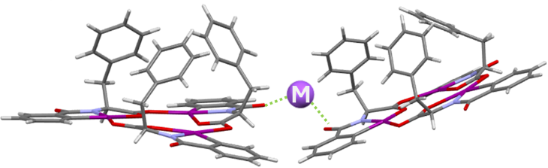
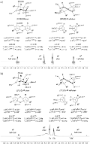
- at Urbana-Champaign, Urbana, IL, 61801, United States 10.3762/bjoc.21.87 Abstract This study explores the solution- and solid-state assembly of phenylalanine-based hypervalent iodine macrocycles (HIMs) with lithium and sodium cations. The metal cation binding of HIMs was evaluated by addition of
- °, displaying a closer arrangement of two HIMs. In contrast, the sodium complex exhibits a more open orientation of two HIMs with an oxygen–sodium–oxygen bond angle close to 167.98°. Lastly, a comparative study of association constants and binding energies for phenylalanine-based HIM with LiBArF20 and NaBArF24
- Buckminster fullerene into long range assembled structures (Figure 1B) [20]. In this contribution, we explored the cation binding abilities of HIMs with first group alkali metals such as lithium and sodium. The phenylalanine-based HIM 1 used in this study was re-synthesized following the previously reported


Dicarboxylate recognition based on ultracycle hosts through cooperative hydrogen bonding and anion–π interactions
Beilstein J. Org. Chem. 2025, 21, 884–889, doi:10.3762/bjoc.21.72
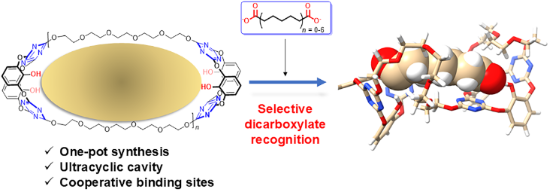
- Sciences, Beijing 100049, China 10.3762/bjoc.21.72 Abstract The efficient binding of dicarboxylates represents an important yet challenging issue in supramolecular chemistry. In this study, we designed functional ultracycles as hosts to accommodate large organic dicarboxylate anions. These ultracycles
- were synthesized via a one-pot strategy starting from macrocyclic precursors. Host–dicarboxylate binding was investigated using 1H NMR titrations, revealing that B4aH exhibits strong binding affinities toward a series of dicarboxylates, with association constants reaching up to 6896 M−1. The
- carbon skeletons of many dicarboxylates make selective recognition particularly difficult. To address these challenges, we envisioned that ultracycles composed of macrocycles with anion-binding capabilities could serve as suitable hosts for efficient and selective dicarboxylate recognition. In this study


Data accessibility in the chemical sciences: an analysis of recent practice in organic chemistry journals
Beilstein J. Org. Chem. 2025, 21, 864–876, doi:10.3762/bjoc.21.70

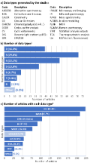
- data, but only 47 shared any primary data at all (Figure 3a). Of these, most (39) shared ‘MODEL’ data derived from in silico modelling – i.e., Cartesian coordinates associated with modelled structures in thermochemical calculations or binding studies (Figure 3b). 72% of these coordinates were given in





Unraveling cooperative interactions between complexed ions in dual-host strategy for cesium salt separation
Beilstein J. Org. Chem. 2025, 21, 845–853, doi:10.3762/bjoc.21.68

- dual-host systems for selective ion separation. Keywords: anion binding; cesium extraction; dual-host strategy; ion-pair interaction; solid–liquid extraction; Introduction Ion-pair interaction, defined as the electrostatic attraction between a positively charged cation and a negatively charged anion
- , is prevalent across various disciplines including biology, chemistry, materials science, and ion batteries [1][2][3]. Fundamental understanding of ion-pairing can help to regulate their roles and relevant applications in chemical catalysis, battery performance, and ion binding, transport and
- separation [4][5][6][7][8]. Building on the extensive research into anion and cation receptors within the realm of supramolecular chemistry [9][10][11][12], numerous heteroditopic ion-pair receptors have been elaborately developed [13][14][15]. These receptors, consisting of binding sites for both anions and


4-(1-Methylamino)ethylidene-1,5-disubstituted pyrrolidine-2,3-diones: synthesis, anti-inflammatory effect and in silico approaches
Beilstein J. Org. Chem. 2025, 21, 817–829, doi:10.3762/bjoc.21.65

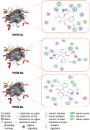
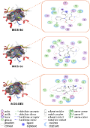
- interactions also contribute to the stabilization of the ligand–iNOS complexes. In particular, 4-(1-methylamino)ethylidene-5-phenyl-1-(3-nitrophenyl)pyrrolidine-2,3-dione (5e) exhibited the strongest binding affinity (−9.51 kcal/mol) and demonstrated significant inhibitory activity against nitric oxide (NO
- ]ethylidene-1,5-disubstituted pyrrolidine-2,3-diones and methylamine. All studied compounds were successively investigated to what extent they inhibit nitric oxide (NO) production in LPS-stimulated RAW264.7 macrophages. In addition, a molecular docking simulation was performed to examine the binding
- ligands (Figure 4 and Figure 5). Additionally, dexamethasone (DEX) was employed as an experimental control for comparative purposes [34][35][36]. The docking scores (DS), reported in Table 5 as binding affinities, reveal that negative DS values correspond to stronger binding affinities between the ligand


Development and mechanistic studies of calcium–BINOL phosphate-catalyzed hydrocyanation of hydrazones
Beilstein J. Org. Chem. 2025, 21, 755–765, doi:10.3762/bjoc.21.59
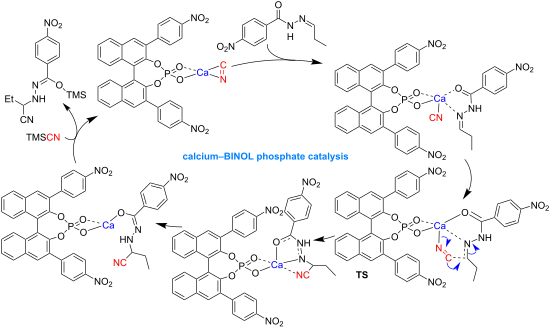
- competition between Ca-hydrazone and Ca–THF binding. Considering smoothness of catalytic hydrazone hydrocyanation, similar hydrofluorination or hydroiodination seemed feasible. However, replacement of TMSCN by TMSF or TMSI did not give any product. After establishing the activity of the model achiral catalyst
- set out to elucidate it by using DFT computations (Figure 2). As we have chosen as substrate in our experiments a self-prepared mixture of E- and Z-isomers (9:1) of N-acyl hydrazone 1, which allows for additional binding to oxophilic calcium via the carbonyl oxygen, we did not know a priori which of
- -tetrahedral coordination environment with cyanide, stemming from a common reagent (vide infra) and binding to the metal in a preferred side-on (π-complex) mode [54]. When the hydrazone substrate enters the catalytic cycle, it coordinates also as a bidentate ligand to calcium via oxygen and nitrogen atoms


Orthogonal photoswitching of heterobivalent azobenzene glycoclusters: the effect of glycoligand orientation in bacterial adhesion
Beilstein J. Org. Chem. 2025, 21, 736–748, doi:10.3762/bjoc.21.57
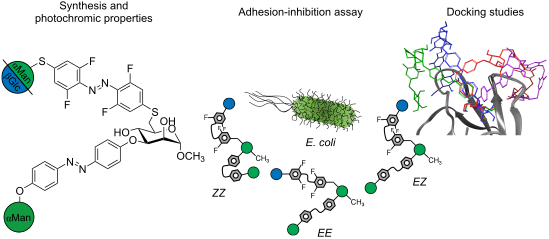
- the structural determinants of the recognition process is a prerequisite for understanding and manipulating carbohydrate–protein interactions, such as in the inhibition of carbohydrate-specific bacterial adhesion. For receptor binding, glycoligands have to be properly oriented in three-dimensional
- - and heteromultivalency effects are crucial [8][9][10][11][12], but also many other aspects of glycoligand presentation govern carbohydrate recognition. Interestingly, even a subtle structural variation in heterobivalent glycoclusters can result in unexpected differences in lectin binding due to
- diverse interactions with primary and secondary carbohydrate binding sites of the protein [13]. For example, when an α-ᴅ-mannopyranosyl (Man) and a β-ᴅ-glucopyranosyl (Glc) unit were conjugated such that the relative orientation of the two sugar portions is varied – be it on enantiomeric or regioisomeric


Synthesis of HBC fluorophores with an electrophilic handle for covalent attachment to Pepper RNA
Beilstein J. Org. Chem. 2025, 21, 727–735, doi:10.3762/bjoc.21.56
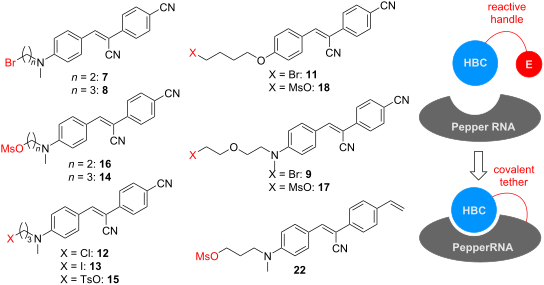
- are non-covalently bound to their fluorophore and despite high (usually nanomolar) binding affinities this can pose problems for RNA live-cell imaging. For instance, diffusion of the ligand and non-specific binding lead to unfavorable background and/or signal loss [10]. To address these problems, our
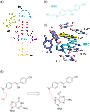
- fluorophore derivatives bind the Pepper aptamer with affinities in the low nanomolar range [12]. Crystal structure analyses revealed that in the ligand binding pocket, a characteristic hydrogen bond is formed between the hydroxy group of the N-hydroxyethyl substituent of HBC and the N7 of G41 [12][13]. We
- -dimensional structure of the Pepper binding site with a bound HBC derivative (pdb code 7EOM). The hydrogen bond between N7 of guanine in position 41 (G41) and the hydroxy group of HBC is highlighted as gray dashed line [12]; d) concept for covalent attachment of HBC fluorophores to the N7 atom of G41 of the



Acyclic cucurbit[n]uril bearing alkyl sulfate ionic groups
Beilstein J. Org. Chem. 2025, 21, 717–726, doi:10.3762/bjoc.21.55
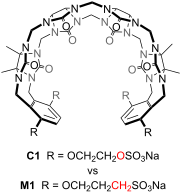
- acyclic CB[n] are not macrocycles, they are preorganized into a C-shaped geometry by virtue of their polycyclic chemical structure and display binding affinities approaching those of macrocyclic CB[n]. M1 and analogues display outstanding biocompatibility and have been used for a number of in vivo
- ][66][67]. Previously, we have studied the influence of the length of the O(CH2)nSO3Na sidearm (n = 0, 2, 3, 4) and found that the M0 host – where the hydrophobic linker (CH2)n was completely removed – displayed higher binding affinity than M1 which we attributed to the location of the ionic group
- spectroscopy and quantitative investigation by isothermal titration calorimetry (ITC). Finally, we discuss the trends in binding affinity observed for C1·guest and M1·guest complexation. Design, synthesis and characterization of C1 In order to disentangle the effects of the ionic group (sulfonate versus




Origami with small molecules: exploiting the C–F bond as a conformational tool
Beilstein J. Org. Chem. 2025, 21, 680–716, doi:10.3762/bjoc.21.54
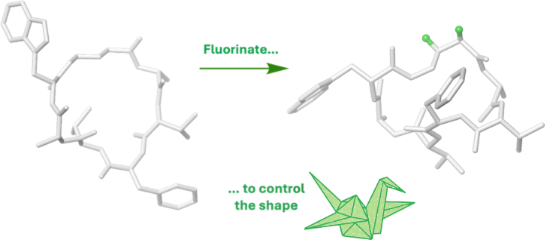
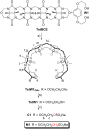
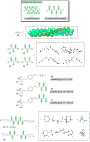
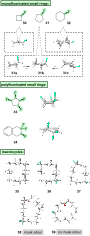
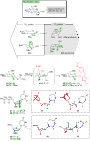
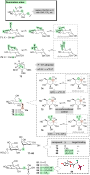
- composition such that the new molecule has a better-defined three-dimensional shape. Such “small molecule origami” can offer practical benefits. For example, if a drug molecule is pre-organised into the target-binding conformation, it should exhibit the desirable twin characteristics of high potency (since
- target binding will incur little entropic cost) and high selectivity (since off-target interactions will be minimised) [1]. There are several methods by which the conformations of small molecules can be controlled, but in this review we will focus upon one particular method, which is the installation of
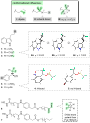
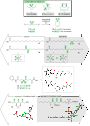
- potent across a panel of HDAC isoforms than the erythro-isomer 17, and this was taken as evidence that an extended zigzag conformation of the alkyl chain is required for binding to HDAC. If two fluorines are introduced into the middle of an alkyl chain in a 1,3-pattern, a new conformational effect








Photocatalyzed elaboration of antibody-based bioconjugates
Beilstein J. Org. Chem. 2025, 21, 616–629, doi:10.3762/bjoc.21.49
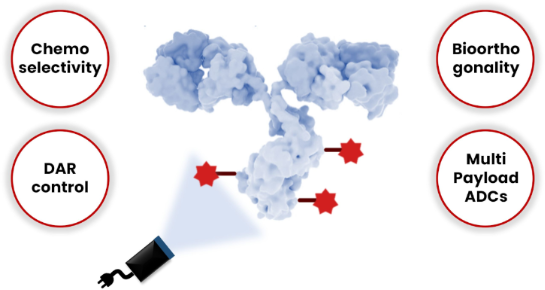
- unconjugated and “overloaded” antibodies. Unconjugated antibodies compete with antibodies containing payloads for binding, which can diminish the effectiveness of the antibody-payload materials. On the other hand, excessive loading of the antibody can lead to antibody aggregation, increased toxicity, decreased
- of the ArM significantly enhances the potential of the photocatalyst for antibody modification [43]. By inserting a [Ru(bpy)2dppz]2+ complex into the apo-form of riboflavin-binding protein (RFBP), a complete reversal of selectivity was achieved: the Ru complex alone enabled tyrosine modification via
- disulfide bridging sites in biomolecules to introduce specific functional groups (Figure 6) [44]. The bioconjugation reaction is based on thiol–yne coupling. Originally developed on peptides and proteins, this approach was applied to a fragment antigen-binding (Fab) antibody fragment (approximately 46 kDa


Semisynthetic derivatives of massarilactone D with cytotoxic and nematicidal activities
Beilstein J. Org. Chem. 2025, 21, 607–615, doi:10.3762/bjoc.21.48
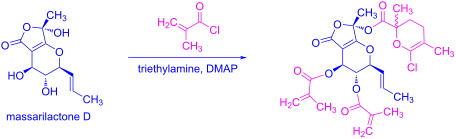
- cytotoxic activity of natural products by increasing the hydrophobicity, enhancing cell membrane permeability and binding affinity with intracellular targets [26]. Structure–activity relationships analysis of both hemisynthetic products 2 and 3 revealed a shared conjugated methylene olefinic function that


Binding of tryptophan and tryptophan-containing peptides in water by a glucose naphtho crown ether
Beilstein J. Org. Chem. 2025, 21, 541–546, doi:10.3762/bjoc.21.42
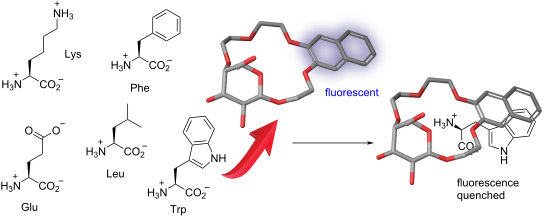
- binding of tryptophan is therefore important for diagnostic and medicinal applications. Recently, we reported a glucose naphtho crown ether which is a chemoselective receptor for the esters of aromatic amino acids, in particular tryptophan, in water. Herein, we demonstrate that the same compound also
- binds free tryptophan selectively in aqueous media. Furthermore, it is capable of binding to tryptophan within model tripeptides. The naphthalene functionality in the glucose-derived receptor enables the study of guest binding using fluorescence spectroscopy. Keywords: amino acids; macrocyclic
- binding of tryptophan in water [9]. However, the development of selective amino acid receptors in aqueous environments is challenging since it requires a combination of hydrophobic and polar interactions for binding [10][11][12]. As a result, the number of reported selective receptors for tryptophan in


Cryptophycin unit B analogues
Beilstein J. Org. Chem. 2025, 21, 526–532, doi:10.3762/bjoc.21.40
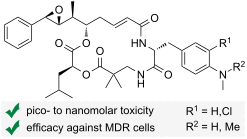
- ] and likely hints to favoured hydrophobic interactions around the binding pocket at unit B and D. In comparison, the cytotoxicity of Alloc-protected amine 26 decreased significantly (IC50 (KB-3-1) = 374 nM), which could be due to higher steric bulk as this is known to be less well tolerated; cf. unit B



Synthesis of electrophile-tethered preQ1 analogs for covalent attachment to preQ1 RNA
Beilstein J. Org. Chem. 2025, 21, 483–489, doi:10.3762/bjoc.21.35
- . PreQ1 riboswitches sense the cellular concentration of preQ1 and regulate the expression of downstream located genes associated with the biosynthesis or transport of Q in a feedback-like manner. Binding of PreQ1 to the mRNA causes the riboswitch to commit an altered folding pathway, which affects the
- transcription or translation of the mRNA and results in altered transcript and/or protein levels [5]. In recent years, there has been a growing interest in the modification of preQ1. preQ1 derivatives, preQ1 analogs and mimics of preQ1 have greatly expanded our understanding of preQ1-binding biomolecules, such
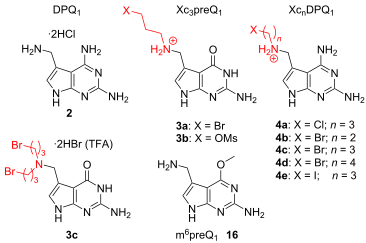
- vitro and in living cells using rationally designed electrophile-tethered derivatives of preQ1 (1) and its Watson–Crick diamino-faced counterpart DPQ1 (2, Scheme 1A). These ligands (compound classes 3 and 4, Scheme 1A) were tailored to target a conserved guanine nucleobase within a natural preQ1-binding


Beyond symmetric self-assembly and effective molarity: unlocking functional enzyme mimics with robust organic cages
Beilstein J. Org. Chem. 2025, 21, 421–443, doi:10.3762/bjoc.21.30
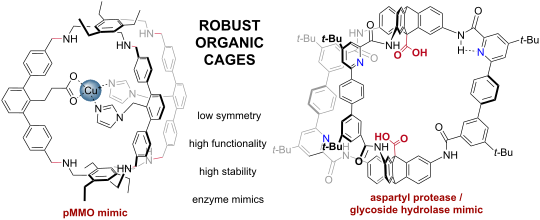
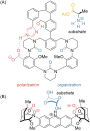
- catalysis has fared best using approaches such as destabilizing ground states by constrictive binding, guiding molecular collisions to reduce large entropic costs (e.g., pericyclic reactions), and broad, undirected coulombic stabilization of charged transition states [36], for example of cations by
- water (Figure 2A) [71][72][73], or by binding a hydrophobic substrate and holding it close to a functional(ized) rim (e.g., as in cyclodextrins) that performs a reaction (Figure 2B) [74][75][76][77][78][79]. These effects are driven mostly by effective concentration/molarity (i.e., proximity of reacting
- groups) with little [73], if any, transition-state binding [36][80][81]. Thus, these macrocycles depend on the catalytic concept of organization; polarization is a minor contributor. Size-exclusion and regioselective outcomes are possible [56][82][83][84][85], and symmetric arrays of chiral units (like




Synthesis, structure, ionochromic and cytotoxic properties of new 2-(indolin-2-yl)-1,3-tropolones
Beilstein J. Org. Chem. 2025, 21, 358–368, doi:10.3762/bjoc.21.26
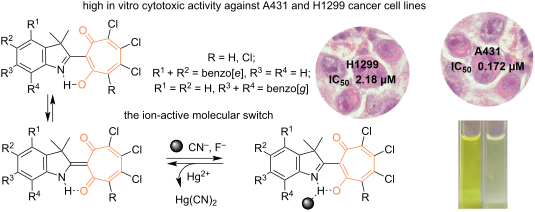
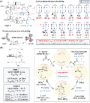
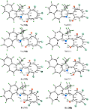
- h. *Significant difference compared to control samples, p < 0.05. Synthesis of 2-hetaryl-substituted 1,3-tropolones 1. Synthesis of 1,3-tropolones 7a,b and 8a,b. Reagents and conditions: method A: dioxane, reflux; method B: AcOH, 40–50 °C. Possible binding mode of 7 and 8 with CN− and F−. Total




Antibiofilm and cytotoxic metabolites from the entomopathogenic fungus Samsoniella aurantia
Beilstein J. Org. Chem. 2025, 21, 327–339, doi:10.3762/bjoc.21.23
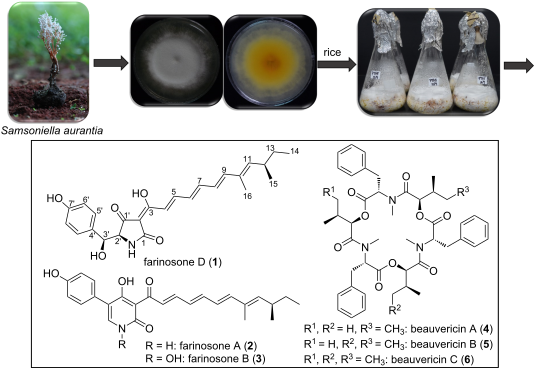
- surfaces and the subsequent accumulation to form multilayered cell clusters [17]. To investigate the action of farinosones D (1) and A (2) on planktonic cells and their adherence to the substrate, growth curve and fibrinogen binding assay were conducted. The findings obtained from these assays demonstrated
- Information File 1). Additionally, in fibrinogen binding assay, both compounds reduced the initial attachment of planktonic cells by approximately 30% at a concentration of 62.5 µg/mL (Figure S1C, Supporting Information File 1). Based on the results of fibrinogen binding assay (Figure S1C, Supporting
- Information File 1), it is likely that the activity of farinosones D (1) and A (2) does not interfere with the factors essential for fibronectin binding, particularly the fibronectin-binding proteins such as fibronectin binding protein (FnBPA and B) [18]. FnBPs are adhesions and are known to play a key role


Quantifying the ability of the CF2H group as a hydrogen bond donor
Beilstein J. Org. Chem. 2025, 21, 189–199, doi:10.3762/bjoc.21.11
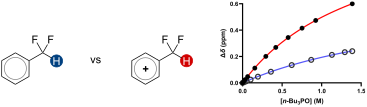
- . We expect this information to be useful for the rational application of the CF2H group in drug development and molecular design. Previous quantum mechanical calculations revealed that the CF2H···O binding energy (ΔE) ranges from 1.0 kcal/mol to 5.5 kcal/mol [14][15][18][21]. In addition, as measured
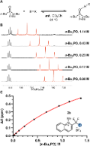
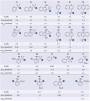
- inconsistent with the corresponding A values (Table 1), which typically provide reliable measurements of the HB donation ability of neutral compounds. We attribute the inconsistency to several factors. First, because the binding affinity is determined solely by the absorbance change of Reichardt's dye, the
- constructs. Although many of the CF2H HB donors studied here can promote relatively strong hydrogen bonding interactions with n-Bu3PO, even the strongest CF2H HB donor (3b) is still 30 times weaker than phenol (10), corresponding to about a 2 kcal/mol reduction in binding energy at 25 °C. These results



Hydrogen-bonded macrocycle-mediated dimerization for orthogonal supramolecular polymerization
Beilstein J. Org. Chem. 2025, 21, 179–188, doi:10.3762/bjoc.21.10
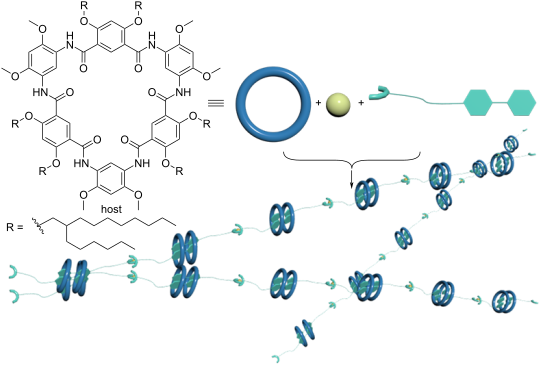
- effectively applied to form orthogonal supramolecular polymers. The macrocycle-mediated connectivity was confirmed by single-crystal X-ray diffraction, which revealed a unique 2:2 binding motif between host and guest, bridged by two cationic pyridinium end groups through π-stacking interactions and other
- capable of dimerization by binding to a macrocycle in a 2:2 stoichiometry [22][23]. Such binding motifs are intriguing for macrocycle-mediated supramolecular dimerization since they may enable multiple modes of noncovalent connectivity through combination with other noninterfering interactions (e.g
- amide macrocycle with six aromatic residues (hereafter called cyclo[6]aramide for brevity, Scheme 1a) could mediate dimerization as a host. That is because such a 2D macrocycle has six carbonyl oxygen atoms pointing inwards as binding sites, demonstrating excellent affinity for cationic organic guests