


Search results
Search for "control" in Full Text gives 1627 result(s) in Beilstein Journal of Organic Chemistry. Showing first 200.
Sustainable electrochemical synthesis of aliphatic nitro-NNO-azoxy compounds employing ammonium dinitramide and their in vitro evaluation as potential nitric oxide donors and fungicides
Beilstein J. Org. Chem. 2025, 21, 2739–2754, doi:10.3762/bjoc.21.211
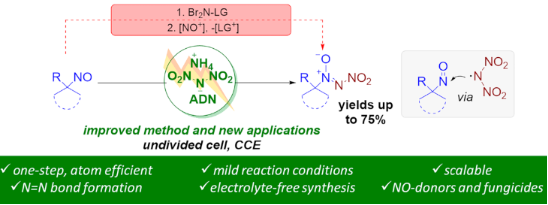
- , electroorganic synthesis has become a powerful and reliable strategy for the functionalization of organic compounds under green and mild reaction conditions [36][37][38][39]. The control of selectivity through the variation of parameters such as current, voltage, electrolyte, electrodes, and the type of
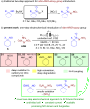
- product nitro-NNO-azoxy propane 2a exhibits an oxidation peak at +1.68 V (Figure 2, pink curve). Despite the lower oxidation potential of 2a, we speculate that an excess of ADN suppresses competitive oxidation of the reaction product. To gain insight into the reaction mechanism, control experiments were
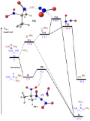
- calculations were performed [93] on ωB97X-3c [94] /CPCM(MeCN) level of theory (Figure 3). Based on cyclic voltammetry data, control experiments, and our previous study, the mechanism of the electrochemical synthesis of nitro-NNO-azoxy compounds 2 was proposed (Figure 3, Scheme 5). The reaction starts from





Total synthesis of asperdinones B, C, D, E and terezine D
Beilstein J. Org. Chem. 2025, 21, 2730–2738, doi:10.3762/bjoc.21.210
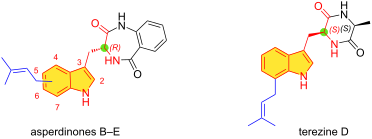
- ]. For example, using 1 equivalent of reagent 29, the cross-coupling of 3-iodo-6-prenyl-N-acetylindole (27) led to the adduct 32 in 52% yield accompanied by the reduced product 37 in 30% and the dehydro product 38 in 10% yield. Control experiments revealed that the iodozinc reagent from 29 was unaffected
- - and allylindoles. Markovnikov hydrochlorination and hydrotrifluoroacetylation. Synthesis of asperdinones B–E 1–4. Control experiment. Control experiment of the Negishi cross-coupling reaction. Synthesis of terezine D and ent-asperdinone E. Supporting Information Supporting Information File 18


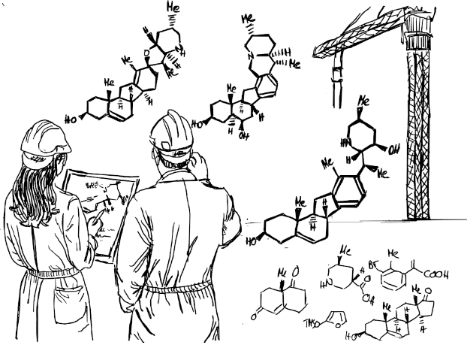
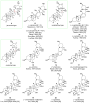
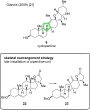
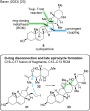
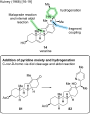
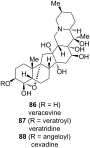
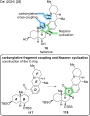
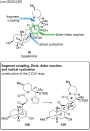
Recent advancements in the synthesis of Veratrum alkaloids
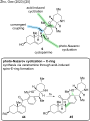
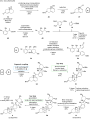
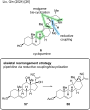
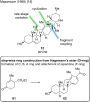
Beilstein J. Org. Chem. 2025, 21, 2657–2693, doi:10.3762/bjoc.21.206







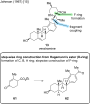

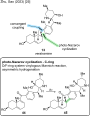

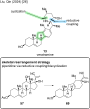

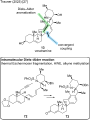






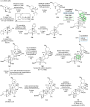
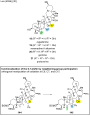
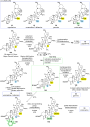
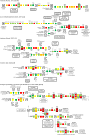
Silica gel with covalently attached bambusuril macrocycle for dicyanoaurate sorption from water
Beilstein J. Org. Chem. 2025, 21, 2604–2611, doi:10.3762/bjoc.21.201
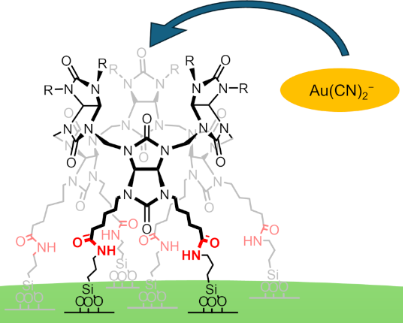
- ; gold mining; macrocycles; Introduction Inorganic anions play essential roles in a variety of biological and biochemical mechanisms and are also involved in many industrial and manufacturing processes. Due to their significant environmental impact, it is important to monitor their presence and control


Total syntheses of highly oxidative Ryania diterpenoids facilitated by innovations in synthetic strategies
Beilstein J. Org. Chem. 2025, 21, 2553–2570, doi:10.3762/bjoc.21.198
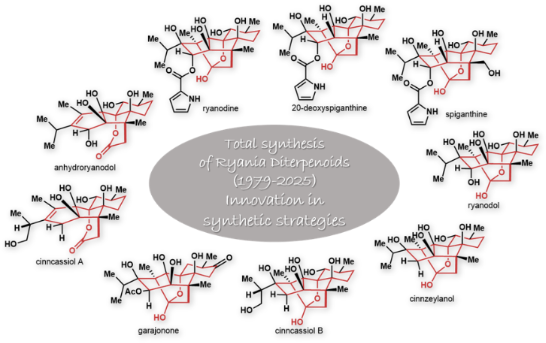
- pericyclic reactions [31][32][33][34][35][36][37][38][39][40][41][42][43][44], to control the formation of the crucial C5 chiral center precisely. Subsequent oxidative cleavage of the carbon–carbon double bond introduced in the Diels–Alder reaction, followed by an intramolecular aldol reaction, efficiently







Rapid access to the core of malayamycin A by intramolecular dipolar cycloaddition
Beilstein J. Org. Chem. 2025, 21, 2542–2547, doi:10.3762/bjoc.21.196
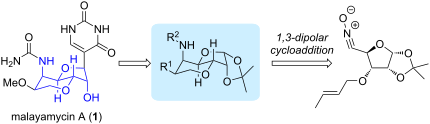
- as alternatives to existing fungicides as well as enhancing the control spectrum and persistence [3]. A group of scientists at Syngenta reported a bicyclic perhydrofuropyran C-nucleoside malayamycin A (1) from the soil bacterium Streptomyces malaysiensis [4] (Figure 1). This novel compound was found




Synthesis and characterization of a isothiouronium-calix[4]arene derivative: self-assembly and anticancer activity
Beilstein J. Org. Chem. 2025, 21, 2535–2541, doi:10.3762/bjoc.21.195
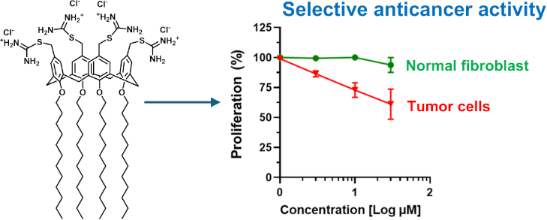
- compound 3 than healthy, non-malignant cells. In general, SI values above 12 are associated to remarkable selectivity, 6–12 to moderate selectivity and 1–5 to weak selectivity [43][47]. In contrast, the potent antineoplastic agent doxorubicin, used as the positive control for anticancer effects, did not
- the acridine orange staining assay. Briefly, cancer cells were seeded in 96-well plates and grown at optimum culture conditions for 72 h (at a confluence of ≈60–80%). Then, cells were treated with the indicated concentrations of compounds for additional 48 h. Control cells received an equal volume of
- kinetics in renal cancer 786O and skin fibroblast WS1 cells. Data represent the percentage of proliferation with respect to the correspondent vehicle DMSO controls. ***, p < 0.001 vs the respective vehicle control by 2-way ANOVA; ###, p < 0.001 vs correspondent WS1 conditions by 2-way ANOVA. B) Calculated


Pentacyclic aromatic heterocycles from Pd-catalyzed annulation of 1,5-diaryl-1,2,3-triazoles
Beilstein J. Org. Chem. 2025, 21, 2524–2534, doi:10.3762/bjoc.21.194
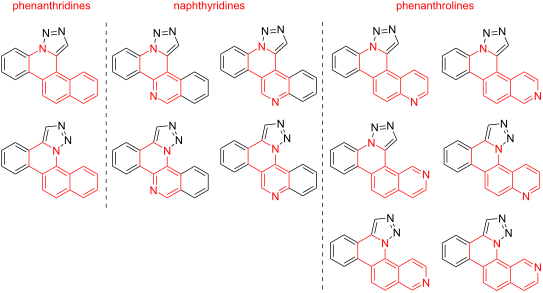
- observed for these annulated molecules, while their analogous non-annulated control compounds were not bioactive. Keywords: annulation; arenes; antimicrobials; fused-ring systems; UV–vis spectroscopy; Introduction Polycyclic aromatic heterocycles are a diverse class of small molecules with utility in a
- been reported. 1,5-Diaryl-1,2,3-triazole control compounds 37–42 were prepared via tandem deprotection/click reactions of TMS-protected alkynes with phenyl azide in yields similar to bromophenyl annulation precursors 7–12 and 25–30. Compounds 43–48, inverting the diaryltriazole connectivity, were
- signals in the aromatic region shift downfield significantly following annulation relative to both the bromoaryl synthetic precursor and control compound. Figure 5 illustrates this general trend by comparing annulated 18 with both its precursor 12 and its non-annulated control 42. Overall, each signal in


Isoorotamide-based peptide nucleic acid nucleobases with extended linkers aimed at distal base recognition of adenosine in double helical RNA
Beilstein J. Org. Chem. 2025, 21, 2513–2523, doi:10.3762/bjoc.21.193
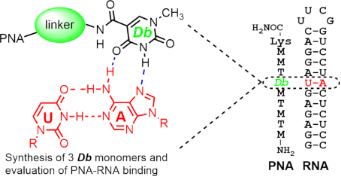
- nucleobases that showed enhanced triplex stability through cooperative effects compared to the control thymine base. In a follow up study, the pendant amide was removed from the Io core to determine the importance of the third hydrogen bond. To our surprise, these second-generation Io derivatives retained


Effect of a photoswitchable rotaxane on membrane permeabilization across lipid compositions
Beilstein J. Org. Chem. 2025, 21, 2498–2512, doi:10.3762/bjoc.21.192
- bacteria or malignant cells like cancer) [5][6], or to influence membrane protein function and thereby control cellular behavior [7][8]. One promising approach is the development of light-activated molecules that can modulate membrane properties upon irradiation, enabling remote activation with high
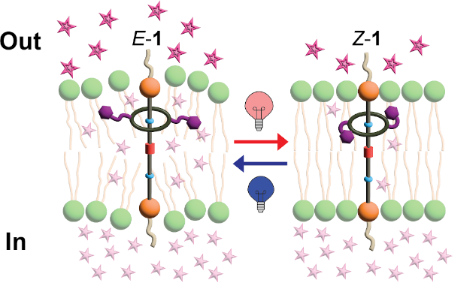
- permeabilization was assessed by monitoring the release of encapsulated sulforhodamine B dye, serving as a reporter for membrane perturbation. Specifically, we examined LUVs in the liquid-disordered (Ld), liquid-ordered (Lo), and gel (Lβ) phases. As control molecules, we also investigated the membrane perturbation
- , control rotaxane 2 [13] has the same dibenzo 24-crown-8 ring but lacks the azobenzene units. Both rotaxanes use axle 3, which consists of an amphiphilic chain with three positively charged sites serving as recognition sites for the macrocycle: two benzylalkylammonium groups (BAA) and one N




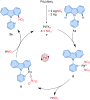
Palladium-catalyzed regioselective C1-selective nitration of carbazoles
Beilstein J. Org. Chem. 2025, 21, 2479–2488, doi:10.3762/bjoc.21.190
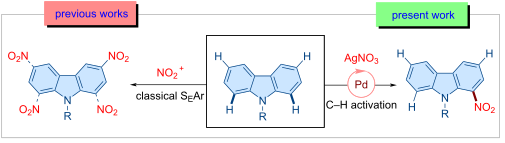
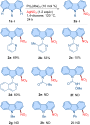
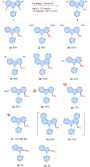
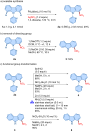
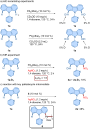
- failed to enhance the product 2a yield (Table 1, entry 10). Attempts to optimize the reaction temperature did not yield improvements either (Table 1, entry 11). Control experiments confirmed that both the palladium catalyst and AgNO3 are essential for the reaction to proceed, as omission of either
- 2-pyridyl group emerged as the most effective, enabling regioselective C1–H nitration to afford product 2a. Notably, control experiments using N-aryl-/N-alkyl-protected carbazoles and N-unsubstituted carbazole under standard conditions failed to produce the desired product. Substrate scope With the


Ex-situ generation of gaseous nitriles in two-chamber glassware for facile haloacetimidate synthesis
Beilstein J. Org. Chem. 2025, 21, 2465–2469, doi:10.3762/bjoc.21.188
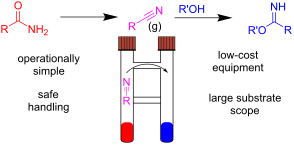
- their subsequent reaction with O-nucleophiles in the second chamber. The method is easy to setup, control and gives access to new haloacetimidates under mild conditions, similar to the ones used for the synthesis of the more commonly used trichloroacetimidates. Keywords: gaseous reagents; glycosyl


Conformational effects on iodide binding: a comparative study of flexible and rigid carbazole macrocyclic analogs
Beilstein J. Org. Chem. 2025, 21, 2369–2375, doi:10.3762/bjoc.21.181
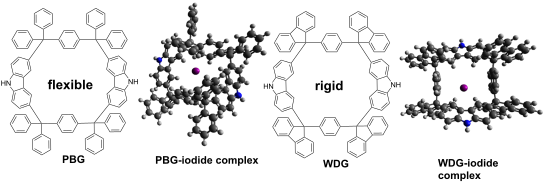
- . Additionally, as a control experiment, the interaction between carbazole molecules and iodide ions via UV–vis and PL spectroscopy (Figures S14 and S15 in Supporting Information File 1) were investigated. The results revealed no analogous regular trends, and the interactions could not be effectively modeled



Rotaxanes with integrated photoswitches: design principles, functional behavior, and emerging applications
Beilstein J. Org. Chem. 2025, 21, 2345–2366, doi:10.3762/bjoc.21.179

- for precise control over their structural, dynamic, and functional properties. By harnessing light as a non-invasive stimulus with high spatial and temporal resolution, these photoswitches allow for the modulation of the rotaxanes’ intra- and intermolecular interactions, optoelectronic properties, and
- resulting influence on rotaxane operation. Due to their architectural versatility and precise light control, photoswitchable rotaxanes hold promise for a broad range of applications, including light-responsive molecular machines, smart materials, and biofunctional systems. However, emerging applications
- increasingly require rethinking and developing new structural designs that incorporate more efficient and advanced photoswitches to fully realize their potential. Keywords: macrocycle; photoisomerization; photoswitches; rotaxanes; shuttling; Introduction Harnessing light energy to control intra- and


Enantioselective radical chemistry: a bright future ahead
Beilstein J. Org. Chem. 2025, 21, 2283–2296, doi:10.3762/bjoc.21.174
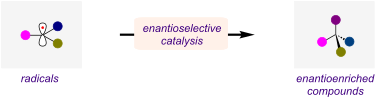
- synthesis. Strategies for asymmetric radical reactions Stereoselectivity in radical reactions can be challenging to control. Many radicals are highly reactive, and radicals moreover have typically low inversion barriers, resulting in no permanent chirality at the radical center. Stereochemistry in radical
- reactions An emerging trend in the field of enantioselective radical transformations is the use of enzymatic catalysis to control absolute stereoselectivity. Some remarkable transformations have been demonstrated using this promising greener catalysis. This methodology has a bright future when used


Pathway economy in cyclization of 1,n-enynes
Beilstein J. Org. Chem. 2025, 21, 2260–2282, doi:10.3762/bjoc.21.173
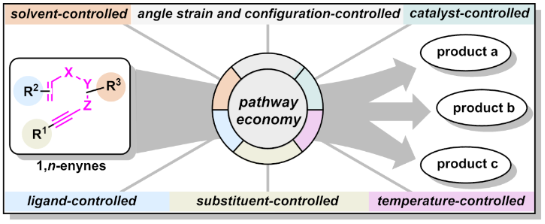
- substrate class. Through mechanistic-guided modulation of catalysts, solvents, ligands, and angle strain, this approach achieves unprecedented reaction pathway control while demonstrating superior temporal and step efficiency compared to conventional methods. The work establishes a sustainable framework for
- transition states. This integrated control framework provides a rational basis for designing reaction conditions to optimize selectivity and efficiency in organic synthesis. In 2014, the Liu group developed an Au(I)-catalyzed cascade cyclization strategy for synthesizing polysubstituted naphthalenes using
- -catalyzed cyclization approach using aromatic enyne derivatives, where substituent control governed the stereoselective syntheses of naphthalene and indene cores (Scheme 7) [14]. When the alkyne terminus of the substrate 27 bore an alkyl or aryl substituent, the Ph3PAuCl/AgOTf-catalyzed 6-endo-dig


Pd-catalyzed dehydrogenative arylation of arylhydrazines to access non-symmetric azobenzenes, including tetra-ortho derivatives
Beilstein J. Org. Chem. 2025, 21, 2234–2242, doi:10.3762/bjoc.21.170
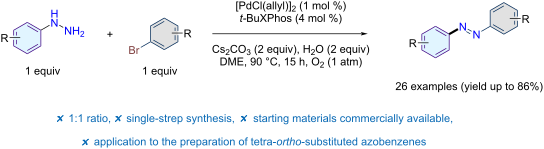
- as an oxidant, combined with NaH as the base, increased the formation of 3a, achieving GC yields of up to 65% (Table 1, entry 3). Control experiments demonstrated that palladium, phosphine, and base were all essential for this reaction (Table S4 in Supporting Information File 1). However, under
- batch of Cs2CO3 showed a dramatic reduction in product yield (Table 1, entry 12). Control experiments with varying amounts of water (0–10 equiv) demonstrated that a small amount of water is crucial for the reaction (Supporting Information File 1, Table S7 and Table 1, entry 11). This effect, previously


Thiadiazino-indole, thiadiazino-carbazole and benzothiadiazino-carbazole dioxides: synthesis, physicochemical and early ADME characterization of representatives of new tri-, tetra- and pentacyclic ring systems and their intermediates
Beilstein J. Org. Chem. 2025, 21, 2220–2233, doi:10.3762/bjoc.21.169
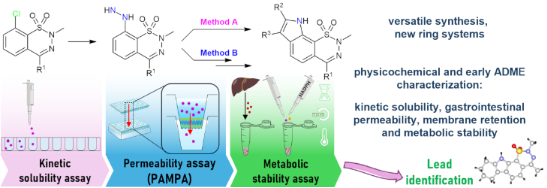
- phosphate buffer for the “without cofactors” control. Aliquots (100 µL) were taken at zero time and at pre-defined time points of 30 and 60 minutes and quenched with an equal volume of cold acetonitrile. The samples were centrifuged at 2600 RCF for 10 minutes to pellet proteins. Supernatants were
- conditions using Equation 5: where the HLM protein per gram of liver was equal to 25 and the liver weight per standard body was equal to 49. Testosterone was included as a positive control to confirm metabolic competence of the HLM fractions, with and without cofactors. Zero-time samples served as 100


Synthesis of triazolo- and tetrazolo-fused 1,4-benzodiazepines via one-pot Ugi–azide and Cu-free click reactions
Beilstein J. Org. Chem. 2025, 21, 2202–2210, doi:10.3762/bjoc.21.167
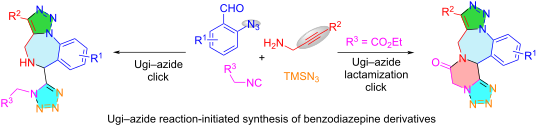
- . However, the reaction of 2-azido-5-bromobenzaldehyde (1d) gave only a trace amount of product 8h. Instead, compound 8h', an intermediate without lactamization, was isolated in 59% yield. It is likely that the bromo group on the phenyl ring interfered with the lactamization process. Two control reactions
- conditions: 1) 0.2 mmol each of 2-azidobenzaldehyde (1a) and 2-yn-1-amines 2 in MeOH (2 mL), 40 °C for 40 min; then addition of 0.2 mmol each of 2-isocyanoacetate (9) and TMSN3 (4), 40 °C for 12 h; 2) changing solvent to MeCN (2 mL), 130 °C for 2 h. Control reactions to trap the Ugi–azide adduct. Gram-scale


Electrochemical cyclization of alkynes to construct five-membered nitrogen-heterocyclic rings
Beilstein J. Org. Chem. 2025, 21, 2173–2201, doi:10.3762/bjoc.21.166
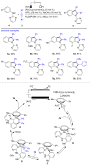
- in 89% and 63% yield, respectively. Based on the results of control experiments and the previous reports [186], a plausible reaction mechanism was deduced. Firstly, treatment of [RuCl2(p-cymene)]2 with NaOAc afforded the ruthenium diacetate species A, which underwent complexation with 4 and
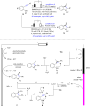
- cell (Pt electrodes, 10 mA, 4.0 F/mol) afforded 3-iodoindoles 11 in satisfactory yields. When an alternative cell (Cu electrodes, 10 mA, 0.1 F/mol) was applied, the target indoles 12 were obtained in excellent yields. On the basis of control experiments and previous studies [189][190][191][192][193
- reaction also showed high compatibility with 2-naphthyl (15h), 2-thiophenyl (15i), ferrocenyl (15j), cyclohexenyl (15k) and tert-butyl (15l) incorporated at the ethynyl moiety. According to the results of control experiments, a plausible mechanism was presented. Firstly, one-electron oxidation of 14a



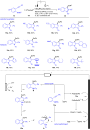


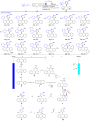


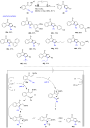


C2 to C6 biobased carbonyl platforms for fine chemistry
Beilstein J. Org. Chem. 2025, 21, 2103–2172, doi:10.3762/bjoc.21.165
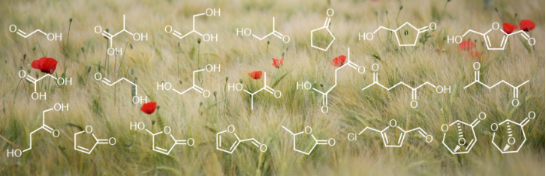
- synthesis of amines by replacing the current toxic pathway based on ethylene oxide and dichloroethane [29]. Due to the high reactivity of α-hydroxycarbonyls, the main issue in this reductive amination reaction [30] was to control the cascade of consecutive and parallel reactions. The use of methanol as


Multicomponent reactions IV
Beilstein J. Org. Chem. 2025, 21, 2082–2084, doi:10.3762/bjoc.21.163

- 24,369 publications on MCRs alone (Figure 1B) clearly underline the central importance and topicality of the MCR concept. In sensu stricto, MCRs involve the reaction of three or more components in a single vessel, proceeding under domino, sequential, or consecutive control without the need for
Discovery of cytotoxic indolo[1,2-c]quinazoline derivatives through scaffold-based design
Beilstein J. Org. Chem. 2025, 21, 2062–2071, doi:10.3762/bjoc.21.161
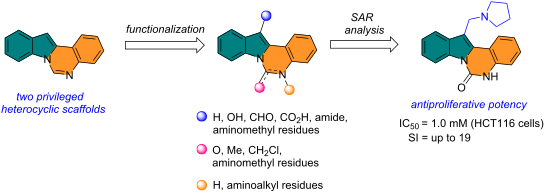
- fibroblasts (HSF) were taken. Doxorubicin (Dox) was used as the positive control in all experiments. Parent scaffold 1 and its 12-modified derivatives 2–4 showed no cytotoxicity against all tested cell lines (Table 2). Notably, compound 5 also exhibited no antiproliferative activity, in contrast to its isomer


Bioinspired total syntheses of natural products: a personal adventure
Beilstein J. Org. Chem. 2025, 21, 2048–2061, doi:10.3762/bjoc.21.160
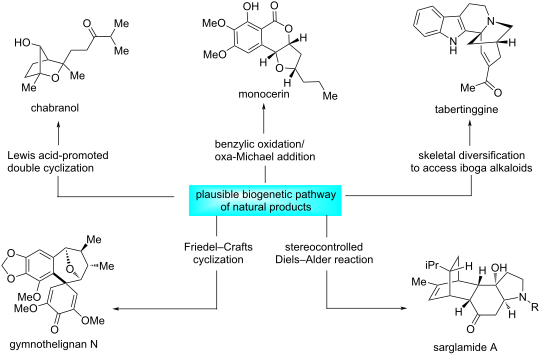
- additions, respectively. This result suggests that the addition fully went from the upper face and the left-oriented isopropyl showed no steric effect to control the regioselectivity. With free amide 50a and 50b in hand, the mixture was treated with DBU to promote aza-Michael addition to afford lactam




Switchable pathways of multicomponent heterocyclizations of 5-amino-1,2,4-triazoles with salicylaldehydes and pyruvic acid
Beilstein J. Org. Chem. 2025, 21, 2030–2035, doi:10.3762/bjoc.21.158
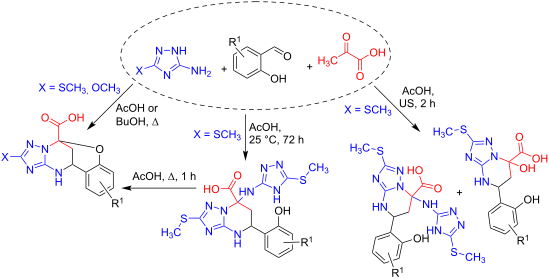
- control of the reaction, while oxygen-bridged heterocycles 4 are formed under thermodynamic control. The purity and structure of compounds 4 and 5 were established by elemental analysis, mass spectrometry, 1H and 13C NMR spectroscopy, and X-ray diffraction study (Figure 1). For example, the 1H NMR spectra





