Search results
Search for "structure" in Full Text gives 3009 result(s) in Beilstein Journal of Organic Chemistry. Showing first 200.
Ring contraction and ring expansion reactions in terpenoid biosynthesis and their application to total synthesis
Beilstein J. Org. Chem. 2026, 22, 289–343, doi:10.3762/bjoc.22.21
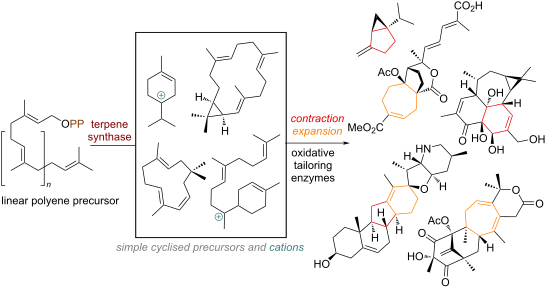
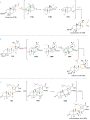
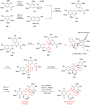
- these puzzling questions or even result in reassignment of the molecular structure [6][7][8][9][10]. Nevertheless, terpenoids with novel or highly uncommon carbon skeleta continue to attract interest from both biologists and chemists, as they often possess interesting biological properties owing to
- with oxygen via 2 the ketal structure 3 can decarboxylate [50], generating another high-energy ferryl-oxo species 4 (bound with succinate) which can lead to hydroxylation or carbocation chemistry [51]. Finally, other classes of tailoring enzymes can also act as electrophiles and lead to ring-size
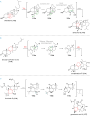
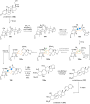
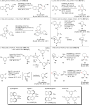
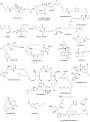
- 29d (presilphiperfolan-8-yl cation), a precursor which was invoked to be involved in the biosynthesis of various sesquiterpenes. Two noteworthy examples are given here: either of the two 1,2-alkyl shifts of the cyclohexane accomplishes ring contraction. Following the blue arrow in the structure of 29d






Arene activation via π-bond localization: concepts and opportunities
Beilstein J. Org. Chem. 2026, 22, 257–273, doi:10.3762/bjoc.22.19
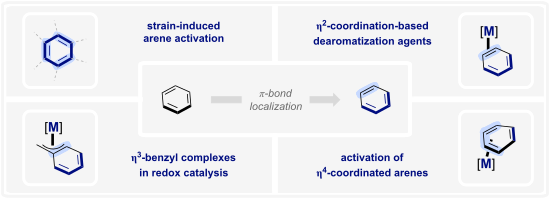
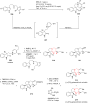
- molecular structure and reactivity, yet it cannot be measured directly [4]. This inherent elusiveness contributed to decades of debate over the structure of benzene, the prototypical aromatic molecule, until August Kekulé proposed his venerable representation: a six-membered carbon ring with alternating
- single and double bonds (Figure 1A) [5]. However, despite its strength in representing a planar cyclic arrangement of tetravalent carbon atoms, this formalism fails to accurately depict the observed reactivity, structure, and stability of benzene. It implies three rapidly equilibrating, localized double
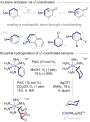
- structure and reactivity. The following chapters introduce the broader mechanistic framework of transition metal coordination to a subset of the aromatic system, specifically η2-, η3-, and η4-coordination. These partial coordination modes effectively clamp the otherwise delocalized π-system, disrupting




A mild and atom-efficient four-component cascade strategy for the construction of biologically relevant 4-hydroxyquinolin-2(1H)-one derivatives
Beilstein J. Org. Chem. 2026, 22, 244–256, doi:10.3762/bjoc.22.18
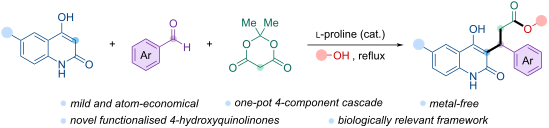
- rapid access to these previously unreported compounds, offering a versatile platform for systematic structure–activity relationship exploration and paving the way for the development of next-generation antibacterial agents with optimized potency and selectivity. Results and Discussion Chemistry For
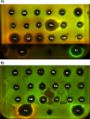
- observed in the tested biological models, the findings provide a solid foundation for further structure–activity relationship (SAR) studies aimed at identifying key structural features responsible for the predicted biological effects. Importantly, the absence of cytotoxicity confirms the pharmacological


Conformational analysis of difluoromethylornithine: factors influencing its gas-phase and bioactive conformations
Beilstein J. Org. Chem. 2026, 22, 237–243, doi:10.3762/bjoc.22.17
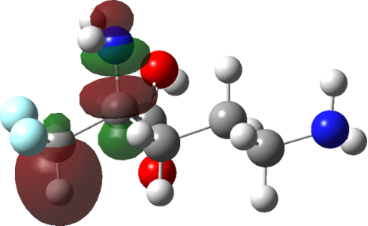
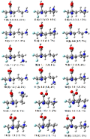
- bioconformation observed in crystallographic data corresponds to a type-II structure, imposed by strong hydrogen bonding of the amino and carboxyl groups with surrounding residues. Thus, DFMO’s intrinsic conformational preferences are dictated by stereoelectronic effects, but these can be overridden by specific
- intermolecular interactions in biological environments. This study clarifies the electronic origin of DFMO’s gauche effect and provides insight into how local electronic factors determine the structure of fluorinated amino acid derivatives. Keywords: conformational analysis; difluoromethylornithine; gauche
- effects that contribute to the preferred conformations of the difluoromethyl motif. Results and Discussion According to Wolfe [7], the gauche effect is defined as “a tendency to adopt that structure which has the maximum number of gauche interactions between adjacent electron pairs and/or polar bonds.” In




Configuration–packing synergy enabling integrated crystalline-state RTP and amorphous-state TADF
Beilstein J. Org. Chem. 2026, 22, 224–236, doi:10.3762/bjoc.22.16
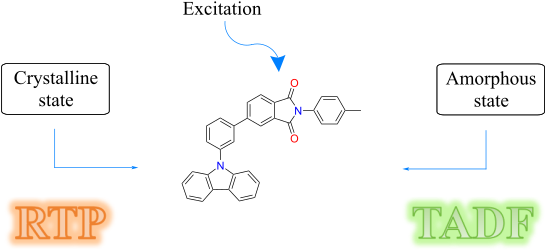
- -resolved biological imaging [6], chemical and biological sensing [7], as well as energy transfer and upconversion processes [8]. The unique characteristics of organic materials, including their solubility, ease of processing, molecular structure programmability, and the tunability of their emission color
- obtained through the method of slow solvent evaporation, which allows for the formation of high-quality crystals suitable for detailed structural analysis. The crystal structure of 1 was thoroughly characterized using single-crystal X-ray diffraction (CCDC 2492630). This technique provides precise three
- -dimensional information about the atomic arrangement within the crystal lattice. As depicted in Figure 1a, the crystal structure reveals that the dihedral angle between the phthalimide moiety and the bridging phenyl ring is 50.71°, while the angle between the bridging phenyl ring and the carbazole unit is


Synthesis of diaryl phosphates using phytic acid as a phosphorus source
Beilstein J. Org. Chem. 2026, 22, 213–223, doi:10.3762/bjoc.22.15
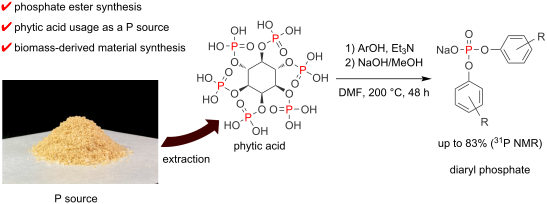
- produced by plants using water-soluble phosphates absorbed from soil and stored as a phosphorus source in their bodies. Rice bran accounts for 10% of rice weight and contains approximately 6 g phytic acid/100 g rice bran [1][2][3]. Phytic acid has a structure, in which six phosphoric acid molecules
- from rice bran. Structure of phytic acid. Phosphoric acid diesterification reaction conducted in a previous study. Scale-up reaction conducted for the time-course analysis of phosphate esterification. The reaction apparatus included an oil bath, and the N2 flow was set to 0.1 L/min. Phytic acid (7.0




Screwing the helical chirality through terminal peri-functionalization
Beilstein J. Org. Chem. 2026, 22, 205–212, doi:10.3762/bjoc.22.14
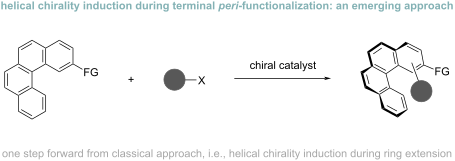
- ; Introduction Nature utilizes helical chirality for the inception of life. The double-helical structure of DNA and the helical conformations of proteins are key examples of the helical chirality. Inspired by these natural systems, chemists have developed methods to construct and control helicity in synthetic
- in their core structure [8]. Point chirality is the simplest form of chirality, and it is relatively easy to control and characterize during the synthesis of organic molecules. Due to these facts point chirality holds a central position among the different types of chirality. Axial chirality is
- a functional group installed in the terminal core of helicened with high level of stereocontrol, rather than merely increasing the number of fused rings in a helical system. The direct introduction of suitable functional groups at strategic positions can expand the structure diversity and enhance


Base-promoted deacylation of 2-acetyl-2,5-dihydrothiophenes and their oxygen-mediated hydroxylation
Beilstein J. Org. Chem. 2026, 22, 192–204, doi:10.3762/bjoc.22.13
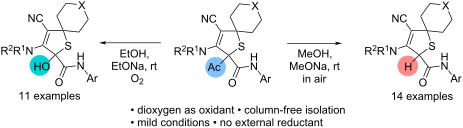
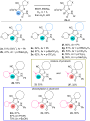
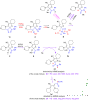
- due to the stronger donor character of the pyrrolidine moiety due to its planar structure. The formation of the deacetylated products 2n,o (Scheme 2) may be attributed to increased steric hindrance, which makes proton transfer to B in Scheme 6 more difficult. The dimethyl-1-yl moiety likely exhibits a
- dihydrothiophenes 4a–f formed only deacetylated products 5a–f when the reaction was performed in an oxygen saturated ethanolic solution in the presence of sodium ethoxide. Experimental X-ray structure determination of 5g 5g: Crystal data for C17H18N2O2S (M = 314.40 g/mol): monoclinic, space group P−1, a = 9.3076 (5




Streptoquinolines A and B, new antibacterial meroterpenoids produced by Streptomyces sp. TMPU-A0679
Beilstein J. Org. Chem. 2026, 22, 185–191, doi:10.3762/bjoc.22.12
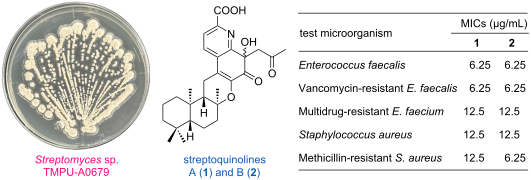
- corresponding to five methyl protons, seven sp3 methylene protons, two sp3 methine protons, two sp2 methine protons, and two hydroxy protons. The connectivity of proton and carbon atoms was assigned from the HMQC spectrum (Table 2). The planar structure of compound 1 was elucidated by a 2D NMR experiment
- . These cross-peaks established connectivity among partial structures I–III, confirming a drimane-type sesquiterpene skeleton in compound 1. Additionally, 1H,1H COSY correlations confirmed the partial structure IV, consisting of two ortho-coupled aromatic protons, H-7' (δ 7.99) and H-8' (δ 7.95). HMBC
- between C-11 and C-1'. Consequently, the planar structure of compound 1 was elucidated as shown in Figure 1, consistent with the molecular formula and degree of unsaturation. The relative configuration of compound 1 was elucidated based on ROESY correlations, as shown in Figure 3. Clear ROESY cross-peaks


Improved synthesis and physicochemical characterization of the selective serotonin 2A receptor agonist 25CN-NBOH
Beilstein J. Org. Chem. 2026, 22, 175–184, doi:10.3762/bjoc.22.11
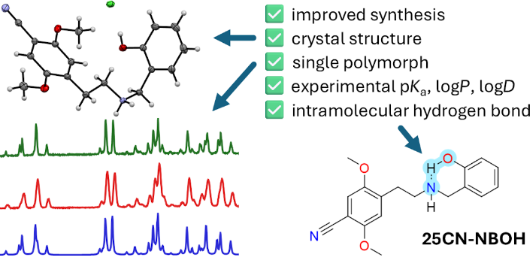
- solid form Crystals of 1·HCl were grown from an ethanolic solution, and the crystal structure was determined by single-crystal X-ray diffraction (SCXRD, Figure 2). As seen in Figure 2a, 1·HCl adopts a twisted U shape and is involved in three hydrogen bonds. Therein, the ammonium N atom interacts with
- ). Notably, the crystal structure shows that there are no water molecules of crystallization present, nor are any other solvent molecules incorporated into the crystal packing. When comparing the diffractogram obtained by SCXRD (Figure 3, green) with that obtained by X-ray powder diffraction (XRPD) of 1·HCl
- accepted that a logD7.4 around 1–3 is desirable [14]. Thus, the observed logD7.4 of 1.59 is consistent with the high membrane permeability observed for 1. This is not necessarily to be expected based on the chemical structure of 1 due to the high intrinsic polarity of the free phenolic moiety [15]. For


Asymmetric Mannich reaction of aromatic imines with malonates in the presence of multifunctional catalysts
Beilstein J. Org. Chem. 2026, 22, 151–157, doi:10.3762/bjoc.22.8
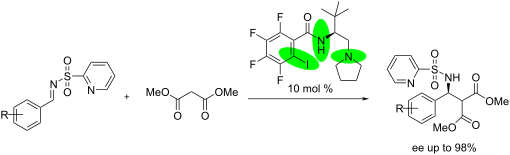
- adduct in 83% ee (Table 1, entry 9). Replacing the five-membered pyrrolidine ring in the catalyst structure with the more flexible six-membered piperidine ring (catalyst H, Table 1, entry 13) reduced its selectivity slightly (78% ee). However, the catalyst derived from phenylglycine (catalyst F) or


Design and synthesis of an axially chiral platinum(II) complex and its CPL properties in PMMA matrix
Beilstein J. Org. Chem. 2026, 22, 143–150, doi:10.3762/bjoc.22.7
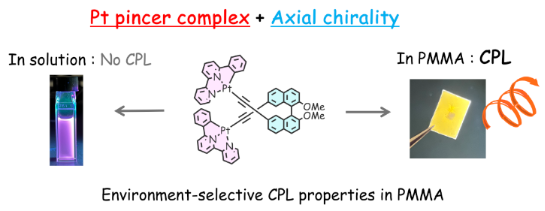
- spectroscopy, as well as high-resolution mass spectrometry (HRMS). Due to its low solubility, single crystals suitable for X-ray crystallographic analysis could not be obtained. Spectroscopic analysis and DFT calculations To elucidate the electronic structure of the platinum(II) complex, UV–vis absorption
- theory (DFT) calculations were carried out. The calculations were performed at the CAM-B3LYP/6-31G+(d,p) level, with the LANL2DZ basis set applied to the Pt atoms. The optimized structure of R-Pt is shown in Figure 2b. The dihedral angle of the binaphthyl moiety (∠C1–C2–C3–C4) was 71°, which is smaller
- calculation. (b) Optimized structure of R-Pt by DFT calculation. Emission spectrum of 1 wt % PMMA matrix (R-Pt) (λex = 300 nm). (a) CD spectra of S/R-Pt in 1.0 × 10⁻⁵ M dichloromethane solution. (b) CPL spectra of 1 wt % PMMA film (λex = 300 nm). Synthesis of the binaphthyl-based ligand and the platinum(II


Symmetrical D–π–A–π–D indanone dyes: a new design for nonlinear optics and cyanide detection
Beilstein J. Org. Chem. 2026, 22, 131–142, doi:10.3762/bjoc.22.6
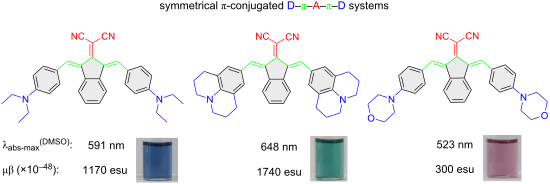
- colorimetric and optical changes. Because of the strong donor–acceptor structure, second-order NLO properties were studied by measuring electric field-induced second harmonic (EFISH) values, which showed significant second-order NLO responses. The experimental results were explained using density functional
- ) efficiency [14][15][16]. Indanones are highly conjugated with a planar structure, which favors overlap between the molecules. They are building blocks for many compounds, such as organic materials for optoelectronic and NLO applications [17][18]. Research shows that the absorption wavelength of the region
- * transition from the donor group to the dicyanovinyl, and longer wavelength absorption maxima are the n–π* transition of the conjugated structure [2]. Alkylamino groups (diethylamino, julolidine, and morpholine) as donor groups in chromophores have different electron-donor properties, causing a shift in the


Highly electrophilic, gem- and spiro-activated trichloromethylnitrocyclopropanes: synthesis and structure
Beilstein J. Org. Chem. 2026, 22, 123–130, doi:10.3762/bjoc.22.5
- biologically active properties. Thus, barbamide exhibits molluscicidal activity [7], and sintokamide A is active against prostate cancer [8] (Figure 1). As derivatives of strained and unique structure and properties [9][10] cyclopropanes are of interest for entering into various transformations along the path
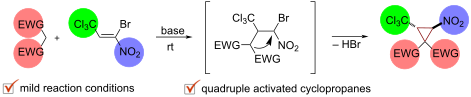
- summary, we proposed a diastereoselective method for the synthesis of vicinal trichloromethylnitrocyclopropanes by forming a cyclopropane ring from a trichloromethylnitroethene substrate and an active methylene component. Variation of the methylene component structure – linear (malononitrile, methyl
- . Visualization was performed under UV light (λ 254 nm). Reagents were obtained from commercial suppliers and used without further purification unless otherwise noted. X-ray crystallography. X-ray diffraction analysis of the structure 2, 3, 9a, and 9b was performed on a Rigaku 'SuperNova, Single source at offset


Total synthesis of natural products based on hydrogenation of aromatic rings
Beilstein J. Org. Chem. 2026, 22, 88–122, doi:10.3762/bjoc.22.4
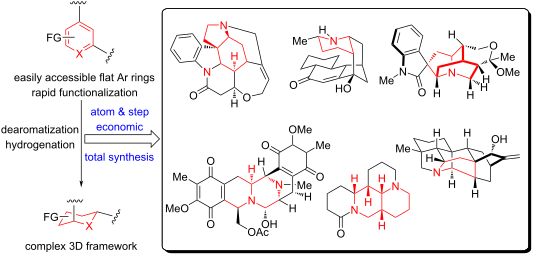
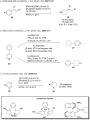
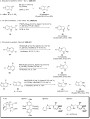
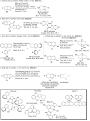
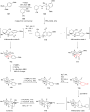
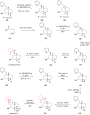
- 53 while retaining the benzene ring structure using an iridium catalyst to selectively hydrogenate indoles and benzofurans (Scheme 7) [59]. The hydrogenated products were obtained in 90% yield with 98% ee on average. In 2024, Yin and co-workers reported an innovative palladium-catalyzed asymmetric
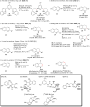
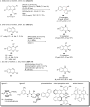
- was then hydrogenated to the piperidine by direct hydrogenation, and the benzene ring was then reduced to an unsaturated ketone structure by Birch reduction, completing the highly efficient total synthesis of GB13 in 6 steps with an overall yield of 10%. Total synthesis of (±)-corynoxine and
- , which perfomed as a key substrate for the aerobic oxidation. The formation of the tetracyclic 3-spirooxindole structure 137 was achieved through a transition-metal-free intramolecular cross-dehydrogenative coupling. With 137 in hand, a sequence of transformations including ketone reduction with NaBH4











Reactivity umpolung of the cycloheptatriene core in hexa(methoxycarbonyl)cycloheptatriene
Beilstein J. Org. Chem. 2026, 22, 64–70, doi:10.3762/bjoc.22.2
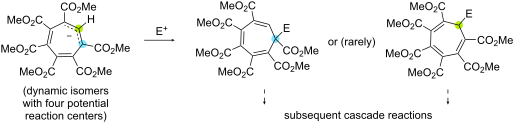
- isomer of anion 2 we analyzed the structure of its highest occupied molecular orbital (HOMO) and the distribution of the electrophilic Fukui function (f–) [28] – the difference in electron density between the anion and the derived radical by abstraction of one electron (Figure 2). Both approaches
- excellent yield, the structure being confirmed using single crystal X-ray analysis (CCDC 2495984). Bromination afforded a mixture of symmetric cycloheptatriene 4b and norcaradiene 6b, while intermediate cycloheptatriene 5b was not even observed. Iodination gave exclusively norcaradiene 6c. Previously
- norcaradiene product in the case of benzylation, unlike in the close analogues, is due to a steric repulsion. The structure of norcaradiene 6f was confirmed through single crystal X-ray analysis (CCDC 2495985). Allylation of anion 2 was followed by intramolecular [4 + 2]-cycloaddition in norcaradiene 6g to


Synthesis and applications of alkenyl chlorides (vinyl chlorides): a review
Beilstein J. Org. Chem. 2026, 22, 1–63, doi:10.3762/bjoc.22.1
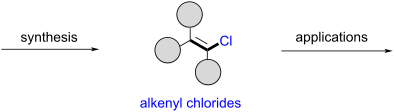
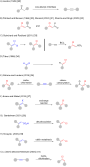
- products, depending on the type of structure of the original unsaturated starting material (Scheme 66) [207]. Similar products were obtained by Dauzonne and co-workers through the reaction of aldehydes with bromonitromethane in the presence of dimethylammonium chloride (not shown) [208]. Bonne and























Sustainable electrochemical synthesis of aliphatic nitro-NNO-azoxy compounds employing ammonium dinitramide and their in vitro evaluation as potential nitric oxide donors and fungicides
Beilstein J. Org. Chem. 2025, 21, 2739–2754, doi:10.3762/bjoc.21.211
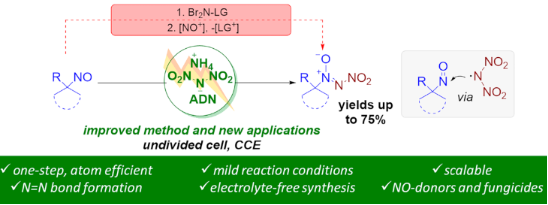
- structure of 2c was confirmed by single-crystal X-ray analysis. The benzyl moiety was also tolerated, and the corresponding product 2e was obtained in 57% yield. 2,2-Dimethyl-5-nitro-5-nitroso-1,3-dioxane (1f) was successfully employed under the reaction conditions, leading to the formation of product 2f in
- all compounds, XRD of 2c, computational details, and copies of 1H, 13C, 14N, 1H,13C HSQC, and 1H,13C HMBC NMR spectra. Supporting Information File 5: Crystallographic information for compound 2c. Supporting Information File 6: CheckCIF report for the data of 2c. Acknowledgements Crystal structure





Total synthesis of asperdinones B, C, D, E and terezine D
Beilstein J. Org. Chem. 2025, 21, 2730–2738, doi:10.3762/bjoc.21.210
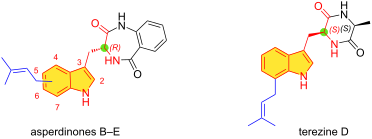
- contains a prenyl group at various positions in the indole ring [11]. The importance of the indole core structure and the nature and position of prenylation is reflected by the observation that 6-prenylindole but not 6-isopropylindole has been reported to exhibit antifungal activity [6]. Tryptophans
- metabolite and cyclic dipeptide consisting of a 7-prenylated ʟ-tryptophan and ʟ-alanine was isolated from the liquid cultures of S. teretispora containing potato broth in the medium. Its structure was based on extensive spectroscopic studies (Figure 1). Terezine D (6) exhibited modest in vitro antifungal
- activity [20]. A related metabolite lacking the C7 prenyl group had been isolated from the cultures of Aspergillus chevalieri in 1976 [21]. The structure and absolute stereochemistry were confirmed by synthesis from tryptophan and ʟ-alanine [22]. The isolation of terezine D (6) and more recently, the (3R


Competitive cyclization of ethyl trifluoroacetoacetate and methyl ketones with 1,3-diamino-2-propanol into hydrogenated oxazolo- and pyrimido-condensed pyridones
Beilstein J. Org. Chem. 2025, 21, 2716–2729, doi:10.3762/bjoc.21.209
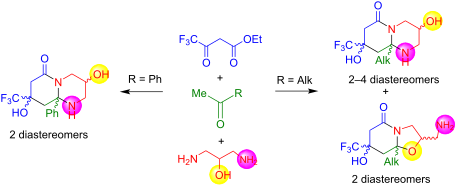
- , causes the formation of two to four diastereomers, the structure of which has been determined with 1H, 19F, 13C, 2D 1H-13C HSQC/HMBC, 1H-1H COSY/NOESY NMR and X-ray diffraction analysis. Keywords: condensed pyridones; 1,3-diamino-2-propanol; ethyl 4,4,4-trifluoroacetoacetate; methyl ketones; three
- ], fluopyram [36], and the nematicide fluazaindolisine [37] (Figure 1). The trifluoromethyl piperidine backbone is part of the structure of anticancer [38] and antirheumatic [39] agents. The fluorine-containing pyridines and their heteroannelated derivatives are known to exhibit a high biological potential, on
- functional group, the presence of which should affect their diastereomeric structure. We have found only one work describing the use of 1,3-diaminopropan-2-ol to form heterocycles, where it is reported to react with chloroacetaldehyde and carbon dioxide as an N,N-dinucleophile only, giving hexahydro[1,3


Mechanistic insights into hydroxy(tosyloxy)iodobenzene-mediated ditosyloxylation of chalcones: a DFT study
Beilstein J. Org. Chem. 2025, 21, 2703–2715, doi:10.3762/bjoc.21.208
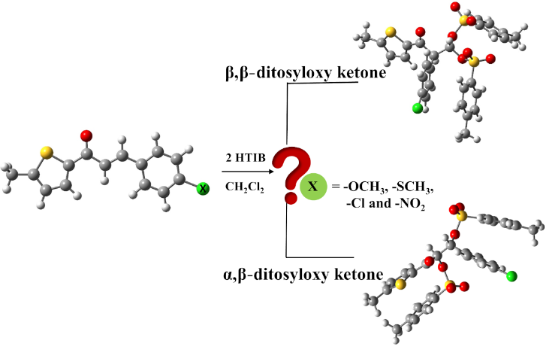
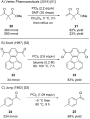
- presented in Table 1 confirms that electron-donating groups stabilize Int1 more than electron-withdrawing groups, as expected. The electrophilic addition of [PhIOH]+ is driven by the electron-rich double bond present in the chalcone structure. Therefore, in case of chalcones with electron-withdrawing groups
- free energy profile for HTIB-mediated ditosyloxylation of chalcone with X = -NO2 leading to the formation of the α,β-ditosyloxy ketone. Free energies are reported in kcal/mol. Bond lengths are reported in Å. Structure of reactant (chalcone, compound A), geminal product (compound B), vicinal product


Recent advancements in the synthesis of Veratrum alkaloids
Beilstein J. Org. Chem. 2025, 21, 2657–2693, doi:10.3762/bjoc.21.206
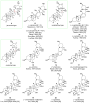
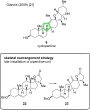
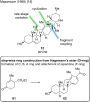
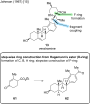
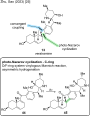
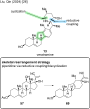
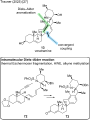
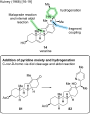
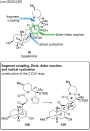
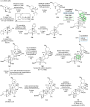
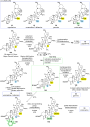
- structure 67 in 10 steps, which already represented the core veratramine skeleton, but lacked the C5–C6 double bond. For this, six more steps were needed to oxidize the C3-alcohol and install a C4–C5 double bond to arrive at enone 68. In three steps, the double bond was transposed to the correct position
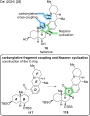
- , while the right-hand fragment is an aryl bromide (D/F ring structure). Fragment A was synthesized from (S)-Wieland–Miescher ketone (34) via an eight-step sequence (Scheme 19). Fragment B was synthesized from a substituted acrylic acid in 10 steps toward aryl bromide 53. Key success factor in this
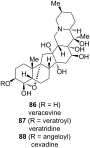
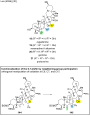
- rearranged scaffold 85 in three steps. Acetyl protection and elimination at C9–C11, followed by a Birch reduction, yielded a dienone structure. The latter was then hydrogenated, a methyl group was installed in α-position to the ketone, and an enone was formed to give 81 over 12 steps. Then, 2-ethyl-5



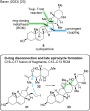

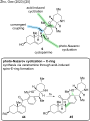
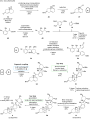
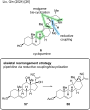












Synthesis of new tetra- and pentacyclic, methylenedioxy- and ethylenedioxy-substituted derivatives of the dibenzo[c,f][1,2]thiazepine ring system
Beilstein J. Org. Chem. 2025, 21, 2645–2656, doi:10.3762/bjoc.21.205
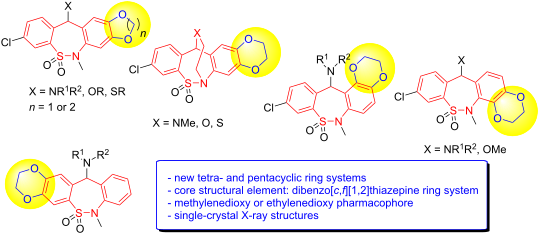
- ; Friedel–Crafts reaction; heterocycles; new ring systems; Introduction In our prior report [1] we disclosed the synthesis of new fused ring derivatives of the dibenzo[c,f][1,2]thiazepine skeleton (1, Figure 1) shown by general structure 2. In recent publications we have also reported the synthesis of new
- , respectively (Scheme 2). The structure of compounds 20e and 21g was also confirmed by single-crystal X-ray diffraction (Figure 3). We demonstrated the potential utility of the synthesized new ring systems in the field of medicinal chemistry by the synthesis of tetracyclic analogues 20b and 21b of tianeptine
- (22), an atypical antidepressant drug on the market [21][22][23][24][25], by hydrolysis of esters 20a and 21a (Scheme 3). Treatment of chloro derivative 19 with various alcohols afforded ethers 23, while its reaction with 2-(morpholin-4-yl)ethanethiol resulted in thioether 24 (Scheme 4). The structure


Chemoenzymatic synthesis of the cardenolide rhodexin A and its aglycone sarmentogenin
Beilstein J. Org. Chem. 2025, 21, 2637–2644, doi:10.3762/bjoc.21.204
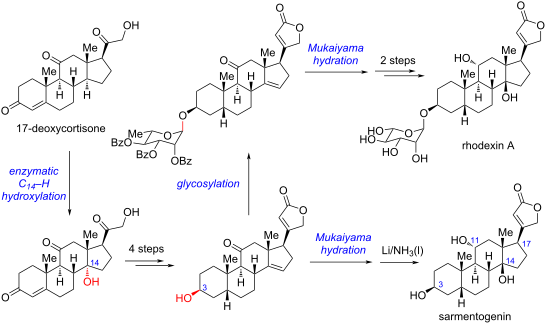
- absorption and metabolism, and specific moieties like rhamnose can enhance CG potency markedly by more than 25 times [1][7]. In addition, the -OH groups on the steroids’ structure also play an important role on their activity. However, these compounds are mainly isolated from plants or animals, which not
- -electron demand Diels–Alder (IEDDA) reaction was utilized to successfully construct the BCD tricyclic structure with the correct configuration of the four contiguous stereocenters in just one step. However, the requirement of a series of protecting group manipulations undermined the step-economy and



Thiazolidinones: novel insights from microwave synthesis, computational studies, and potentially bioactive hybrids
Beilstein J. Org. Chem. 2025, 21, 2618–2636, doi:10.3762/bjoc.21.203
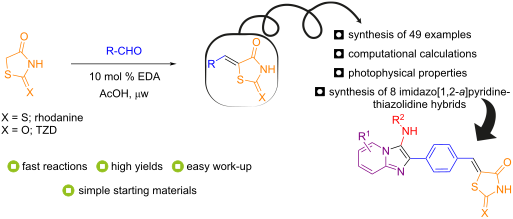
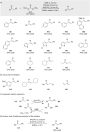
- aldehyde 1, activated by protonation of the oxygen atom through structure ii, forming the intermediate aldol iii. In the presence of EDDA, water elimination occurs in intermediate iv, yielding the Knoevenagel adducts 3 or 4. Synthesis of novel imidazo[1,2-a]pyridine–thiazolidinone hybrids To further
- inconsistency made it challenging to rely on NMR as the primary method for confirming the structure of the expected products. To overcome this limitation, other analytical techniques, such as mass spectrometry and infrared (IR) spectroscopy, were employed. These methods successfully corroborated the formation
- tautomerization within the structure of the products, likely induced by the presence of the 4-diethylamino (4-NEt2) group, a strong electron-donating substituent. The canonical structure of thiazolidines, due to the presence of one or two carbonyl groups, thiol groups, and α-hydrogens, allows the formation of