Search results
Search for "viscosity" in Full Text gives 122 result(s) in Beilstein Journal of Organic Chemistry.
Synthesis and supramolecular properties of regioisomers of mononaphthylallyl derivatives of γ-cyclodextrin
Beilstein J. Org. Chem. 2017, 13, 2509–2520, doi:10.3762/bjoc.13.248
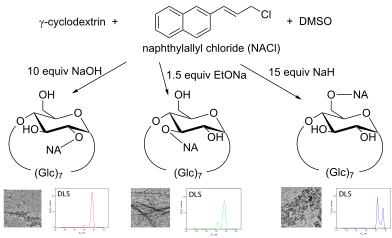
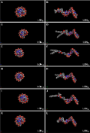
- regioisomers in similar ways as González-Gaitano [21] and as we did for Cin-α-CD [20]. The temperature was raised from 5 °C to 65 °C (5 °C steps) across 2.5 h, which led to substantial changes in sizes of the aggregates (Figure 3). A shift of the correlation curve, caused by the change of viscosity, is


One-pot three-component route for the synthesis of S-trifluoromethyl dithiocarbamates using Togni’s reagent
Beilstein J. Org. Chem. 2017, 13, 2502–2508, doi:10.3762/bjoc.13.247
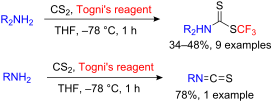
- fields of pharmaceuticals, agrochemicals, and materials sciences. The key properties such as metabolic and chemical stability, polarity, bioavailability, viscosity and lipophilicity can be altered in molecules containing the CF3 group in comparison with the nonfluorinated analogues. Numerous methods have


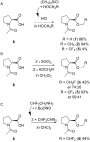
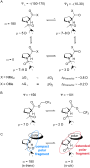
Hydrolysis, polarity, and conformational impact of C-terminal partially fluorinated ethyl esters in peptide models
Beilstein J. Org. Chem. 2017, 13, 2442–2457, doi:10.3762/bjoc.13.241
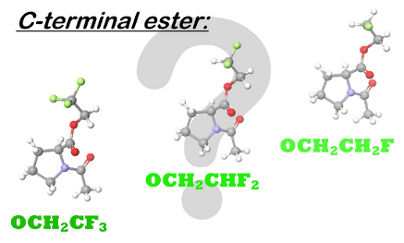
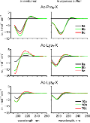
- aqueous phosphate buffer (right, 50 mM buffer, pH 7.0) samples. Recorded at 298 K and 100 μM peptide. Conformational analysis of the peptides by 1H DOSY NMR (D2O, 298 K). The theoretical values were calculated according to Equation 5 assuming deuterium oxide viscosity and 298 K. Hydrolysis of the C








β-Cyclodextrin- and adamantyl-substituted poly(acrylate) self-assembling aqueous networks designed for controlled complexation and release of small molecules
Beilstein J. Org. Chem. 2017, 13, 1879–1892, doi:10.3762/bjoc.13.183
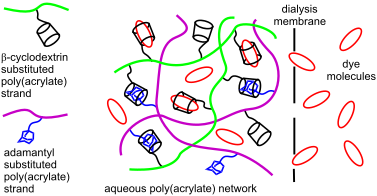
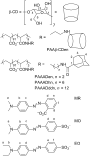
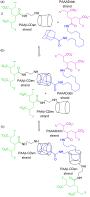
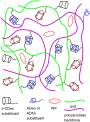
- viscosity of the network as shown by ITC, 1H NMR and UV–vis spectroscopy, and rheological studies. Such networks potentially form a basis for the design of controlled drug release systems. Keywords: controlled release; cyclodextrin; network; poly(acrylate); self-assembly; Introduction The formation of
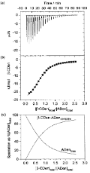
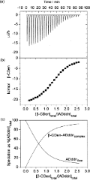
- substituent and network formation being outweighed by the entropy gain arising from displacement of water from the β-CDen annulus by the adamantyl group of ADddn and its dodecyl tether (under the titration conditions the solutions remain fluid whereas at higher concentrations the solution viscosity increases
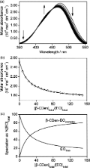
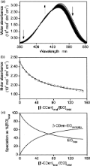
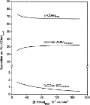
- each dye was 2.00 × 10⁻³ mol dm−3 and the overall concentration of substituted poly(acrylate)s was 1.14–1.20 wt %. (These hydrogel compositions are identical to those used in the dye release studies discussed below, and are presented in Table S1, Supporting Information File 1.) The viscosity variation




Automating multistep flow synthesis: approach and challenges in integrating chemistry, machines and logic
Beilstein J. Org. Chem. 2017, 13, 960–987, doi:10.3762/bjoc.13.97
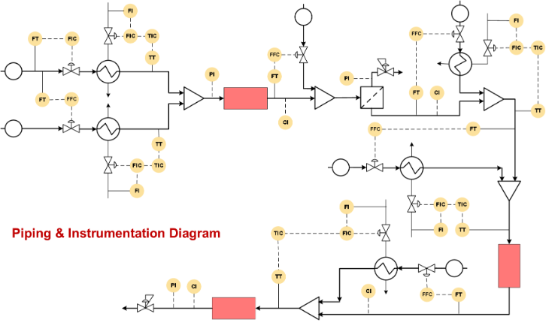
- variables are the most critical part of the process control. The process variables that are often measured are temperature, pressure, flow, liquid level, density, composition, pH and viscosity. Details of different sensors or transmitters for measuring these variables can be found in standard process




Continuous-flow processes for the catalytic partial hydrogenation reaction of alkynes
Beilstein J. Org. Chem. 2017, 13, 734–754, doi:10.3762/bjoc.13.73
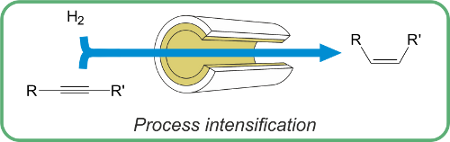
- viscosity; v linear velocity), thanks to the high permeability coefficient k > 0.25 μm2, which is proportional to the macroporous size D2 [113]. The catalytic performance of these monoliths has been compared in continuous flow as a single piece or packed-bed (ground monolith 60–120 μm) and in batch








Highly reactive, liquid diacrylamides via synergistic combination of spatially arranged curing moieties
Beilstein J. Org. Chem. 2017, 13, 372–383, doi:10.3762/bjoc.13.40
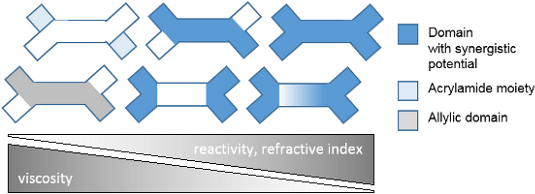
- -acryl, N-allyl and/or N-alkyl groups were prepared via two-step syntheses and characterized by 1H/13C NMR-spectra, refractive index (RI) and viscosity measurements. Photo DSC measurements on activated samples provided reactivity parameters ∆Hp, Rp,max and tmax, while FTIR spectra before and after curing
- ; Introduction The selection of suitable monomers is a critical step for any free-radical polymerization approach. Particularly for (in situ) photo-induced polymerizations, monomers should comprise sufficient solubility in a given matrix, moderate viscosity, matching refractive indices as well as an optimized
- . RIs of 1 and 4 are thus close to that of aromatic crosslinkers such as ethoxylated bisphenol-A dimethacrylate, EBPADMA (2 ethoxy groups, nD20 1.525, η ≈ 900 mPa·s), but at a significantly lower viscosity and with the important difference, that all double bonds can take part in polymerization reactions








Extrusion – back to the future: Using an established technique to reform automated chemical synthesis
Beilstein J. Org. Chem. 2017, 13, 65–75, doi:10.3762/bjoc.13.9
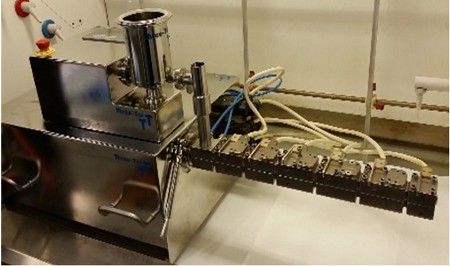
- turn alters the properties of the materials [6]. Initially, the polymer industry employed only batch mixers to synthesise polymers and carry out post synthetic modification (PSM), however, this proved difficult and inefficient. This was due to a dramatic increase or change in the viscosity and rheology
- of the material, a common feature of REX, and therefore as reactions proceed, they can become very difficult to mix efficiently, leading to low conversions. A second problem associated with the change in viscosity is the resultant poor heat transfer, meaning that longer heating times are required
- viscosity, rheology and the kinetics of formation also. The authors report that a reaction between 4,4’-diphenylmethane diisocyanate, polycaprolactonediol and 1,4-butanediol takes place in a twin screw extruder, employing a screw speed of 15 rpm and a temperature of 60 °C [25]. This transformation was


Poly(ethylene glycol)s as grinding additives in the mechanochemical preparation of highly functionalized 3,5-disubstituted hydantoins
Beilstein J. Org. Chem. 2017, 13, 19–25, doi:10.3762/bjoc.13.3

- reaction time (3 h instead of 2 h), when ‘pre-treated’ PEGs were used instead of ‘unfiltered’ PEGs (Table 1, entries 3 and 8). This observation suggested that changes in the ‘physical state of the system could be induced by specific interactions with PEG polymers and influenced both by the viscosity and
- reactants. Decreased and comparable yields were also observed by reducing the PEG chain length (Table 1, entry 13) and by using glycerol. It is also worth noting here that not only viscosity, but any modification of the physical state of the system impacted the outcome of the reaction. Indeed, HO-PEG-600-OH


Towards the development of continuous, organocatalytic, and stereoselective reactions in deep eutectic solvents
Beilstein J. Org. Chem. 2016, 12, 2620–2626, doi:10.3762/bjoc.12.258
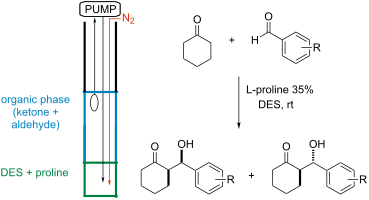
- back through DES due to the difference in the viscosity of the two phases, thereby generating a upper organic phase (blue in the picture) which finally ended into the organic phase of the larger tube, that was continuously pumped into the DES phase to realize a closed cycle. In set-up II, the mixture


Protonated paramagnetic redox forms of di-o-quinone bridged with p-phenylene-extended TTF: A EPR spectroscopy study
Beilstein J. Org. Chem. 2016, 12, 2450–2456, doi:10.3762/bjoc.12.238
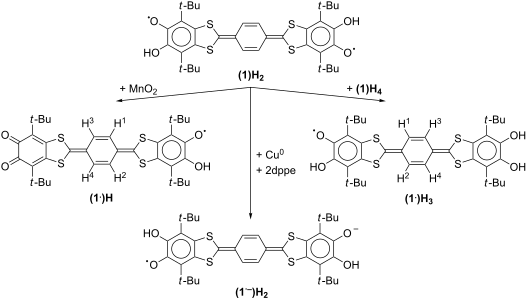
- increase in the viscosity of the solvent. According to these data, (1·−)H2 belongs to class III of Robin–Day classification [15] of mixed valence systems. Thus, the molecule does not have distinct catechol or semiquinone oxidation states for the dioxolene moieties on the termini, i.e., an additional


A flow reactor setup for photochemistry of biphasic gas/liquid reactions
Beilstein J. Org. Chem. 2016, 12, 1798–1811, doi:10.3762/bjoc.12.170
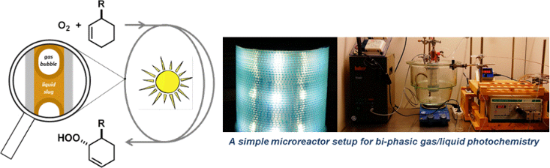
- effects on reaction rates and selectivities. Furthermore, specific properties of the reagents and solvents (viscosity, surface tension, gas solubility) will be critical to the dispersion and slug flow formation. Light source The benefit of microreaction technologies applied to photochemical processes is
- transfer coefficients compared to traditional stirred tanks [39]. Depending on the flow rates of gas and liquid phases, their ratio, the solvent viscosity and the reactor dimensions, different flow pattern can be obtained. The so-called slug flow leads to very efficient irradiation but also other spatial
- capillary tubing is dependent on the length and gauge of the capillary and the flow rate of the solution. If the dynamic viscosity of the solution is known, the pressure gradient can be calculated from the Hagen–Poiseuille equation (Scheme 4). Temperature control The microreactor system is equipped with a


Rearrangements of organic peroxides and related processes
Beilstein J. Org. Chem. 2016, 12, 1647–1748, doi:10.3762/bjoc.12.162



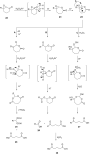


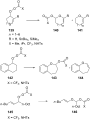


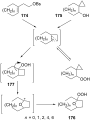


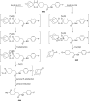


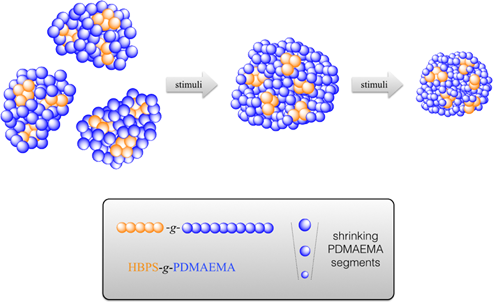
Stimuli-responsive HBPS-g-PDMAEMA and its application as nanocarrier in loading hydrophobic molecules
Beilstein J. Org. Chem. 2016, 12, 939–949, doi:10.3762/bjoc.12.92
- 400M spectrometer. The molecular weight of polymer was determined by gel permeation chromatography (GPC) (Waters-Wyatt) equipped with RI, UV, viscosity and LS detectors using tetrahydrofuran (THF) as eluent. The UV–vis spectra were recorded on a UV3802 (UNICO) ultraviolet spectrophotometer. The size




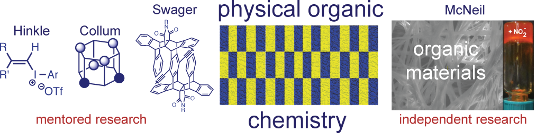
My maize and blue brick road to physical organic chemistry in materials
Beilstein J. Org. Chem. 2016, 12, 229–238, doi:10.3762/bjoc.12.24
- rate in a single round-bottom flask I realized that the stir-rate effect was real. I eliminated obvious culprits, including heterogeneity and high viscosity. Puzzled, I talked about this oddity to whomever would listen and tried every experiment suggested. One day I let a reaction sit unstirred for an


Supramolecular structures based on regioisomers of cinnamyl-α-cyclodextrins – new media for capillary separation techniques
Beilstein J. Org. Chem. 2016, 12, 97–109, doi:10.3762/bjoc.12.11
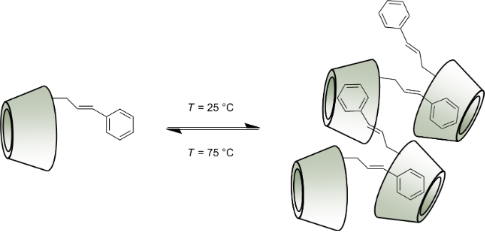
- reached higher values due to lower viscosity of the BGE. Subsequently differences between electrophoretic mobilities with and without Cin-α-CDs in BGE decreased because of smaller size of Cin-α-CDs aggregates. The studied α-cyclodextrin derivatives offer a potential for employing them in capillary


Supramolecular polymer assembly in aqueous solution arising from cyclodextrin host–guest complexation
Beilstein J. Org. Chem. 2016, 12, 50–72, doi:10.3762/bjoc.12.7
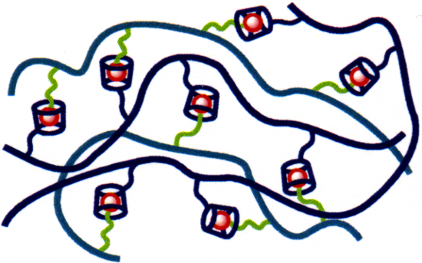
- substituents rendering a solution viscous by forming host–guest complexes with individual hydrophobic substituents and thereby lower solution viscosity [41][42][43][44]. This process may be reversed by adding competing hydrophobes which complex cyclodextrins more strongly than the hydrophobic substituents to
- restore solution viscosity [45][46]. 1.2 Host–guest complexation of hydrophobic substituents in polymers Hydrophobic associations in aqueous solution between either terminal or multiple hydrophobic substituents along the backbone of a polymer, which generate the high viscosity of associative thickeners
- , may be disrupted by cyclodextrin host–guest complexation of these substituents (Figure 2) [41][42][43][44][45][46][47][48][49]. Thus, in 1998, Zhang et al. reported that the viscosity of an aqueous solution of perfluorocarbon-substituted poly(ethylene glycol) was decreased through the addition of β-CD


Aggregation behaviour of amphiphilic cyclodextrins: the nucleation stage by atomistic molecular dynamics simulations
Beilstein J. Org. Chem. 2015, 11, 2459–2473, doi:10.3762/bjoc.11.267
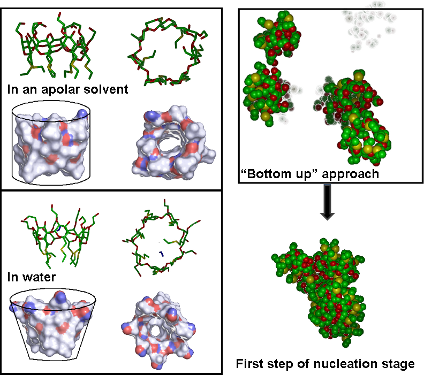
- formation of larger aggregates comprising all the molecules included in the simulations. While specific solvation effects cannot be ruled out, we point out that in vacuo all kinetic processes are much faster than in explicit water because of the lack of the solvent viscosity (the random collisions with the


Synthesis, structure, and mechanical properties of silica nanocomposite polyrotaxane gels
Beilstein J. Org. Chem. 2015, 11, 2194–2201, doi:10.3762/bjoc.11.238
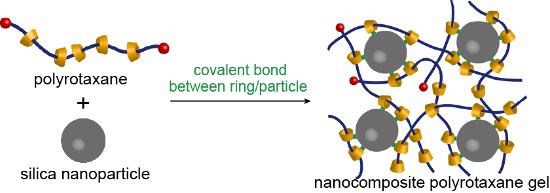
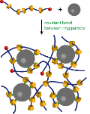
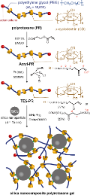
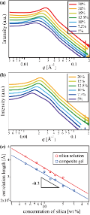
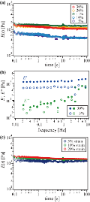
- transparent, indicating no significant aggregation. Five gels were synthesized in the same way with different initial concentrations of silica nanoparticles. Notably, in the absence of silica nanoparticles, gelation did not occur; only a slight increase of viscosity was observed. This result clearly shows




Cross-metathesis of polynorbornene with polyoctenamer: a kinetic study
Beilstein J. Org. Chem. 2015, 11, 1796–1808, doi:10.3762/bjoc.11.195

- accepted mechanism of olefin metathesis mediated by Gr-1 [30], this signal can be attributed to a new, secondary carbene ([Ru]=PCOE) formed via break up of a PCOE chain attacked by a primary carbene, as shown in Scheme 1. The mixture viscosity was considerably reduced at the early stage of the reaction (10
- dynamical behavior of PNB solutions in the DLS experiments reported above. We supposed that it could be correlated with a high viscosity of the PNB solution at early stages of the reaction, which was decreased rather slowly due to lower activity of the primary carbene, as compared with the PCOE case


![[Graphic 2]](/bjoc/content/inline/1860-5397-11-195-i10.png?max-width=637&scale=1.18182) in CHCl3 on the (a) light ...
in CHCl3 on the (a) light ...


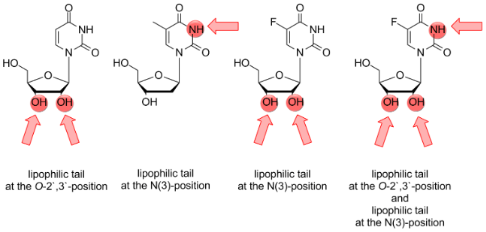
Terminal lipophilization of a unique DNA dodecamer by various nucleolipid headgroups: Their incorporation into artificial lipid bilayers and hydrodynamic properties
Beilstein J. Org. Chem. 2015, 11, 913–929, doi:10.3762/bjoc.11.103
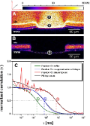
- (Equation 1) is the solvent viscosity. Table 3 summarizes the results of the theoretically calculated hydrodynamic properties of the lipo-oligonucleotides 10–15. The mean diffusion coefficient was found to be 1.2·10−6 ± 0.08 cm2 s−1. We do not exclude the formation of LON aggregates, but under our






IR and electrochemical synthesis and characterization of thin films of PEDOT grown on platinum single crystal electrodes in [EMMIM]Tf2N ionic liquid
Beilstein J. Org. Chem. 2015, 11, 348–357, doi:10.3762/bjoc.11.40
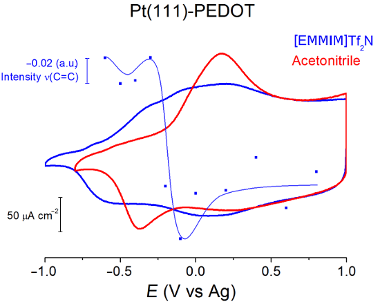
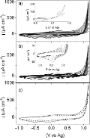
- the fact that the viscosity of the ionic liquid is quite high [16]. It is important to state that the activation energy of the nucleation kinetics related to the ion exchange depends on the overpotential used. Even so, the results shown in Table 1, Figure 3a and Figure 4 show that the kinetics of the




Formulation development, stability and anticancer efficacy of core-shell cyclodextrin nanocapsules for oral chemotherapy with camptothecin
Beilstein J. Org. Chem. 2015, 11, 204–212, doi:10.3762/bjoc.11.22
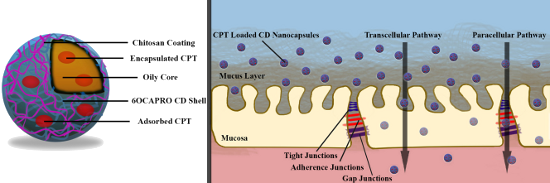
- increases linearly with polymer concentration which is attributed to higher organic solution viscosity with increase in polymer concentration [30]. Although the smallest particle size was obtained with 0.05% w/v concentration of polymer, there is no significant difference between the concentrations of 0.05
- Table 2, an increase in the concentration of oil resulted in an increase of nanoparticle size. This effect was attributed to the increase of the viscosity of the organic phase, since the higher the oil concentration is, the more viscous the organic phase becomes. However there is no significant


Articulated rods – a novel class of molecular rods based on oligospiroketals (OSK)
Beilstein J. Org. Chem. 2015, 11, 74–84, doi:10.3762/bjoc.11.11

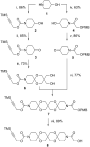
- the influence of temperature and solvent viscosity on the STR–FOL equilibrium. At room temperature a ratio between the monomer and excimer emission IM/IEX of about 100:60 is observed (Figure 4, red curve). The ratio does not change on dilution (1.5·10−5 mol/L → 1.1·10−6 mol/L) indicating that excimer
- the global minimum. Based on these results we next investigated the IM/IEX ratio in a variety of solvents with different viscosity [26]. In Figure 5 the IM/IEX ratio is represented in dependence on the viscosity η. Two nearly linear correlations are discernable. The first group (circles) with a steep
- be a versatile tool to investigate the STR/FOL equilibrium. We systematically investigated this phenomenon as a function of solvent viscosity, cyclodextrine addition and in the presence of lipids forming micelles and vesicles. In contrast to these noncovalent STR–FOL transitions we also reported on




Synthesis and characterization of a hyper-branched water-soluble β-cyclodextrin polymer
Beilstein J. Org. Chem. 2014, 10, 2586–2593, doi:10.3762/bjoc.10.271
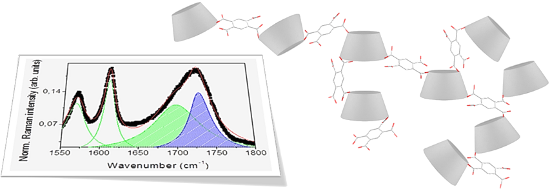
- used routes to get soluble CD polymers [14]. However, during polymerization the viscosity of the solution increases rapidly, thus leading to broad molecular weight distributions and poor reproducibility. A reduction in the concentration of the reactants leads to low reaction rates, but invariably
- (e.g., 12:1 molar ratio), the viscosity of the resulting CD-based polymer does not change for many hours, thus proving the stability of the formed branched polymer. The reaction is carried out at room temperature and followed by relative viscosity measurements. TLC analyses confirm the consumption of
- temperature was observed after the introduction of pyromellitic dianhydride. The viscosity of the solution gradually increases, but after few hours it remains constant. At this point, the solution was precipitated into an excess of diethyl ether, filtered under vacuum, solubilized in deionized water