Search results
Search for "antimicrobial activity" in Full Text gives 114 result(s) in Beilstein Journal of Organic Chemistry.
The chemistry of isoindole natural products
Beilstein J. Org. Chem. 2013, 9, 2048–2078, doi:10.3762/bjoc.9.243
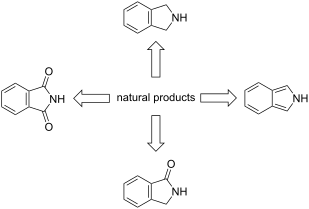
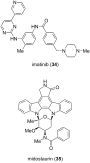
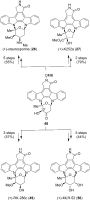
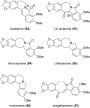
- antimicrobial activity against fungi and yeast of 26 was simultaneously reported with its isolation [16]. Moreover, with IC50 values in the low nanomolar range (1–20 nM), staurosporine (26) is one of the most potent protein kinase inhibitors to date [18]. It took nine years to identify the crucial protein












Simple synthesis of pyrrolo[3,2-e]indole-1-carbonitriles
Beilstein J. Org. Chem. 2013, 9, 934–941, doi:10.3762/bjoc.9.107
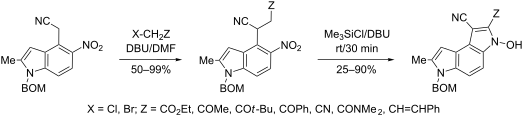
- -dihydropyrrolo[3,2-e]indole fragment is present in anticancer agents, such as CC-1065 [1], duocarmycin [1], and yatakemycin [2]. Some pyrrolo[3,2-e]indole derivatives show antimicrobial activity [3]. One method of synthesis of the 1,2-dihydropyrrolo[2,3-e]indoles is reduction of pyrrolo[3,2-e]indoles with sodium


Chemoenzymatic synthesis and biological evaluation of enantiomerically enriched 1-(β-hydroxypropyl)imidazolium- and triazolium-based ionic liquids
Beilstein J. Org. Chem. 2013, 9, 516–525, doi:10.3762/bjoc.9.56
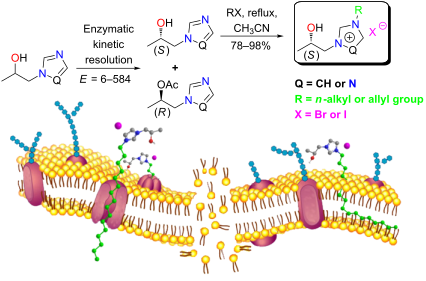
- liquids to exhibit excellent antimicrobial activity, raising the possibility that ionic liquids could find application as biocidal agents in the control of microorganism growth [42][43][44][45]. Herein, we report the results of our investigation on the chemoenzymatic synthesis of new chiral ionic liquids
- ionization mass spectrometry (HRMS–ESI). Their structures were found to be spectroscopically well–defined, which was further confirmed by elemental analyses. For the purpose of biological tests, the racemic mixtures all of salts presented in Table 3 were synthesized. Antimicrobial activity of racemic ionic


Multivalent display of the antimicrobial peptides BP100 and BP143
Beilstein J. Org. Chem. 2012, 8, 2106–2117, doi:10.3762/bjoc.8.237
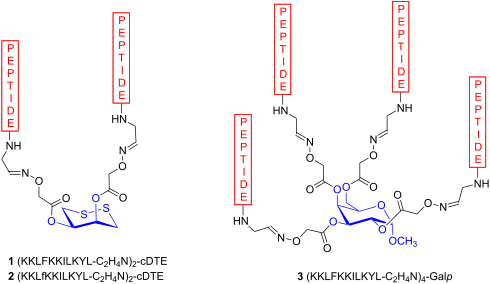
- active against human red blood cells pointing out that peptide preassembly is critical for the hemolytic activity. Notably, peptide preassembly resulted in an enhanced bactericidal effect. Keywords: antimicrobial activity; carbopeptides; multimeric structures; oxime ligation; phytopathogenic bacteria
- occasionally been reported that an improved binding to microbial membranes and thus an improved antimicrobial activity can be achieved if several copies of an antimicrobial peptide are linked together to form multimeric species [9][10][11][12][13][14][15]. The hypothesis of the assembly model is based on
- ]. In this study we used carbohydrate templates for the design of multivalent antimicrobial peptides targeted to control plant and human pathogenic bacteria and explored whether multivalency enhances the antimicrobial activity. These multivalent constructs were obtained by preassembling the


Modulating the activity of short arginine-tryptophan containing antibacterial peptides with N-terminal metallocenoyl groups
Beilstein J. Org. Chem. 2012, 8, 1753–1764, doi:10.3762/bjoc.8.200
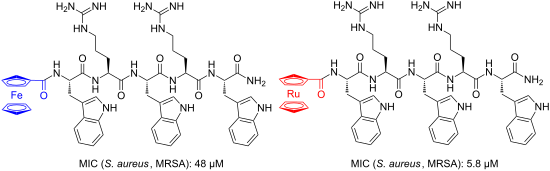
- prevented widespread systemic administration in the clinic. However, during the past couple of decades a large number of peptides with very potent antimicrobial activity and lower general toxicity were discovered [7]. Inspired by these antimicrobial peptides, many synthetic derivatives of naturally
- synthesized and tested for antimicrobial activity. In this paper we add another metal to the spectrum of existing organometallic synAMPs and we provide a detailed assessment of the kinetic parameters of this peptide. Specifically, we describe the effect of the introduction of ruthenocenoyl (ruthenocene


A macrolactonization approach to the total synthesis of the antimicrobial cyclic depsipeptide LI-F04a and diastereoisomeric analogues
Beilstein J. Org. Chem. 2012, 8, 1344–1351, doi:10.3762/bjoc.8.154
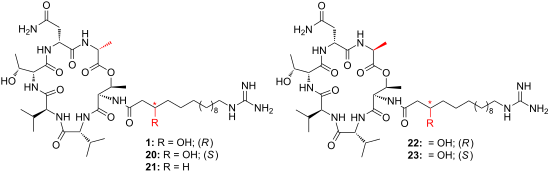
- -chain analogue 12 for attachment to the cyclic peptide core (Scheme 3). Notably, a previously synthesised LI-F04a analogue with a twelve-carbon side chain lacking the hydroxy group has been observed to have antimicrobial activity [9]. Thus, hydrolysis of pentadecanolide 13 [26] was followed by


Design of a novel tryptophan-rich membrane-active antimicrobial peptide from the membrane-proximal region of the HIV glycoprotein, gp41
Beilstein J. Org. Chem. 2012, 8, 1172–1184, doi:10.3762/bjoc.8.130
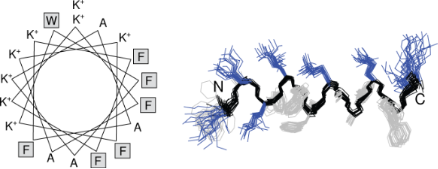
- with the greatest degree of amphipathicity and largest positive charge proved to be the most potent antimicrobial, and this peptide could be further modified to improve the antimicrobial activity. However, the other two peptides were relatively ineffective antimicrobials and instead proved to be
- that does not possess intrinsic antimicrobial activity. Peptides derived from the envelope HIV-1 glycoproteins, gp120 and gp41, have previously been examined for their antimicrobial activity [10] and we chose to use the membrane-proximal region of gp41 as our starting peptide scaffold. This region of
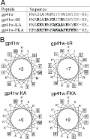
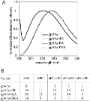
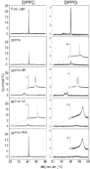
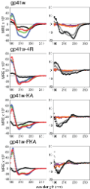
- potent antimicrobial activity. Three derivatives were synthesized based on the amino-acid sequence of gp41w (Figure 1). The first peptide, gp41w-4R, has the polar uncharged amino acids in gp41w replaced with Arg residues. These mutations increased the net charge of the peptide from +3 to +7 and should




Antibiotic and cytotoxic peptides
Beilstein J. Org. Chem. 2012, 8, 1144–1145, doi:10.3762/bjoc.8.127
- : chemical compounds that provide the producing species with specific protective mechanisms or other advantages. Among these, there are, e.g., peptides that display antibiotic/antimicrobial activity. These have been isolated from plants, invertebrates, vertebrates, and humans, but also from microorganisms
Algicidal lactones from the marine Roseobacter clade bacterium Ruegeria pomeroyi
Beilstein J. Org. Chem. 2012, 8, 941–950, doi:10.3762/bjoc.8.106
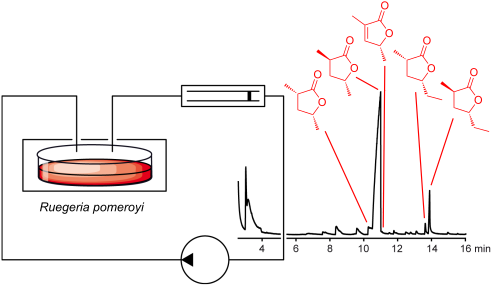
- ) under reflux for 6 h gave a mixture of (2R,4S)-7 and (2S,4S)-8, which was used for enantioselective GC analyses. Agar diffusion assay for antimicrobial activity. The substances were dissolved in MeOH at a concentration of 2 mg/mL. Twenty-five microlitres of the solutions (equal to 50 μg of the compounds


Phytoalexins of the Pyrinae: Biphenyls and dibenzofurans
Beilstein J. Org. Chem. 2012, 8, 613–620, doi:10.3762/bjoc.8.68
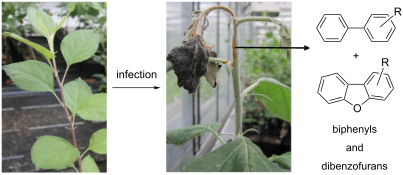
- after treatment with biotic and abiotic elicitors. The antimicrobial activity of the phytoalexins was demonstrated. To date, 10 biphenyls and 17 dibenzofurans were isolated from 14 of the 30 Pyrinae genera. The most widely distributed compounds are the biphenyl aucuparin and the dibenzofuran γ



Synthesis and characterization of new diiodocoumarin derivatives with promising antimicrobial activities
Beilstein J. Org. Chem. 2011, 7, 1688–1696, doi:10.3762/bjoc.7.199
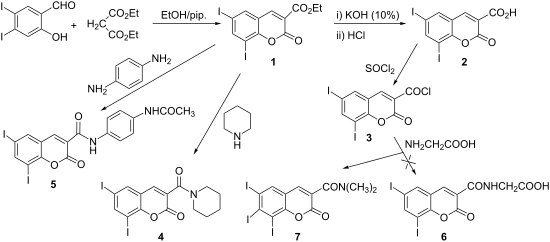
- ethyl 4-oxo-2,6-methano-2-methyl-3,4,5,6-tetrahydro-8,10-diiodobenzo[2,1-g]-2H-1,3-oxazocine-5-carboxylate derivatives 14a,b. All compounds were evaluated for their antimicrobial activity and the compounds 12–14a,b exhibited a pronounced effect on all tested microorganisms. Keywords: antimicrobial; 3,5
- measured in millimeters (6 mm) at the end of an incubation period of 48 h at 28 °C; N,N-dimethylformamide showed no inhibition zone. Conclusion It was interesting to note that four of the new compounds (12, 13 and 14a,b) were found to have an antimicrobial activity greater than that of the standard
- antibiotic ampicillin or the standard antifungal claforan, while compounds 1–11 were either inactive or only weakly active against the tested microorganisms. The presence of fused diiodocoumarino[3,4-c]pyridine and diiodobenzo[2,1-g]-2H-1,3-oxazocine nucleus increased the antimicrobial activity, whereas the


Synthesis, reactivity and biological activity of 5-alkoxymethyluracil analogues
Beilstein J. Org. Chem. 2011, 7, 678–698, doi:10.3762/bjoc.7.80
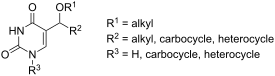
- longer alkynyl chains might be a successful way to obtain potentially active antimycobacterial drugs. Recently, the antimicrobial activity of 5-[alkoxy-(4-nitrophenyl)methyl]uridines 126, 127 has been studied [35]. Eight isomers with different alkyl side chain lengths, 126 and 127 (Figure 20), were
- tested for their antimicrobial activity against standard reference gram-positive and gram-negative bacterial strains such as Enterococcus faecalis CCM 4224, Staphylococcus aureus CCM 3953, Escherichia coli CCM 3954 and Pseudomonas aeruginosa CCM 3955 and against gram-positive and gram-negative bacteria


SbCl3-catalyzed one-pot synthesis of 4,4′-diaminotriarylmethanes under solvent-free conditions: Synthesis, characterization, and DFT studies
Beilstein J. Org. Chem. 2011, 7, 135–144, doi:10.3762/bjoc.7.19
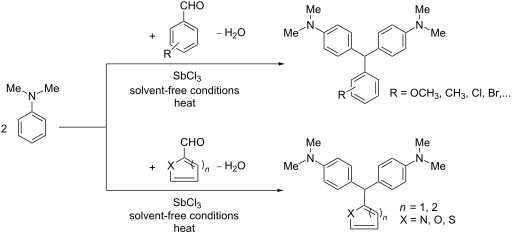
- [11][12][13], antitubercular [14], anti-infective, and antimicrobial activity [15]. Additionally, they have been used for sterilization of trypanosome cruizi-infected blood [16], in biotechnology process control [17][18], in dye-assisted laser inactivation of enzymes [19], in wastewater treatment



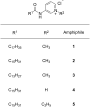
Pyridinium based amphiphilic hydrogelators as potential antibacterial agents
Beilstein J. Org. Chem. 2010, 6, 859–868, doi:10.3762/bjoc.6.101
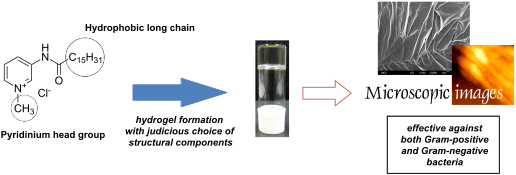
- (λ = 0.15406 nm) with a voltage and current of 40 kV and 30 mA, respectively. The gel was mounted on a glass slide and dried under vaccum. The xerogel was scanned from 2Θ = 1–40°. Microorganisms and culture conditions The in vitro antimicrobial activity of the cationic amphiphiles was investigated