


Search results
Search for "antiproliferative" in Full Text gives 121 result(s) in Beilstein Journal of Organic Chemistry.
Oxidative phenylamination of 5-substituted 1-hydroxynaphthalenes to N-phenyl-1,4-naphthoquinone monoimines by air and light “on water”
Beilstein J. Org. Chem. 2014, 10, 2448–2452, doi:10.3762/bjoc.10.255
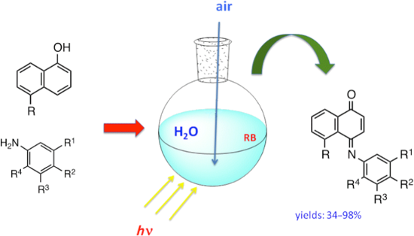
- -7) cancer cells. These results and our continuous interest in the synthesis of aminoquinones for antiproliferative evaluation [11][12][13], prompt us to explore a straightforward access to potential antiproliferative aminojuglone-analogues of compound 3. The study led us to discover a potential and




Synthesis of isoprenoid bisphosphonate ethers through C–P bond formations: Potential inhibitors of geranylgeranyl diphosphate synthase
Beilstein J. Org. Chem. 2014, 10, 1645–1650, doi:10.3762/bjoc.10.171

- should reduce cellular levels of GGPP and thus diminish protein geranylgeranylation, one might expect that inhibitors of this enzyme would interfere with essential cell signaling pathways and demonstrate antiproliferative activity. Several years ago we reported the synthesis of digeranyl bisphosphonate


New sesquiterpene hydroquinones from the Caribbean sponge Aka coralliphagum
Beilstein J. Org. Chem. 2014, 10, 613–621, doi:10.3762/bjoc.10.52
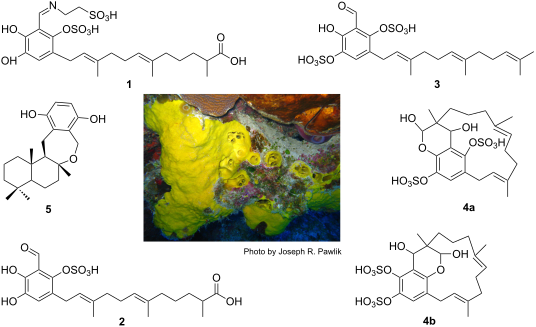
- -positive and Gram-negative bacteria, fungi, and for antiproliferative activity. The results given in Table 4 show that siphonodictyal E3 (3) and cyclosiphonodictyol A (5) exhibited mild activity against the Gram-positive bacteria Staphylococcus aureus and Micrococcus luteus, while siphonodictyal E4 (4


Preparation of new alkyne-modified ansamitocins by mutasynthesis
Beilstein J. Org. Chem. 2014, 10, 535–543, doi:10.3762/bjoc.10.49
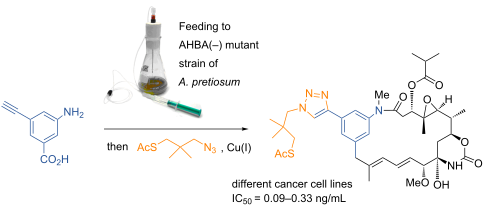
- introduce a thiol linker by Huisgen-type cycloaddition which can principally be utilized to create tumor targeting conjugates. In bioactivity tests, only those new ansamitocin derivatives showed strong antiproliferative activity that bear an ester side chain at C-3. Keywords: ansamitocins; antibiotics
- , we demonstrated that the ansamitocins (maytansinoids) 3–5 are an ideal showcase for creating small libraries by mutasynthesis [8][9][10]. These secondary metabolites exert strong antiproliferative activity towards different leukemia cell lines as well as human solid tumors. Inhibitory concentrations
- still strong antiproliferative activity (IC50 < 10 nM) for different cancer cell lines. Importantly, the intact conjugate showed strong antiproliferative activity for a FR+ cancer cell line but was inactive against a FR− cell line. Indeed, despite the substantial size of the substituent remaining at C19


Tanzawaic acids I–L: Four new polyketides from Penicillium sp. IBWF104-06
Beilstein J. Org. Chem. 2014, 10, 251–258, doi:10.3762/bjoc.10.20
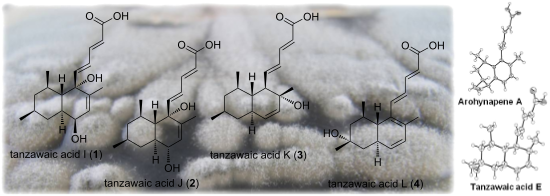
- . The isolated compounds were tested for their bioactivity in a series of antimicrobial and antiproliferative assays. We found that apart from compounds 1 and 2, the other isolates (3–8) inhibited the conidial germination in Magnaporthe oryzae at concentrations of 50 µg/mL or less (Table 3) whereas the


Total synthesis of (+)-grandiamide D, dasyclamide and gigantamide A from a Baylis–Hillman adduct: A unified biomimetic approach
Beilstein J. Org. Chem. 2014, 10, 127–133, doi:10.3762/bjoc.10.9
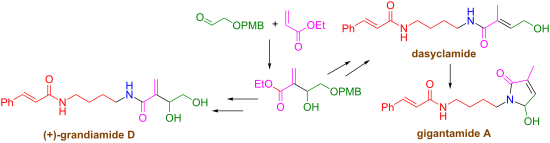
- aglaforbesin A (1) and pyramidatin (4) for pyramidaglain (3) as shown in Figure 1 [3]. The benzopyran and benzoxepine containing flavaglins showed insecticidal, antifungal and antiproliferative activity against various cancer cell lines [4]. Apart from acting as precursors for flavaglins, some of the cyclic


IBD-mediated oxidative cyclization of pyrimidinylhydrazones and concurrent Dimroth rearrangement: Synthesis of [1,2,4]triazolo[1,5-c]pyrimidine derivatives
Beilstein J. Org. Chem. 2013, 9, 2629–2634, doi:10.3762/bjoc.9.298
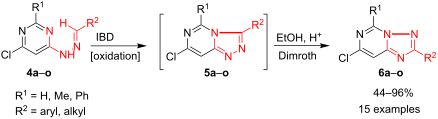
- pyrazolo[4,3-d]pyrimidine sildenafil. In addition, trapidil is a [1,2,4]triazolo[1,5-a]pyrimidine compound, which is the first triazolopyrimidine registered as a drug possessing antiproliferative activity in glioma cells and vascular smooth muscle cells (VSMCs) and used as a coronary vasodilator in the


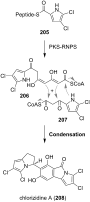
The chemistry of isoindole natural products
Beilstein J. Org. Chem. 2013, 9, 2048–2078, doi:10.3762/bjoc.9.243
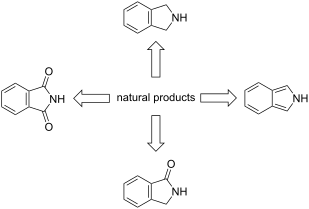
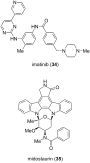
- mimicking several aspects of the adenosine moiety, by induced-fit structural changes and the conformational flexibility of the enzyme residues (Figure 3). Together with several related analogues, 26 displays significant cytotoxic and antiproliferative effects [19]. Due to the key role of protein kinases in












New tridecapeptides of the theonellapeptolide family from the Indonesian sponge Theonella swinhoei
Beilstein J. Org. Chem. 2013, 9, 1643–1651, doi:10.3762/bjoc.9.188
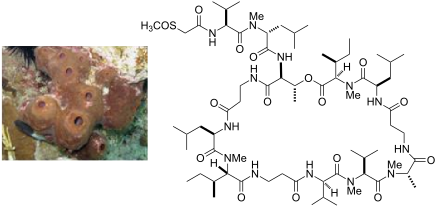
- show four valine residues. The structures of the compounds, isolated along with the known theonellapeptolide Id, were determined by extensive 2D NMR and MS/MS analyses followed by application of Marfey’s method. The isolated peptides exhibited moderate antiproliferative activity against HepG2 cells, a
- hepatic carcinoma cell line. Keywords: antiproliferative activity; cyclic peptides; marine metabolites; theonellapeptolides; 2D NMR; Introduction Three decades of extensive chemical investigation [1] have clearly evidenced that marine sponges of the genus Theonella (Lithistida, Theonellidae) are
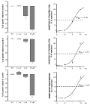
- during the present investigation (1–3) have been evaluated for their antiproliferative activity against HepG2 cells, a hepatic carcinoma cell line. As reported in Figure 4, all tested compounds showed antiproliferative activity at low micromolar doses, with a similar pattern of potency. At the dose 10 μM


A study on electrospray mass spectrometry of fullerenol C60(OH)24
Beilstein J. Org. Chem. 2013, 9, 1285–1295, doi:10.3762/bjoc.9.145
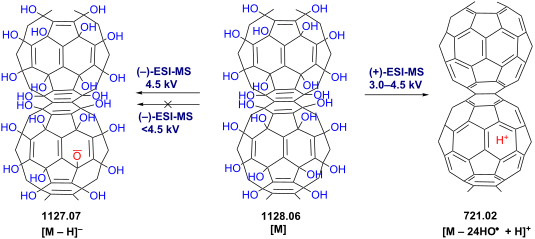
- m/z 279 and [M − 12H2O + 2NH3 + 6H]6+ at m/z 158. Keywords: electrospray; fullerenol C60(OH)24; mass spectrometry; Introduction Because of their potential for chemical tunability and exciting range of biological activities as glutamate-receptor antagonists [1] and antiproliferative [2][3




Formal synthesis of (−)-agelastatin A: an iron(II)-mediated cyclization strategy
Beilstein J. Org. Chem. 2013, 9, 860–865, doi:10.3762/bjoc.9.99
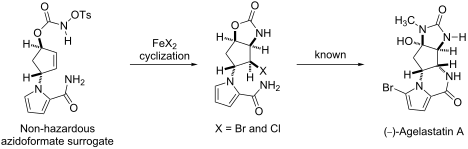
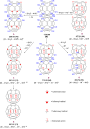
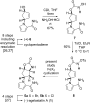
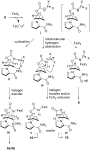
- intermediate for the synthesis of (−)-agelastatin A (AA, 1), a potent antiproliferative alkaloid. The present synthetic endeavour offered an insight into the mechanism underlying the iron(II)-mediated aminohalogenation of N-tosyloxycarbamate, in which the radical properties of the N–iron intermediates in the





Synthesis of 2,3-dihydronaphtho[2,3-d][1,3]thiazole-4,9-diones and 2,3-dihydroanthra[2,3-d][1,3]thiazole-4,11-diones and novel ring contraction and fusion reaction of 3H-spiro[1,3-thiazole-2,1'-cyclohexanes] into 2,3,4,5-tetrahydro-1H-carbazole-6,11-diones
Beilstein J. Org. Chem. 2013, 9, 577–584, doi:10.3762/bjoc.9.62
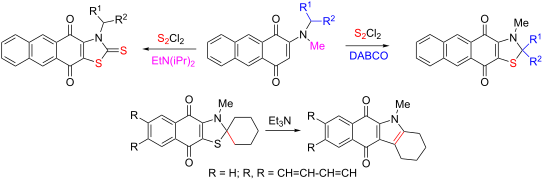
- -naphthoquinone structure is common for various natural products. It is associated with numerous biological activities, such as enzyme-inhibitory, antifungal, antibacterial, anticancer, antiproliferative, antiplatelet, anti-inflammatory, antiallergic, and antimalarial ones. Benzoquinones fused with heterocycles


Chemical modification allows phallotoxins and amatoxins to be used as tools in cell biology
Beilstein J. Org. Chem. 2012, 8, 2072–2084, doi:10.3762/bjoc.8.233
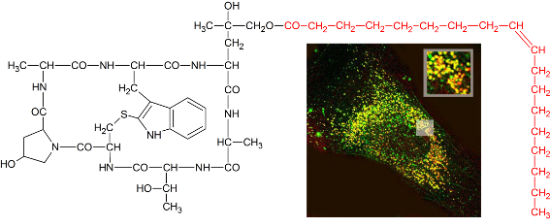
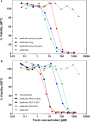
- incubation time (Table 1). Phalloidin displayed no antiproliferative activity up to a concentration of 10−3 M in the culture medium. In contrast, the most lipophilic ester derivative, phalloidin oleate (1e), showed an IC50 value of proliferation inhibition of 2.5 × 10⁻⁶ M, and was thus ca. 1000 times more
- , were highly toxic for mouse fibroblasts, and their antiproliferative activity was comparable to the most lipophilic derivative, phalloidin oleate (Figure 4a). Their toxicity was found to be dependent on the configuration of the polymer, since phalloidin bound to D-configurated polylysine was about 10




Reactions of nitroxides XIII: Synthesis of the Morita–Baylis–Hillman adducts bearing a nitroxyl moiety using 4-acryloyloxy-2,2,6,6-tetramethylpiperidine-1-oxyl as a starting compound, and DABCO and quinuclidine as catalysts
Beilstein J. Org. Chem. 2012, 8, 1515–1522, doi:10.3762/bjoc.8.171
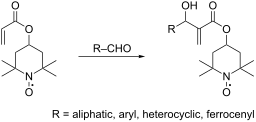
- ones [21][22][23][24]. Some recent results concerning MBH reaction have been presented [6][16][18][25][26][27][28][29][30][31][32][33]. MBH adducts themselves are reported to be antiproliferative agents [34]; however, they are often applied as a tool for building more complex target structures, usually


Unprecedented deoxygenation at C-7 of the ansamitocin core during mutasynthetic biotransformations
Beilstein J. Org. Chem. 2012, 8, 861–869, doi:10.3762/bjoc.8.96
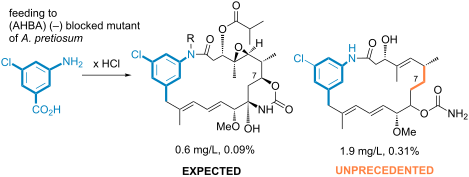
- mutants and mutasynthetic approaches. We suggest that the formation of these derivatives is based on elimination at C-7/C-8 followed by reduction(s) of the intermediate enone. In bioactivity tests, only ansamitocin derivatives bearing an ester side chain at C-3 showed strong antiproliferative activity
- -proansamitocin 8 (3.5 mg/L) and two diastereomeric byproducts 9a and 9b (7.6 mg/L; 1:1 ratio) from the fermentation broth of A. pretiosum Δasm12/21 (Figure 1). We also showed that none of these proansamitocin derivatives exhibit antiproliferative activity. Herein, we describe the unprecedented formation of
- )ansamitocin derivatives lacking the ester side chain at C-3 (11b, 11g–h, 12–16) do not show any antiproliferative activity (IC50 > 800 nM) for at least two of the cell lines listed in Table 1. Compounds 11c–e, bearing the ester side chain at C-3, predominantly showed activities in the pM range. As seen also




Marilones A–C, phthalides from the sponge-derived fungus Stachylidium sp.
Beilstein J. Org. Chem. 2011, 7, 1636–1642, doi:10.3762/bjoc.7.192
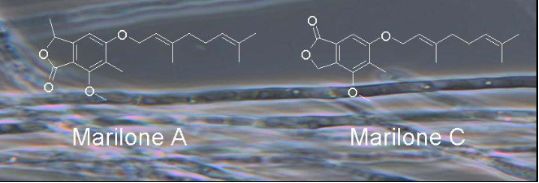
- activity towards three cancer cell lines (NCI-H460, MCF7 and SF268). Marilone A and C (1, 3) showed weak antiproliferative activity with an average GI50 of 36.7 and 26.6 µM, respectively (see Supporting Information File 1). Marilone B (2) was assayed in a panel of 44 psychoactive receptors, including 11


Natural product biosyntheses in cyanobacteria: A treasure trove of unique enzymes
Beilstein J. Org. Chem. 2011, 7, 1622–1635, doi:10.3762/bjoc.7.191
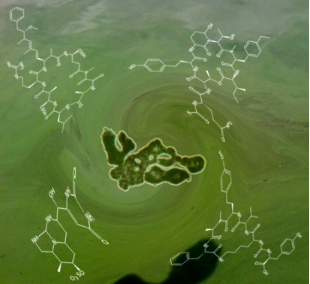
- majuscula strain found in Curacao, and it exhibits potent antiproliferative and cytotoxic activities [44]. This intriguing structure contains a thiazoline and a cyclopropyl ring. Interestingly, the pathway comprises a HMG-CoA synthase cassette, highly similar to the one of the jamaicamide assembly line


Efficient syntheses of 25,26-dihydrodictyostatin and 25,26-dihydro-6-epi-dictyostatin, two potent new microtubule-stabilizing agents
Beilstein J. Org. Chem. 2011, 7, 1372–1378, doi:10.3762/bjoc.7.161
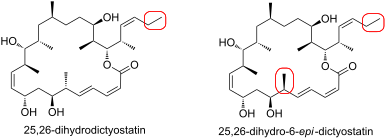
- , PA 15260, USA Department of Pharmaceutical Sciences, School of Pharmacy, 3501 Terrace Street, University of Pittsburgh, Pittsburgh, PA 15261 USA 10.3762/bjoc.7.161 Abstract The dictyostatins are powerful microtubule-stabilizing agents that have shown antiproliferative activity against a variety of
- microtubule-stabilizing agents include taxanes, epothilones, and discodermolides, among others [3][4]. Dictyostatin (1a) is an exceptionally potent microtubule-stabilizing agent that has shown antiproliferative activity in a variety of human cancer cell lines in the low nanomolar range. Isolated first in 1994




Symmetrical and unsymmetrical α,ω-nucleobase amide-conjugated systems
Beilstein J. Org. Chem. 2010, 6, No. 34, doi:10.3762/bjoc.6.34
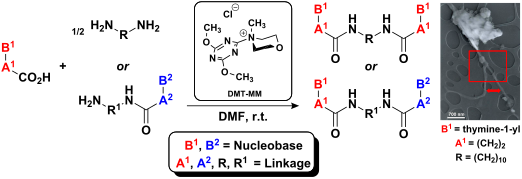
- against it within the group tested. Very recently, Accetta et al. reported remarkable symmetrical amide-conjugated bis-α,ω-uracil based systems (IV). These compounds exhibited antiproliferative and erythroid differentiation induction properties towards human chronic myelogenous leukaemia K562 cells [3


Microwave assisted synthesis of triazoloquinazolinones and benzimidazoquinazolinones
Beilstein J. Org. Chem. 2007, 3, No. 11, doi:10.1186/1860-5397-3-11
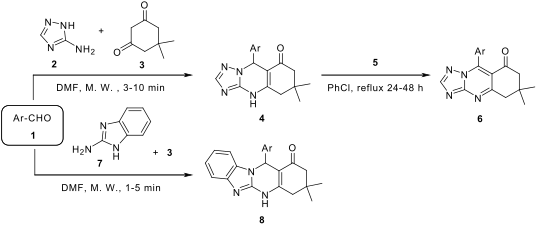
- ] anticancer, [5] anti-inflammatory, [6] anticonvulsant, [7] and antiproliferative activities as well as inhibitory effects for thymidylate synthase and poly-(ADP-ribose) polymerase (PARP). [8] An interesting method for quinazoline synthesis involved [5+1] annulation during the reaction of β-dicarbonyl


Colchitaxel, a coupled compound made from microtubule inhibitors colchicine and paclitaxel
Beilstein J. Org. Chem. 2006, 2, No. 13, doi:10.1186/1860-5397-2-13
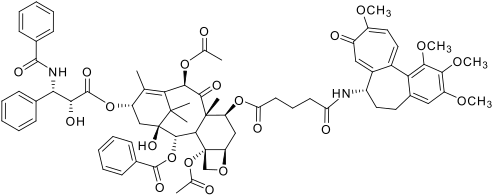
- combination had antagonistic effects. Other researchers found that the antiproliferative effect of paclitaxel was relatively little affected by the presence of microtubule depolymerizing agent, N-acetylcolchinol [50]. Workers who studied cells cultured in vitro found high IC50 levels, in the 10–50 nM range
- , for antiproliferative activity of paclitaxel and vinorelbine individually, but synergy with concentrations as low as 3 nM and 0.01 nM respectively [51]. Thus, differing model systems yielded results variously suggesting antagonistic, non-additive, or synergistic effects. However, there is evidence





