Search results
Search for "gel" in Full Text gives 1368 result(s) in Beilstein Journal of Organic Chemistry. Showing first 200.
Cage-like microstructures via sequential Ugi reactions in aqueous emulsions
Beilstein J. Org. Chem. 2024, 20, 2078–2083, doi:10.3762/bjoc.20.179
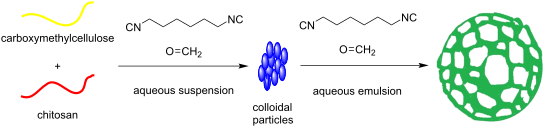
- principle, two possible mechanisms were considered: (1) Soft CMC/chitosan gel particles interacted with the surface and flattened to form discs. (2) When particles were deposited on the surface, they did not completely cover it, forming a network. In this work, we tested these hypotheses and found arguments


Multicomponent syntheses of pyrazoles via (3 + 2)-cyclocondensation and (3 + 2)-cycloaddition key steps
Beilstein J. Org. Chem. 2024, 20, 2024–2077, doi:10.3762/bjoc.20.178

- pyrazoline, which leads to increased yields. In addition to fully substituted pyrazoles, bispyrazoles can also be synthesized [97]. Other Lewis acid catalysts employed in this method include chloride-functionalized silica gel (SiO2Cl) [98] and Sc(OTf)3 [99]. Importantly, all reactions of this method are




Allostreptopyrroles A–E, β-alkylpyrrole derivatives from an actinomycete Allostreptomyces sp. RD068384
Beilstein J. Org. Chem. 2024, 20, 1981–1987, doi:10.3762/bjoc.20.174
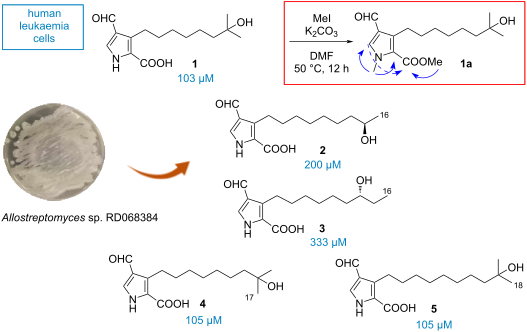
- fractionated on a silica gel column eluting with CHCl3/MeOH mixtures. Allostreptamide was obtained from the eluate with CHCl3/MeOH 2:1 [24]. HPLC-DAD analysis of a less polar fraction, eluted with CHCl3/MeOH 10:1, detected several peaks with characteristic UV absorptions, which were purified by ODS flash
- , and isolation Details on the supplier of Allostreptomyces sp. RD068384, fermentation, extraction, and fractionation are described in Supporting Information File 1. While a CHCl3/MeOH 2:1-eluting fraction by silica gel open column chromatography eventually yielded allostreptamide [24], a less polar
- CHCl3/MeOH 10:1 fraction contained compounds with characteristic UV absorption. This fraction, obtained as 395 mg of brown solid from 4 L culture in A-3M medium, was fractionated by octadecyldimethylsilyl (ODS) silica gel column chromatography with a gradient of MeCN/0.1% HCO2H solution (2:8, 3:7, 4:6


Regioselective alkylation of a versatile indazole: Electrophile scope and mechanistic insights from density functional theory calculations
Beilstein J. Org. Chem. 2024, 20, 1940–1954, doi:10.3762/bjoc.20.170
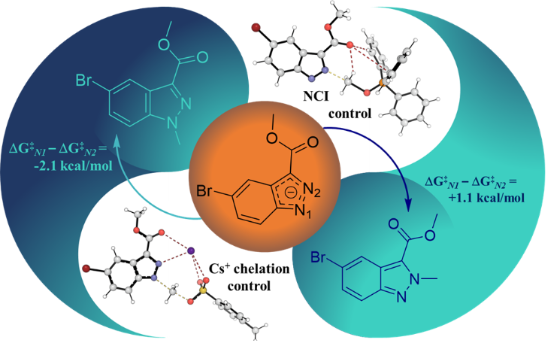
- moisture-sensitive reagents were performed under a nitrogen or argon atmosphere. Silica gel chromatography was performed using prepacked silica gel columns (RediSep® Rf, Teledyne ISCO). An aluminum block atop a hotplate with a thermocouple was used to heat reactions to the specified temperatures. NMR


A new platform for the synthesis of diketopyrrolopyrrole derivatives via nucleophilic aromatic substitution reactions
Beilstein J. Org. Chem. 2024, 20, 1933–1939, doi:10.3762/bjoc.20.169
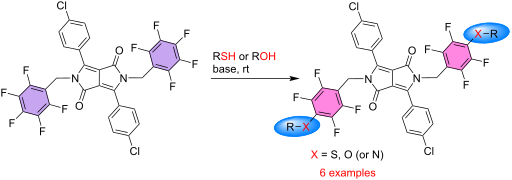
- chromatography (TLC) was carried out on precoated sheets with silica gel (Merck 60, 0.2 mm thick). Preparative TLC was carried out on 20 cm × 20 cm glass plates precoated with a layer of silica gel 60 (0.5 mm thick) and activated in an oven at 100 °C for 12 h. Melting points were determined with a Büchi B-540
- and then it was diluted with CH2Cl2 and water. The organic layer was separated and washed with water and brine. The product was isolated by column chromatography on silica gel using CH2Cl2 as the eluent. Yield: 61%; mp: 278–280 °C; 1H NMR (300 MHz, CDCl3) δ (ppm) 7.62–7.66 (m, 4H), 7.47–7.52 (m, 4H


Electrochemical radical cation aza-Wacker cyclizations
Beilstein J. Org. Chem. 2024, 20, 1900–1905, doi:10.3762/bjoc.20.165
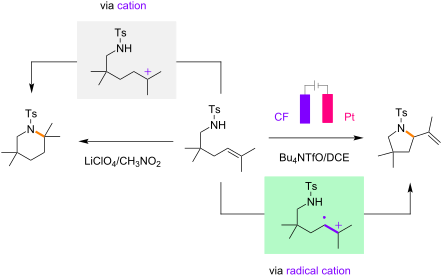
- with stirring. The solution was diluted with water and extracted with dichloromethane. The combined organic layers were dried over Na2SO4, filtered, and concentrated in vacuo. Yields were determined by 1H NMR analysis using benzaldehyde as an internal standard (Table 1). Silica gel column


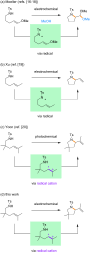


The Groebke–Blackburn–Bienaymé reaction in its maturity: innovation and improvements since its 21st birthday (2019–2023)
Beilstein J. Org. Chem. 2024, 20, 1839–1879, doi:10.3762/bjoc.20.162
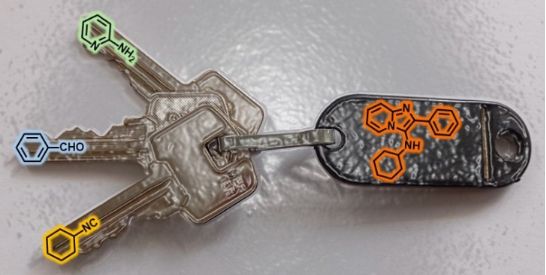


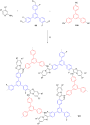
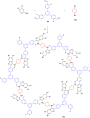


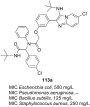


Discovery of antimicrobial peptides clostrisin and cellulosin from Clostridium: insights into their structures, co-localized biosynthetic gene clusters, and antibiotic activity
Beilstein J. Org. Chem. 2024, 20, 1800–1816, doi:10.3762/bjoc.20.159

- domains [49]. As in the previous literature report, we could confirm that the precursor CloA2 could be cut by the non-native peptidase CloPt1, likely due to this domain's sequence and structure conservation. SDS-PAGE gel electrophoresis confirmed the expression of all proteins. Each of the LanM enzymes
- force microscopy The study employed atomic force microscopy (AFM) in air to observe the bacterial morphological changes on the surface of S. epidermidis triggered by the impact of lanthipeptides. The concentrations of peptides were estimated based on the SDS gel band intensity, and we expect there is
- ). Purifications were monitored through 20% sodium dodecyl sulfate-polyacrylamide gel electrophoresis (SDS-PAGE) [51]. For HPLC-LC analysis no native purification was performed, for each pellet of 500 mL liquid culture induction of clostrisin and cellulosin lanthipeptides. The cell pellet was resuspended with 10


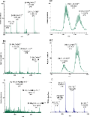


Synthesis of polycyclic aromatic quinones by continuous flow electrochemical oxidation: anodic methoxylation of polycyclic aromatic phenols (PAPs)
Beilstein J. Org. Chem. 2024, 20, 1746–1757, doi:10.3762/bjoc.20.153
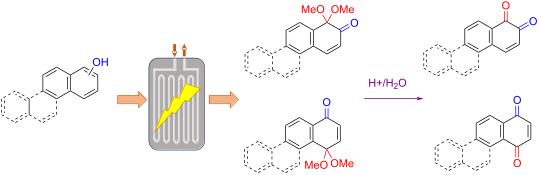
- supporting electrolyte within a flow system [32]. Et4NOTs is highly soluble in these solvents and can easily be removed by filtration through a pad of silia gel. Initially, we did a short screening of available electrode materials on the oxidation of commercially available 2-naphthol (1a, Table 1) obtaining
- dimethoxylated quinones are somewhat labile but can be purified by rapid silica gel chromatography and stored for a few weeks. The controlled current and anhydrous conditions helped avoiding overoxidation. The substrates leading to p-quinones were more prone to overoxidation. The electrochemical oxidation of


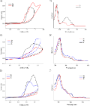


New triazinephosphonate dopants for Nafion proton exchange membranes (PEM)
Beilstein J. Org. Chem. 2024, 20, 1623–1634, doi:10.3762/bjoc.20.145

- (34%) of Nafion perfluorinated resin solution was purchased from Sigma-Aldrich. Purification of reaction products was done by column chromatography on silica gel (230–400 mesh) with the appropriate eluent mixture and using a positive pressure of nitrogen. Spectroscopic characterization The


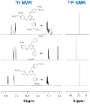


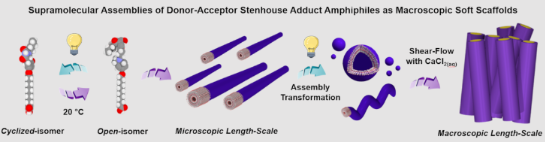
Supramolecular assemblies of amphiphilic donor–acceptor Stenhouse adducts as macroscopic soft scaffolds
Beilstein J. Org. Chem. 2024, 20, 1590–1603, doi:10.3762/bjoc.20.142
- specified. All reactions were performed under nitrogen unless otherwise specified. Analytical thin-layer chromatography (TLC) was performed with Macherey-Nagel silica gel 60 UV254 aluminum plates, and visualization was accomplished by UV light (254 nm or 365 nm) or by staining with phosphomolybdic acid and
- heating. Flash column chromatography was performed using Macherey-Nagel silica gel 60 (230–400 mesh). Deuterated solvents were purchased from Cambridge Isotope Laboratories. UV–vis spectroscopy UV–vis measurements were performed on an Agilent Cary 60 UV–vis spectrophotometer with a quartz cuvette of 1 cm




Benzylic C(sp3)–H fluorination
Beilstein J. Org. Chem. 2024, 20, 1527–1547, doi:10.3762/bjoc.20.137

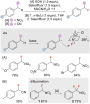
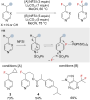
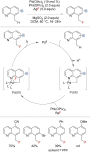
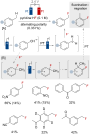
- predominately considered to be stable to isolation conditions, secondary and tertiary suffer from the elimination of HF, especially in the presence of silica gel or glass vessels. Therefore, benzyl fluorides have been derivatised, for example in C–O, C–N and C–C bond-forming reactions [18][19][20], thereby also








Primary amine-catalyzed enantioselective 1,4-Michael addition reaction of pyrazolin-5-ones to α,β-unsaturated ketones
Beilstein J. Org. Chem. 2024, 20, 1518–1526, doi:10.3762/bjoc.20.136
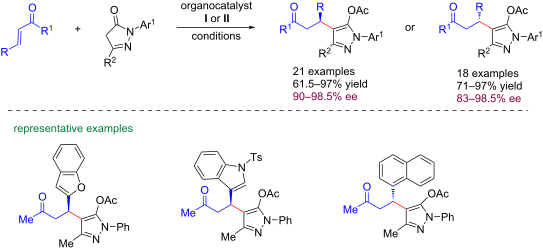
- temperature. The crude reaction mixture was purified by silica gel (230–400 mesh) column chromatography (petroleum ether/EtOAc as the eluent) to give the product 3 or ent-3. Selected examples of drugs and bioactive molecules bearing a pyrazole core. Single crystal X-ray structure of ent-3ba (CCDC 2234286




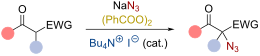
Tetrabutylammonium iodide-catalyzed oxidative α-azidation of β-ketocarbonyl compounds using sodium azide
Beilstein J. Org. Chem. 2024, 20, 1510–1517, doi:10.3762/bjoc.20.135
- were recorded on an Agilent QTOF 6520 spectrometer with an ESI source. Melting points are recorded using a Büchi M-560 apparatus and are reported uncorrected. TLC was performed on Macherey-Nagel pre-coated TLC plates (silica gel, 60 F254, 0.20 mm, ALUGRAM® Xtra SIL). Preparative column chromatography
- was carried out using Davisil LC 60 Å 70-200 MICRON silica gel. All chemicals were purchased from commercial suppliers and used without further purification unless otherwise stated. General α-azidation procedure Sodium azide (7.8 mg, 120 µmol, 1.2 equiv) and TBAI (7.4 mg, 20 µmol, 20 mol %) were
- diluted with 8 mL dichloromethane and extracted with 5 mL of sat. aq NaHCO3. The aqueous phase was then extracted twice with 10 mL of DCM. The organic layer and the extracts were then filtered consecutively through a pad of anhydr. sodium sulfate and deactivated silica gel. The solvents were removed in


Towards an asymmetric β-selective addition of azlactones to allenoates
Beilstein J. Org. Chem. 2024, 20, 1504–1509, doi:10.3762/bjoc.20.134
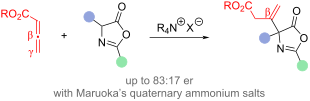
- and EtOAc), concentrated under reduced pressure, and subsequently purified by preparative TLC (silica gel, heptanes/EtOAc 4:1) to obtain the products 2 in the given yields and enantiopurities. Details for the parent compound 5a (details for the other targets can be found in Supporting Information File


Photoswitchable glycoligands targeting Pseudomonas aeruginosa LecA
Beilstein J. Org. Chem. 2024, 20, 1486–1496, doi:10.3762/bjoc.20.132
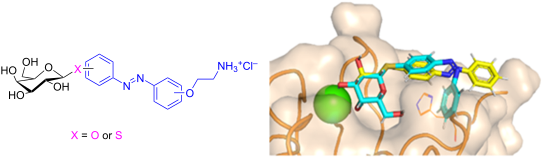
- through alumina or molecular sieves-containing cartridges using a solvent purificator MBRAUN SPS-800. All the reactions with azobenzene-containing substrates were carried out in the dark. Reactions were monitored by TLC on Silica Gel 60F-254 plates with detection by UV (254 nm or 365 nm) or by spraying
- silica gel (60 Å pore size, 40–63 µm). 1H and 13C NMR spectra were recorded on a JEOL ECS-400 spectrometer or on Bruker Avance 300 and 400 spectrometers. Structural assignments were made with additional information from gCOSY, HMBC, and gHMQC experiments. High-resolution mass spectra (HRMS) were


Synthesis of 2-benzyl N-substituted anilines via imine condensation–isoaromatization of (E)-2-arylidene-3-cyclohexenones and primary amines
Beilstein J. Org. Chem. 2024, 20, 1468–1475, doi:10.3762/bjoc.20.130
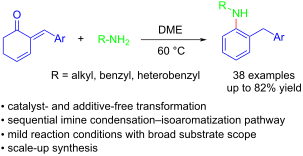
- purified by column chromatography on silica gel to give product 4. In the case of reacting with 3-NO2 bearing 2f, 2-benzylphenol 5f was partially obtained together with normal product 4fa. 4-CN substituted 2o generated 2-benzylphenol 5o exclusively. Synthesis of aniline derivatives from 2-cyclohexenones or


Synthesis of cyclic β-1,6-oligosaccharides from glucosamine monomers by electrochemical polyglycosylation
Beilstein J. Org. Chem. 2024, 20, 1421–1427, doi:10.3762/bjoc.20.124

- was further washed with aqueous 1 M HCl solution and dried over Na2SO4. Then, the solvent was removed under reduced pressure, and the crude product (220 mg) was purified with recycling preparative gel permeation chromatography equipped with two series-connected JAIGEL-2HH columns (eluent: CHCl3, flow


Sustainable tandem acylation/Diels–Alder reaction toward versatile tricyclic epoxyisoindole-7-carboxylic acids in renewable green solvents
Beilstein J. Org. Chem. 2024, 20, 1308–1319, doi:10.3762/bjoc.20.114
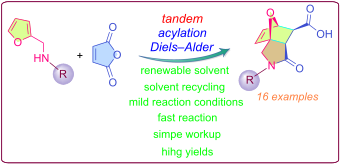
- . Louis, MO), or Acros Organics (Thermo Fisher Scientific, Geel, Belgium) and used without further purification. Thin-layer chromatography was performed using silica gel (60 F254, Merck, Darmstadt, Germany) plates. Melting points were recorded by Büchi melting point B-540 apparatus (Büchi Labortechnik AG


Diameter-selective extraction of single-walled carbon nanotubes by interlocking with Cu-tethered square nanobrackets
Beilstein J. Org. Chem. 2024, 20, 1298–1307, doi:10.3762/bjoc.20.113
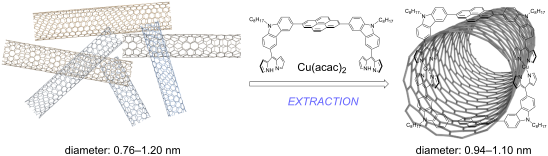
- depend on their structures [1]. To obtain specific structures, remarkable progress has been made in separation of SWNTs by various methods such as gel column chromatography [2][3], aqueous two-phase extraction (ATPE) [4][5], and polymer wrapping [6][7]. As compared with these methods, our separation by
- Sigma-Aldrich Co., Nacalai Tesque Co., Tokyo Chemical Industry Co., Ltd., FUJIFILM Wako Pure Chemical Industries, Ltd. All organic solvents are purchased from Nacalai Tesque Co., FUJIFILM Wako Pure Chemical Industries, Ltd. and were used without purification unless indicated otherwise. The silica gel 60
- N (spherical, neutral) was purchased from Kanto Chemical Co., Ltd. All reactions were performed in oven-dried glassware unless stated otherwise and were monitored by TLC using 0.25 mm silica gel plates with UV indicator (70F-254). Commercial HiPco (purchased from Carbon Nanotechnologies Inc., with




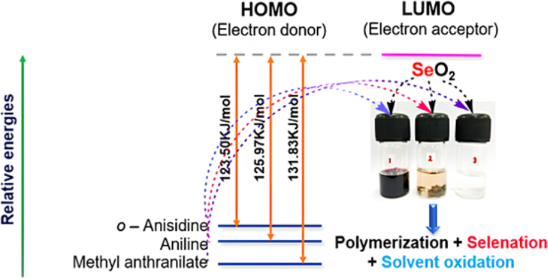
Competing electrophilic substitution and oxidative polymerization of arylamines with selenium dioxide
Beilstein J. Org. Chem. 2024, 20, 1221–1235, doi:10.3762/bjoc.20.105
- environment. Acetonitrile (99.9%) was bought from Avra Chemicals Private Ltd. and used without any further purification. Selenium dioxide and a range of reactants were purchased from Sigma-Aldrich. TLC was performed using silica-gel-coated aluminum sheets (TLC silica gel 60 F254). 1H, 13C, and 77Se NMR (500
- in a different round-bottom flask, and the solvent was evaporated in a rotary evaporator. The resulting solid was dissolved in DCM, and silica gel was added to the DCM layer. This slurry was subjected to column chromatography on silica gel (100–200 mesh) using petroleum ether and ethyl acetate as
- solid. The filtrate was evaporated and column-chromatographed on silica gel (100–200 mesh) using petroleum ether and ethyl acetate as an eluent. The initial yellowish orange fraction containing N1,N2-bis(2-methoxyphenyl)oxalamide, collected with 22% ethyl acetate, was recrystallized from a chloroform


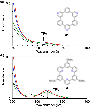
Introduction of peripheral nitrogen atoms to cyclo-meta-phenylenes
Beilstein J. Org. Chem. 2024, 20, 1207–1212, doi:10.3762/bjoc.20.103
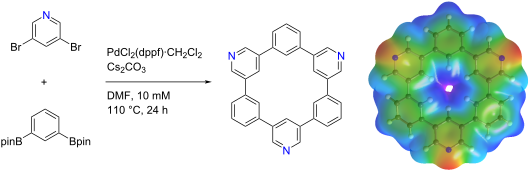
- overnight to give 3a in 6% yield (272 mg, 0.592 mmol) after the extraction. The latter was purified by silica gel short path and GPC (column: YMC-GPC T30000-40 + T4000-40 + T2000-40, eluent: CHCl3, flow rate: 30 mL/min) to give 3a in 1% yield (52.8 mg, 0.115 mmol) and 3b in 3% yield (118 mg, 0.193 mmol). In



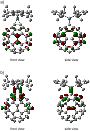
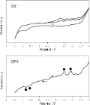
Two-fold addition reaction of silylene to C60: structural and electronic properties of a bis-adduct
Beilstein J. Org. Chem. 2024, 20, 1179–1188, doi:10.3762/bjoc.20.100
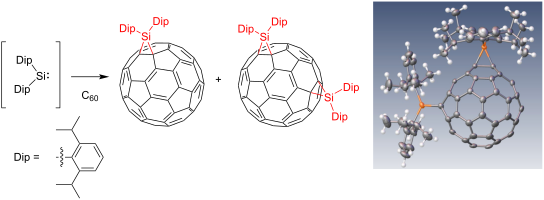
- accompanied by mono-adduct 2 (22% yield) by silica gel flash column chromatography using mixed solvents of hexane/CH2Cl2 by changing the ratios of volumes from 10:1 to 3:1. In thin-layer chromatography (TLC) analysis using silica gel, the Rf values are 0.55 for 2 and 0.33 for 3, respectively, with hexane


Bismuth(III) triflate: an economical and environmentally friendly catalyst for the Nazarov reaction
Beilstein J. Org. Chem. 2024, 20, 1167–1178, doi:10.3762/bjoc.20.99
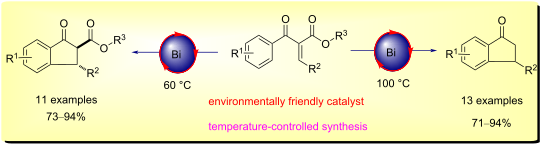
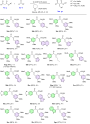
- different compounds containing the indanone moiety. Synthesis of unsaturated β-ketoesters (Knoevenagel derivatives). aIsolated yield after purification using silica gel column chromatography. Synthesis of 3-aryl-2-ethoxycarbonyl-1-indanones mediated by bismuth triflate. aIsolated yield after purification
- using silica gel column chromatography. bExtensive degradation. cRecovery of starting material. Basic protocol: The Knoevenagel product 9 (0.5 mmol), dry acetonitrile (2 mL), and Bi(OTf)3 (0.05 mmol) were added to a sealed tube. The reaction mixture was stirred at 60 °C and monitored by TLC. Controlled
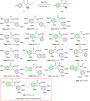
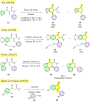
- decarboxylation directed by bismuth triflate at 100 °C. Synthesis of 3-aryl-1-indanones. aIsolated yield after purification using silica gel column chromatography. bReaction performed at 60 °C. cFrom tert-butyl Knoevenagel derivative. Basic protocol: The Knoevenagel product 9 (0.5 mmol), dry acetonitrile (2 mL




Kinetically stabilized 1,3-diarylisobenzofurans and the possibility of preparing large, persistent isoacenofurans with unusually small HOMO–LUMO gaps
Beilstein J. Org. Chem. 2024, 20, 1099–1110, doi:10.3762/bjoc.20.97
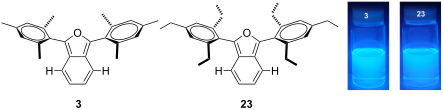
- 40 g) on a CombiFlash® Rf 200 instrument (Teledyne Isco, Inc.). Evaporation of solvents was accomplished using an IKA® RV 10 digital rotary evaporator. Baker-flex® silica gel IB2-F thin-layer chromatography (TLC) plates were purchased from J.T. Baker. A 4 watt 254 nm lamp (Analtytik Jena Co.) and a
- gel CombiFlash chromatography (hexane/EtOAc 9:1) to obtain 22 as a yellow solid (0.44 g, 35%, Scheme 5). Mp 59–60 °C; 1H NMR (500 MHz, CDCl3) δ 7.43 (s, 4H), 6.93 (s, 4H), 2.64 (q, J = 7.6 Hz, 4H), 2.53 (q, J = 7.5 Hz, 8H), 1.25 (t, J = 7.6 Hz, 6H), 1.08 (t, J = 7.5 Hz, 12H); 13C NMR (126 MHz, CDCl3
- mixture was heated to reflux for 51 hours. The mixture was cooled to room temperature and toluene was removed by rotary evaporation at reduced pressure to give a sticky, dark brown solid. The solid was pre-purified by silica gel CombiFlash chromatography (hexane/EtOAc 9:1) to obtain a yellow oil as crude