Search results
Search for "reduction" in Full Text gives 1660 result(s) in Beilstein Journal of Organic Chemistry. Showing first 200.
A convergent synthetic approach to the tetracyclic core framework of khayanolide-type limonoids
Beilstein J. Org. Chem. 2025, 21, 926–934, doi:10.3762/bjoc.21.75
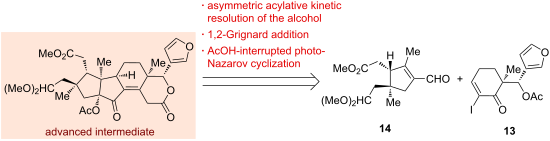
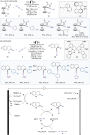
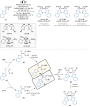
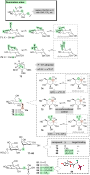
- -unsaturated aldehyde and synthesized from 26 via a four-step transformation sequence, including deketalization, reduction, silylation of the primary alcohol and oxidation of the secondary alcohol. For the disconnection of the C2–C7 bond, a two-step protocol involving Rubottom oxidation and PIDA-promoted


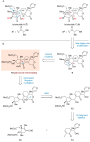


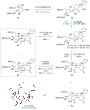
Silver(I) triflate-catalyzed post-Ugi synthesis of pyrazolodiazepines
Beilstein J. Org. Chem. 2025, 21, 915–925, doi:10.3762/bjoc.21.74
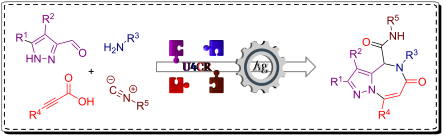
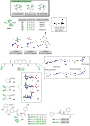
- ]. In 2015, García-Valverde and co-workers described an alternative synthesis of benzo[e][1,4]diazepines 6, exploring the nitro group of 2-nitrobenzoic acid as a masked amino group. The release was achieved through the post-Ugi reduction of the nitro group with SnCl2 triggering concomitant
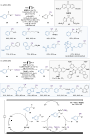
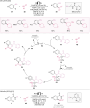
- reduction with LiAlH₄, which led to a further decrease in the degree of unsaturation of the pyrazolodiazepine core, while the more sterically hindered exocyclic amide moiety remained intact. However, both reactions were accompanied by partial epimerization, and careful kinetic control was therefore required




Recent advances in controllable/divergent synthesis
Beilstein J. Org. Chem. 2025, 21, 890–914, doi:10.3762/bjoc.21.73

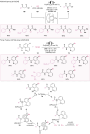
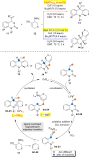
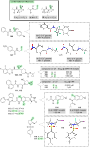
- )–H functionalization/thiolation to deliver indane-fused pyrrolidines 43 in excellent yields (up to 92%). Strikingly, switching the solvent to acetonitrile completely suppresses carbene formation under identical conditions, redirecting the pathway toward an unconventional diazo reduction wherein aryl
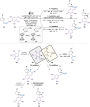
- barrierless thiyl radical addition and intersystem crossing (ISC) to furnish the final product. In contrast, acetonitrile’s polar aprotic environment destabilizes the carbene pathway, favoring direct reduction of the diazo moiety via electron transfer from the thiol. This solvent-gated selectivity underscores




Regioselective formal hydrocyanation of allenes: synthesis of β,γ-unsaturated nitriles with α-all-carbon quaternary centers
Beilstein J. Org. Chem. 2025, 21, 800–806, doi:10.3762/bjoc.21.63
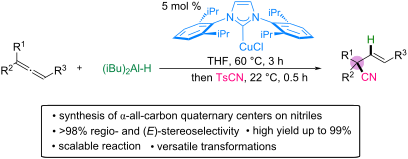
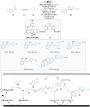
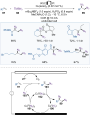
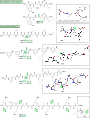
- % yield under basic conditions using sodium hydroxide and tert-butanol. The reduction of nitrile 3q with lithium aluminum hydride generated amine 7 in an 85% yield, whereas the selective hydrogenation of the alkene moiety of 3q using a Pd/C catalyst in a H2 gas environment smoothly produced product 8 in a


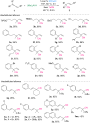


Recent advances in the electrochemical synthesis of organophosphorus compounds
Beilstein J. Org. Chem. 2025, 21, 770–797, doi:10.3762/bjoc.21.61
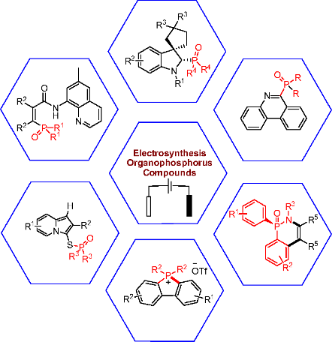
- . Electricity can perform the oxidation and reduction process by exchanging electrons on the electrode surface in a region called the double layer (DL) [12]. Unlike traditional methods that require high temperature, pressure, and external oxidants, electrochemistry is an efficient and energy-saving approach
- . They consist of two electrodes – anode (where oxidation occurs) and cathode (where reduction occurs) – immersed in an electrolyte. Galvanic cell The redox reaction occurs spontaneously in these cells, converting chemical energy into electrical energy. The potential difference between the two electrodes
- reduction occur in separate compartments, separated by a diaphragm or salt bridge, to prevent reactant mixing and improve efficiency (e.g., Daniel cell). However, in undivided cells, both reactions occur in a single compartment without separation, resulting in a more straightforward design but potentially


Origami with small molecules: exploiting the C–F bond as a conformational tool
Beilstein J. Org. Chem. 2025, 21, 680–716, doi:10.3762/bjoc.21.54
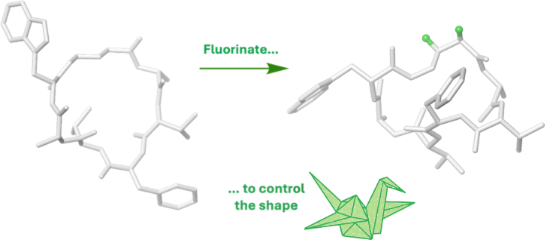
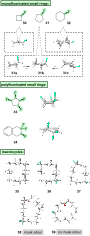
- reduction of the H-bond-donor acidity of the hydroxy group of 58. (See section 6, which focuses on carbonyl compounds, for a further explanation of the predicted conformation of 58.) Finally, two structural variations on the hydroxy group should be mentioned. First, if the hydroxy group is acylated (i.e


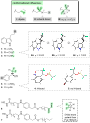






Entry to 2-aminoprolines via electrochemical decarboxylative amidation of N‑acetylamino malonic acid monoesters
Beilstein J. Org. Chem. 2025, 21, 630–638, doi:10.3762/bjoc.21.50
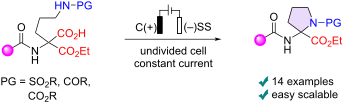
- amount of water was reduced from 33% to 17% (Table 1, entry 8 vs entry 7), an observation that might be useful for substrates of low aqueous solubility. However, further reduction of water amount to 5 equivalents completely inhibited the anodic oxidation of 9a, and only traces of the desired 6a were
- undesired cathodic reduction. Indeed, trace amounts of 2-aminoproline derivative 6g (<4%) could be obtained by replacing SS as the cathode material with platinum that has a low overpotential for hydrogen evolution reaction [14]. To avoid the undesired cathodic reduction of the nitro group, the electrolysis
- under Pd-catalyzed hydrogenolysis afforded diamino acid ester 14 (75% yield) that was likely formed by ring-opening of the unstable N-unprotected 2-aminoproline followed by the reduction of the open-chain imine tautomer. Likewise, the open-chain amino alcohol 15 was formed also upon the reduction of the



Formaldehyde surrogates in multicomponent reactions
Beilstein J. Org. Chem. 2025, 21, 564–595, doi:10.3762/bjoc.21.45
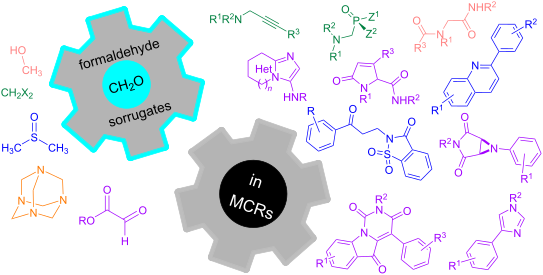
- implementation often implies fewer purification steps to achieve the target molecules, leading to a reduction of waste, when compared to traditional “step by step” synthesis. Another advantage of MCRs is that by selecting appropriate starting materials, follow-up functionalization by, e.g., post-cyclization of


Cryptophycin unit B analogues
Beilstein J. Org. Chem. 2025, 21, 526–532, doi:10.3762/bjoc.21.40
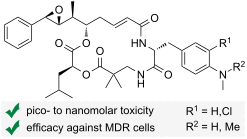
- formation and N-Boc-protection [24] provided nitroarene 5 in 40% yield over three steps. Reduction of the nitro group was performed with Pd/C and hydrogen to obtain aniline 6 in 98% yield, which served as a precursor for mono- and dimethylated unit B derivatives 7 and 8, respectively. While dimethylaniline



Synthesis of the aggregation pheromone of Tribolium castaneum
Beilstein J. Org. Chem. 2025, 21, 510–514, doi:10.3762/bjoc.21.38
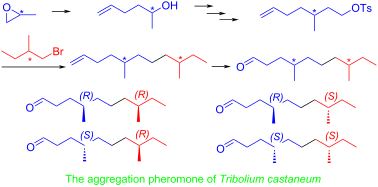
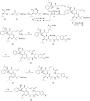
- -amine reduction and tosylation from diethyl (S)-2-(hex-5-en-2-yl)malonate ((S)-6). The stereocenter in geminal ester (S)-6 could be derived from (R)-2-methyloxirane ((R)-2) via a ring-opening reaction and a stereospecific inversion of the chiral secondary tosylate (R)-5. Following the similar procedure
- , geminal acid (S)-7 was decarboxylated with DMSO to yield chiral acid (S)-8 [33], followed by TiCl4-catalyzed reduction with ammonia-borane to obtain the chiral alkenyl alcohol (S)-9 [34]. The final tosylation with p-tosyl chloride provided (S)-3-methylhept-6-en-1-yl 4-methylbenzenesulfonate ((S)-10) [29
- ]. Similarly, chiral tosylate (R)-10 could be prepared from (S)-2-methyloxirane ((S)-2) through the ring-opening reaction, tosylation, stereospecific inversion, hydrolysis, decarboxylation, reduction, and second tosylation (Scheme 3). With two the chiral building blocks (R)-10 and (S)-10 in hand, we next


Synthesis of N-acetyl diazocine derivatives via cross-coupling reaction
Beilstein J. Org. Chem. 2025, 21, 490–499, doi:10.3762/bjoc.21.36
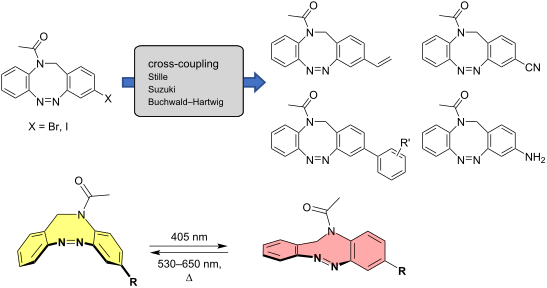
- because the design of a photoswitchable agent usually starts with a known, non-switchable drug or a known biological molecule, which is already carefully "optimized" either by pharmaceutical industry or by nature. Hence, there is a high risk that any change in structure will also lead to a reduction in
- except the preparation of the aminoaniline building block tert-butyl (2-amino-5-bromophenyl)carbamate (5), which was prepared by Boc-protection of the 5-bromo-2-nitroaniline (6) and subsequent reduction of the nitro group (see Supporting Information File 1, section II.1). Cross-coupling reactions Stille


Synthesis of electrophile-tethered preQ1 analogs for covalent attachment to preQ1 RNA
Beilstein J. Org. Chem. 2025, 21, 483–489, doi:10.3762/bjoc.21.35
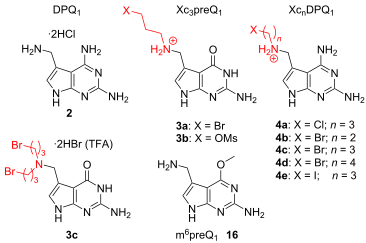
- -diaminopyrimidin-4(3H)-one to afford preQ0 (7), as originally reported by Townsend et al. [30]. The next step, namely the reduction of the nitrile moiety by hydrogenation is critical and notoriously difficult due to the low reactivity of this group in preQ0 [26]. We solved this problem by applying strongly acidic
- -step synthesis of O6-methyl preQ1 (16, m6preQ1) [28]. The direct reduction of the precursor O6-methyl preQ0 (15, m6preQ0) was possible, eliminating the need for the previously introduced protection/solubility concept, which shortened the synthetic route to only four steps (Supporting Information File 1
- of the electrophile. We thus identified aldehydes 9 and 10 as suitable branching points, which were easily derivatized to their aminomethyl-modified preQ1 analogs by reductive amination (Scheme 3). Their syntheses by Raney-Ni reduction of nitriles 7 and 8, previously described by Gangjee and co


Photomechanochemistry: harnessing mechanical forces to enhance photochemical reactions
Beilstein J. Org. Chem. 2025, 21, 458–472, doi:10.3762/bjoc.21.33
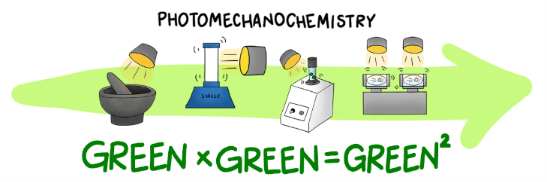
- , as a beam of light traverses through a solution, photons are quickly absorbed, resulting in abrupt reduction in light intensity. Thr Beer–Lambert law imposes the most stringent constraints from a practical point of view, mainly in terms of scalability. This requires highly diluted solutions, which in
- yield of 79%. Scanning electron microscopy (SEM) analysis revealed the deformation and reduction in size of SAOED particles upon milling. Interestingly, carbon determination experiments revealed that SAOED is quickly poisoned by organic matter, thus hampering recyclability. This can be to some extent




Electrochemical synthesis of cyclic biaryl λ3-bromanes from 2,2’-dibromobiphenyls
Beilstein J. Org. Chem. 2025, 21, 451–457, doi:10.3762/bjoc.21.32
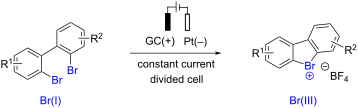
- extractive workup followed by reversed-phase chromatography and its structure was unambiguously confirmed by X-ray crystallography (Table 1, graphic). Gratifyingly, a two-fold increase in the yield was achieved by a slight reduction of the current density to j = 8 mA·cm−2 (entry 2 vs entry 1 in Table 1). A
- ) experiments (0.1 M TBA-BF4 in HFIP on a Pt disk electrode) revealed that the reduction current increases almost 4 times upon the addition of 5 mM 1a to the electrolyte (see Supporting Information File 1, Figure S1). At the same time, passing 6.0 F through a solution of 1a in 50 mM TBA-BF4/HFIP at j = 8 mA·cm


Beyond symmetric self-assembly and effective molarity: unlocking functional enzyme mimics with robust organic cages
Beilstein J. Org. Chem. 2025, 21, 421–443, doi:10.3762/bjoc.21.30
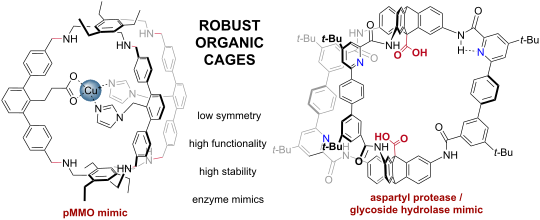
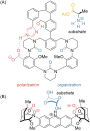
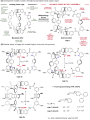
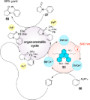
- ][344][345], which show early promise for low-symmetry cavities with catalytic potential [42][43][44][340]. Notably, Otte has used semi-stepwise self-assembly via imine formation/reduction to access a robust organic cage with reduced-symmetry and internal functionality able to chelate a copper(I) ion
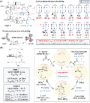
- , organocatalytic motifs, and functional triads in precise-enough ways to permit a new wave of enzyme model studies, this time to reveal details of electric field catalysis [99][417][438][439][440] and the elusive roles of enzyme dynamics [395][401][441]. Catalytic rate enhancements from a reduction in the Gibbs




The effect of neighbouring group participation and possible long range remote group participation in O-glycosylation
Beilstein J. Org. Chem. 2025, 21, 369–406, doi:10.3762/bjoc.21.27
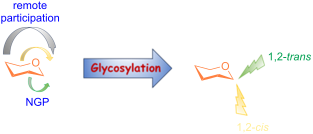
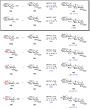
- used for glycosylation reactions in combination with the PIFA-TfOH reaction system. MeTetMe was particularly effective and could be orthogonally removed under Birch reduction conditions. Inference on neighbouring group participation Thus, we see that the electron-withdrawing groups like an ester




Synthesis, structure, ionochromic and cytotoxic properties of new 2-(indolin-2-yl)-1,3-tropolones
Beilstein J. Org. Chem. 2025, 21, 358–368, doi:10.3762/bjoc.21.26
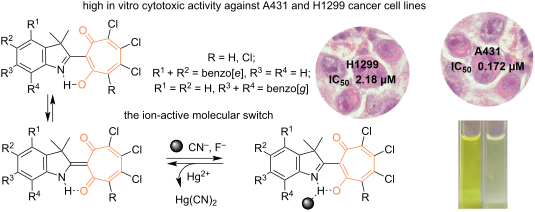
- equation formalism (IEFPCM) [38]. Biological experiments The MTT colorimetric test for cell viability assessment is based on the reduction by NADPH-H-dependent cellular oxidoreductase enzymes of the tetrazolium dye 3-(4,5-dimethylthiazol-2-yl)-2,5-diphenyltetrazolium bromide, which has yellow color, into




Antibiofilm and cytotoxic metabolites from the entomopathogenic fungus Samsoniella aurantia
Beilstein J. Org. Chem. 2025, 21, 327–339, doi:10.3762/bjoc.21.23
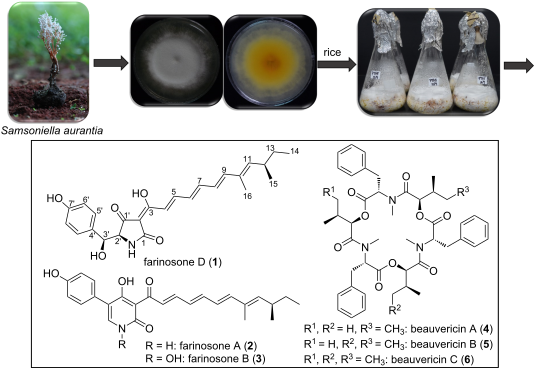
- ) begins with an acetate moiety that is extended six times by HR-PKS, programmed C-methylations took place after the first and second extensions with a cycle of full reduction occurring after the first extension. Subsequently, four acetate extensions with programmed reductions and dehydrations to afford β
- viability at concentrations as low as 3.9 µg/mL for farinosone D (1) and 1.9 µg/mL for farinosone A (2), as demonstrated by the XTT assay. This reduction in metabolic activity may explain why S. aureus was unable to form robust biofilms, as reflected in the CV biofilm inhibition assay. Therefore, it can be


Red light excitation: illuminating photocatalysis in a new spectrum
Beilstein J. Org. Chem. 2025, 21, 296–326, doi:10.3762/bjoc.21.22

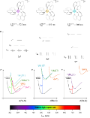
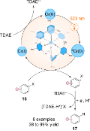
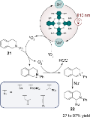
- have been proven to be efficient in photoredox catalysis [9][10][11][12]. Actually, MLCT enables a charge separation for which the ligand-based electron can trigger a chemical reduction while the metal-centered hole, a chemical oxidation. This type of excitation is particularly enhanced in heavy metals
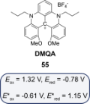
- reduction potential to −0.97 V vs SCE, a value low enough to reduce the ruthenium complex 2, whose potential is estimated at −0.89 V vs SCE, thereby yielding 3, the active species for the metathesis reaction. The catalytic cycle is closed by the reduction of the resulting osmium(III) complex, regenerating
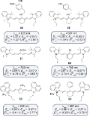
- -bismuthinidene complex can drive formal oxidative addition even with substrates that exhibit high reduction potentials such as aryl iodides and aryl thianthrenium salts, thereby expanding the scope of aryl electrophiles that can be subjected to oxidative addition. This mechanistic advancement, combined with the















Molecular diversity of the reactions of MBH carbonates of isatins and various nucleophiles
Beilstein J. Org. Chem. 2025, 21, 286–295, doi:10.3762/bjoc.21.21
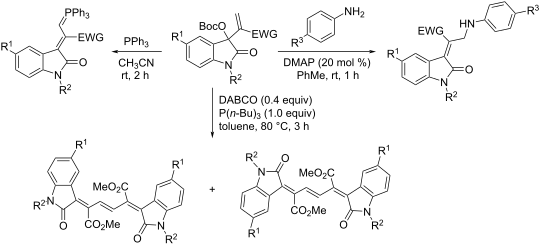
- such as DABCO, DBU, triethylamine, and K2CO3 also resulted in the significant reduction of the yields. Therefore, the reaction of MBH nitrile of isatins and arylamines can be simply carried out in toluene at room temperature in the presence of a catalytic amount of DMAP. With the optimized reaction




Oxidation of [3]naphthylenes to cations and dications converts local paratropicity into global diatropicity
Beilstein J. Org. Chem. 2025, 21, 277–285, doi:10.3762/bjoc.21.20

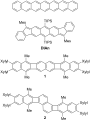
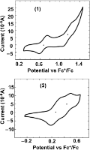
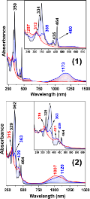
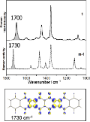
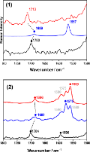
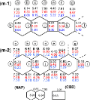
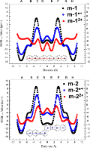
- significantly higher than the reduction of force constant of the CC bonds shared with the adjacent NAP rings, which justifies the wavenumber upshift from 1689 to 1713 cm−1 on the ν(CC)exo-CBD Raman band in the dication. Despite the symmetry lowering with respect to m-1, D2h → C2h, the force field of neutral m-2
- reduction of 53% with respect to m-1. On the contrary, the decrease for the d bond (NAP adjacent) from m-2 to m-22+ is 0.77 mdyn/Å, i.e., 30% higher than in m-1. In the case of the j bond, which is shared by CBD and NAP, both trends compensate each other, as its k[ν(CC)] decreases, upon double oxidation


Synthesis of disulfides and 3-sulfenylchromones from sodium sulfinates catalyzed by TBAI
Beilstein J. Org. Chem. 2025, 21, 253–261, doi:10.3762/bjoc.21.17
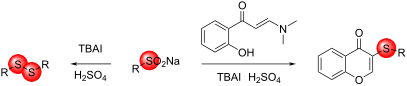
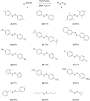
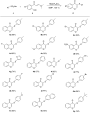
- tetrabutylammonium iodide (TBAI)/H2SO4 reduction system using sodium sulfinate as key component, thus eliminating the need for thiols and redox reagents commonly used in traditional methods. Various disulfides and 3-sulfenylchromones were obtained in moderate to excellent yields through this methodology. Mechanistic
- the reaction, an attempt was made to increase the concentration, reducing the amount of solvent to 1 mL (Table 1, entry 12), product 2a was obtained in 67%, and a further reduction to 0.5 mL failed to increase the yield significantly (Table 1, entry 13). Although the amount of solvent used could have




Dioxazolones as electrophilic amide sources in copper-catalyzed and -mediated transformations
Beilstein J. Org. Chem. 2025, 21, 200–216, doi:10.3762/bjoc.21.12
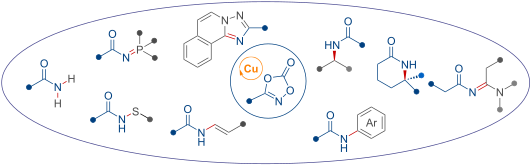
- Synthesis of primary amides via the generation of copper–imidate radical intermediates In a subsequent study, the research group of Son developed a method for the reduction of dioxazolones to synthesize primary amides under mild reducing conditions in copper catalysis (Scheme 10) [103]. The reaction was
- of alkynes. Proposed catalytic cycle for the copper-catalyzed reduction of dioxazolones. Formation of isocyanates and amidated arenes from dioxazolones. Copper-catalyzed synthesis of δ-lactams via open-shell copper nitrenoid transfer. aCuBr (10 mol %) and BOX-1 (15 mol %) were used. bA stereoisomeric
- of primary amides through N–O bond reduction using reducing agent. Funding This work was supported by the National Research Foundation of Korea grant (RS-2024-00333890) funded by the South Korean Government (MSIT). This work was also supported by the Korea Environment Industry & Technology Institute


Quantifying the ability of the CF2H group as a hydrogen bond donor
Beilstein J. Org. Chem. 2025, 21, 189–199, doi:10.3762/bjoc.21.11
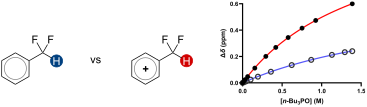
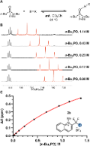
- constructs. Although many of the CF2H HB donors studied here can promote relatively strong hydrogen bonding interactions with n-Bu3PO, even the strongest CF2H HB donor (3b) is still 30 times weaker than phenol (10), corresponding to about a 2 kcal/mol reduction in binding energy at 25 °C. These results



Recent advances in electrochemical copper catalysis for modern organic synthesis
Beilstein J. Org. Chem. 2025, 21, 155–178, doi:10.3762/bjoc.21.9

- terminal alkyne 2 in the presence of a chiral copper catalyst and base, which reacts with the electrophilic iminium intermediate 15 to yield the desired chiral product 14. Active Cu(I) is regenerated either through cathodic reduction or by reaction with TEMPO–H. A year after the Mei group’s report, the Xu
- Pt surface for proton reduction, and offering anodic overcharge protection to avoid undesirable substrate oxidation. Conclusion Over the past two decades, significant progress has been made in electrochemical organic reactions, supported by the development of more sustainable and versatile